The Man Who Changed Video Games: Hideo Kojima's Creative Style
Translated with AI from the Russian original.
While most studios chased pure spectacle, this developer forged iconic mechanics through console hardware limitations and transformed spy thrillers into profound anti-war parables. In 2015, Hideo Kojima controversially left Konami, and in 2026, unexpectedly lost a key partner in Sony, which ceased funding for Physint. Another tectonic shift in the master's career is the perfect occasion to recall how he made the industry speak the language of big cinema.
The Creative Journey of a Genius
The future game designer was born in 1963. He disliked studying, finding the school curriculum boring. Instead, young Kojima spent a lot of time reading books, and every evening he watched movies with his family.
The boy loved science fiction, detective stories, and adventure novels. He eagerly watched films by both Japanese authors and Western science fiction. His father instilled a passion for the latter, which influenced the future game designer's work.
Over time, he began going to the cinema alone, on the condition that upon his return, he had to discuss what he had seen with his parents. This taught their son not just to watch, but to analyze the direction and message of the film.
When Hideo was 13, his father, Kingo Kojima, died. After this, the boy started watching even more films, often staying up late and not getting enough sleep. His mother encouraged his hobbies, buying books and cassettes, though she worried that her son was delving too deeply into a world of fantasy. He devoted himself entirely to creativity: instead of preparing for exams, he wrote stories, dreaming of becoming a screenwriter.
After finishing school, Kojima dreamed of cinema but was forced to enroll in the Faculty of Economics because his family faced severe financial difficulties after losing their breadwinner.
During his university years, Hideo discovered the world of games — the Famicom console from Nintendo helped him with this. Shigeru Miyamoto's and Yuji Horii's projects inspired Kojima. Especially The Portopia Serial Murder Case — a Japanese detective quest that made him consider for the first time that games could be an alternative to films.
In 1985, Kojima dropped out of university in his fourth year and kept it a secret from his mother for a long time. A year later, he joined Konami as a designer and planner in the game development department for the MSX computer.
Cinematic Quality
Cinematic techniques play an important role in Hideo Kojima's scripts. They emphasize elements that the author wants to show the player.
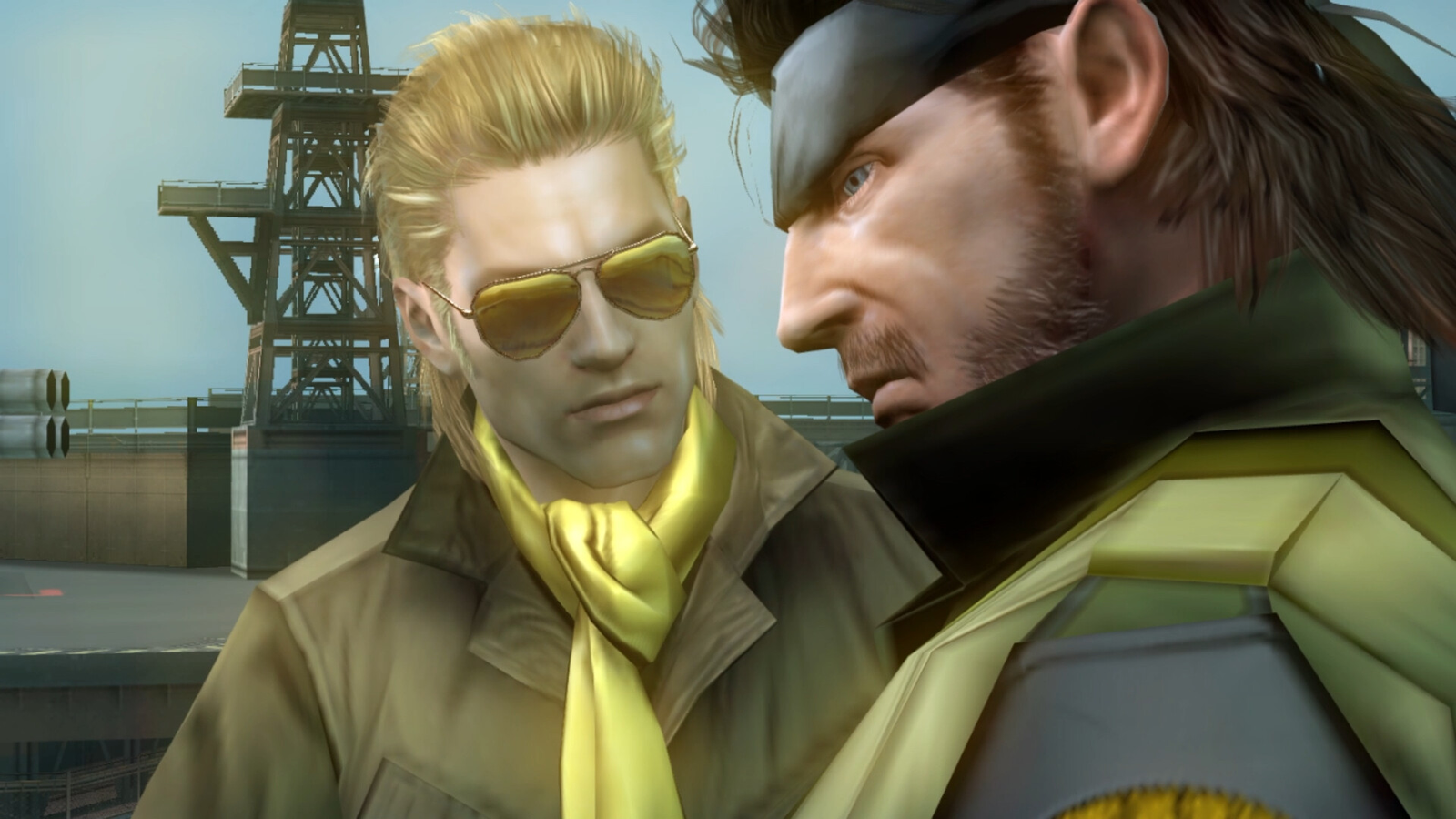
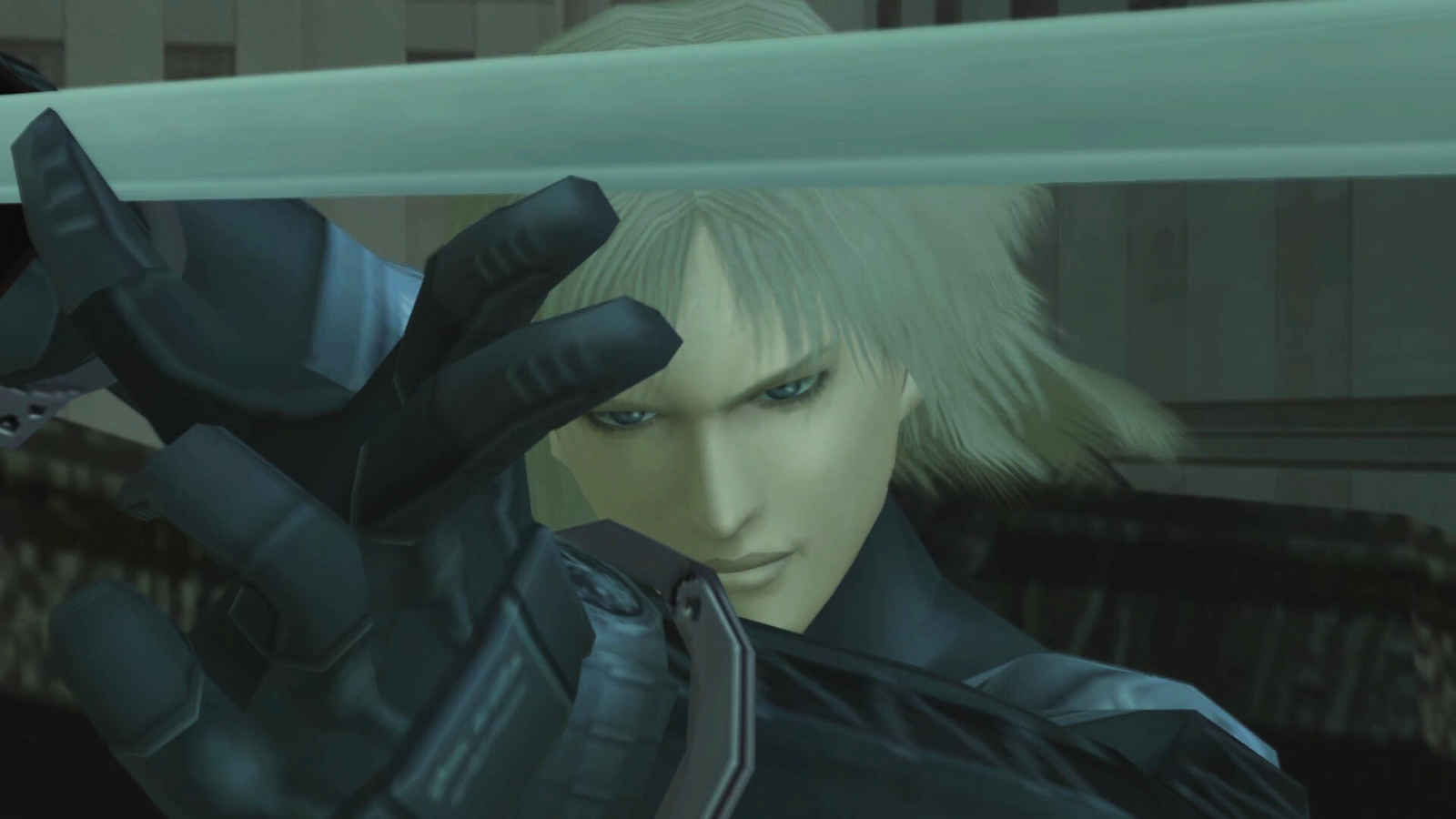
Thanks to the influence of Alfred Hitchcock's films, the game designer learned to masterfully convey tension in his games. Recall the ladder scene in Metal Gear Solid 3, where the player climbs up to the main theme of “Snake Eater” — a technique that makes the anticipation of the outcome more important than the action itself, directly borrowed from Hitchcock.
From Francis Ford Coppola's works, Kojima adopted epic scale and the theme of legacy. The Metal Gear Solid series is much like “The Godfather” in the world of espionage: there are different clans, betrayals, and children who pay for the sins of their fathers. All these intertwining elements deepen the view of the story, making it ambiguous.
Akira Kurosawa gave the game designer an understanding of visual composition and working with weather as an emotional backdrop. The rain in MGS2 or the fog in MGSV create a unique mood. And in Death Stranding, precipitation also shows fear of the relentless force of nature — time.
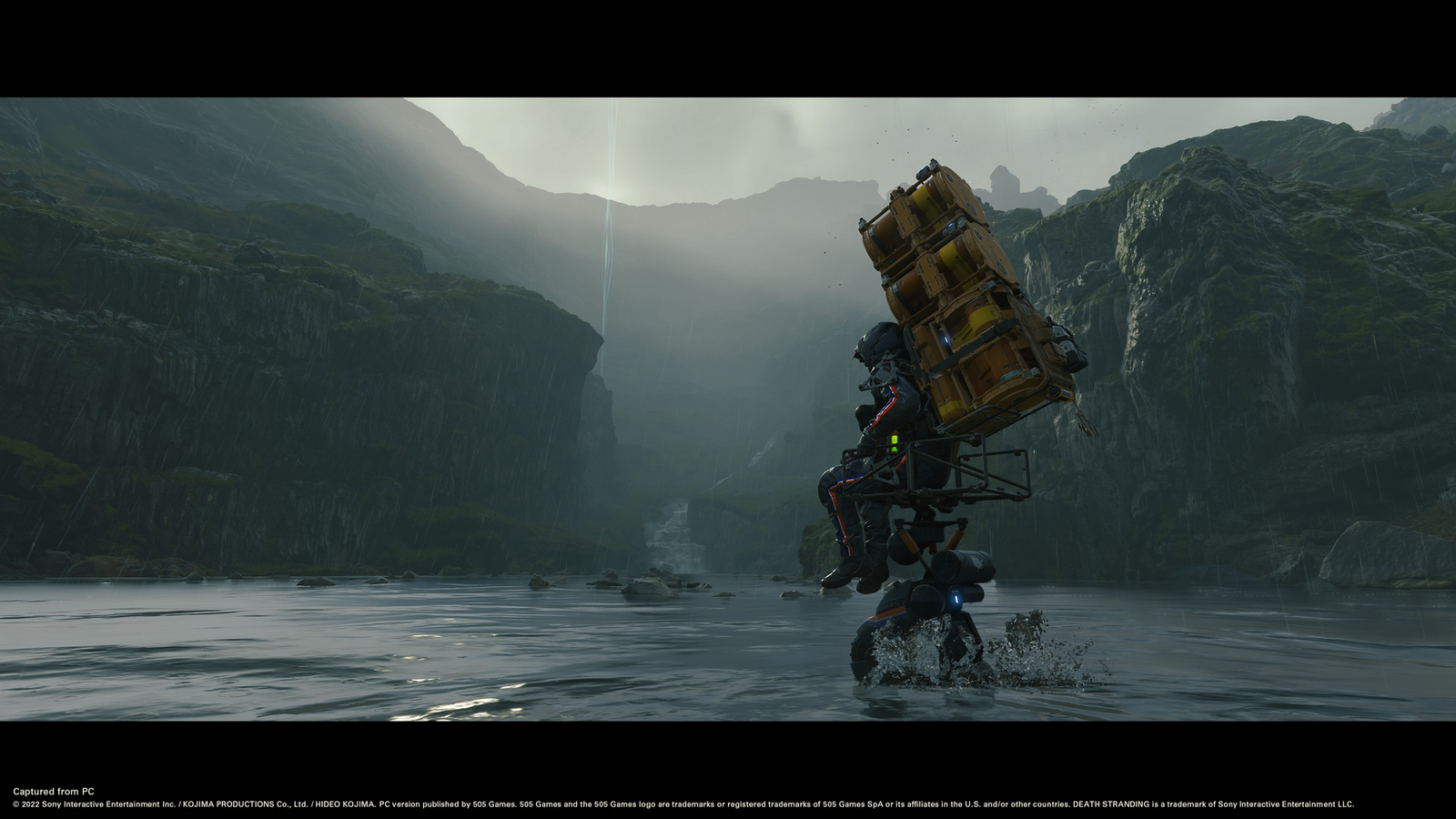
Kojima was inspired by the works of many other creators:
- George Miller profoundly influenced the visual style and narrative of survival in an apocalypse;
- Martin Scorsese's “Taxi Driver” showed how best to portray a hero's loneliness;
- Stanley Kubrick's “2001: A Space Odyssey” taught Kojima to combine science and philosophy;
- John Carpenter's “Escape from New York” directly inspired the image of Solid Snake;
- Dario Argento's “Deep Red” showed how to create a unity between the viewer and the character.
The developer constantly brings games and films closer, striving to erase the line between them. For example, in Metal Gear Solid 2, Raiden and Snake discuss clichés and tropes of Hollywood action films. And in Metal Gear Solid 3, during saves, the Paramedic constantly discusses Cold War-era films with Snake.
Today, the game designer regularly works with Hollywood stars on his projects. In the first Death Stranding alone, you can find Norman Reedus, Léa Seydoux, Mads Mikkelsen, and Guillermo del Toro, while in the second game, Elle Fanning, Luca Marinelli, and even director George Miller joined them. Even the upcoming OD and The Physint feature Sophia Lillis, Hunter Schafer, Bill Skarsgård, and Ma Dong-seok.

Before Kojima, video games were rarely perceived as an author's statement, but he proved that a game can be as complex as a film: with direction, script, acting, and editing. And thanks to interactivity, Kojima gives the player much more than just a told story.
Main Ideas in Kojima's Games
Hideo Kojima's works are full of symbolism and deep themes that reflect himself and his worldview. For example, the game designer often raises questions about the human body, examining it from different angles: as an object of manipulation, as an object of destruction, or as a tool.
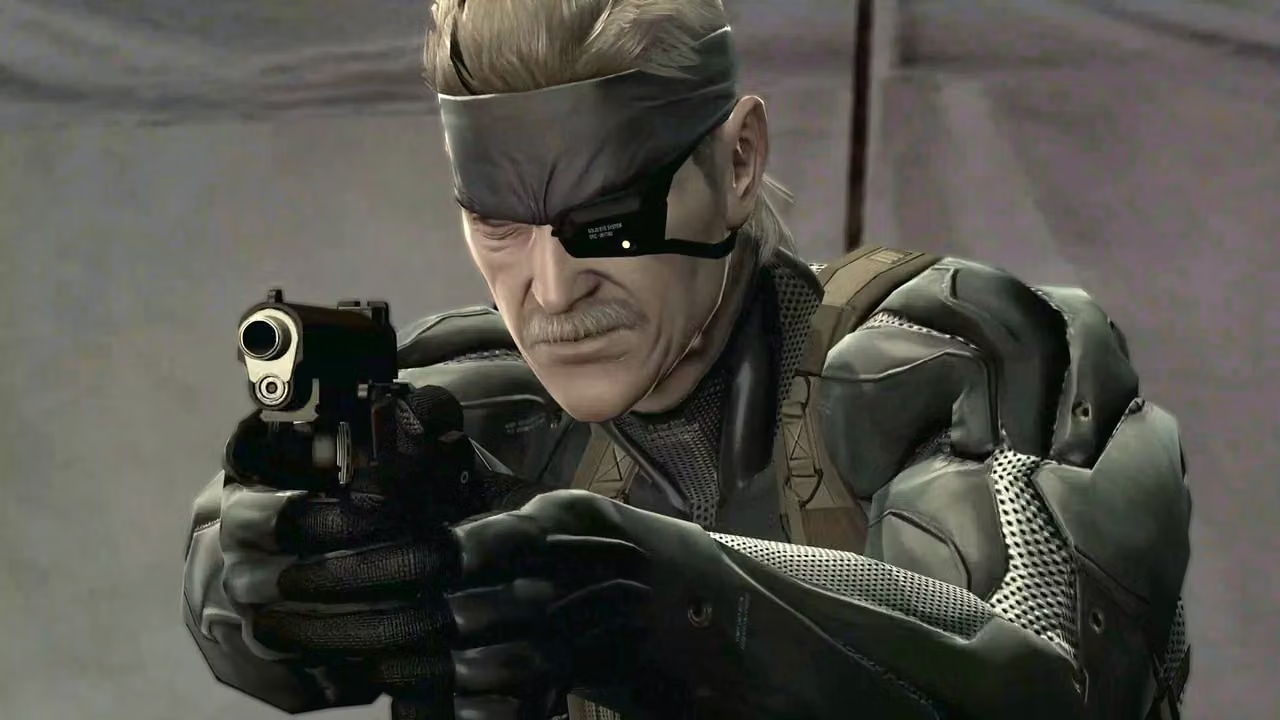
Thus, in Metal Gear Solid 4, the main character aged and lost control of himself. Although he was just over 40 years old according to the plot, due to a genetic defect, he looked like a 70-year-old man.
Kojima made Snake's aging the central theme of the game, showing the story of a man living out his allotted time, fully understanding everything. In him, one can easily read the reflection of the author, who has been working on the same franchise for more than two decades and wants to move on from it.
The loss of his father also influenced the creator's works. The entire Metal Gear series is built around the theme of father-child relationships: Liquid and Solid Snake fought for several installments for the “legacy” of their “parent” — Naked Snake or Big Boss, trying to understand who was most worthy to follow in his footsteps.
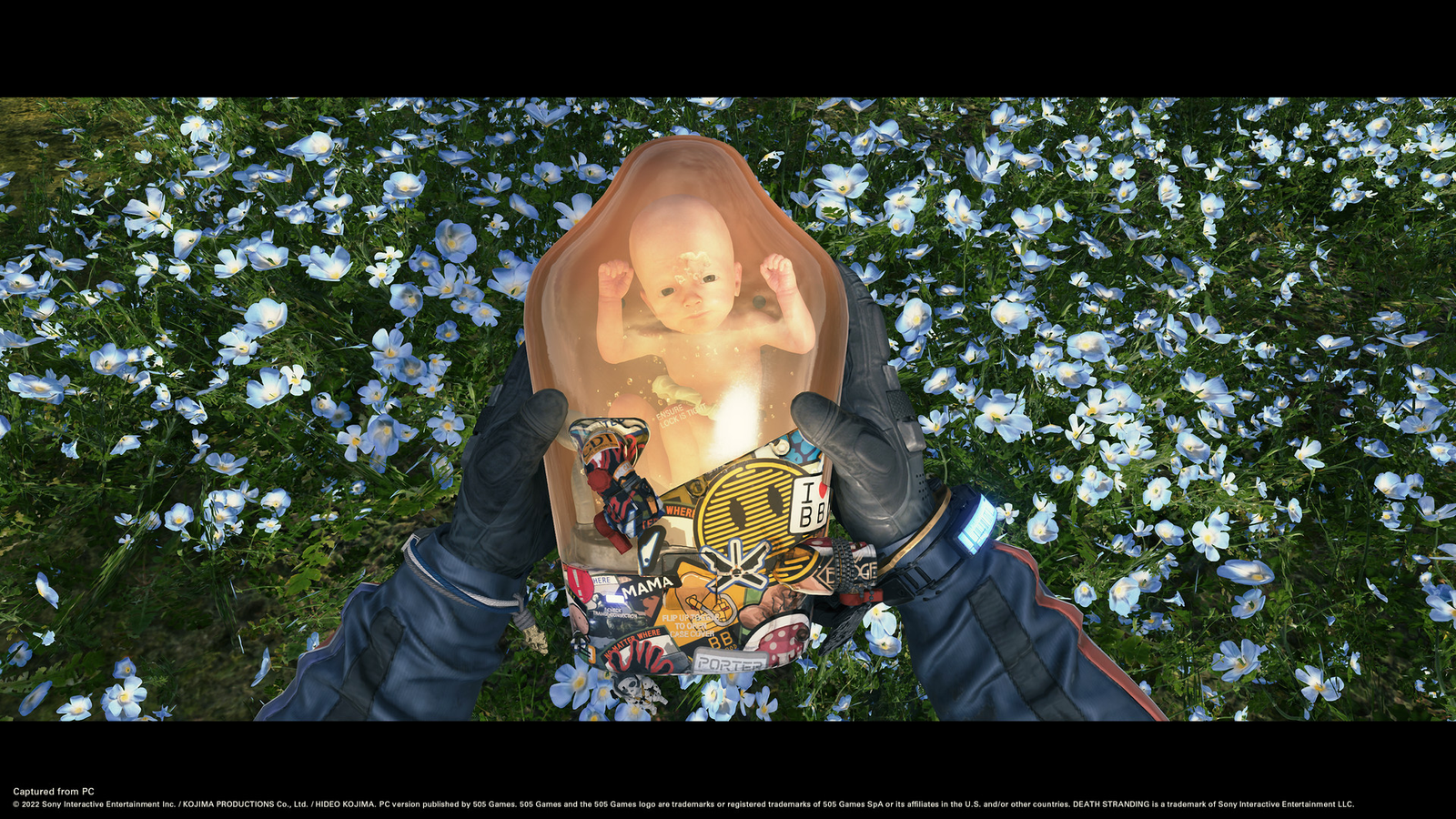
In the first Death Stranding, the protagonist involuntarily and reluctantly takes on the role of a parent, capable by the end of challenging the world for the fate of one child. In the second, the game designer turned the game around — now the main character experiences the loss of a child and tries to overcome grief. Kojima shows us the most hidden, yet most important human feelings: love, bravery, grief, humility.
Another important theme turned out to be information control and digital manipulation. The game designer predicted this currently relevant problem back in 2001, when Metal Gear Solid 2 was released.
This game talks about “memes” — ideas transmitted from person to person through imitation and culture, because in the digital world, nothing disappears without a trace. It raises questions of censorship, filtering information for the masses, and the overabundance of junk and useless data in people's information bubbles.
MGS2 also talks to us about the problem of artificial intelligence, which offers to control content by creating context for it and removing everything superfluous. And with this, the question of self-determination is also raised — the author asks the player: “Are your thoughts truly yours, or were they imposed by someone, for example, by me?”. Today, the second part of Metal Gear Solid is more relevant than ever.
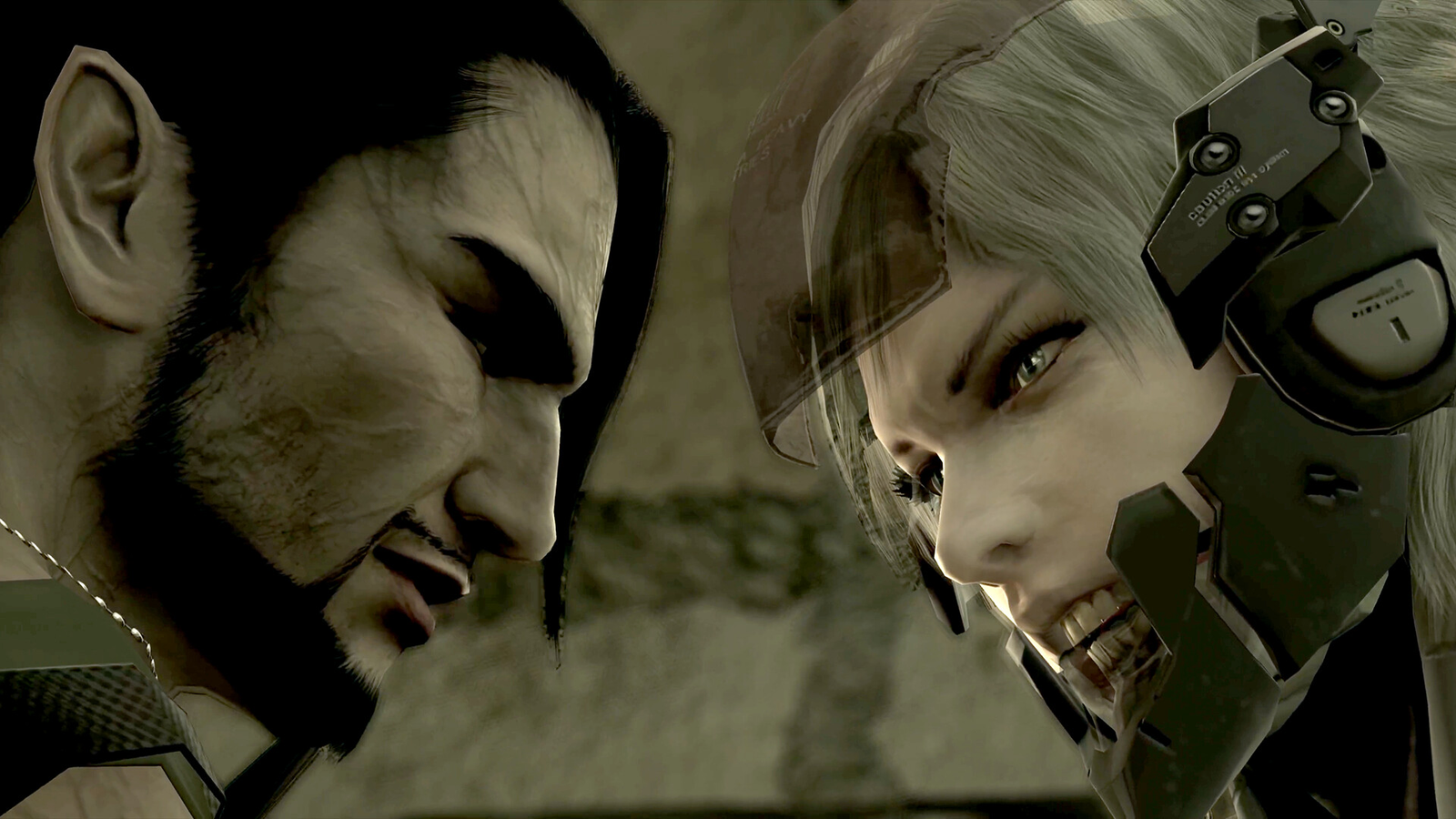
Another recurring motif in his works is the anti-war manifesto. His father survived World War II and the bombing of Tokyo, though he did not participate in combat. He passed this experience on to his son, which greatly influenced him.
However, Hideo does not speak about pacifism directly, but presents it through a paradox: the game designer's games condemn war and nuclear weapons, yet lovingly and with insane detail reproduce military aesthetics, weapons, and tactics. Kojima forces the player to live through these contradictions and personally experience the tragedy of their own choices — to kill coldly or to act stealthily, without unnecessary casualties. The maestro explained this by saying that he did not want to create another military shooter, but tried to reveal the context behind the conflict, making the player think.
In MGS2, the game designer also raised the question of connection between people. There, he showed that despite globalization, we can still be lonely.
Loneliness is Kojima's fundamental creative engine. Even as a child, every time he returned from school, Hideo felt this emotion when he found himself in an empty house. The boy turned on all the lights and the TV to create the illusion of someone being nearby. This feeling became both a trauma and a way for him to connect with the world through imagination.
In 2015, another acute episode occurred — all due to his dismissal from Konami. The company where the game designer had worked for 30 years. Then he lost everything except the desire to create. Kojima described it this way: “I thought I had lost everything... But I had something more important left — a connection with people.”
It was then that the idea for Death Stranding was born, which seemed to be a development of the concept of the second Metal Gear Solid: in this world, people live separately after the apocalypse, in isolated bunkers, having detached themselves from society. The player takes on the role of a unifier — a thread that will restore lost connections.
The second part of Death Stranding looked at the issue from another angle. The game, released in 2025, proved to be more relevant than ever due to the globalization of the Internet and the widespread adoption of AI. Through the game's slogan, Kojima asks: “Was it worth uniting?”. This is a direct development of the game designer's views after the COVID-19 pandemic, which greatly affected society, making it more virtual.
The game designer leads the player to the conclusion that perhaps an overabundance of online communication and dedicating one's entire life to the Internet is no better than complete loneliness. A balance is needed, because nothing can replace real interaction.
Gameplay that Connects the Player with the Character
Hideo Kojima's projects stand out not only for their narrative and deep themes but also for their unique mechanics. Along with cinematic staging, gameplay elements help the author create a unique immersion: the player feels the character they control as if through their skin.
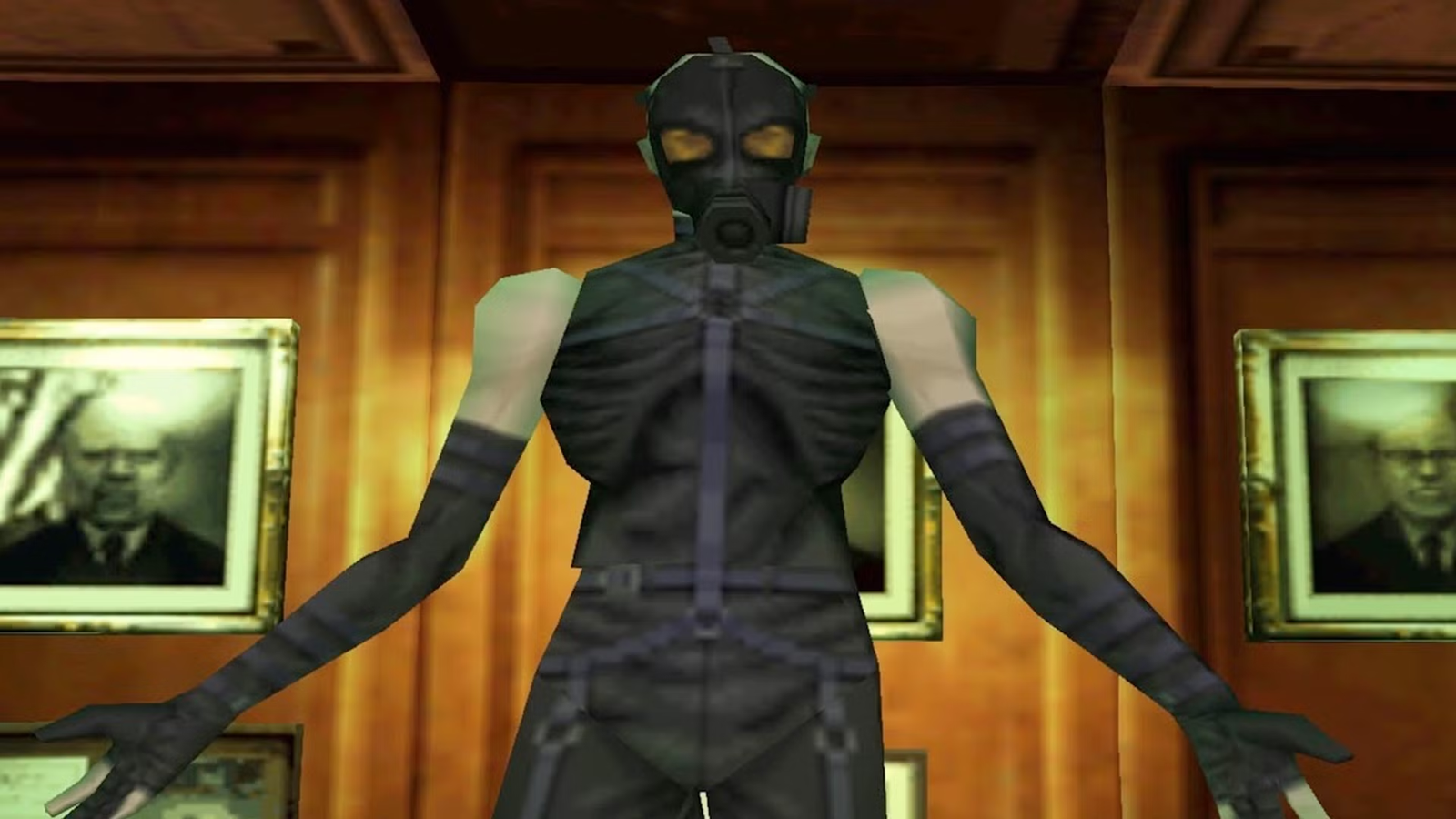
For example, through the battle with Psycho Mantis in the first Metal Gear Solid, the author broke the “fourth wall,” which almost no one did at the time. The boss surprised not with combat techniques, but by interacting with the player's equipment: reading the memory card and commenting on the saves there; simulating a loss of TV signal right during the battle to scare or damage the hero; reading input from the controller in the first port, instantly dodging all shots. To win, one had to use imagination, remember the boss's location, and also switch the gamepad to another port. In modern re-releases, the idea also remained — for example, now they suggest changing the player's account or using a keyboard.
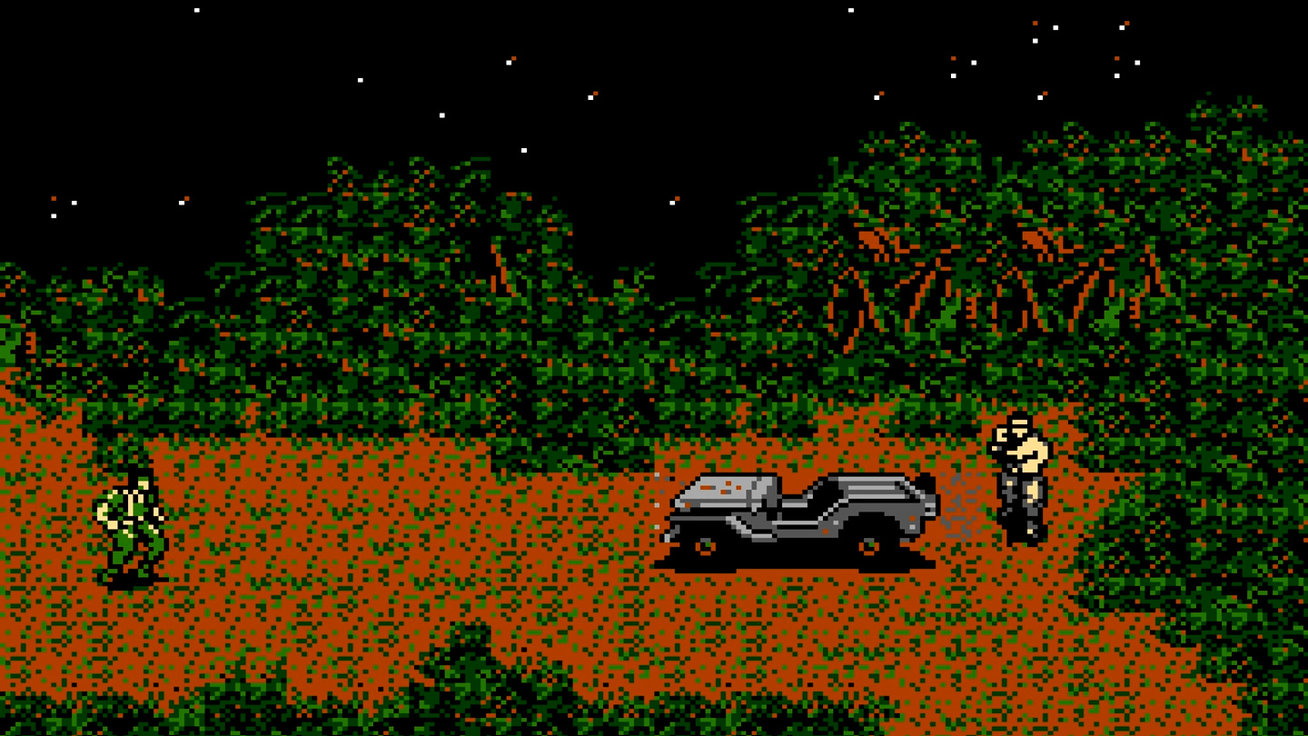
Sometimes imagination had to be applied out of necessity: the first Metal Gear was supposed to be an action game, but due to the weak MSX2 hardware, developers had to improvise. If more than a certain number of sprites appeared on the screen simultaneously, there were problems with the image. So Kojima decided to change the approach: if you can't show many enemies and a shootout, you need to make the player avoid them. Thus, an entire game genre was born — stealth. Its representatives existed before, but were rather inconspicuous experiments.
Here we should once again thank the world of cinema. John Sturges' film “The Great Escape” formed the core of the gameplay — avoiding combat and escape as a means of resistance. Coincidentally, the film was released in 1963 — the year Kojima was born. And the 1961 film “The Guns of Navarone” became the source of the basic concept of stealth infiltration into the protected island of Outer Heaven.
In MGS3, the player had to take care of the protagonist's body: timely apply first aid and necessary medicines, hunt Siberian jungle fauna for food, send the hero “to sleep” to restore stamina after a long gaming session. And in MGS4, the protagonist's aging was reflected in the mechanics: his stamina drops from stress and fear, his back hurts after rolls, he gets nauseous from long rides inside a barrel. If you torment old Snake, he can lose consciousness and become an easy target for the enemy.
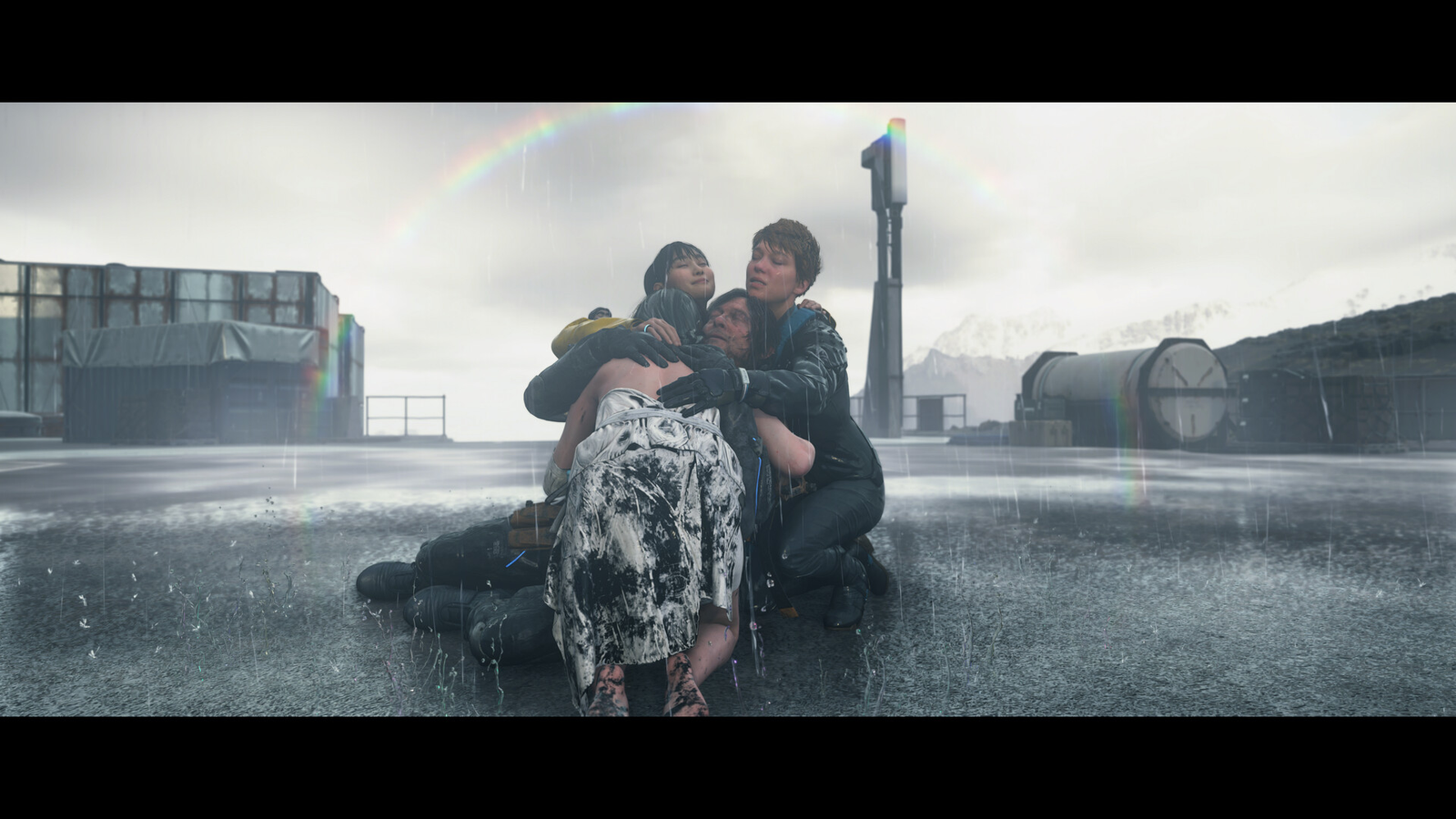
In Death Stranding, the game designer decided to use the feeling of loneliness, making it the basis of the gaming experience: the player spends hours moving through wastelands, listening to silence and the howling wind. However, the world establishes a connection with other players, building the idea of its development on mutual assistance: items left by someone appear in the worlds of other gamers, helping them overcome obstacles; trodden paths implicitly show routes to delivery points or secrets.
Kojima said that when playing the project, the player should feel hopelessness, helplessness, and powerlessness, remaining alone. After all, the world is huge, and restoring it alone is an impossible task. But by finding other people's structures, the player understands that someone has already walked this path before, leaving a little help for another courier. The author considers this connection through loneliness to be the main message of the game.
A Man Whose Influence on the Industry is Hard to Overestimate
Being a fan of cinema since childhood, he brought its aesthetics into the world of video games, making them more cinematic and profound. The game designer was inspired by many great directors, taking a piece of each style and adding it to his works. This allowed not only to correctly place accents but also, with the help of interactivity, to make the player feel like the main character. Thanks to the influence of cinema, he created a new game genre. And who knows, perhaps without him, we would not have seen many iconic games and franchises.
In his works, Hideo Kojima talks to the player about important questions that concern him personally and other living people: old age, the pain of loss, loneliness, the fears of war, and relationships with relatives. All this shaped him as a person, and he used these feelings as energy for his work.
Almost all of his projects turned out to be prophetic, foreseeing many problems that are relevant today. Even 25 years after its release, Metal Gear Solid 2 remains relevant in questions of artificial intelligence, control and overabundance of information, as well as self-determination in a world without clear guidelines.
And despite his venerable age — Kojima turned 63 in August — the “genius” continues to develop and does not intend to rest on his laurels. Currently, Kojima Productions is simultaneously working on two main projects: the horror game OD and the spy action game Physint, which is positioned as a spiritual successor to Metal Gear Solid.
Perhaps the game designer will be able to put another piece of himself into them, something we have never heard of before — to once again revolutionize the world of video games.
Never miss our newsAdd this site to your preferred sources to see us more oftenAdd on Google