A selection of 10 games that can replace GTA VI for you
Translated with AI from the Russian original.
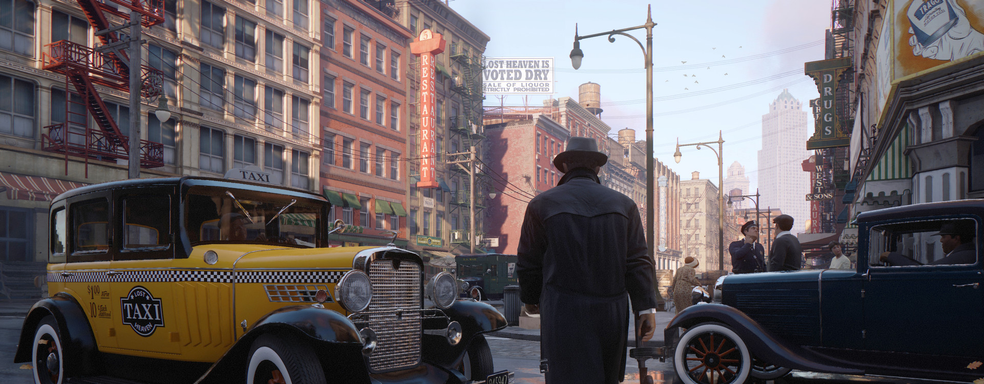
All Mafia installments
The franchise tells stories of protagonists who tied their lives to the criminal underworld, but everything turned out completely different from what they expected. Instead of satire, the authors prepared a profound drama that dispels all the romance hovering around the genre.
Several historical eras await you: early 20th-century Sicily, the Great Depression of the 1930s, the post-war period in the US, and gang turf wars against the backdrop of the Vietnam War. The game worlds are far from the sandbox you might be used to, serving merely as a way to get from point A to point B. On the other hand, the locations immerse you perfectly in the era, complementing the main narrative and turning the cities not merely into scenery, but into full-fledged characters.
The gameplay resembles GTA — an open world, the ability to commandeer someone else’s car, and getting into altercations with police officers. But instead of a fun arcade experience, you get a high level of simulation: heavy vehicle handling, police officers who can ticket you for speeding, and gunplay that is unforgiving at higher difficulties.
Watch Dogs trilogy
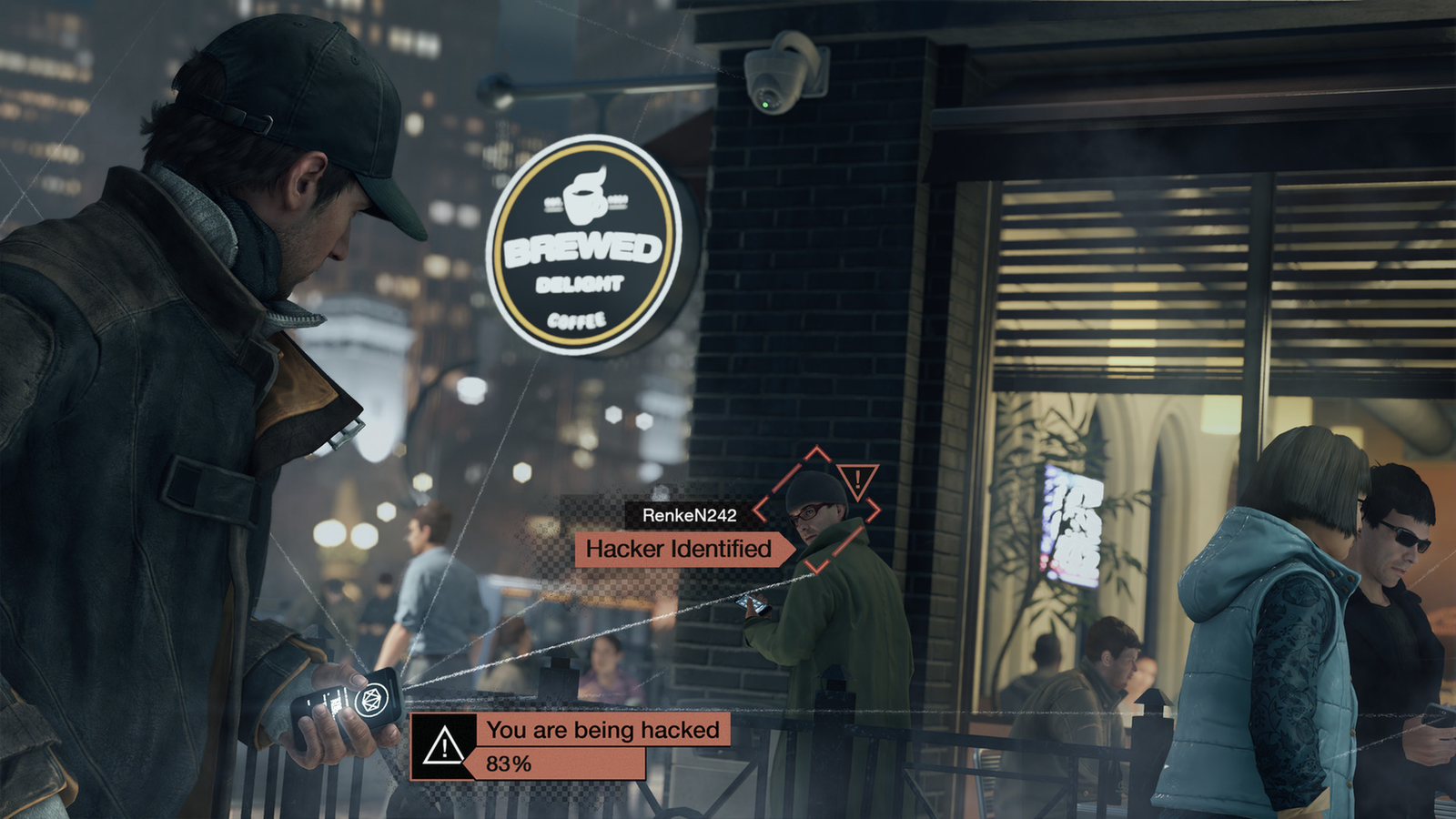
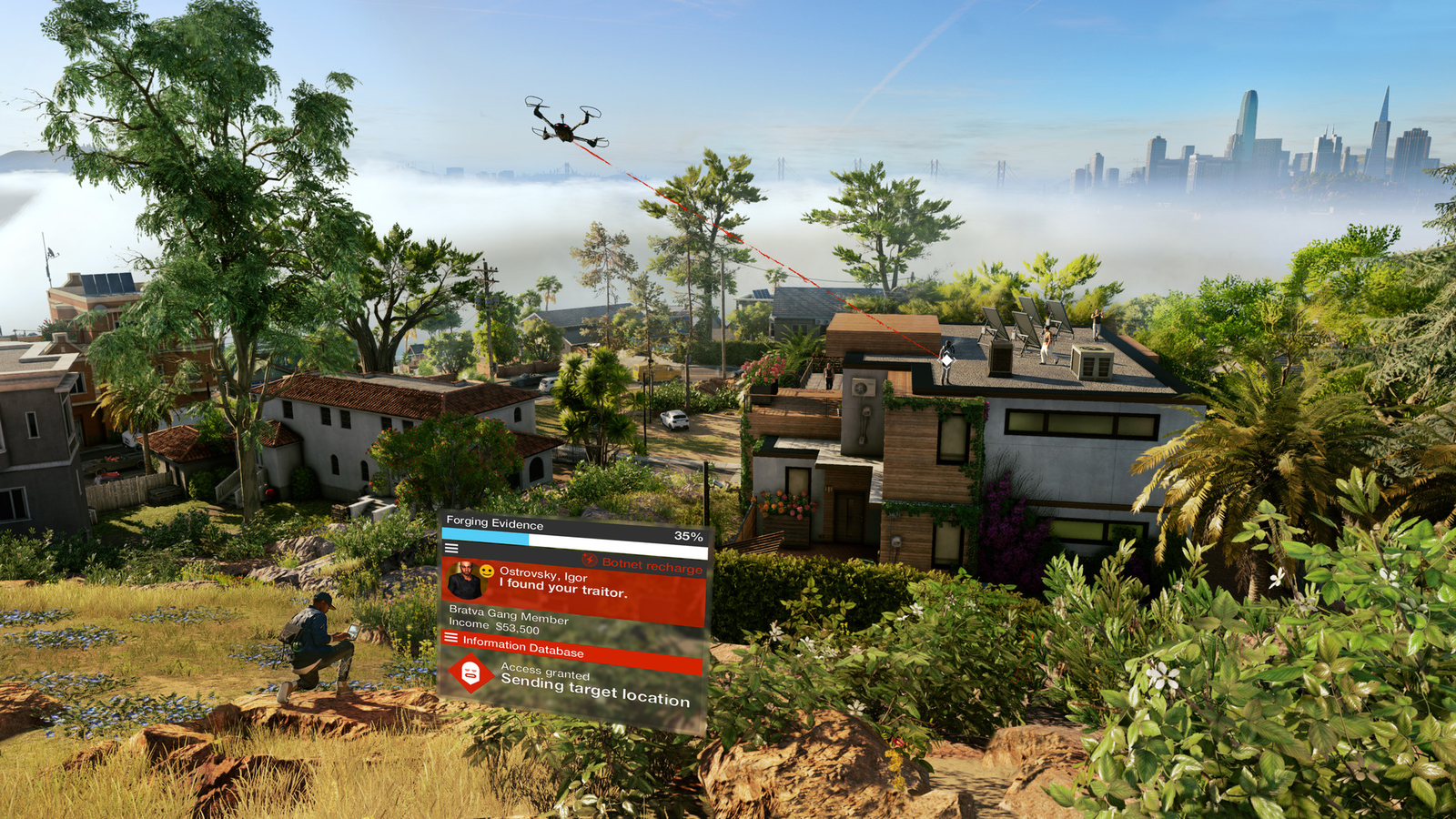
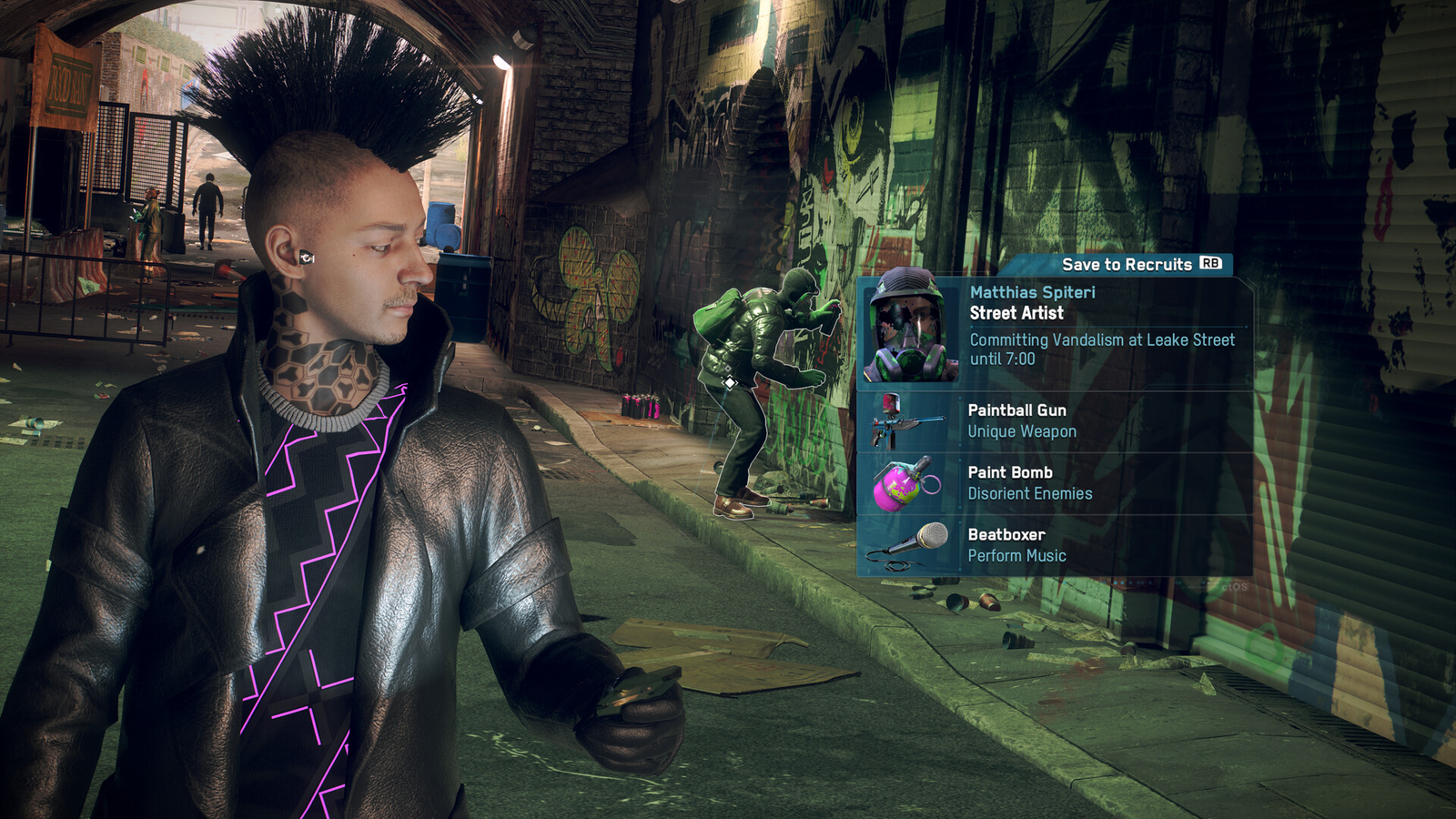
In addition to GTA’s familiar set of gameplay mechanics, this gaming series from Ubisoft invites the player to become a hacker: you can hack traffic lights on the fly, as well as cars, passersby gadgets, passing drones, and much more. All this gives you an edge, creating interesting situations that were never present in Grand Theft Auto.
The first installment sends us to a gloomy Chicago, the second to sunny San Francisco, and the third — Legion — to a grim London, expanding gameplay possibilities each time. While the first Watch Dogs feels like a problem-solving toolkit, Legion turns into a full-fledged sandbox. In it, you can not only have varied fun with hacking, but also switch protagonists, which determines your skills.
Yet the franchise has plenty of downsides: vehicle physics are far from ideal, hacking minigames can quickly become tedious, and the triquel’s story suffered greatly due to the protagonist-swapping mechanic. That is why the second game stands out as the golden mean: it boasts an enjoyable sunny atmosphere, a solid story packed with references to pop-culture works like “Aliens”, and well-balanced gameplay.
The Godfather duology
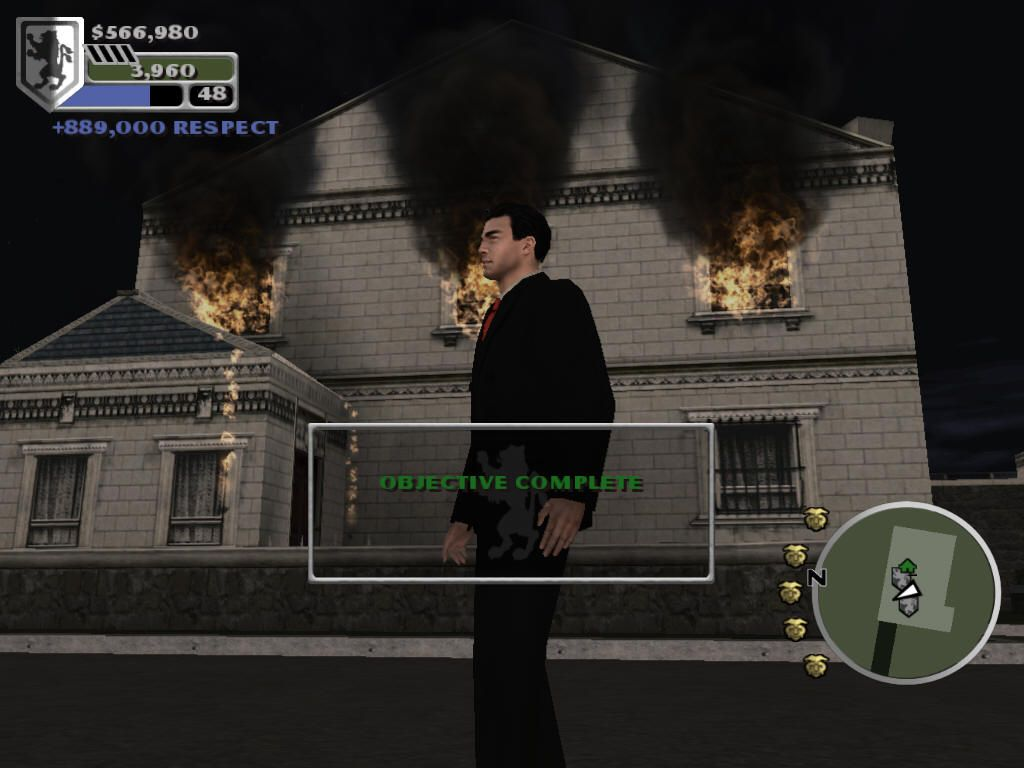
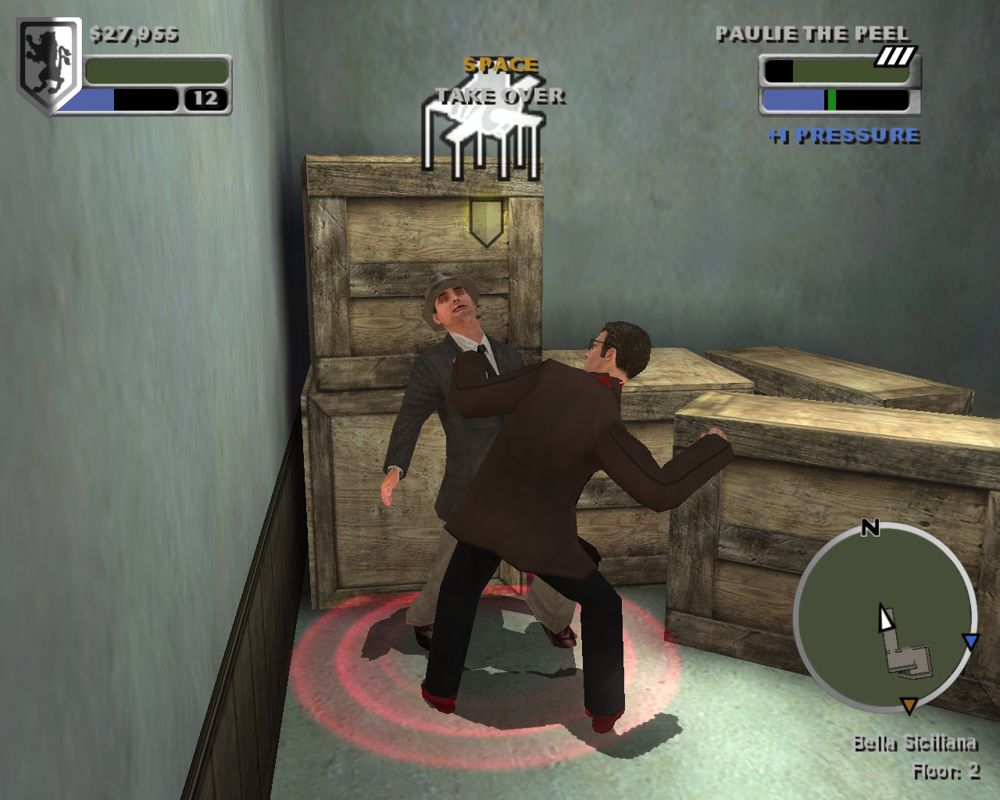
This series develops the GTA formula, infusing it with racketeering mechanics and turf wars, echoing the side-income concept in Rockstar’s projects. The result is a hybrid that can intrigue you with its strategic component, even if the story and characters take a back seat.
Both games rely on the same basic Grand Theft Auto formula. You have an open city, you can steal cars, roam freely across the map, and complete story missions interspersed with side quests.
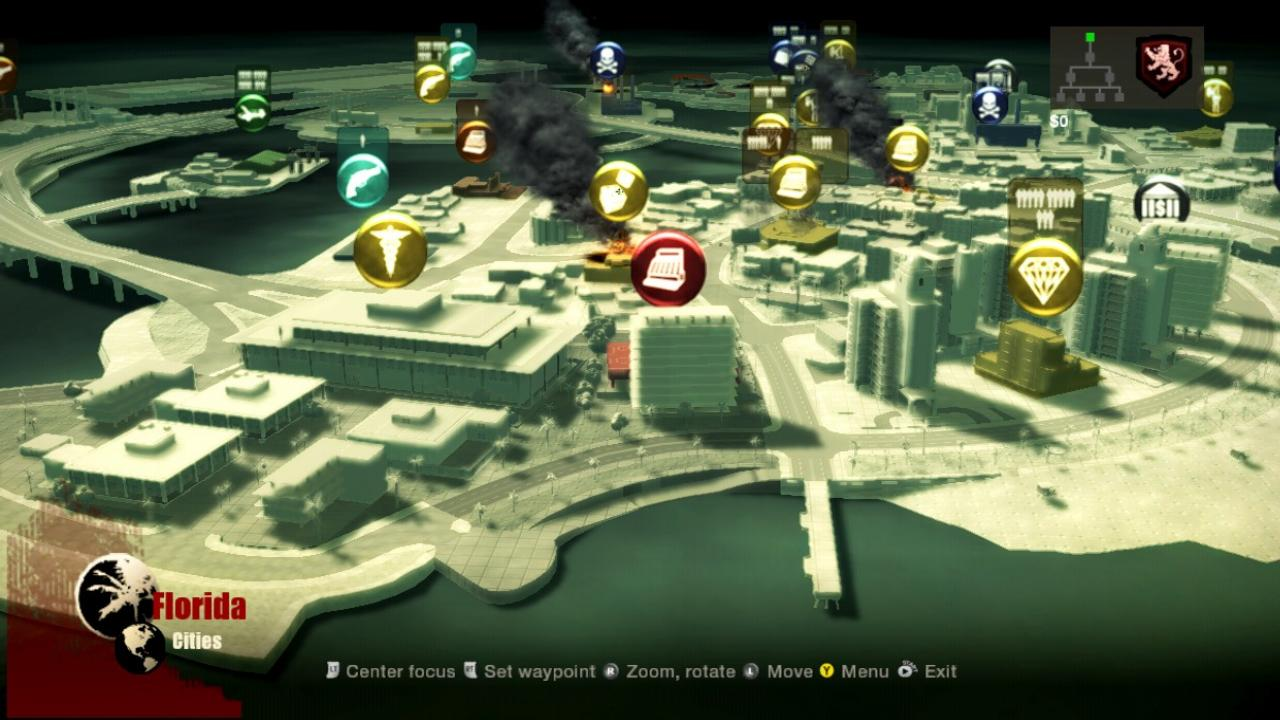
The first installment focused on brutal hand-to-hand combat and extorting money from shop owners: you have to threaten people to become their “protection.” The second part added a strategic map mode where you can manage the family, dispatch mobsters to take over or defend rackets, and plot the elimination of competitors. The game began to resemble a tactical strategy with action elements, which looks unusual.
Cyberpunk 2077
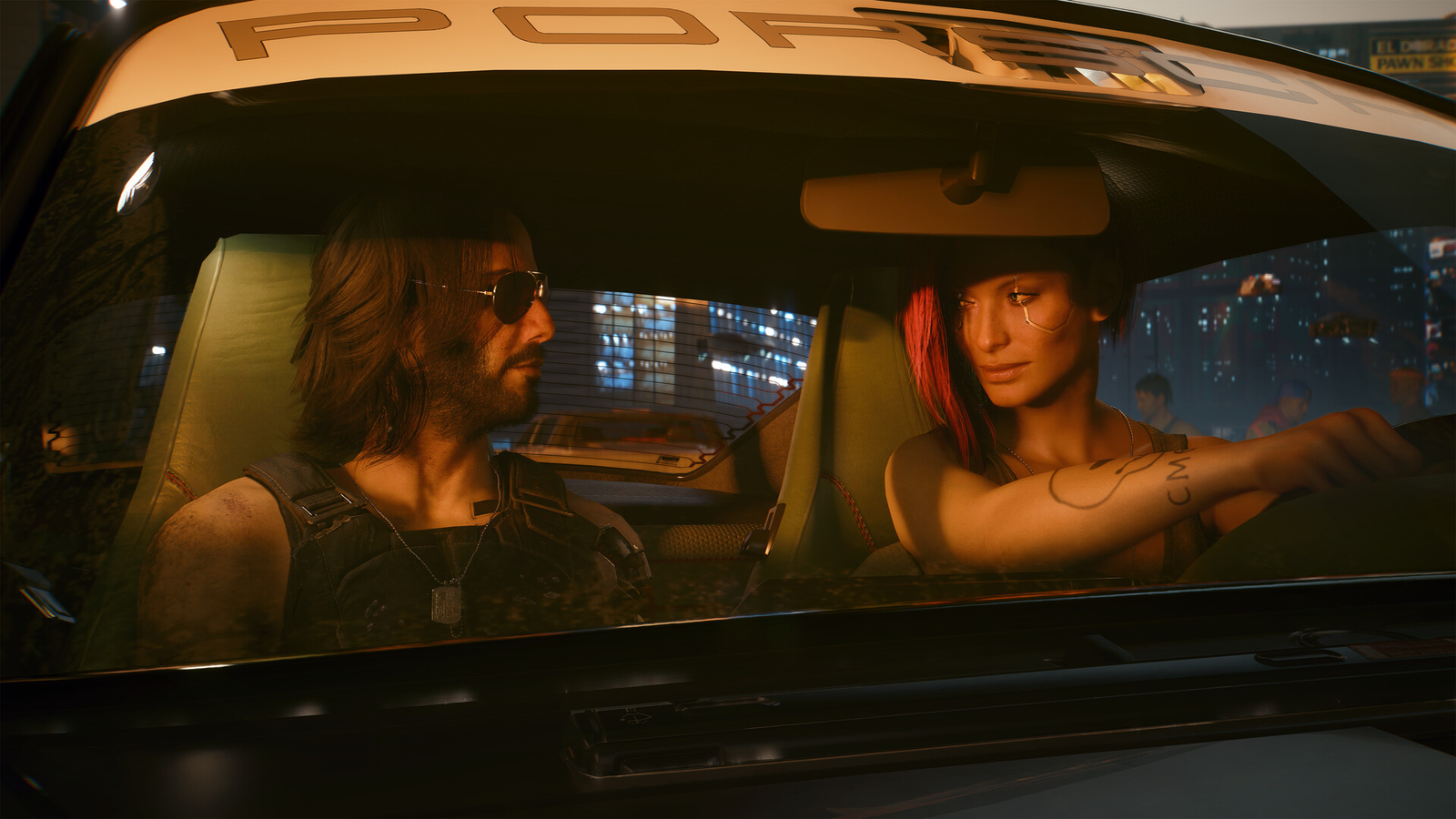
The story-driven RPG from CD Projekt Red sends us to the neon-lit city of the future, Night City. The first hours of the playthrough give the player the feeling that you are on the verge of becoming a criminal legend, but after a pivotal plot twist, this illusion shatters, and the game turns into a grim tale of survival.
The world looks spectacular — the city captivates with its futuristic atmosphere and vertical depth. Just like in GTA, in “Cyberpunk” you can steal any car, get into a shootout with the police, and simply mess around in the open world. It is especially fun to do so after Update 2.0, which noticeably improved many systems (including the police). Or you can find yet another gang and start a brawl with a mob of enemies. But…
The game places its main emphasis on storytelling and character progression: allocating stats, installing cyberware, and choosing perks. All of this unlocks a different level of freedom for the player than Rockstar’s franchise offers: you can explore locations and complete quests in diverse ways — through hacking, stealth, dialogue, or head-on combat. And each approach leaves a completely different impression, only deepening the gameplay experience.
Saints Row series
The franchise began as an alternative to Grand Theft Auto: the first two Saints Row titles told stories of gangs, turf, and revenge, striking a balance between plot and gameplay madness. But the third game marked a point of no return: it became simpler, flashier, and wilder. Saints Row IV went completely off the rails, introducing aliens and superpowers, which no longer had anything in common with a crime sandbox.
Absurdity became the franchise’s hallmark, turning the games into a thrill ride, which showed in the gameplay: arcade gunplay and driving, a cover system, and the ability to wield hilarious weapons like the famous Dubstep Gun. You can have fun any way you want, plunging the game world into chaos, complemented by customization — you can tailor almost everything to your liking: from your character’s look to the appearance of your gang and vehicles.
The 2022 reboot was supposed to revive the series, but the opposite happened: the game tried to be grounded, yet lost the most important thing — the atmosphere of madness and fun. The title turned out dull, its gameplay outdated, and the city empty. However, the first four games, especially the third one, are still well worth your attention.
Sleeping Dogs
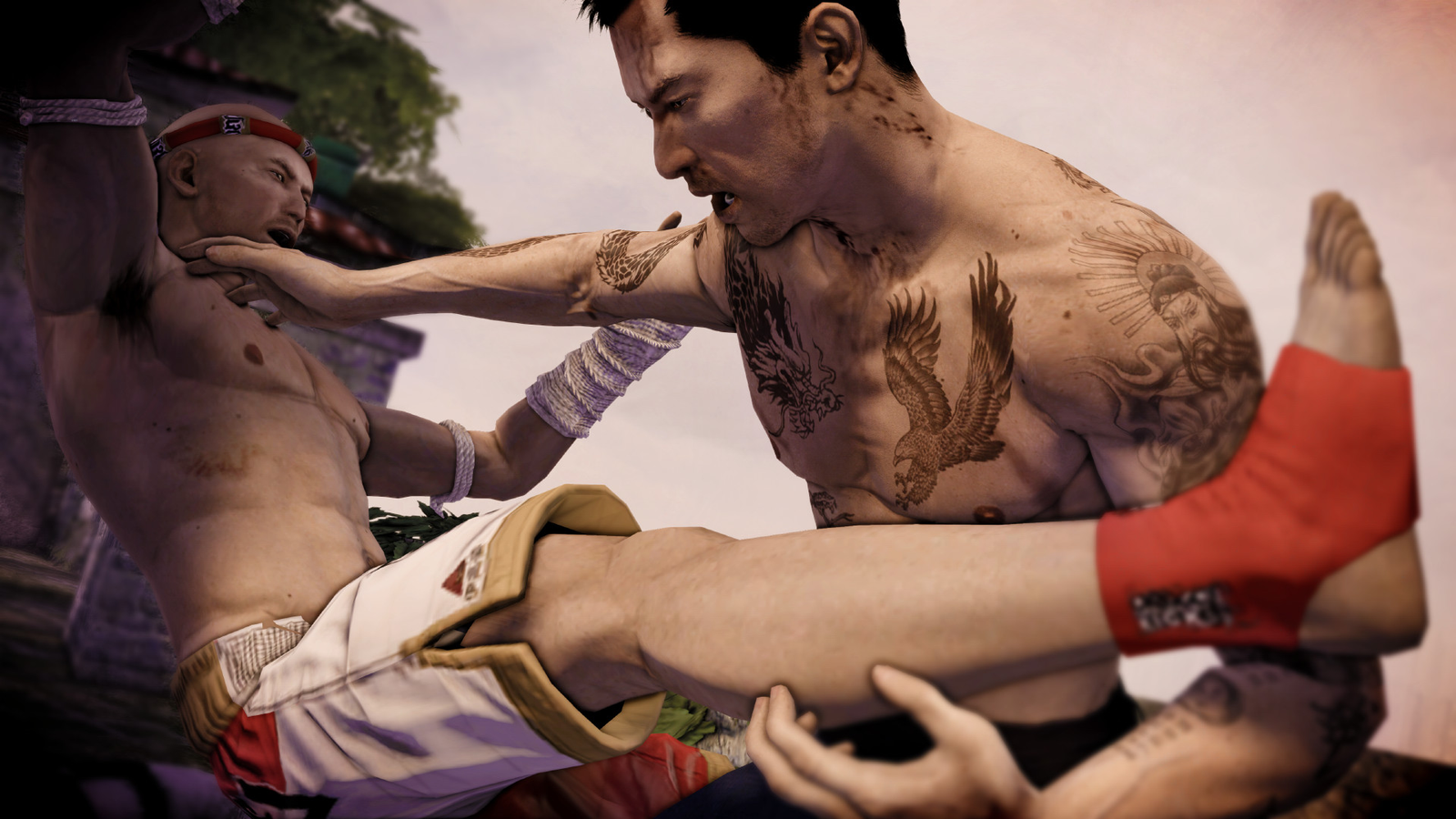
A Hong Kong action film with kung fu elements, where shootouts take a back seat to brutal hand-to-hand brawls and an intricate story. You play as an undercover police officer who infiltrates the Triad to take it down from within. But the protagonist grows attached to the gangsters, who become his “brothers,” and gradually loses touch with who he really is.
The combat system resembles Batman: Arkham: you need to alternate between light and heavy strikes, counter incoming attacks, and strike back at the right moment. The environment can be used for takedowns: shoving an enemy’s head into a ventilation fan, throwing him onto a circular saw, hanging him from a crane hook, or simply slamming him hard against a wall. This looks brutal and spectacular, making every fight memorable.
Firearms exist in the game, but they were made scarce and situational. Gunfights occur closer to the end of the game and feel more like a breather between brawls.
The Saboteur
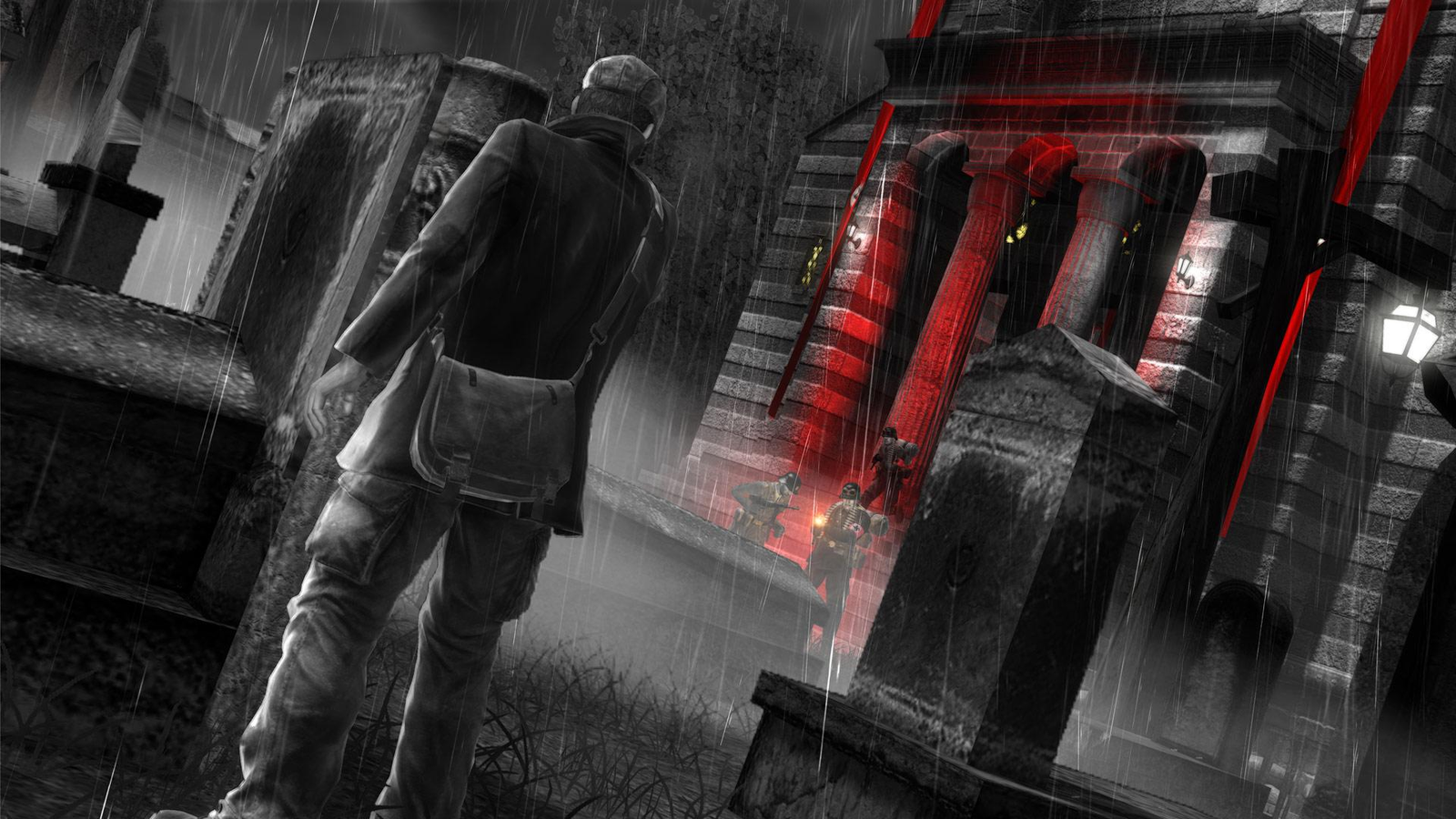
An unusual take on Grand Theft Auto set against the backdrop of occupied Paris during World War II. The project is crafted in a black-and-white aesthetic, yet invites you to kick back and blow up virtual Nazis with gusto, watching the monochrome Paris burst into color as you liberate it.
You step into the shoes of an Irish race car driver seeking to join the underground Resistance to avenge his best friend killed by the Nazis. The protagonist drinks, swears, and cracks cheeky jokes, while a significant portion of the game will take you to intriguing spots like cabarets. All of this creates an enjoyable and mature atmosphere without weighing you down with grimness.
The gameplay combines mechanics from GTA and Assassin’s Creed: you can hijack cars and engage in shootouts, as well as scale building walls and use social stealth (such as disguising yourself in a Nazi uniform) to infiltrate enemy bases.
The Simpsons: Hit & Run
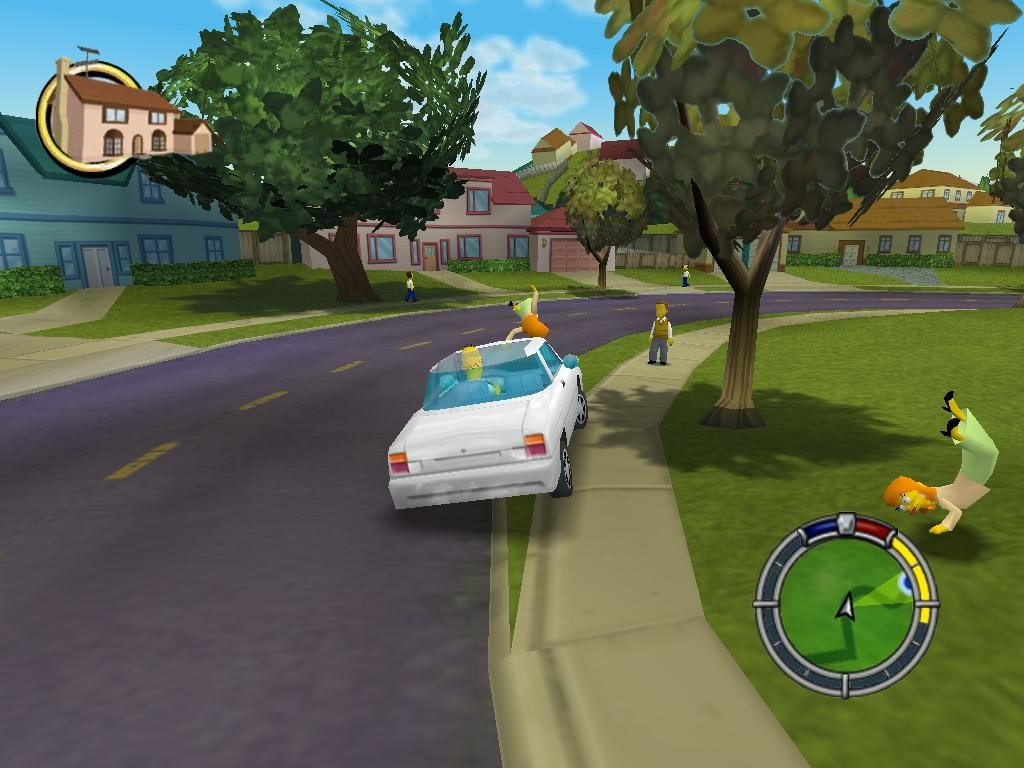
A family-friendly version of GTA created in the universe of the popular animated series. In terms of atmosphere, the game feels like an interactive episode of the show: jokes, references, and Easter eggs are around every corner. After all, writers from the original show worked on the project, and the entire voice cast of the series returned to reprise their roles.
The plot revolves around mysterious occurrences in Springfield: robotic wasps swarm the town, and strange things happen at night. You will get to play as Homer, Marge, Bart, Lisa, and Apu, gradually unraveling the conspiracy. And while exploring the world, you can discover many familiar locations: Moe’s Tavern, Town Hall, Krustylu Studios, and so forth.
The gameplay is similar to GTA: an open world, carjacking, timed missions, and chases. However, there are no firearms or blood here — only melee combat, where the protagonist can kick enemies and pedestrians. At the same time, the game does not feel “childish,” as the satire and signature humor of “The Simpsons” are very much intact.
The Getaway (2002)
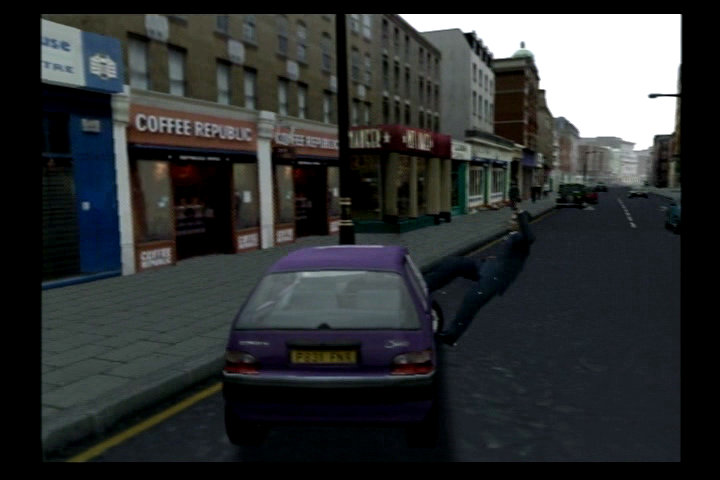
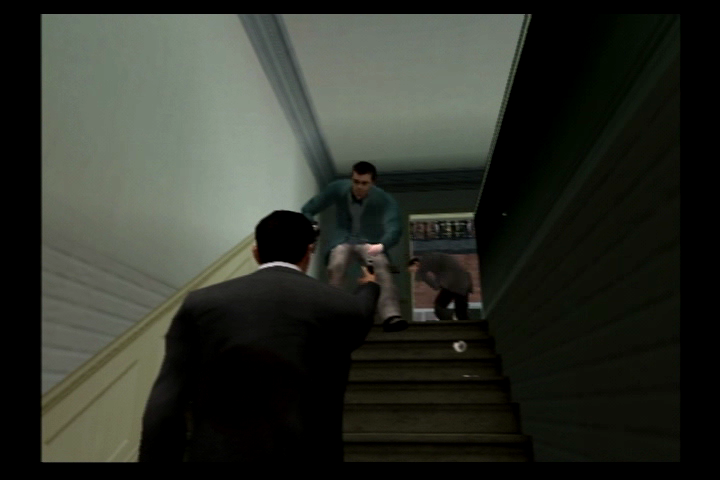
A bold yet divisive Sony experiment that sought to rival GTA through cinematic flair and realism. In The Getaway, you will feel like part of a gritty British gangster film along the lines of “Lock, Stock and Two Smoking Barrels”.
The game tells the story of two protagonists whose missions periodically intertwine. First, you take control of an ex-gangster whose wife was murdered and son kidnapped by a crime boss, and then a detective investigating the case.
The primary gimmick of The Getaway is the complete absence of a HUD: there is no health bar, no ammo counter, and no minimap. You must rely on visual cues, such as the car’s turn signals or the protagonist’s physical appearance.
In shootouts, you need to use cover, lean around corners, and take human shields. The driving feels “heavy” and realistic. Cars have weight, and damage directly affects handling: a flat tire alters how the vehicle handles, while a smoking engine can blow up at any moment.
Yakuza / Like a Dragon
A Japanese story-driven franchise about honor, family, and redemption. The comparison to GTA arose from the criminal theme and open world, but that is all the two series have in common, even though the very first “Yakuza” was once marketed in the West specifically as “GTA in Japan.” Unsuccessfully, however.
The worlds in Yakuza games are tiny, yet densely packed with content: loaded with minigames, high-quality side quests, various collectibles, and notable landmarks. Instead of shootouts, you get flashy brawls, as this is a beat ’em up where firearms exist but are strictly limited. And the last two installments (Yakuza: Like a Dragon and Like a Dragon: Infinite Wealth) altered the formula by turning into turn-based JRPGs, without losing a shred of their charm!
The storytelling across all installments is top-notch: you will encounter an unexpected combo of a tragic main story and absurd side missions that complement each other brilliantly. And the protagonists of any entry are guaranteed to win you over with their charisma and inner resolve.
Never miss our newsAdd this site to your preferred sources to see us more oftenAdd on Google