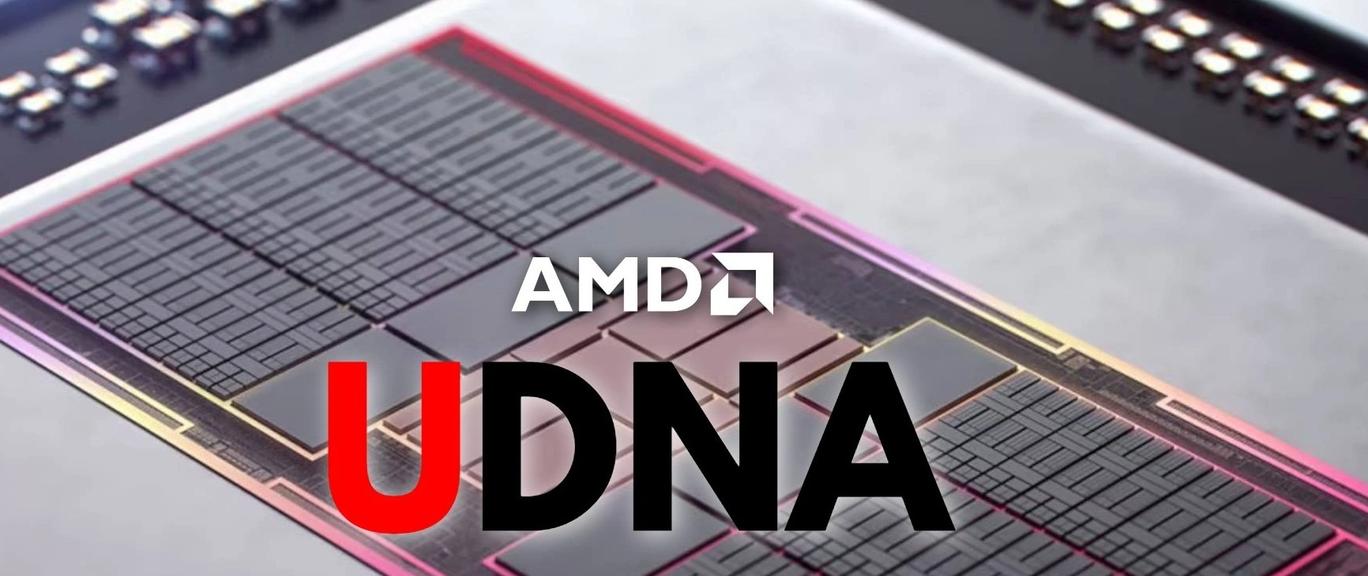
Proving to be more than just a partner, the Japanese company had a significant impact on the creation of FSR 4 technology and the UDNA architecture, which will be used in future GPUs and the PS6.
A new study showed that Sony not only optimized FSR 4 for AMD, but also developed PSSR technology (long considered an AMD exclusive). This means that the company may have helped AMD more than initially assumed, becoming one of the leading developers in the field of graphics.
The collaboration also laid the groundwork for the UDNA architecture, which is reportedly set to be used in the PS6. Unlike NVIDIA’s strategy, AMD unified its gaming and server architectures, which will significantly reduce costs and improve performance. Furthermore, Sony played a decisive role in this process, being one of AMD’s largest clients purchasing chips for consoles.
According to the latest reports, the PS6 will receive the UDNA architecture in 2026, guaranteeing significant improvements in performance and cost. Nevertheless, many expectations hinge on Sony continuing to drive innovation in the graphics industry in the coming years.
***
Cover image credit: AMD. Cover image source: Tech4gamers