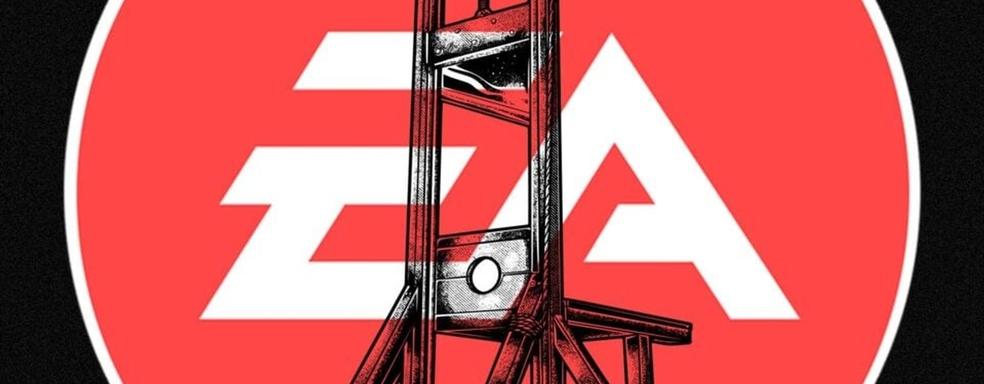
EA buys studios and then closes them: a complete list of the publisher's victims
Translated with AI from the Russian original.
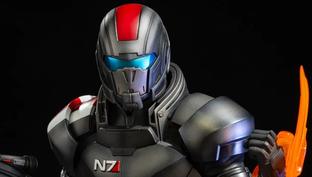
After the closure of BioWare and the cancellation of a new Mass Effect, players once again lashed out at Electronic Arts, accusing the publisher of destroying its own studios and game series.
Over the past decades, EA has become a master of acquiring well-known teams, which, after several years, lose their independence and are closed down. The scenario has been repeating since the late 1980s: the publisher buys talented developers, imposes corporate rules and trendy tendencies on them, and then gets rid of the studio if financial indicators do not meet expectations.
BioWare has joined a long list of teams.
- Batteries Included – acquired and closed in 1987.
- Origin Systems – acquired in 1992, closed in 2004.
- Bullfrog Productions – acquired in 1995, closed in 2001.
- Maxis – acquired in 1997, closed in 2015. The studio's name is still used by EA.
- Westwood Studios / EA Pacific – acquired in 1998, closed in 2003.
- Kesmai – acquired in 1999, closed in 2001.
- DreamWorks Interactive / Danger Close Games – acquired in 2000, closed in 2013.
- Black Box Games – acquired in 2002, closed in 2013.
- NuFX / EA Chicago – acquired in 2004, closed in 2007.
- Hypnotix – acquired and closed in 2005, employees transferred to EA Tiburon.
- Mythic Entertainment – acquired in 2006, closed in 2014.
- Phenomic Game Development – acquired in 2006, closed in 2013.
- Headgate Studios / EA Salt Lake – acquired in 2006, closed in 2017.
- Pandemic Studios – acquired in 2007, closed in 2009.
- BioWare – acquired in 2007, closed in 2026.
- J2MSoft – acquired in 2008, integrated into EA Korea.
- Playfish – acquired in 2009, closed in 2013.
- Chillingo – acquired in 2010, closure began in 2017 and completed in 2023.
- Industrial Toys – acquired in 2018, closed in 2023.
- BioWare – acquired in 2007, closed in 2026.
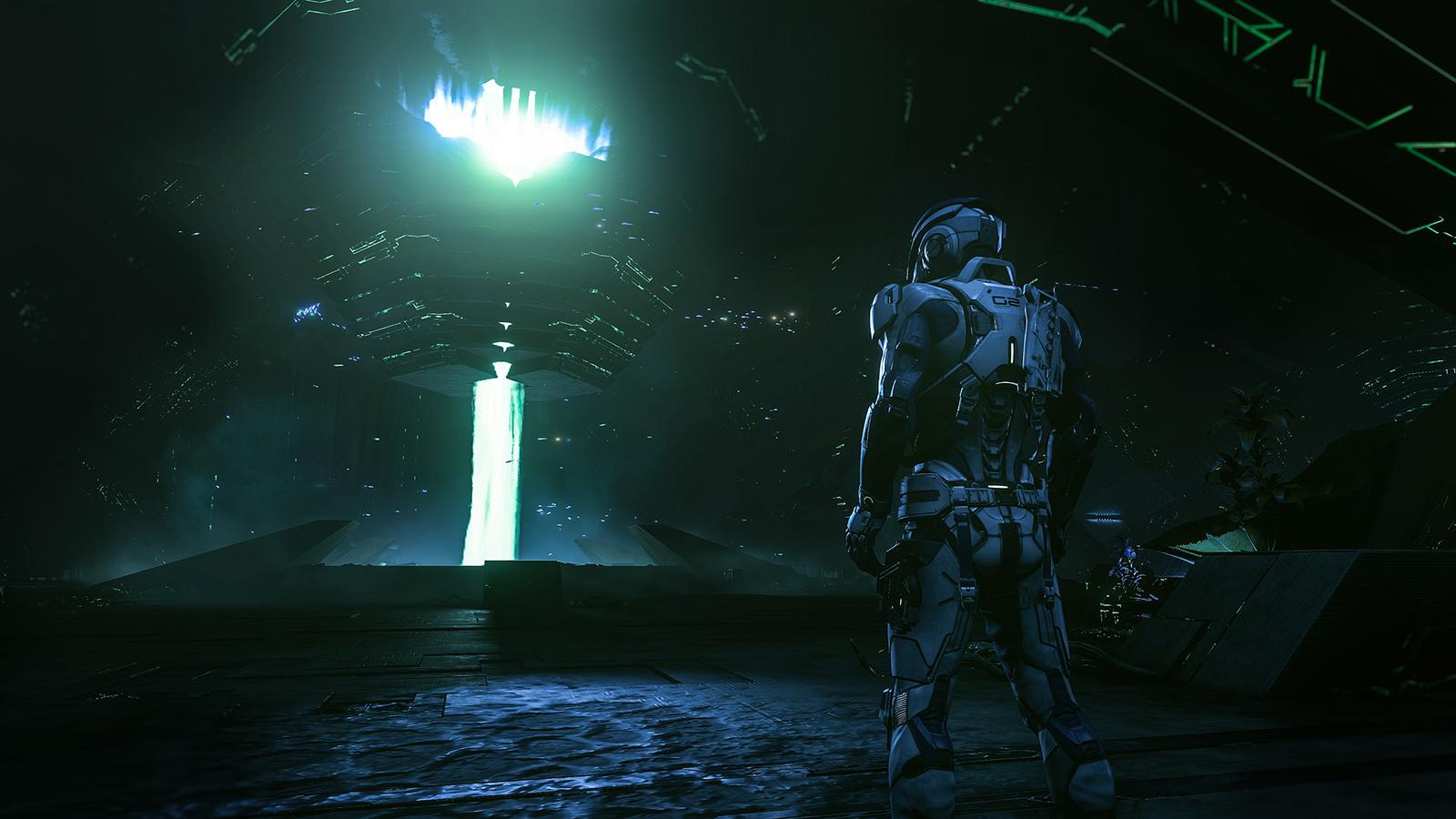
A change of ownership also does not inspire optimism: after transitioning to private investors, the company may focus on cost reduction and debt repayment, rather than on preserving teams and beloved game franchises.
Never miss our newsAdd this site to your preferred sources to see us more oftenAdd on Google