The US prepares new restrictions for NVIDIA. The Huang scandal played against the company
Translated with AI from the Russian original.
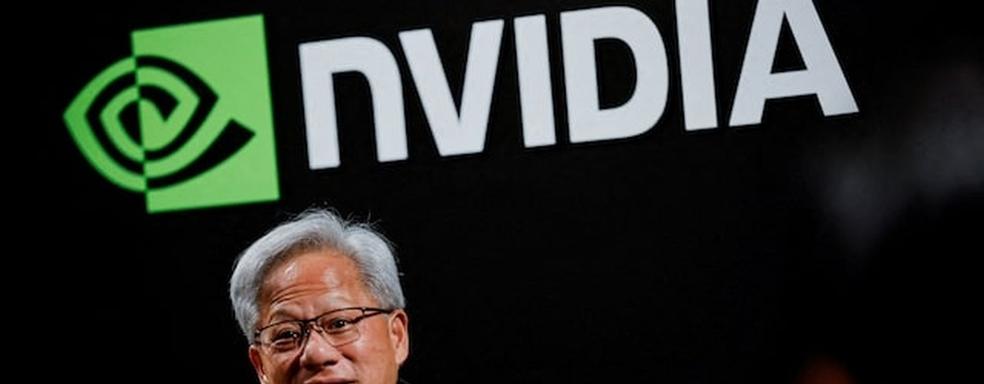
The scandal surrounding NVIDIA CEO Jensen Huang has weakened the company’s position in Washington and increased the chances of new export restrictions on AI chips to China being introduced.
The investigation into Huang’s alleged relationship with a woman suspected of spying for China has complicated one of NVIDIA’s main goals: preventing tighter rules on selling its products to Chinese companies. The scandal has increased the likelihood that Congress will include chip export restrictions in a defense bill set to pass before the end of the year.
For over a year, NVIDIA has opposed such initiatives, but now the company is relying on the support of tech corporations and major customers. NVIDIA’s supporters believe that shipments of powerful chips to China are essential to maintaining US leadership in the AI race. Opponents of the deal warn of a threat to national security.
The Chip Security Act has become the most likely candidate for inclusion in the defense bill. It proposes equipping advanced chips with location and tracking systems designed to help combat smuggling. NVIDIA and other manufacturers warn that such measures will increase costs. Two broader initiatives affecting chipmaking equipment and overseas sales of AI accelerators are also being discussed.

House Foreign Affairs Committee Chairman Brian Mast stated that the scandal “100%” weakened Huang’s ability to push back against the restrictions.
The situation has also created an opportunity for NVIDIA’s competitors to strengthen their positions. Microsoft and Amazon, for instance, could benefit from curbs on shipments to China: more chips will remain for US customers, making it harder for Chinese AI companies to compete with the United States.
Never miss our newsAdd this site to your preferred sources to see us more oftenAdd on Google