Apex Compute has released an open beta version of ANR, an alternative to NVIDIA DLSS that supports GeForce, Radeon, and Intel Arc graphics cards, including older models. The developers claim that their technology generates frames faster, better preserves image quality, and requires less VRAM.
Apex Neural Rendering includes frame generation, image upscaling, and ray tracing reconstruction. For now, only the first feature is available—ANR Frame Generation. It works on GeForce GTX 16 and RTX 20 or newer, Radeon RX 5000 and newer, as well as Intel Arc A and B series. Steam Deck is also supported. The beta is compatible with Windows 10/11, Linux, and SteamOS via Proton.
According to Apex Compute, on an RTX 5090 at 4K resolution, frame generation in 2x mode takes 1.01 ms compared to 1.26 ms for DLSS Frame Generation. In 4x mode, the figures are 0.61 and 0.82 ms, respectively. ANR also consumes 214 MB of VRAM, whereas NVIDIA's technology requires 562 MB.
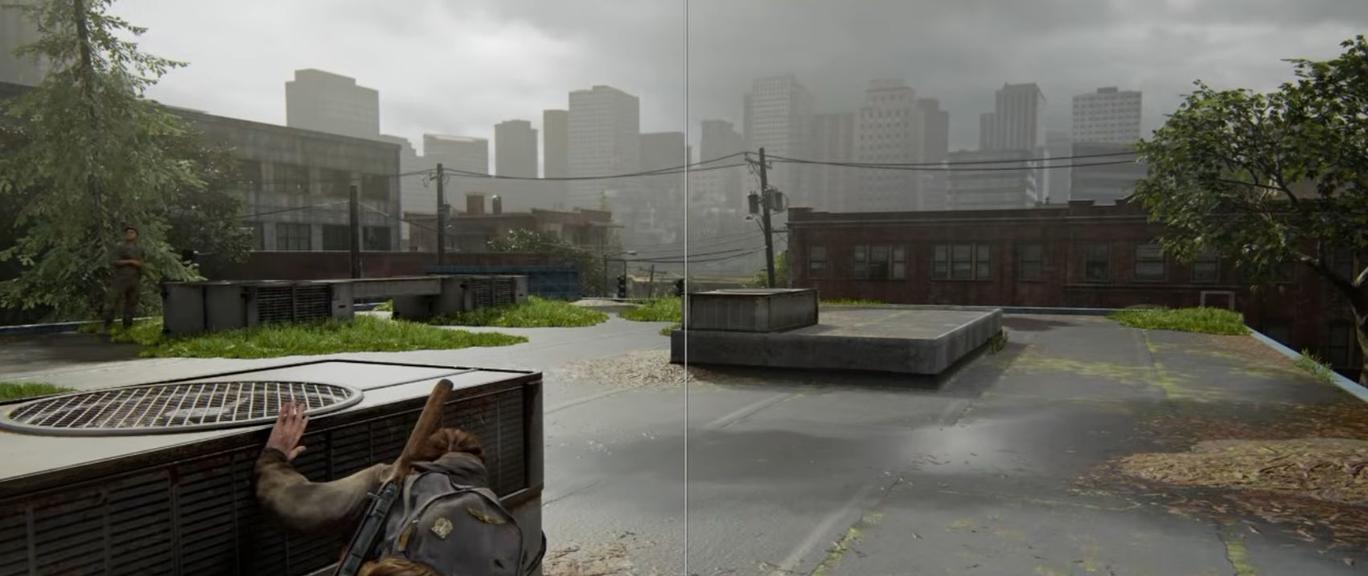
The company also claims higher image quality, having published comparisons, including one featuring The Last of Us Part II. However, the results were provided by the developers themselves, so independent benchmarks are needed to verify the advantages of ANR. Faster frame generation does not necessarily mean an increase in overall performance or reduced input lag.
The ANR Frame Generation beta is available on GitHub and uses OptiScaler. Installation requires modifying files in each game's folder, so compatibility depends on the specific title.