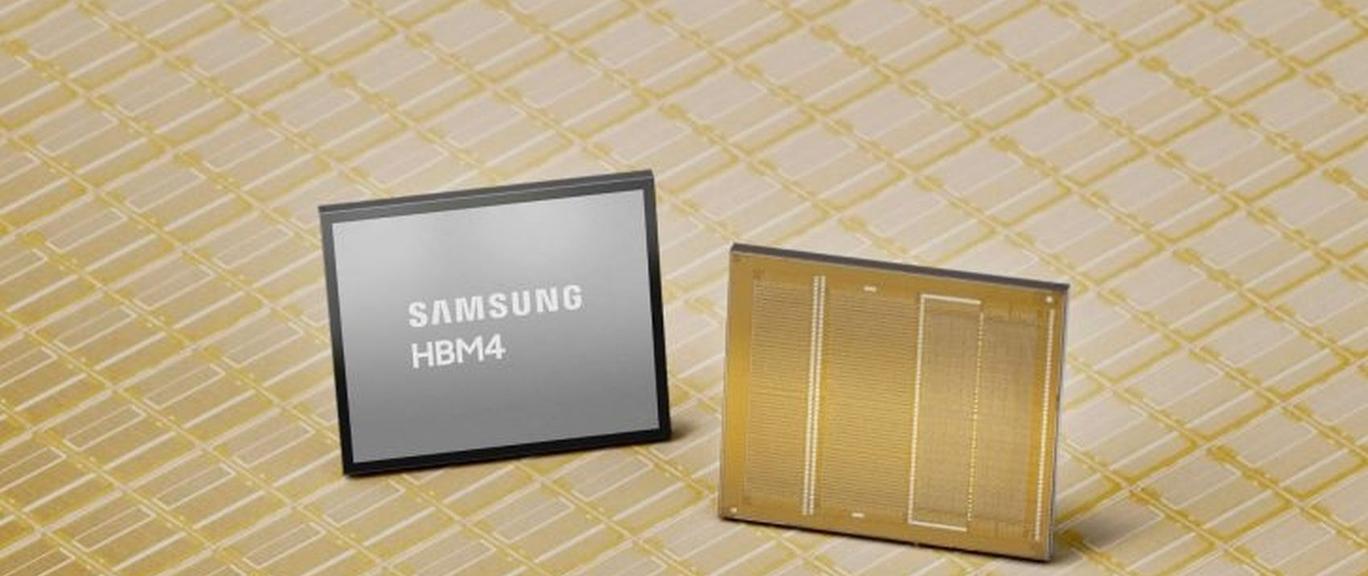
According to South Korean outlet Economy Tribune, most of Samsung’s production capacity for the period from 2027 to 2029 is already allocated under contracts. Clients are trying to secure additional volumes despite existing agreements. Some of them are willing to enter into long-term deals with advance payments and fixed pricing terms.
Samsung previously reported signing long-term agreements with 10 major customers. Negotiations with another ten companies are ongoing. By 2030, the manufacturer expects to allocate 60–70% of its memory production capacity under multi-year contracts.
HBM supplies for 2027 are completely sold out. Production capacity for conventional DRAM over the same period is also virtually exhausted. The manufacturing of HBM creates an additional strain: producing such memory requires significant DRAM resources, limiting the ability to ramp up output of standard modules.
As a result, major manufacturers are able to meet only 60–70% of demand, and the situation could worsen in 2027.
The shortage also affects NAND, though forecasts here are less clear-cut. TrendForce allows for a drop in NAND contract prices as early as the first quarter of 2027 due to reduced enterprise SSD orders from Chinese cloud providers and increased production.
Samsung warns that new fabs will not be able to quickly increase supply, as bringing them online takes years. Therefore, no noticeable improvement in DRAM availability should be expected in the near future, especially if investments in AI infrastructure continue at their current pace.