Top indie games of March: an urban jungle, a warehouse cat, a boat at sea, rhythmic psychedelia, and more
Translated with AI from the Russian original.
While some indie developers try to scare you by shoving you into dark basements with monsters, others wrap you in a blanket and place a ficus nearby. Yet both bring in cats. Modern indie gaming is either meditation with a dancing squirrel or extreme action with an overheating spear. Want to clean trash from the ocean? Go ahead. Dreamed of musical battles in a psychedelic hell? There's that too. Most importantly, you won't be bored.
Urban Jungle
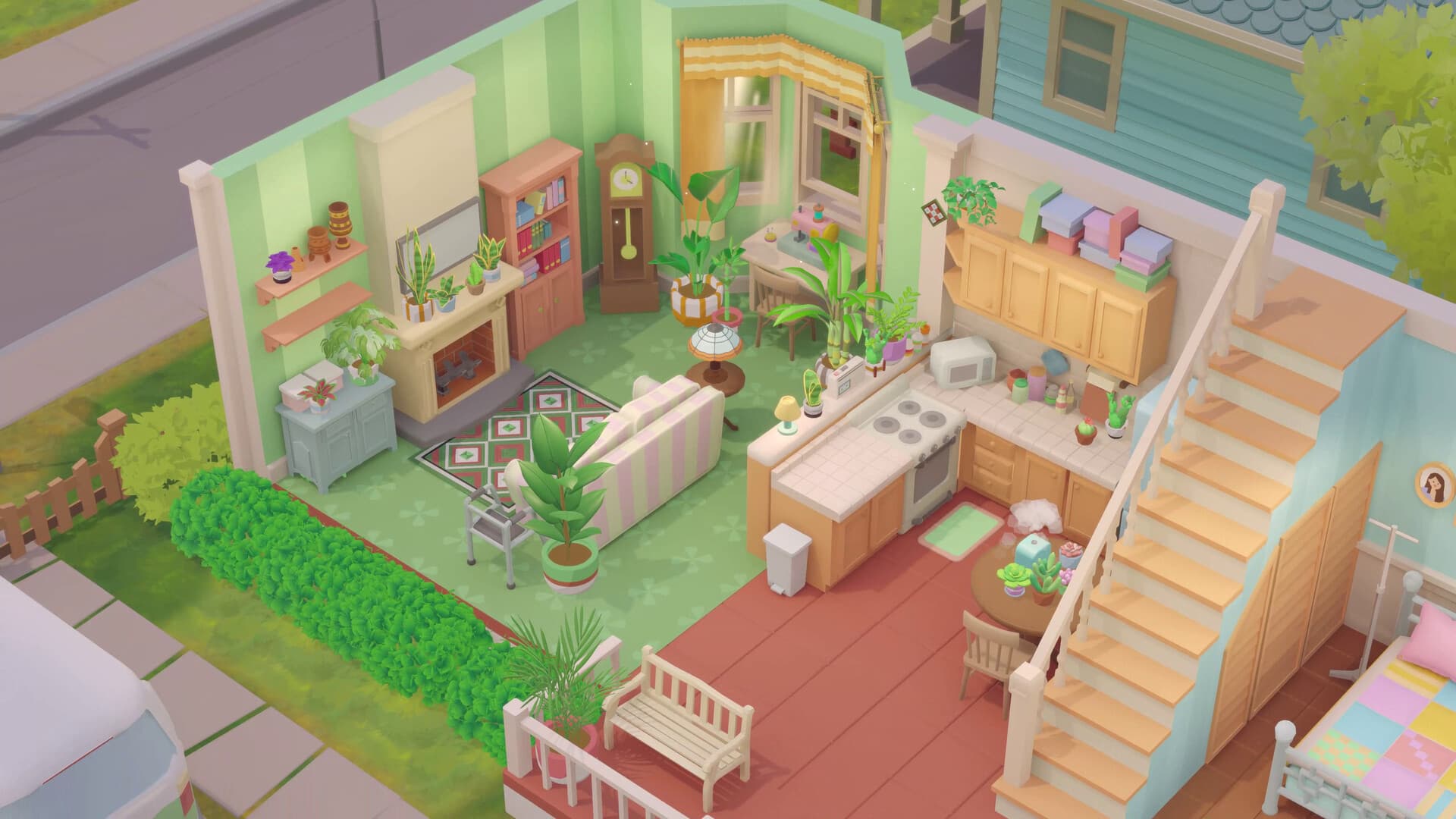
Urban Jungle is a cozy indoor gardening simulator from the Russian studio Kylyk Games, made up of two charming developers. While in Unpacking you unpacked and arranged personal belongings, here you turn standard apartments into lush green oases by finding the perfect spots for each plant. There is no watering and no pests—just pure aesthetics and the meditative placement of ficus plants on bookshelves. As a bonus, there is Rufus, a ginger cat you can pet between rearrangements—the developers clearly know what makes for ideal relaxation.
The gameplay resembles a puzzle with interior decoration elements: the more harmoniously the plants are arranged, the more new species are unlocked. The pastel-toned visual style creates the atmosphere of a lazy Sunday morning when there is no need to rush anywhere. The music is unobtrusive, though it can get slightly repetitive toward the end of the game. Small interactive touches, such as adjusting the lighting, add a dash of depth to what is overall a simple experience.
Reviews largely agree that the game is an ideal stress reliever. Players praise the lack of pressure and the sweet story told through interior details. However, it can be completed in a single evening, and the camera sometimes makes it difficult to examine the plants properly. A few technical flaws do not ruin the overall impression—many players admit heading straight to a flower shop after beating the game. Urban Jungle does not claim to be a masterpiece, but it delivers its fair share of warmth and coziness.
- Image courtesy of Kylyk Games and Assemble Entertainment. Source: Steam.
- Compatibility: Windows.
- Russian language: interface, subtitles.
- Reviews: very positive (93% of 234).
- Steam price: 460 ₽.
Order 13
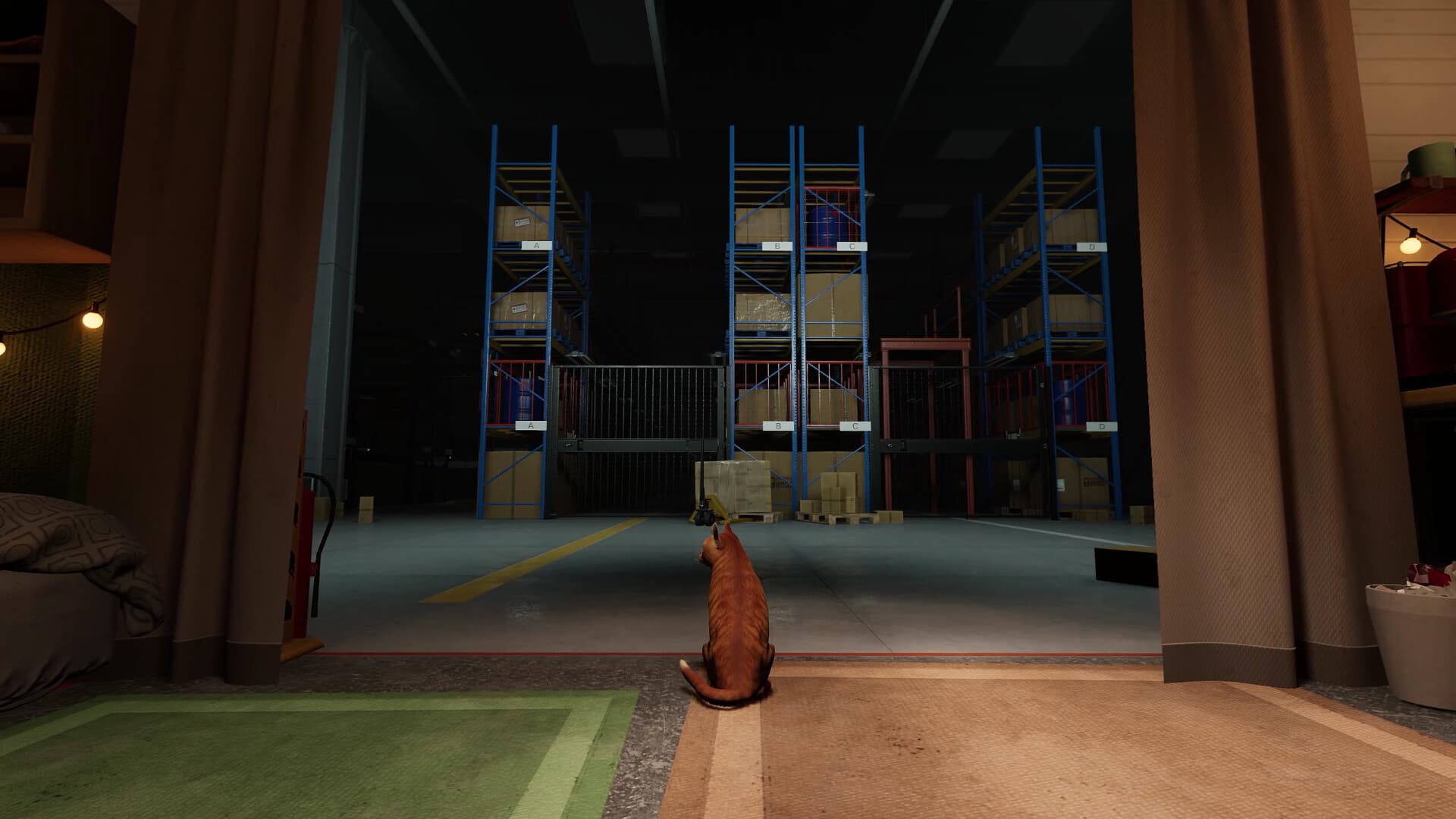
Order 13 is a curious hybrid of a job simulator and psychological horror. Developers from Cybernetic Walrus took the daily routine of an order picker (somewhat reminiscent of working at massive online marketplaces) and infused it with a grim atmosphere and supernatural threats. The protagonist finds himself in a deserted, dark warehouse where, aside from boxes, only shadows and a faithful cat await him. The task is simple—meet your quota before something lurking in the dark decides to interfere. The conditions change after each death, adding unpredictable twists to the game.
Gameplay boils down to dashing between shelving racks with a flashlight in one hand and packing tape in the other. At first, only deadlines get in your way; later, hungry creatures do. The minimalist visuals serve the atmosphere well: dim lighting, endless corridors, and an unsettling silence. The audio design deserves special mention—every rustle or meow from the cat makes you flinch. You can upgrade both your tools and your bond with your furry partner—navigating this nightmare without him would be truly bleak.
Reviews have turned out quite polarized. Some praise the eerily recognizable atmosphere of warehouse fulfillment centers (especially those who have worked there) and the cat—the primary source of comfort amid the madness. Others complain about repetitive gameplay, simplistic monsters, and a short campaign. The plot here is merely hinted at, which will disappoint some players. Even critics, however, admit that you have likely never encountered such a mix of genres before.
- Image courtesy of Cybernetic Walrus, Oro Interactive, and Drillhounds. Source: Steam.
- Compatibility: Windows.
- Russian language: interface.
- Reviews: very positive (87% of 505).
- Steam price: 350 ₽.
Spilled!
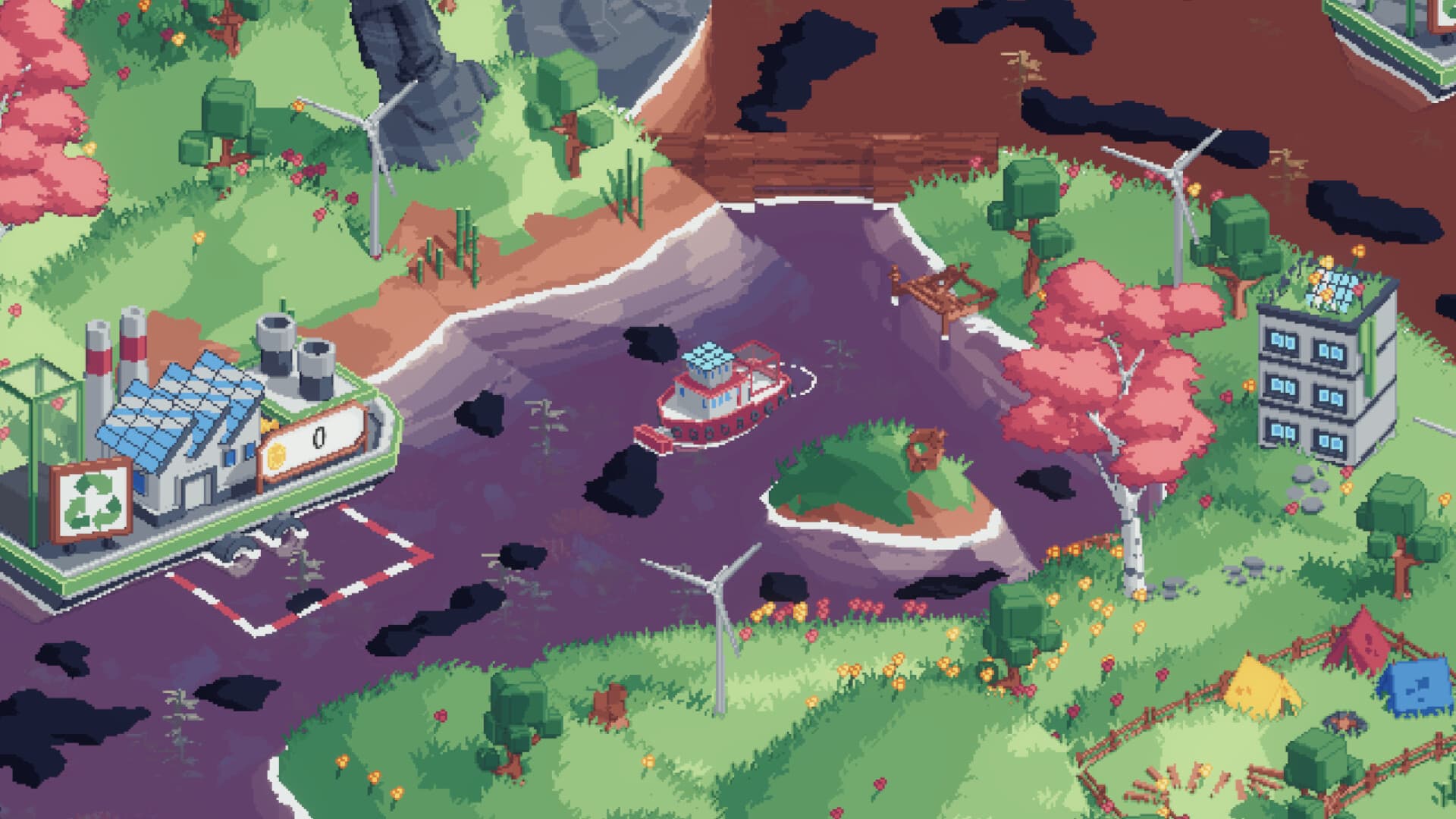
Spilled! is an intimate ecological game created by solo indie developer Lente, inspired by personal experience living aboard a boat. There is no rush or stress here—only the meditative process of cleaning trash from the ocean. Steering a small boat, the player collects debris, recycles it, and upgrades their vessel while rescuing 16 species of marine animals along the way. All of this is presented with a light touch and zero preachiness, even though the ecological message is clearly woven throughout.
The game is divided into eight biomes—from quiet bays to fire-ravaged areas. Each zone presents new types of pollution: plastics, oil slicks, and industrial waste. Minimalist pixel art and a soothing soundtrack cultivate an atmosphere where even collecting trash turns into an enjoyable pastime. Admittedly, the fixed camera occasionally makes it hard to see every detail. A full playthrough takes about an hour—ideal for a single evening.
Players point out that Spilled! is that rare case where simplicity works to its advantage. Most criticism centers on its brevity—many would welcome an endless mode or at least the option to share the experience in co-op. Yet for a nominal price, the game provides not just a couple of hours of relaxation, but also food for thought regarding real-world environmental challenges.
- Image courtesy of Lente. Source: Steam.
- Compatibility: Windows, MacOS.
- Russian language: interface, subtitles.
- Reviews: overwhelmingly positive (95% of 1,432).
- Steam price: 240 ₽.
Reignbreaker
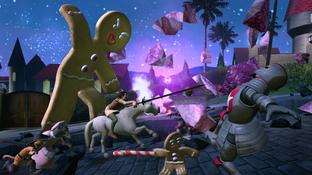
Reignbreaker is an energetic roguelike from the creators of The Inner World that unabashedly borrows the finest elements of Hades. The protagonist, Clef, fights to overthrow tyranny in a grim medieval realm, armed with... A motorized spear—a bizarre hybrid of melee and firearm. It can be modified in diverse ways, forming one of the core mechanics of the game. The visual design blends knightly plate armor with futuristic elements, and most players commend it for its vibrancy and distinct style.
Combat here is fast-paced and spectacular, emphasizing combos and parries. One notable feature is an overheating mechanic that compels you to alternate attack styles. You can select different firing modes, ranging from standard shots to explosive volleys, which adds tactical depth. The levels are handcrafted, but players note they quickly begin to feel repetitive. The soundtrack, particularly on the main menu, is polished and memorable.
Player reviews resemble a roller coaster. Some laud the dynamic gameplay and build variety, while others complain about repetitive enemies and a shallow narrative. Nonetheless, if approached as a light appetizer before Hades II, the game works well as an enjoyable diversion, especially given its accessible price tag.
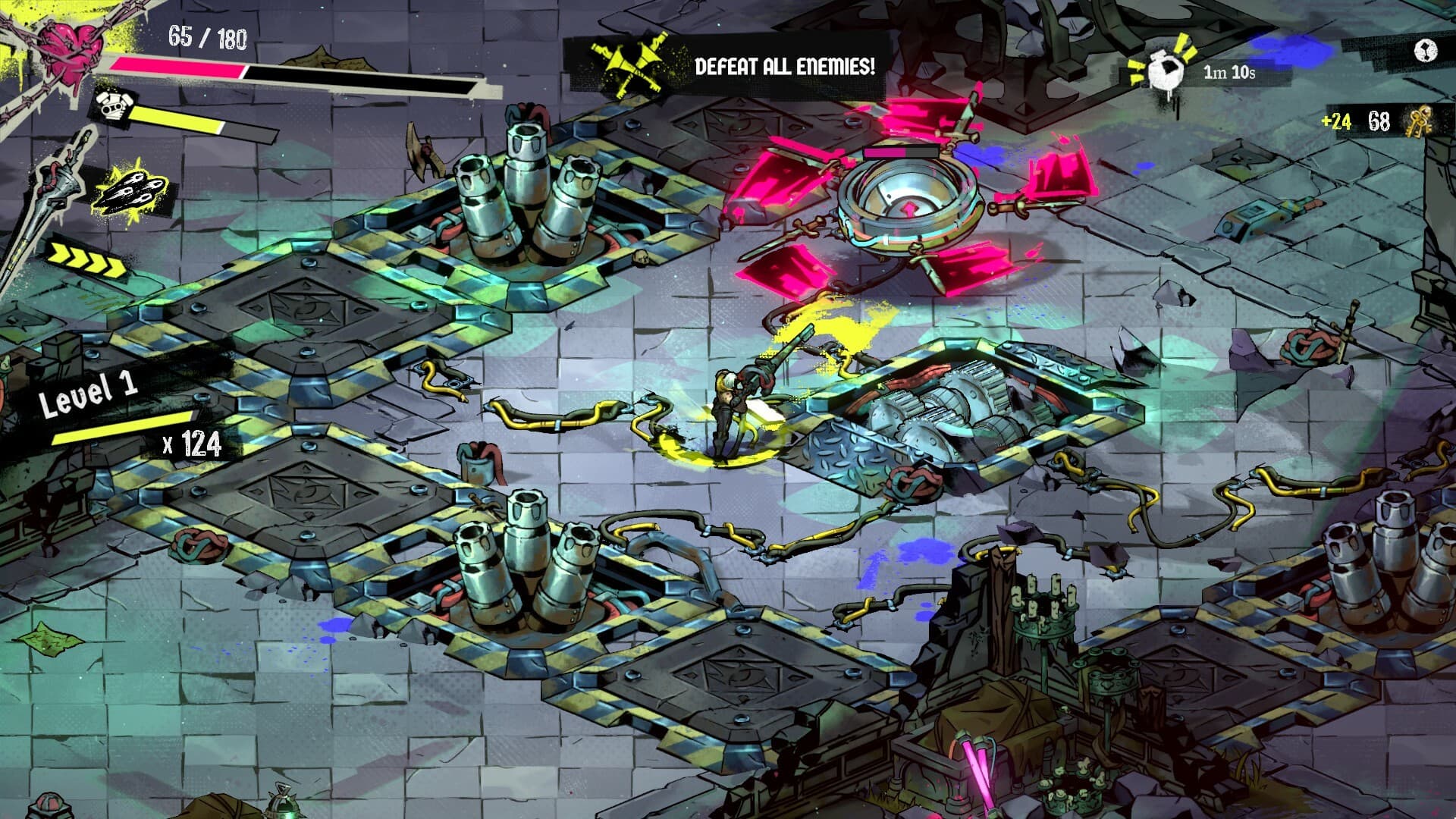
- Image courtesy of Studio Fizbin and Thunderful Publishing. Source: Steam.
- Compatibility: Windows.
- Russian language: interface, subtitles.
- Reviews: very positive (84% of 173).
- Steam price: 385 ₽.
Look Outside
Look Outside is an unusual blend of survival horror and turn-based RPG with an intriguing premise: the moment people looked out their windows, the world turned into a living nightmare. The story unfolds entirely within a single apartment complex now overrun by 150 species of eerie entities. Inspiration clearly draws both from genre classics like Silent Hill and from more recent indie titles like Fear and Hunger. The emphasis lies on meticulous survival—you must fortify your apartment as a base, scavenge for supplies, and decide whether strange neighbors can be trusted.
Gameplay combines expedition planning with tactical skirmishes where keeping proper distance from enemies is crucial. The RPG Maker-style visuals may lack detail, but they effectively establish the requisite body-horror atmosphere. Audio design quietly fuels paranoia. An intriguing feature is the ability to recruit certain monsters into your party, unlocking unexpected tactical options. Additionally, there are numerous endings, meaning a single playthrough hardly reveals everything.
Reviews highlight the unconventional approach: home renovation, eccentric NPCs (such as an occultist neighbor), and sudden events that ignite like matches. The interface does show the age of RPG Maker, however, and early difficulty spikes may deter newcomers. Once players grasp the mechanics, the game eases up, especially toward the finale, and if you get hooked, putting it down is difficult. Replay value is bolstered by multiple endings. Fans of Fear and Hunger will find a more approachable yet equally atmospheric alternative here, packed with humor and quirky charm.
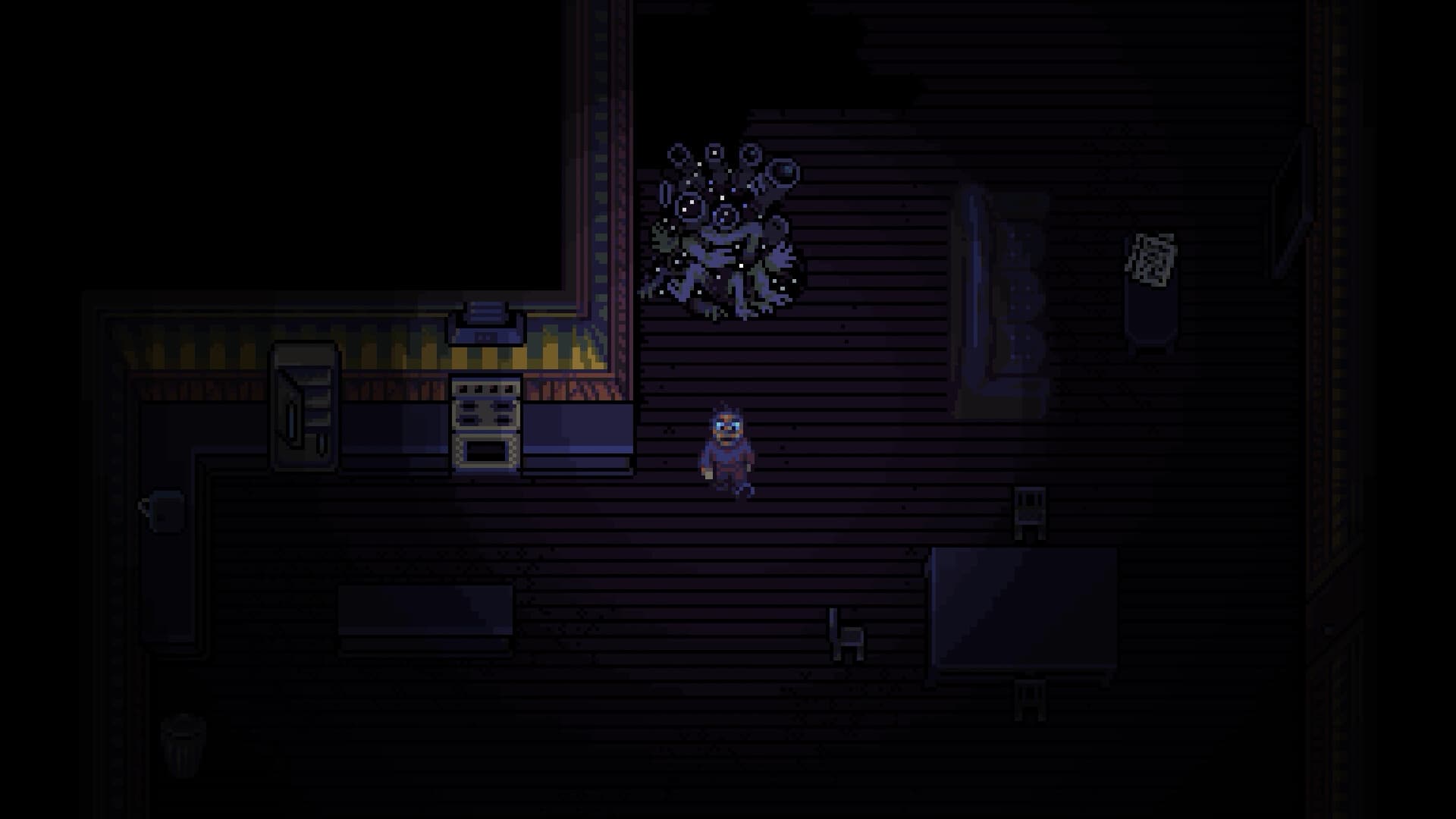
- Image courtesy of Francis Coulombe and Devolver Digital. Source: Steam.
- Compatibility: Windows.
- Russian language: not supported.
- Reviews: overwhelmingly positive (98% of 755).
- Steam price: 385 ₽.
Everhood 2
Everhood 2 is an eccentric blend of action and rhythm game where musical showdowns take center stage. Developers Chris Nordgren and Jordi Roca once again plunge players into a surreal universe, now populated by even more bizarre characters and philosophical undertones. The protagonist remains mute, accompanied by a mysterious crow who offers assistance in exchange for defeating the Dragon of the Mind.
Discussing Everhood 2 inevitably comes with a few caveats. Battles rely on hitting magic panels in sync with the rhythm—a system deeper than in the original, but one that gradually grows fatiguing. The graphics remain psychedelic and animations fluid, yet there are few real innovations. The soundtrack has expanded considerably, though fans point out there are fewer standout hits. A new charging mechanic for potent attacks introduces variety, but several encounters still feel drawn out.
As a result, player reception has been mixed. Some praise the refined mechanics and humor, while others criticize the convoluted narrative and repetitive combat. The finale feels underwhelming to many, yet series devotees will still discover that signature blend of rhythm gameplay and utter absurdity. For Russian-speaking players, the lack of Russian localization is another downside.
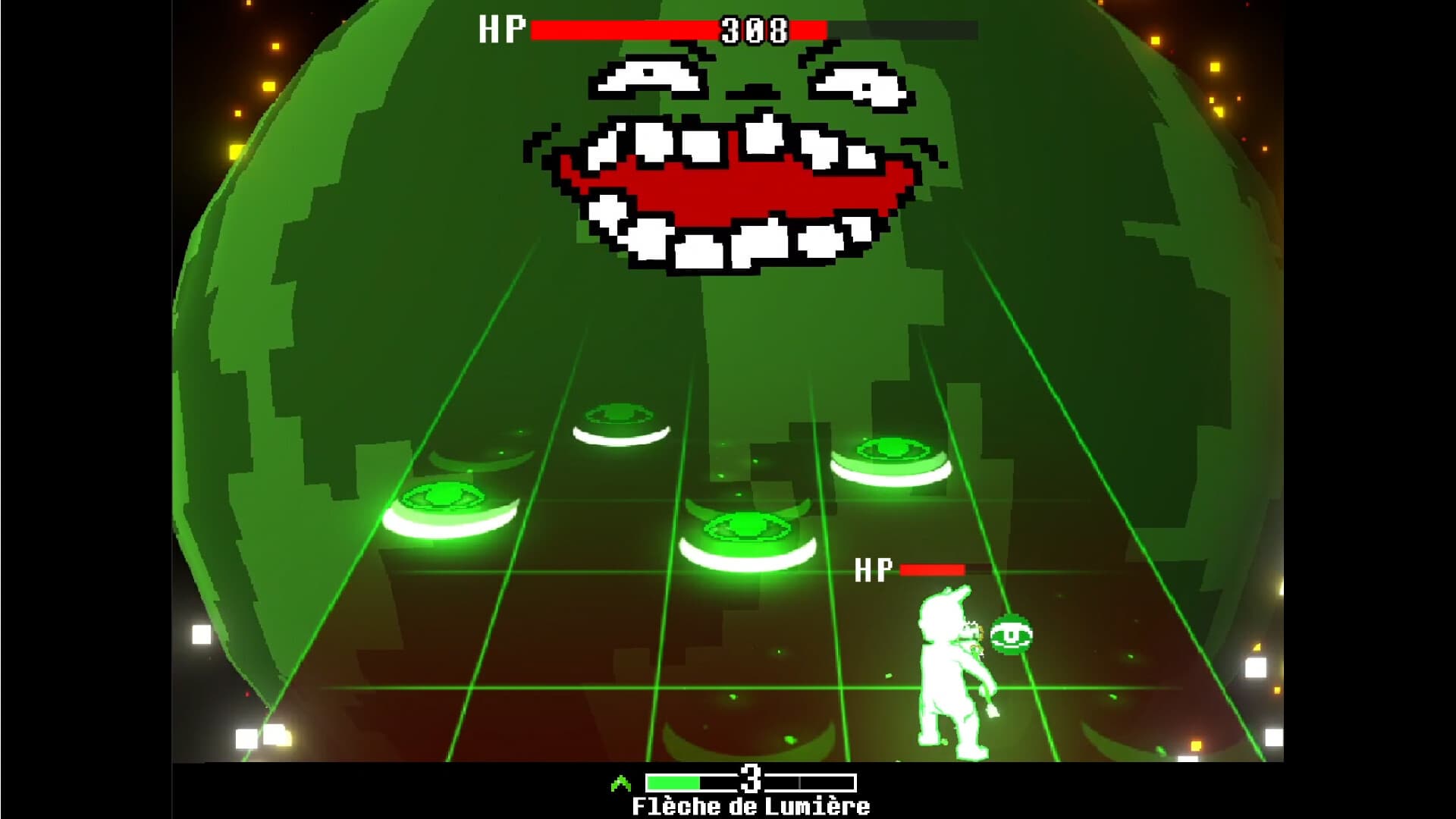
- Image courtesy of Chris Nordgren, Jordi Roca, and Foreign Gnomes. Source: Steam.
- Compatibility: Windows, Switch, Steam Deck (Platinum).
- Russian language: not supported.
- Reviews: mostly positive (75% of 1,632).
- Steam price: 710 ₽.
Karma: The Dark World
Karma: The Dark World is a Chinese arthouse horror title that aspires to be an interactive work of art. Developers at Buffalo Technology blended references to Orwell, David Lynch, and Twin Peaks, trading conventional jump scares for philosophical musings on human nature. There are no pouncing monsters here—only the oppressive atmosphere of a world where the boundary between reality and delirium progressively dissolves.
Gameplay centers on unhurried exploration of desolate environments, puzzle-solving, and assembling fragments of the narrative through notes and clues. The visual aesthetic is the project’s greatest strength: every frame looks as if it stepped off the canvas of a decadent painter. The soundtrack masterfully amplifies a sense of anxious hopelessness. However, some puzzles feel contrived, and the main story path can be finished while missing good half of the content.
Reactions are sharply divided, though positive reviews predominate. Some label the game “a masterpiece of modern art horror,” while others dismiss it as “a drawn-out psychedelic spectacle.” Critics target its excessive abstraction and flat character development, yet even skeptics concede that such a daring experiment warrants attention. Karma: The Dark World is certainly not for everyone, but fans of unconventional storytelling will find plenty of food for thought.
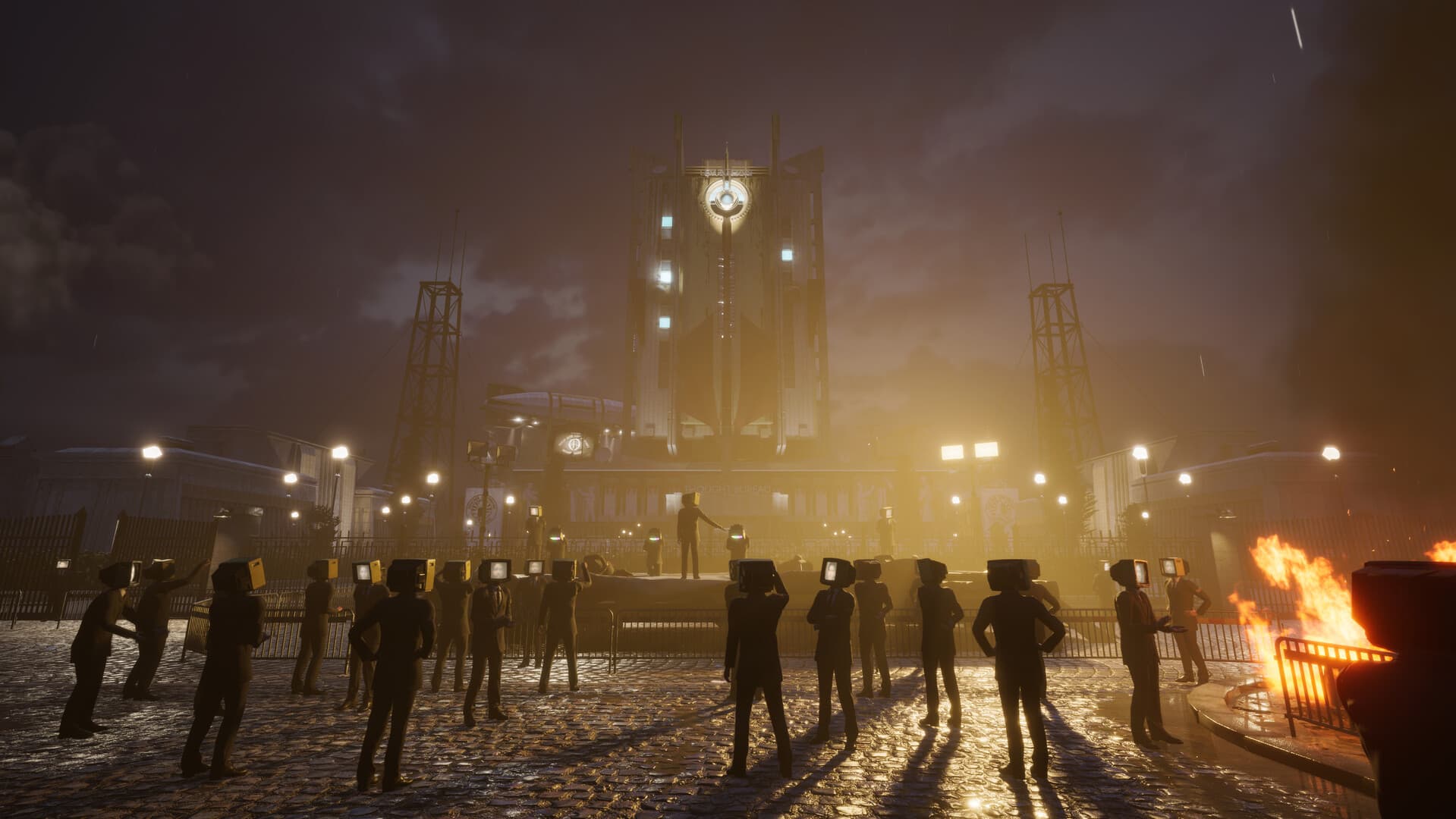
- Image courtesy of POLLARD STUDIO LLC, Wired Productions, and Gamera Games. Source: Steam.
- Compatibility: Windows.
- Russian language: interface, subtitles.
- Reviews: very positive (92% of 1,379).
- Steam price: 880 ₽.
Squirreled Away
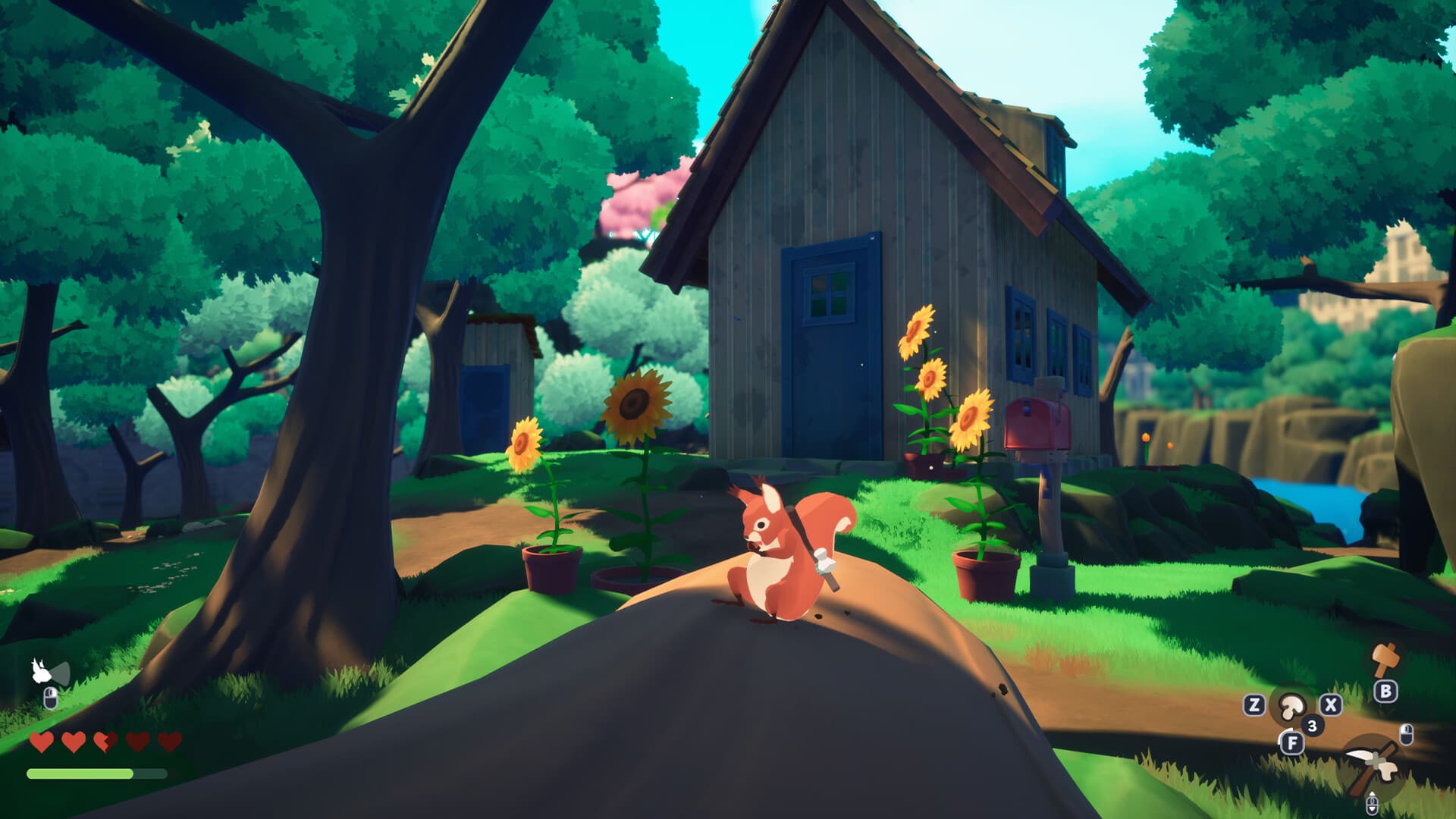
Squirreled Away is an unexpectedly charming squirrel life simulator where you can leave adult worries behind and simply dart across tree branches. Players have dubbed the project “squirrel Valheim,” but unlike that harsh Scandinavian survival title, everything here is as relaxed as possible—all you do is collect acorns and furnish cozy tree hollows. Four-player co-op lets you unleash genuine squirrel mayhem with friends, though the game retains its charm in solo play as well.
The gameplay rests on three pillars: exuberant tree-leaping (featuring delightful animations), crafting adorable trinkets, and completing straightforward tasks for forest dwellers. The vibrant cartoon visuals are a treat for the eyes—especially the squirrel itself, whose antics deserve special praise. An unassuming soundtrack nicely complements the laid-back mood. Those seeking stern challenges may find it somewhat dull, however—even gathering resources resembles meditation more than survival.
Reviews align on one thing: the game is ideal for a couple of evenings of casual fun. Praise is directed at the novel concept, dry humor, and multiplayer, while criticism focuses on limited content and simplistic quests. Technical hiccups such as save glitches slightly mar the experience, though not critically. Naturally, the absence of Russian localization is also a letdown for some. Squirreled Away is unlikely to hold your attention for weeks, but as a brief chance to become a fluffy troublemaker, it works wonderfully.
Never miss our newsAdd this site to your preferred sources to see us more oftenAdd on Google