From Ideal to Problems: How the Second Season of X-Men '97 Turned Out
Translated with AI from the Russian original.
In the 1990s, an animated series about the X-Men, X-Men: The Animated Series, was released. The show became iconic and in 2024 received a continuation, X-Men '97, which recently got a second season. Let's analyze what the original project and the first season of the continuation were like, and also see what spoiled the second season of the updated series.
The Original Story and Its Modern Continuation
The animated series released in 1994 was a canonical retelling of the comics. It adapted many iconic stories about the mutant team: "The Phoenix Saga" and "The Dark Phoenix Saga," "Days of Future Past," the story of "Genosha," the "Life's End" arc, and many others. Although these were not literal adaptations, the direction, storytelling, backstories, characterizations, and animation all brought classic comic books to life on screen.
A total of 76 episodes were released from 1992 to 1997, divided into five seasons. During this time, each character had time to develop. We learned about Rogue's connection to Mystique and Ms. Marvel, how Logan got his adamantium skeleton, and how Cyclops dealt with Jean's loss.
But being true to the era and the low TV-Y7 age rating (ages 7 and up), the project couldn't take risks. Characters, though they went through tough times, couldn't die, and there was no explicit cruelty in the scenes.
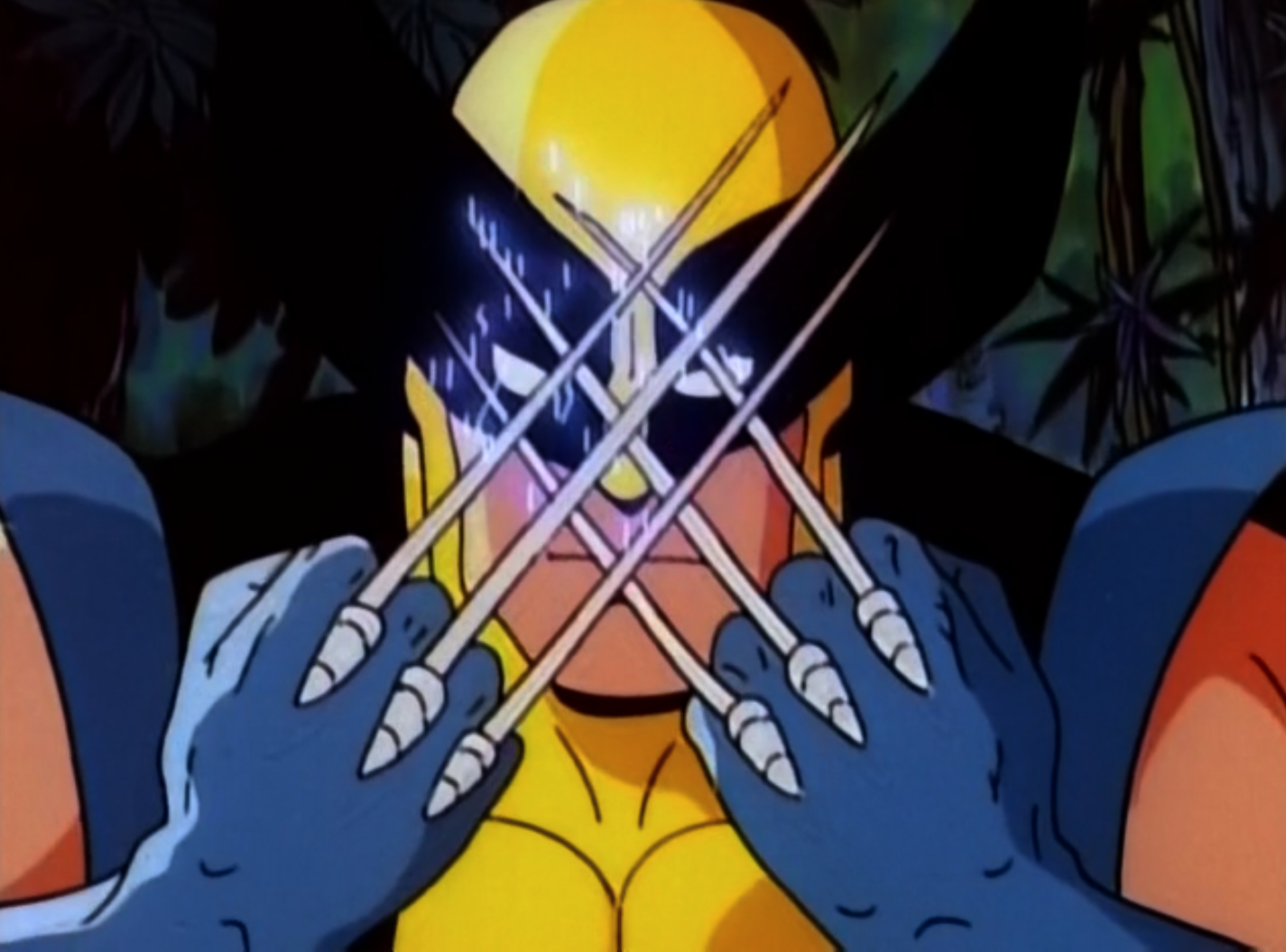
However, this did not prevent the project from becoming legendary, and the creators of the continuation had to preserve the positive features of the original and correct its shortcomings. Spoiler: they succeeded.
In X-Men '97, the narrative became more cohesive. Instead of the "one story per episode" formula that much of the original was built on, the entire first season focused on an overarching plot. Although a few episodes told slightly different events, the main story still flickered in the background, preventing the viewer from getting lost.
The age rating for X-Men '97 rose to TV-14 (ages 14 and up), which introduced brutality to the series: characters began to suffer serious injuries and lose comrades. No one was safe here anymore. The project took full advantage of this.
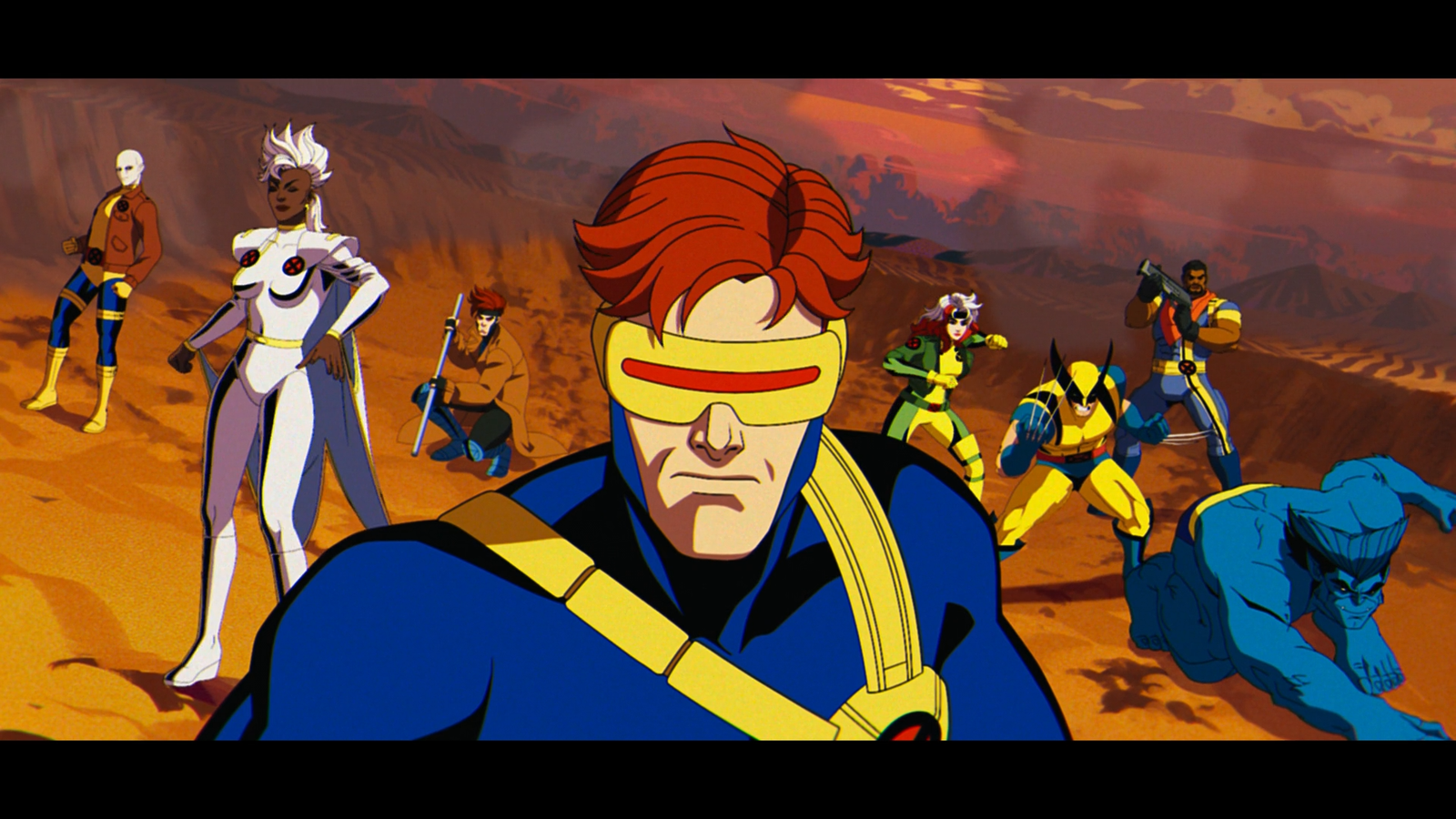
The personal stories of the main characters also logically continued. Storm was an exception, as she was viewed somewhat differently. However, she reveals another character — Forge, who had been flickering in the background since the first episodes of the original.
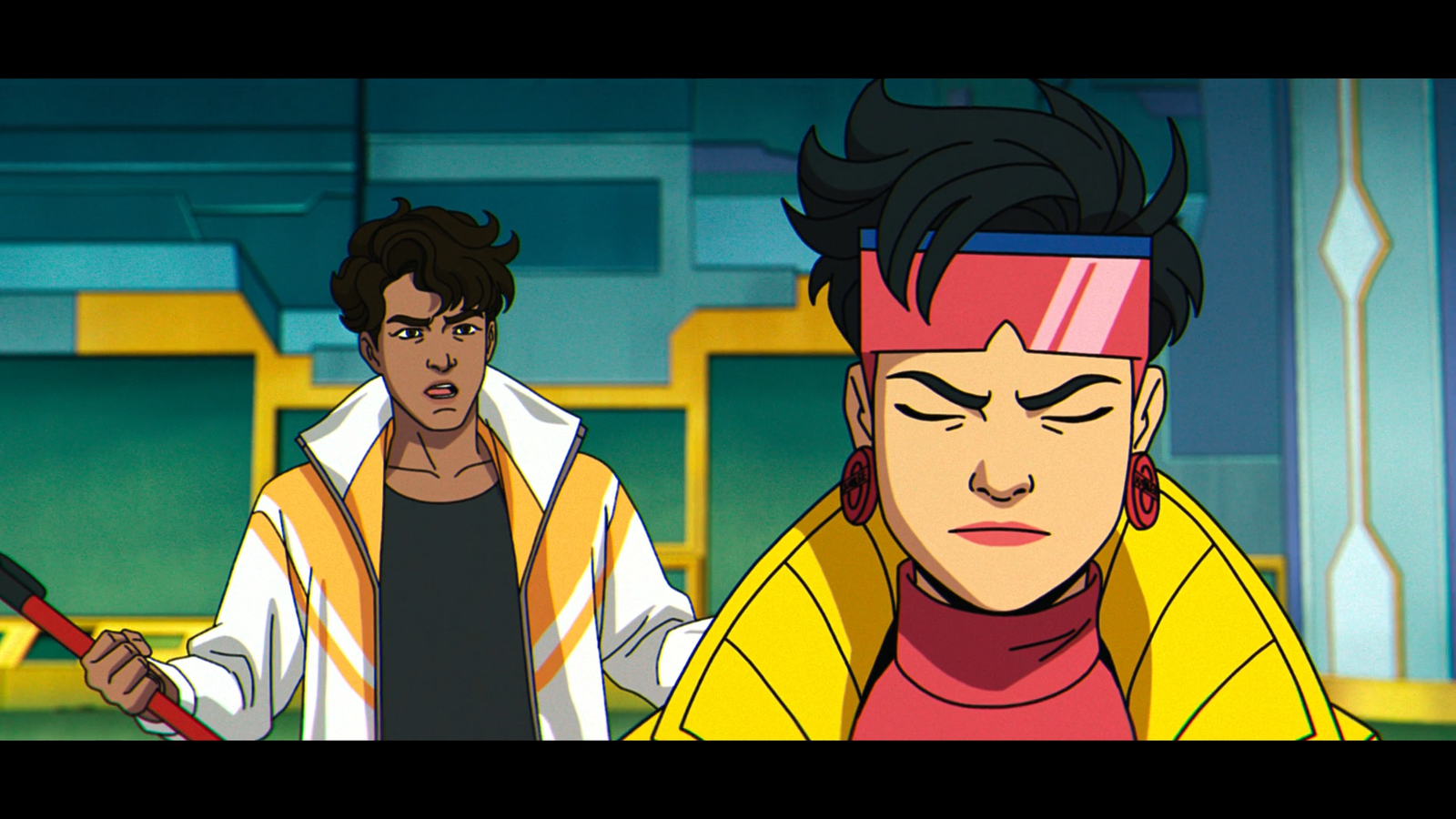
Jubilee, on the other hand, got a lot of screen time, finally becoming a full member of the team. And the new character, Sunspot, complemented her perfectly.
Magneto appeared in a new light. Now he is a multifaceted personality who honors the memory of a friend, sacrificing his former views on the world. One of the main comic book storylines on which the first season was built is the "Trial of Magneto" arc, where he stands trial before the UN for his past crimes.
Cable, who often appeared before, was also revealed. Now we know who he is and where he came from. His story is magnificent: it skillfully deepened a long-familiar character and created an excellent foundation for the second season.
Like the original series, the continuation also drew heavily from the comics, including important moments from issues that were released after the old animated series ended.
The art style in "'97" changed but remained true to the source material, albeit to more modern editions. I would compare this style to the Uncanny X-Men 2013 line, which was drawn by artist Chris Bachalo.
Not to Fall Flat...
The second season focuses on Apocalypse — a villain who regularly threatened the heroes and the world since the beginning of the original series. The story of his origin, motivation, and connection to the X-Men is revealed — and all of this is set against the backdrop of intricate time travel.
Magneto's character also deepened: after experiencing internal trauma at the end of the first season, Erik became more human. Although he didn't lose his stern gaze and arrogance in his voice, his motives and methods changed. And the scene with Charles and Apocalypse is a true catharsis!
In the second season, the sense of family intensified: the interaction between Nightcrawler and Rogue, the story of Cyclops, Jean, and their son Nathan, as well as the storyline with the trial of Graydon Creed. This makes the overall story warmer and more personal than before.
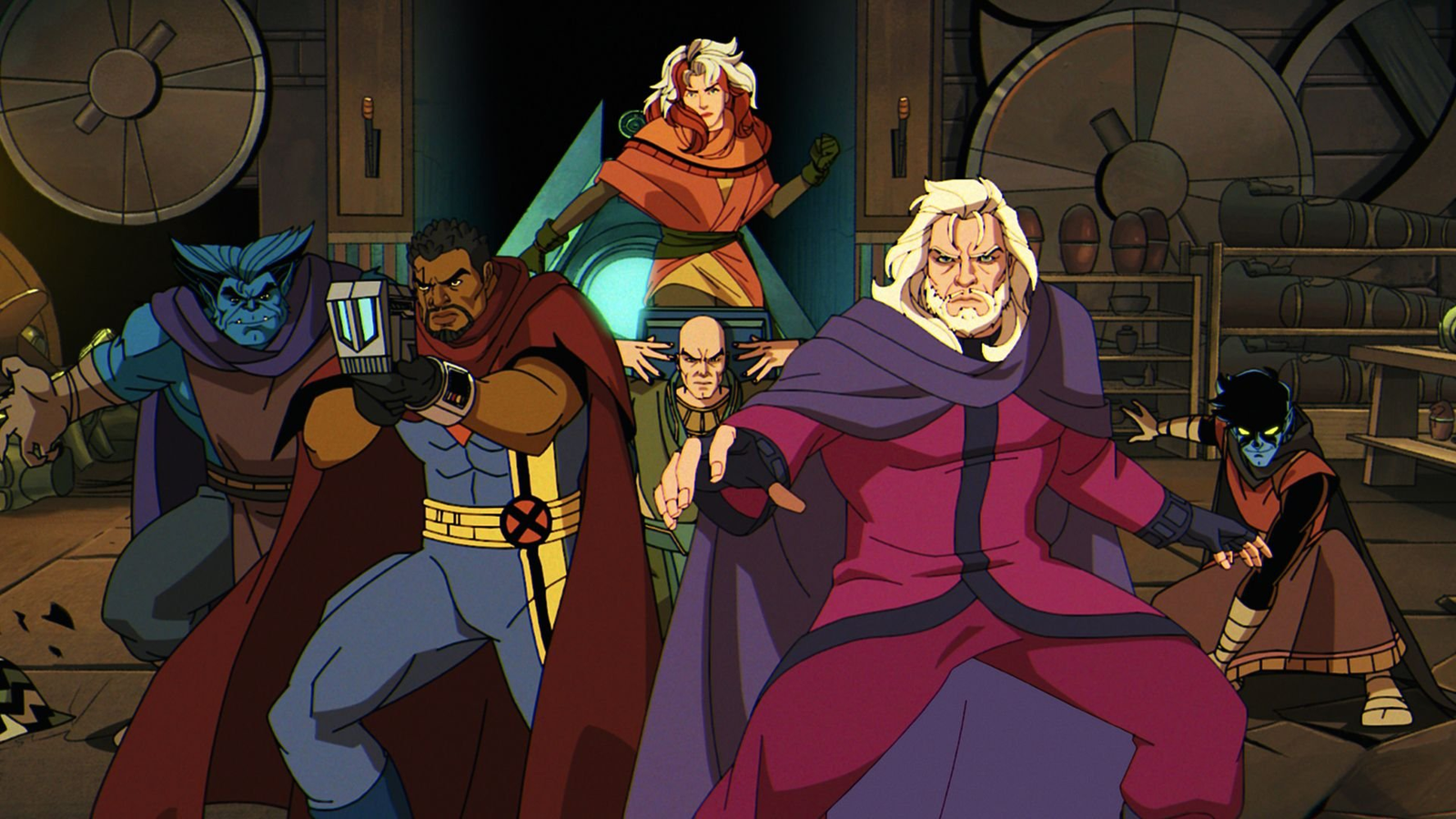
Suddenly, but appropriately, Kang the Conqueror was shown. He was never allowed to fully develop in the main cinematic universe, although he is a very interesting character. It's just a pity that his role in the story is half-hearted: he serves as part of the antagonist's motivation but quickly "fades away" at the right moment. I wish Kang would make himself known again in future seasons! Especially since another version of this character already appeared in the old animated series.
I liked the opening credits: they are made in the spirit of the original series and show the characters to a familiar soundtrack. In X-Men '97, it is adaptive and changes each episode depending on the characters involved. It was the same in the first season, but in the second, it became more noticeable, as the list of heroes grew.
The new season also expands the boundaries of this universe: we are told that there is much more behind Apocalypse than just his hatred and innate mutant powers. Undoubtedly, this is a hint at a continuation and development of the cosmic part, which was important even in the old animated series.
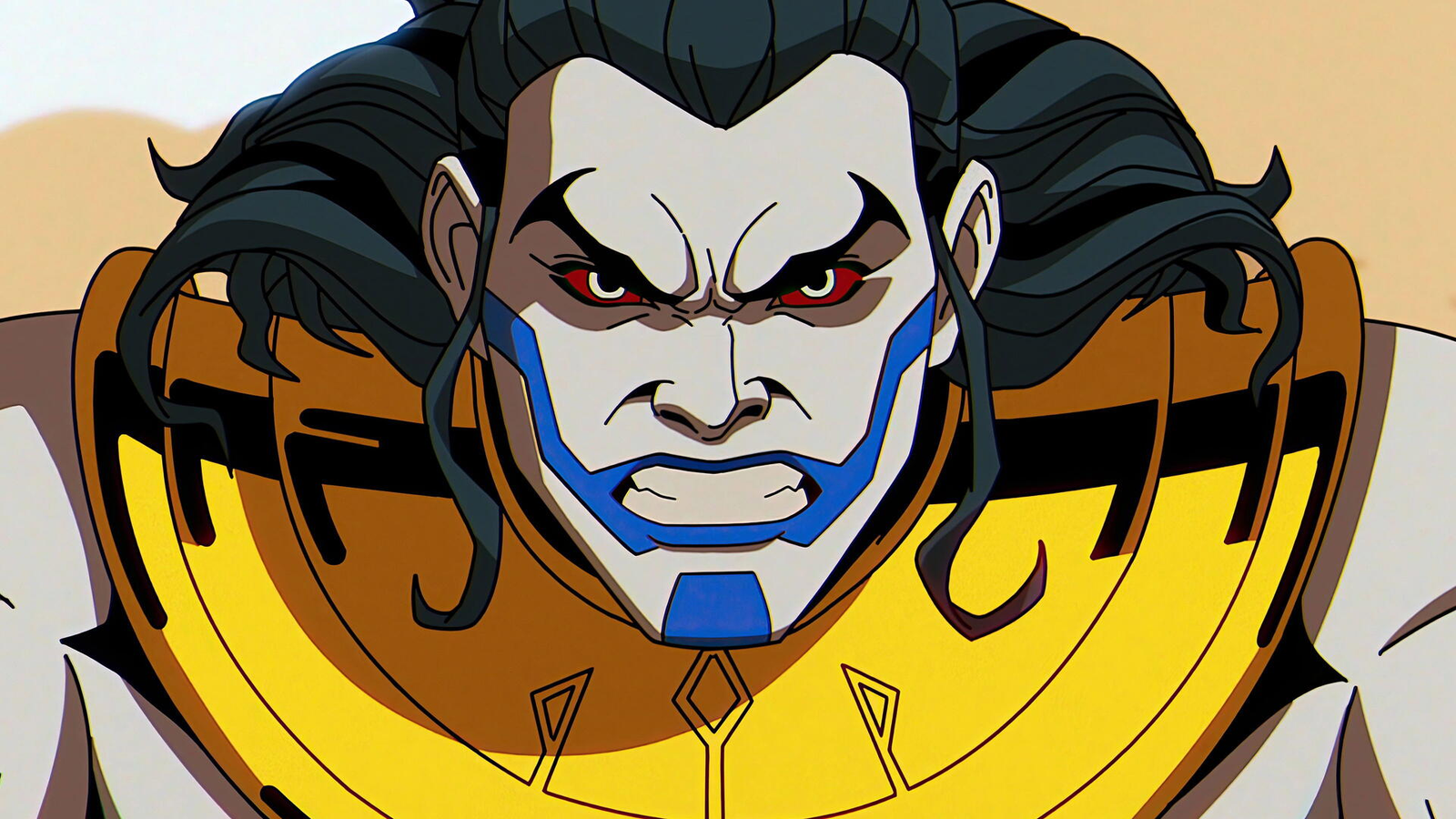
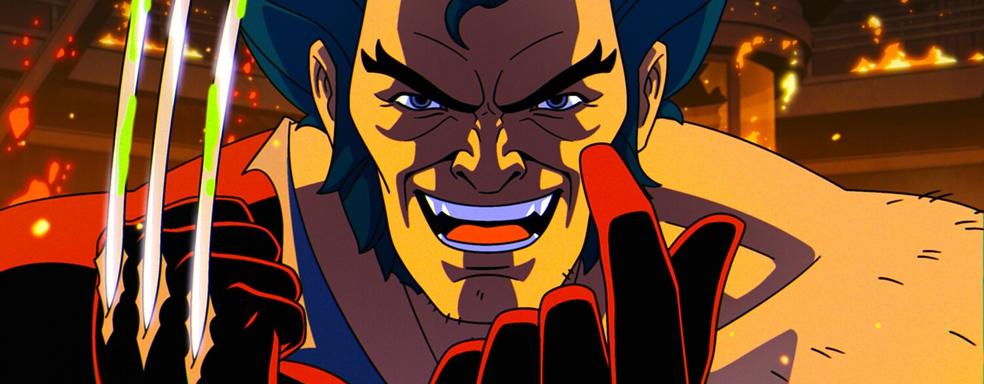
The project doesn't forget its roots: several episodes have connections to episodes of the original series. For example, Captain America appeared in the Wolverine episode, whose connection to Logan was told in the episode "Old Soldiers." Wolverine's appearance at that moment is wonderful! And the season finale has a direct connection to the third season of X-Men: The Animated Series, which Beast remembered — oh, those time jumps.
By the way, the theme of time travel in the second season is key. The creators elegantly tie up loose ends from different moments, including showing where Cable got the technology for time travel that he used in the original series. There are plenty of such micro-moments.
I'd like to specifically mention Morph. He's responsible for a huge number of cameos here: the character can transform into other heroes and even copy their abilities. Thus, he managed to take on the guises of Thor, Doctor Octopus, The Thing, Mister Fantastic, and many others. Moreover, their designs replicate those in the old animated series of this animated universe: Doctor Octopus, for example, looks exactly the same as in the 1994 Spider-Man animated series. As a fan, I was very pleased!
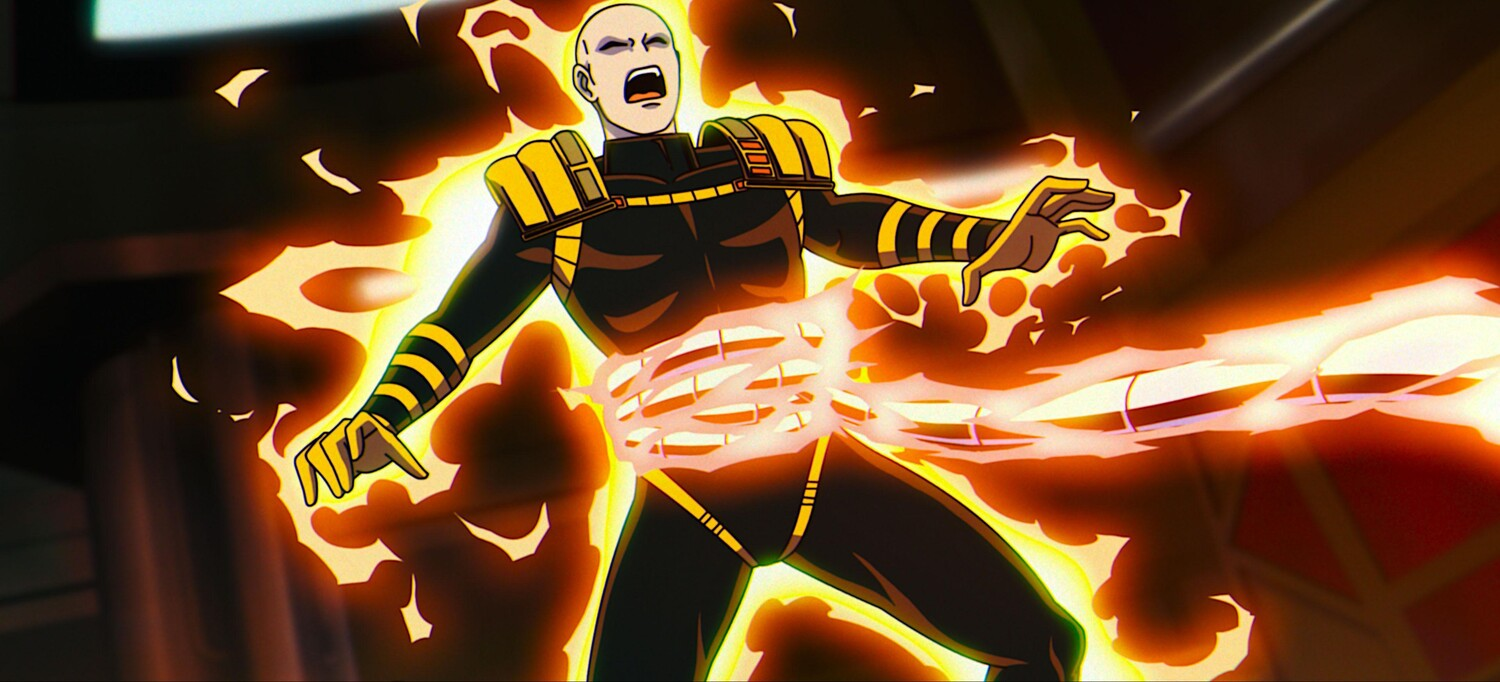
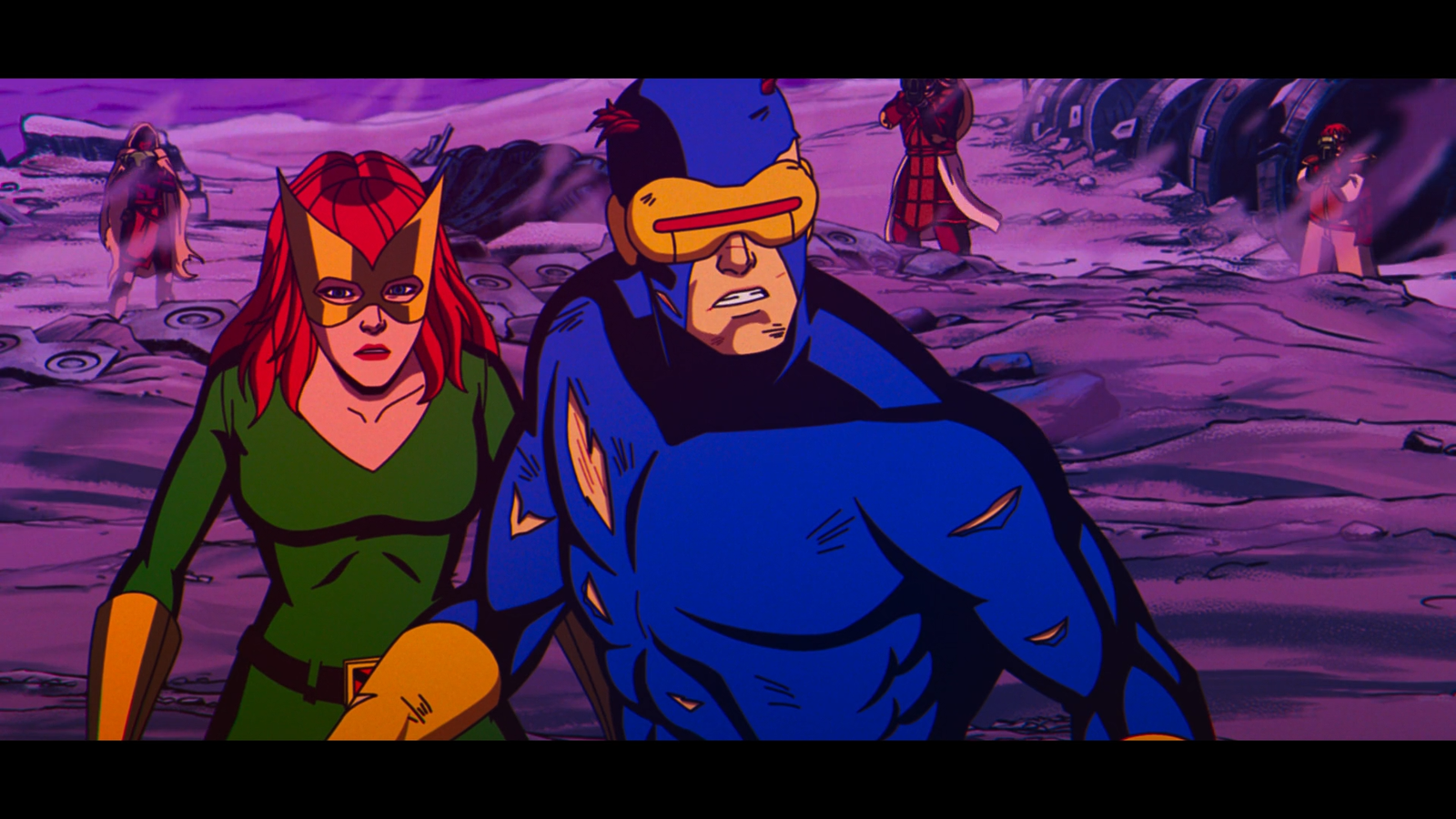
There are also non-obvious references. For example, in the very first episode, a mysterious heroine appeared, and to understand who she is, one needs to be familiar with the comics, as the series did not give a direct answer: she is the daughter of Scott and Jean from another timeline.
The animation, art style, and 90s stylization in the second season have become even better. The atmosphere of the series repeatedly screams loyalty to that era, evoking a strong wave of nostalgia.
...Failed!
But the second season also has its drawbacks.
The plot lost its coherence. The story with Apocalypse is stretched across all nine episodes but is interrupted in the middle for side stories. For example, about how Wolverine got his adamantium skeleton back after Magneto ripped the metal from his body in the first season finale.
Moreover, these episodes cannot be skipped, as they touch upon many important moments of the universe's lore: the development of Polaris or the deepening of Colossus's character, who lost his sister and retired from affairs. But each such episode intrudes into the narrative, breaking its coherence.
Furthermore, returning to the arc about Wolverine's skeleton, it seems devalued: Logan was dramatically stripped of his metal, returning his familiar bone claws at the end of the first season, but they were returned very mundanely.
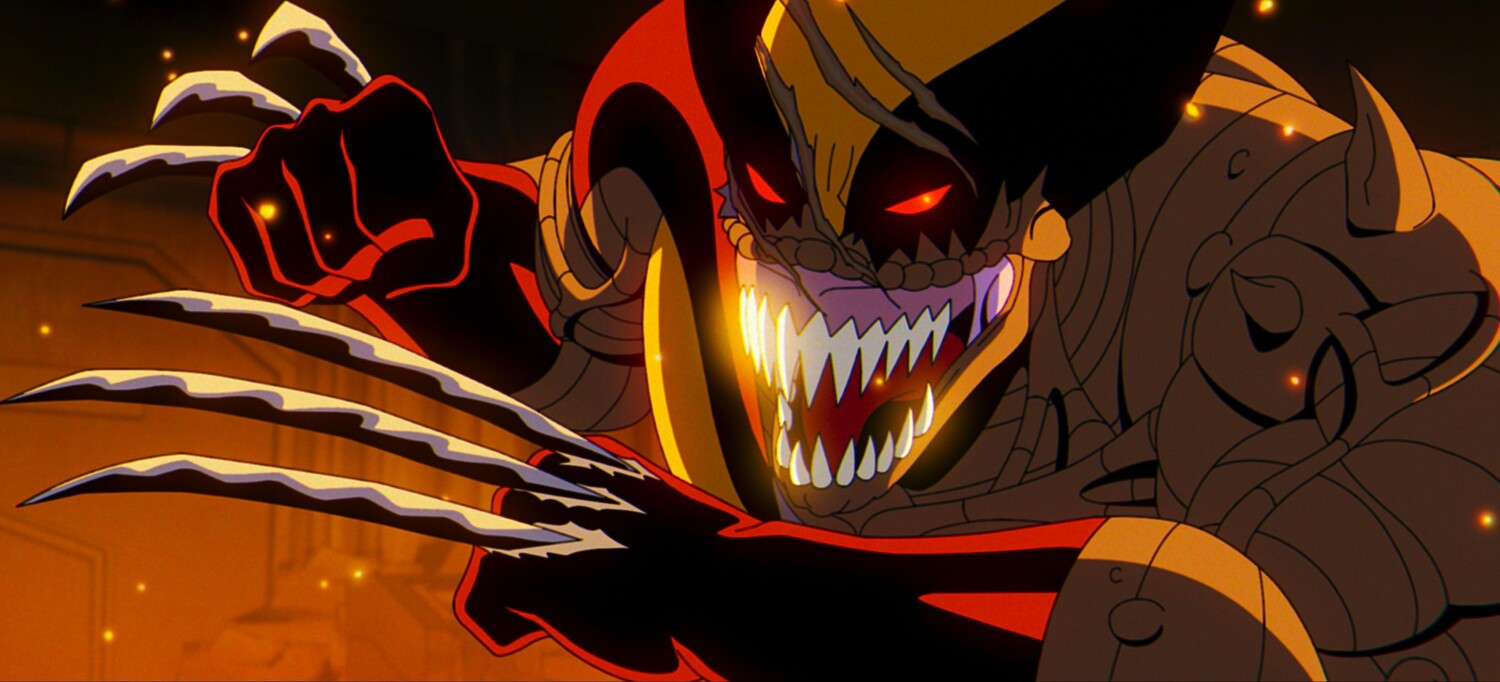
Another problem is the excessive closeness to the comics. Yes, the series raises the stakes, threatening the lives of many beloved heroes. But it also starts playing with them, sometimes nullifying the characters' sacrifices. After all, in the comics, they constantly die and then resurrect as if nothing happened. I hope this will be a one-time event, not a trend! In that case, it would be better not to kill anyone at all, as it was in the original.
Jubilee looks strange. In the first season, she took a step forward, and here she found a new path, joining another squad. Yes, this is also development with depth, but it is shown tangentially, because the heroine does not go through any arc, does not open up from a new side, but simply says: "I'm with them and that's it!". And Sunspot became a background character — he just follows her and doesn't stand out at all.
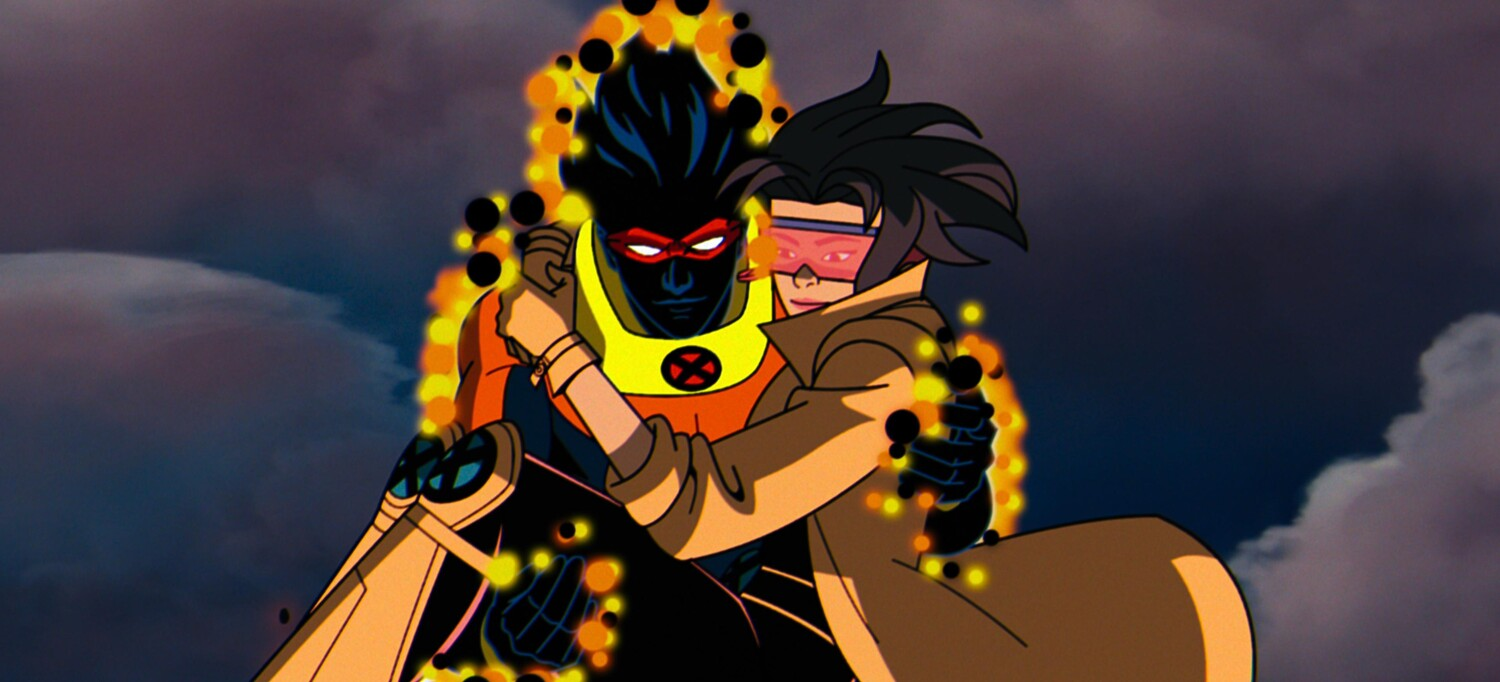
The final battle was disappointing: instead of an epic clash of two all-powerful characters, the villain is defeated instantly. It would be fine if it were a minor antagonist of the season, but the series so foolishly got rid of such an important villain that it became bitter. However, this is a comic book animated series — it's quite possible that he will return.
A Different Second Season?
Initially, the second season was planned differently. Showrunner Beau DeMayo was preparing a harsher plot twist: the antagonist was supposed to be a character named Onslaught. This is a powerful psionic entity born from the dark sides of Magneto's and Charles Xavier's minds.
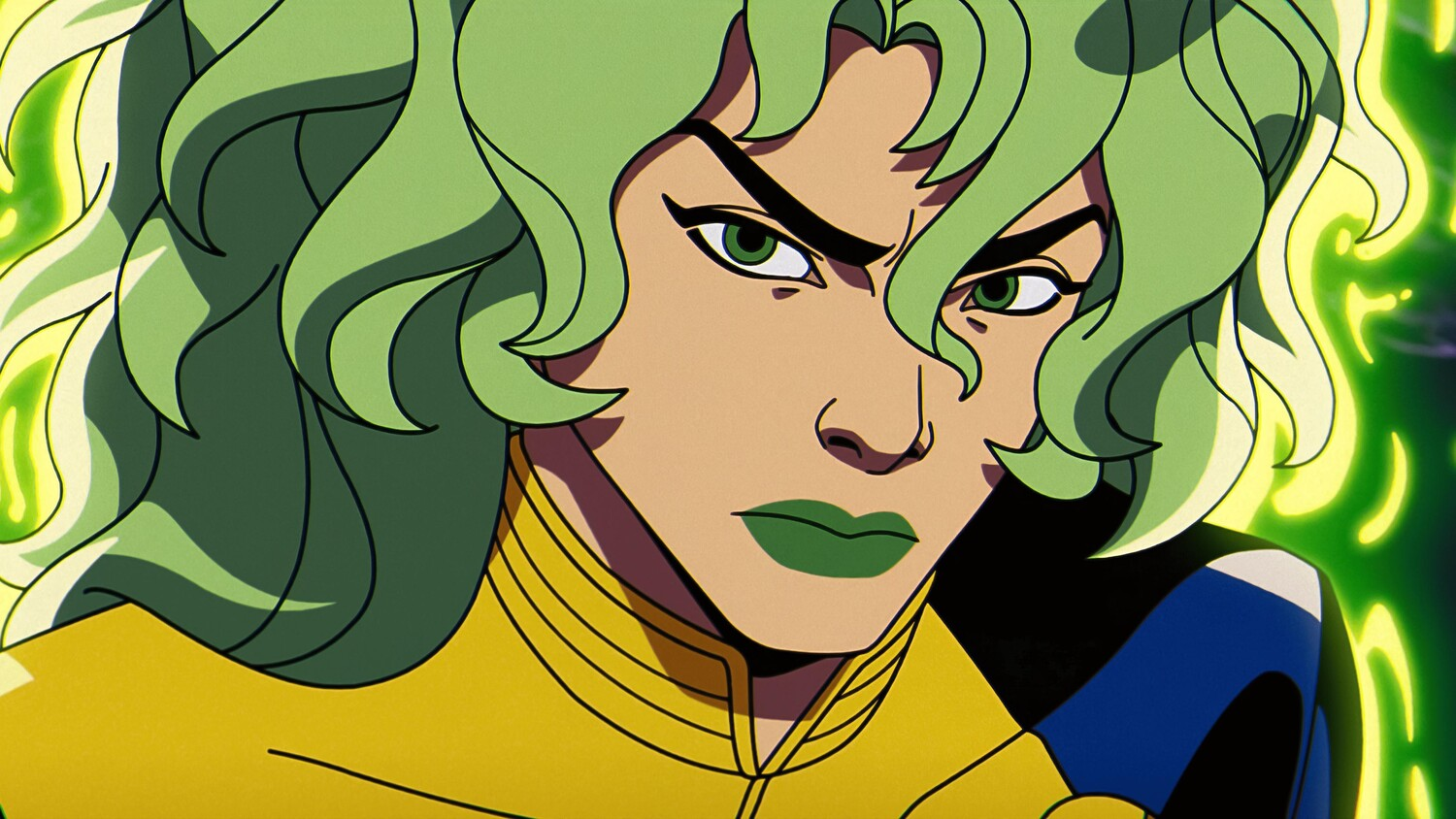
To defeat such a powerful villain, the X-Men, Avengers, and Fantastic Four would have to unite. But even that wouldn't be enough, so the heroes would once again go back in time trying to fix everything, but would only create more problems. Ultimately, the story was supposed to lead to a full-fledged "Age of Apocalypse" arc, of which only remnants remained in the final version.
But DeMayo and Marvel Studios disagreed, and the showrunner was fired even before the premiere of the first season. He spoke about his plans in 2025 on a podcast.
Due to the reshuffle, the production of the second season stretched for two years, and the final version became a hodgepodge of DeMayo's plans and studio reworks. It got to the point where four people wrote the script for some episodes, which led to a loss of coherence.
Verdict
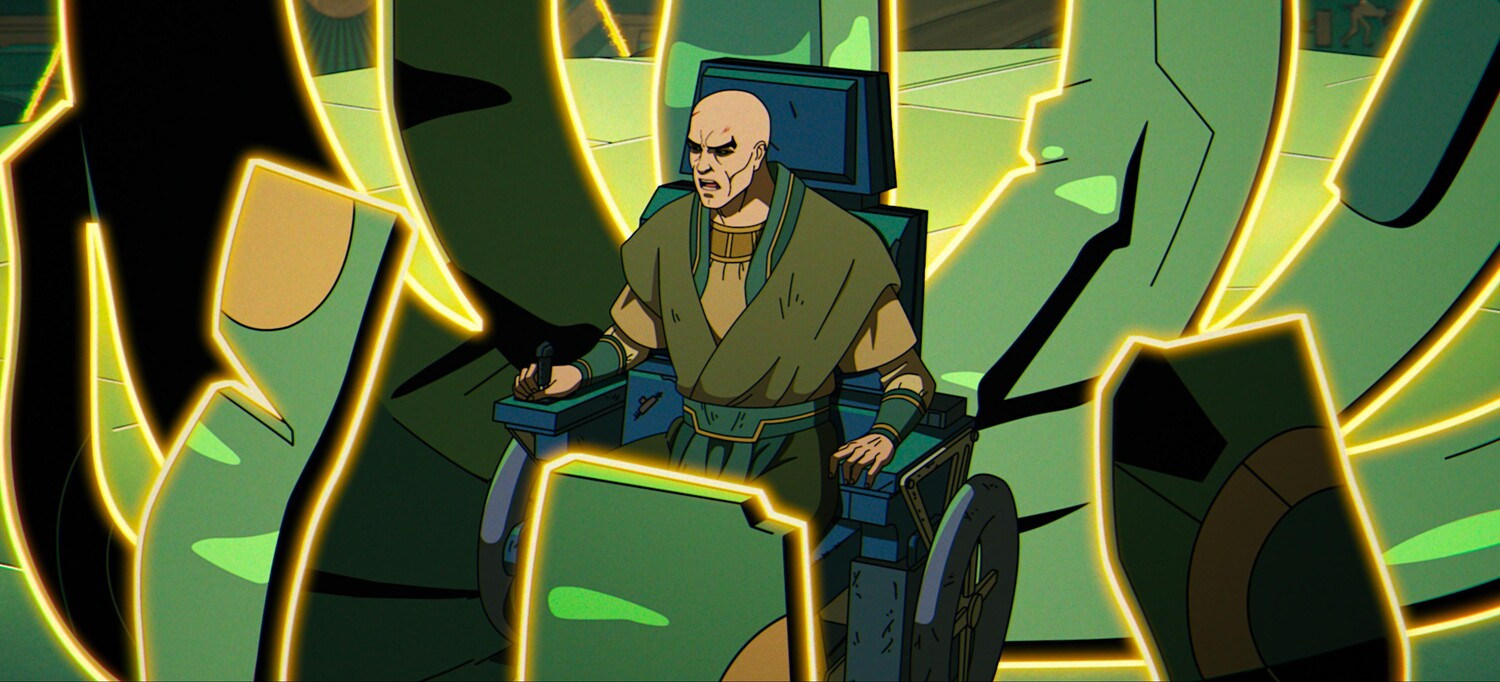
The second season of X-Men '97 is not bad. The project remained true to the comics and the old animated series: the style, characters, stories, a lot of references, as well as authentic drawing and animation, immersing viewers in the 90s era. Several heroes developed here, and the plot featured many spectacular scenes.
But the second season significantly declined compared to the first: the story became less cohesive, as the middle is diluted with episodes almost unrelated to the main plot arc of the season. Even though they contain many important moments for the entire project.
It feels as if in the middle of the main story, the viewer is forced to go through several side storylines. Even if the quality of these branches is high, they still break the immersion.
The overall intensity of the story has noticeably decreased: the plot follows a well-trodden path, as if afraid to take risks. The series even begins to play with the lives of characters, sometimes devaluing their sacrifices.
Marvel Studios has already announced the third and fourth seasons and plans to develop the project further. Let's hope that the quality of the animated series does not continue to decline.
Never miss our newsAdd this site to your preferred sources to see us more oftenAdd on Google