The foggy future of Sony. What the once great platform holder has turned into
Translated with AI from the Russian original.
Sony is facing turbulent times in the current—ninth—console generation. Over the years since the launch of the PlayStation 5, the “blue” brand has lost almost everything it was once loved for: major, high-quality single-player titles. Instead, corporate leadership has been seized by a manic obsession with creating their own live-service hit. Let us examine what this has already led to and look into Sony’s future.
Greed ruined Sony
In 2019, Shawn Layden stepped down as head of Sony Interactive Entertainment Worldwide Studios. As he explained in March of this year, the decision was driven by the company’s shift in direction: back then, it was decided to place bets on live-service games, pushing single-player blockbusters into the background. While they used to come out two or three times a year, gamers now have to wait just as long for a single title — and even then, with unpredictable quality.
The reason behind the shift in priorities is simple: if a live-service game takes off, it can sustain its developers for years without demanding major reinvestment. And if there are several such projects, profits can become astronomical. Take miHoYo (HoYoverse), for instance — the creators of the mega-hits Genshin Impact and Honkai: Star Rail. According to the Hurun Research Institute in 2024, their valuation is estimated at 23 billion US dollars.
At one point, Sony announced as many as 12 live-service games, but only two made it to release: Helldivers 2 and Concord. The former proved successful and made the “blue” camp even more dizzy with ambition, while the latter went down in history as a catastrophic disaster. With a budget estimated to have started at 300 million dollars, the game sold only a few tens of thousands of copies and was shut down two weeks post-launch. The developers at Firewalk Studios soon met the exact same fate.
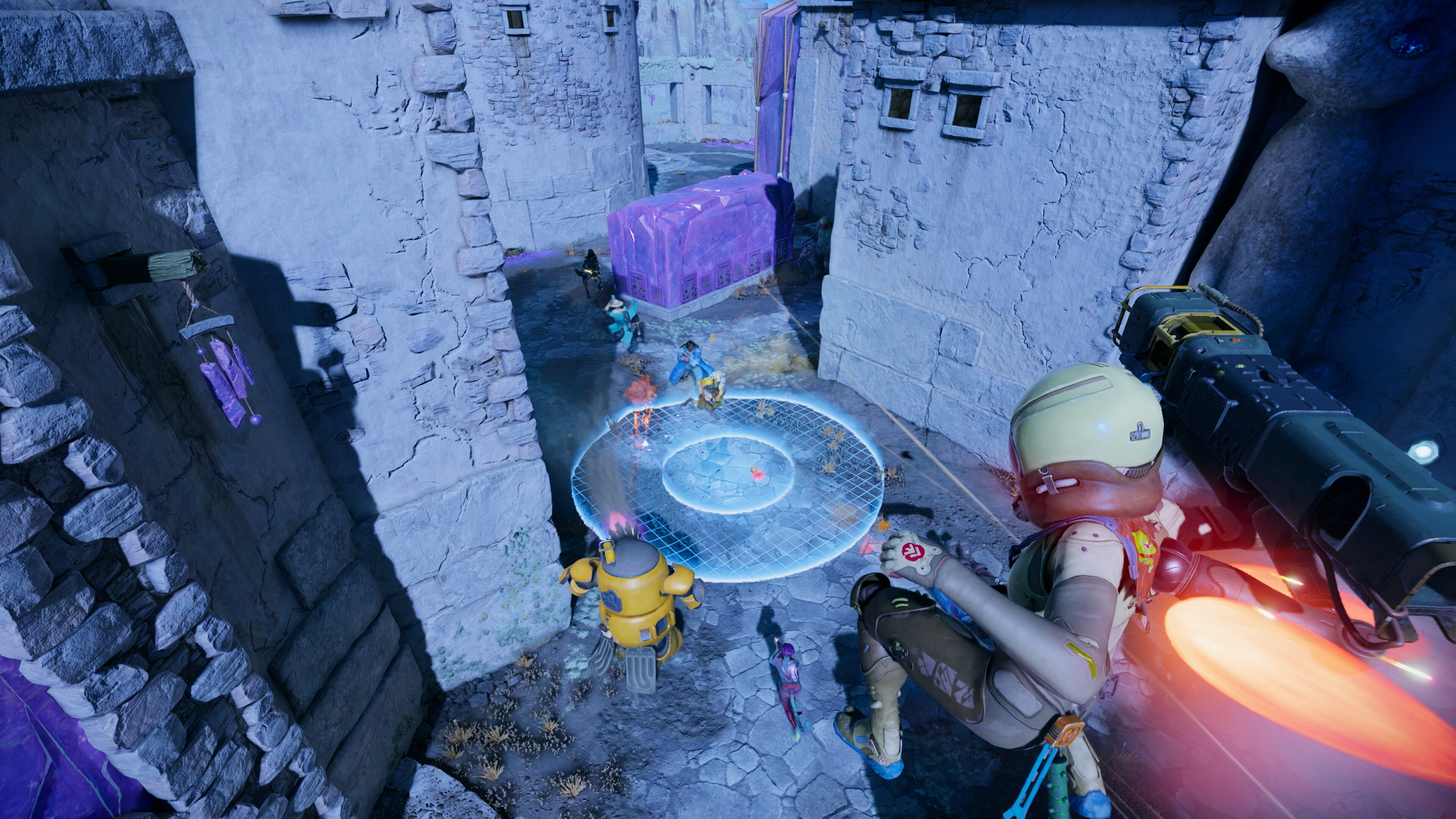
Image belongs to Sony Interactive Entertainment, Source: SteamDB
After some time, the fallout became undeniable: leadership reshuffles ensued, most of the remaining live-service games were canceled, and the focus seemed to turn back toward single-player AAA titles — Ghost of Yotei and Intergalactic: The Heretic Prophet. Or so it appeared, at least.
However, players’ joy did not last long. This was not a retreat, but a regrouping. In early May, the “blues” announced the founding of a new studio, teamLFG, dedicated to developing an ambitious live-service project. Meanwhile, the corporation’s marketing division is gradually pivoting its weight behind Bungie’s Marathon, which is scheduled for a September release.
At any cost — even to their own detriment
An obsession with live-service games comes at a steep price.
First, even if Sony is not abandoning single-player blockbusters altogether, developing live-service titles consumes immense amounts of time and capital, preventing teams from focusing on what players — and likely the creators themselves — truly desire.
Studios like Naughty Dog, Guerrilla Games, Insomniac Games, and others could be creating brand-new intellectual properties or reviving veteran franchises — such as Killzone, even in the form of remasters. Instead, their resources are squandered on online spinoffs of existing franchises. A senseless waste of potential.
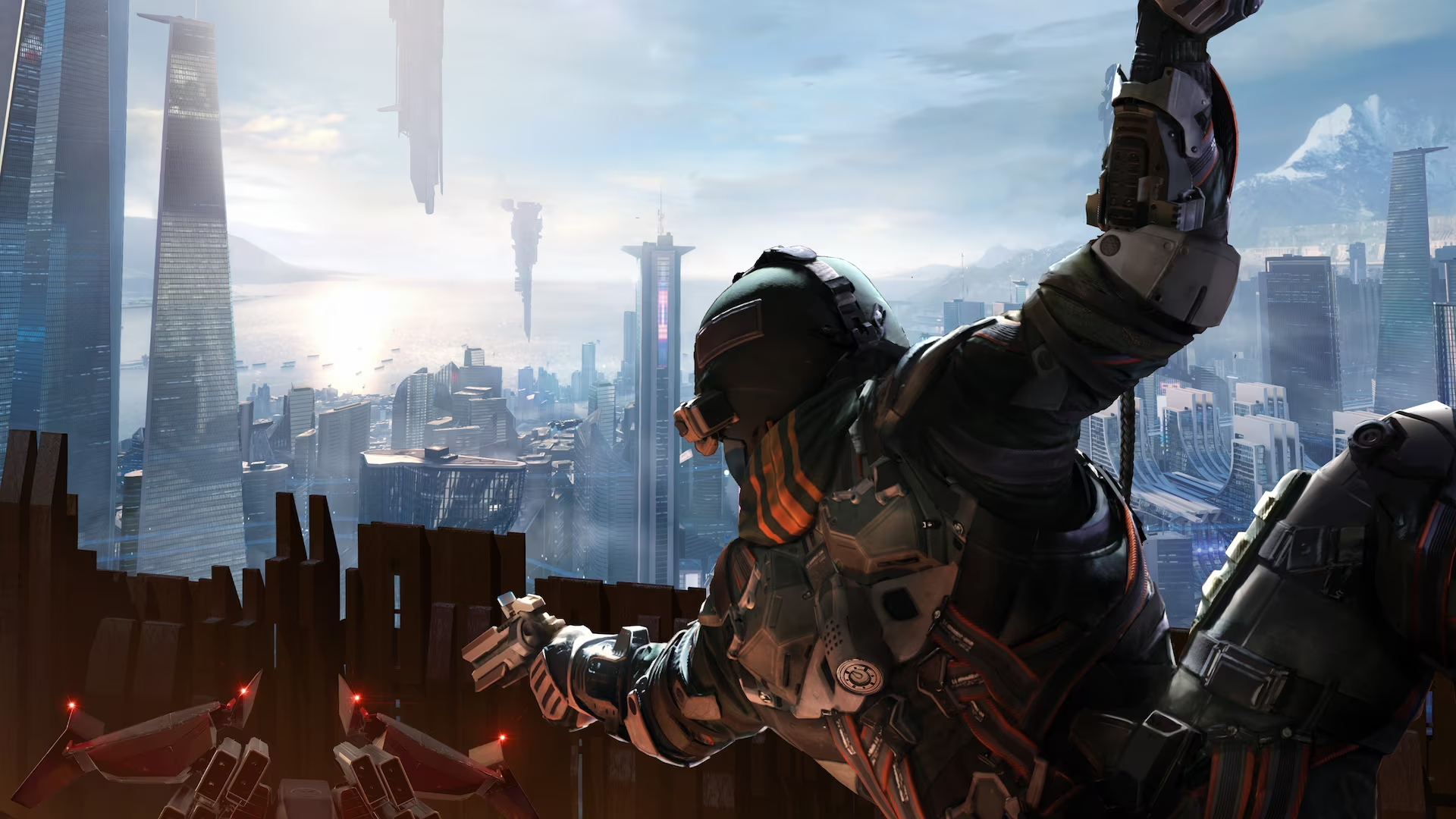
Image belongs to Sony Interactive Entertainment, Source: PS Store
Second, this strategy has led Sony to lose allies. For instance, the creators of Helldivers 2 — Arrowhead Game Studios — chose to publish their next title independently, without the Japanese corporation’s involvement.
The same applies to Kojima Productions: last November, the studio bought out the rights to Death Stranding from Sony, securing total control over the franchise’s future. It is not hard to guess what that must have cost: massive corporations like Sony do not surrender rights lightly. Yet if Kojima went through with it, he clearly deemed it worth the price.
Creativity inside Sony has virtually been placed under lockdown. Games are growing increasingly toothless and follow the exact same template. This repels developers striving for growth, yet perfectly suits existing “toxic” assets that swallow budgets on an industrial scale. If Marvel’s Spider-Man 2 cost over 300 million, the budget of Intergalactic: The Heretic Prophet is terrifying to even imagine. The crisis deepens while development costs soar — right, Neil Druckmann?
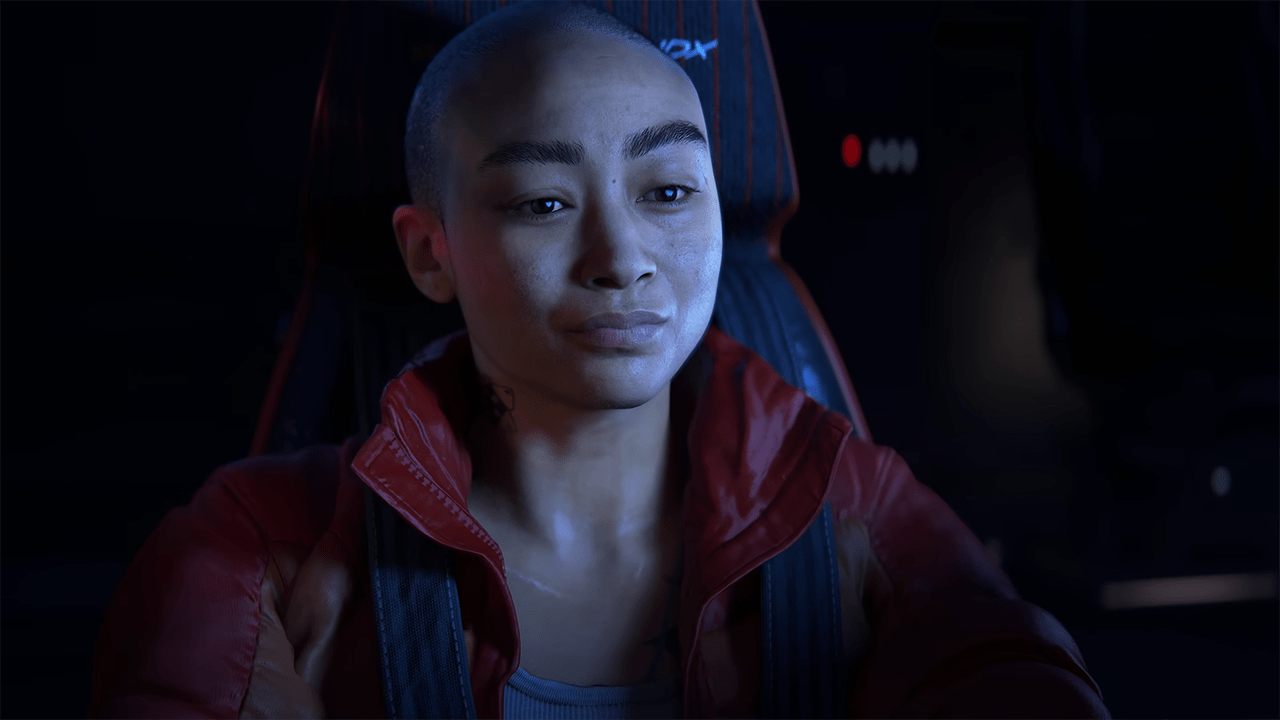
Image belongs to Sony Interactive Entertainment
Third, such rigidity prevents the “blues” from conquering the PC market. Previously, they maintained a lukewarm stance toward it, even though PC remains one of the largest gaming platforms behind mobile. Today, the company has practically ceased all active steps in that direction.
Perhaps management realizes that PC players already have an abundance of choices: the platform is packed with live-service games. And since there are hardly any powerhouse single-player games delivering box-office numbers left, they see no reason to bet on PC. Alternatively, they might genuinely believe PlayStation is the supreme gaming platform that players will do anything to own. If so, the issue runs deeper than it appears.
Even if single-player blockbusters launched regularly, they should have arrived simultaneously on PS5 and PC, rather than two years after the fact when everyone has moved on. Particularly considering that PC ports rarely receive any substantial marketing campaigns.
This served as the second catalyst for both Arrowhead Game Studios and Kojima Productions stepping away from Sony’s umbrella: both companies recognize that staying confined to a single ecosystem triggers not only creative stagnation, but financial stagnation as well. Launching simultaneously across all platforms broadens audience reach and scales profitability.
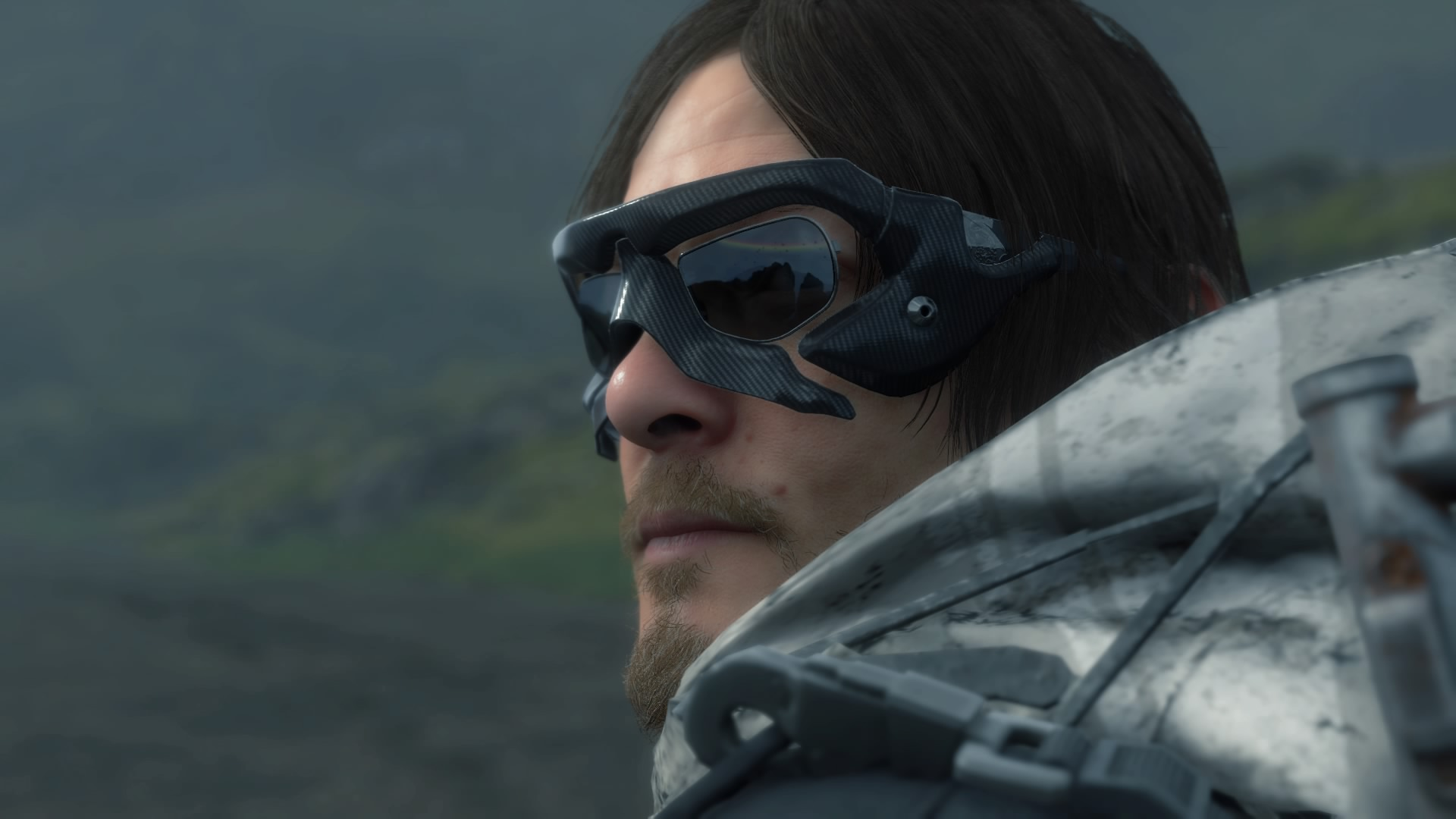
Image belongs to Kojima Productions
Meanwhile, Sony’s former rival — Microsoft — is betting everything on multiplatform availability: their titles launch on Xbox, PC, and even PlayStation, with a significant share of their revenue generated on the Japanese platform itself.
It boils down to fundamentally opposite philosophies. While the “blues” divide players into “us” and “them,” restricting developers and watering down quality, the “greens” exhibit openness and grant creators freedom — even if they had to endure several difficult years to get there.
A look into a foggy future
If nothing changes, the future for the “blues” looks bleak. They have already lost astronomical sums of money: Concord and an array of canceled live-service titles have likely consumed no less than a billion dollars, and further missteps are inevitable. Marathon is already drawing backlash from players and critics alike, despite being four months away from release. Meanwhile, Haven Studios’ Fairgame$ teeters on the verge of ruin, having recently seen its founder — Jade Raymond — depart over unsatisfactory project quality.

Image belongs to Sony Interactive Entertainment, Source: playstationtrophies
At this rate, Sony will hemorrhage even more money, digging itself into an ever-deeper hole. They will not repeat the fate of Ubisoft, which practically fell apart — Sony’s safety margin is virtually inexhaustible thanks to the structure of the zaibatsu, the sprawling Japanese industrial conglomerates of which it is a part.
However, their reputation among gamers is already eroding. PlayStation used to feel distinct. Yes, that was thanks to exclusives — but not because they were locked to a single piece of hardware, rather because they were genuinely magnificent. Unique.
Today, it is simply a convenient and relatively affordable box for multiplatform games like Call of Duty and EA Sports FC. And as time goes on, PlayStation will increasingly be viewed not as a creator, but as a generic “games box” — and one that has viable alternatives. A disheartening reality.

Image belongs to Electronic Arts, Source: PS Store
Analysis
Sony’s current situation is well illustrated by the ancient Greek myth of Tithonus — the mortal consort of the goddess Eos, who begged Zeus to grant him immortality, but forgot to ask for eternal youth. In the end, Tithonus could never die, yet grew more decrepit with each passing year, ultimately withering away into a cicada.
The “blues” find themselves in the same predicament: they cannot collapse, but each year their games become bleaker, and their pursuit of fleeting trends turns more desperate. Their live-service games are unlikely to break through: the market is oversaturated, players have no incentive to jump from one service game to another, and the aesthetic direction of Sony’s titles increasingly alienates audiences. Tying them to renowned franchises will not save them either.
To turn the tide, they will need to reverse course: abandon the pursuit of easy money, return to delivering premier single-player blockbusters, and, ideally, discard “toxic” assets that burn hundreds of millions without ever turning a profit.
The odds of this happening are slim. One can only hope that executive leadership will realize this sooner rather than later — even if it takes a couple more high-profile disasters to drive the point home.
***
Cover image belongs to Bungie, Source: Steam
Never miss our newsAdd this site to your preferred sources to see us more oftenAdd on Google