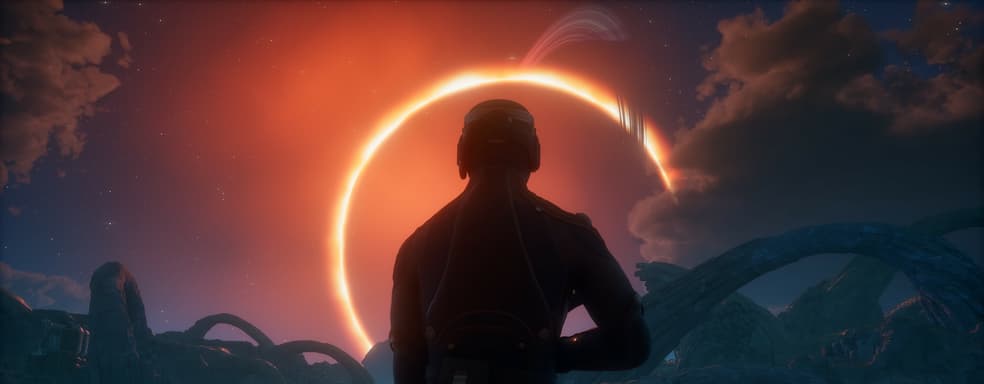
Obsidian's attempt to be great again. The Outer Worlds 2 preview
Translated with AI from the Russian original.
The Outer Worlds 2 is set to release on October 29, 2025 — standing as the most grand and ambitious role-playing game from Obsidian Entertainment since Fallout: New Vegas. In this new project, the studio significantly broadens the original's universe: a brand-new colony, intricate political strife, an overhauled companion system, flexible character progression, and even deeper world reactivity. The developers promise that every choice will alter not only the characters' destinies, but the very fabric of the world itself. We have gathered all the known details about the sequel in this preview.
The battle for Arcadia. Plot, world, and factions
The developers originally intended each game in the series to take place in a new colony, granting them the freedom to craft increasingly fascinating worlds, expand the universe in diverse ways, and tackle fresh themes in the narrative.
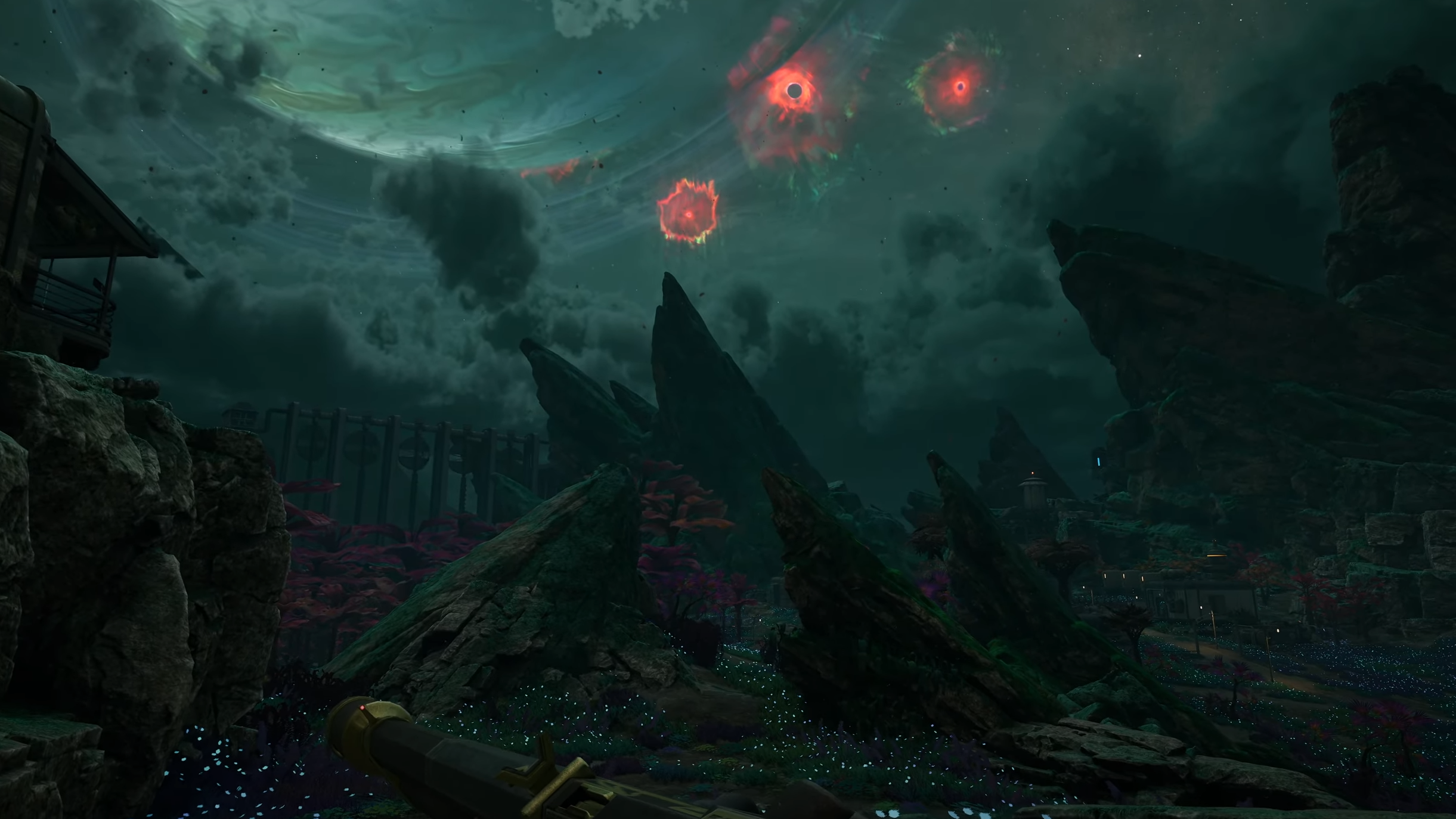
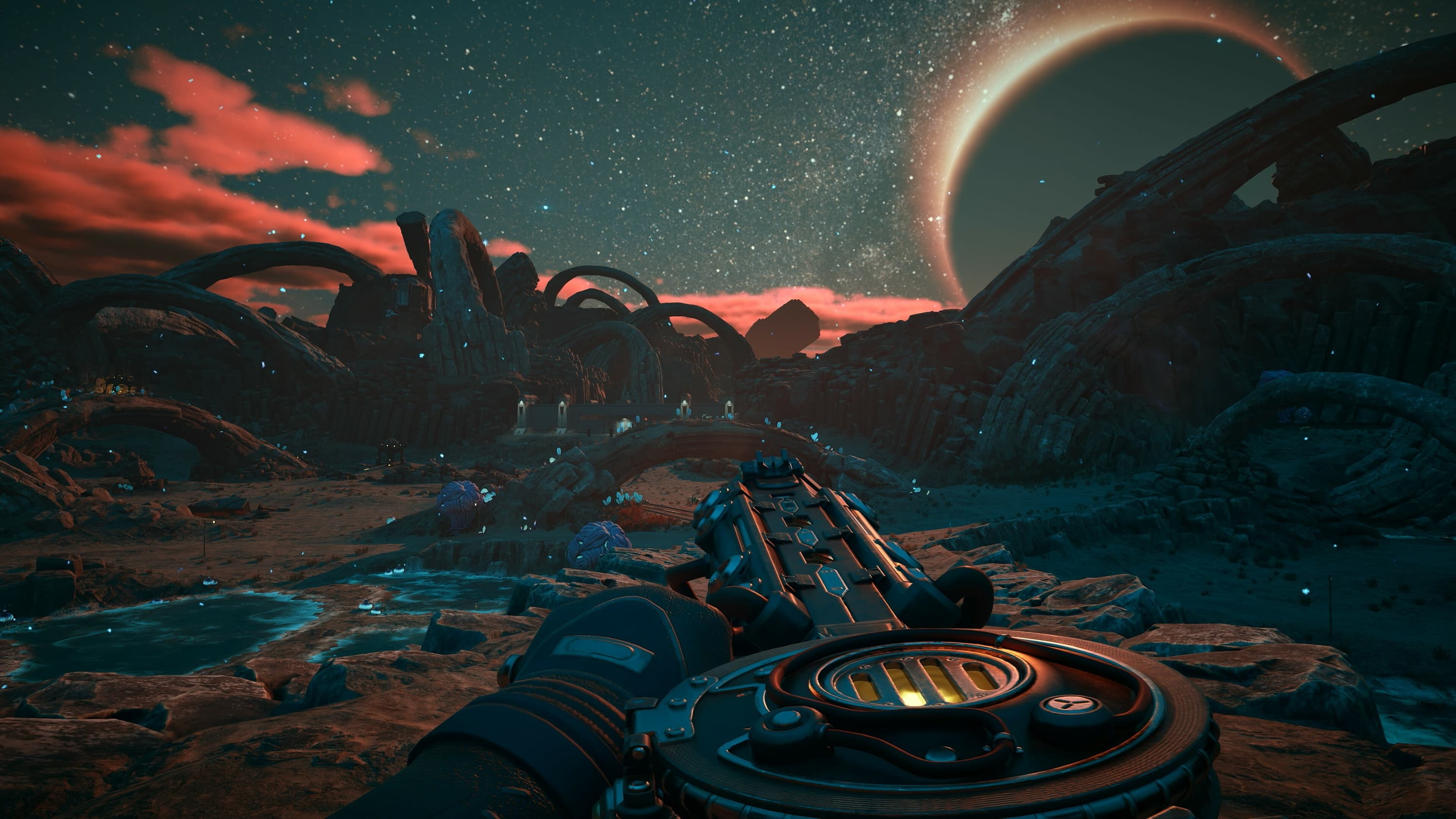
The events of The Outer Worlds 2 unfold in the new star colony of Arcadia, which ends up cut off from the rest of the world due to space-time rifts. It is here that players will have to dive even deeper into the lives of people inhabiting a dystopian corporate reality.
This time around, the player steps into the shoes of an Earth Directorate agent — a role the developers describe as a cross between a space cowboy and a marshal, in other words — a law enforcer. The game deliberately keeps it ambiguous as to what prompted the protagonist to join the Earth Directorate. Motives may vary: perhaps they truly seek to bring justice to the galaxy, or maybe — they were simply bored. Whatever the case, they are tasked with investigating the nature of the space-time rifts, which not only disrupt trade between colonies but also, due to their chaotic nature, threaten all of humanity.
Accomplishing this won't be easy, however, as by the time we arrive on Arcadia, a full-scale war between three influential factions is in full swing. Each faction offers its own vision for resolving the “rift problem” and is guided by its own interests and principles, championing its own warped vision for the future of humanity.
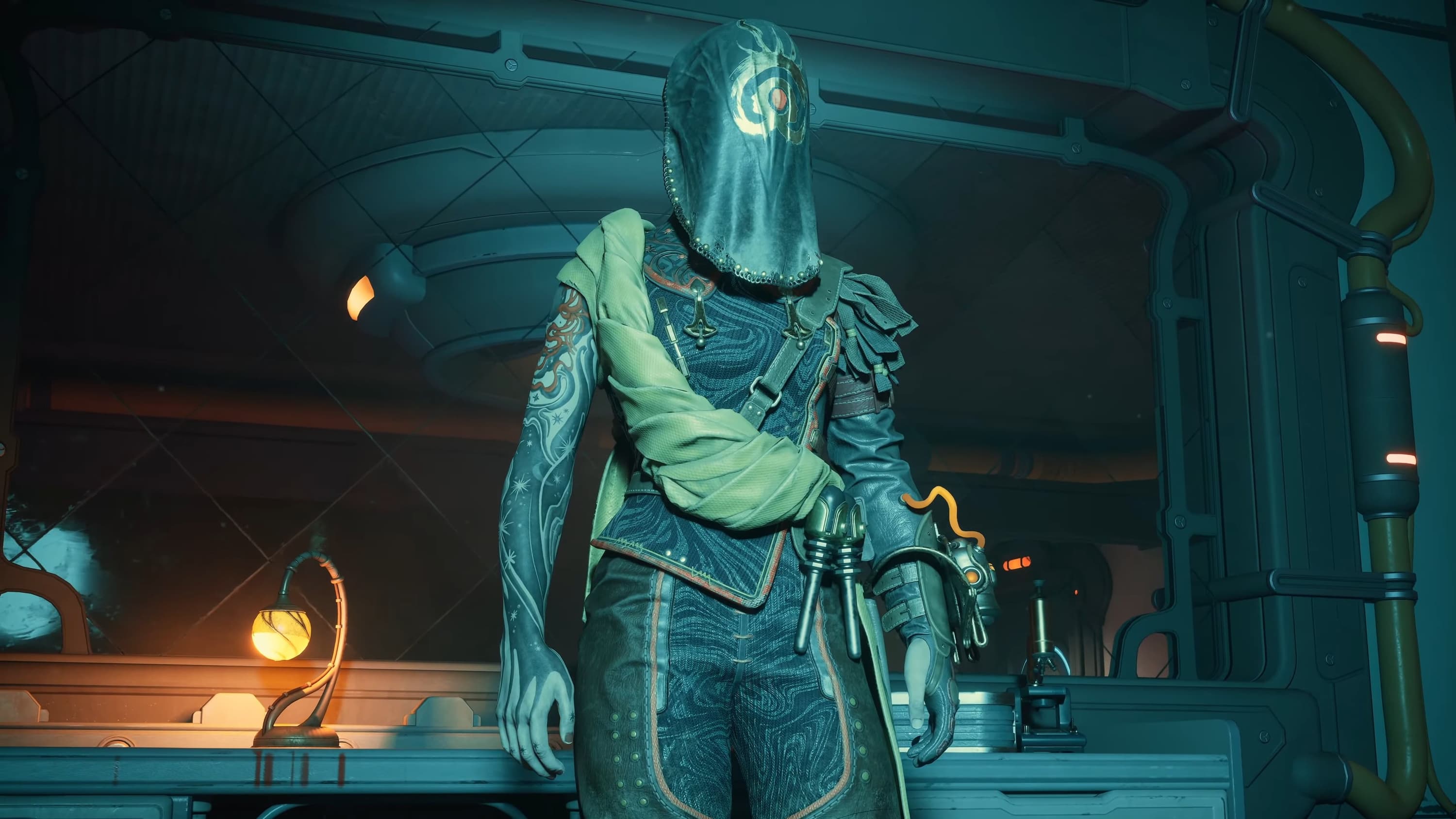
The “Protectorate” is a militaristic totalitarian regime that believes stability and comfort take precedence over freedom. Its leaders are convinced that people are willing to surrender personal freedom in exchange for a peaceful, well-fed existence. “Order is peace; obedience is virtue” — this motto unambiguously captures the essence of their ideology. The mastermind behind the system was the inventor of jump drives that enable faster-than-light travel. It is thanks to this technology that the Protectorate managed to amass immense power and wealth. However, the use of these drives triggered the emergence of the rifts — and now the regime seeks to seal them to preserve its dominance and accumulated resources.
Meanwhile, the “Ascension Order” is a splinter faction of the Protectorate's Scientific Research Order that turned science into a religion. The Order is striving to solve a universal mathematical equation that will make it possible to predict and alter the future for the benefit of all humanity. The rifts act as a chaotic variable disrupting the calculations, which is why the Ascended are eager to seal them away.
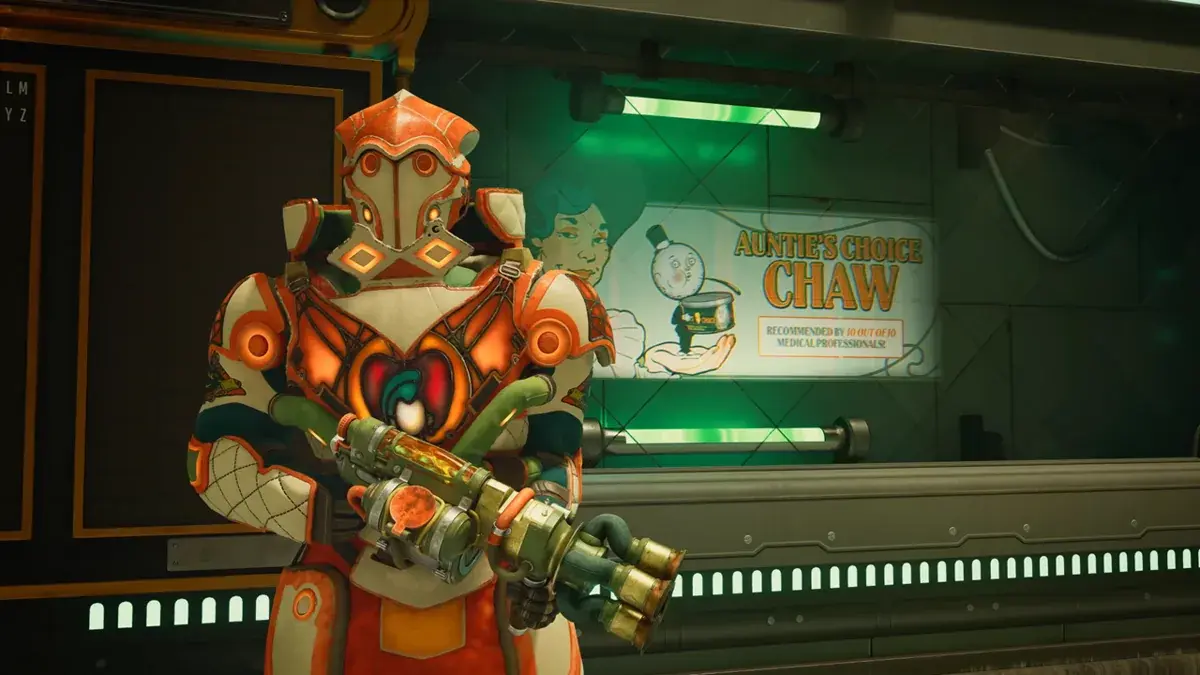
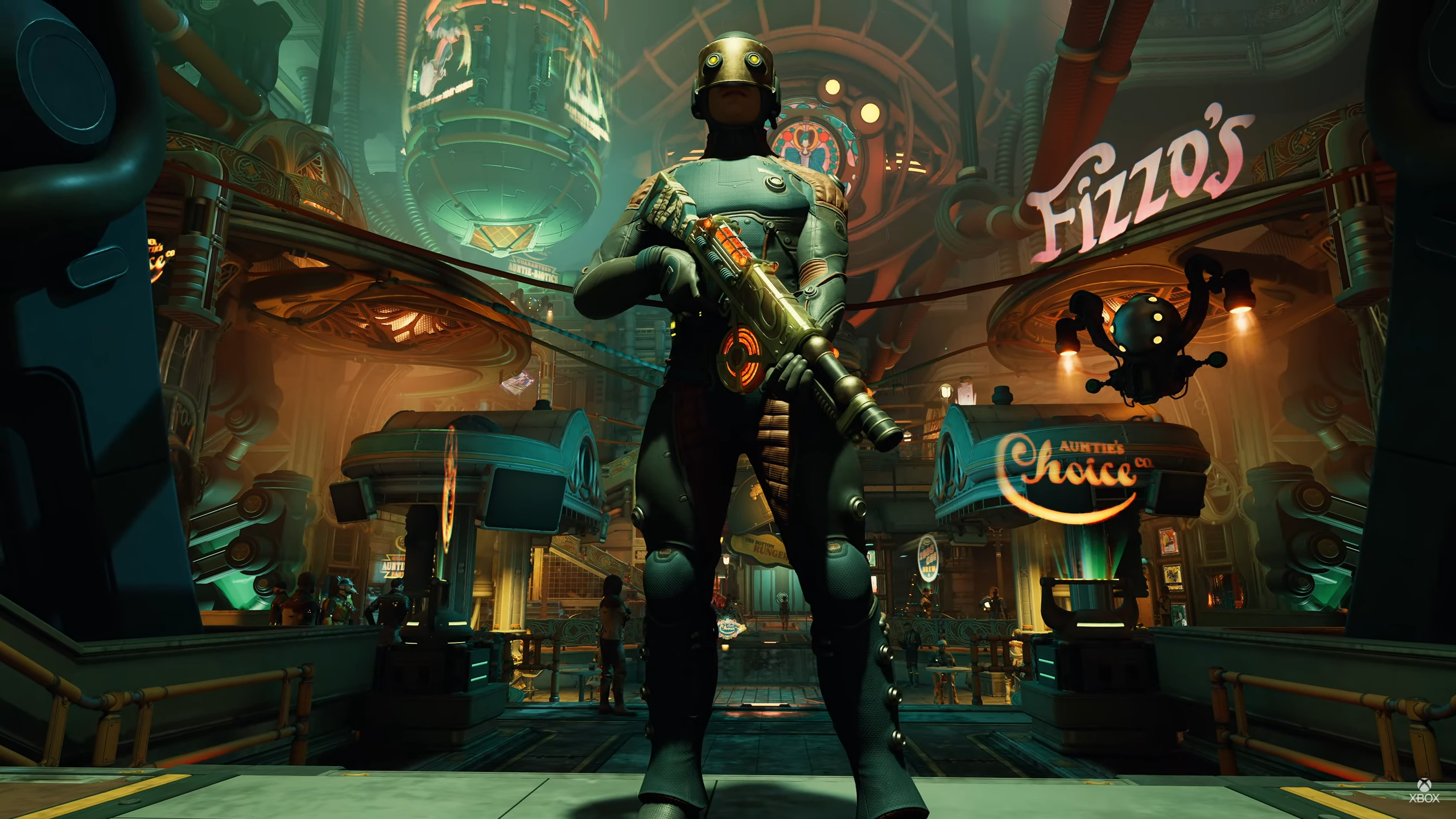
Lastly, the third faction is “Auntie's Choice”, which, as the name suggests, emerged from a merger of the megacorporations “Spacer's Choice” and “Auntie Cleo” (though in the Russian localization it might end up as “Prosto tyotushka” — take that up with the localizers). This corporation barged into Arcadia under the pretense of noble intentions to “secure” resources for all humankind, but its primary concern is its own bottom line. “Auntie's Choice” seeks to establish control over the rifts so it can open and close them at will, dictating trade relations between the colonies.
With such a line-up of factions, the developers aim to pit players against not only powerful corporations, but also religious and governmental bodies, allowing the in-game conflicts to intertwine and integrate much deeper. The fate of the entire colony, and perhaps the galaxy, will rest upon the player's choices — on the alliances they forge and the allies they betray. The player can align with one side, remain neutral, or play them all against each other.
At the same time, the developers stress that alongside their signature satire, they worked to make the factions far more formidable adversaries. In their view, the corporations in the original game were sometimes too comical — lacking gravity, which caused the storytelling even in its darkest hours to feel ironic, preventing the drama from hitting the intended emotional high. The enhanced companion system is set to add even more layers to this multipolar conflict.
Companions
The sequel treats players to a completely new roster of six companions, each with their own backstory. Unlike the original game, their narratives are no longer confined to isolated personal questlines: the characters are tied to Arcadia's factions and interact with each other.
- Niles — a rookie in the Earth Directorate who presumably arrives on Arcadia alongside the protagonist. The player's decisions will either fuel Niles's ambitions to climb the ranks or steer him toward betraying the Directorate.
- Valerie — a floating assistant drone who initially accompanies Niles. It boasts its own personality and hidden potential that the player will likely have to unlock.
- Marisol — an aging yet consistently cold-blooded assassin from the Ascension Order. She is pragmatic and views the world through the lens of mathematical calculations. The player will have to help her resolve some unfinished business.
- Tristan — judge and executioner rolled into one, clad in an armored suit. He possesses a heightened sense of justice that can cross the boundaries of reason. The player can punish wrongdoers alongside Tristan or teach him what true justice actually means.
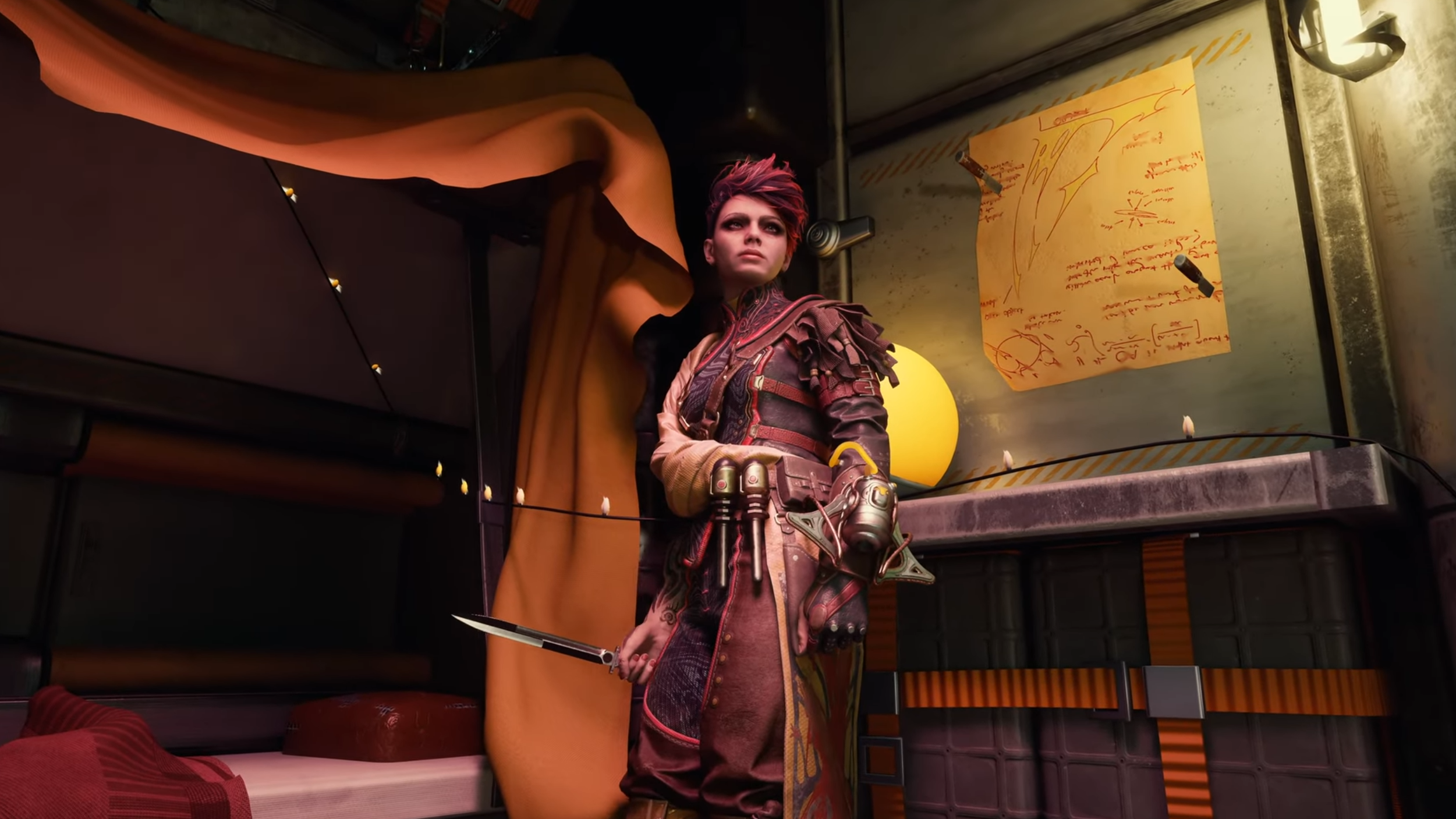
- Ines — a young woman subjected to “Auntie's Choice” cross-species breeding and animal organ transplant experiments. She appears to be the sole survivor of the procedure, and now she is likely out for vengeance against the corporation.
- Aza — a fanatical woman from the Rift cult who revels in chaos and violence. The player can channel her energy into more constructive endeavors or plunge into violence by her side.
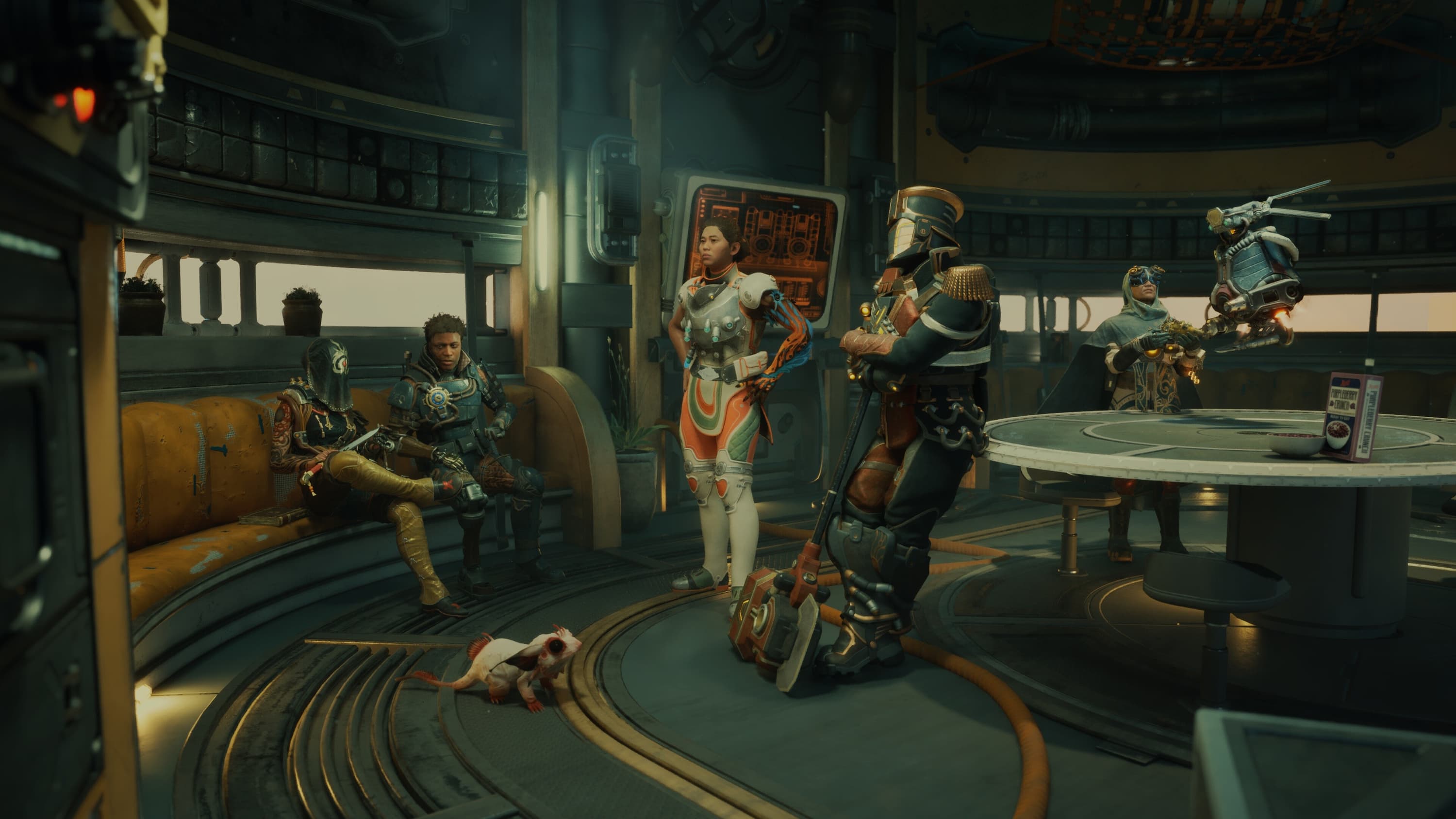
Each of these companions carries personal motives closely tied to the colony's fate and reacts to the protagonist's actions. What's more, companions can argue amongst themselves, dispute the player's choices, or urge them to take specific actions. For instance, one might plead to spare an enemy, while another suggests slaughtering an entire town. The developers aimed to amplify world reactivity, so players should expect all sorts of surprises from companions — up to and including murder and betrayal.
It's worth noting that the player is entirely free to handle things differently. If a companion isn't to your liking and their outlook clashes with yours, you can simply leave them out of your squad. Or you can bring them along only to betray them later: several quests accommodate the option of sacrificing a companion to achieve an objective.
Unfortunately for many players, deep, fleshed-out romances are still not on the table. While developers repeatedly stress in interviews that the sequel gave them much more leeway than the original — thanks to a bigger budget and extended development cycle — romances were not part of the deal. It has practically become a meme: many remember how shortly before Avowed's launch, game director Carrie Patel explained the absence of romance options by pointing out that they demand too many resources. Yet fewer people recall hearing the exact same justification leading up to the release of The Outer Worlds back in 2019. And here we are, right back where we started.
Functionally, no radical overhauls are anticipated for the companion system. You can still bring two companions in the active party slots: they offer combat assistance and unleash special abilities, but now they will feature improved synergies with the player's own skills.
Freedom and consequences
The overarching structure of the game remains similar to the first installment: a main questline spanning various locations and a wealth of side missions — but the scale and scope have grown significantly thanks to an increased number of quests and an expanded world.
According to the developers, players asked to make the sequel more ambitious — featuring spacious locations and a longer campaign. To achieve this without turning the world into a lifeless wasteland cluttered with low-quality content, they had to put serious work into world-building and substance.
Locations have grown larger, visually richer, and more diverse, populated by numerous new enemies, while also being denser with secrets and side quests. This required extra effort on the quest design structure, steering it toward even greater non-linearity and interactivity.
As I noted above, one of Obsidian Entertainment’s main goals was taking world reactivity to a new level. Storylines in the sequel will branch out even more depending on player choices, and the surrounding world will react to them immediately. The game accounts not just for end choices, but also for intermediate actions.
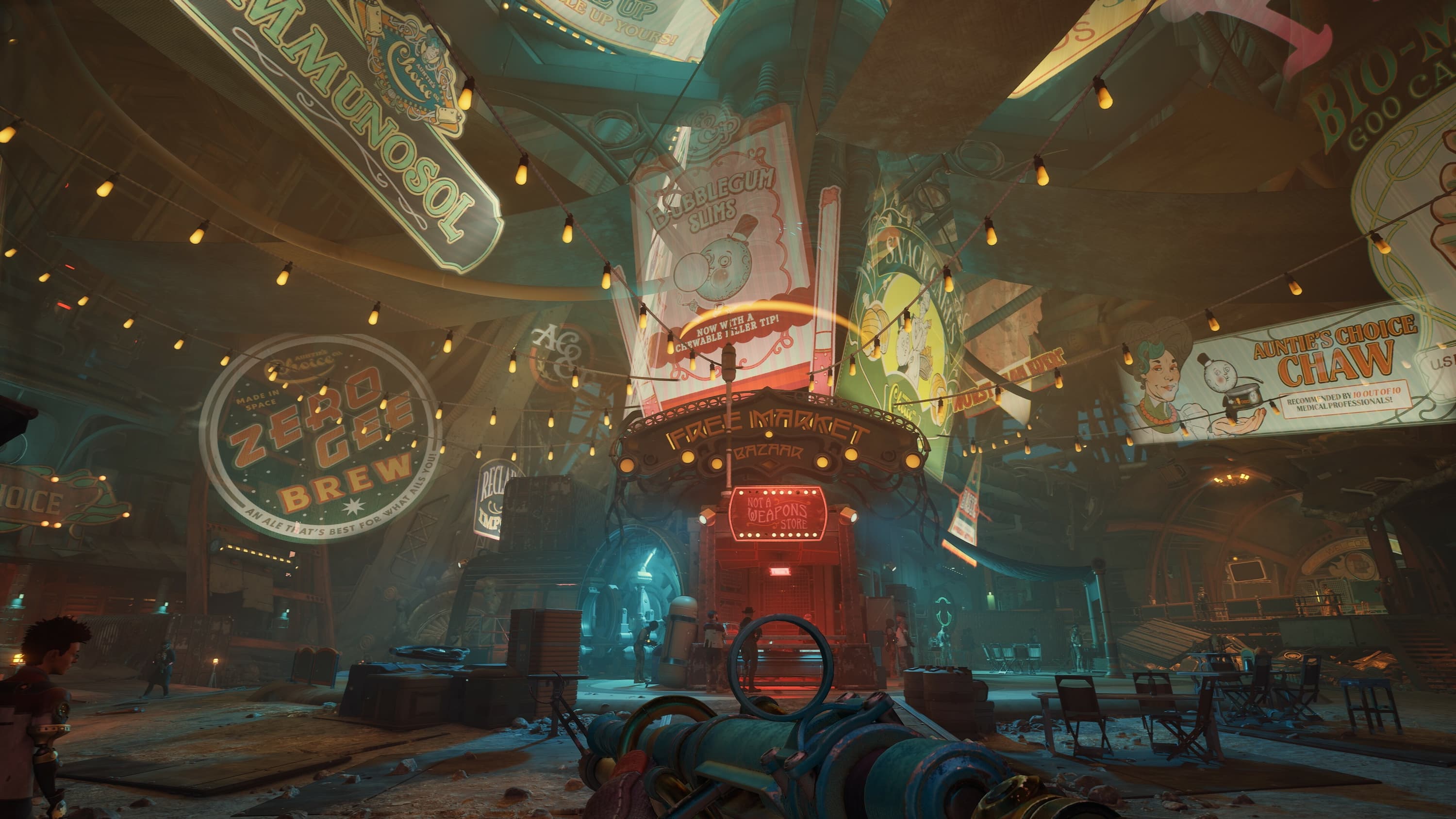
Decisions that alter the regional balance of power are reflected in the physical look of the world as well. Towns and outposts can change hands. For instance, if the “Aunties” capture a settlement previously controlled by the Protectorate, the entire town becomes draped in their promotional banners, their patrols begin roaming the streets, and everyday pedestrians change their behavior alongside the shift in power.
Players can look forward to several regions — planets and their moons — that can be explored at their own pace. After such narrative shifts, you can return to previously visited locations and discover fresh content.
Additionally, serving as notices in the spirit of “Clementine will remember that,” three radio stations have been introduced into the game world — one for each faction. Along with radio broadcasts and 20 unique musical tracks to liven up your travels, the radio hosts will comment on your good and bad deeds. Help the Protectorate solve an issue — and you will soon hear yourself praised as a hero on the airwaves. At the same time, if you harmed another faction while completing that mission, they will brand you a villain. Thus, through their actions, the player shapes the colony’s news agenda, which subsequently influences how its residents react during world exploration.
Key choices will also offer more alternate outcomes. True to tradition, you can negotiate with characters, eliminate them by force, forge alliances, or even incite a popular uprising — and, as claimed, the game will strive to respond logically to any player action. Killing vital NPCs is not forbidden either: you can take down absolutely any non-playable character, though in that scenario some quests will have to be completed via alternate paths, while others will become blocked. However, completely softlocking your playthrough is impossible.
Taking the pacifist route and killing no one is also an option — relying on stealth and diplomacy. What is more, both extremes will be taken into account in the finale.
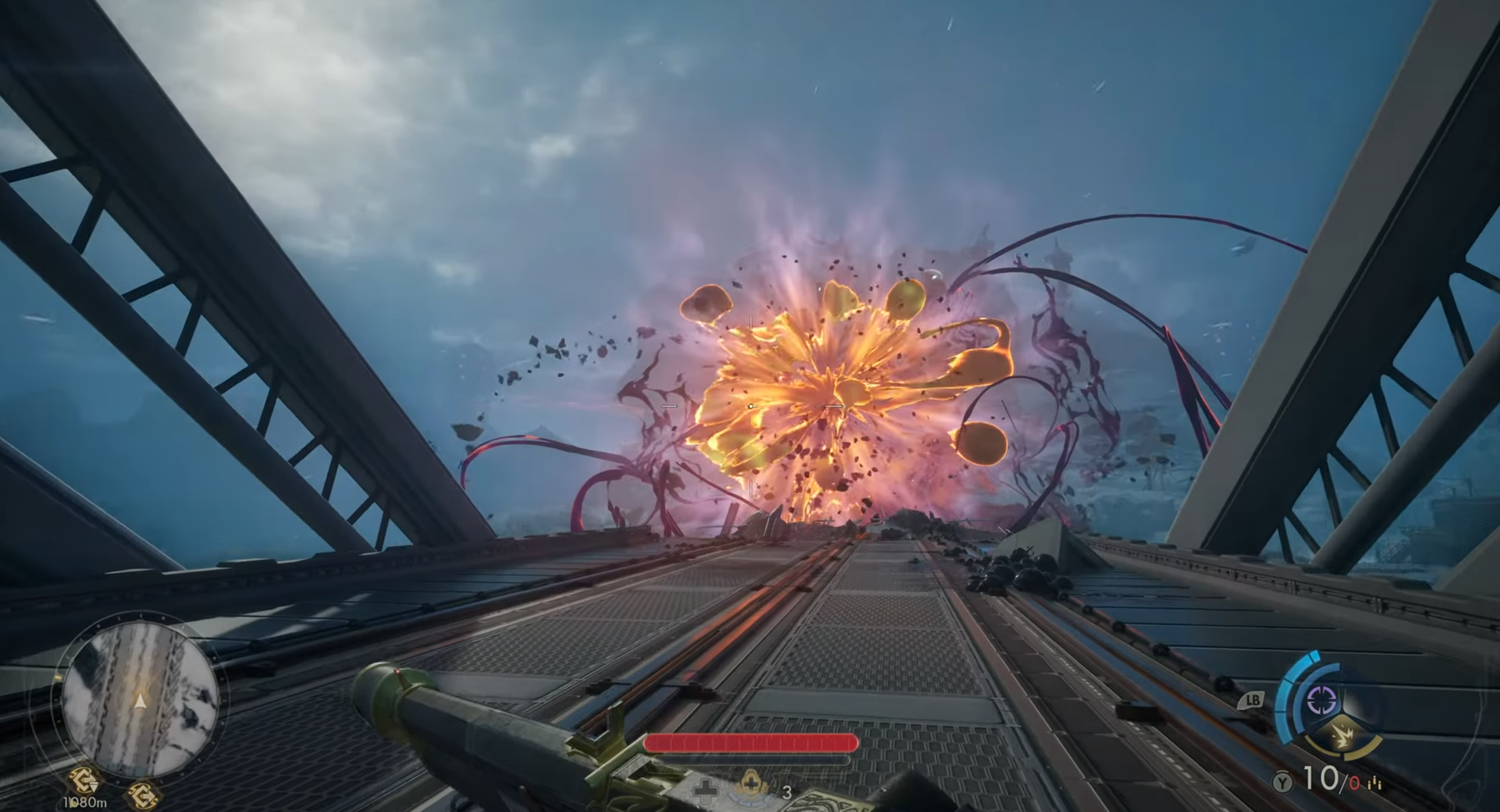
As an example of freedom in completing objectives, the developers shared details about an early bridge mission. In it, the player can help the Protectorate in order to cross the bridge, or slip by unnoticed and lower it to sneak underneath. You can also sacrifice a companion, enter open combat, and carve your path by brute force. Or set off to explore the world in search of double-jump boots or a shield that protects against gas — and pass below.
The game owes much of this flexible quest design to immersive sims like Deus Ex and Dishonored. However, to bring their vision to fruition, the developers had to overhaul the character progression system, as well as the opportunities afforded by new abilities, gear, and the overall feel of using them.
Progression and skills: traits, perks, flaws
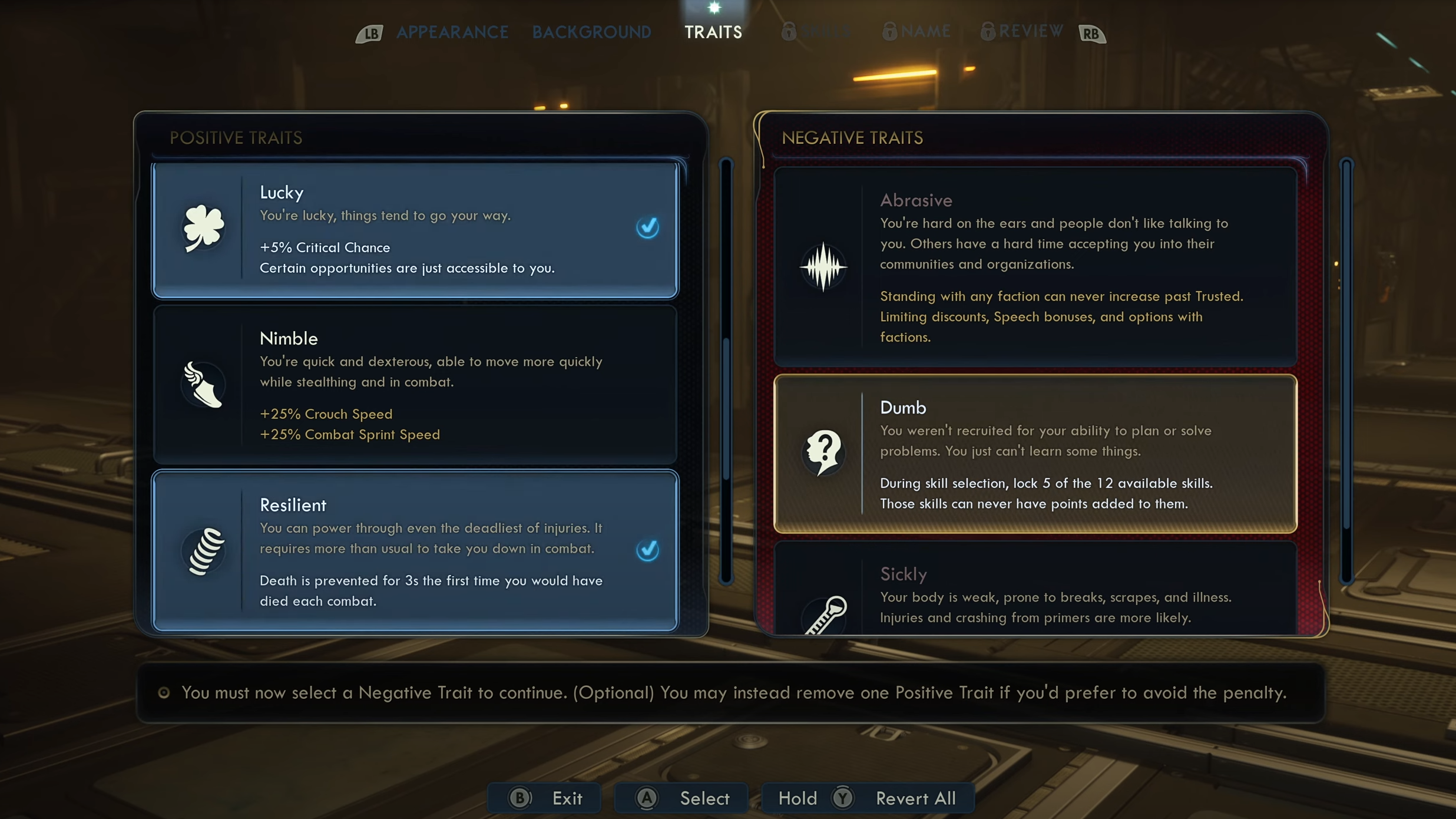
Character development is best discussed from the very beginning — the creation stage. After picking a background that reveals the hero’s motives for enlisting in the Earth Directorate, the player selects character traits that can be either positive or negative. Some of them significantly affect playstyle. At their core, they resemble the aptitudes from the original game, but provide more tangible and far-reaching bonuses.
For instance, “Genius” grants extra skill points at the start and lets you pick an additional skill during character creation. Meanwhile, “Lucky,” despite raising critical strike chance by only 5%, actually opens up numerous extra opportunities while exploring the world, as noted by the developers, because many interactions hinge on skill checks.
There are also more active options, such as “Bruiser,” which lets you knock enemies off their feet with a slide or a sprinting tackle. Naturally, negative traits exist too — for example, you can make a character “dumb,” which not only unlocks amusing dialogue options, but also allows you to solve engineering problems in finest tradition: simply giving the piece of machinery a solid punch to get it working.
After selecting traits, you must choose starting skills. Obsidian did not bloat the system, settling on a dozen skills, but substantially amplified their impact — both during skill checks and via passive bonuses. Here you will find classics like “Leadership,” which boosts companion health and damage, along with “Lockpicking,” “Melee,” “Perception,” “Science,” “Stealth,” and others. At first glance, nothing out of the ordinary, but skills are precisely what unlocks access to perks. And here, dear friends, there is plenty to admire.
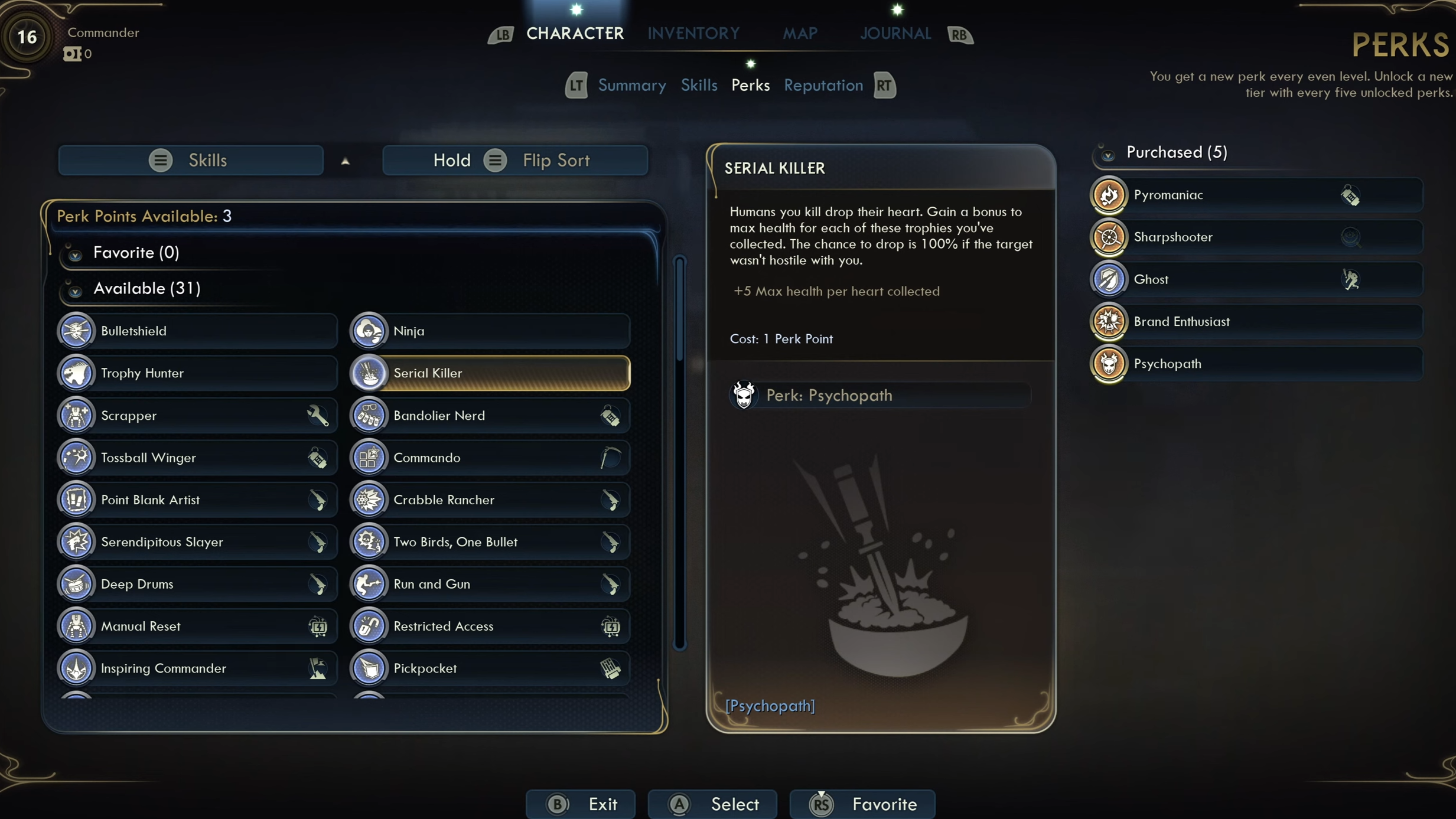
The perk system will feel familiar to those who played Fallout: New Vegas — developers took it as a foundation, but expanded it substantially. Beyond standard perks that elevate survivability and the damage of specific attack types, there are more specialized ones: perks expanding pickpocketing opportunities; “Heavy Hitter,” allowing you to knock down enemies with weapon strikes — complementing the “Bruiser” trait; or, for example, briefly doubling movement speed after a stealth kill.
If you wish, perks can transform you into a serial killer who gains a permanent health boost by harvesting enemy hearts as trophies. Granted, doing so first requires the “Psychopath” perk — and exactly what it provides remains under wraps by the developers for now. Showcase videos only offered a glimpse of 15 perks, but the game features 92 in total — meaning there will be plenty of surprises.
Just as in the original, players can voluntarily accept a flaw in exchange for an extra perk throughout the game. Flaws are dynamically shaped based on playstyle and past actions. For instance, frequent stealing can earn you the “Kleptomaniac” flaw. With it, stolen goods can be sold at a higher price, but a risk emerges of accidentally stealing an item simply by looking at it. Admittedly, not ideal if you are trying to win the favor of a Protectorate guard at that moment.
Remember how some complained that Joel in The Last of Us spends the lion’s share of the game crouched — which, at his age, is an ordeal to put it mildly? Obsidian knows this all too well and introduced the “Bad Knees” flaw: with it, you move faster while crouching, but the moment you stand up straight, popping knees will draw the attention of everyone nearby. More exotic options are also present — like “Sun Eater,” which restores up to half your health in daylight, but burdens the character with cataracts, complicating gunplay and making the visuals blurry and overblown.
Not all traits, skills, and perks look remarkable in isolation, but when you imagine how they come together in the end — it takes your breath away.
Combat system and external perspective
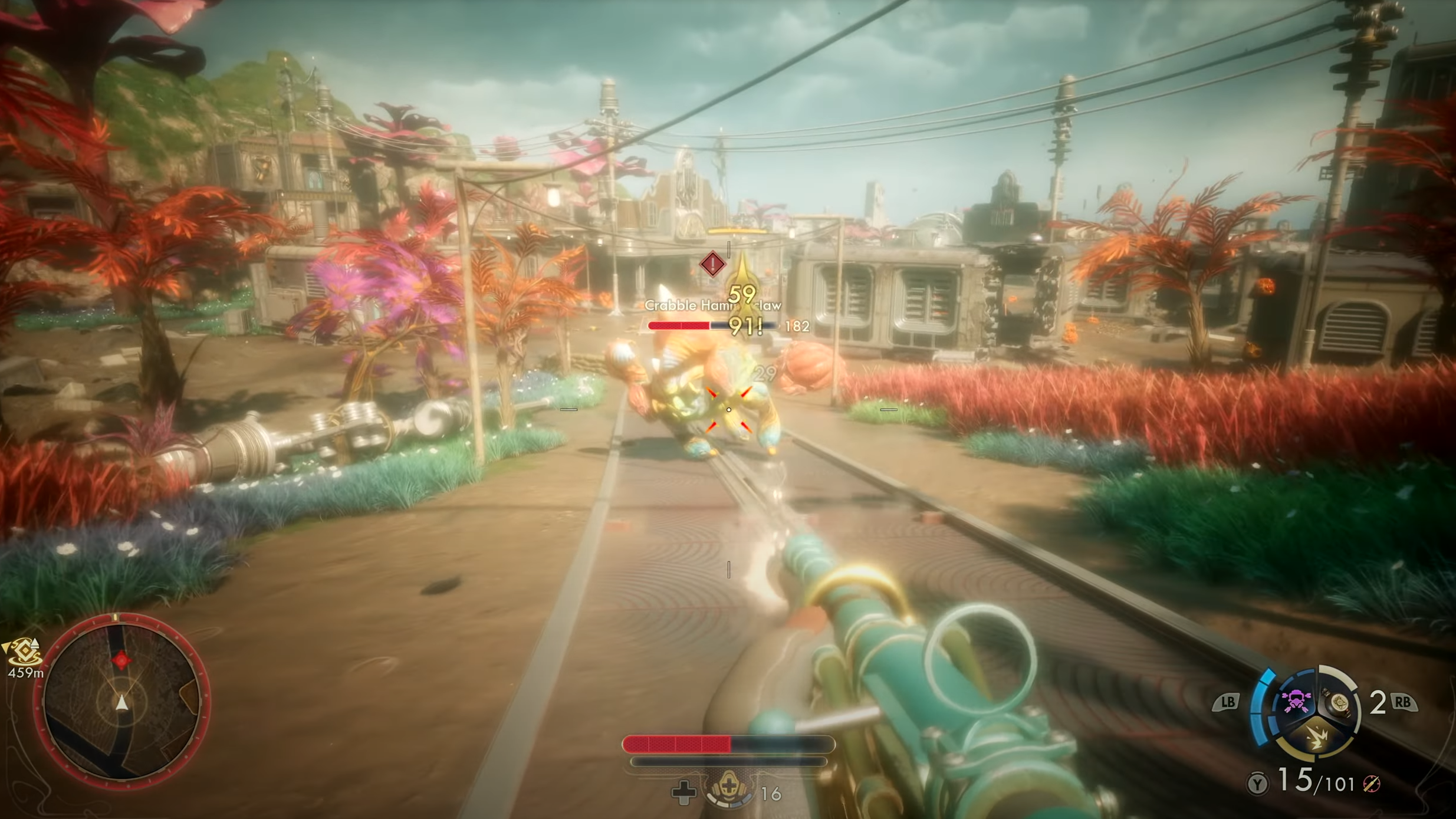
The sequel’s combat system is expected to be more dynamic and enjoyable. Developers spent considerable time pondering how to refine the shooting experience so each gun feels unique — from recoil and hit effects to animations and audio.
At the same time, the character has become considerably more mobile: the hero can perform full slides, double jumps, and mantling — broadening exploration avenues and adding dynamism to combat encounters. Meanwhile, legacy systems like tactical time dilation have not gone anywhere. As journalists highlighted in early previews, gunplay in The Outer Worlds 2 now leans closer to Destiny, whereas weapon variety leans more toward the newer Borderlands.
Alongside the standard roster of ballistic and energy weapons with diverse damage types, a host of new guns has arrived, including science weapons. Among them is the familiar “shrink ray,” which now does not merely shrink enemies briefly, but compresses them down to the size of a collectible figurine that can literally be crushed with one hand. Among the new weapons is a bio-cannon firing organic slime: it inflicts damage on enemies, and the player can eat a piece to restore health.
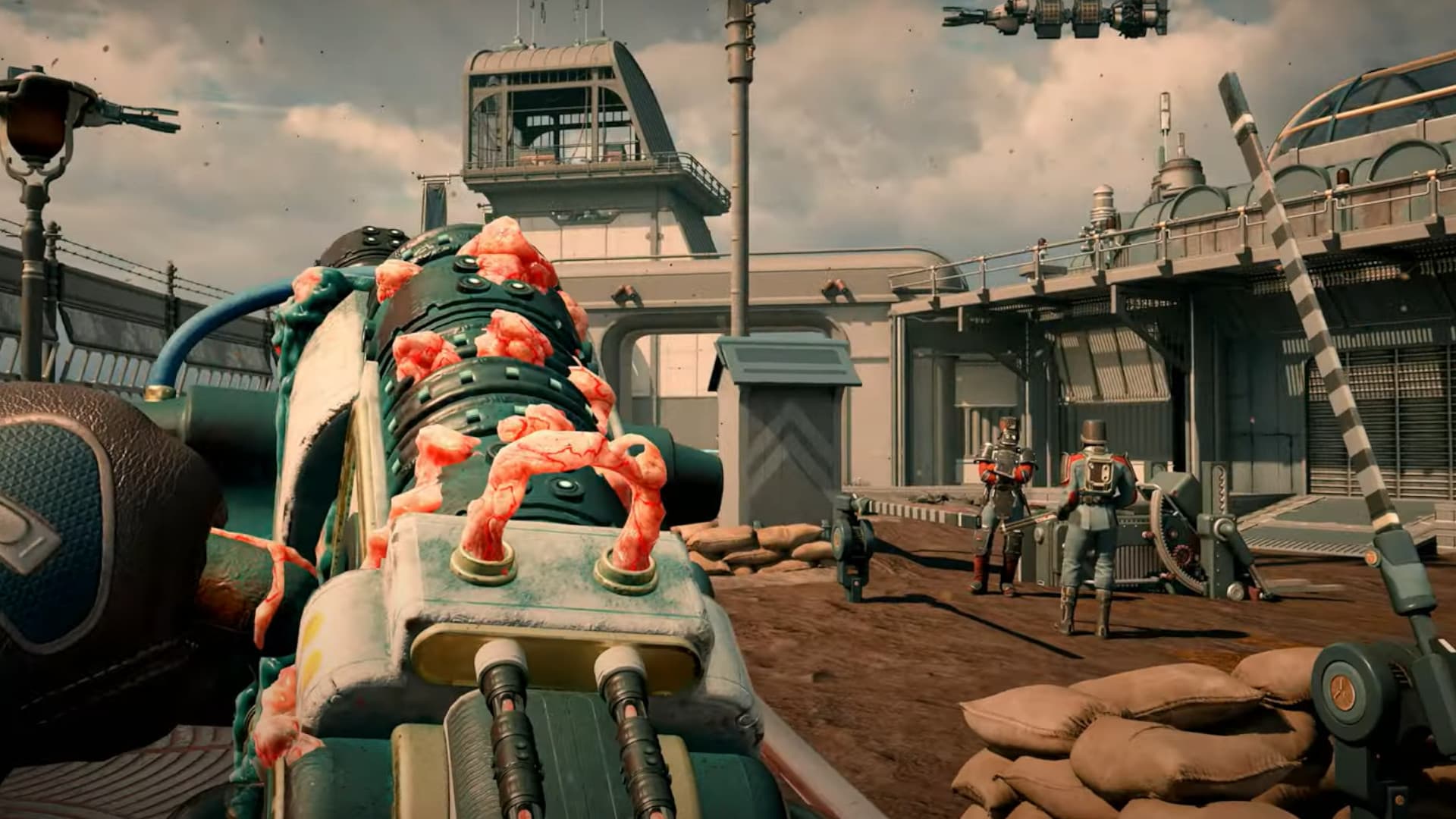
The “Melodic Sword” ramps up damage if the player attacks in rhythm with the music, while one of the rifles deploys advertisement drones that distract enemies with relentless marketing slogans, allowing you to slip past, strike from stealth, or detonate the drone remotely to deal damage. There is also room for an in-universe BFG — turning everything in its path to ashes. Developers have not neglected stealth-focused players either: beyond advertising drones, the arsenal boasts plenty of gadgets for distraction, reconnaissance, and evidence disposal — including breaking down enemy bodies into raw materials. Much like with perks, plenty of surprises await us here.
However, the single biggest addition in the sequel is the ability to play in third-person view. For many, first-person immersion matters far less than taking full visual control of the character and observing them in full view — especially pleasing when building a melee-focused hero. It feels as though Obsidian, when crafting The Outer Worlds 2, methodically worked down a checklist of player requests left in reviews of the first game (romance options excluded, of course).
Analysis
The Outer Worlds 2 is shaping up to be an exemplary sequel in the most literal sense of the word. Obsidian is not discarding the foundation laid by the first entry, but methodically elevating ambitions across the board. Narrative scale has expanded — a new setting, a new colony with its own geopolitics, and a faction conflict presenting fundamentally differing visions for humanity’s future. We are now presented with a more multilayered conflict where each participant embodies their own version of order, freedom, and progress.
Special emphasis is placed on enhancing world reactivity. The player now faces not just the consequences of final choices, but witnesses their imprint on the world along the entire journey.
A deeper companion system is anticipated — both in terms of personal storylines and group dynamics. Their reactions, debates, ideological clashes, and potential betrayal aim to make squadmate interactions feel less ornamental and far more meaningful and unpredictable.
Progression has likewise undergone a thorough overhaul. Rather than simply inflating the number of skills, the developers focused on deeply integrating them into gameplay. Traits, perks, and flaws form a cohesive system allowing players to experiment with builds, all the way to crafting wild yet fully viable setups.
The combat system also promises to be more responsive and dynamic. Clunky shooting was one of the primary shortcomings of the original, and the developers are well aware, making deliberate strides to improve firefights. This applies not only to weapon handling and gun feel, but also manifests in enhanced character mobility — an upgrade that was essential since the open world is larger, more densely packed, and far more vertical to explore.
Ultimately, The Outer Worlds 2 demonstrates precisely the course correction many were hoping to see from Obsidian. The sequel makes no attempt to reinvent the wheel — instead, the developers zeroed in on amplifying the first game’s strengths and resolving its weaknesses.
For now, however, all we have are promises and developer showcases. The question of how effectively all these concepts translate into practice remains open.
Based on current information, The Outer Worlds 2 looks like Obsidian’s most ambitious and systematically thought-out project since Fallout: New Vegas. And that is perhaps the best thing one could ask of the studio in 2025.
Will Obsidian become great again? We will find out on October 29, 2025, on PlayStation 5, Xbox Series, and PC. The game will be available on Game Pass on day one.
***
All image rights in this article belong to Obsidian Entertainment / Xbox Game Studios. IXBT Games uses them strictly for informational and analytical purposes and claims no ownership over them.
Never miss our newsAdd this site to your preferred sources to see us more oftenAdd on Google