To execute or to pardon: Real Xbox problems or routine Microsoft business policy?
Translated with AI from the Russian original.
Microsoft's gaming division has recently become a hot topic of online discussion: numerous questions have surfaced regarding the success of its subscription service, the future of Xbox, and the corporate strategy of the company's gaming wing. In this article, we attempt to analyze the situation and address these questions.
Game Pass subscriber count: too few or plenty?
A month ago — in June 2025 — information regarding the current state of Game Pass appeared on a Microsoft employee’s LinkedIn profile: according to the data listed there, the number of subscribers currently stands at 35 million users.
The subscription launched in 2017, and the original plans were Napoleonic: the service was meant to become the gaming equivalent of Netflix and attract hundreds of millions of players. To achieve this, Microsoft began buying up gaming studios, including ZeniMax Media, for which they paid an impressive $7.5 billion. All of them were supposed to feed the subscription by releasing new games every few months.
The established goals were not achieved — they were far too unrealistic, and the internal studio game conveyor failed to work properly for a long time. Players received troubled projects like Redfall or Halo Infinite.

Image belongs to Arkane Austin and Bethesda Softworks, Source: Steam
Subscription audience growth has slowed dramatically: in February 2024, the service had 34 million subscribers — could it really be that growth amounted to just one million users in a year and a half?
Yet 35 million over eight years is not the worst outcome. For comparison, Sony’s subscription — PlayStation Plus — launched in 2010, and according to 2024–2025 data, its user base sits at 41–42 million players. And this is despite the fact that in 2022 their service was revamped to be closer to Game Pass — subscriber numbers actually dropped from 47 to 45 million as a result and continued falling to current levels.
Moreover, the data shared by the Microsoft employee on LinkedIn lacks an exact date — it is entirely possible that this is heavily outdated information that does not reflect the current reality.
Today, Game Pass has reached a quality peak: the first-party development pipeline has stabilized and is delivering high-quality projects, as are third-party partners. Over the past year alone, the subscription added: Indiana Jones and the Great Circle, Clair Obscur: Expedition 33, Rematch, DOOM: The Dark Ages, The Elder Scrolls IV: Oblivion Remastered, Metaphor: ReFantazio, and other stellar games.

Image belongs to Sandfall Interactive and Kepler Interactive
All of this should and will spur audience growth — according to estimates by Game Rant experts, the service’s current subscriber count likely stands between 38 and 40 million. That is neither huge nor modest — it is a healthy average for the market. And considering that Xbox sales over the last two generations are far behind PlayStation’s, the result can be viewed as respectable.
Is the subscription profitable?
Determining how successful Game Pass truly is remains difficult — Microsoft leadership stays secretive, avoiding precise disclosures about the subscription’s profitability. It is easy to get confused here.
For instance, journalist Christopher Dring reported that the corporation considers Game Pass profitable, but does not include expenses from internal Xbox studios — only external operational costs are factored in:
“Game Pass expenses thus cover payouts to third-party developers, marketing, and maintenance, and by those criteria, the service is profitable. However, the calculation does not include forgone revenue from Xbox’s own first-party studios.”
A few days later, he expanded on his conclusions, stating that the subscription is still considered profitable even when taking into account forgone sales revenue. He noted that his initial inquiry had been conducted 18 months prior — before “Team Green” began porting games to Sony’s platform on a large scale, which subsequently yielded major sales numbers.

Image belongs to MachineGames and Bethesda Softworks, Source: Steam
The journalist added: “Regardless, sources contacted me to say that even when factoring in lost revenue, not just from sales but microtransactions, Game Pass is still profitable.”
However, he did not specify whether Game Pass covers the overall costs of all Xbox studios — including AAA development budgets: “the financials of individual games are viewed separately from the subscription, as titles ‘make money in other ways’.”
Because the data is segmented, it is hard to assemble the full picture and give a definitive answer regarding how profitable the subscription truly is. It likely comes down to perspective: the service might not generate massive immediate profit, but it pays off within the company’s multi-year strategy. For now, one must rely on the assurances of Microsoft leadership.
Layoffs, closures, and cancellations
The most discussed topic surrounding Microsoft in recent days has been studio shutdowns and staff cuts. All of this dealt a serious blow to “Team Green’s” reputation — both among players and developers, many of whom were left out in the cold. Some were hit even harder: John Romero’s studio — led by one of the co-creators of the original DOOM — had its funding pulled, leaving their game shelved. Rumors suggest, however, that new investors have already surfaced, meaning his shooter may still see the light of day.
Yet the root cause was not solely internal trouble inside the gaming division, but the state of Microsoft itself — the first half of 2025 alone saw at least two waves of layoffs, driven by the AI and cloud infrastructure race that Microsoft has poured itself into.
While Microsoft executives could once turn a blind eye to the gaming division, Phil Spencer’s massive spending spree turned Xbox into something much bigger than a small leisure wing of a trillion-dollar corporation. The $7.5 billion acquisition of ZeniMax was only the beginning; in 2023, they announced the buyout of another industry titan — Activision Blizzard. This time, the price tag was nine times higher — nearly $70 billion.
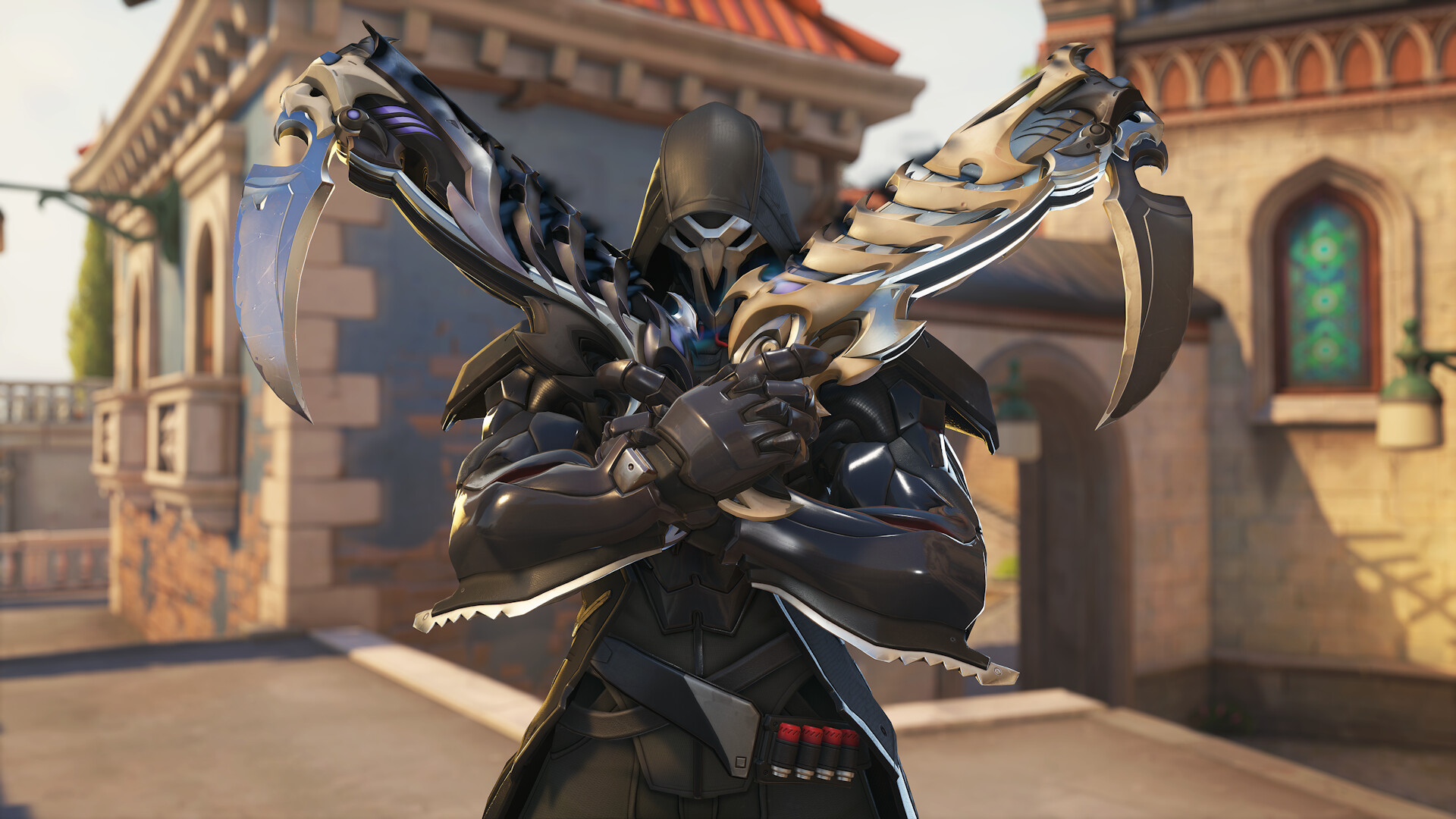
Image belongs to Blizzard Entertainment, Inc., Source: Steam
From that moment on, the gaming division became a primary stakeholder, held accountable for its bottom line just like any other business unit within the company. Cost optimization followed naturally: mass layoffs, studio closures, and the cancellation of projects that could have become major hits and brought in waves of new players.
Even so, out of the nine thousand people laid off recently, analysts estimate that only about a third — three to four thousand — worked within Microsoft Gaming.
Most likely, the projects facing the most internal skepticism took the brunt of the cuts: despite the previously shown gameplay for Perfect Dark, which was real, reports suggest development had barely moved beyond that demo. And the game was announced all the way back in 2019!
That said, one cannot necessarily assume the same for other canceled games — who knows, perhaps there were unannounced gems among them.
From platform holder to publisher
The acquisition of ActiBlizz allowed the company to finally move past its exclusivity strategy and shift from being a hardware platform holder to an expansive publisher.
The move makes business sense — with such massive assets in hand, it would be counterproductive not to leverage a multiplatform publishing model. In the long run, this will likely deliver substantial profits to Microsoft, while the availability of Xbox first-party releases across competitor platforms pleases gamers, who can now play on whatever device suits them best.
Yet a few months ago, insider Tom Henderson suggested that Microsoft may not be ditching consoles entirely, but rather changing its hardware philosophy: future Xbox devices could turn into standardized, branded PCs. The Rog Xbox Ally, produced by ASUS in partnership with Microsoft, lends credence to this theory. Rumors even claim future Xbox consoles will come pre-loaded with Steam and other storefronts.
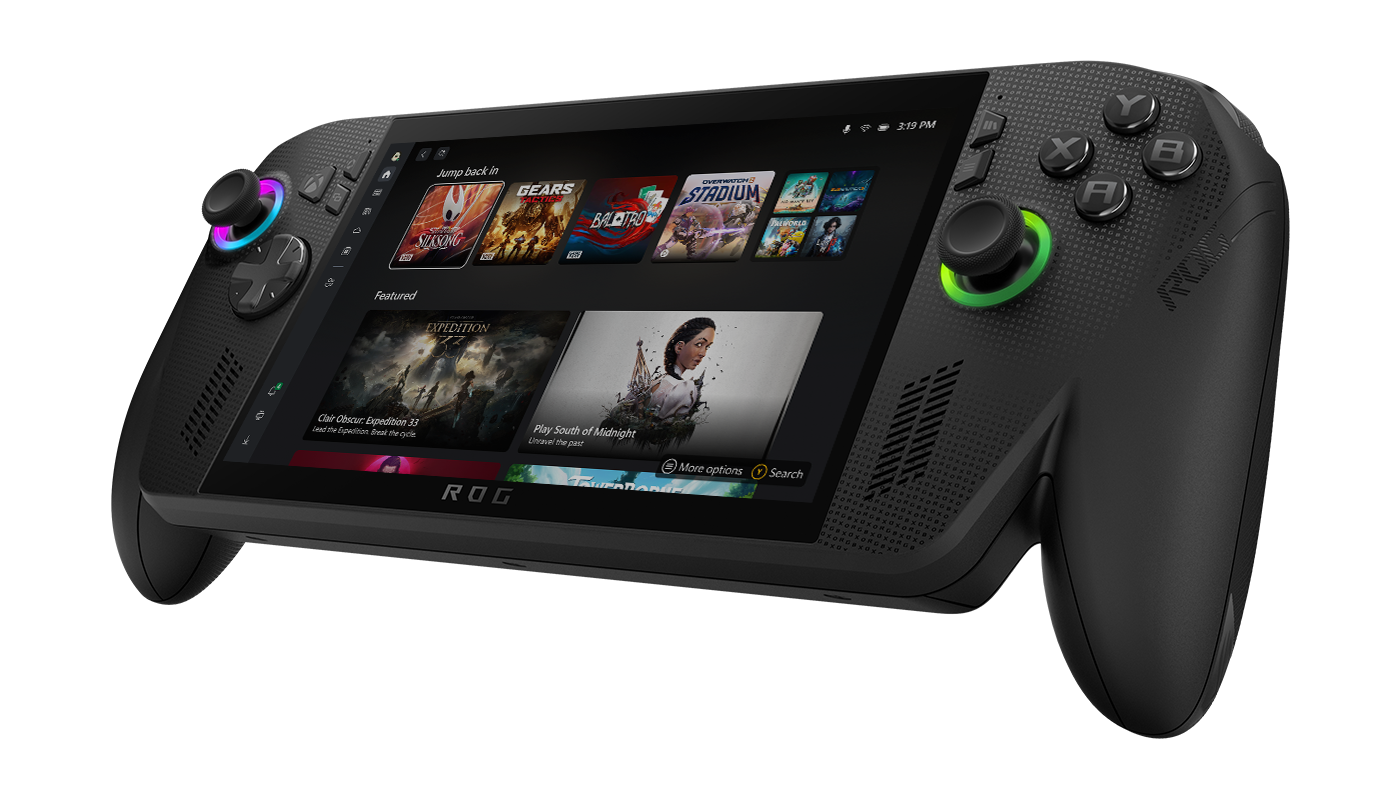
Image belongs to ASUS and Microsoft, Source: Xbox
Such shifts could impact the market position of Game Pass — at the very least, by slowing audience growth. The reality is that the vast majority of active subscribers remain on consoles. Concrete public numbers are rare, but industry estimates and leaks confirm consoles represent the lion’s share of the service’s audience. For example, internal Microsoft documents from April 2022, disclosed during antitrust hearings over the Activision Blizzard acquisition, revealed that out of 25 million Game Pass subscribers at the time, 21.9 million used the service on Xbox consoles, with the rest on PC.
There are multiple reasons for this distribution:
- Ever since the original Xbox (2001), Microsoft has functioned primarily as a console platform holder with a strong focus on Western markets.
- Game Pass was engineered around the Xbox ecosystem — consoles still feature a substantial catalog of legacy titles unavailable on PC: Fable 2, several Gears of War entries, and others — including DOOM (2016).
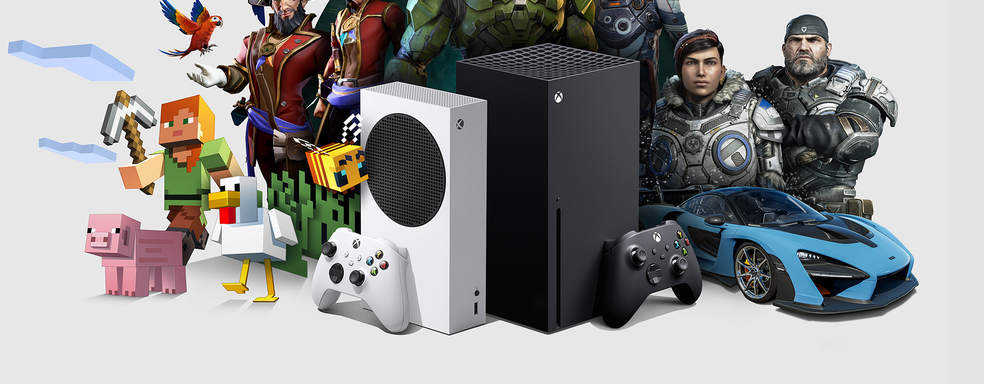
- The immense popularity of the Xbox Series S — the most affordable current-gen console offering cheap access to subscriptions: approximately 75% of all Xbox Series hardware sold consists of the Series S.
Ultimately, everything hinges on how future hardware is designed: if it successfully combines the open nature of a PC with the convenience of a console — much like Valve’s Steam Deck — allowing players to keep their library and expand it with Sony PC ports on day one, these concerns will fade, and Xbox could become an extraordinarily compelling gaming machine.
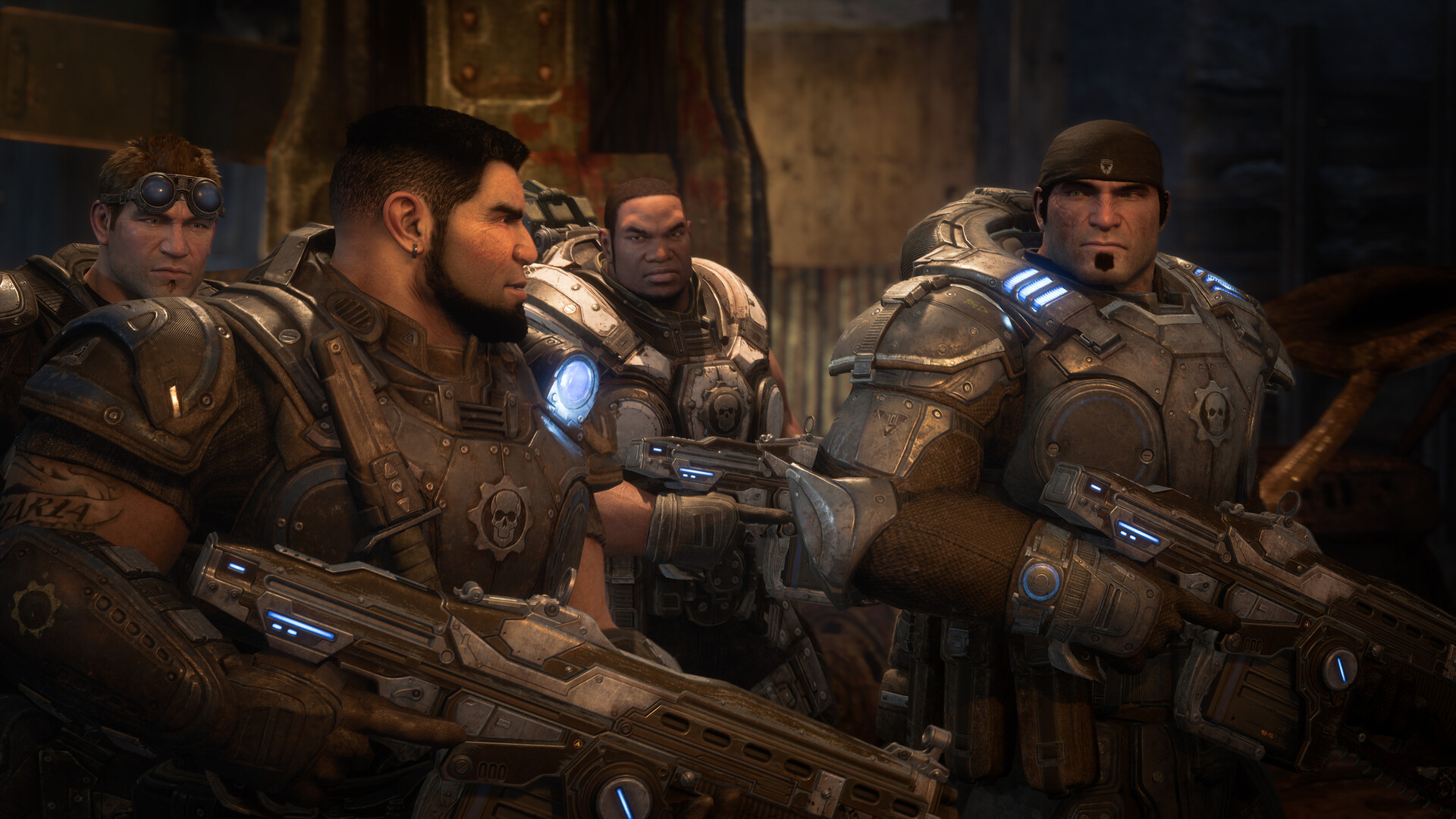
Image belongs to The Coalition and Xbox Game Studios, Source: Steam
Furthermore, since “Team Green” is embracing full publisher status, bringing Game Pass to other platforms — PlayStation 4/5 and Nintendo Switch 1/2 — might seem like a logical step. But the odds of that happening are slim: Sony has its own competing service, while Nintendo generally remains aloof. There is little reason for them to welcome a rival subscription onto their hardware. Then again: never say never.
Analysis
Microsoft’s gaming division is just one gear in a massive corporate machine that constantly adapts and restructures to meet market demands and stay ahead of competitors.
Layoffs, strategic realignments, and shifting business models will always trigger debates, but they do not automatically indicate that Xbox is in dire straits. Nor do they indicate smooth sailing — this is standard corporate procedure, and making sensational claims solves nothing. Passing final judgment on Xbox Game Studios and Game Pass is simply premature.
***
Preview image rights belong to Microsoft
Never miss our newsAdd this site to your preferred sources to see us more oftenAdd on Google