The Era of Sterile Game Development: What Modern Studios Should Learn from Classics
Translated with AI from the Russian original.
By "ancient technologies" in the gaming industry, we usually jokingly mean good optimization, games released in a finished state, the absence of endless DLCs or "surprise mechanics" - the list goes on. But let's remember the developers who wanted to create fun games and made decisions under much harsher technical limitations.
Old developments are actively alive in the modern industry, especially in the indie segment, where budgets are limited. Large corporations, on the contrary, target the widest possible audience, which often makes their projects lack individuality and "spice."
Games Should Entice Upon Launch
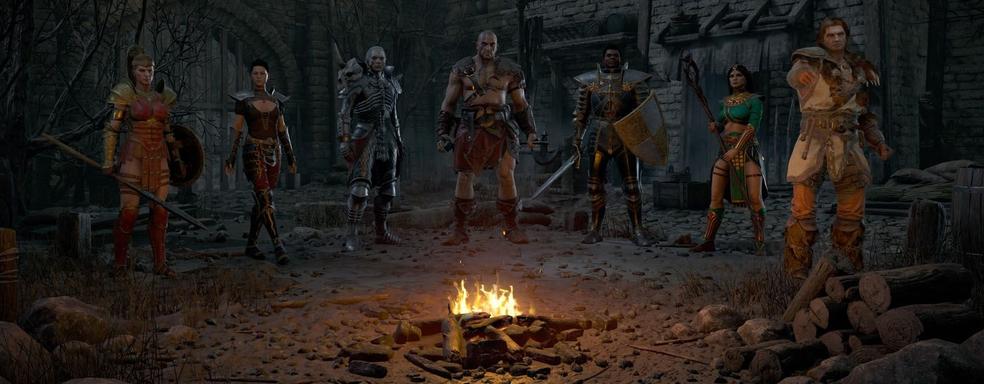
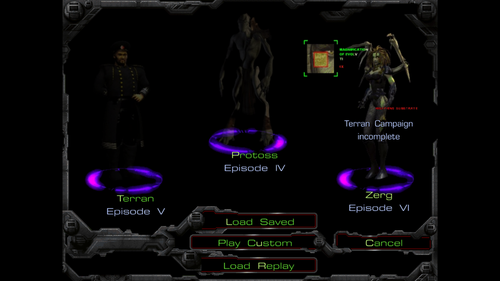
Developers used to greet gamers much more creatively. After the intro, we saw a colorful menu with lively animations that immediately set the mood. Blizzard projects were especially famous for this. In the first StarCraft, the menu was stylized as a space battle with planets and a black hole, and to start a single-player campaign, you had to click on a representative of the desired race. In Diablo II, heroes impressively demonstrated their prowess by the campfire (modern "Diablo-likes" like Path of Exile are still inspired by this), and in Warcraft III, buttons hung on heavy chains.
The trend continued at the launch of World of Warcraft. In the classic version and the Burning Crusade expansion, logging into the server resembled diving into a demonic portal. Alas, in subsequent expansions, "logging in" was no longer as fun.
Today, unusual start screens are more common in indie hits. Recent examples include The King is Watching, Ground of Aces, or Mewgenics with its funny "meowing" button.
Interface as a Tool for Getting to Know the Game
The interface should help a newcomer quickly master the mechanics. In classic strategies like StarCraft and Warcraft III, the control panel was conveniently located at the bottom of the screen and stylized for each faction. Animated unit portraits added liveliness – a rare luxury for modern RTS.
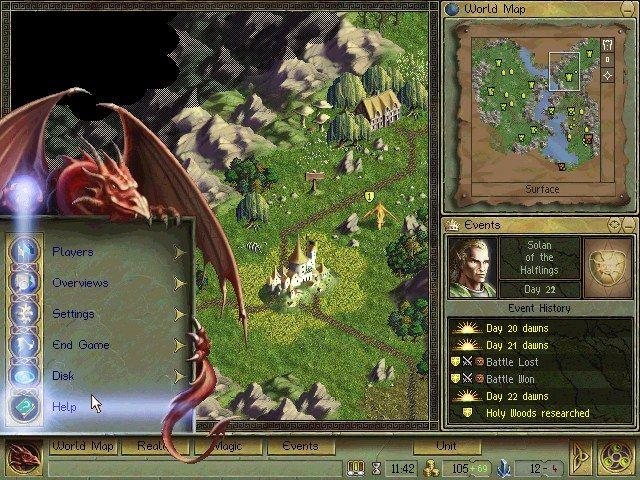
The Age of Empires II interface was so intuitive that it allowed on-the-fly control of troops and quick location of necessary buildings. In Age of Wonders, the menu opened by clicking on a dragon's head – a tiny detail that made the game truly "magical." And in the third "Heroes," the controls seemed overloaded at first glance, but after a couple of minutes, the logic was etched into memory forever.
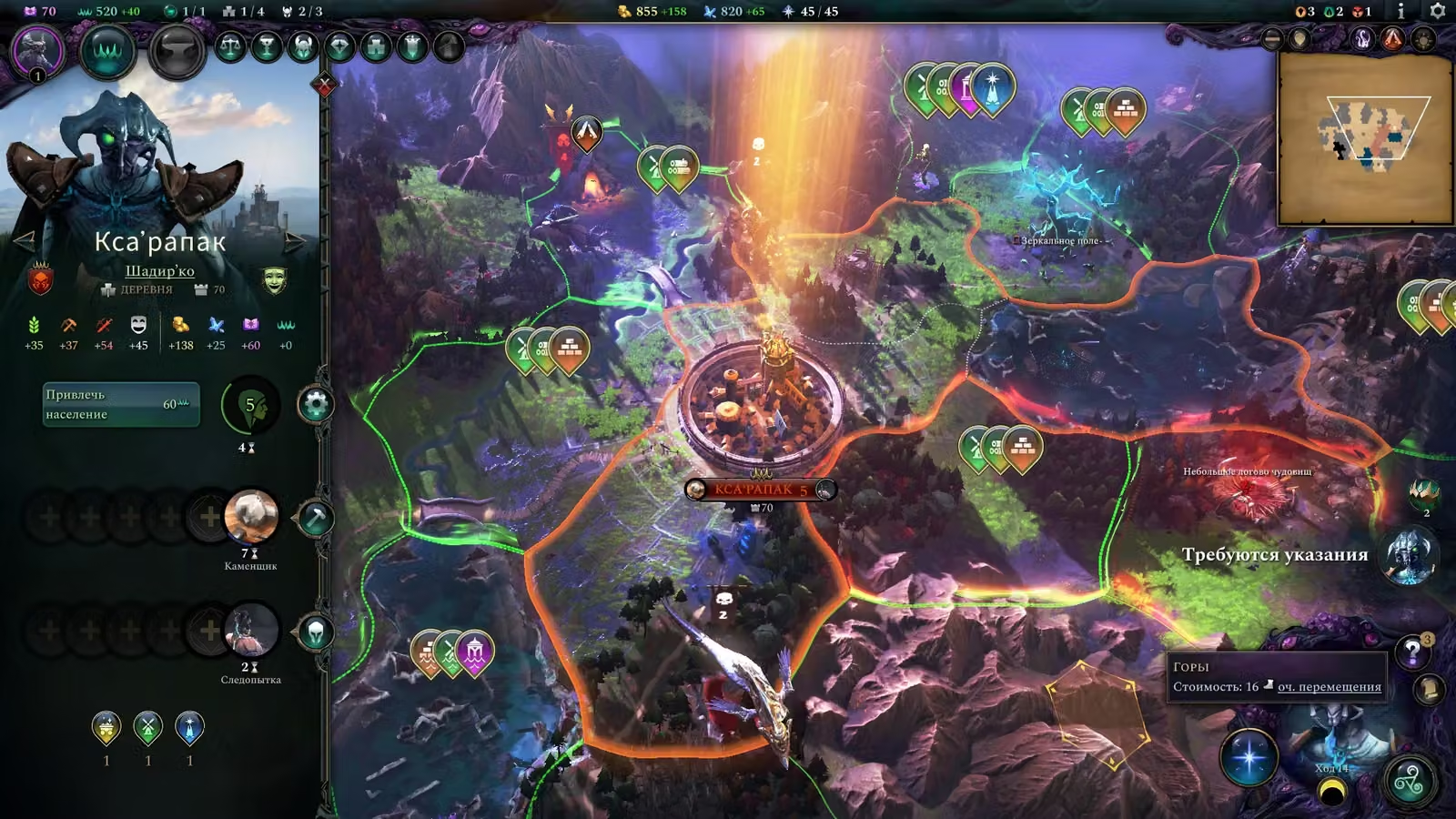
Today, developers often abandon atmospheric "frame interfaces" in favor of sterile functionality and esports minimalism. This causes dismay among fans of traditional design: tiny buttons blend into the background, and their purpose is unclear. In pursuit of space optimization, several functions are hidden under one icon, complicating navigation.
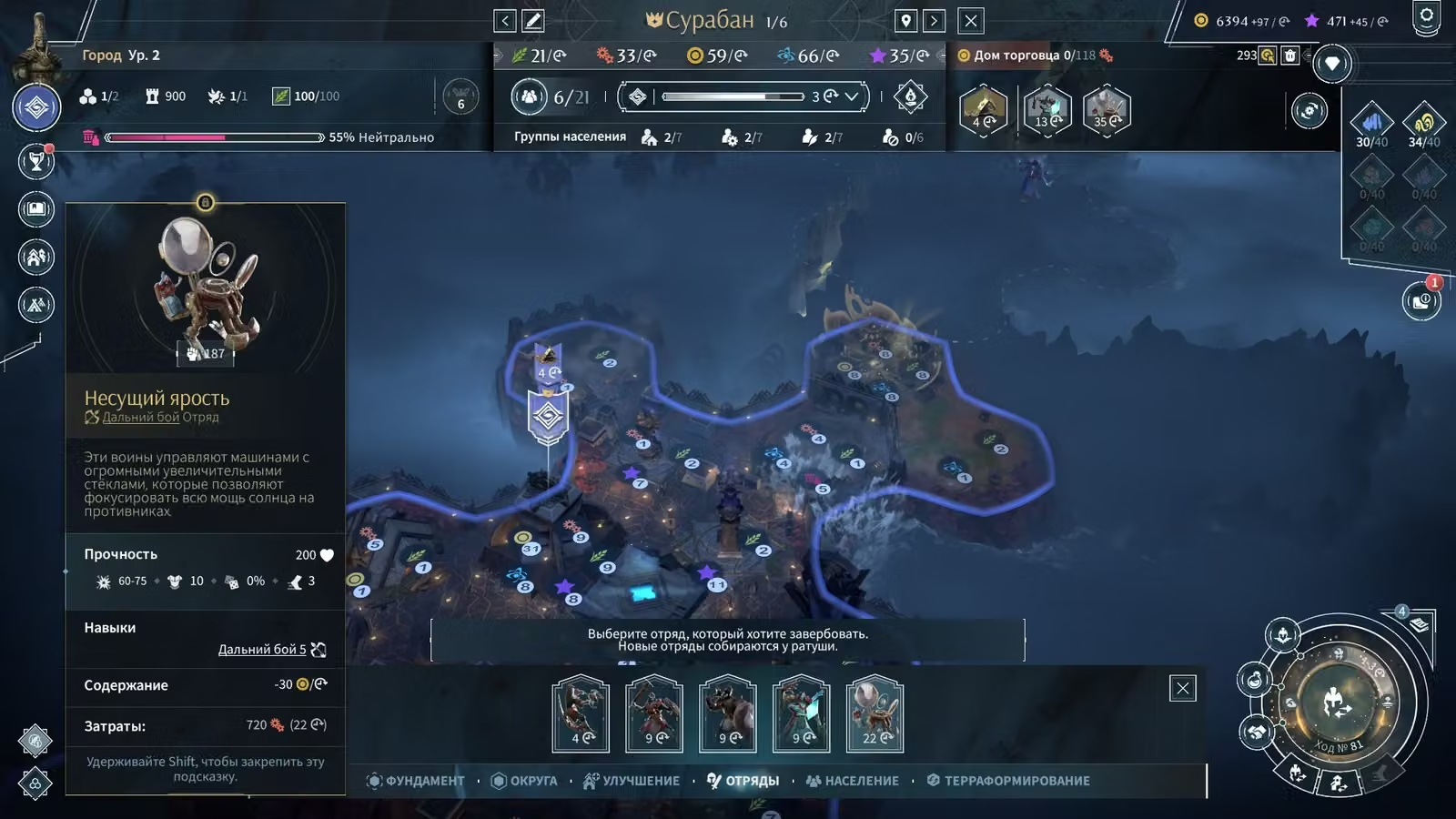
Modern strategies suffer especially from this: Age of Empires IV, Age of Wonders 4, Terra Invicta, and Endless Legend 2. It's encouraging that the creators of the upcoming Heroes of Might and Magic: Olden Era are listening to fans and promise to correct this trend.
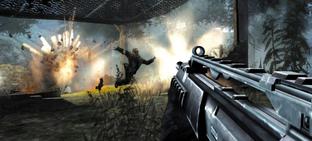
In classic shooters, monitoring health and ammo was easy. Now, you often have to distract yourself from the action to bland elements of the optimized interface. The abandonment of mini-maps also seems strange. In new strategies, the player is forced to click through text notifications, and in action games, to keep the entire level architecture in mind, which severely impacts orientation after a short break in gameplay.
Memorable Graphics and Characters
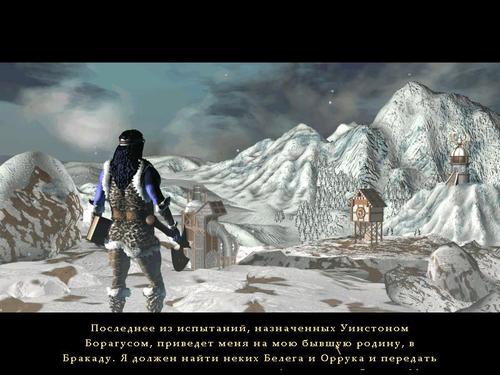
The pursuit of photorealism blurs the visual boundaries between shooters, strategies, and role-playing games. Over time, they simply blend in memory. Bright, detailed art design is the main reason for the longevity of classics. The Heroes of Might and Magic series, Disciples II, and early Age of Wonders still look great.
The industry has also started to forget about truly unusual characters. Exotic races are often reduced to humans with glued-on horns or wings, and their voices sound completely human. One only needs to compare the colorful lines of the Protoss from the first StarCraft with their voice acting in the sequel to feel the difference.
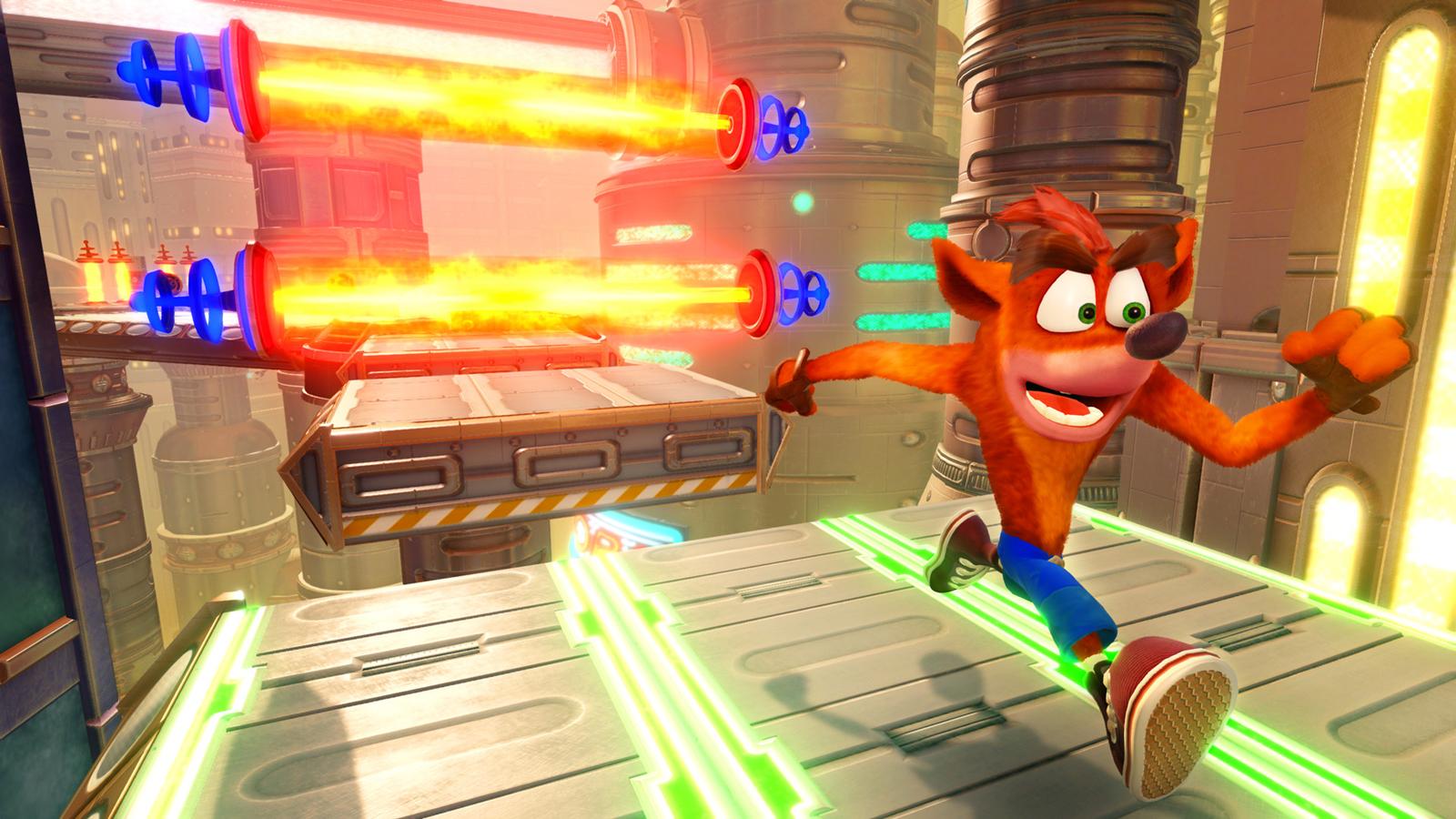
Harsh realism has displaced mascots. New heroes like Sly Cooper or Crash Bandicoot rarely appear, although the demand for them is huge. This is evidenced by the successful remakes of Crash Bandicoot, the stable sales of Nintendo games with Mario and Kirby, and the phenomenal success of Sony's Astro Bot. In the indie segment, bright images like the Knight and Hornet from Hollow Knight also reign.
On the Importance of Limitations
Past hardware was significantly inferior in power to current hardware. Developers had to write their own engines and fight for every megabyte, constructing compact but event-rich locations.
Technological development led to gigantism: worlds became larger but duller. To prevent the player from falling asleep on the way, the authors added grappling hooks, vehicles, and accelerators – just so they would fly through levels faster, without looking closely at details. Compact spaces are remembered better; it's easier to navigate them without markers. Many still remember the colorful merchants from Diablo II, but are unlikely to name even a couple of NPCs from the vast Diablo IV. And the ubiquitous dashes and teleports from Diablo III turned exploration into a reflexive grind.
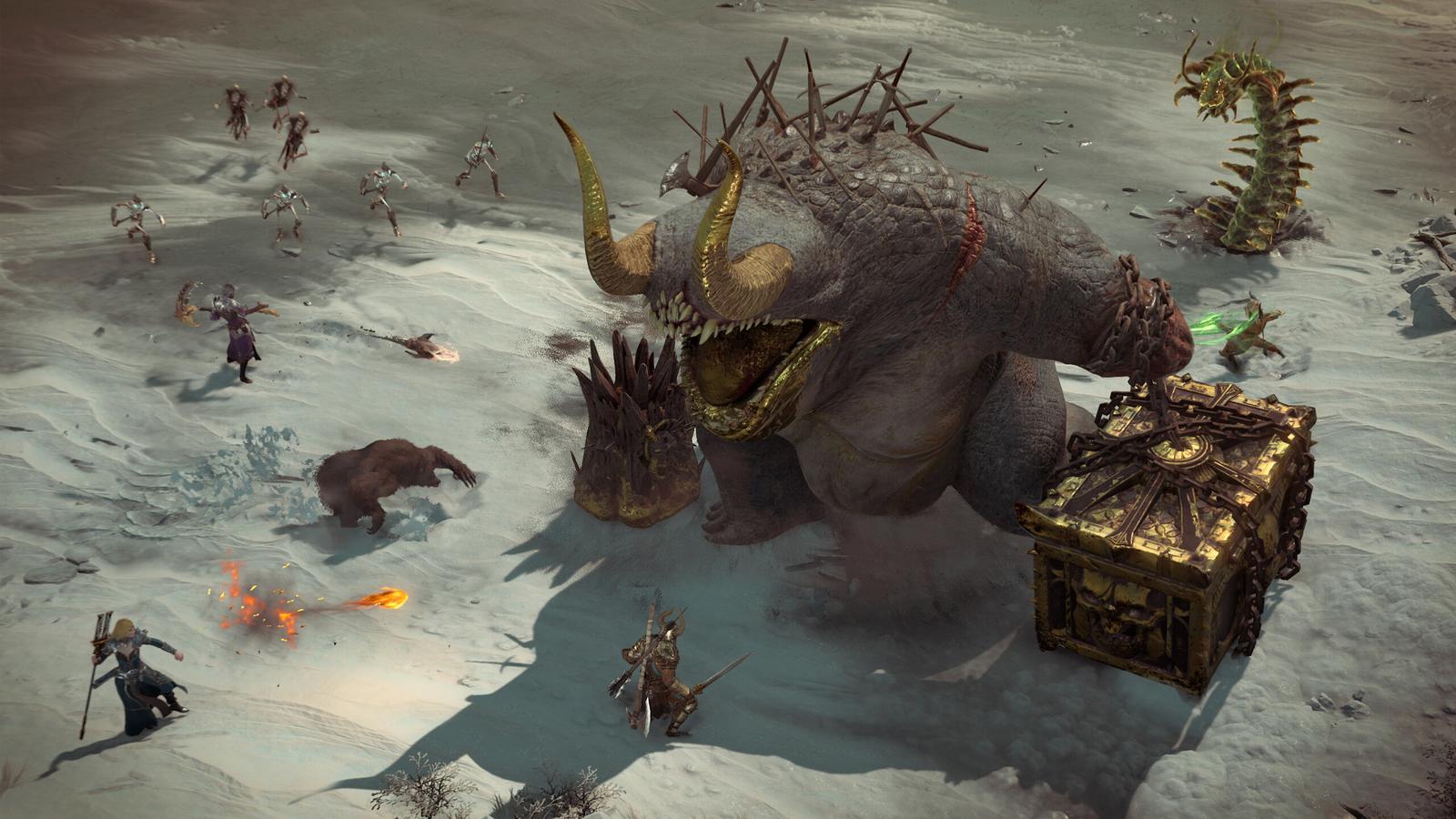
Today, enemy animations are too smooth: an ordinary skeleton can deliver a spinning attack, but doesn't feel like a threat. Often, monsters with clumsy gaits are much scarier. The Butcher from the first Diablo made you tremble with how inexorably and quickly he advanced on the hero. And the slow zombies from classic Gothic or Quake instilled more terror than modern fast mutants.
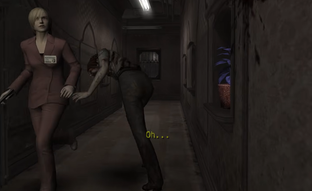
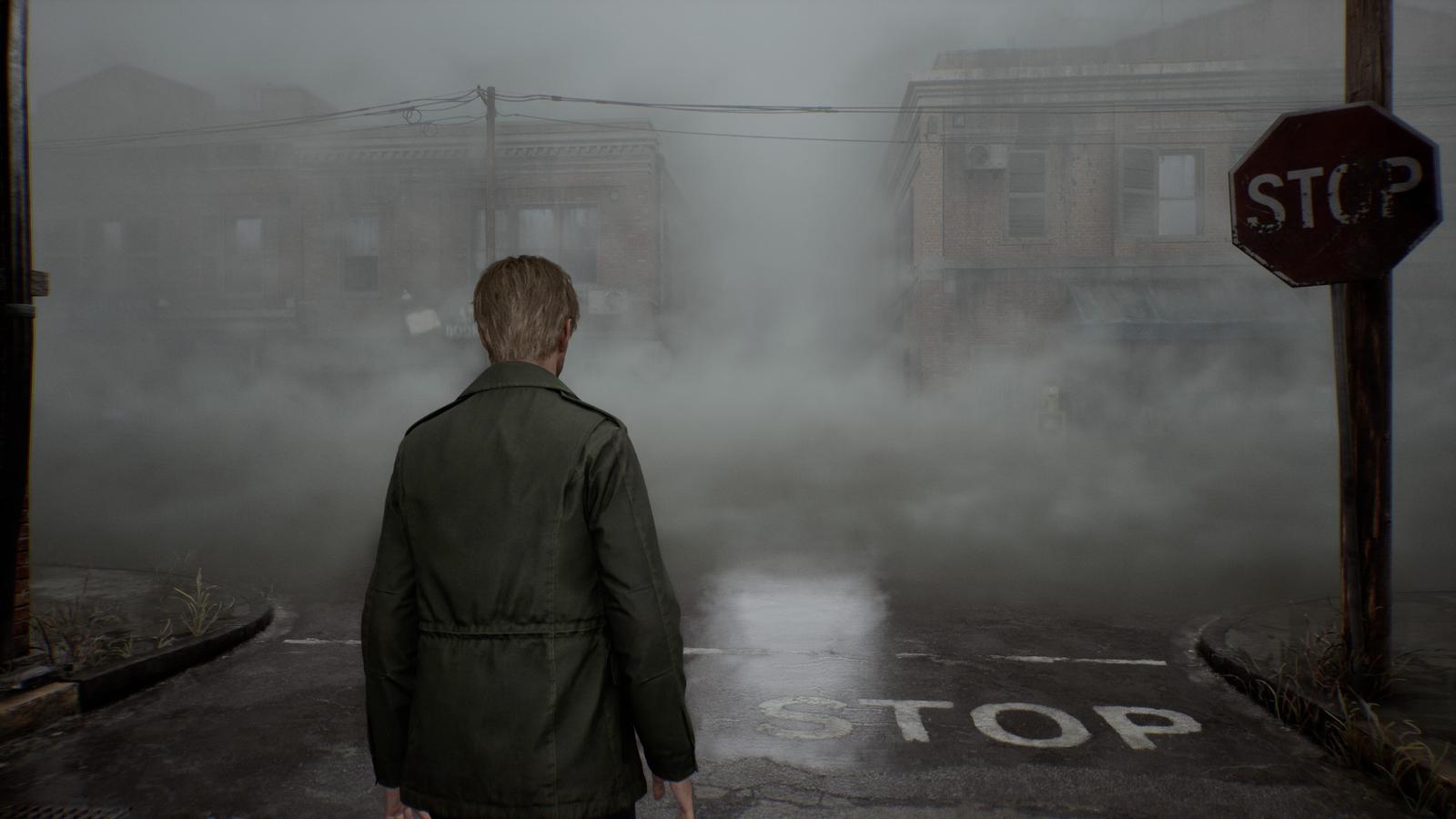
Realism also affects horrors, for which technical limitations were only beneficial. That terrifying fog in Silent Hill appeared due to console weakness, and clunky controls only amplified the feeling of helplessness.
Previously, authors couldn't scatter special effects and worked with textures so that the player could easily read the environment. If a sword glowed, it was definitely a powerful artifact. Now, the inventory is bursting with shimmering loot that you don't get attached to, and you can see every boil on burning monsters, but they don't inspire fear.
Trying to entertain the player, developers overload projects with junk mechanics. The first Age of Wonders games were difficult to master, but then played very comfortably. In Age of Wonders 4, you have to monitor city development, diplomacy, and vassals, waiting several turns just for the right to attack an enemy. Remove half of these systems – the game will only become more dynamic.
However, sometimes there should be more freedom. The abandonment of manual saves in favor of autosaves deprives the gamer of the opportunity to experiment. In single-player projects, there's nothing wrong with reloading again and again for the perfect result.
So What's the Conclusion?
Technical progress has given us previously unattainable graphics and smooth controls. But increased power has played a cruel trick on the industry. In pursuit of beautiful visuals and cinematic quality, major studios release projects with empty worlds, excessive realism, and unnecessary mechanics.
The pervasive focus on esports also harms, where everything is done for automated clicking for a dose of endorphins and the purchase of new skins. But video games are for immersion – to enjoy the process, the interface, and the atmosphere. Most gamers just want to play peacefully.
Old hits were made by masters of their craft, and their creations rightfully earned popular love. That's why remakes are so popular now. And it's doubly disappointing when, during an update, a re-imagined classic is stripped of its individuality, thoughtlessly applying modern standards to it.
Never miss our newsAdd this site to your preferred sources to see us more oftenAdd on Google