Stop stealing games from yourself! How the desire to play "correctly" turns leisure into work
Translated with AI from the Russian original.
Have games stopped bringing the same pleasure? There can be many reasons for "gaming impotence," but usually this phenomenon is explained by age, oversaturation, and the idea that "games are not what they used to be." Much less often do players think about their own approach to playthroughs. In this article, we analyze how guides change our gaming experience and why trying to insure against mistakes is sometimes the biggest mistake.
Guide-dependency Syndrome
My friend opens a game guide even before pressing the "New Game" button. And this is not a case where "friend" is an author's trick to hide one's own shortcomings. Observing his gaming habits, I regularly found myself bewildered: how can one possibly enjoy a game if they already know almost everything about it before even starting?
While the last gigabytes are downloading, he already has an interactive map open, builds studied, optimal routes planned, and the consequences of all important decisions checked. By the time the "Game ready to launch" notification appears, all he has to do is follow a pre-arranged plan.
I usually look at this with unconcealed horror. To me, such an approach seems like trying to read a detailed summary of a book or movie with all the key spoilers before even opening the first page or seeing the first frame. But my friend doesn't consider it a problem. For him, a guide is a way to avoid unnecessary mistakes and get the most out of the game, and he's not afraid of spoilers.
This habit is just a specific manifestation of a much broader phenomenon. Let's call it "guide-dependency syndrome." I made up the term myself – you won't find it in reference books. But despite the conventionality of the name, the problem is quite real: the desire to preemptively insure against any mistake is familiar to many players. The paradox is that by trying to protect a playthrough from every wrong step, a player risks losing something far more valuable – their own experience.
Why is the right to make mistakes so important, and what happens when we voluntarily give up this opportunity? To find the answer, we'll have to go beyond arguments about the "right" way to play and turn to the psychology of motivation and learning. It turns out that enjoyment from a game is largely built on satisfying three basic psychological needs – and a guide can interfere with each of them.
Three Pillars of Gaming Psychology: Why Do We Even Start a Game?
Why do we love games at all? Why are we willing to die ten times on one boss, spend hours searching for a secret location, and completely rebuild a character for a 10% damage increase? In 2006, researchers Richard Ryan, Scott Rigby, and Andrew Przybylski tried to answer a similar question using self-determination theory. They studied why people enjoy overcoming artificial difficulties in games, even when there's no real reward for winning.
We tend to think it's all about escapism – the desire to escape from dull reality into beautiful virtual worlds. But games give us something more: they help satisfy three basic psychological needs – autonomy, competence, and relatedness. These three components support the feeling of "pure drive" or intrinsic motivation, where the process itself captivates a person.
Autonomy
Autonomy is the feeling that you are the author of your own decisions. In everyday life, this feeling is constantly undermined: the boss asks you to redo a report five minutes before the end of your shift, your wife reminds you about the trash for the third time today, the cat has thrown up in the hallway again... Work and household obligations demand attention, and many things have to be done not because you want to, but because "you have to."
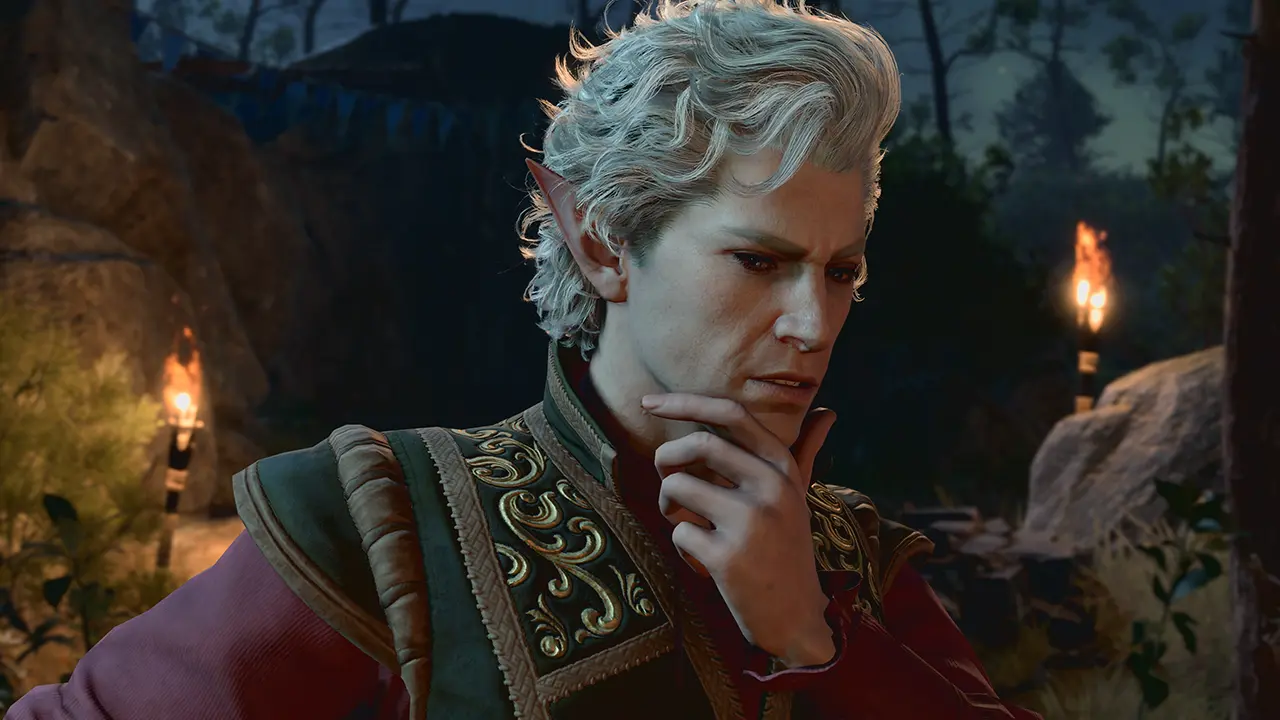
Games restore a person's lost sense of control. Here, you choose your direction, set priorities, and decide: should I explore this castle right now or come back to it later? Invest in magic or wear heavy armor and wield a mace?
We won't go into detail about how developers manage to create only an illusion of control over the situation, but by opening a guide during the first playthrough, the player breaks this mechanism with their own hands. Instead of independent exploration, the game turns into a checklist verification, where any deviation from the route is perceived as an "error" – a violation of instructions. Instead of the question "what will happen if I try?" the question becomes: "what do I need to do to get the best result?"
Competence
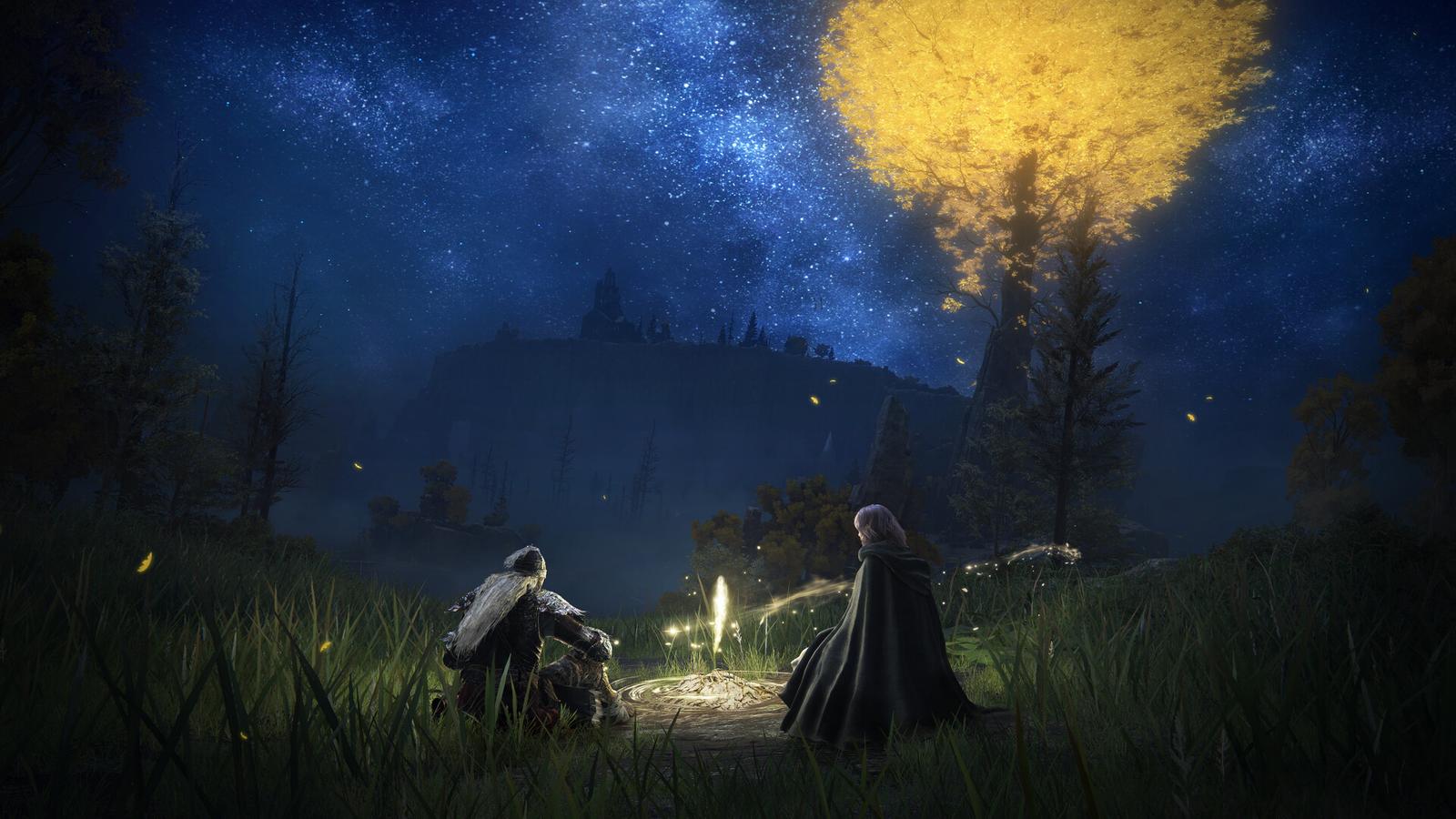
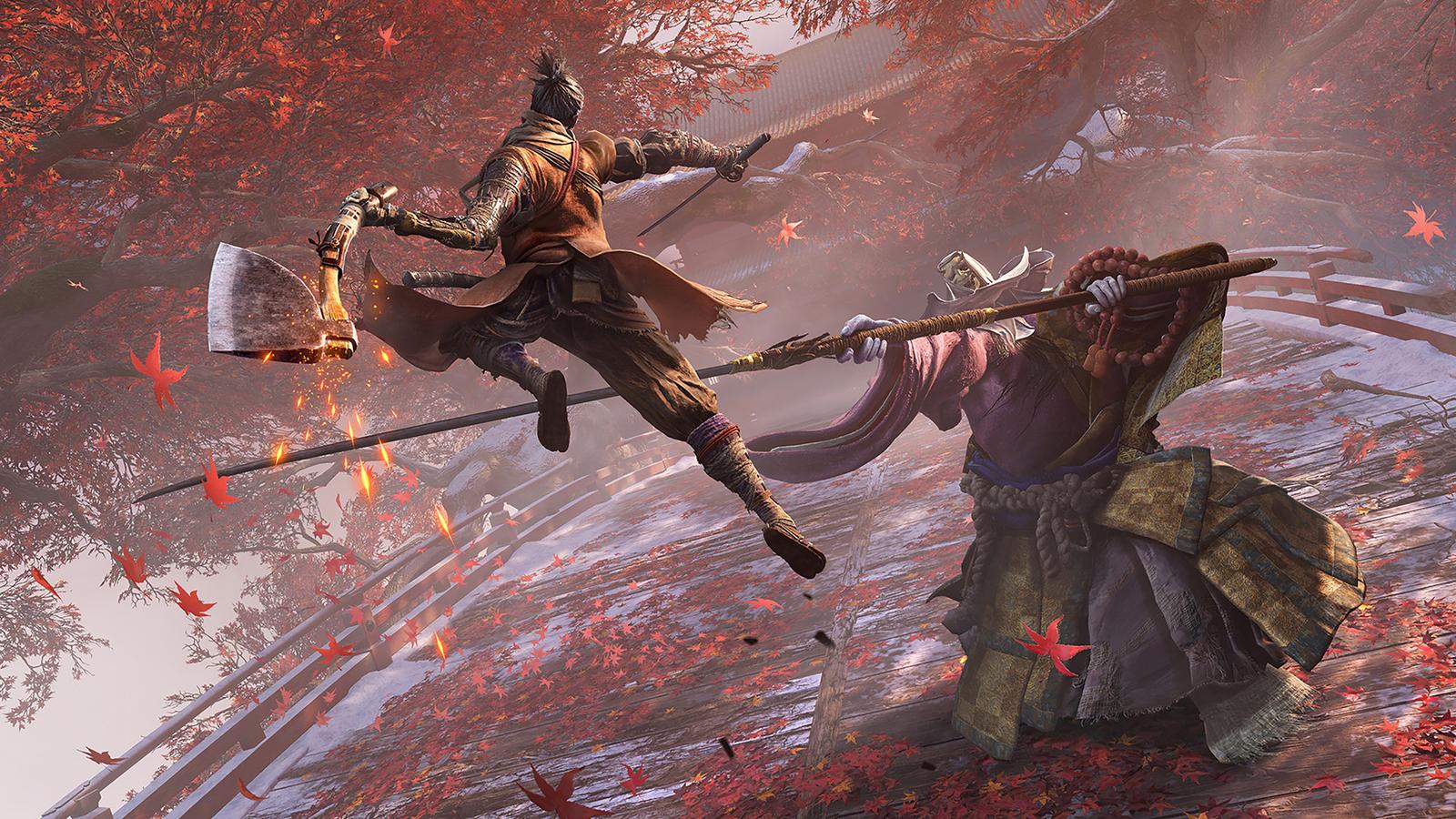
Competence is the feeling of one's own mastery and growth. Particularly strong satisfaction arises when a person sees a direct connection between effort, overcoming an obstacle, and the result. You were weak, constantly dying to a boss, but gradually learned its attacks, mastered new skills, and finally won. The need for competence is satisfied: the game clearly showed that you have improved.
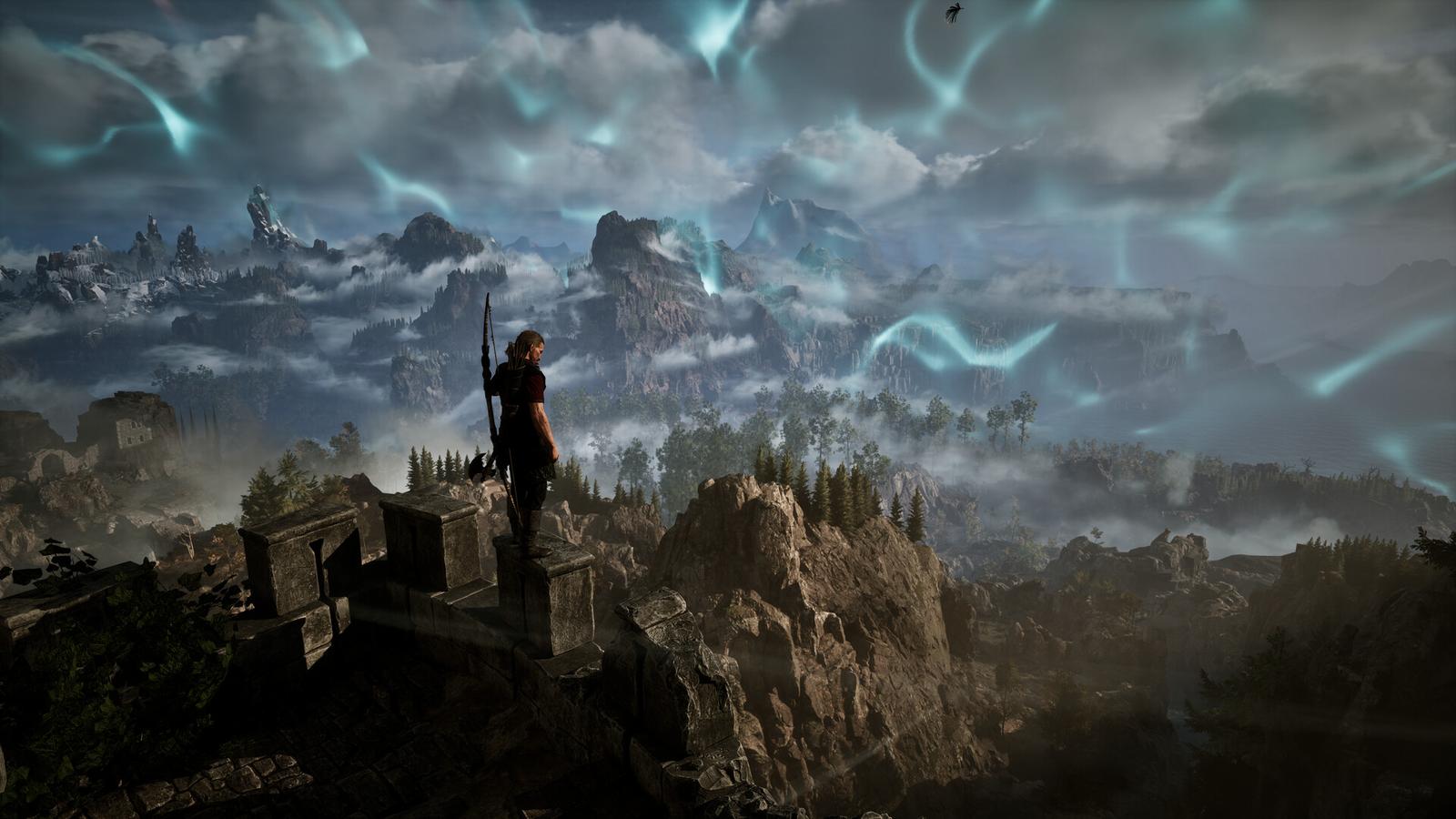
But what if that same boss was defeated thanks to a guide that listed all its vulnerabilities and pointed out a blind spot where its attacks couldn't reach? And you leveled up by repeatedly dropping a hapless crow into an abyss with an arrow shot – hello, Elden Ring. The feeling of triumph is dulled because, deep down, the thought settles in: at least part of this victory belongs to the guide's author.
It's funny, but a similar mechanism has long been studied by learning psychologists. It's called "productive failure." In 2021, researchers Tanmay Sinha and Manu Kapur conducted a meta-analysis of 53 works and found that attempting to solve a problem independently before receiving instructions can improve understanding of general principles and help transfer knowledge to new situations – in our case, games.
True, the authors of these works did not study video games, but the logic they described is familiar to anyone who has independently discovered a boss's vulnerability or tried to understand a complex mechanic. Even an unsuccessful attempt provides new information and increases the chances of success in the next one. Fighting a boss, the player notices: "Aha, this attack goes through the shield – so I need to find another way to defend. Okay, after three hits, he pauses – a great window for a counterattack." The next attempt is already built on the knowledge gained, and another death becomes another step towards victory.
Relatedness
Relatedness is the feeling of connection with other people, and here everything is ambiguous. On the one hand, joint exploration of mechanics, heated discussions on forums about the meta, and attempts by the entire chat to solve another puzzle – this is precisely what unites the community and fulfills the need for relatedness. Sometimes developers initially embed this into the very structure of the game – and we will return to this.
On the other hand, even when we immerse ourselves in single-player games, it can be important for us to share our own stories with friends and the community: absurd deaths, tales of accidentally wandering into a high-level location and miraculously winning, breaking a quest, or finding a rare item. Meticulously following guides kills the uniqueness of this experience, turning the playthroughs of thousands of people into the same route.
Of course, the degree of this harm greatly depends on the game itself and how exactly you use guides. Sometimes a guide hits competence but preserves the autonomy of exploration. Other times, you lose autonomy but retain competence due to challenging battles. And discussing an interesting find with friends can support relatedness, even if its location was looked up online.
In short, there is no black or white, no universal ruler for "how to play correctly" here. It is important to clearly understand what part of your personal experience you give to the guide and what you get in return. The more ready-made answers you peek at, the less of you remains in that game.
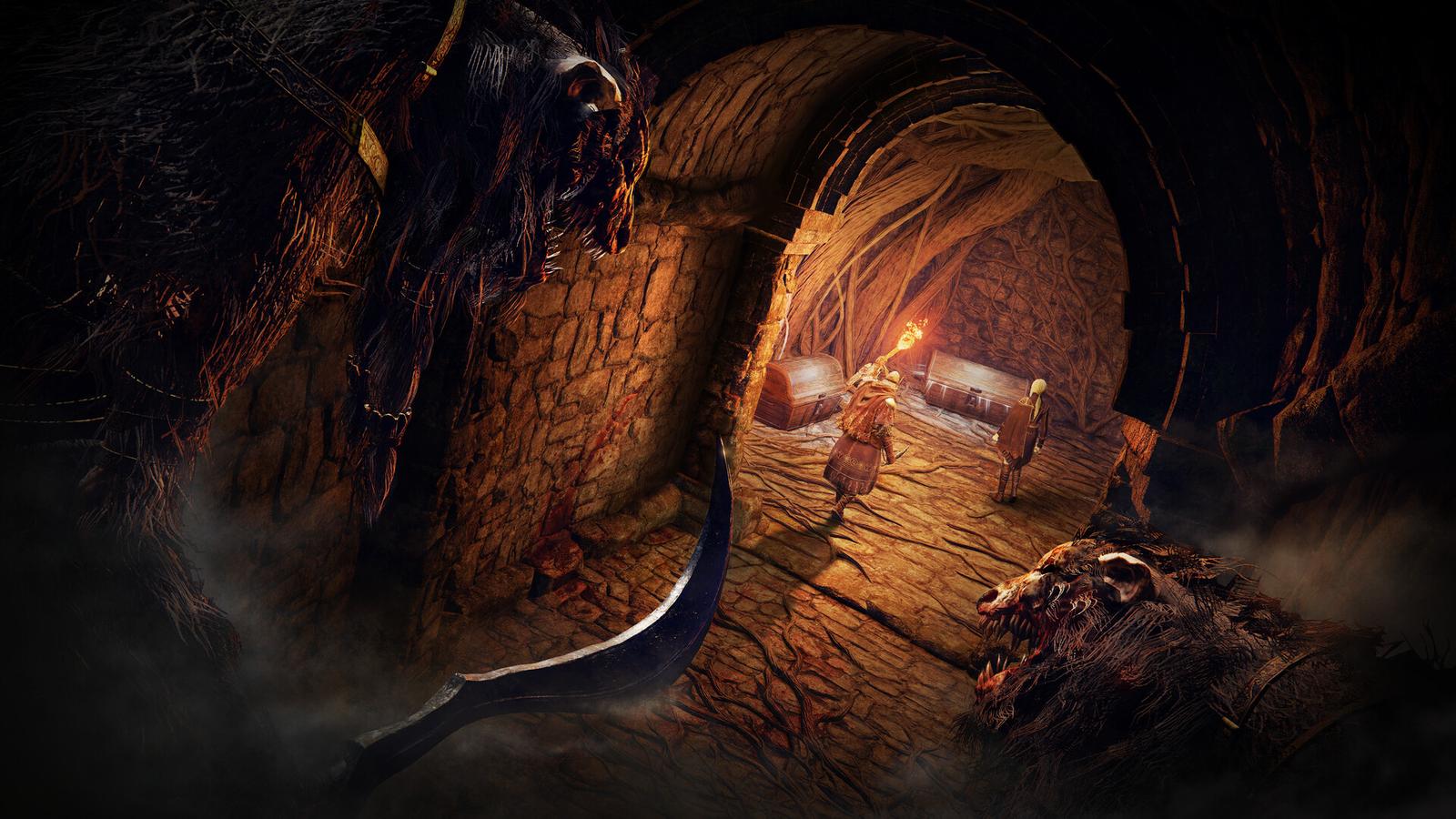
I am sure that many of those for whom following instructions has become a habit regularly find themselves thinking that something is wrong. My friend started studying guides for the Gothic remake even before the first launch – while the game was downloading – and after a couple of days of intense playthrough, he admitted:
“I probably need to rethink my approach to the game. I always get caught up in perfectionism, googling quests and their consequences – like to get the best outcome. But I probably need to stop and just go with the flow: it's probably impossible to completely mess up the game anyway.”
These words encapsulate the entire problem: a subconscious insecurity in one's own decisions and the fear of making the "wrong" choice begin to spoil the enjoyment even before the player crosses the threshold of the virtual world.
The Cult of Efficiency and FOMO: How We Turn Leisure into Work
But why, even realizing this dead end, do some of us continue to reach for the search bar? What makes an adult with a gamepad in their hands experience a paralyzing fear of making a mistake in a world created solely for their entertainment?
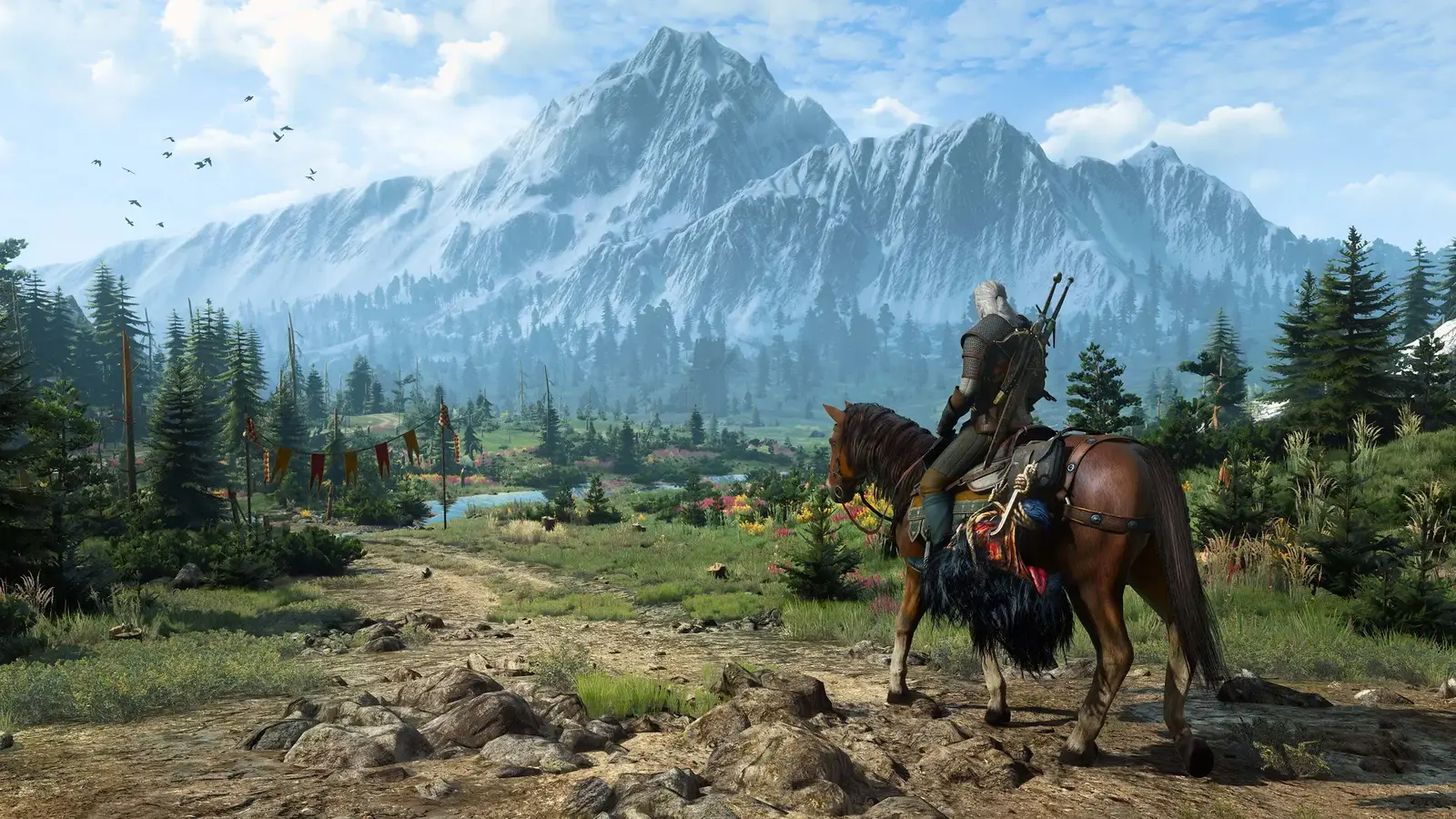
For a working adult, there are at best a couple of hours in the evenings or a rare free weekend for games, when the accumulated tasks of the week don't pile up. With such a time deficit, some people subconsciously succumb to the desire to optimize everything. The habit of rationalizing work processes, daily life, and sports imperceptibly transfers to leisure: the brain simply stops perceiving rest as a purposeless, spontaneous pastime – and screams that wasting a precious evening, wandering through locations or trying to cope with a boss, is a direct loss.
This is where the neurotic fear of missing out – FOMO (fear of missing out) – kicks in.
The abstract gamer becomes uneasy at the thought that due to one mistake or a missed dialogue, they won't see the secret ending, lose the best weapon, or close off an entire story branch for themselves. In short, a mistake ceases to be a lesson – it becomes a failure of "time investment."
To save their "savings," the gamer pauses the game, opens a guide tab, and prepares for the "adventure." But the paradox of such "optimization" is that it works in completely different ways. Sometimes, a person with a guide indeed follows the shortest path through the plot to quickly check it off. And sometimes the exact opposite happens: the player gets lost in the world for a hundred hours. They constantly check the map, backtrack, and "milk" the game dry, afraid of missing even a drop of content.
Moreover, this happens completely independently of the platform and the presence of digital achievements: a person may not have achievements or platinum trophies at all, but the internal itch to clear everything to zero works with the same force.
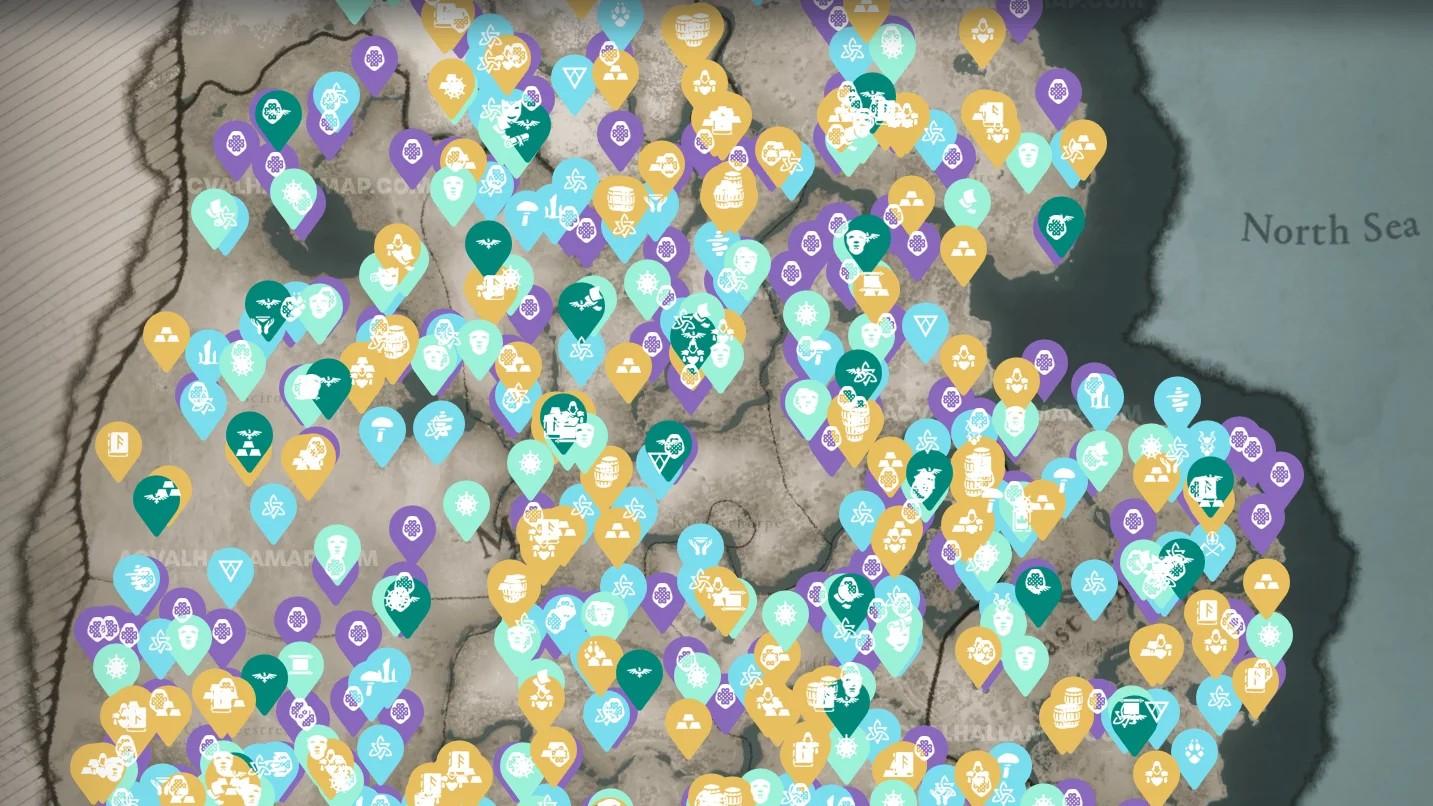
This is the tragicomic illusion of "saved time." By trying to optimize the playthrough – whether for a quick victory or for a "100%" completion of the game – a person hollows out the very essence of the gameplay. Time turns out to be devalued, because instead of a lived adventure, the player simply completes another technical project.
Here I will make a frank confession: I myself am terribly prone to optimizing and rationalizing everything in everyday life. I love order, clear algorithms, and efficient resource allocation. But games for me are one of the rare outlets where I don't let this approach in. I come to virtual worlds precisely to completely disconnect from the "effective time management" mode, exhale, and allow myself to immerse myself in a new story with a lot of mistakes, interesting discoveries, and bright moments.
One of the few "crimes" I can allow myself is to type a short query like "game title: point of no return" into the search. And even then, only when the plot picks up speed, I want to see the ending "right now!", but I need to make sure: will the game allow me to return to interesting side quests after the credits or will it strictly cut off everything unfinished? Such over-insurance allows me to safely hit the gas, while preserving the autonomy of exploration.
When Guides Are Truly Needed
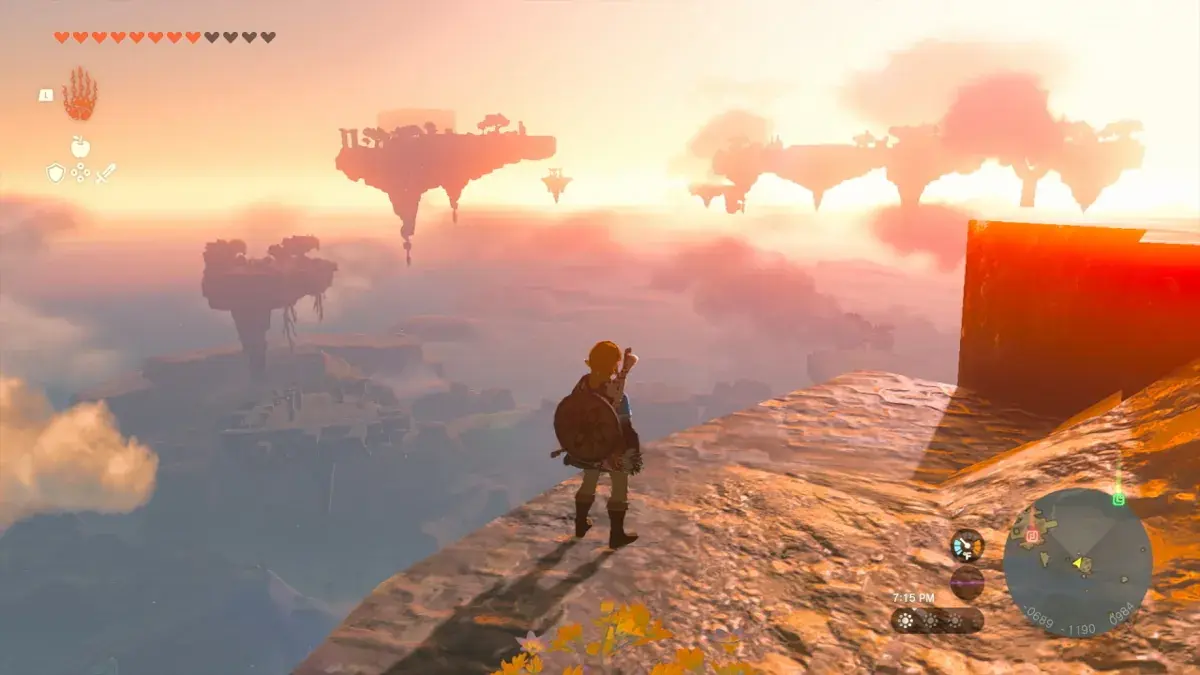
And since I myself am far from a saint, it would be reckless to claim that absolutely all guides are evil that must be abandoned once and for all. Games are such a diverse medium that a single rule simply does not exist here. Therefore, let's consider at least a few cases where opening a guide is the best way to save time and sanity.
The first of these is getting acquainted with games or genres in which a person does not yet have the necessary experience. The "productive failure" model works much worse with beginners and young children, because their working memory risks being overloaded due to the abundance of unfamiliar rules and systems, and an independent search for a solution can end in frustration. Therefore, in school, the teacher first solves an example on the board and explains the sequence of actions, and then offers students to independently solve similar problems.
The same thing happens in games. If a person has never played video games before or is encountering a new, technically complex genre for the first time, throwing them into the icy water without a life jacket is a dubious endeavor. In such cases, direct instruction through a "beginner's guide" helps build the necessary bridge for immersion.
But when a player has already developed gaming erudition – a baggage of completed projects and experience in related genres – the situation changes. They already know where to look, what questions to ask, and what solutions to check. They recognize familiar conventions and can focus on the specifics of a particular game. This skill is precisely developed through past independent attempts: mistakes, experiments, and finding their own solutions. If a player constantly plays games according to ready-made instructions, this internal database develops much worse: they get the right answers, but less often learn to find them themselves.
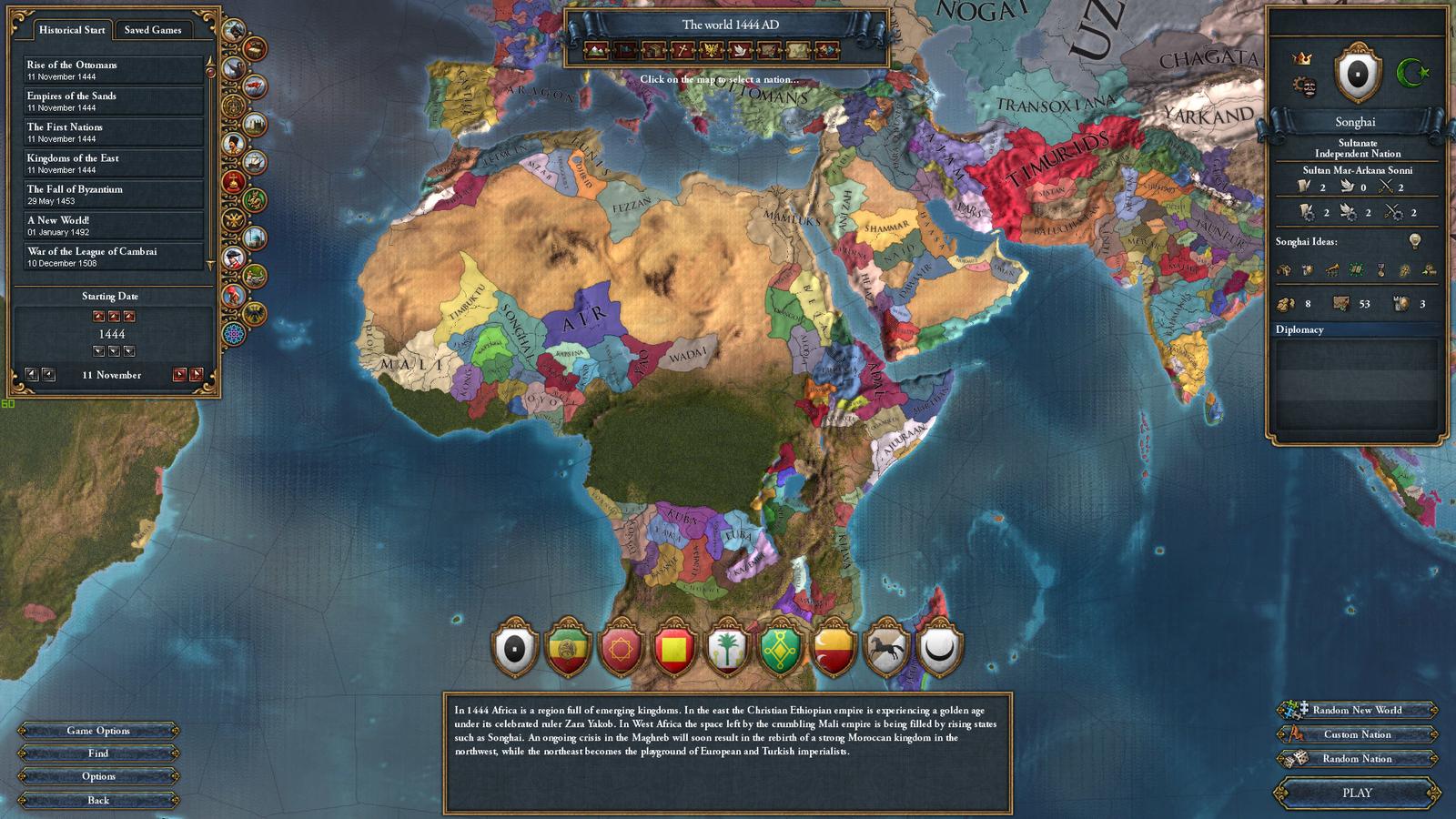
However, even an experienced player is not immune to situations where the game designer failed at their job. Honest difficulty requires setting the task correctly, providing clear tools, and inviting the player to master them. Poor UX/UI might not explain the rules themselves or, even worse, explain them incorrectly. Obtaining the minimally necessary instructions "from the outside" in such a case restores the person's autonomy and the ability to enjoy the game.
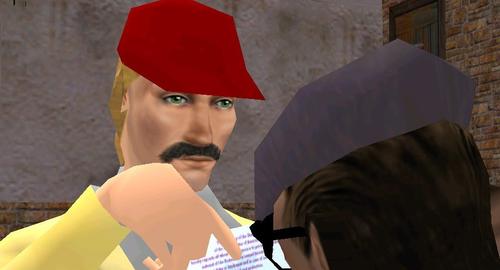
History knows many such examples – and FromSoftware games are far from the most egregious: there are actually more hints there than it might seem. A classic case is the mustache puzzle from Gabriel Knight 3. To get a motorcycle, the main character must impersonate Detective Mosley by making himself a mustache from cat hair. However, Mosley himself has no mustache, so the hero also has to draw one on his photo in the documents. Logically reconstructing such a sequence is almost impossible – the correct solution is more likely found by random trial and error.
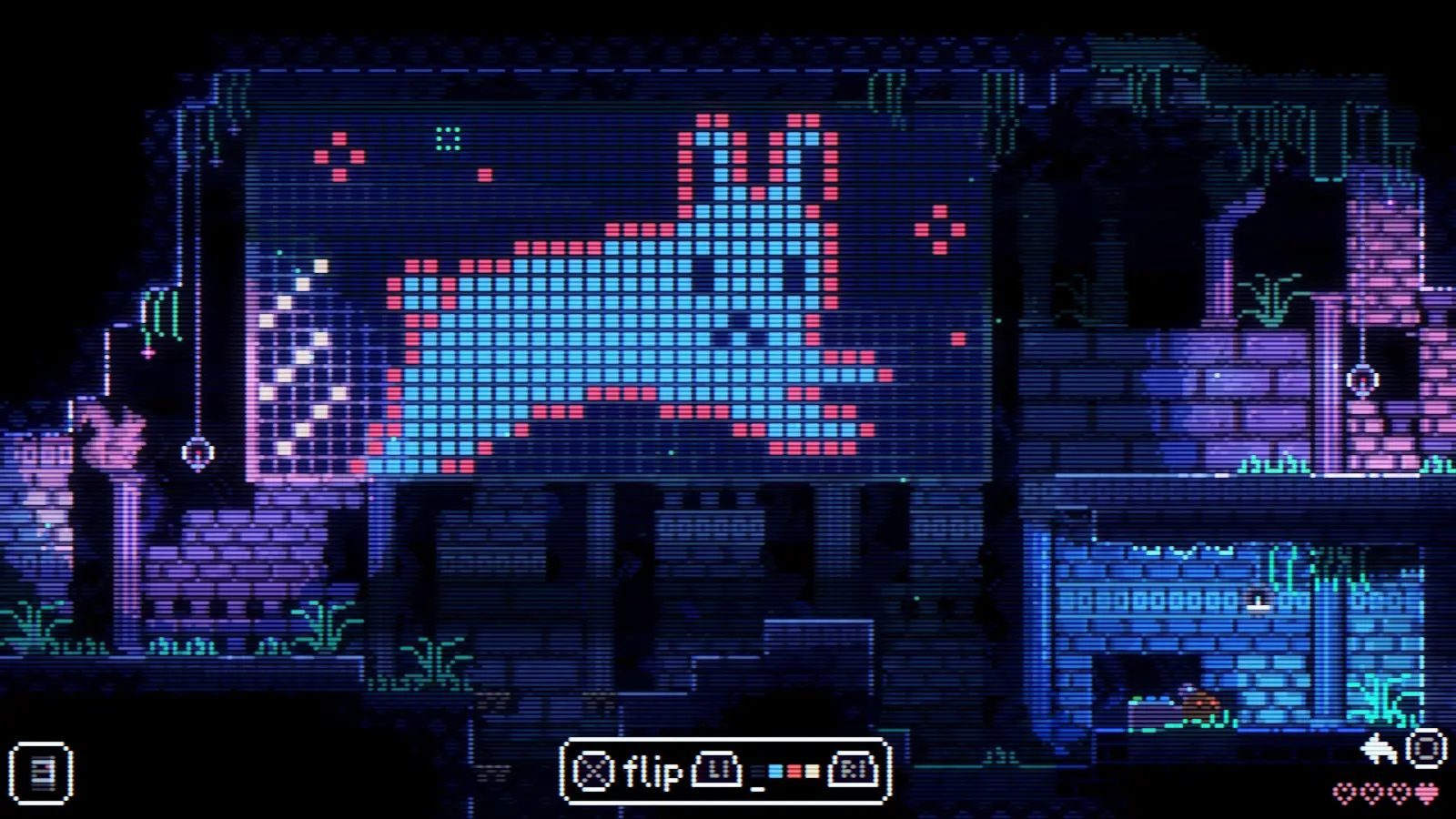
A separate category consists of collective puzzles that are initially impossible to solve alone. For example, in the metroidvania Animal Well, each player received only one of 50 fragments of an encrypted fresco, so the complete image had to be assembled by the entire community.
This discovery helped the game go viral, but it didn't bring joy to everyone, as evidenced by numerous discussions on Reddit. Some players disliked that the puzzle couldn't be solved independently at all. Others spent many hours on it only to then learn that they were looking for a solution within the game that simply didn't exist there.
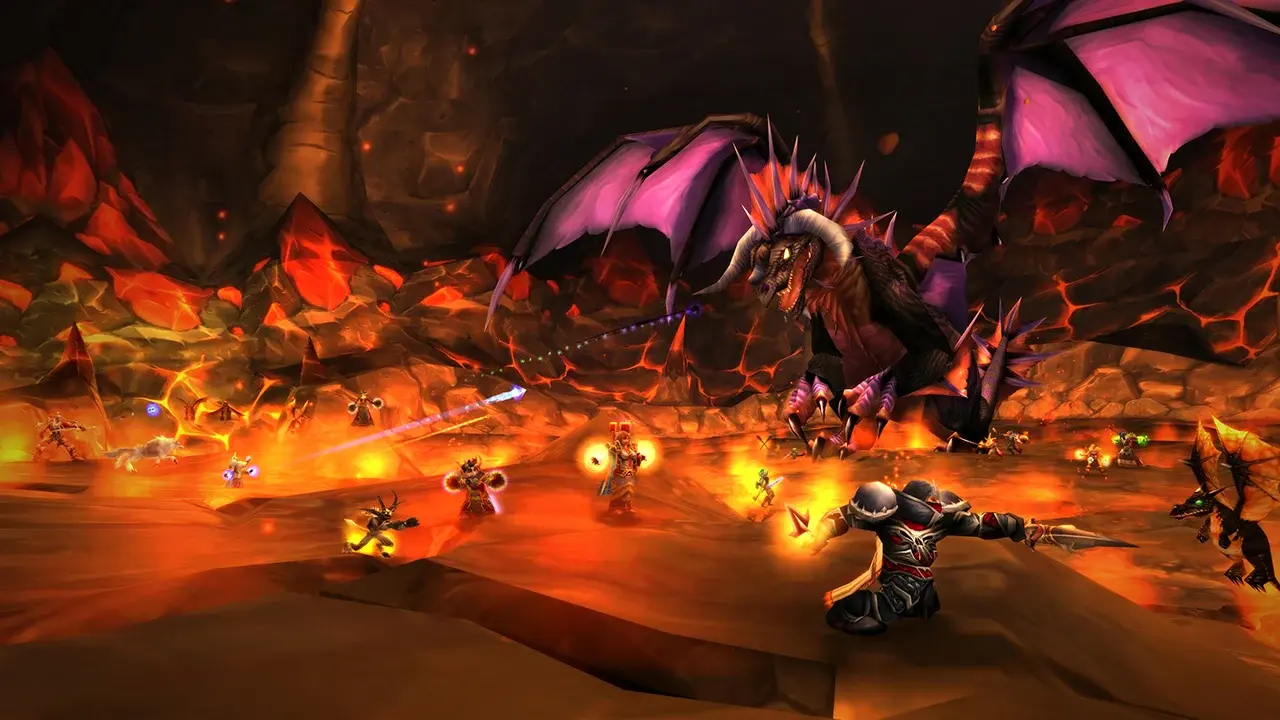
Finally, another exception is games and modes where exploration gives way to athletic improvement. This refers, of course, to high-level endgame: MMORPG raids, ranked PvP, and other activities where the very nature of interaction with the virtual environment changes. Personal skill, build efficiency, and teamwork come to the forefront. Analyzing tactics, studying the meta, and borrowing other people's solutions become as natural elements of preparation here as training and analyzing opponents' performances in classic sports.
The mistake begins when this "esports" approach is somehow transferred to single-player story games, which are designed for a completely different experience and operate under different rules. For example, my same friend often refers to speedrunners – he watches runs and gets excited about them much like he does with his favorite Formula 1. However, there is very little in common between the athletic mastery of a game and a regular first playthrough.
A speedrunner turns a long-studied project into an obstacle course and a testing ground for experiments: they look for ways to break the established rules, build an optimal route, cut out unnecessary actions, and then automate the playthrough. Adopting such an approach during the first acquaintance with a game, a person seriously risks either crashing at the first turn, leaving only fragments of their own gaming experience, or still crossing the finish line – only to realize: they spent the entire journey in the passenger seat.
Reclaim Your Right to Make Mistakes
Video games are a unique achievement of our civilization precisely because they provide a safe space for making mistakes. In real life, a wrong career choice, an unsuccessful financial investment, or a failed project lead to quite tangible and painful consequences. In games, the most you face is a "YOU DIED" message and loading from a checkpoint.
So, is it worth turning the opportunity to make mistakes without risking your own head into blindly following yet another instruction, where every step is verified according to someone else's template? Especially if, along with mistakes, you voluntarily give up the thrill of exploration, unexpected discoveries, and the honestly earned feeling of victory.
As with everything, moderation is key here. I wrote this text not to playfully label and forbid you from using guides – if you enjoy that style of playthrough, there's nothing wrong with it. But if you feel that games have started to bring less joy, and playthroughs increasingly resemble a routine, try to look at your own habits from the outside. How often do you turn to guides? Do you do it only in truly desperate situations, or do you look for hints at every step, afraid to make even one mistake?
If the latter option occurs too often, try to introduce a simple rule: before looking for an answer, give yourself a comfortable window – ten, twenty, or thirty minutes, several attempts on a boss, or one evening of independent searching. If it doesn't work out, open the hint without remorse. The guide won't go anywhere, and the chance to experience an adventure independently only comes once.
Never miss our newsAdd this site to your preferred sources to see us more oftenAdd on Google