From Daoist Philosophy to Superhero Battle: How the "Avatar" Universe Degraded
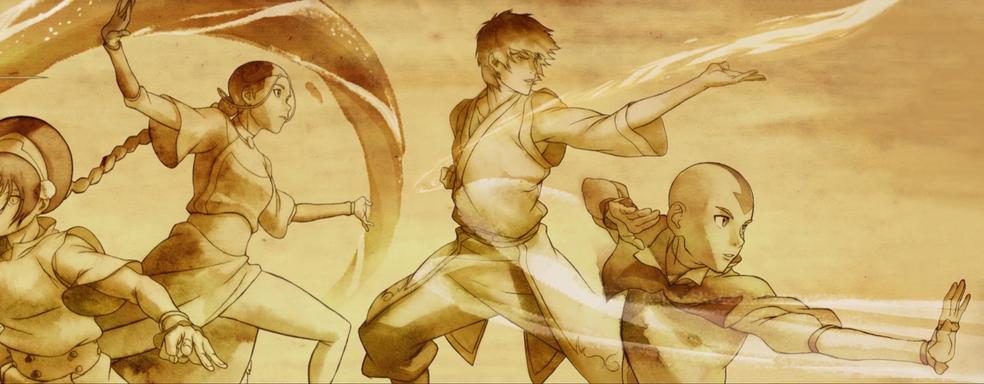
In 2005, the animated series "Avatar: The Last Airbender" was released. It was remembered for its interesting story, well-developed characters, and vibrant fight scenes, and the franchise evolved into a deep Eastern parable about finding harmony. However, with each new release, the series increasingly devolved into a mundane Western superhero fantasy. This material will explain how attempts to expand and supplement the world of "Avatar" stripped it of its depth and made it illogical.
The World of Humans and the World of Spirits
"Avatar: The Last Airbender" takes the viewer back to a time when nature dominated man, and civilization was divided into four nations. Human domains bordered vast wild lands, which had to be traversed by primitive means. The animals of this world are unlike ours: the creators took ordinary beasts, combined them, and got winged lemurs, goat-yaks, and armadillo-tigers.
Parallel to the human world exists the spirit world. It is a dark place where magic does not work and spirits dwell — mystical and alien entities to humanity. They can appear as beasts, or they can take on their true, terrifying forms.
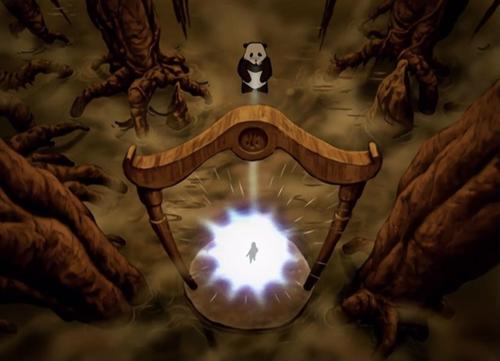
Rare spirits cross the thinning boundary between worlds. The spirits of the Moon and Ocean sacrificed immortality for life among humans. The panda-like Hei Bai protected the forest and went mad when firebenders burned it. And the terrifying and unpredictable Koh stole faces from his victims.
By the beginning of "The Legend of Korra," 70 years had passed. During this time, technology had advanced significantly – full-fledged trains, cars, radio, and television appeared. Advanced technologies existed before, but they looked natural. Here, the creators used mechanisms familiar to the viewer but did not adapt them to the Avatar world.
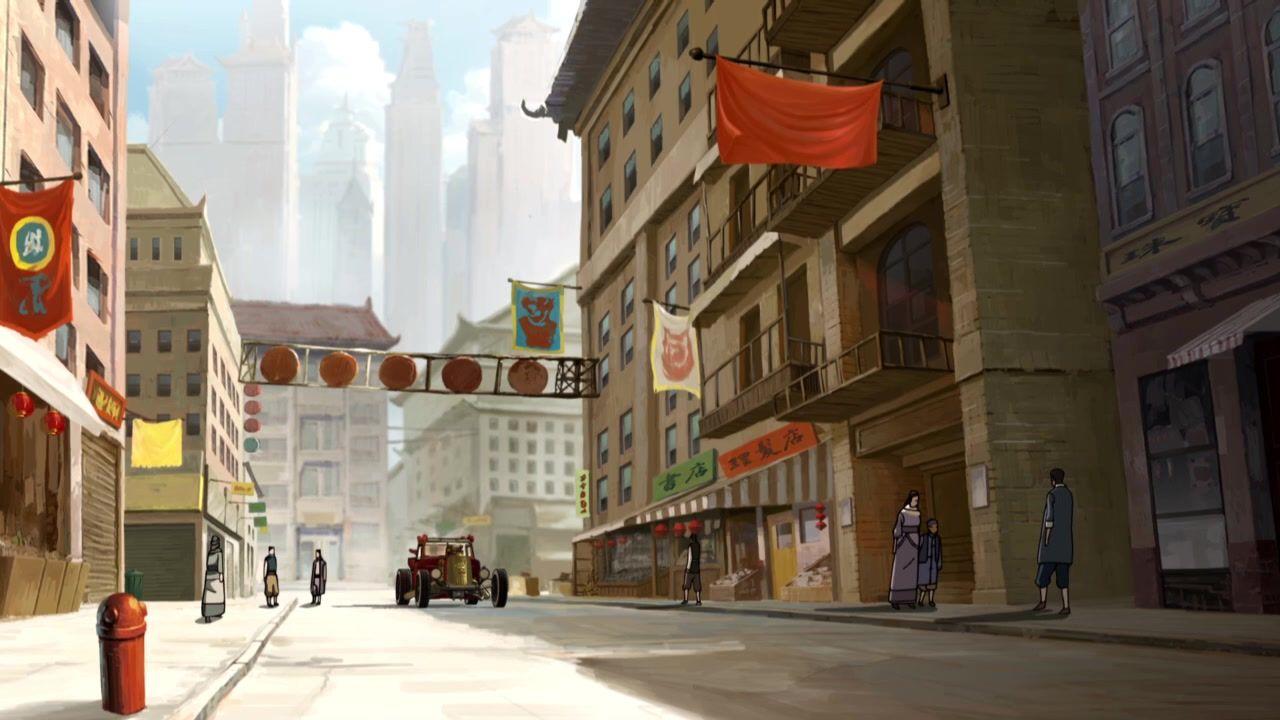
Avatar Aang and Fire Lord Zuko founded Republic City, which resembles New York in the early 1900s – with its skyscrapers, airships, and cars scurrying through the streets. In theory, the city should serve as a haven for each nation and provide access to their native element: fire, water, and earth. And the difference in their ways of life should be reflected in the design. In practice, the radically different nations are only visually distinct: by their colorful clothes and the elements they use.
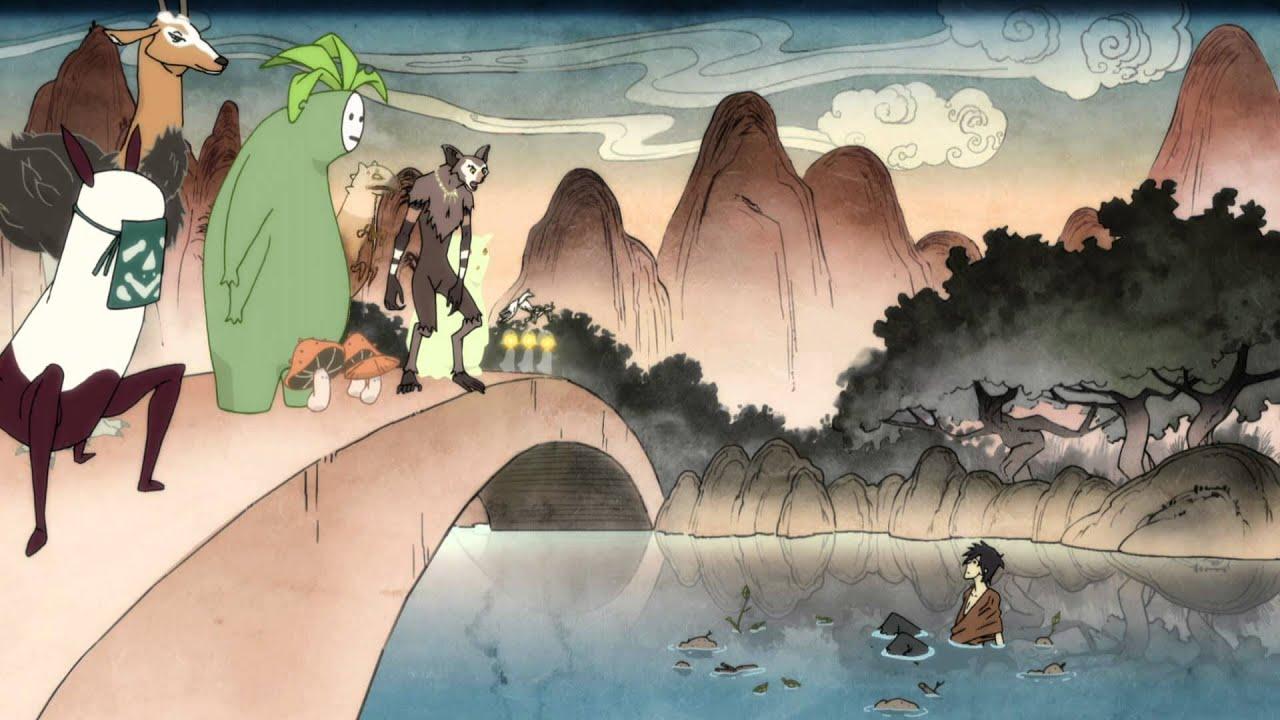
Even the spirit world changed. The new spirits seemed to have crawled out of Hayao Miyazaki's works. Episodes depicting the spirit world resemble the anime "Spirited Away." Their actions are based not on worldview, but on the influence of external forces that make them good or evil.
Magic as a Sacred Art
Among the four nations, there are people who have a special connection with nature. They can manipulate the elements and study martial arts to use their gift against enemies. The connection with the elements influences people's character: be as solid as a rock, or as free as the air.
In the Russian localization, such people were called "magicians," which simplifies their essence. In the original, magicians are called "benders" (those who bend/manipulate). The essence of magic is a mixture of invoking the forces of nature and the Asian philosophy of manipulating spiritual energy. In society, they act as shamans and warriors who combine elemental manipulation with Eastern martial arts.
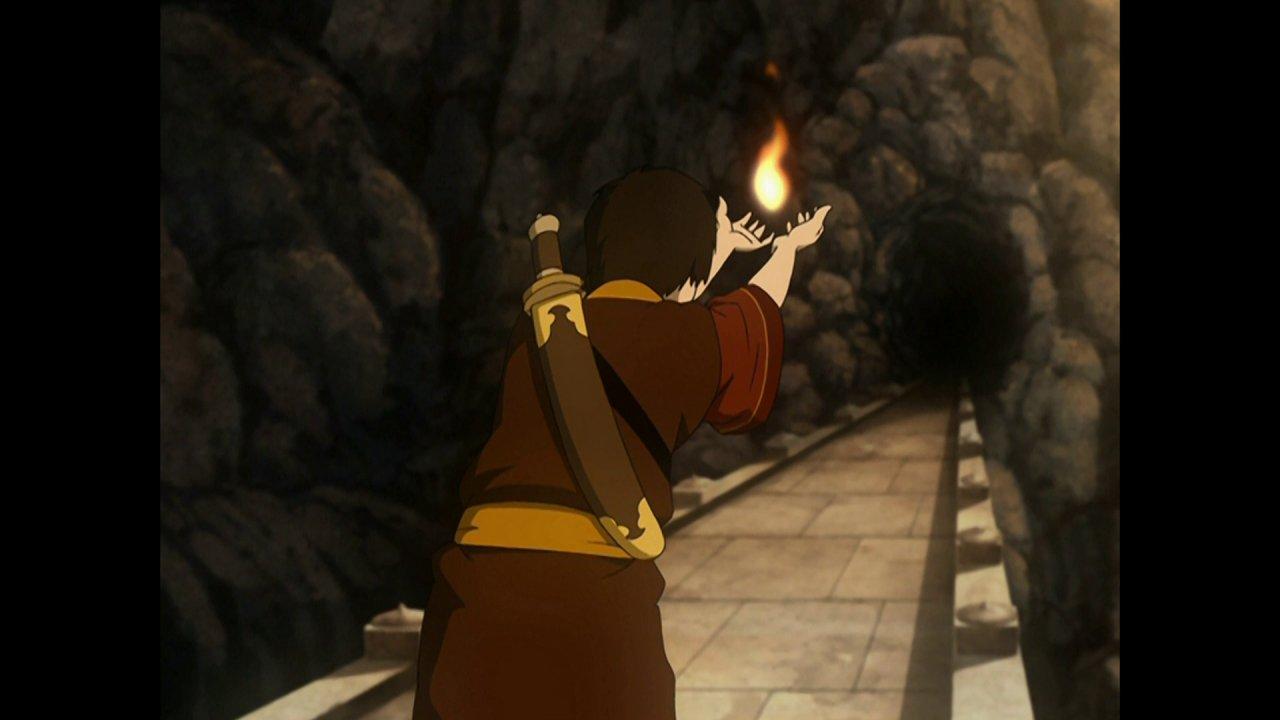
It might seem that the elements contradict each other, leading to conflicts between nations. Former Fire Nation general Iroh discovered a balance between the elements, on which the entire world is built. Studying the philosophy of the Fire and Water Nations allowed him to create the lightning redirection technique — the highest manifestation of firebending.
With the development of technology, magic faded into the background. Benders ceased to be the soul of their nations — now they uphold the law, break it, or do dirty work.
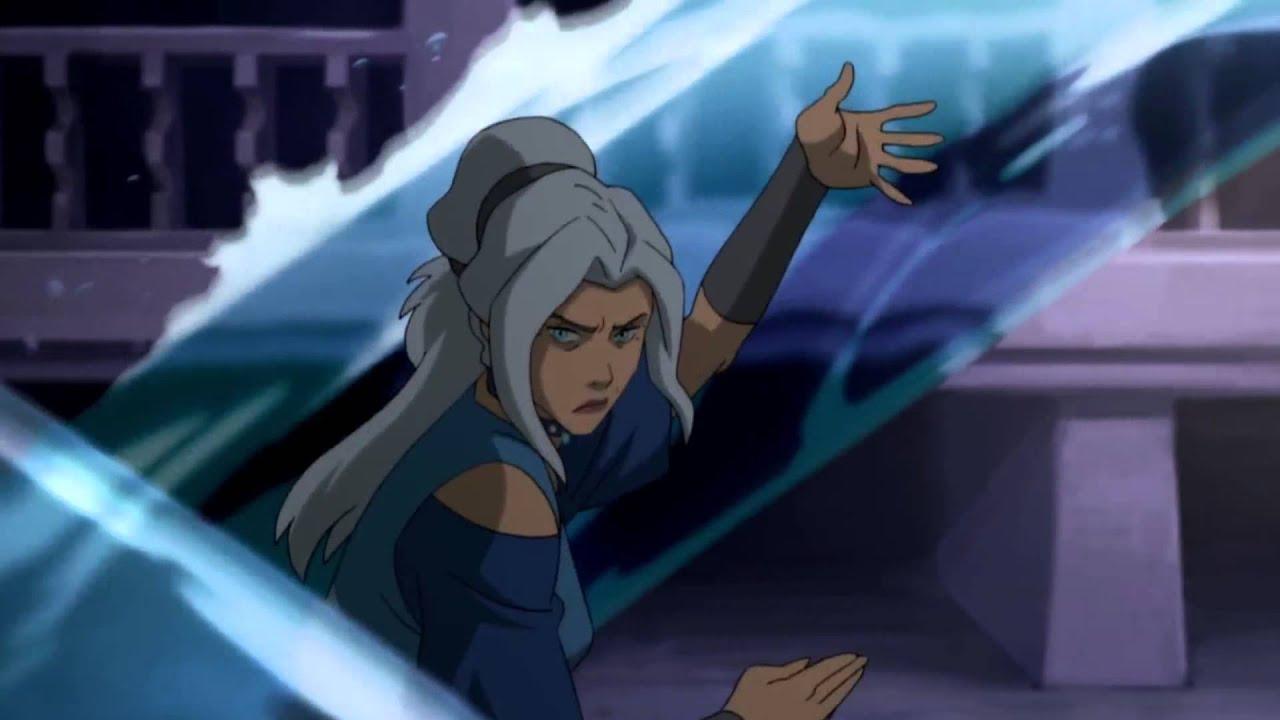
In "The Last Airbender," the use of magic had consequences. Firebending is an example: uncontrolled fire harms people and causes fires. In "The Legend of Korra," the use of elements resembles spells from role-playing games — only the damage numbers are missing.
For example, lava bending should be the most dangerous: one drop of lava is enough to cripple a person or melt rock, but it only becomes deadly when the script requires it — in other cases, it can be very harmless if the heroes have plot armor. The creators didn't even bother to explain the principles of learning this powerful magic: it's unclear how such a rare gift, once possessed by Avatars Roku and Kyoshi, was suddenly mastered by a self-taught person like Bolin.
Breakthrough technology stripped the highest manifestations of magical art of their sacred status. Metalbending, which requires feeling and controlling impurities, is practiced by law enforcement officers and a large group of sculptors. Lightning bending is learned by ordinary workers to serve as cheap energy generators in factories.
In Korra's memories, it was revealed that initially, humans had no mystical connection to the elements — it was given to them as a temporary battery by lion turtles. The creators stripped the phenomenon of magic of its mystery: a sacred gift turned into a switch that an ancient beast activates or deactivates with a paw touch.
The Chosen One of the Universe
The Universe itself chooses the Avatar, who, after death, is reborn in another nation. The Avatar can control all four elements. In the "Avatar State," they become even stronger and use the experience of their predecessors in battle. But if the Avatar is killed in this state, the cycle will be broken, and invaluable experience will be lost.
The power of the four elements is needed to maintain balance in the world. During his journey, Avatar Aang tried to stop the hundred-year war, helped those in need, and communicated with spirits. He had to find a balance between human life and being the chosen one. In parallel, he studied the magic of three elements.
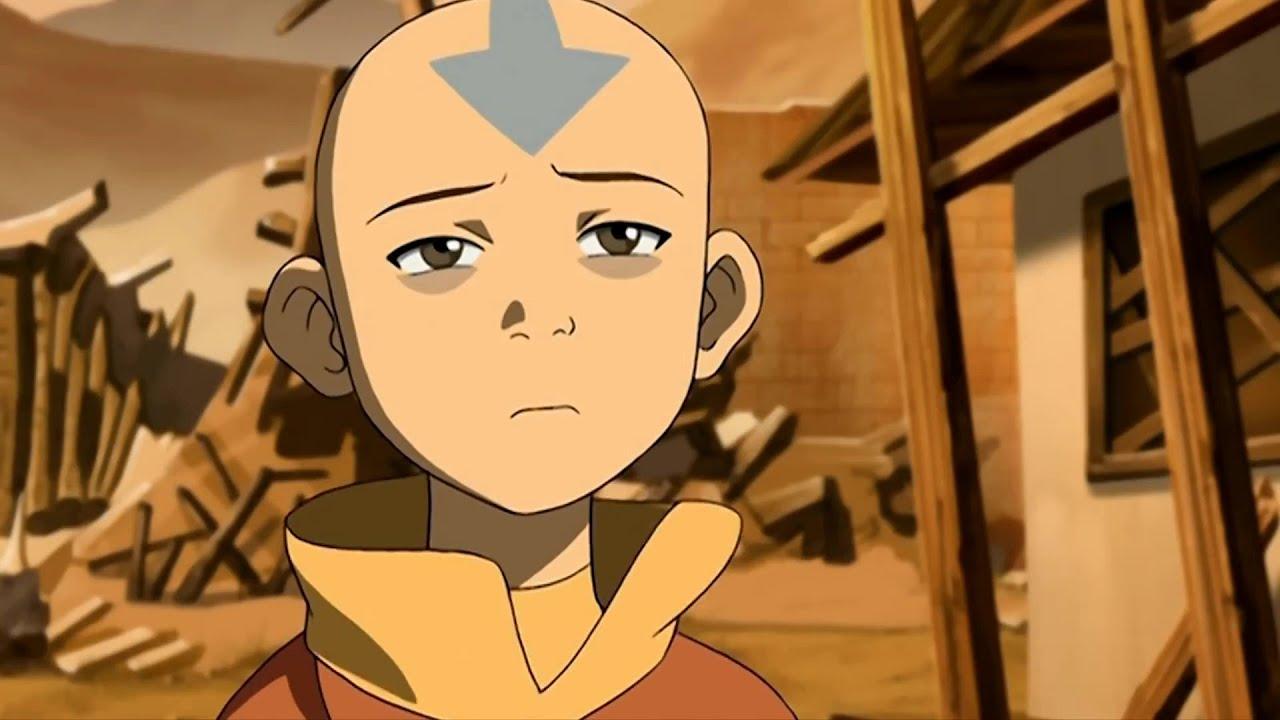
Aang went through a long and difficult journey before becoming a master of the four elements. Korra, who succeeded him, learned to manipulate three elements almost from infancy.
It might seem that Korra is more talented than Aang, but that's not the case. Her friends and enemies were better at bridging the gap between the spirit and human worlds — the Avatar's direct duty. Korra managed to lose a duel to an ordinary bender while in the Avatar State, flooded Republic City with spirits, and broke the Avatar cycle.
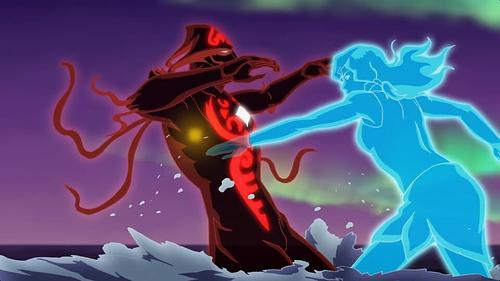
But how did the Universe choose such an incompetent Avatar? It didn't. In his journey, Wan stumbled upon two fighting spirits. Due to his intervention, the evil spirit was freed, and the good one began to wither. In despair, the good spirit possessed Wan, after which the Avatar cycle began. So it turns out that the Avatar was chosen all this time by a spirit resembling a kite.
The fighting spirits are an allusion to yin and yang: a key concept in Chinese philosophy. Philosophy speaks of two opposing but complementary principles. The movement of these principles and the balance between them influence chaos and harmony in the world. In "The Last Airbender," there were spirits of the Moon and Ocean, and red and blue dragons, which also referred to philosophy. In "The Legend of Korra," the good spirit must defeat the evil one for everything to be good.
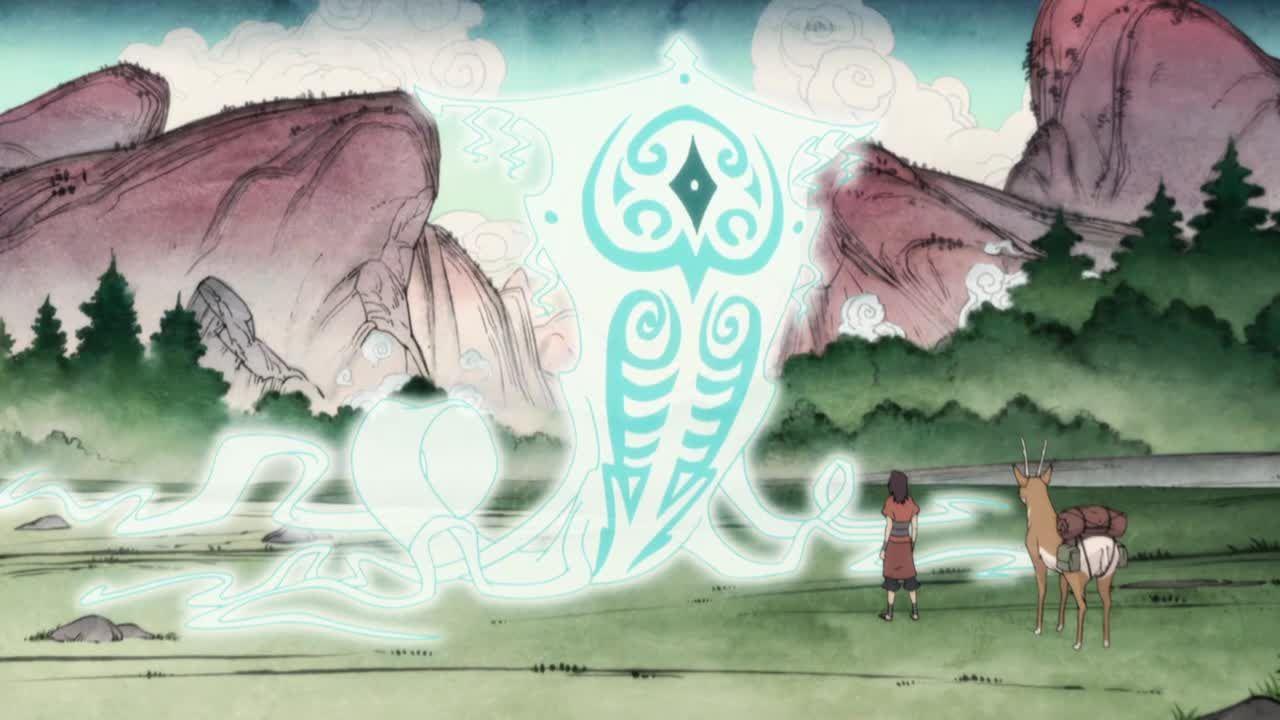
In philosophy, yin and yang are complementary forces, without which the world of "Avatar" cannot exist, and attempts to find a balance between them were the leitmotif of the entire "Legend of Aang." In "Korra," it turns out that everything was reduced to a confrontation between absolute good and absolute evil, which impoverishes the world and its logic, built on Eastern philosophy.
Continuation of the Legend
The success of "Avatar: The Last Airbender" was not forgotten. Director M. Night Shyamalan, and then Netflix, tried to retell the story of the young airbender, but with live actors. The attempts failed due to the creators, who did not understand the original world and characters, and also tried to briefly retell a long and detailed story.
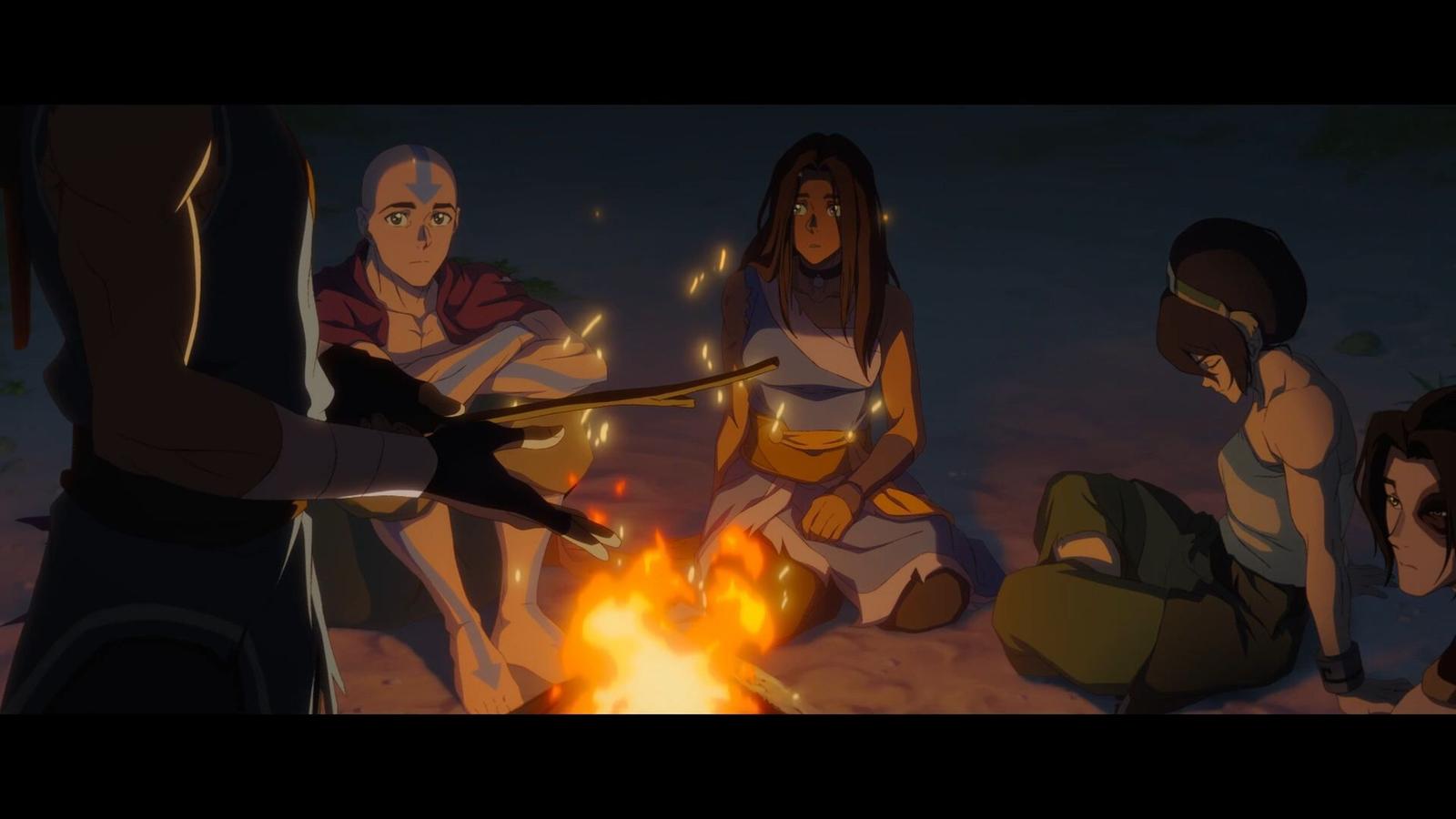
Finally, "Avatar Aang: The Last Airbender" was released – a direct sequel to "Avatar: The Last Airbender." It featured the grown-up heroes from "Team Avatar." The plot revolves around an ancient relic associated with Avatar Sonam. Aang, desperate to revive his people naturally, searches for a staff that would help him do so. In fact, we have a magic wand that turns airbending on and off for people, and at the same time destroys the logic of the world. The very existence of such an artifact devalues the uniqueness of Airbending as a culture and spiritual connection.
The animated film turned out to be beautiful, and the fight scenes were vivid and memorable. But Team Avatar played a supporting role in it, although each team member is a bright and interesting personality who deserves a separate adaptation.
Results of Degradation
"Avatar: The Last Airbender" was remembered by viewers as a vibrant cartoon. Its plot and well-developed characters appealed to adults and children. At the same time, it touched upon serious themes of war, the relationship between man and nature, universal balance, and human spiritual development.
The sequel, "Avatar: The Legend of Korra," tries to be darker, more serious, and realistic. At the same time, it violates the fundamental laws of the universe established in the original, which makes what is happening meaningless, and the complex philosophy of maintaining balance in the world is reduced to a banal struggle between good and evil.
"Avatar Aang: The Last Airbender" proves that quality cartoons can still be created within the universe. But the existence of a staff that turns people into airbenders goes against the very idea of benders, as well as their relationship with nature — even if it is beautifully drawn.
Never miss our newsAdd this site to your preferred sources to see us more oftenAdd on Google