Vice City then and now: GTA VI vs. Vice City
Translated with AI from the Russian original.
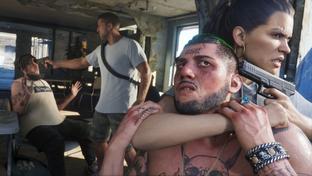
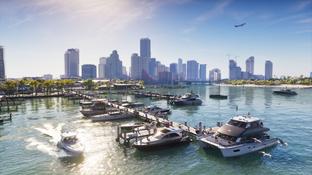
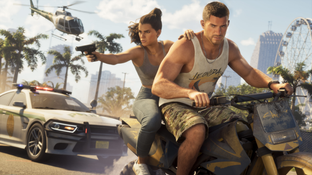
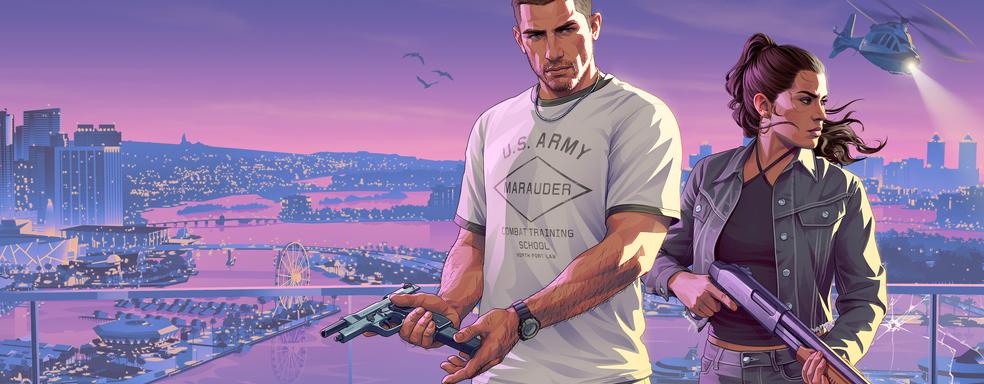
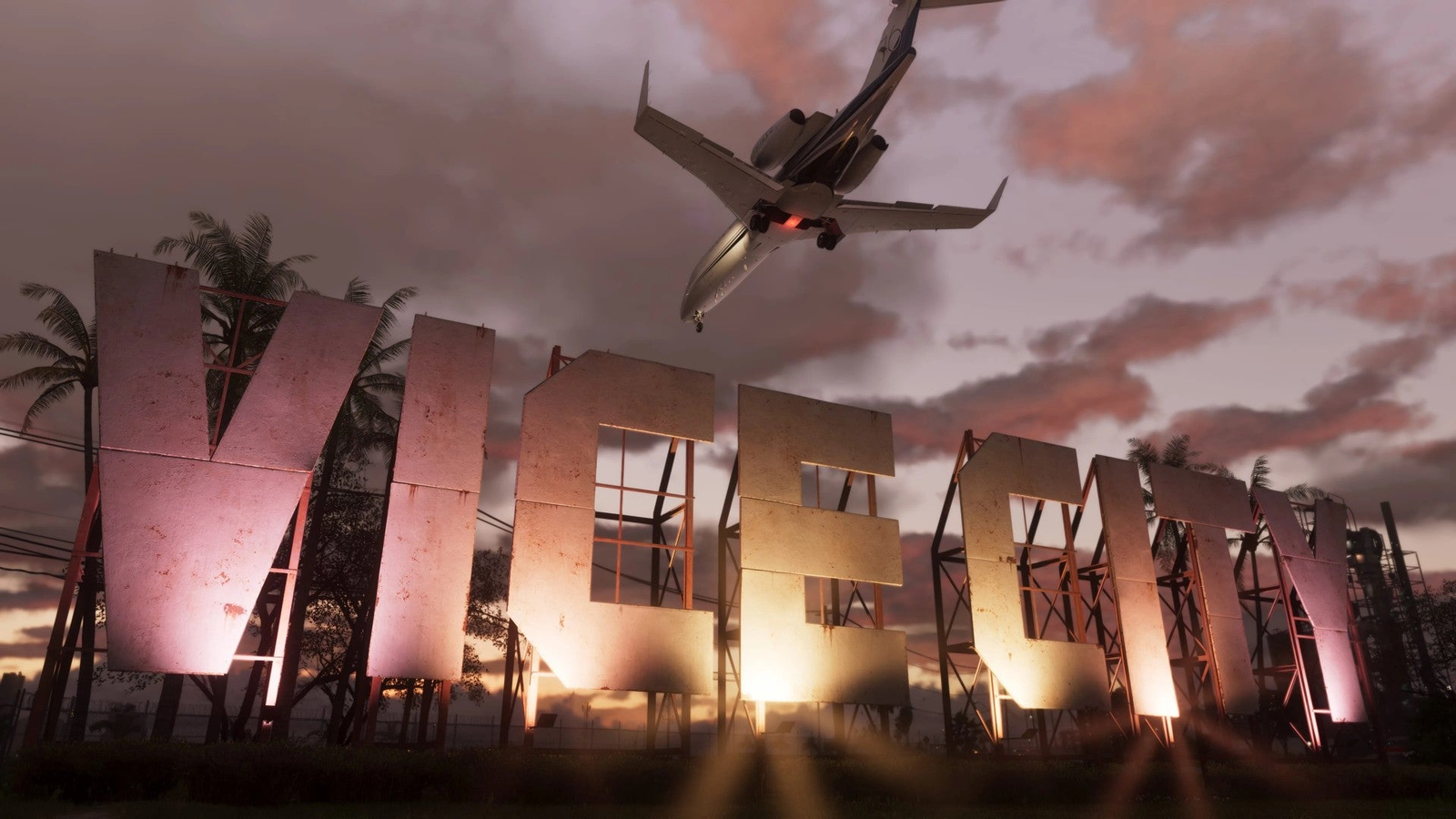
The release of Grand Theft Auto VI is right around the corner. For the first time since 2002, the setting of a mainline entry in the franchise will be Vice City, based on real-life Miami. We decided to show you how the game world has changed over 24 years—and just how closely it will resemble the real Florida.
Overall evolution
The first thing that catches your eye when comparing the 2002 game and “VI” is the colossal difference in the size of the game worlds. The map area in GTA Vice City is estimated at roughly 9.11 km², which was an enormous territory for its time. And although GTA San Andreas nearly quadrupled those dimensions just two years later, it fell significantly short of “Vice City” in terms of building density.
The game world of GTA VI is the state of Leonida, modeled after real-life Florida. Rockstar has officially confirmed that its scale vastly surpasses anything they have done before. Various estimates put the map size anywhere between 150 and 250 square kilometers. For comparison: fan estimates place the world area of Red Dead Redemption 2 at 75 square kilometers, while in GTA 5 it spans from 108 to 127 km², depending on the method used.
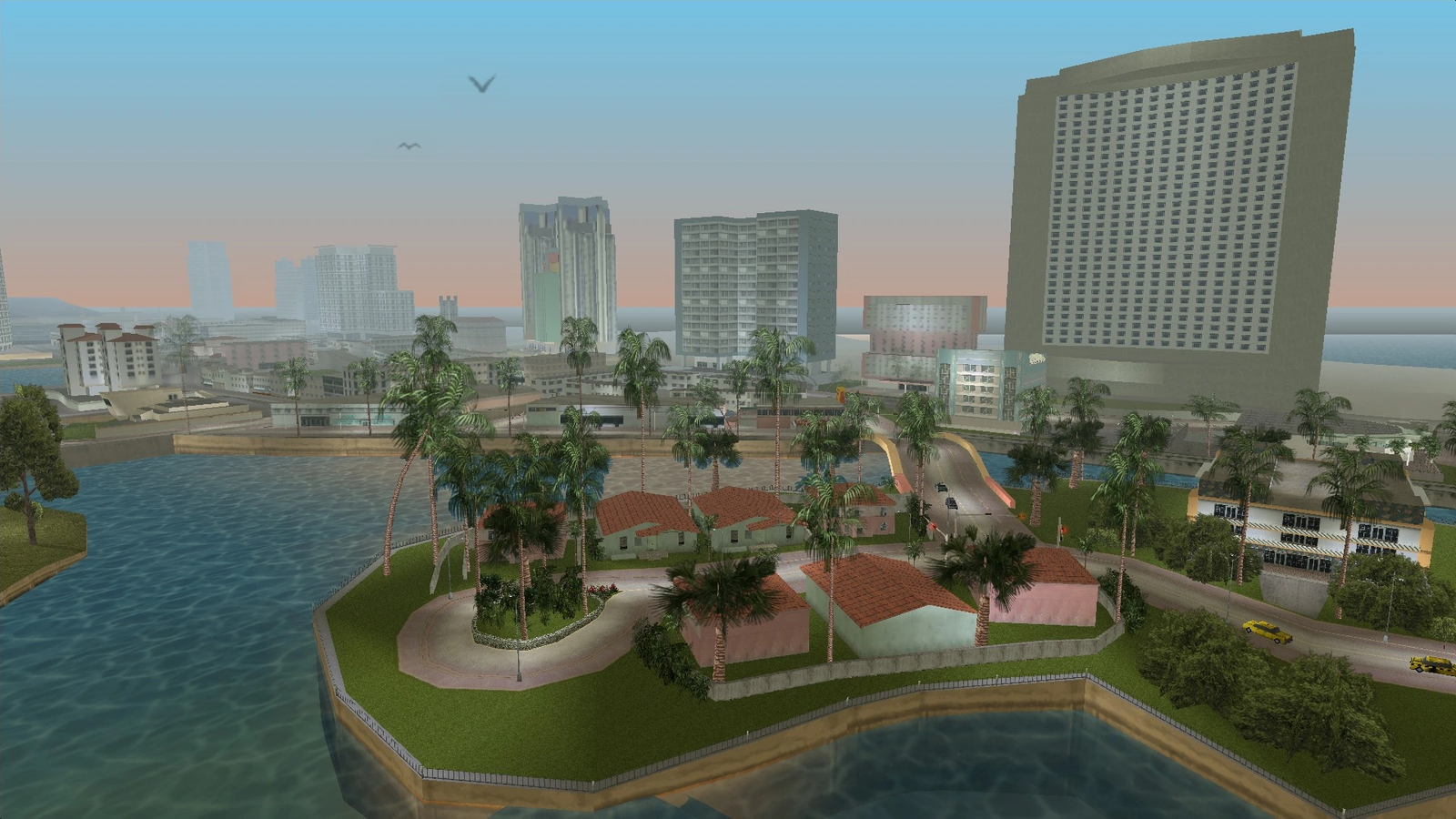
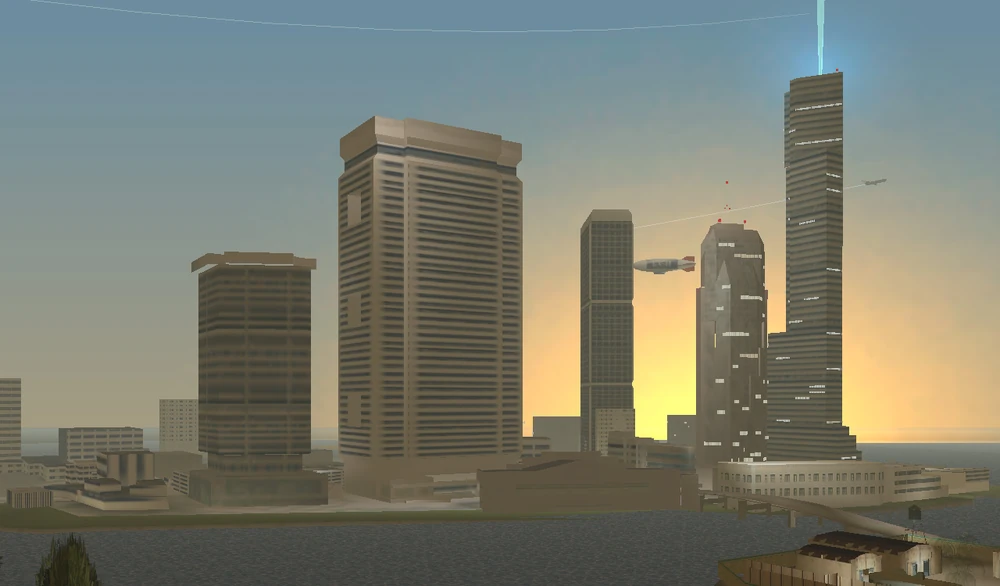
Another crucial aspect is the level of detail. In 2002, Vice City's locations were generic backdrops assembled from repeating assets. Back then, the city was a cluster of tall yet geometrically simple buildings serving as a background for the story.
In GTA VI, the world is the result of meticulous pinpoint reconstruction. The changes affect not just graphics, but the entire approach: the developers replicated specific streets, buildings, and landmarks across Miami and the entire state, reflecting the evolution of technology and Rockstar itself over the nearly quarter of a century separating the games.
The promenade and the mansion
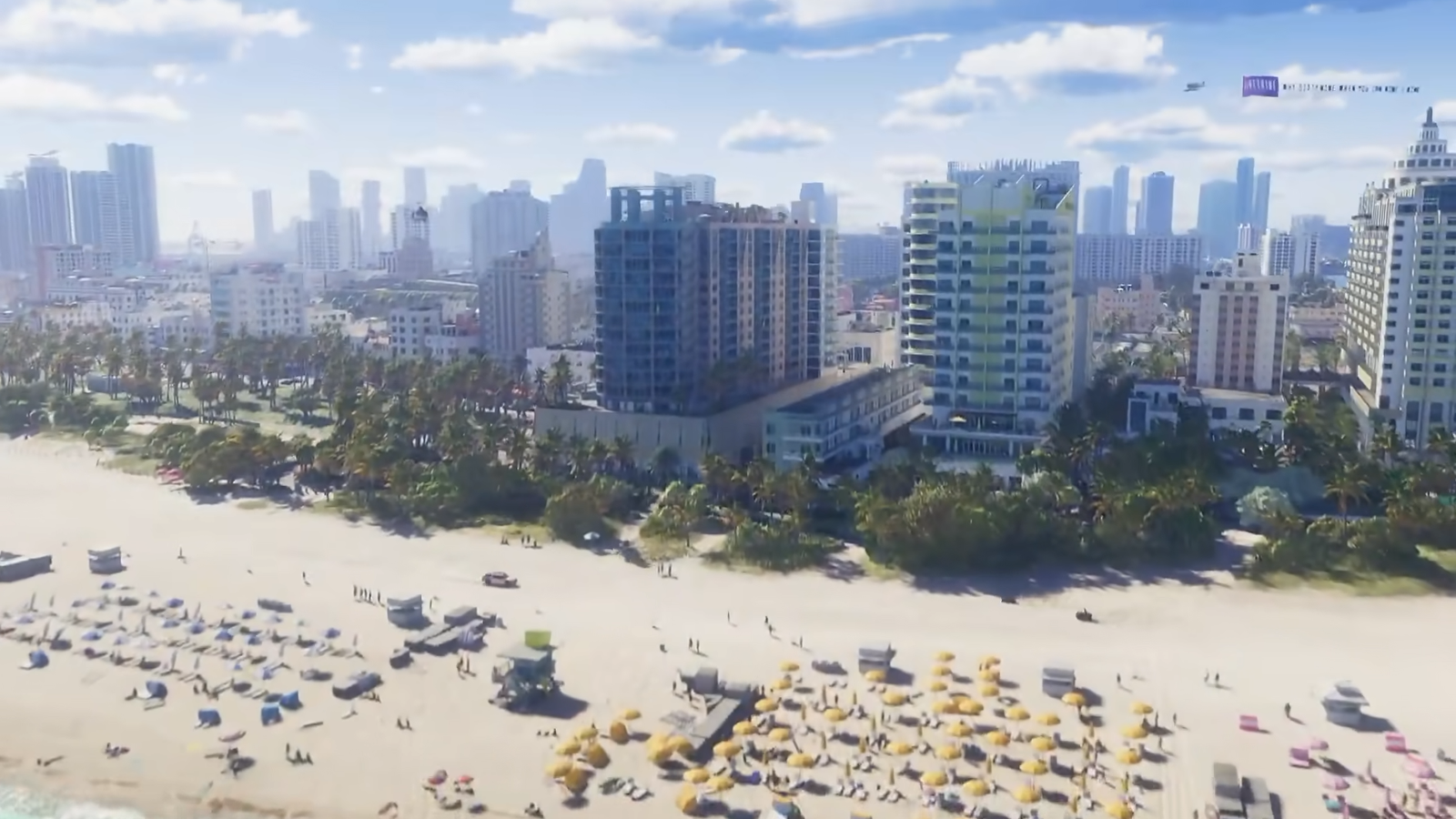
A prime example is the iconic Ocean Drive, which stretches along the eastern edge of South Beach and is famous from “Scarface” or “Miami Vice.” It is the quintessential calling card of Miami Beach, lined with historic Art Deco buildings.
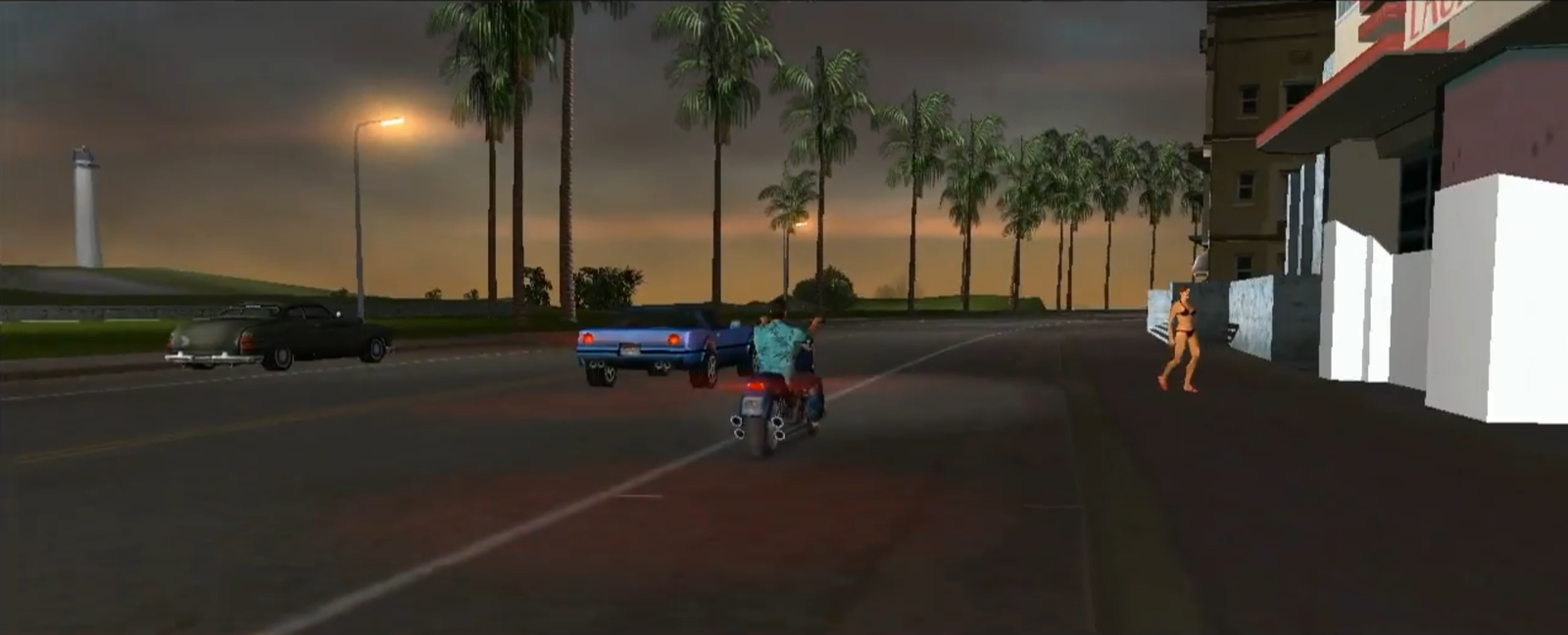
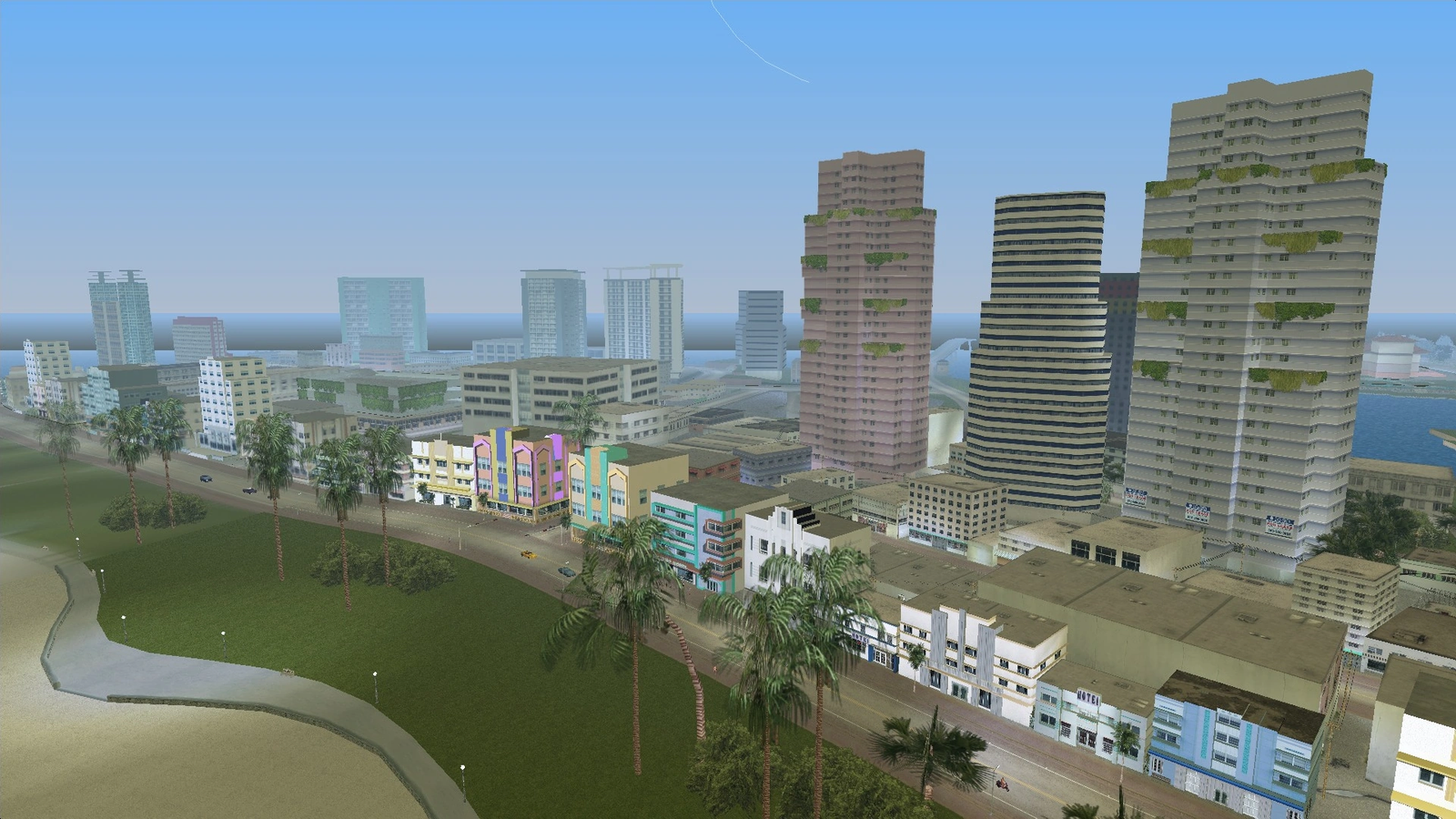
In the original Vice City, it was simply a long beachfront strip lined with neon signs and hotels. However, most of the buildings were either non-interactive “boxes” without interiors or duplicates placed along the avenue. Recognizing a specific hotel was impossible, as the developers aimed to capture an aesthetic rather than replicate a real location down to the smallest detail.
In GTA VI, things are completely different. Rockstar recreated real buildings while reflecting their heritage. For example, the Breakwater Hotel became Hotel Boardwalk, while the adjacent Victor Hotel, designed by architect L. Murray Dixon in 1937, was turned into Hotel Dixon. Its name serves as a direct nod to the creator of the original building.
Art Deco facades, palm tree placement, streetlamps, and sidewalks have been reproduced with pinpoint accuracy. The developers have long been known for their passion for intricate detail, which has reached an entirely new level here.
Another point of comparison is “Diaz’s Mansion” from GTA Vice City. Back then, it was a gang stronghold on Starfish Island, but few knew that it had a real-life prototype.
The estate was modeled on the former winter residence of industrialist James Deering, located in Miami's Coconut Grove neighborhood, known as Vizcaya Museum & Gardens. It is an Italian Renaissance-style villa built in 1916.
In GTA VI, Starfish Island is still present, while the estate’s layout and style have become far more recognizable than in the 2002 version. Back then, it was just an “island fortress,” but now it is a fully realized historical landmark that is easy to identify.
Downtown and the Brickell district
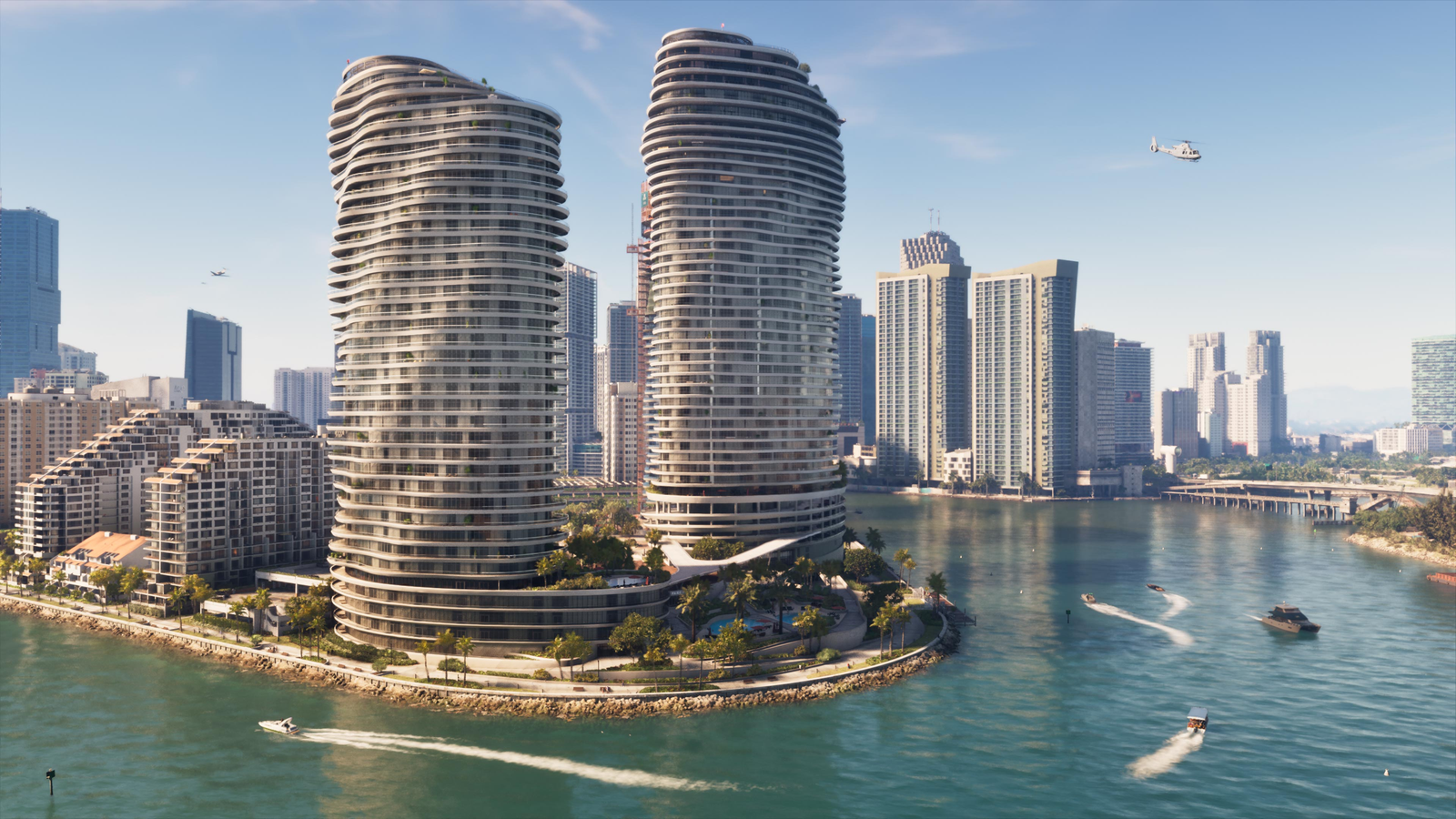
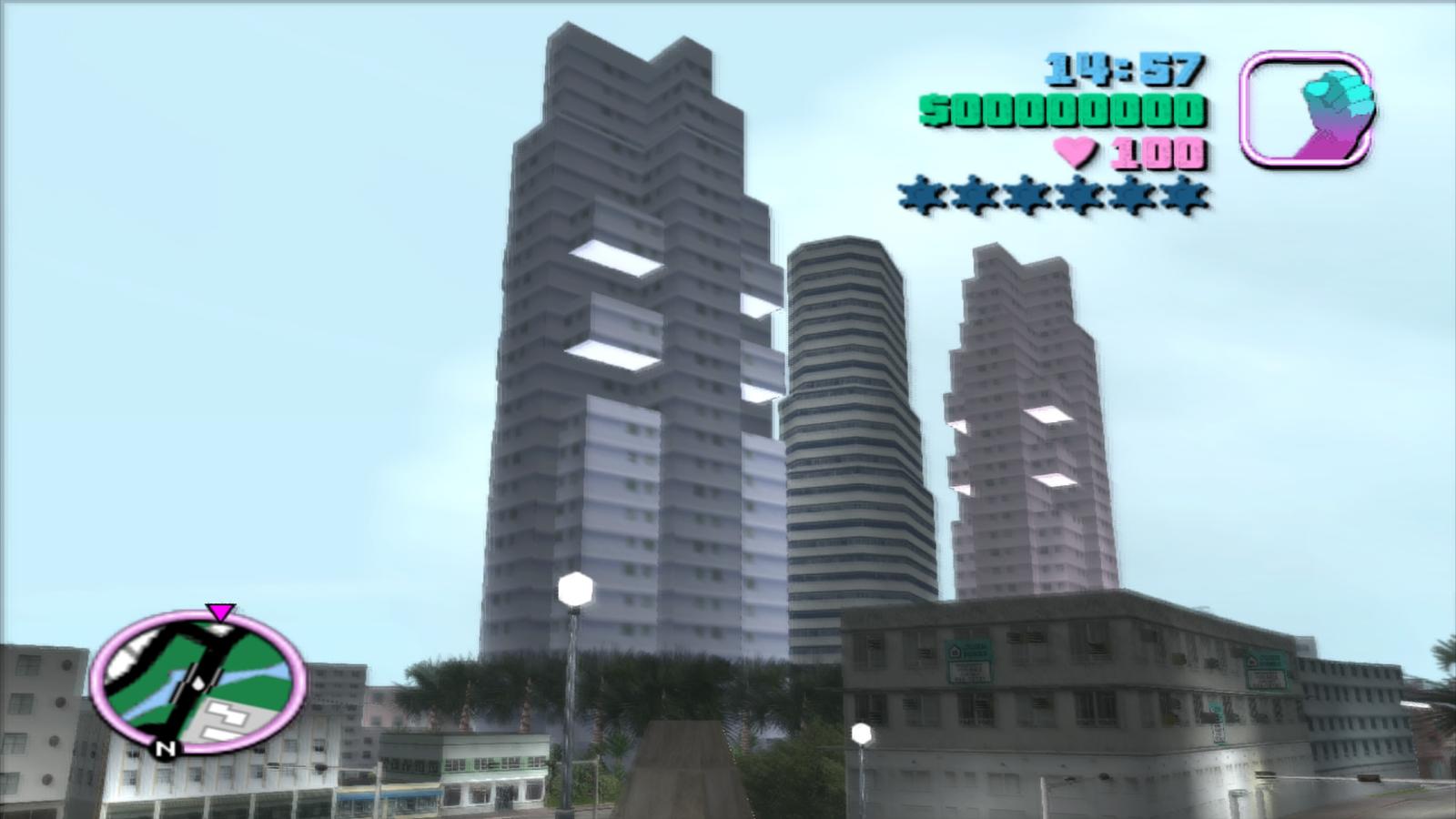
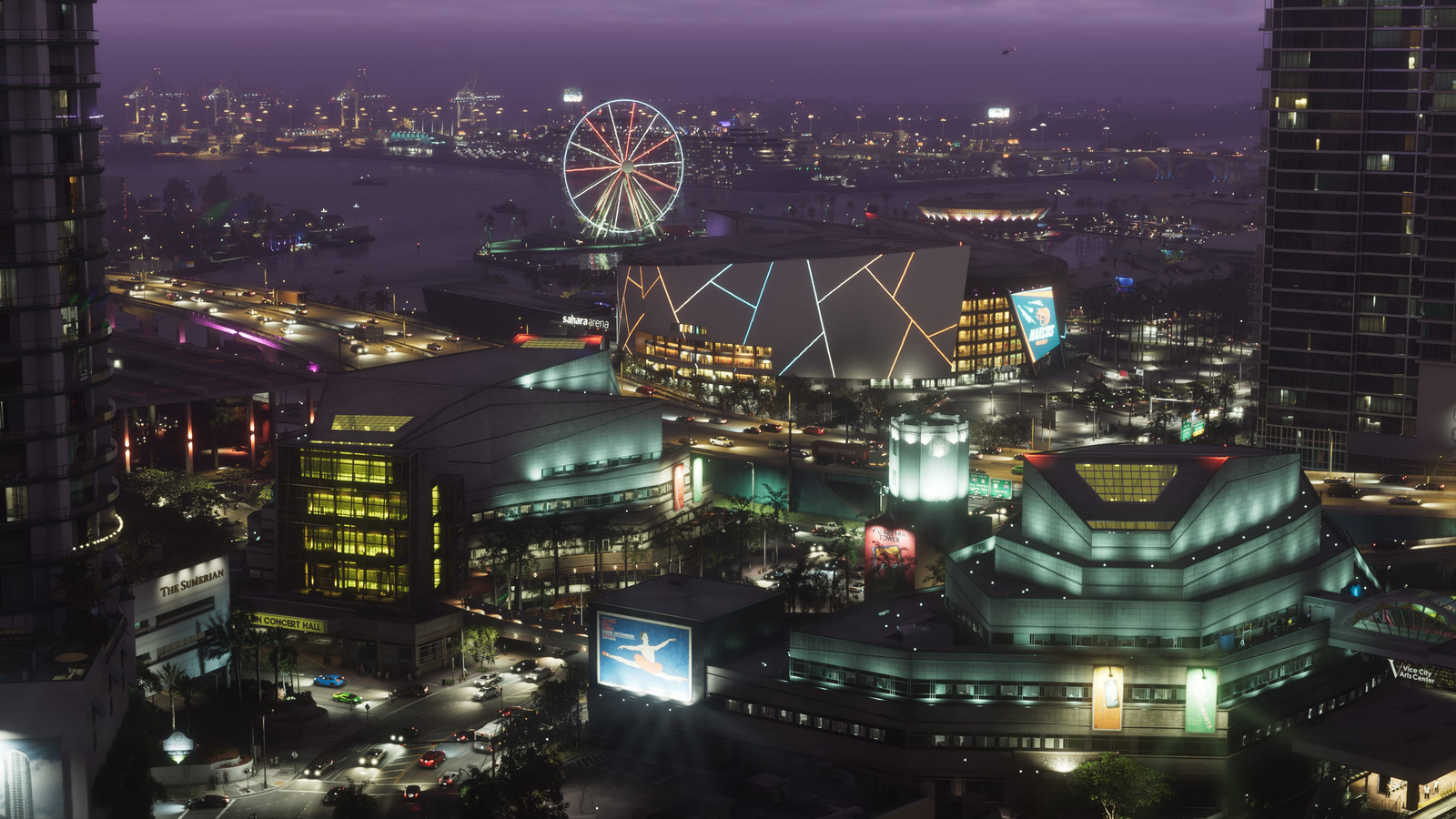
Comparing Downtown in Vice City and GTA VI, we also observe a transition from functional backdrops to a detailed reconstruction of real city blocks. In the older game, this district consisted of generic building silhouettes and mission staging grounds, whereas the new installment treats us to recognizable, densely populated, and structurally complex environments.
In “VI,” skyscrapers feature authentic architectural geometry, glass facades, and detailed interiors visible through the windows—something technically impossible back in 2002. Many buildings were not invented from scratch, but rather based on real-world counterparts.
For instance, the One Biscayne Tower office center was turned into the headquarters of Megamundo, a satirical media conglomerate parodying the American TV network Telemundo. Meanwhile, the building retains recognizable features such as its base with splayed white columns and a tall rooftop radio tower.
The Kaseya Center sports complex was also recreated, rebranded in-game as the Sahara Arena. However, there are differences: the real venue features a sleek white exterior finish, while the in-game counterpart appears darker, accented by zigzagging light strips and spotlights that evoke a show atmosphere.
A billboard reading “Welcome to Vice City” sits atop the Sahara Arena. It was installed on the roof of the real Kaseya Center as part of the game's promotional campaign, weaving real Miami and the updated Vice City even closer together.
In the new game, one can spot the intersection of 15th Street and Biscayne Boulevard located in downtown Miami, including the pedestrian skybridge leading to the Metromover station. In the past, the city center was merely a cluster of abstract high-rises lacking distinct landmarks like this intersection.
The Skyviews Miami observation wheel, located at the Bayside Marketplace downtown, is also clearly recognizable.
In the original 2002 title, the Brickell financial district did not really exist as a distinct, recognizable neighborhood. It was simply lumped into Downtown, lacking both the signature waterfront promenade and the iconic residential high-rises that define this part of Miami today.
In GTA VI, Brickell will be one of the key locations. In the trailers, viewers can already spot several real buildings. For instance, Brickell on the River with its distinct lines and the 500 Brickell Condos with their unmistakable circular cutout between twin towers were faithfully recreated in the game.
Furthermore, among the 18 confirmed locations recreated by Rockstar, the Brickell skyline is listed as an independent architectural ensemble, highlighting its significance on the new map.
From Little Havana to Little Cuba
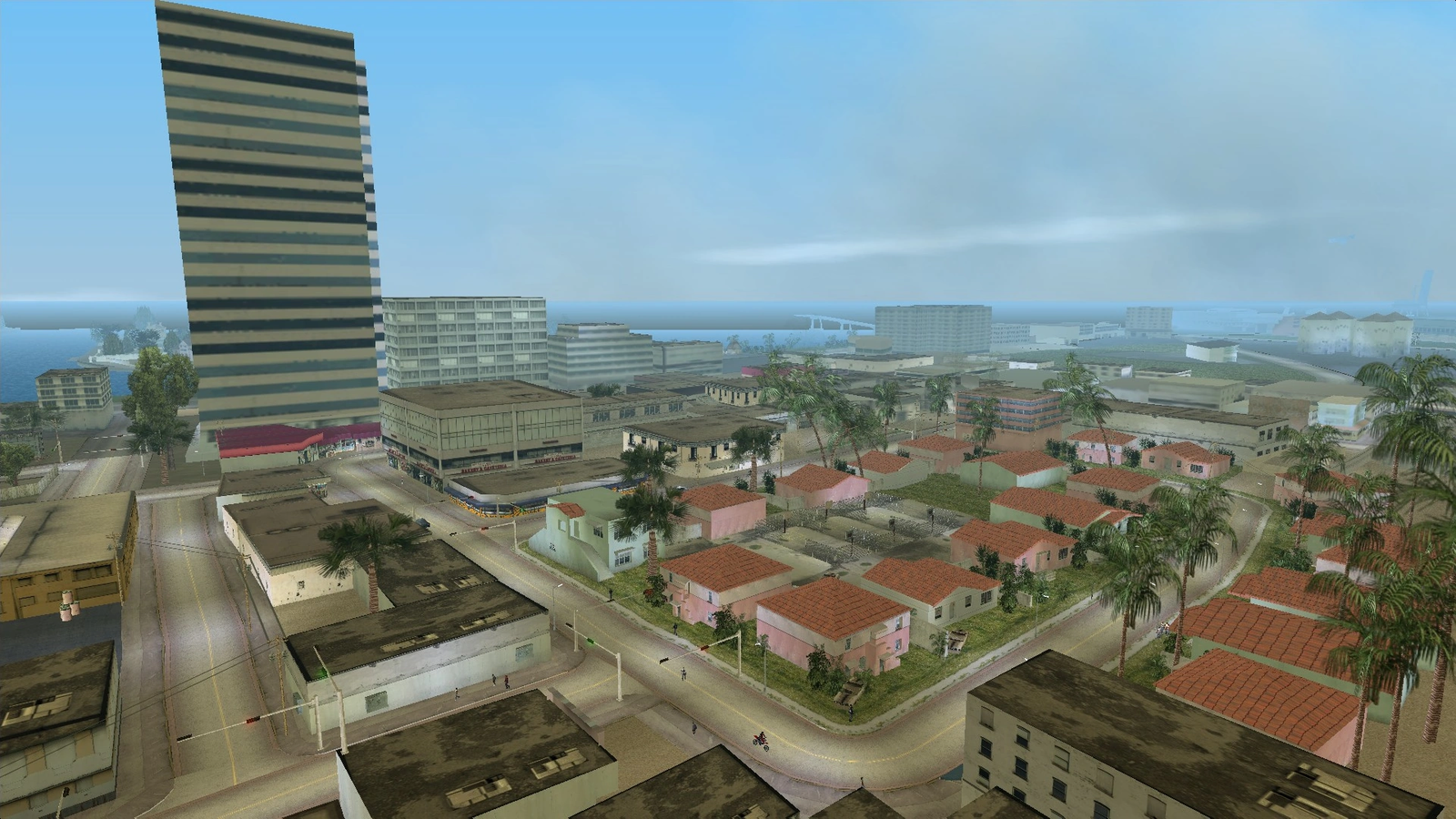
In Vice City, the Little Havana district was little more than set dressing with palm trees and Spanish signs. It served a narrow narrative purpose: serving as the headquarters of the Cuban gang led by Umberto Robina, as well as the hub for missions involving Kaufman Cabs. The area existed primarily as a backdrop for the Cuban-Haitian feud, without delving into the local culture.
In GTA VI, it is named Little Cuba and has evolved into a full-fledged recreation boasting high density, vibrant street life, and authentic atmosphere. Rockstar conducted on-site field research, engaging with locals to capture the neighborhood's genuine spirit rather than just its outward appearance.
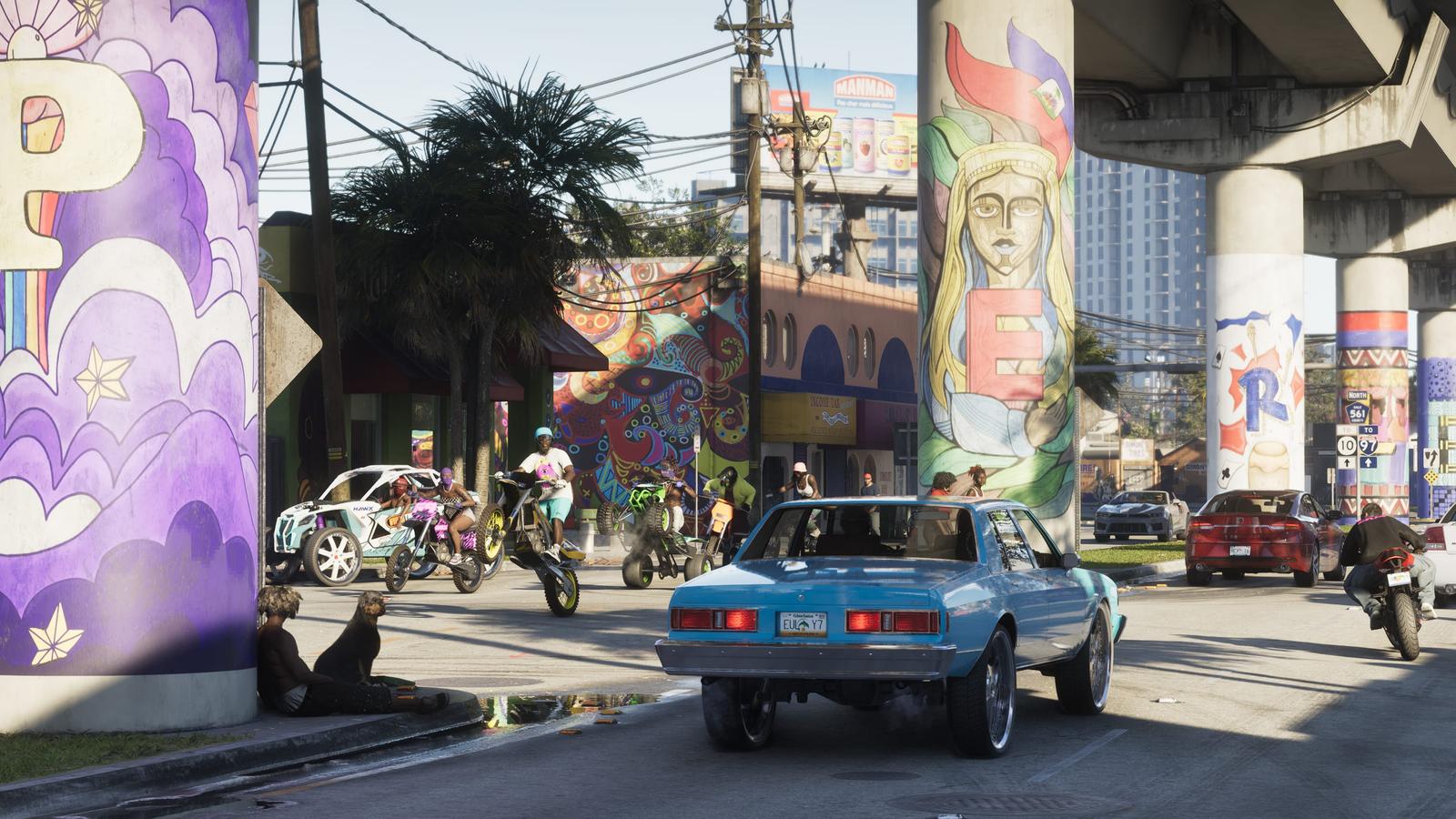
The developers abandoned the caricature-heavy approach of 2002 in favor of conveying true atmosphere. The official description mentions panaderías and Cuban-American establishments like cafecito walk-up windows serving coffee directly to the street, as well as family-run restaurants and cigar shops.
The trailers showcase Spanish signage, wall murals, and mixed residential-commercial developments. The real-world neighborhood is renowned for Domino Park, where elderly Cubans gather to play dominoes, and its love for salsa and reggaeton—both of which will likely be reflected in the game.
The project captures not just visuals like pastel facades and palms, but also the tactile feel of the city through humidity, street noise, and the vivacity of Latin American culture.
In GTA VI, this district deepens immersion and delivers a unique gameplay experience. Rockstar made Little Cuba a place teeming with life rather than just another spot on the map for a shootout.
Nature and the outskirts
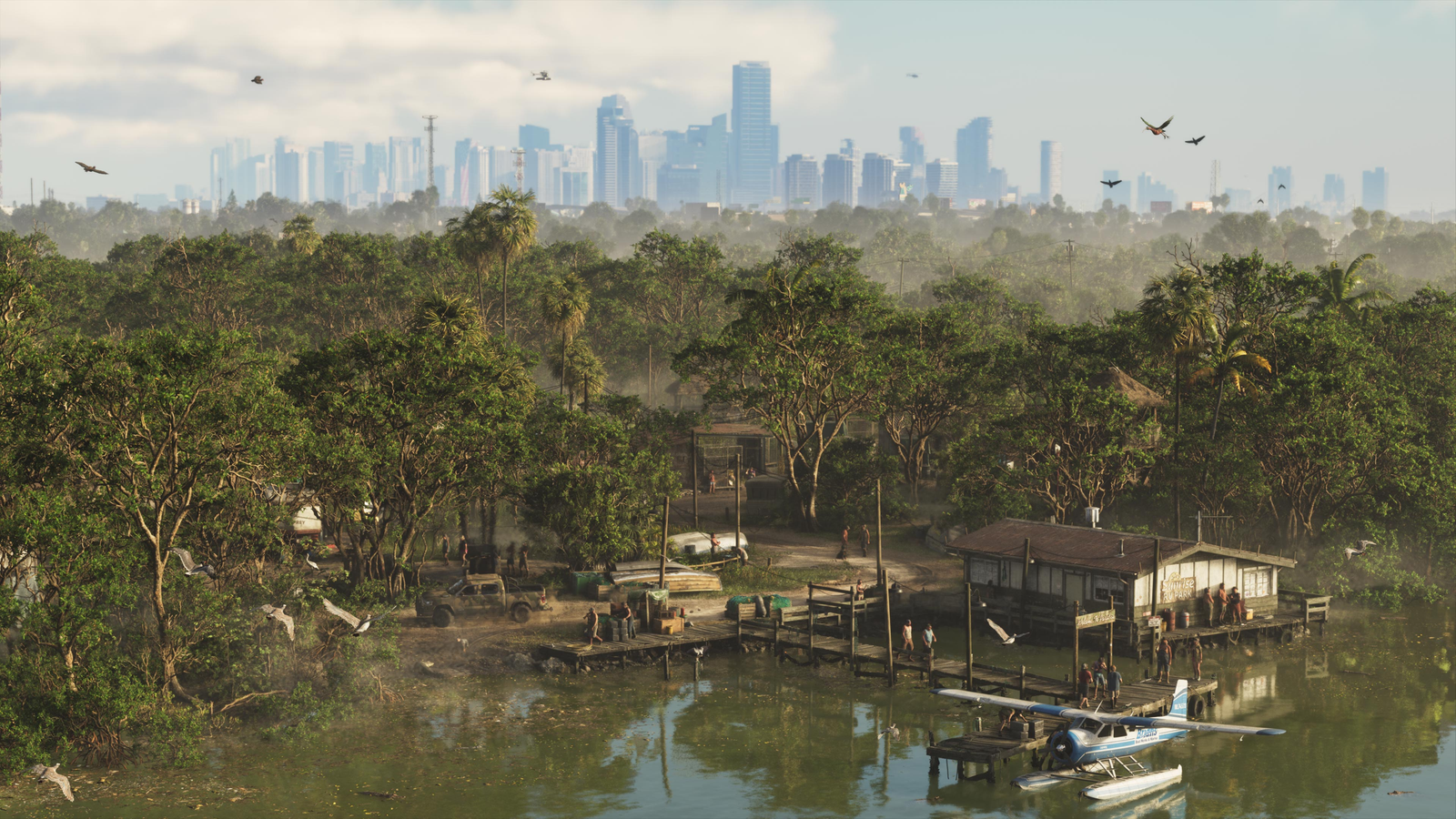
Nature and the surrounding areas also clearly reflect the contrast between the two games. In the original Vice City, there was virtually nothing beyond the city borders. Hardware limitations at the time kept distant views shrouded in fog, while nature consisted of flat textures—low-poly palm trees being a prime example. Now, however, we get detailed foliage with dynamic per-leaf shadows and realistic water reflections.
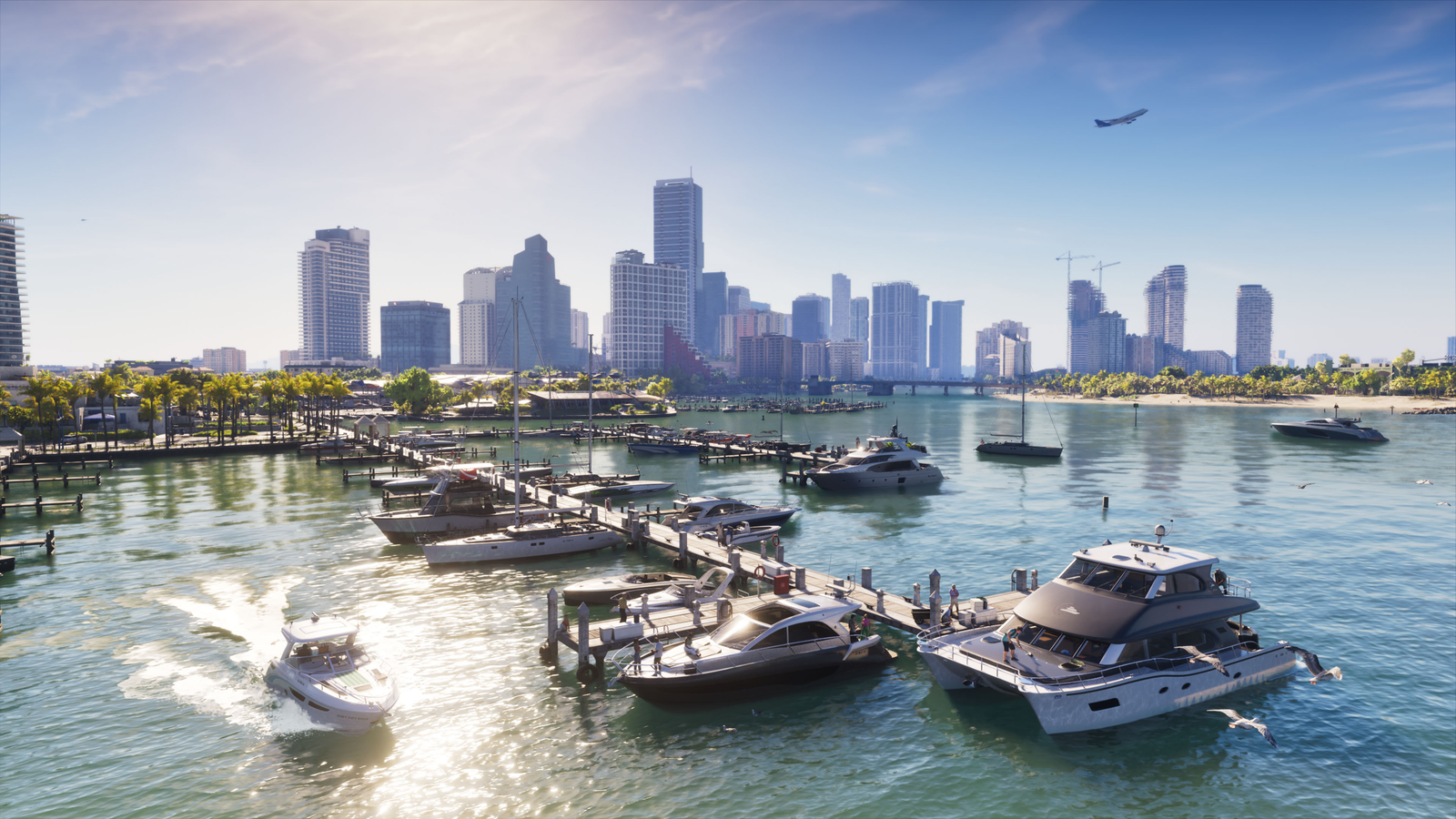
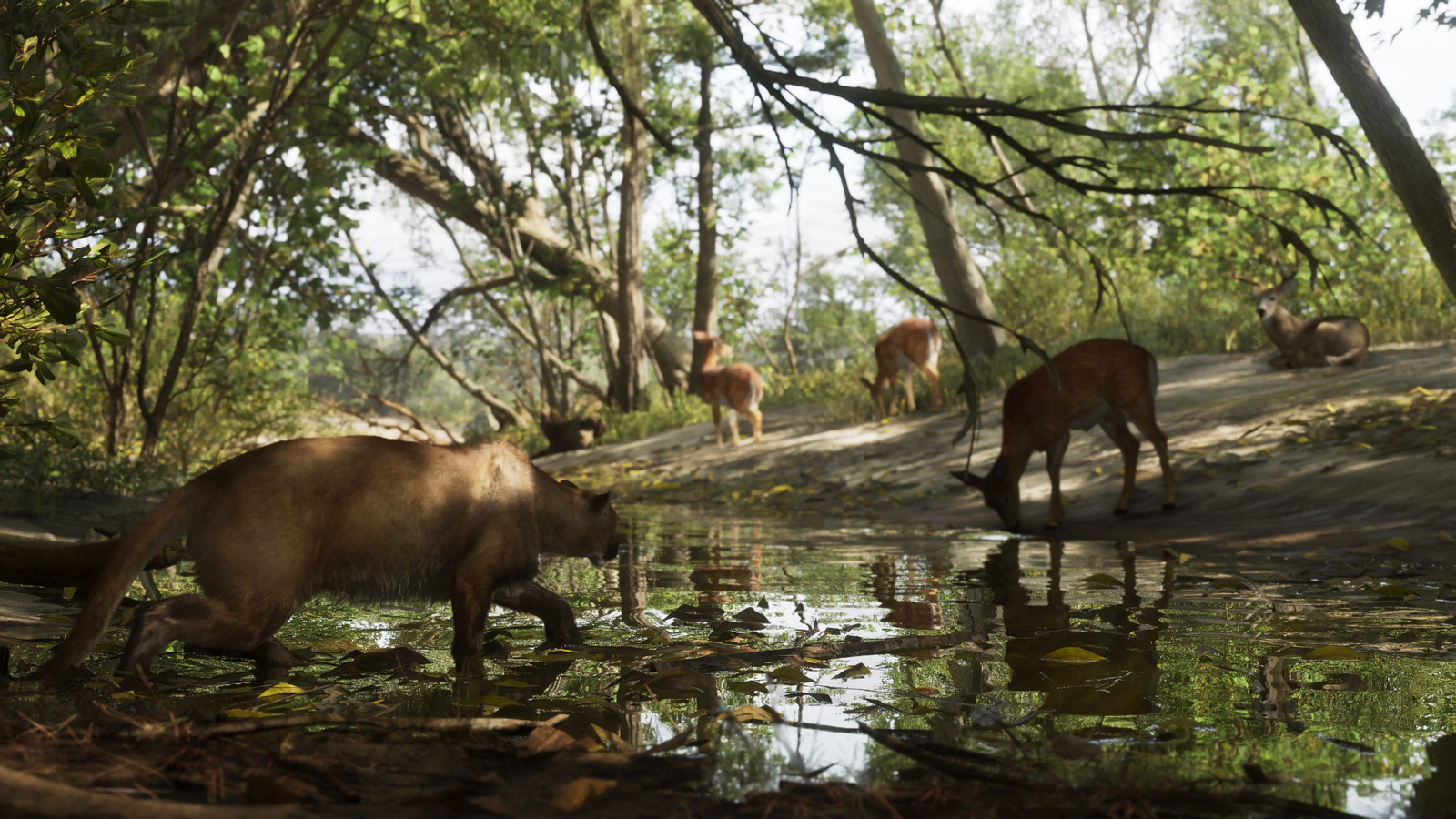
In GTA VI, the state of Leonida has been transformed into a fully realized ecosystem spanning six distinct regions, each with its own real-world prototype. Swamplands stand out in particular—environments that were absent before, as the PS2 engine was incapable of rendering such terrain.
In GTA VI, the Grassrivers region, inspired by the Everglades, has become one of the game world's standout locations. Here, the swamps serve as a distinct setting for covering up crime tracks, adding a stealthy edge to the gameplay. The trailer also showcased airboats skimming across the water alongside wildlife such as flamingos and alligators.
“VI” will also introduce the Florida Keys, which were completely missing from Vice City. In the footage, one can spot Key Largo with its signature structures: one with a blue roof, and another multi-story white building with terraces. Rockstar carried over the layout of lots, docks, and the coastline into the game virtually untouched.
The game will also feature a fictional national park along the border of Leonida and Georgia called Mount Kalaga National Park. It will offer bike trails, farmland, golf courses, and scattered rural settlements, enhancing the natural atmosphere and providing a break from cities and beaches.
Creative liberties
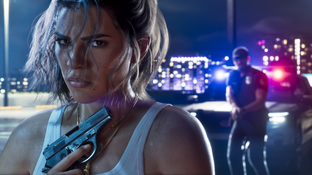
Even so, the world of GTA 6 will not be an exact replica of real-life Florida, as Rockstar deliberately altered certain locations. For example, the Jade Ocean high-rise, from which Lucia parachutes, was moved roughly 10 kilometers to the south. This was done to provide more striking camera angles that heighten the atmosphere.
Other locations remain in the game even though they no longer exist in real life. For instance, the Juvia bar, renamed Fluvia in-game, closed back in 2023. That same year, the house with a balcony that served as the prototype for Lucia’s home was demolished as well.
Another clear example of intentional artistic license is the Venetian Causeway and MacArthur Causeway. In 2002, they linked Miami Beach to the mainland as simple bridges, whereas in GTA VI, Rockstar deliberately narrowed the causeways and shortened the distances between bridges to make driving tighter and more dynamic. This illustrates that even with high-fidelity reconstruction, Rockstar does not hesitate to tweak real geography for the sake of gameplay.
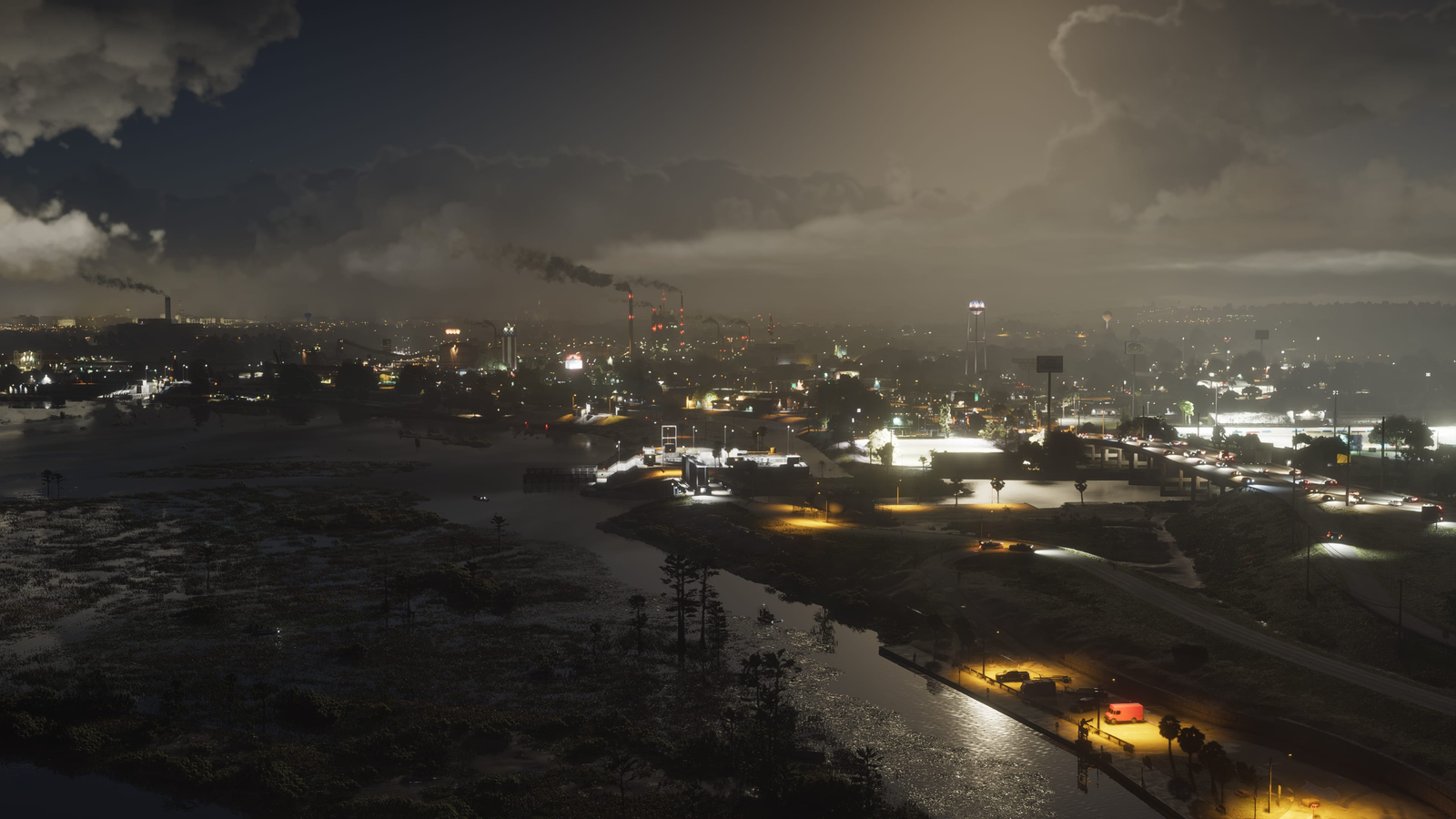
Furthermore, on-site scouting was conducted before the COVID-19 pandemic, so in some spots the city resembles vintage Miami rather than what it looks like today.
Rockstar also confirmed that the game will not feature 1:1 copies of Walt Disney World, SeaWorld, or Universal Studios. Senior Vice President of Environment Art Paul McPherson explained that they select elements that best serve the game rather than blindly copying everything. This means in-game Leonida exists not as a digital tourism simulator, but as a meticulously crafted ecosystem tailored to the gameplay and its central theme—criminal underworld conflicts.
Never miss our newsAdd this site to your preferred sources to see us more oftenAdd on Google