EU launches investigation into Minecraft, Valorant, Candy Crush, and other games over in-game purchases
Translated with AI from the Russian original.
In parallel, the CPC Network is taking separate actions against Activision Blizzard regarding Diablo Immortal and Call of Duty: Mobile.
European consumer protection authorities have launched a large-scale investigation into monetization practices in video games. The Consumer Protection Cooperation (CPC) network, which unites national regulators of EU countries, is coordinating the effort. The reason for the investigation is concerns about the use of virtual currencies, in-game purchases, and methods that may push players towards additional spending.
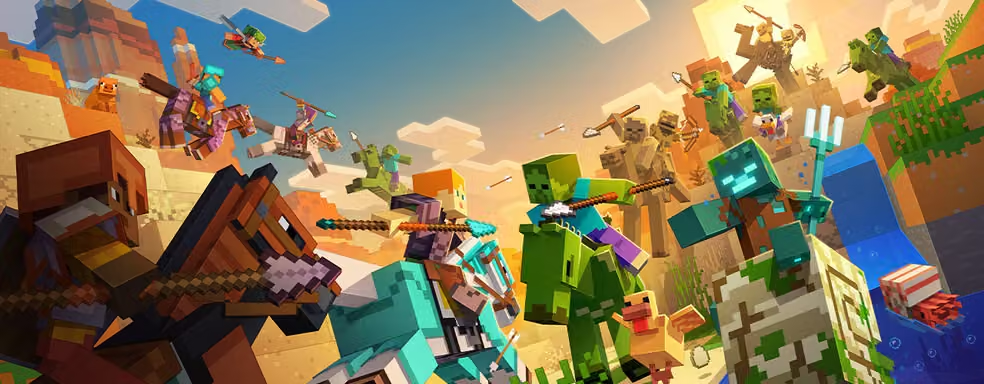
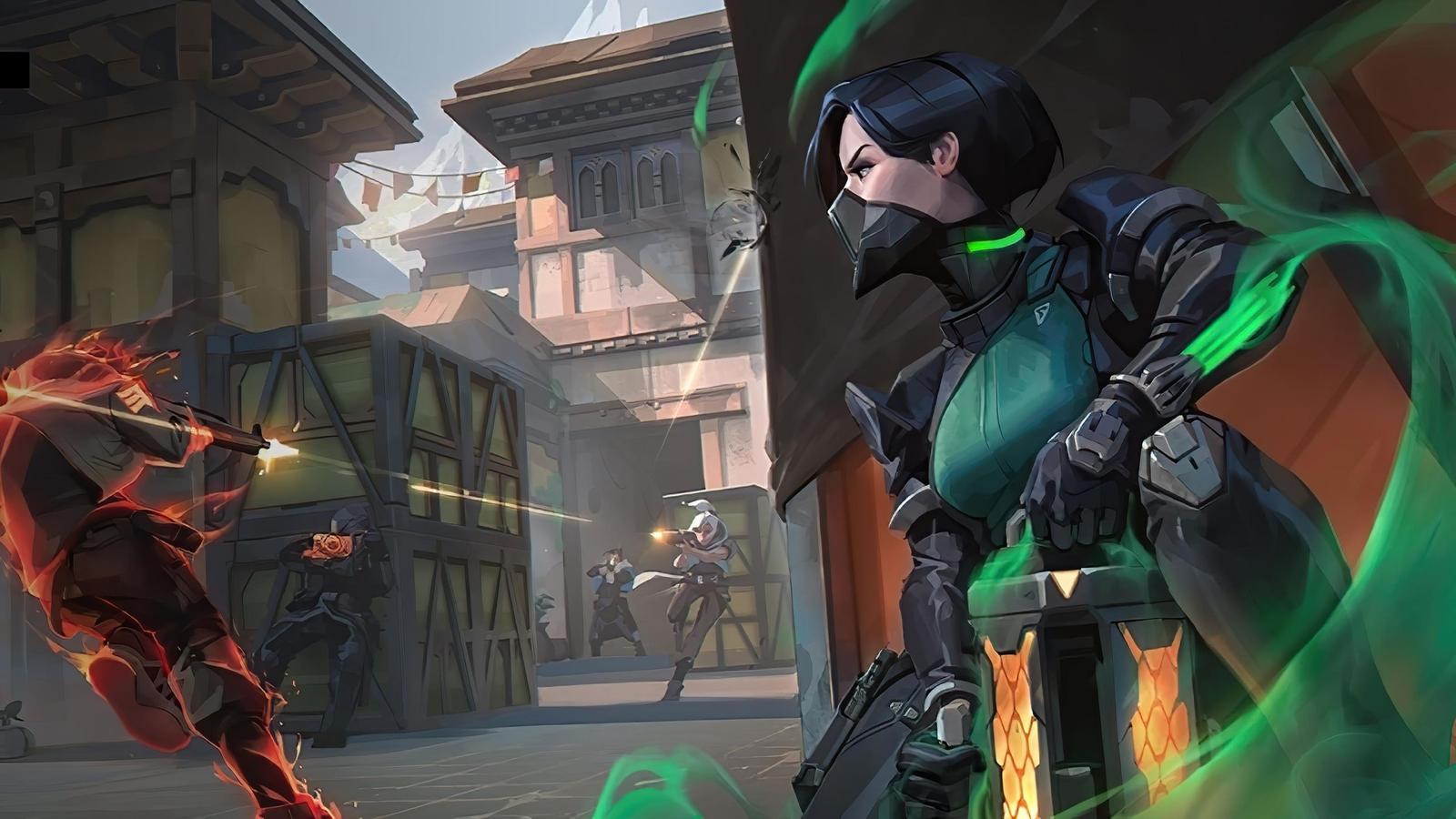
As part of the current investigation, regulators will focus on nine games: Hunt: Showdown 1896, Forge of Empires, Candy Crush Saga, Minecraft, Mech Arena, Gardenscapes, Valorant, Clash of Clans, and For Honor. The companies facing claims include Crytek, InnoGames, King, Mojang, Plarium, Riot Games, Supercell, and Ubisoft.
European regulators believe that players should understand the real cost of the content they are purchasing before making a transaction. Therefore, the cost of virtual currency and items should be presented transparently, and the use of multiple currencies or complex exchange rates should not obscure the actual price.
Particular attention is paid to situations where a player has to buy more virtual currency than is needed for a specific item. For example, if a purchase costs a hypothetical 4 euros, the user should not be forced to buy a currency pack for 5.99 euros simply because a smaller pack is not available in the game.
Regulators are also examining loot boxes, misleading countdown timers, claims of item scarcity, and other mechanics that can create pressure on players and push them to make purchases. This is not about a complete ban on such systems, but about checking their compliance with existing EU consumer protection legislation.
European authorities demand that players receive clear information about the purchased item and its price before payment. In addition, users must be informed about the legally mandated 14-day right of withdrawal from a purchase, when applicable.
Developers and publishers are reminded of the need to consider the vulnerability of minors, ensure appropriate parental controls, and not use commercial mechanics that may exploit children's behavioral traits. The European Commission has previously indicated that gaming services should provide clear information about virtual currencies and purchases, adapted for minors.
Read more on the topic:
Never miss our newsAdd this site to your preferred sources to see us more oftenAdd on Google