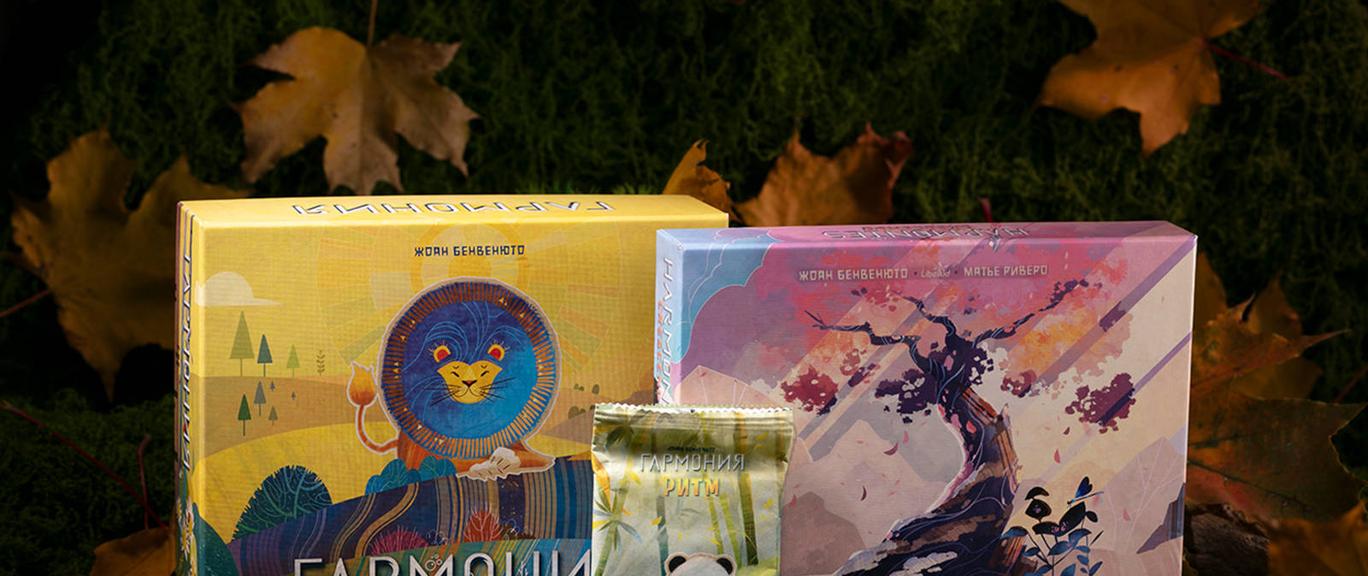
Publisher Crowd Games has released the “Rhythm” and “Crescendo” expansions for the board game “Harmonies”, in which players create a three-dimensional corner of wildlife.
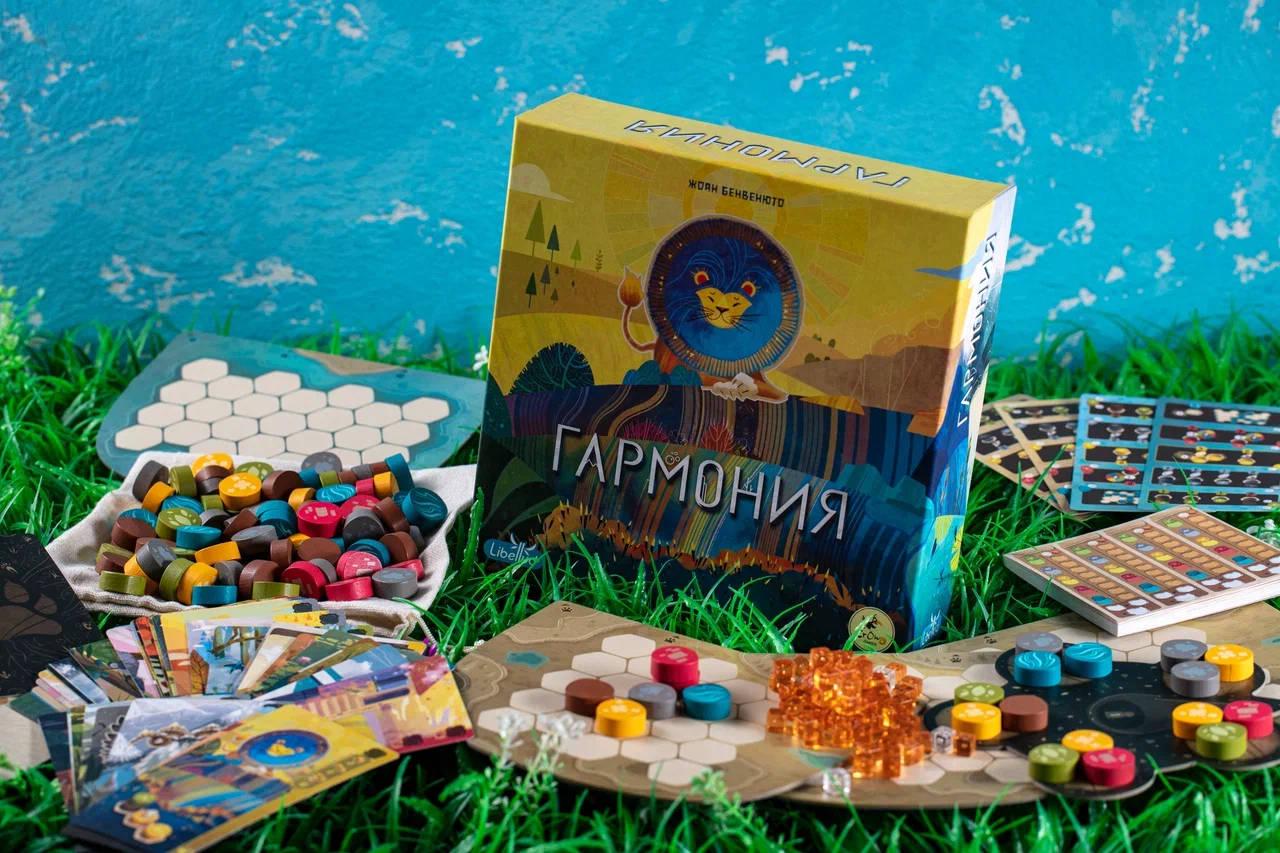
In the three years since its release, the project has climbed to second place in the abstract games ranking and seventh in the family games ranking on BoardGameGeek. Three print runs have already been released in Russian, and a fourth is currently in preparation. In addition, “Harmonies” has won numerous prestigious board game awards.
Currently, the base game can be purchased for 3,990 rubles, the “Rhythm” expansion for 590 rubles, the “Crescendo” expansion for 1,590 rubles, the complete set of all expansions for 2,180 rubles, and the bundle with the game and both expansions for 6,170 rubles.
“Rhythm” does not alter the base rules, but enriches the game with new animals that favor complex habitats composed of three landscape types simultaneously.
The “Crescendo” expansion consists of several modules. It introduces nature reserves—stacks of tokens of two landscape types that are not permitted under the standard rules. In these locations, players can place the final animal from any card whose color matches one of the reserve's landscape types. In addition, at the end of the game, players receive extra points for landscapes of the same type positioned around the reserve.
Strokes have also been added. Stroke cards are similar to animal cards. The player takes them from the market, builds a matching habitat, and places a marker on the board, earning points for them at the end of the game. A stroke marker differs in that it can share a landscape token with other markers: an animal or a nature spirit.
Furthermore, new player boards have become available. One side of the board compels players to rethink their typical landscape placement: there is more space here, and the cell layout differs from the standard one. Scoring conditions for buildings become more demanding, but players can earn significantly more points.
The other side poses a real challenge to the player's experience and ingenuity. Most of the play area is filled with arid spaces: trees and fields placed on them do not yield victory points. For such a space to become standard, water must be adjacent to it. Consequently, players will have to compete with opponents for every single blue token.