
Intel accused of hiding crisis. Shareholders sue company head
Translated with AI from the Russian original.
Intel shareholders have demanded compensation through the court from the company and its executives, claiming that investors were not warned about the true state of PC demand.
Intel, its CEO Lip-Bu Tan, and CFO David Zinsner became defendants in a class-action lawsuit filed by shareholders who accused the company of concealing the extent of the PC market downturn and the accumulation of unsold computers at partners. The reason for the legal action was a nearly 29% drop in the company's shares in a single day.
The lawsuit was filed on November 13 in a California federal court. It concerns investors who purchased Intel shares between July 23 and October 29, 2026. The plaintiffs are seeking compensation, the amount of which has not yet been determined.
According to their version, Intel knew that computer sales were significantly weaker than public forecasts. The Client Computing and Physical AI Group division suffered particularly: its revenue shrank by hundreds of millions of dollars compared to the previous quarter. Additional problems were created by stockpiles of PCs accumulated at partners and rising component costs, primarily DRAM and NAND memory.
The plaintiffs pay special attention to August, when Intel raised about $23 billion by selling shares at $95 apiece. On October 29, the company downgraded its fourth-quarter forecast and warned of a prolonged slump in the computer market. The next day, the stock fell by 28.6%, and market capitalization decreased by approximately $140 billion.
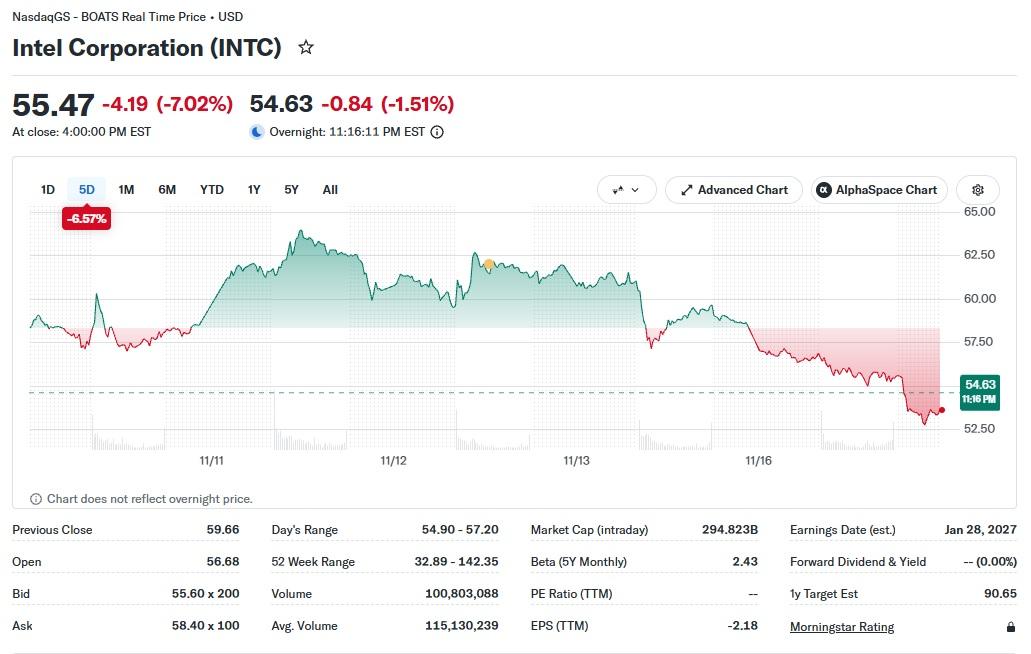
Lip-Bu Tan then acknowledged manufacturing difficulties and called the situation an “unprecedented memory crisis.” At the same time, the court has not yet established the guilt of the management, and the class-action status of the plaintiffs has not been approved.
Never miss our newsAdd this site to your preferred sources to see us more oftenAdd on Google