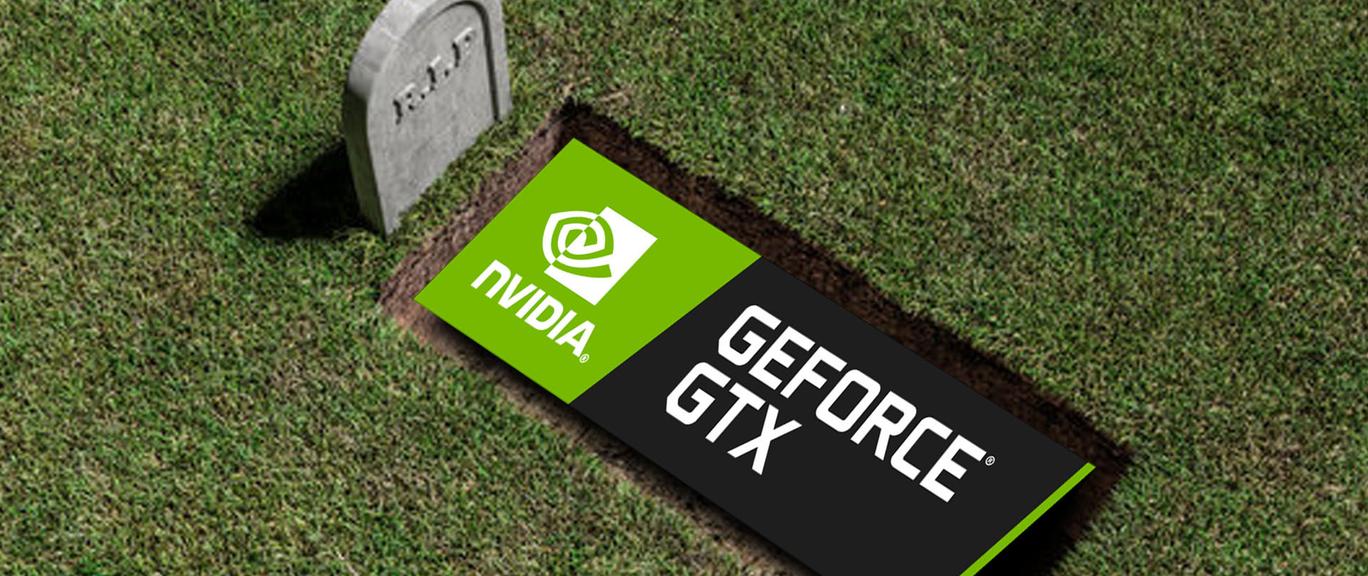
For many years, company founder and CEO Jensen Huang has maintained a special attitude toward the gaming division, which made NVIDIA famous. However, after his departure, future leaders could reassess business priorities, putting even more focus on artificial intelligence and data centers.
In the last fiscal year, NVIDIA’s gaming division set a record by generating around $16 billion. However, these figures were relatively small compared to revenues from the server business. Furthermore, this year the company stopped reporting the gaming business's financial results separately, merging it with other segments into the Edge Computing category. This category also includes workstations, consoles, robotics, automotive technology, and telecommunications equipment.
In the most recent reporting quarter, total revenue for this category was $7.2 billion. For comparison, the data center division brought NVIDIA around $89 billion. Thus, all business lines outside of data centers accounted for only about 7.5% of the company’s total revenue. In its latest financial report, NVIDIA did not even mention GeForce or the gaming market.
Under Jensen Huang, the gaming division largely retained its standing thanks to the CEO’s personal attachment to the business where the company’s history began. At the GTC conference in March, he called modern NVIDIA “the house that GeForce built,” emphasizing the importance of gaming graphics cards to developing the technologies that later allowed the company to take a leading position in the artificial intelligence market.
A change in leadership could further complicate GeForce’s position. A new head of NVIDIA, lacking Huang’s historical attachment to the gaming business, may view it purely from a financial standpoint. In that case, manufacturing consumer graphics cards would be less attractive compared to producing data center accelerators, which compete for the same resources, including memory and TSMC manufacturing capacity.
However, abandoning GeForce completely would not be easy for NVIDIA. Gaming graphics cards remain one of the primary ways developers and students are introduced to the CUDA platform, which has become a crucial part of the company’s ecosystem. In addition, consumer and server GPUs share a common architectural foundation, meaning research and development in one area can benefit the other.