Ubisoft called Skull and Bones an “AAAA game” — and had to answer for its words in court
Translated with AI from the Russian original.
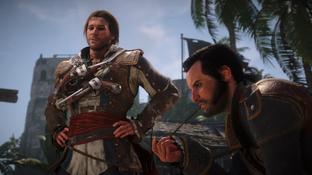
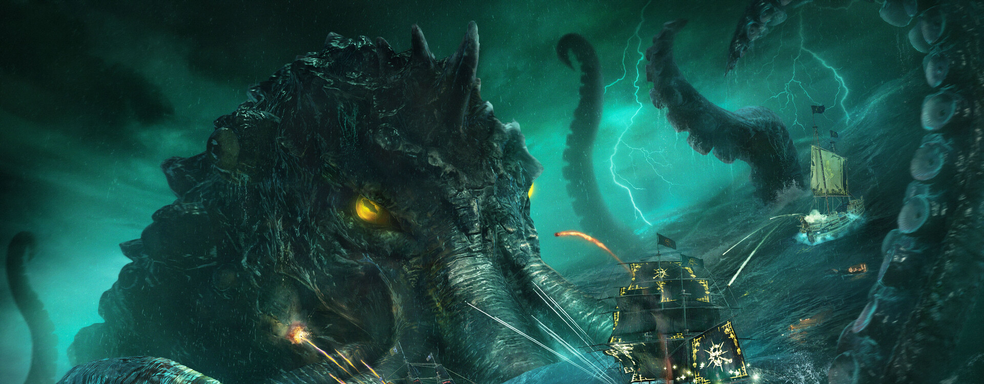
Recently, gamers once again recalled the once-sensational Skull and Bones — this time due to legal proceedings. The online pirate game was in development for many years and was dubbed the world’s first “AAAA” video game, but the release version failed to impress many players and faced criticism.
It has become known that Ubisoft literally had to answer in court for its words regarding “AAAA”. An American gamer (and lawyer) filed a lawsuit against the company, accusing it of violating the Kansas Consumer Protection Act.
Game File reported that the lawsuit was filed back in 2025. The reason for it was the words of Ubisoft boss Yves Guillemot: during a conversation with investors, he called Skull and Bones an “AAAA” game and explained its $70 price tag by stating that it was “very big” and “comprehensive and complete” (i.e., rich in content).
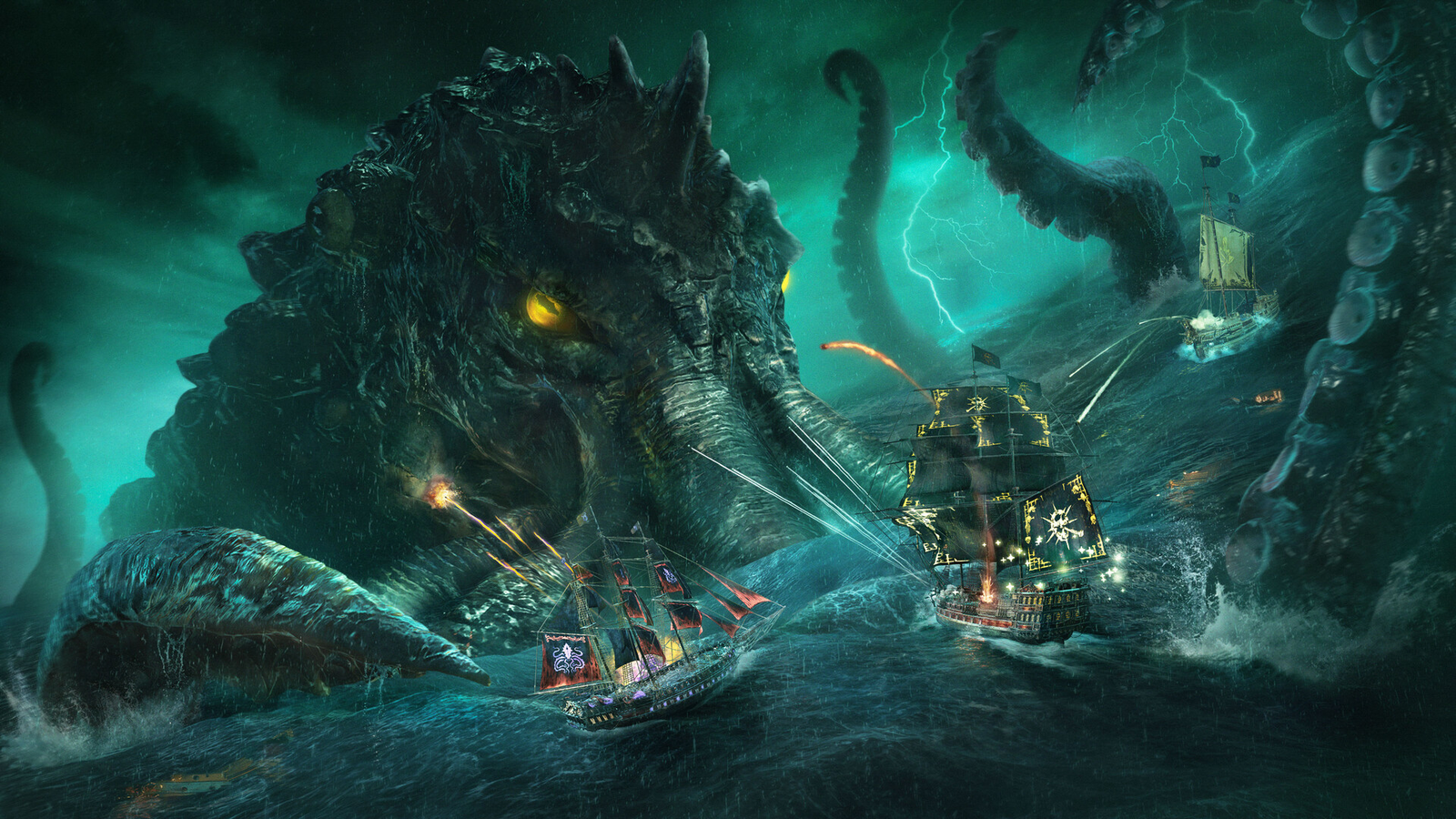
However, at launch, Skull and Bones received only 59 out of 100 points on Metacritic, with a user score sitting at 3.3 out of 10. The lawyer, who is also an avid gamer, decided to go to court. The initial lawsuit claimed that “the statements of [Ubisoft’s] CEO were misleading and induced consumers to enter into transactions to their detriment.”
Ubisoft, however, does not consider Guillemot’s words to be misleading — they were his “subjective statements” and “classic puffery” (i.e., exaggerated promotional statements that should not be taken as facts).
Ubisoft’s defense responded that the plaintiff failed in his lawsuit to provide objective statements regarding the quality of Skull and Bones that he could prove to be false:
“The plaintiff has not identified a single objective statement about the game’s quality that has been proven false, let alone pointed to a statement he saw or relied upon when purchasing the game, as required by the Kansas Consumer Protection Act.”
In turn, the plaintiff points out that Guillemot uttered those words to investors and therefore should have been aware of the responsibility for their accuracy. Ultimately, the Kansas court sided with Ubisoft, and the plaintiff now plans to refile the lawsuit in California.
Never miss our newsAdd this site to your preferred sources to see us more oftenAdd on Google