How Sega destroyed the pioneer tactical RPG series. A Shining Force retrospective
Translated with AI from the Russian original.
The Shining Force series holds a special place in the hearts of '90s gamers. These are among the most prominent role-playing games for the Sega Mega Drive console, captivating players with their fantasy atmosphere, remarkable tactical battles, gripping story, and outstanding replay value. Let us trace how the cult franchise began and what it eventually became.
The Sega Mega Drive (Genesis) game library cannot boast a rich collection of role-playing games. Most of the genre’s major hits of the late last millennium were released on the Super Nintendo, such as Dragon Quest and Final Fantasy. But if you ask any Sega fan about their favorite RPGs on the Mega Drive, you will hear: “Phantasy Star and Shining Force.”
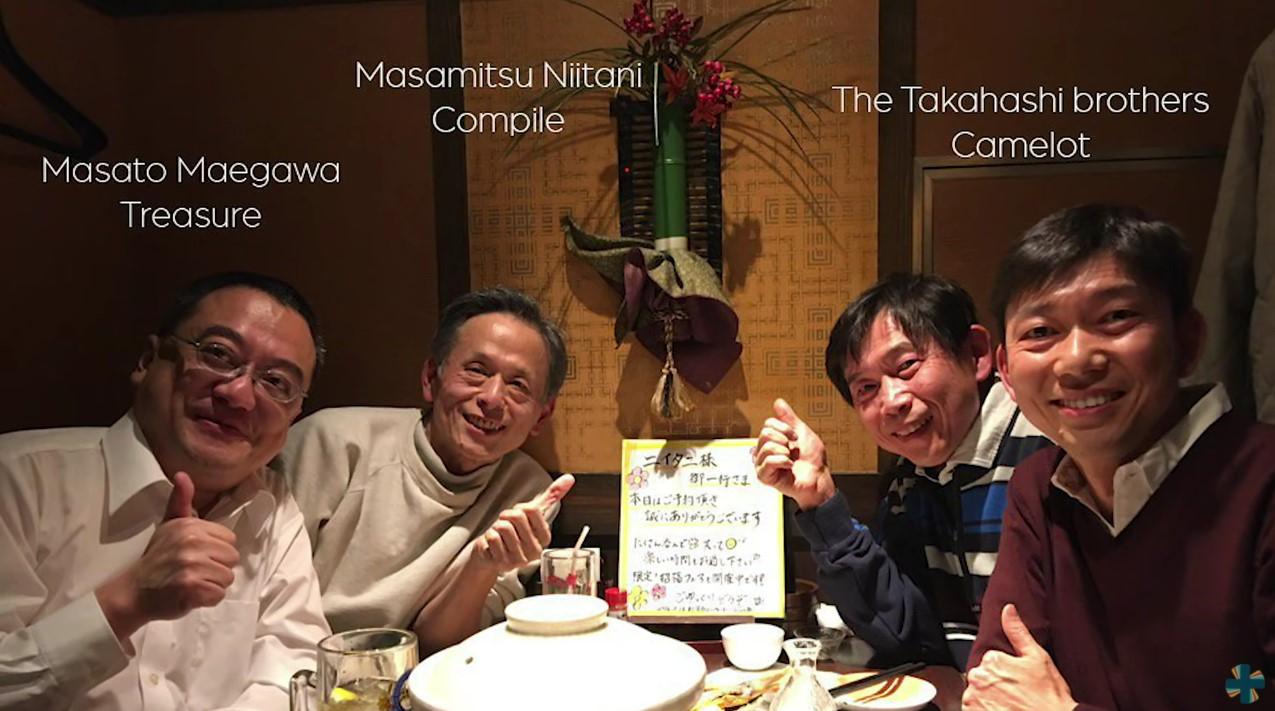
In 1990, Sega created a division called Sega CD4, later named Sonic! Software Planning. Its primary goal was to challenge the market dominance in role-playing games held by Square with Final Fantasy and Enix with Dragon Quest. Screenwriter, designer, and producer Hiroyuki Takahashi, who previously worked at Enix on Dragon Quest IV, was appointed head of the studio.
The developers created a world referencing numerous cultures and works: fantasy in the spirit of “The Lord of the Rings”, ancient Greek and Norse mythology, alongside recognizable steampunk elements and biblical roots.
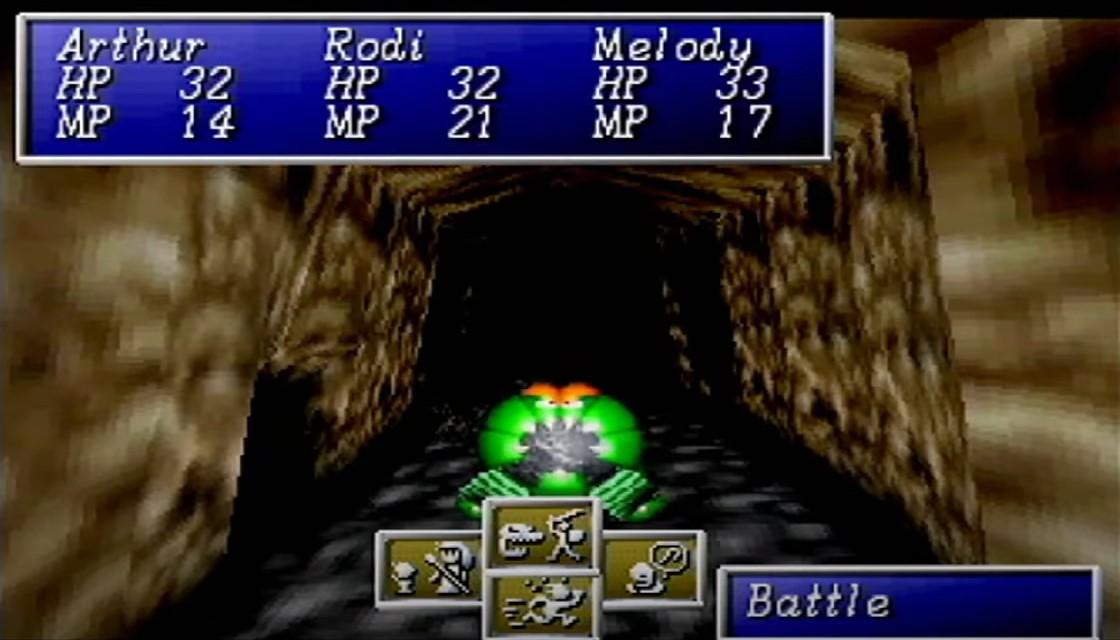
Most fans do not realize that the “Shining” series actually started with “in the Darkness” in March 1991. And this game differed drastically from its successors, being a first-person dungeon crawler reminiscent of Wizardry, Might and Magic, and Phantasy Star 1.
Shining in the Darkness was developed by a small team on a shoestring budget in collaboration with Climax Entertainment. One of the creators was Shugo Takahashi, Hiroyuki’s brother—in the years to follow, they would jointly map out the evolution of the series.
The plot puts you in the boots of the son of the missing knight Mortred. Your father and Princess Jessa were captured on their way to a shrine by the villain Mephisto, who has arrived to take over the kingdom, giving the king a deadline to leave on his own. The protagonist must venture into the Labyrinth to rescue the captives and deal with the threat.
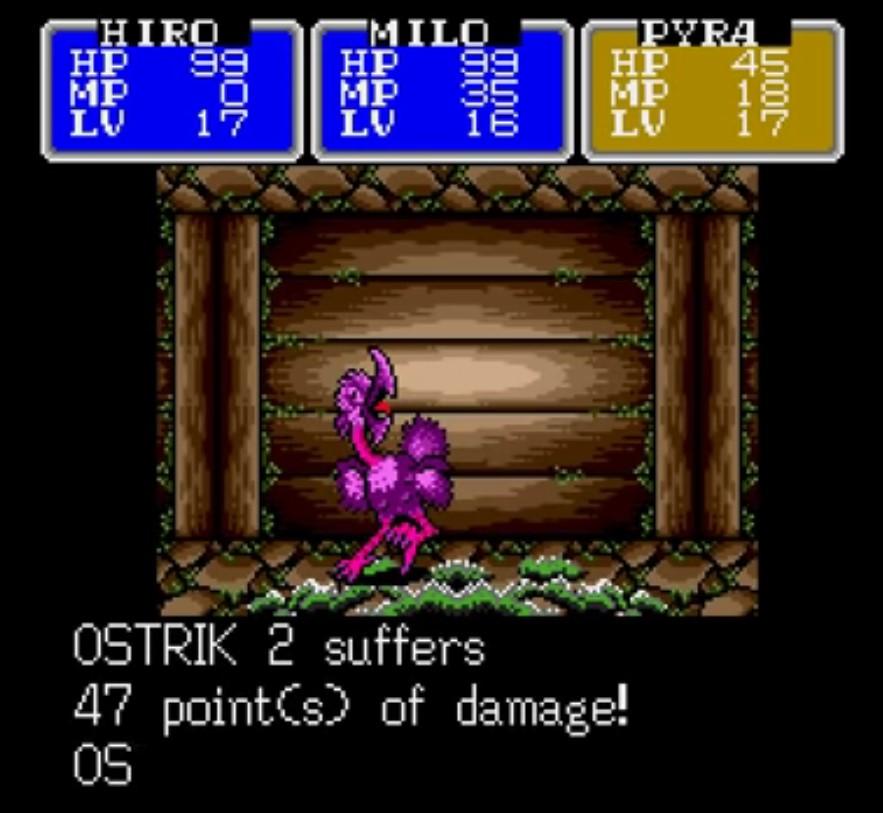
The game unfolds from a first-person perspective within a maze riddled with traps, monsters, and treasure. The developers managed to simulate a 3D environment by manipulating 2D technology. On the journey toward the goal, the hero defeats enemies, grows stronger, levels up, gains allies, and acquires new equipment.
What makes the first entry remarkable, aside from map issues and gameplay stretched out by annoying random encounters? It established crucial elements for the franchise: the character art style, icons, the diverse cast of heroes, merchants, priests, and numerous subtle details.
Despite its flaws, Shining in the Darkness was met with positive reviews and commercial success. In Japan alone, it sold 300,000 copies, prompting a sequel just a year later.
Shining Force: The Legacy of Great Intention was Sonic! Software Planning and Climax Entertainment’s answer to Nintendo’s Fire Emblem. The developers moved away from the first-person perspective and dungeon crawling, doubling down on tactical gameplay instead. It also became the first true tactical RPG to reach the Western market! The game was released in Japan in March 1992.
The foundation of Shining Force lies in large-scale top-down battles. Players are presented with a massive map (a chessboard) and character pieces boasting unique stats and abilities. Terrain affects movement range and defense. The roster of potential party members grew from three to thirty, with up to twelve participating in combat: elf archers, dwarf axemen, centaur spearmen, halfling healers, anthropomorphic animals, and other exotic companions. Experience is earned not only by defeating enemies, but also by landing basic attacks and casting healing spells.
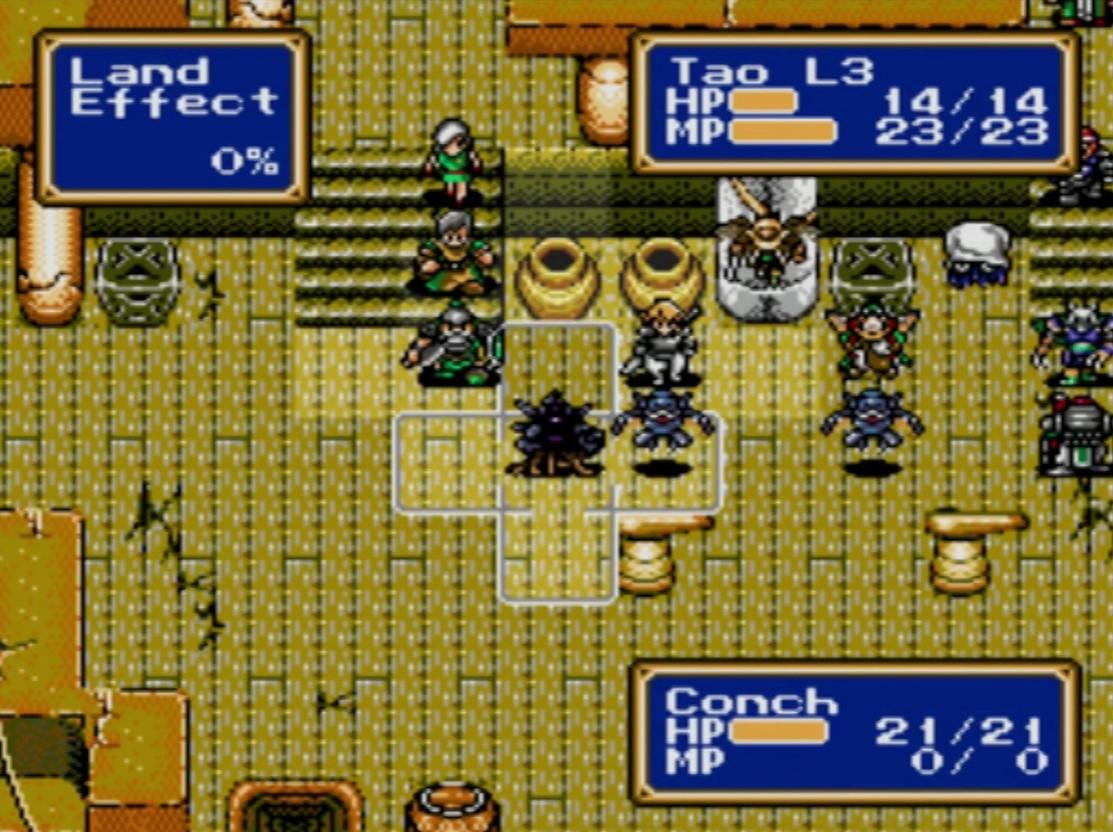
If the party falls, experience is retained, meaning the army grows stronger even in defeat. Upon reaching level 10, characters can be “promoted” into a stronger class with superior stats, spells, and equipment. For instance, a Knight becomes a Paladin, a Warrior turns into a Gladiator, a Priest becomes a Vicar, and so forth.
Chronologically, Shining Force is the first chapter, following the swordsman Max, whom the King of Guardiana tasks with assembling a strike force to combat the invading forces of Runefaust. Runefaust’s army is commanded by a villain named Darksol (the father of Mephisto from Shining in the Darkness), who seeks to awaken the Dark Dragon from its thousand-year slumber.Shining Force could not be described as visually groundbreaking even for its era, but the experience was significantly elevated by expressive character portraits and battle animations, where the camera switched perspectives to show combatants up close in great detail. The game received favorable scores and left a notable mark on projects of its day. While it can be criticized for sluggish pacing, weak AI, a cliché storyline, and a short duration, it simply had virtually no direct competitors back then.
In 2004, the title was revamped for the Game Boy Advance handheld console under the title Shining Force: Resurrection of the Dark Dragon. The developers fleshed out the plot, gave the previously silent protagonist Max a voice, introduced new characters, implemented turn-order and card systems, added bonuses, and introduced an Item Box for inventory storage.
In December 1992, Sonic! Software Planning released Shining Force Gaiden for the Sega Game Gear portable console. This direct follow-up to Shining Force: The Legacy of Great Intention follows the enigmatic Nick and the children of the previous game’s heroes as they travel to the islands of Cypress and Yom 20 years later to rescue Guardiana’s soldiers and seek a cure for Queen Anri.
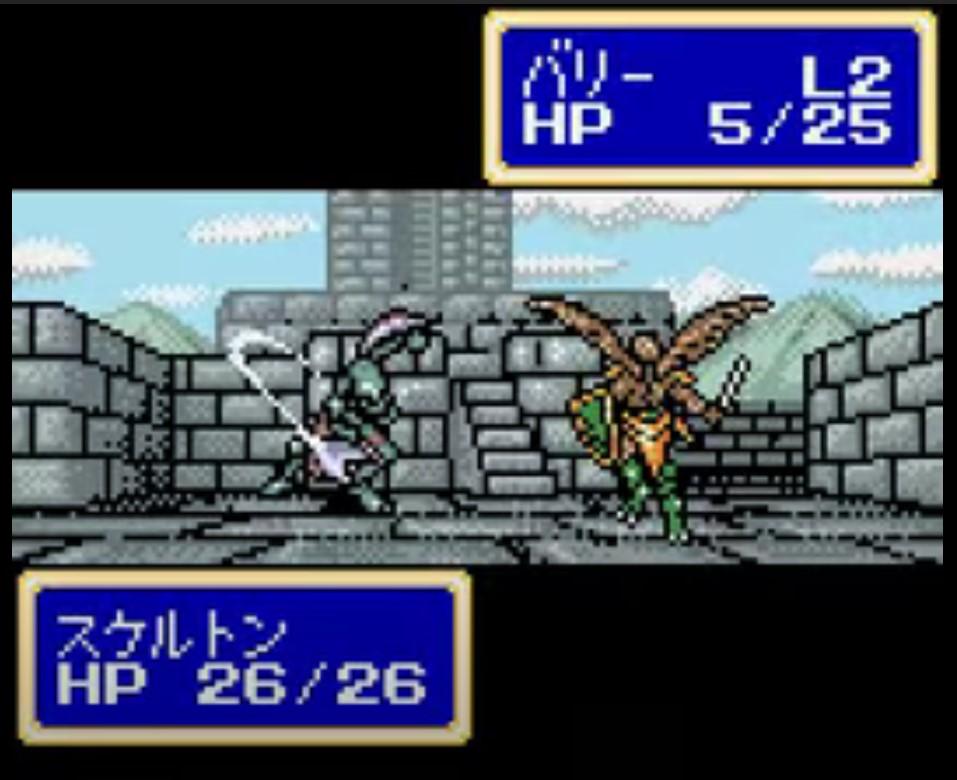
The main departure from the mainline game was the omission of free exploration between skirmishes, replaced by story-driven cutscenes. Naturally, launching on an 8-bit handheld meant visuals were modest, yet the tactical encounters lost none of their appeal.
The story of Shining Force Gaiden II takes place two months after Gaiden. Nick and his companions face off against an aggressive nation and eventually battle the Devil himself.
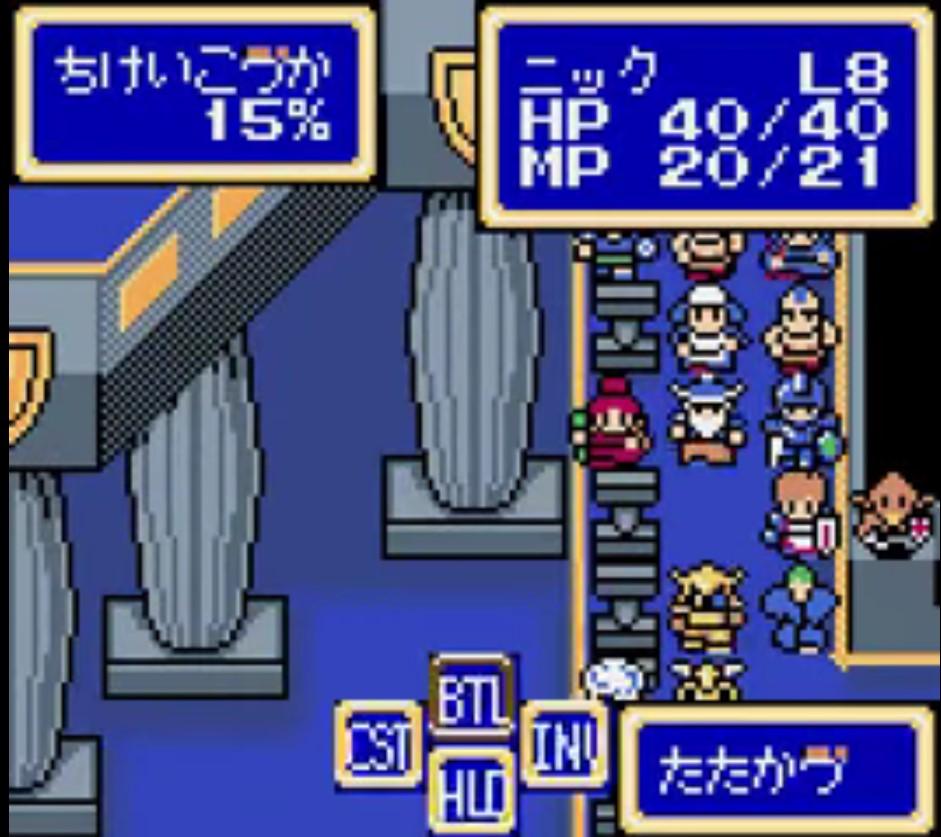
Both Gaiden entries earned critical praise at release, but they failed to capture widespread attention because they initially launched exclusively in Japan on a niche platform, only being translated for Western audiences two years later.
This brings us to the most celebrated and beloved installment in the franchise—Shining Force II: The Ancient Seal. Following lukewarm Gaiden sales, the Takahashi brothers knew that if this next game failed to become a hit, the series would be discontinued. Sega provided a meager budget comparable to that of Shining in the Darkness, leading to some staff turnover at Sonic! Software Planning.
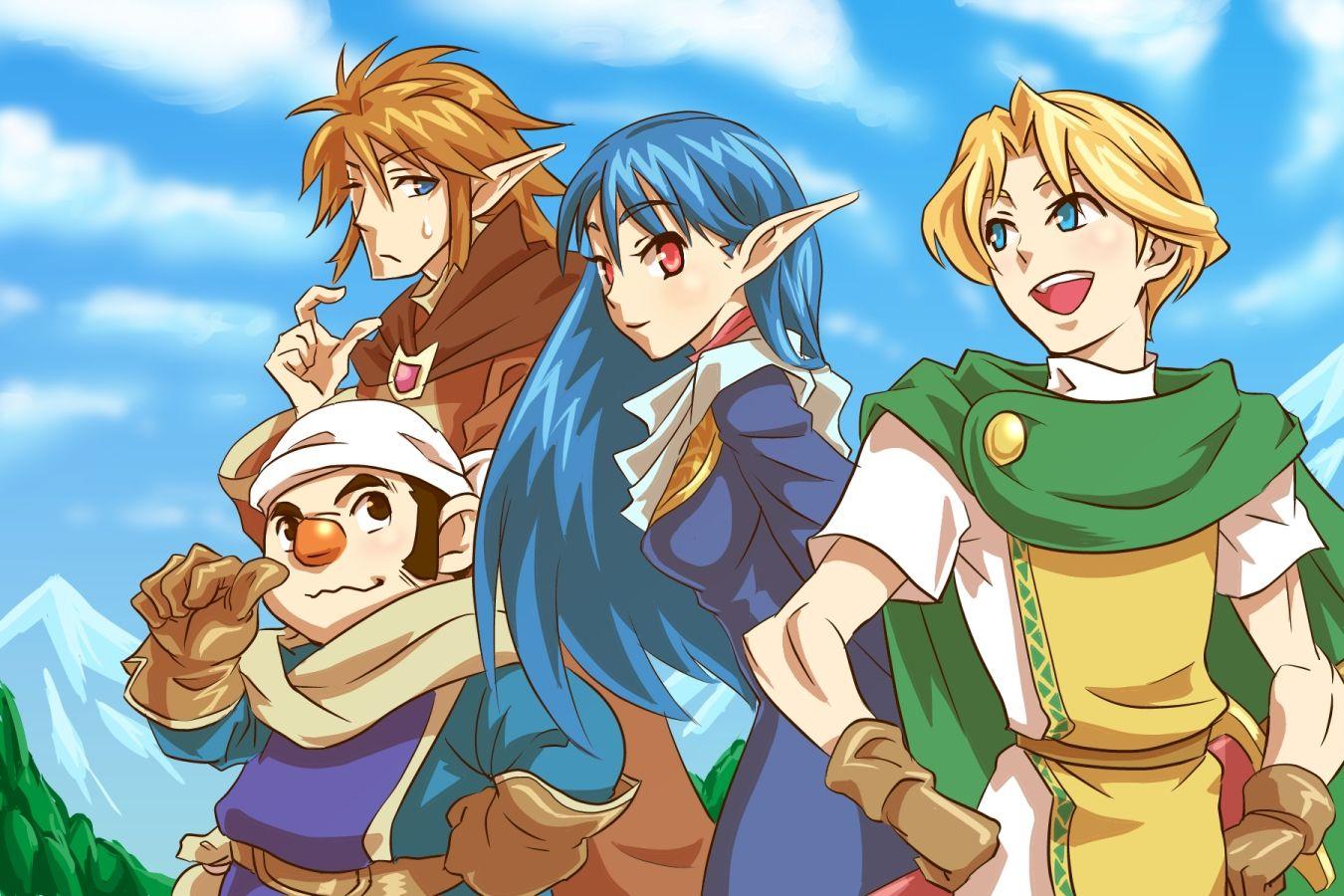
At first glance, the plot seems disconnected from prior entries, but subtle narrative threads tie them together. The opening depicts a night break-in at the Granseal tower by thieves: the giant rat Slade and his two cohorts, aiming to steal the Jewels of Darkness and Light. Suddenly, earthquakes erupt and the thieves scatter. Meanwhile in the castle, a mysterious green creature knocks the king unconscious.
You begin your adventure as Bowie, a young boy heading to school to meet his friends, the centaur Chester and the elf Sarah. Their lesson is cut short when their teacher Astral (a Gandalf-like mentor) is summoned to the royal castle where the king lies incapacitated. The heroes form the Shining Force and follow him. Astral examines the king’s condition and resolves to lead the party into the tower, triggering the first battle.
Soon after, evil forces kidnap the princess and a catastrophic earthquake forces the entire populace to evacuate to the mainland continent. It turns out the thieves inadvertently unleashed the demon Zeon, who must eventually be confronted by the seasoned, ever-expanding Shining Force after an epic sequence of adventures.
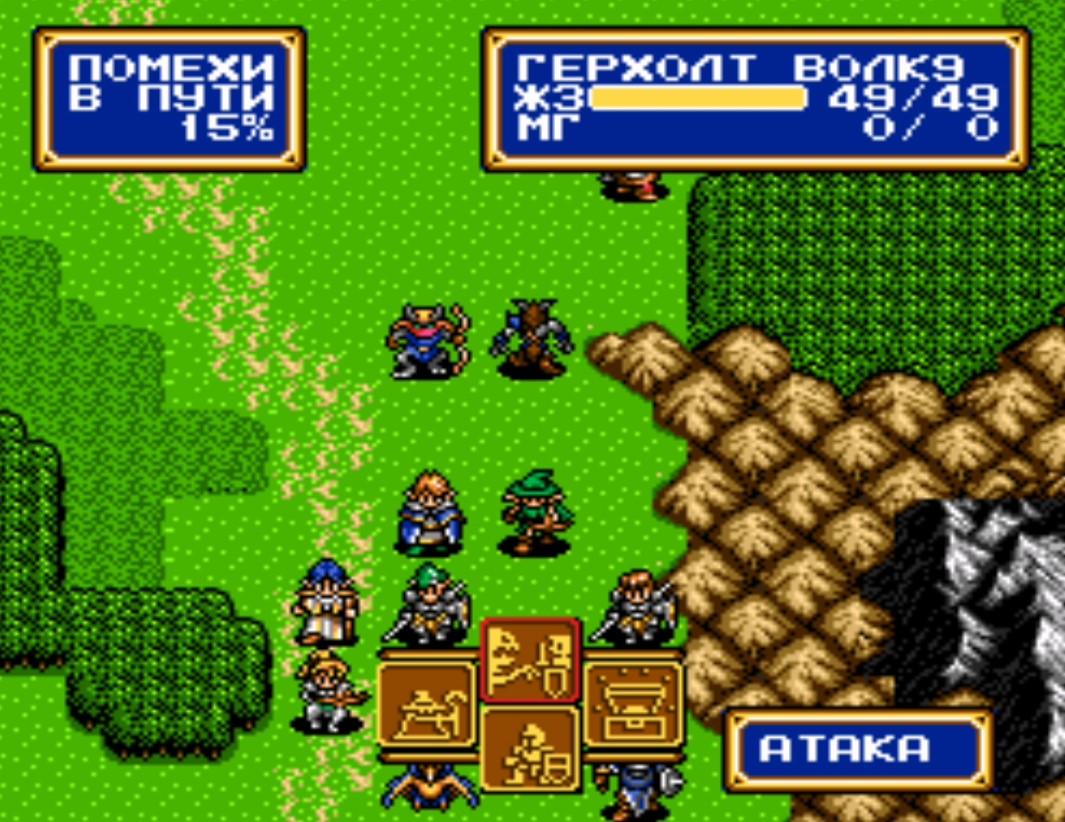
Following its October 1993 debut, Shining Force II received mixed critical responses. Off the back of the original’s success, inflated reviewer expectations were not entirely satisfied. Some criticized the generic “save the princess, slay the demon” plotline, while others took issue with oversized battle arenas, modest graphics, repetitive music, and endless fights. Over time, however, consensus shifted dramatically, and today it is revered as a cult classic.
The game stood out thanks to a more open world where players could backtrack to uncover hidden secrets, memorable characters, refined combat featuring counterattacks, an expanded promotion tree, the introduction of Mithril to forge powerful weapons, two forms of conveyance (rafts and caravans), over 40 distinct battles, and an expanded overall playthrough time. All of this translated into immense replayability.
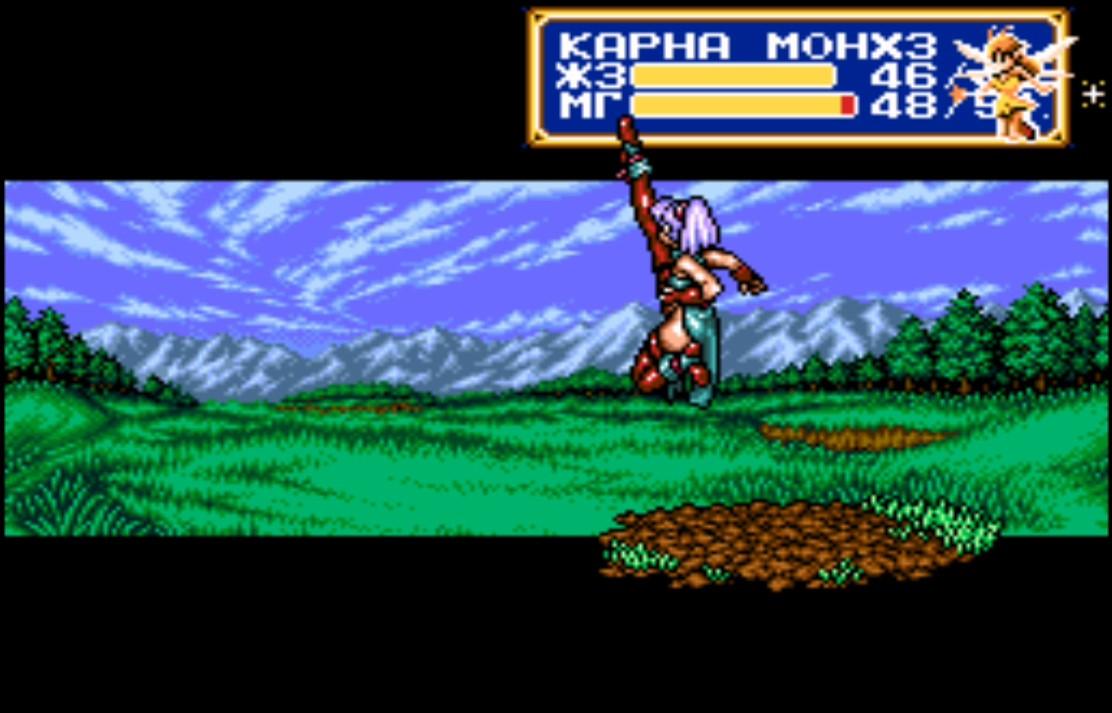
Admittedly, there were flaws worth critiquing. One could wish for a town teleportation system, an overworld map, the option to skip battle animations, and clearer item descriptions. Yet these shortcomings do not diminish the achievements of one of the finest games on the Mega Drive, which many consider an undisputed masterpiece.
In July 1994, Shining Force CD was launched, compiling enhanced remakes of Shining Force Gaiden 1 and 2 alongside brand-new Chapters 3 and 4. The final chapter unlocks by discovering a hidden collectible in Chapter 2. While widely regarded as one of the best titles on the Sega CD, it garnered mixed reviews and landed on an unpopular platform (selling roughly 2.24 million units worldwide). Takahashi later noted that this project was created primarily to gain hands-on development experience with the Mega-CD / Sega CD hardware, although that experience bore little fruit down the road.
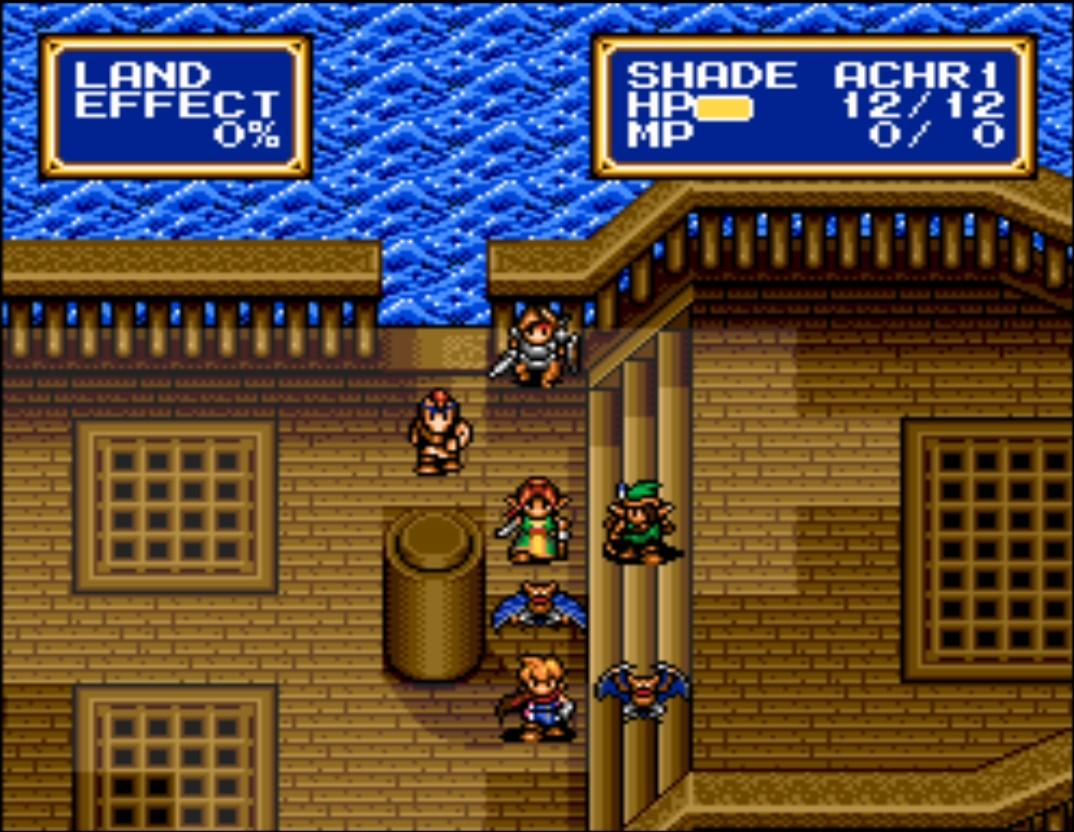
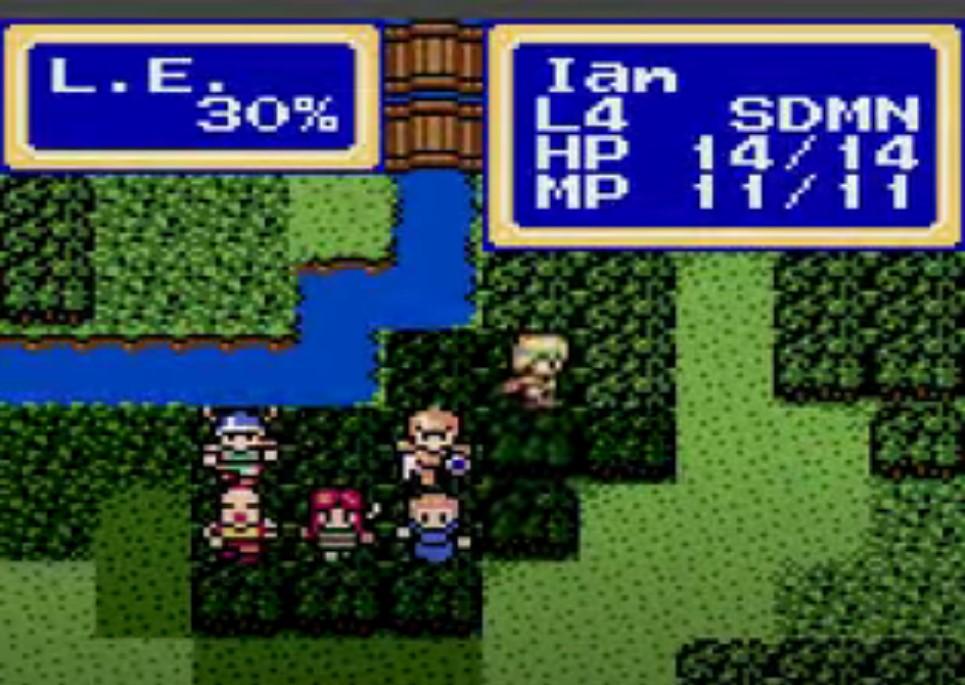
In June 1995, the Sega Game Gear received Shining Force: Final Conflict, bridging the narrative gap between Shining Force and Shining Force II. It carries forward Max’s storyline from the original game while placing Ian in the central protagonist role. The title was never localized outside Japan and only reached Western fans through unofficial fan translations.
Late 1994 ushered in the fifth console generation, marked by the near-simultaneous arrivals of the Sega Saturn and the original PlayStation, with the Nintendo 64 joining the fray soon after. Ultimately, the Saturn (selling 9.5 million units) stumbled for multiple reasons, including a price tag $100 higher than the PSOne, poor marketing, and complex hardware architecture that made programming notoriously difficult.
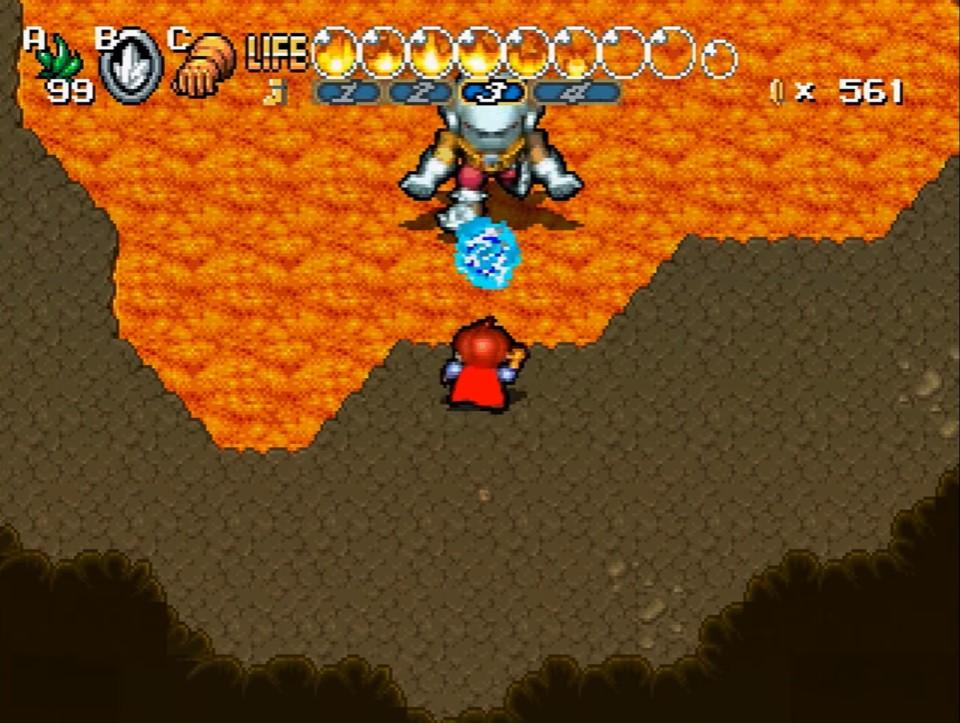
Sonic! Software Planning secured funding to develop two spin-offs for the Sega Saturn, both produced by Hiroyuki Takahashi. The action RPG Shining Wisdom was widely criticized for dated visuals and an uninspired story, whereas the first-person dungeon crawler Shining the Holy Ark enjoyed a warmer reception. Simultaneously, the newly rebranded Camelot Software Planning embarked on the franchise’s most ambitious production: Shining Force III. However, due to lackluster Saturn sales and the impending launch of the Sega Dreamcast, only the first Scenario was ever released outside Japan.
Shining Force III was released over the course of a year starting in December 1997 across three distinct Scenarios. Each put players in control of a different cast of characters whose paths continually crossed toward a shared ultimate goal.
The narrative focused on two warring empires, dense with political intrigue and an expansive cast of figures. The game embraced full 3D graphics, polygon models, and a rotatable camera. It united the finest elements of Shining Force and Shining Force II—tactical skirmishes, town exploration, shopping, and hidden secrets. Party members could speak during attack animations, a friendship mechanic conferred stat boosts when fighting alongside allies, weapon proficiency leveled up behind the scenes, and attribute parameters deepened. It even featured an innovative cross-scenario save transfer system, much like the one popularized later by Mass Effect.
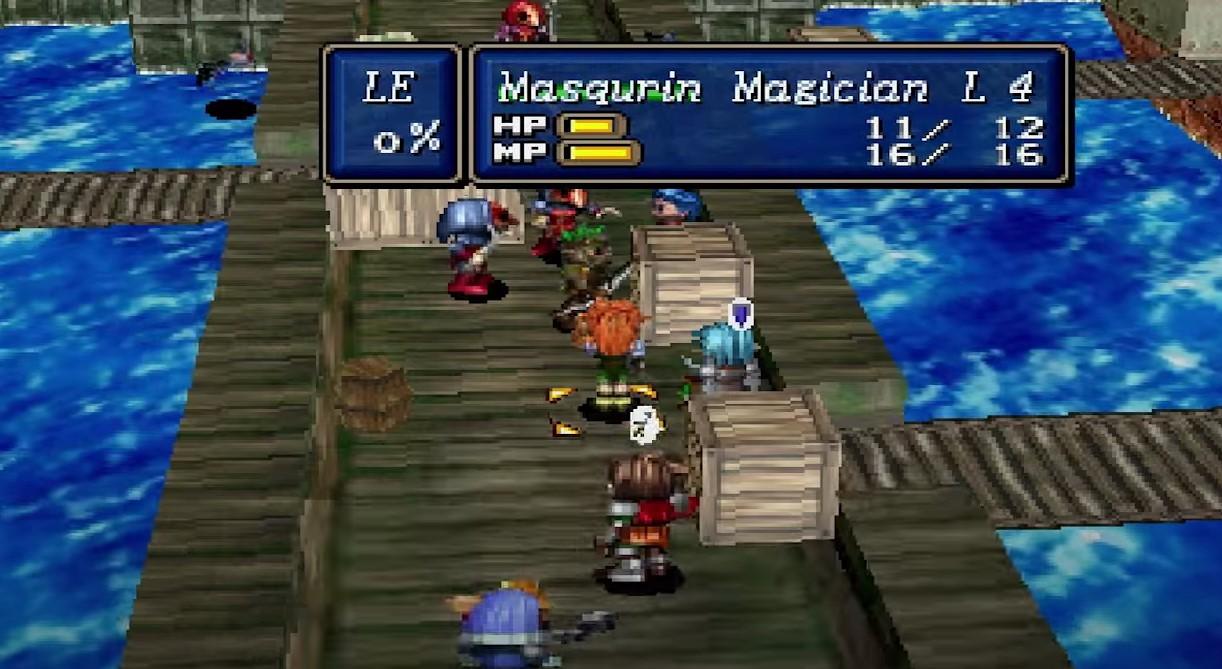
Nearly all 3D titles from that era suffered from common ailments that have aged poorly—blocky character models, clunky environments, and camera quirks. Some players might also be put off by the sheer volume of text.
Shining Force III was effectively the Takahashi brothers’ magnum opus and their most elaborate creation, yet Sega’s commercial strategies prevented it from reaching mainstream popularity, despite many hailing it as the Saturn’s finest title. Frustrated by these circumstances, the studio severed ties with Sega and formed a long-standing partnership with Nintendo, going on to develop Mario Golf, Mario Tennis (both still active today), and the celebrated Golden Sun RPG franchise.
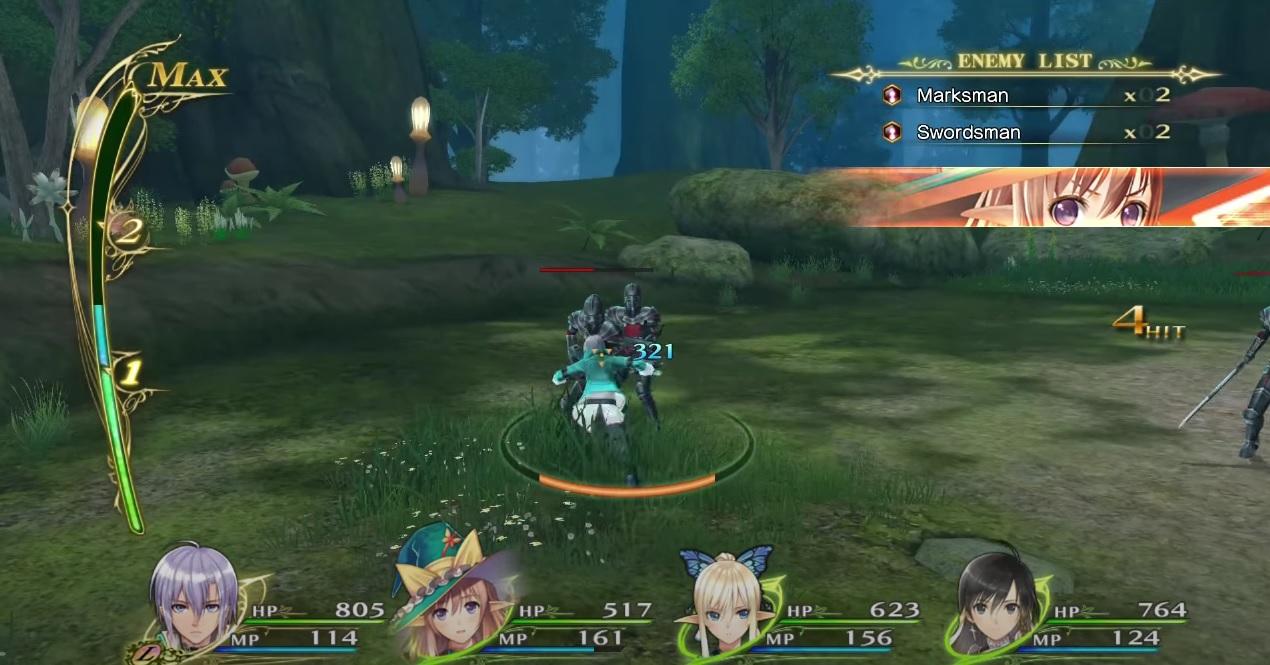
Sega retained ownership of the Shining IP, leaving it dormant until 2002, when a succession of action RPGs of dubious quality developed by various third-party studios began to surface—Shining Soul, Shining Tears, Shining Force Neo, and more. In 2009, the Nintendo DS saw the release of Shining Force Feather, a turn-based tactical title that managed to recapture at least some of the Mega Drive spirit. What followed was another wave of action RPGs and even fighting games carrying the “Shining” moniker, culminating in Shining Resonance Refrain, which was remastered for modern platforms in 2018 and holds a 70% rating on Metacritic.
Analysis
Why does this series remain so cherished, remembered and revisited even three decades later? Nostalgia certainly plays a major role. For many, this was their very first tactical RPG, leaving behind fond memories; yet the games hold genuine strengths beyond sentimentality.
Despite darker narrative undertones involving menacing dragons, fiends, and sinister mages, the overarching mood rarely takes itself too seriously—characters exchange witty banter and lighthearted vignettes unfold throughout. The titles deliver exceptional combat scenarios, evocative musical scores, and an abundance of secrets. Many characters across different installments are linked by bloodlines and personal bonds, deepening the player’s immersion in this fantasy world.
Is the tactical series truly gone for good? In 2016, Hiroyuki Takahashi stated he was ready to create Shining Force 4, but Sega offered no response. Then, in August 2021, a sudden announcement came: Shining Force: Heroes of Light and Darkness. A mobile title for iOS and Android built on gacha mechanics—a monetization trap, in other words. Sadly, one could hardly expect anything else from the modern gaming industry.
A lively telling of the history of the Shining Force series:
Never miss our newsAdd this site to your preferred sources to see us more oftenAdd on Google