Cruel, funny, and touching. A selection of adventure games from Daedalic Entertainment
Translated with AI from the Russian original.
Today, Daedalic Entertainment is the publisher of Shadow Tactics and Partisans 1941. But you most likely know the company as a developer of 2D adventure games distinguished by pleasing visuals, music, and specific German humor. We have gathered the most interesting of them and decided to tell you briefly about each one.
The gameplay of Daedalic adventure games is similar to other representatives of the genre: the legendary “Red Comrades”, Full Throttle, or Grim Fandango. The hero walks around locations, gathers junk, and talks to characters. The collected junk is combined at random and used in ambiguous places. If everything is done correctly, the plot moves forward. The gameplay gets back on familiar tracks again — collecting junk and talking to characters once more. And so on until the victorious end.
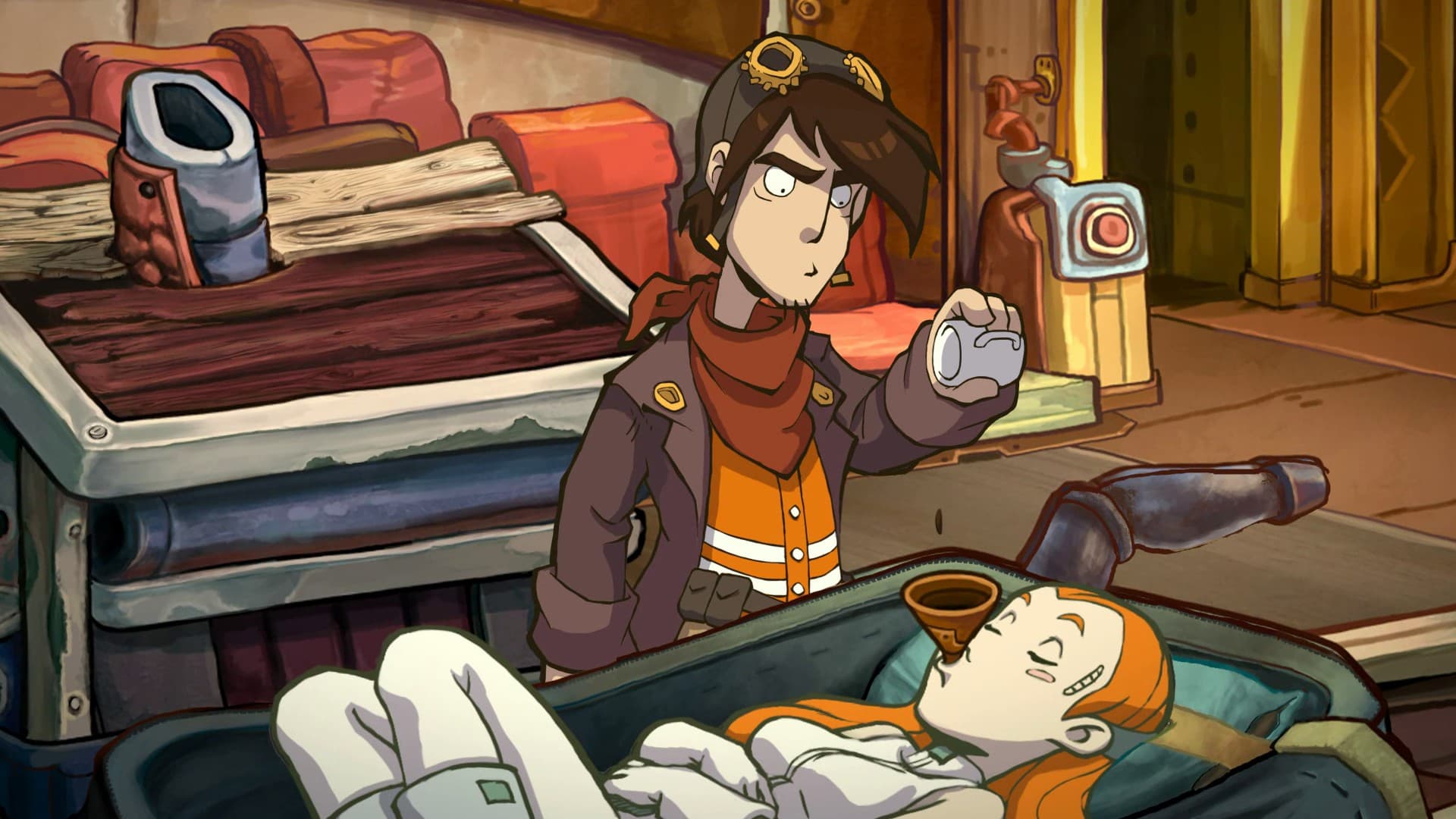
What makes this process interesting? Naturally, the visual style, music, and clever puzzles. Daedalic quests have always stood out for their distinctive humor. In their projects, protagonists try to do good, but it all ends in pain and suffering for everyone around them. Moreover, the main character doesn’t even notice this — the character's empathy is roughly on par with an insect. The protagonist is incapable of understanding that they are doing something bad. Their actions are so villainous that the situation borders on absurdity — and all that's left is to laugh at it.
Deponia
This famous trilogy tells the story of the ragged Rufus. The hero is constantly trying to escape from the junkyard planet, Deponia, to the utopian city in orbit — Elysium. Another such escape attempt leads to an encounter with an Elysian woman named Goal. The girl will become the key to infiltrating the city of dreams. All that remains is to bring her to her senses, since Rufus accidentally drops the poor thing onto the surface of Deponia.
Rufus himself can easily be described in two words: a walking disaster. His actions are so destructive that they expose Deponia to no less danger than the antagonists do. And they intend to blow up the planet!
During the game, Rufus manages to: wreck his ex's house; split Goal's personality into pieces; sell a person into slavery; turn baby dolphins into canned food. He even accidentally feeds children to a monster, harasses revolutionaries, and drives a pirate to a nervous breakdown. And he does it deliberately! You need to play Deponia to understand the main character and his motivation. In the end, however, the protagonist makes the right decision — even if it goes against his own interests.
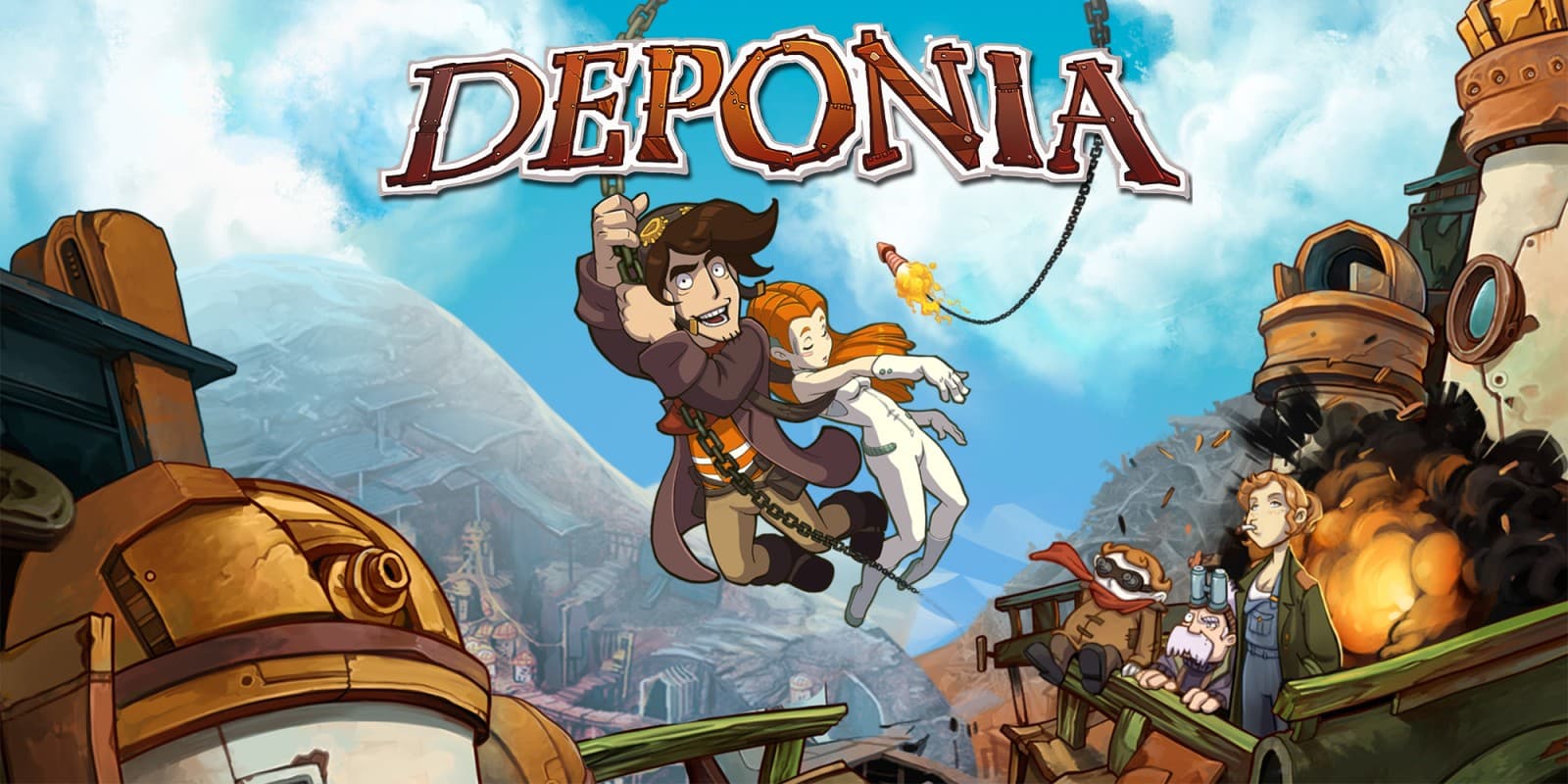
The project is full of mini-games. For this, we should thank Jan Michaelis — the lead game designer of Deponia. In the developer commentary, Jan constantly talks about his love for mini-games. As a result, the player will have to clean Goal's implant, retrieve an egg from a pipe system, fight Goal in a platypus costume — there are a couple dozen such diversions across the series. But Daedalic thought of the players too — if you don't like the mini-games, you can skip them.
The music lends the game a special charm. After each act, Pokey (a cameo of Jan Michaelis) sings about the events that transpired just to avoid cleaning his house. And the main theme's tune and the “junk crab song” stick in your head for a long time. You just can't help humming them.
This world and its characters resonated deeply with people. That is why it broke fans' hearts when their favorite character was treated unfairly — Rufus died three times, and then returned to the world of the living. But the developers stayed true to their vision and didn't cater to the players.
In 2016, Deponia Doomsday was released, where the story changed due to time manipulation. The developers knew what the fans wanted, but they repeated the ending of the third installment — despite players' pleas to conclude the plot differently. At the same time, they told another thrilling story of Rufus and the final tale in the world of Deponia.
Edna and Harvey
Edna and Harvey: The Breakout
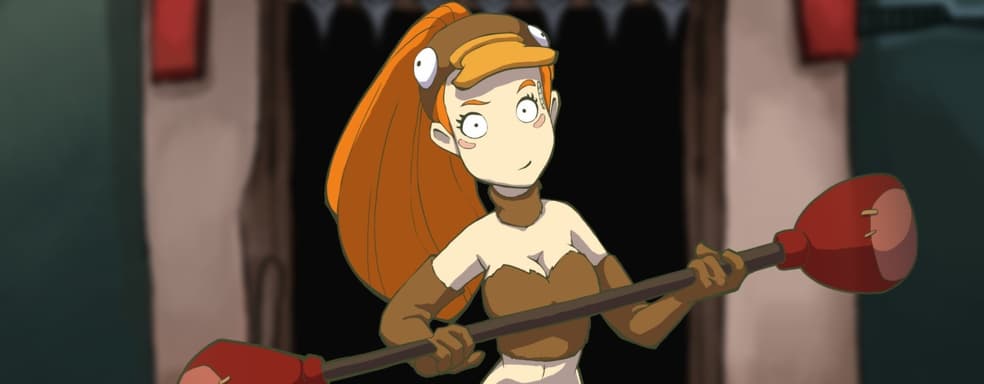
The first game by Daedalic — and that says it all. Dated graphics and gameplay mechanics are immediately noticeable upon first launch, yet at the same time, they create an indescribable madhouse atmosphere. Edna is an insane protagonist trying to escape from Dr. Marcel's psychiatric clinic. She is assisted by a stuffed blue rabbit named Harvey, who provides moral support and advice. His help ultimately boils down to arson, destruction, and maiming those around them.
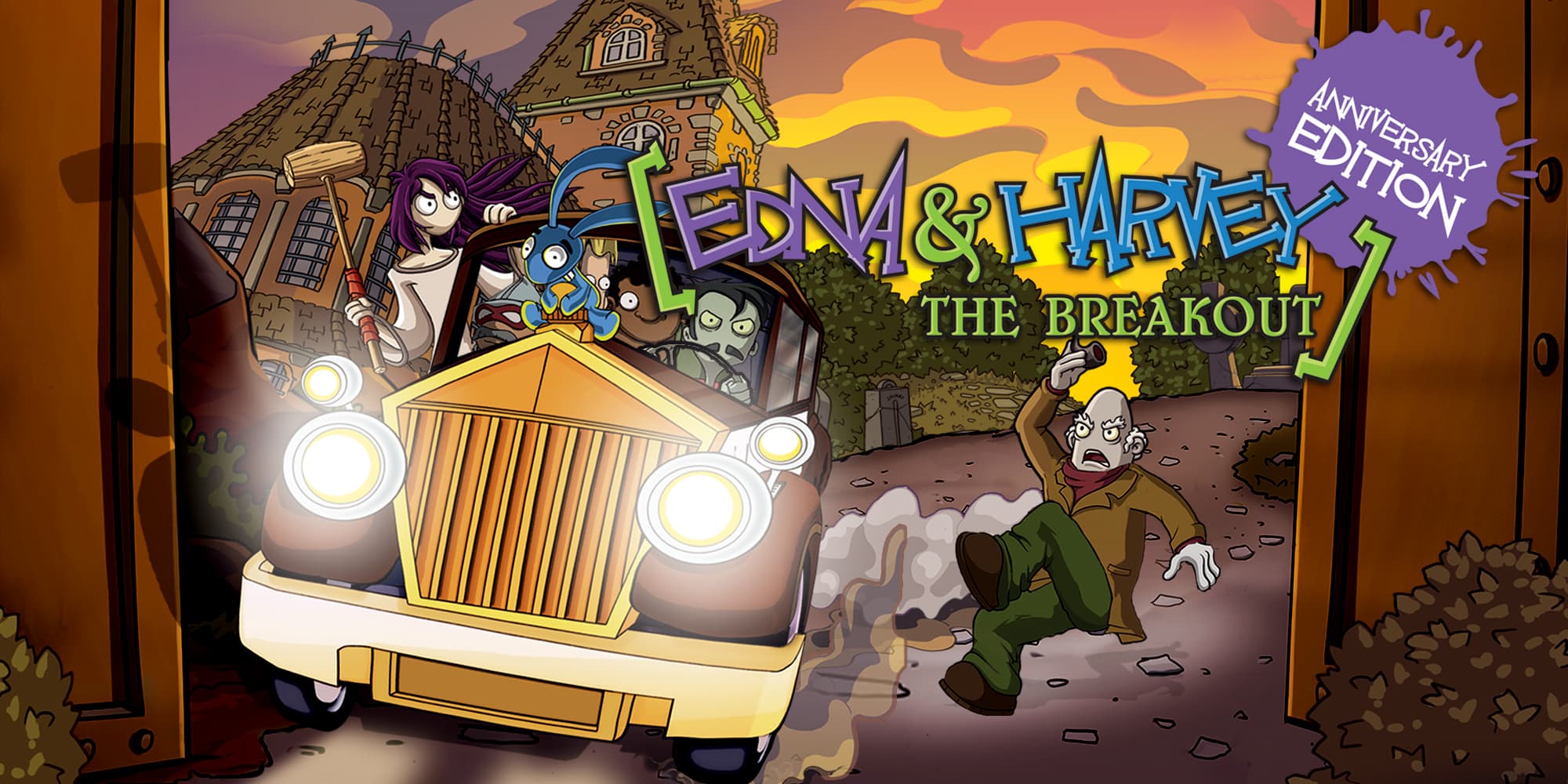
Throughout the game, Edna gradually remembers her father. Harvey the rabbit helps with this in character-dedicated sections where the blue assistant can be controlled. It turns out to be a revelation that Dr. Marcel is connected to the death of the heroine's father. Thus, Edna is trying to escape not only for freedom, but also to hold Marcel accountable.
Daedalic gave players the chance to mess up the entire clinic, even though it doesn't affect progression in any way. Edna will douse everything in ketchup and mustard and generally behave like a proper lunatic. If the player so chooses, of course.
The game teaches a lesson that some insane people should never be released from clinics — otherwise, a disaster will happen. After all, there is a huge difference between eccentric and insane people. Alas, far from everyone sees and understands that.
Edna and Harvey: Harvey's New Eyes
The sequel is set in a boarding school. It is run by a spiteful Mother Superior who hates children. This time, the player takes on the role of a quiet and kind girl named Lili. Of all the school's residents, only Edna, the protagonist of the first game, treats her with kindness. But Dr. Marcel is heading there, so the former inmate of his hospital escapes and leaves Lili all alone.
Lili tries to get rid of evidence of Edna's presence, but in the process kills all the children. And what's even worse – Dr. Marcel catches the heroine in the act. With Harvey's help, he hypnotizes Lili, attempting to turn the girl into an obedient zombie.
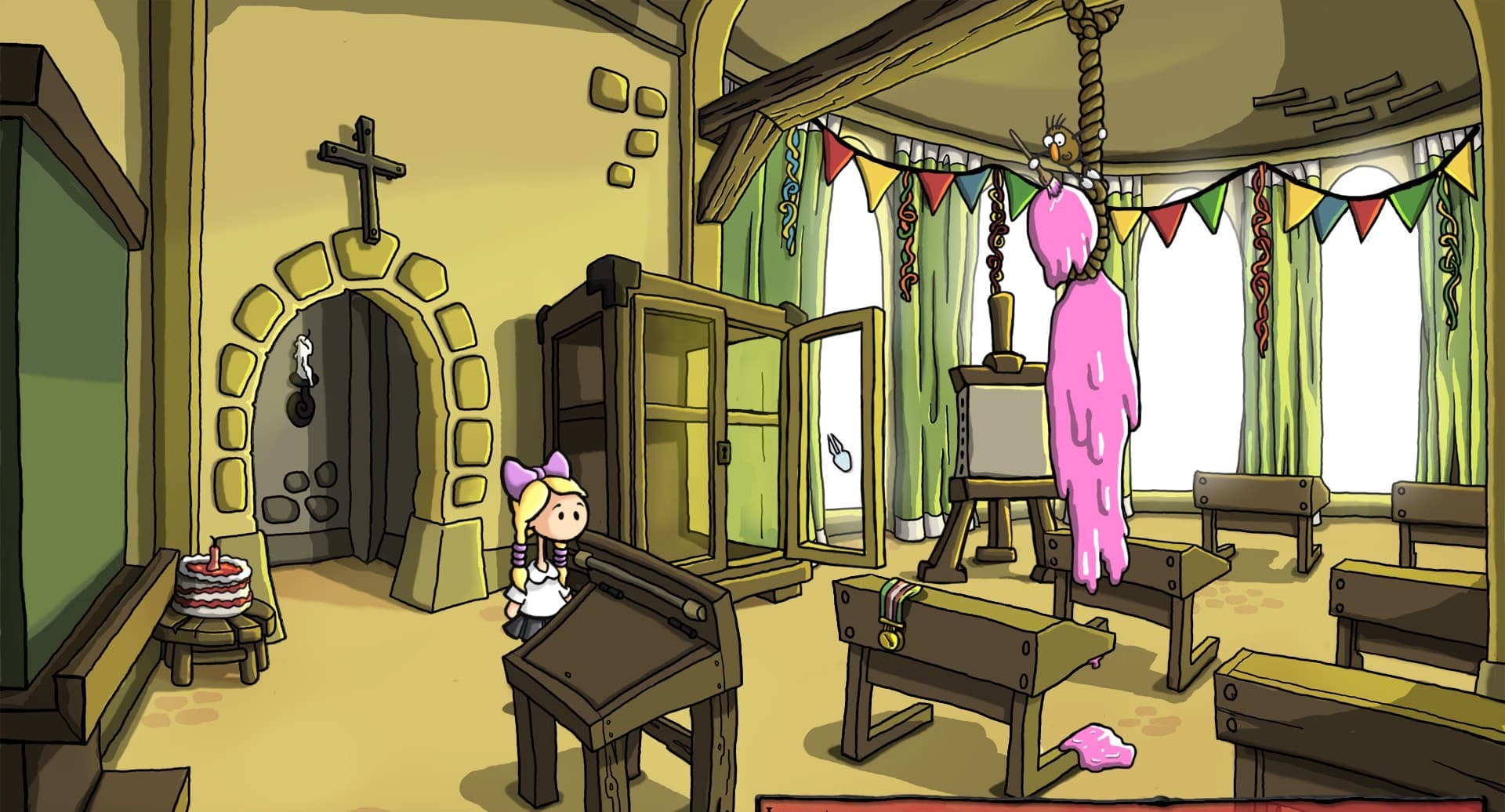
Now Lili is trying to escape from school to find Edna. As the game progresses, the girl gets rid of the mental blocks put in place by Dr. Marcel. After all, these restrictions prevent her from playing with fire, drinking alcohol, lying, and committing other immoral actions that are nevertheless necessary to advance.
The game stands out for its unusual censorship: gnomes paint over the corpses of those killed by Lili so as not to traumatize the girl. It also teaches a lesson: if you put too much pressure on a child, they will soon turn into a monster.
The Night of the Rabbit
In this Daedalic quest, Jerry Hazelnut becomes the main character. Jerry is a good boy, albeit mischievous. The lad dreams of becoming a magician, practicing the art of sleight of hand. One day, fate brings him together with an anthropomorphic albino rabbit. The long-eared creature introduces himself as the Marquis de Hoto and promises to make Jerry a real magician.
Together, they travel through a tree to a town of mice. There, the hero begins training to become a tree-walker. That is what they call noble magicians who travel through trees to other worlds and help their inhabitants.
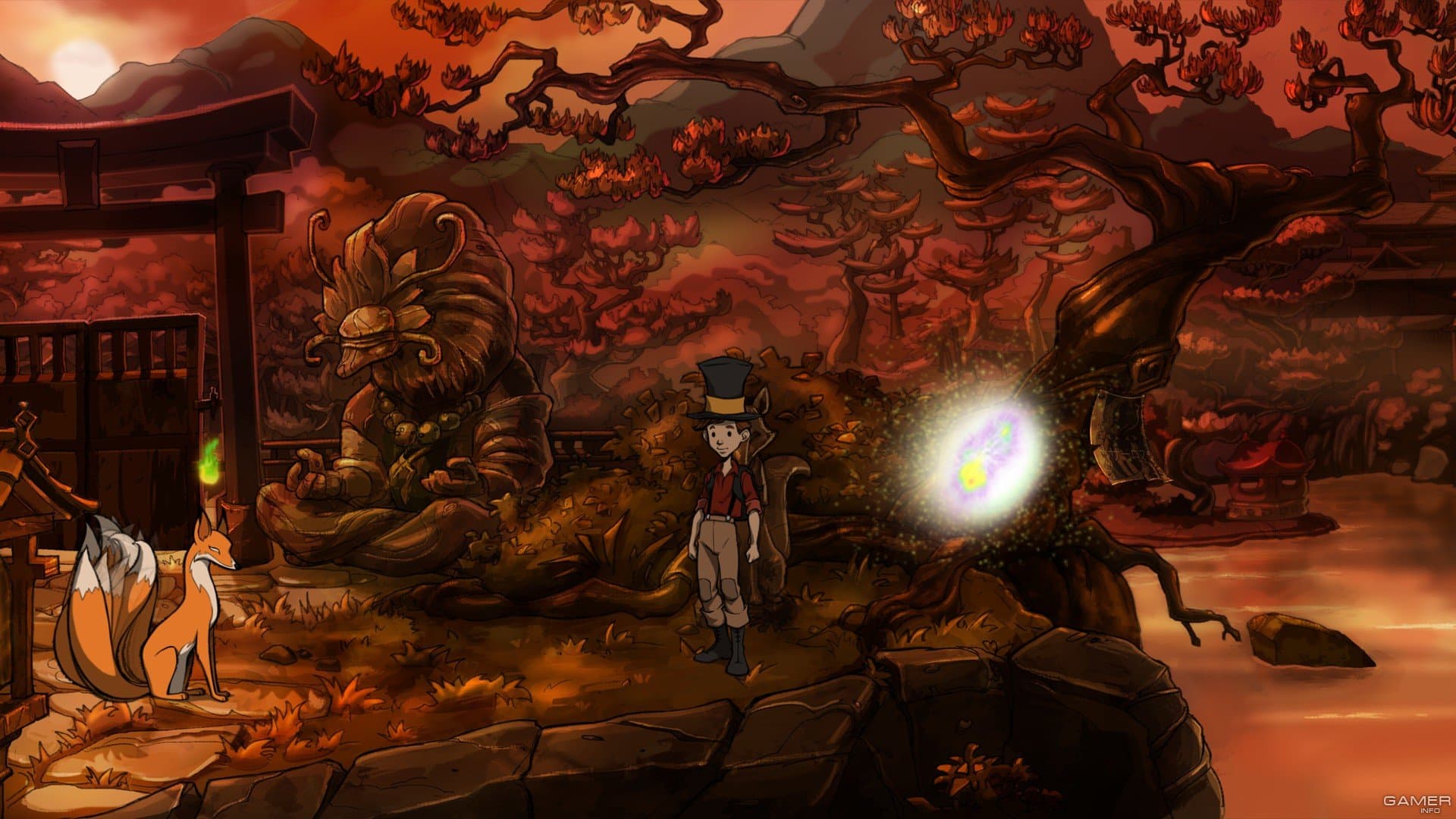
Along the way, Jerry helps mice, chases a leprechaun, and finds common ground with a kitsune (a fox girl). The lad learns spells that allow him to contact his teacher, talk to stones, enlarge plants, and alter his own body. Not the most useful spells at first glance, but they will provide invaluable help in the fight against Zaroff — an evil wizard trying to enslave the world.
The Night of the Rabbit – is the kindest game by Daedalic. Only one human fate is ruined in it, and the moth race is practically wiped out — and the main character isn't even responsible for these disasters! It's a fairy tale with a happy ending, which feels odd considering how many lives were ruined in the studio's other games.
There is also a “quartets” card mini-game. Jerry, much like Geralt of Rivia, will offer to play it with the characters he meets. And it's well worth it, since for each victory the aspiring magician receives a new card. Besides, it's just fun.
Anna's Quest
This thrilling yet sad story begins in a dense forest. A young girl named Anna lives with her grandfather on a farm. She is a kind and obedient girl, always ready to help others. But far from everyone in this world is like that, which is what her grandfather tries to warn her about.
However, Anna had to ignore this warning because her grandfather fell ill. The girl rushed for help and was immediately captured by an evil witch. Another witch would have eaten the child, but not this one. The villain connected Anna to a strange contraption that awakened telekinetic abilities in the girl.
Now Anna must use her imagination and newfound power to escape. Once free, accompanied by a talking teddy bear, the heroine will wander through a world of fantasy, legends, and European folklore. And the girl better hurry, as her grandfather is still sick!
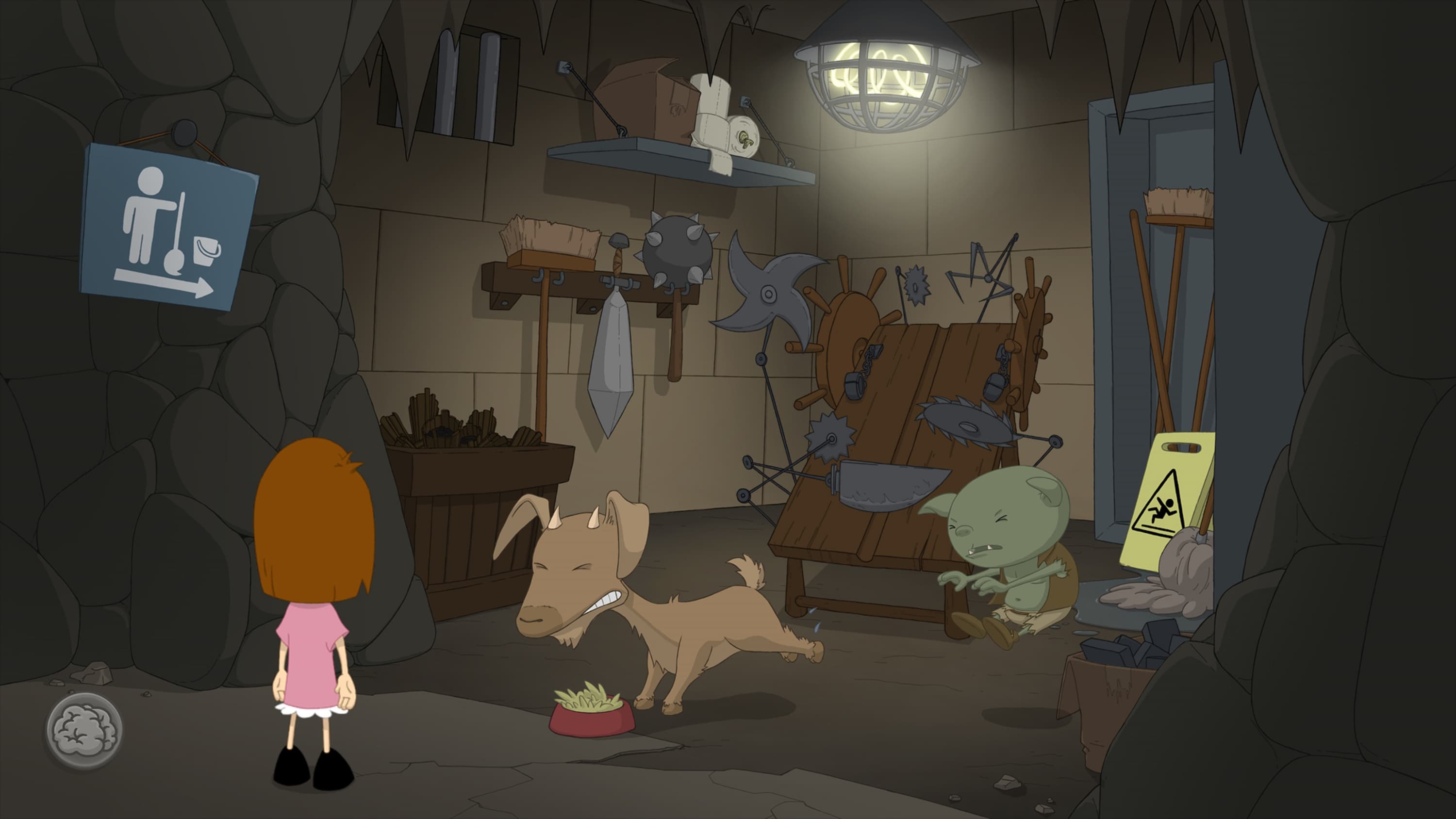
The protagonist of Anna's Quest — is the most positive among all Daedalic Entertainment adventure games. Anna treats the characters with sympathy, even the evil ones. The girl understands when she does bad things and worries about it.
The game also features one of the best Devils I have seen in video games. The horned one is clever, ruthless, and his mere presence is capable of ruining people's lives. And as fate would have it, Anna ends up in the tempter's domain. Hardly the place where a little girl should linger!
Diagnosis
Today, Daedalic is better known as a publisher of small, engaging games. But before becoming a publisher, the studio developed a dozen projects of its own. None of them went without cruelty or colorful humor. Nevertheless, they tell instructive and fascinating stories that remain forever in the player's heart.
Recently, Daedalic Entertainment managed to secure an investment from the German government. And let's hope this money will be spent on yet another vibrant, unusual, and amusingly cruel game!
Never miss our newsAdd this site to your preferred sources to see us more oftenAdd on Google