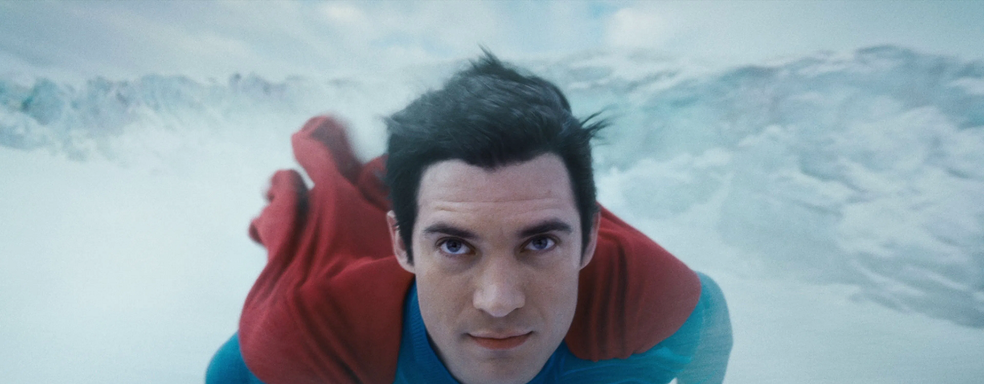
Resurrection of the DC cinematic universe. Review of the movie “Superman” by James Gunn
Translated with AI from the Russian original.
After the previous version of the DC Comics cinematic universe failed, the decision was made to reboot it completely. Director James Gunn became the head of the new cinematic universe, and he decided to start with a film about Superman—one of the most popular superheroes in the world. Read our review to find out how it turned out!
World of heroes and villains
The plot kicks off several years after Superman revealed himself to the world—this is not a typical hero's origin story, but rather a tale of how the Last Son of Krypton encountered his first serious challenges along the way.
James Gunn changed the perspective on the character familiar to modern audiences: from his parents, whose backstory is now different (both Earthly and Kryptonian), to the overall feel of Superman himself. Here he appears more human: he exhibits a wider range of emotions—resentment, annoyance, anger, sorrow, joy—makes mistakes, gets injured, and his powers do not seem quite as divine as in some previous incarnations.
However, we will probably wrap up discussing the plot here—so you don't catch major spoilers. Let's talk instead about the heroes themselves and how they are presented.
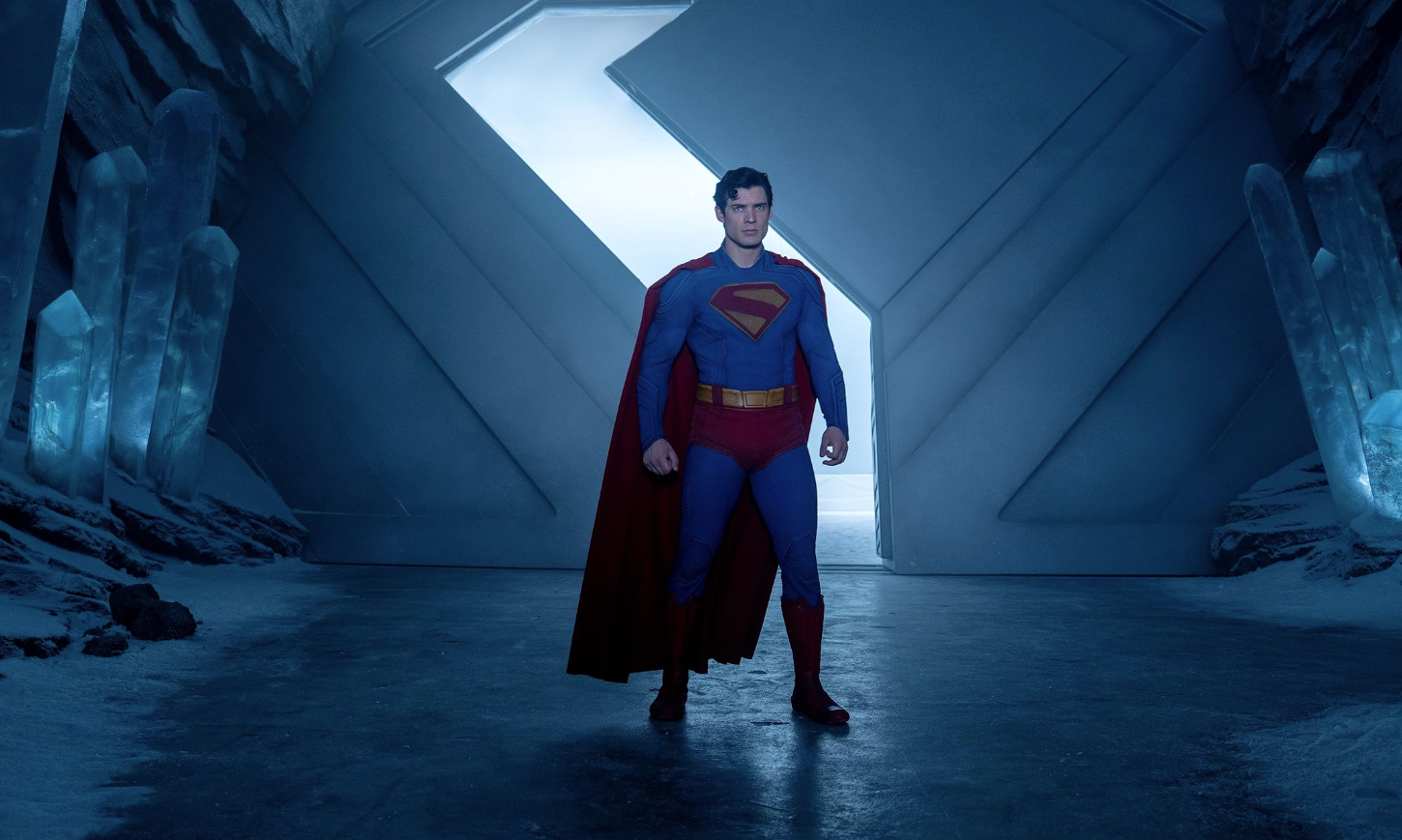
Superman, played by David Corenswet, is very warm, and it's easy to believe that he brings hope to people. Online, his character has already been compared to Christopher Reeve's—perhaps the most iconic actor in this role: he played Superman from 1978 to 1987. James Gunn was probably inspired by this very portrayal—there are even similar scenes referencing the classic films. And another coincidence is that the actors themselves look somewhat alike, and they even share the same height—193 cm.
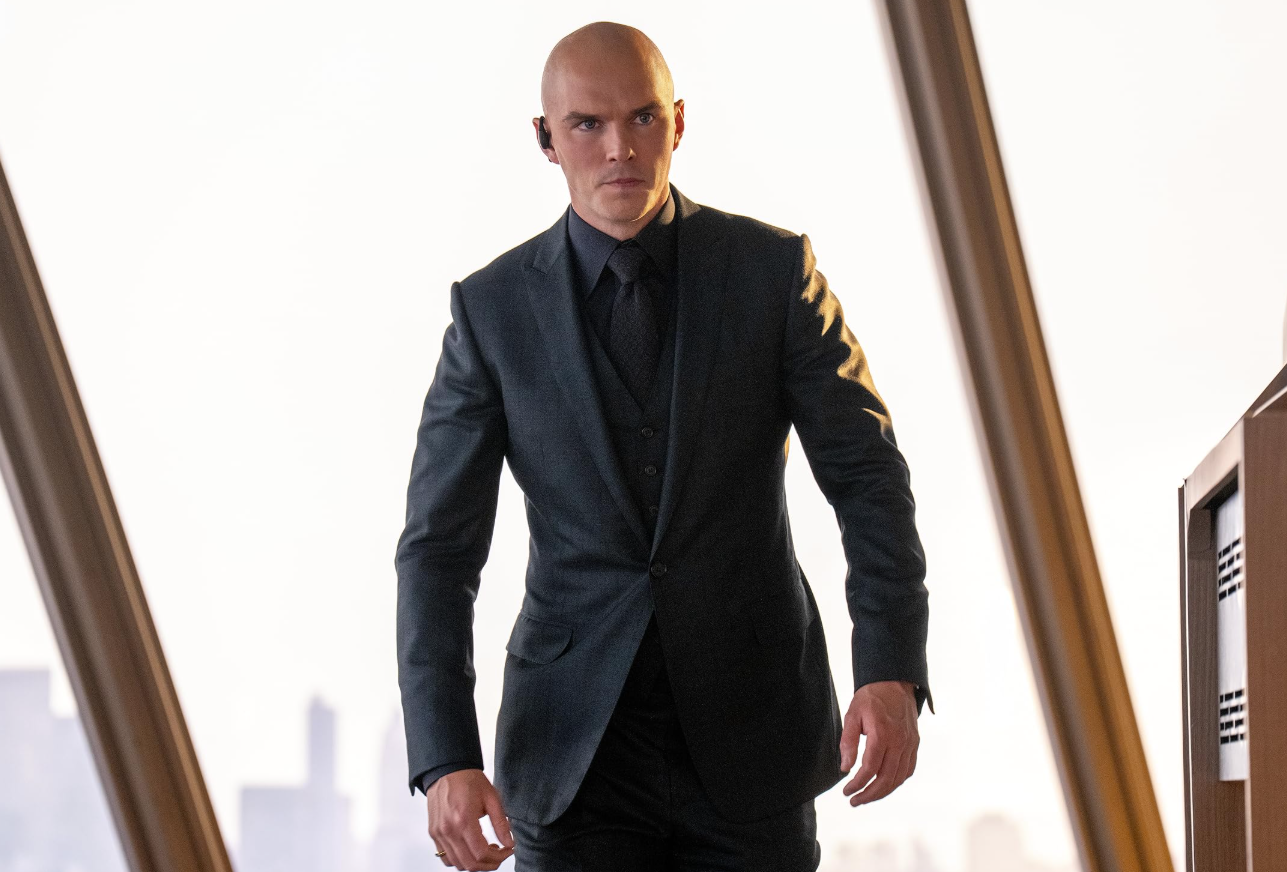
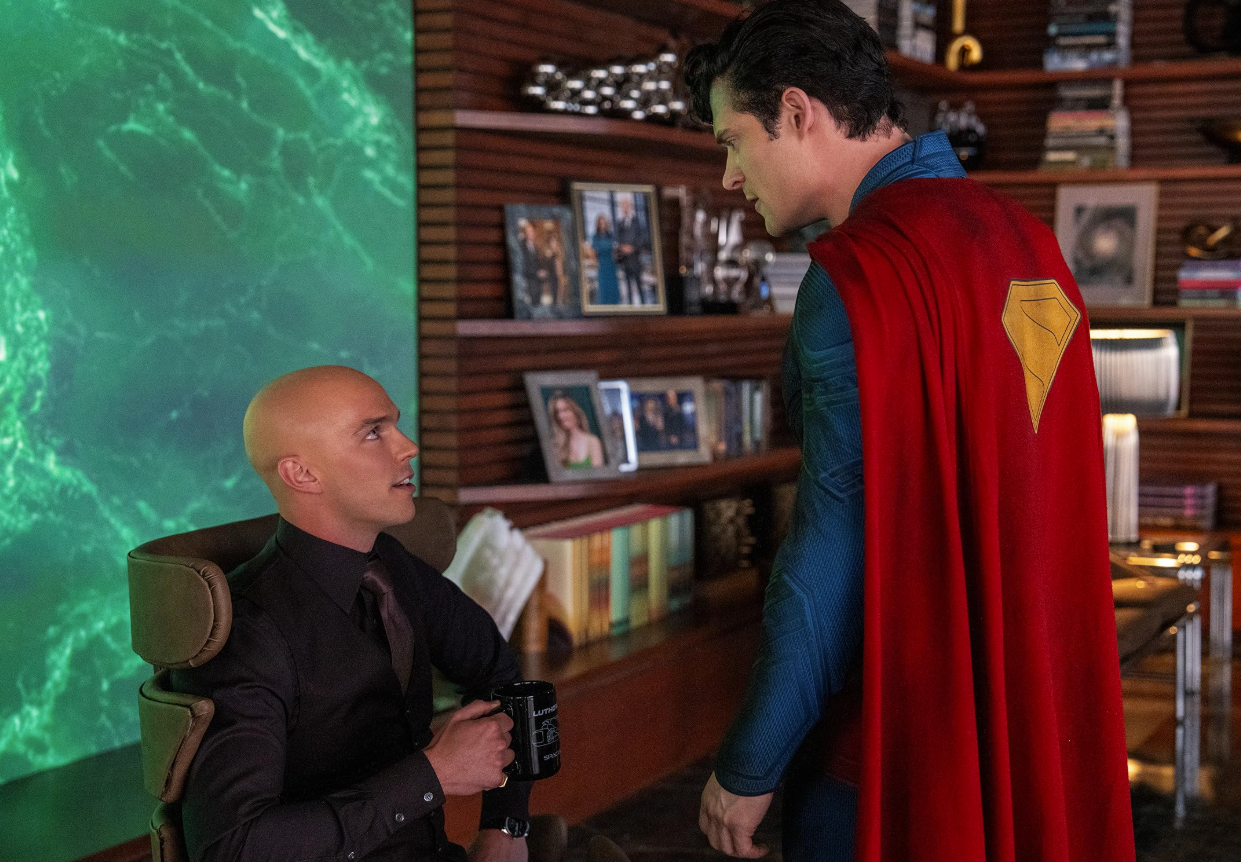
The film's main antagonist—Lex Luthor—also appears somewhat different, more lively. Here he is still the same genius, but he is driven by emotions rather than cold calculation. Luthor's motivation could be called cliché, even if it is given a logical explanation: Lex is a true psychopath, which becomes evident as the story unfolds. While initially he presents himself to the audience as a team player, by the end, opinions about him shift among both his associates and society at large.
The performance of Nicholas Hoult, who embodied the role of Lex, deserves the highest praise—he literally became the character and looks completely unlike himself from other projects. As a reminder: he starred in “X-Men: First Class”, where he played Beast—and the contrast between the characters is tangible.
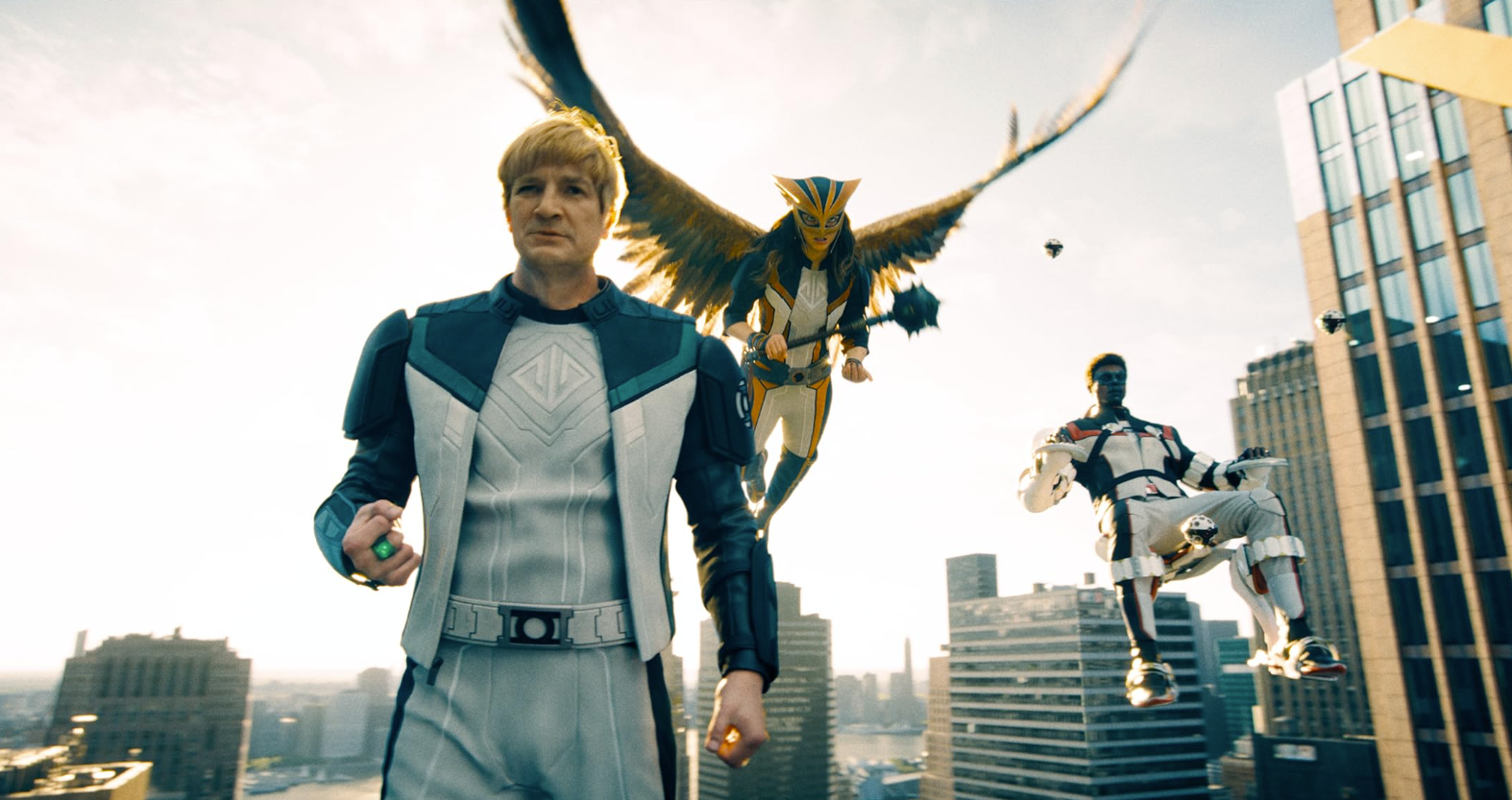
Despite the fact that the film is formally considered a solo story of the Man of Steel, other superheroes are also present—the so-called Justice Gang. They assist the protagonist and add a variety of personalities to the film:
- Green Lantern—Guy Gardner—played by Nathan Fillion, seems like a fool around whom several jokes revolve, but ultimately the impression of his character is overwhelmingly positive: he is fun and stylish, if somewhat dim-witted. He blends a tough approach to business—he frequently reproaches Superman for naivety—with the kindness shown when he rescues children;
- Mister Terrific—portrayed by actor Edi Gathegi—appears before audiences as an annoying nerd who shows no emotion. He is the antithesis of Lex Luthor: also a genius, but almost always calm and composed. Though towards the end he finally cracks, which elicits laughter from the audience;
- Hawkgirl—played by actress Isabela Merced—gets rather little screen time, and it's hard to say much about her character other than that she seems none too invested in what is going on, but does what needs to be done at the right moment.
Lois Lane turned out just as she should be—a strong and courageous journalist capable of both supporting Superman / Clark Kent and putting pressure on him by asking very uncomfortable questions during an interview with the hero. Actress Rachel Brosnahan captured the image perfectly.
And, of course, Krypto—the superdog, who is a full-fledged character in the movie rather than just comic relief, as it might have seemed. He is very disobedient and constantly misbehaves, yet at the right moments he comes through for the protagonist, adding heart to the story. The scene where Clark wakes up after a grueling battle with his loyal dog by his side is pure cuteness.
The one to save superhero cinema
The film can also be praised for several other aspects.
First—the balance between depth and fun. As I mentioned above, the characters here feel alive and real. While there are very serious and dark scenes in the film, the picture does not fixate on them, presenting them in a very casual tone. It is not a monumental production like Zack Snyder's, which is also good—we get a different approach to the character's story.
The humor, meanwhile, is very situational and almost always appropriate. The film avoids going overboard with absurdity and crude jokes, unlike in “Guardians of the Galaxy Vol. 2” or “The Suicide Squad”.
Second—cinematography and staging. The camera here doesn't merely fulfill its basic functions, but fosters immersion and adds tremendous dynamism. During battle scenes, it tracks the characters and shifts angles to accentuate the action. Moreover, this isn't done every single time to the point of numbing the viewer, but precisely when needed.
Here I should also note the use of slow motion, which pairs well with the camera work. There are several such moments in the film, but they are not dragged out and feel appropriate. Taken together, all of this turns conventional action into something unstoppable and beautiful.
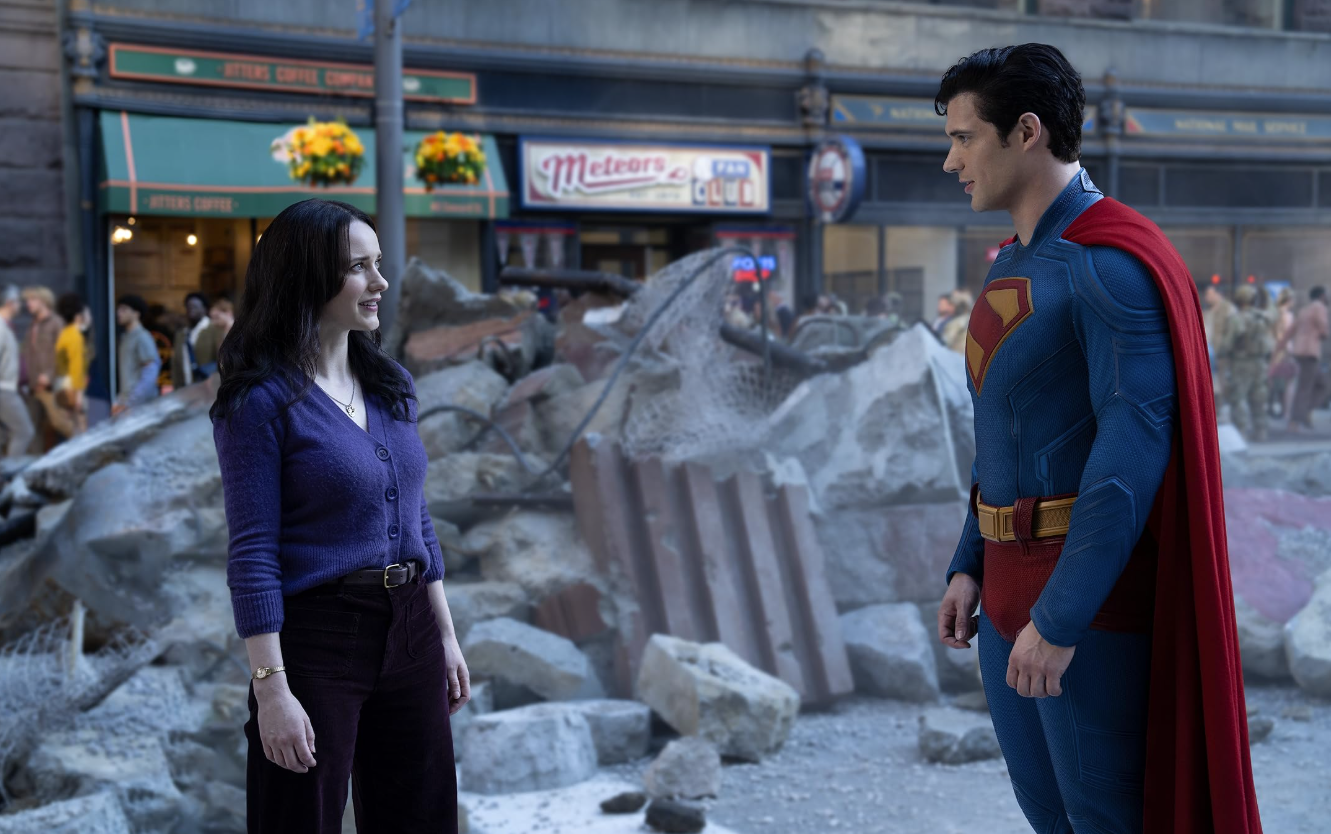
Third—the characters' approach to problem-solving. They think and look for opportunities. For example, instead of fighting a huge monster head-on, Mister Terrific immediately decides to strike its weak spots, leading to a quick victory. Even Superman himself decides to show off his wits and defeat the enemy by finding their weakness rather than flying in head-first—even if Krypto helped him with that.
Gunn's kryptonite
The film has no major flaws, but a couple of remarks should be made.
The main issue is Lex Luthor's plan. Avoiding spoilers—it looks silly and raises questions regarding the antagonist's intellect. Luthor could have discredited the protagonist using simpler yet effective methods that were readily available and obvious. On the other hand, such a blunder highlights Luthor's emotional instability fueled by his obsessive fixation on Superman—he is simply incapable of rational thought when it comes to the superhero.
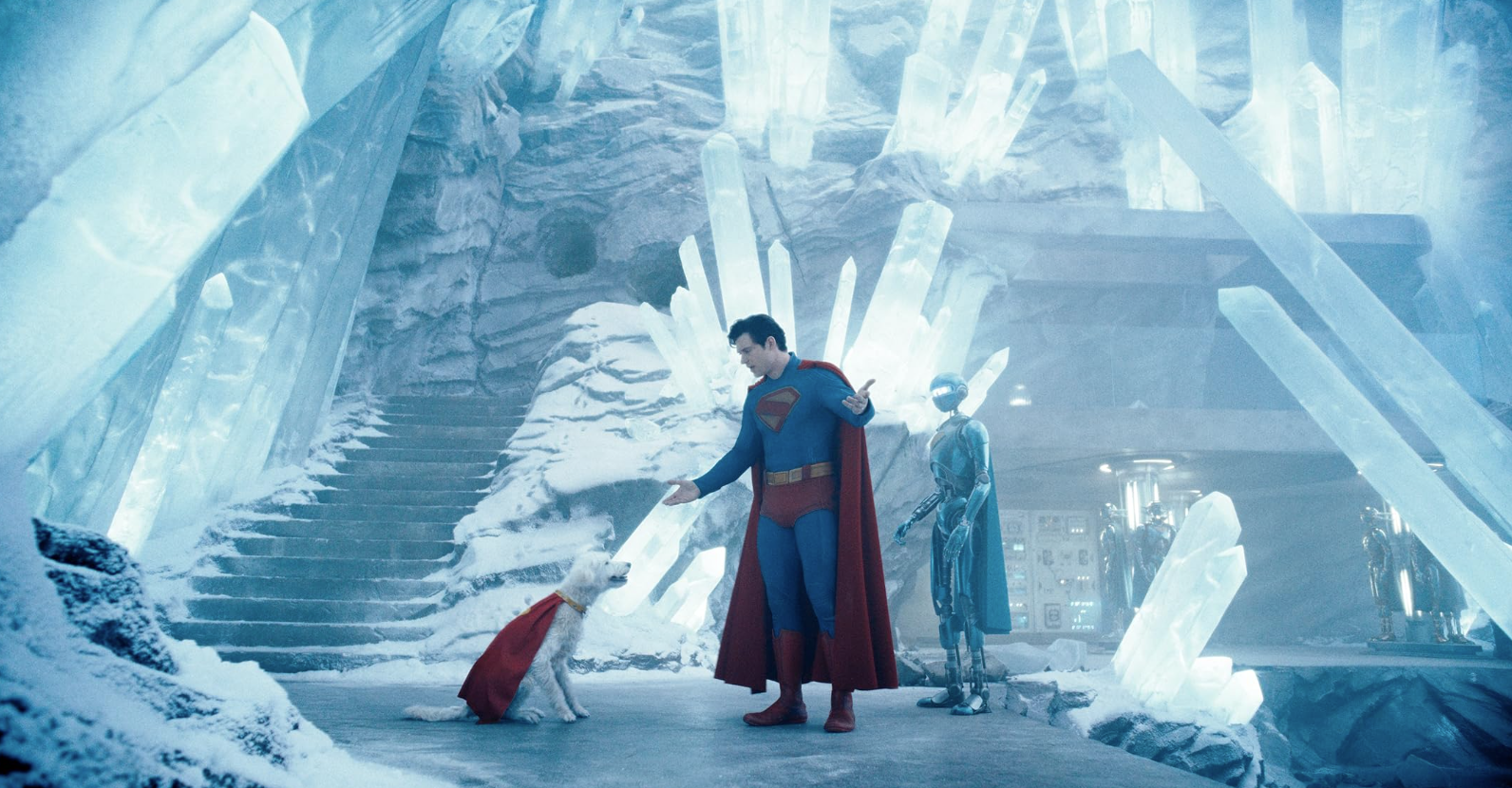
The story has moved closer to the comic books, which is good, but it immediately makes it clear that we are dealing with an entire cinematic universe. Keep in mind, however, that this is its first film—it lacks backstories for several characters and events. To an extent, Zack Snyder took the same approach, for which his version was also criticized—many secondary characters remained undeveloped upon their initial appearance. Subsequent films did correct that flaw, which unfortunately did not save the old DCEU.
In the new iteration, this is even more noticeable, as the movie is not an origin story for Superman. One can only hope that James Gunn's entire universe will not repeat the fate of Snyder's “Justice League”.
Diagnosis
“Superman” turned out to be an excellent superhero movie that strikes a perfect balance between depth and fun, portrays emotional and lively characters, and exhibits masterful camerawork delivering great battle scenes.
Among the film's drawbacks is the fact that it is a cinematic universe entry that throws the viewer right into the thick of things without laying all its cards on the table, saving many elements for future projects. Fortunately, this does not apply to the main characters—Superman, Lex Luthor, and Lois Lane.
In any case, the film is definitely a success and provides a promising start to something new. At the time of writing, its box office gross has already exceeded all expectations and is heading toward 500 million dollars. This means that Gunn's DC universe is doing just fine—bring on the next films!
***
All used images belong to DC Studios and Warner Bros. Pictures
Never miss our newsAdd this site to your preferred sources to see us more oftenAdd on Google