What is the secret to the success of "Spider-Man: A New Day"? A review of Marvel's Spider-Man's "proper sequel"
Translated with AI from the Russian original.
Five years after all the cinematic Spider-Men met, we got a sequel. The film "Spider-Man: A New Day" changed directors and moved the story to a new plane, which allowed it to become the most successful picture about the Friendly Neighborhood: box office receipts have already exceeded $2 billion. What is its secret? Let's find out.
Several years have passed since everyone forgot who Peter Parker was. Since then, as Spider-Man, he has saved many people and defeated a bunch of villains: Scorpion, Tombstone, and others. Spidey even befriended the police and earned the love of New Yorkers.
But Peter never got used to loneliness — he is torn by the inability to reunite with Ned and MJ, because that way he would put them in danger. And after Aunt May's death, Parker fears this most of all. Therefore, he trusts no one and does not even pay attention to his health problems, completely immersing himself in the "spider-suit."
But one day, the hero meets an enemy who threatens everything he holds dear — a telepath who, although unable to subjugate Peter's mind, learned everything about him and his past. Now Spider-Man must protect his friends, who remember nothing about him, defeat a powerful opponent, and understand what is happening to him and how he should live on.
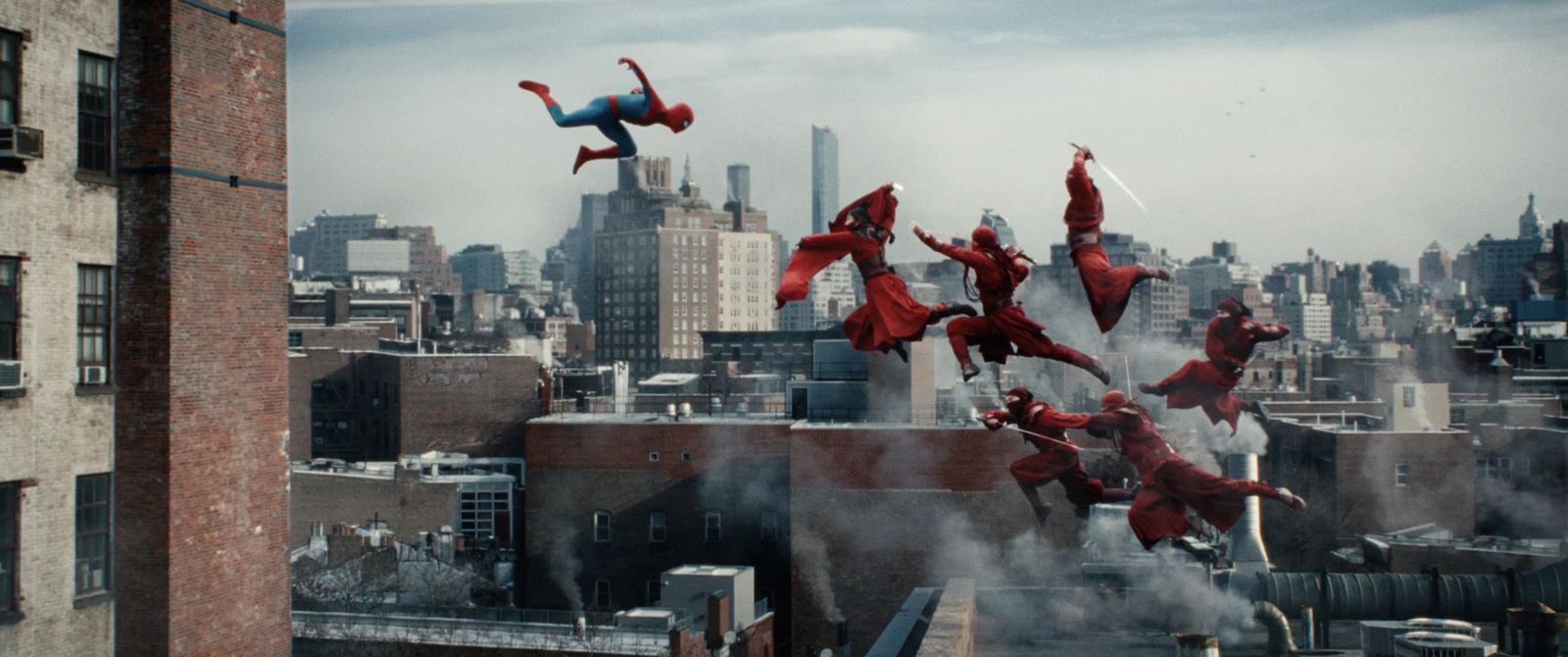
The most grounded "Spider-Man" of the cinematic universe
Spider-Man lives in New York and cares for its citizens: the metropolis feels alive, and the main characters are a part of it. There are no trips to other countries, guests from other dimensions, or aliens. Before us is the "street" level that viewers have long dreamed of.
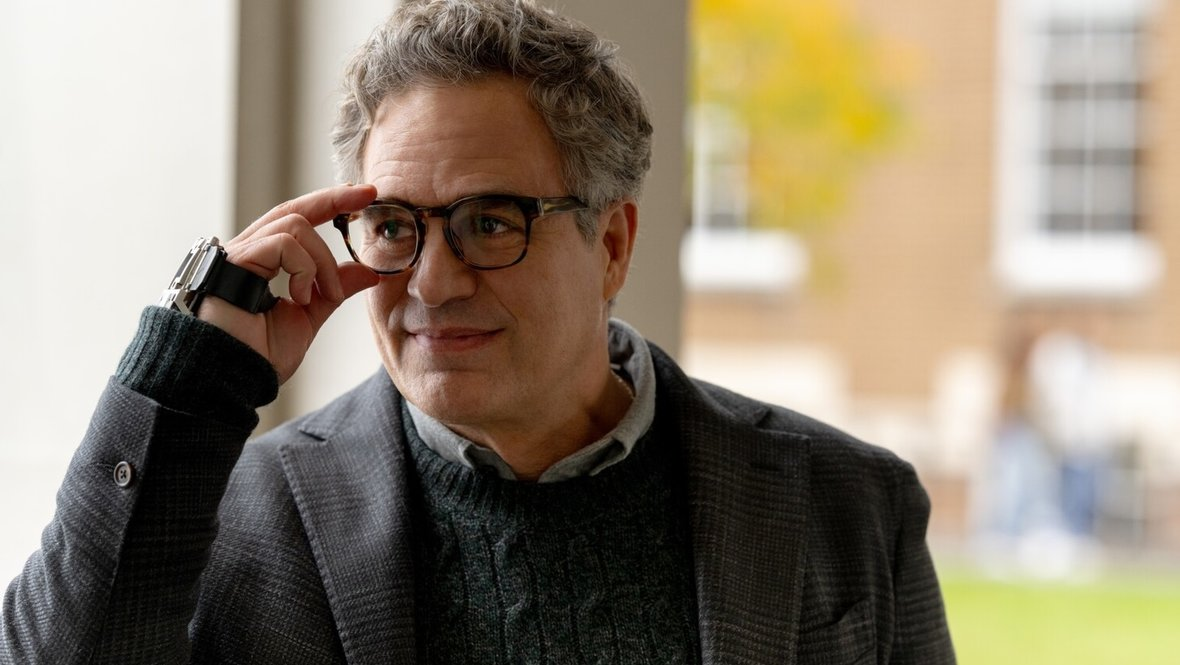
This impression is not spoiled even by Hulk, Black Widow, and Punisher. The green giant has little screen time — only two scenes: in one, he talks to Peter as Bruce Banner, and in the other, he rages as Hulk. Yelena also appears a couple of times and helps Pete with information retrieval. The characters do not act as mentors or assistants to the protagonist but simply serve as a small detail of the story.
The Punisher, however, is magnificent and criminally underused — his chemistry with Spidey is a separate art form. The heroes constantly argue, tease, but at the same time care for and help each other, not forgetting to argue about why the Punisher should not kill anyone. This can also be seen in the trailers: at the moment when Spidey webs Frank's mouth shut so he "doesn't swear."
It seems that Castle sees a close person in the Friendly Neighborhood — a family member he lost. Many funny moments are associated with this, and the final scene brings tears of joy. The Punisher is a sweetheart!
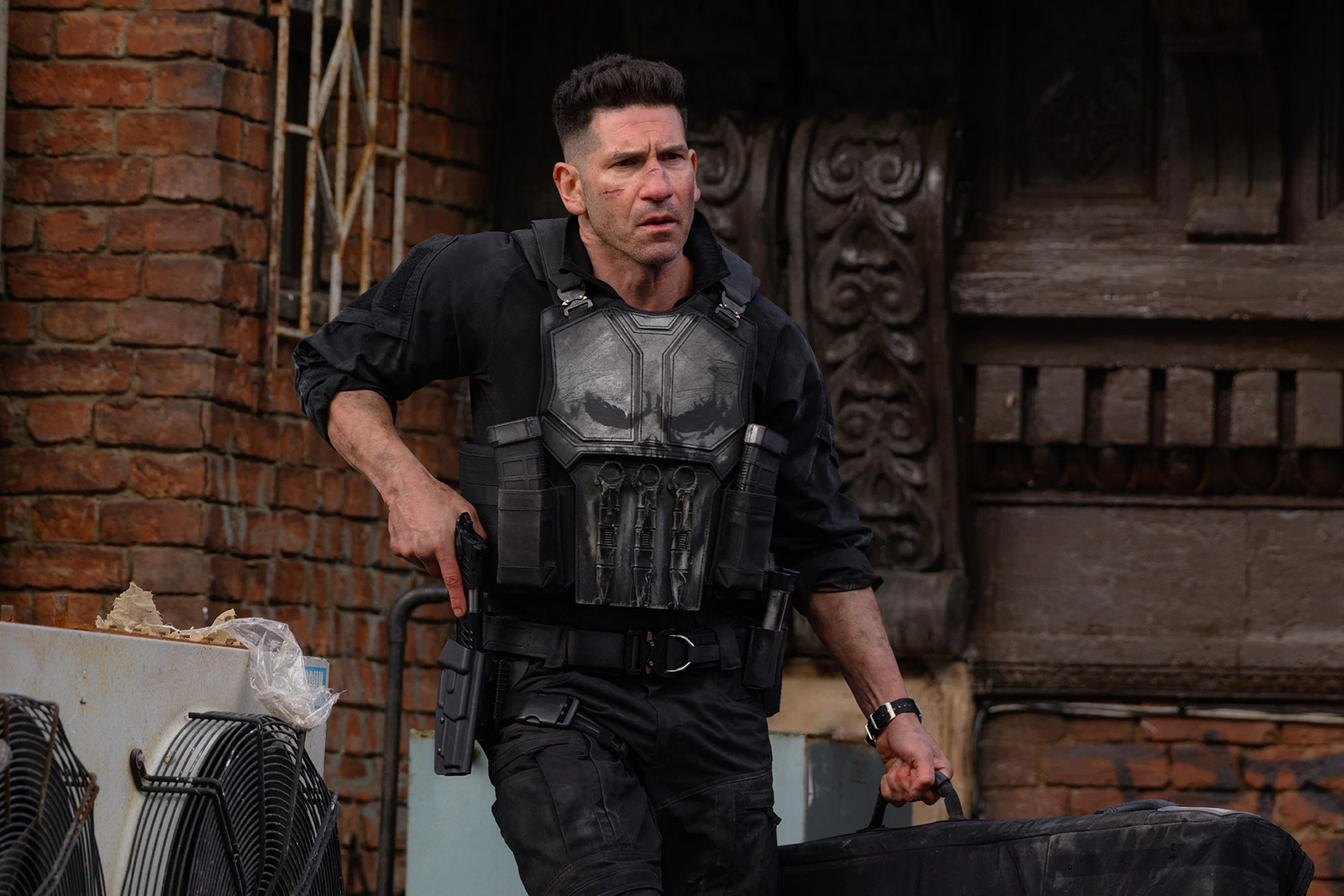
At the same time, the film can also be called the most canonical: although the events do not repeat the original source exactly, the story breathes comics in a good way. After all, in this film, Spider-Man appeared as he should be: a complex but independent person with problems inherent in ordinary people. And the filmmakers finally grasped this idea and highlighted it.
Throughout the film, Peter tries to understand who he is and what he wants. The standard dilemma "Spider-Man or Peter Parker" is not shown here exactly as it was in other films. The protagonist is constantly in limbo: he is unable to take a step forward and is afraid to bring back old friends. The problem of self-determination is close to many people.
All this spurs the development of the main character, but he is afraid to accept changes in himself. I would compare this to Sam Raimi's "Spider-Man 2," where the main character doubted, which caused him to lose his abilities. In "A New Day," there is something similar, only the opposite.
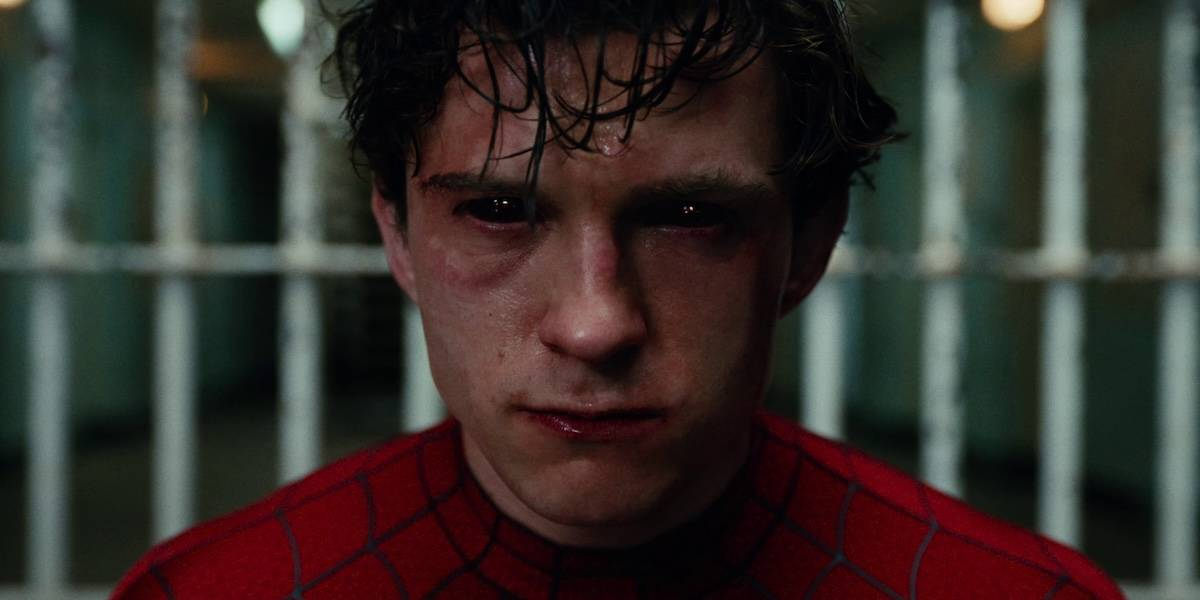
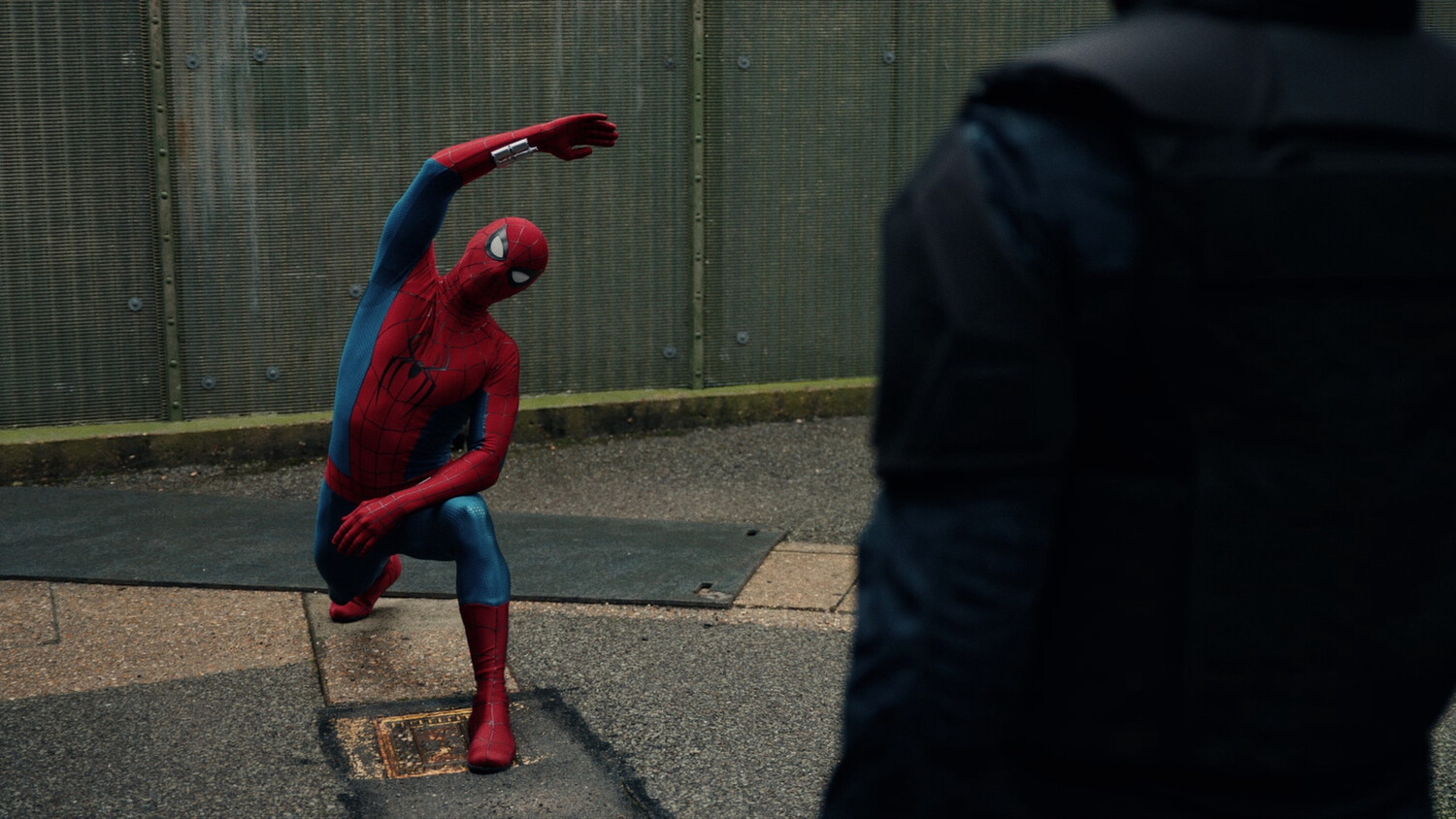
The battles are both simple and cool. There is no large scale here, and clashes rarely go beyond buildings (except for the tank scene at the beginning), but they are staged magnificently. The filmmakers use well-known but effective techniques that add spectacle to the fights: the camera constantly circles around the heroes, slow-motion effects are used, and so on.
The graphics are also excellent and realistic: many scenes were shot on location. Filming took place in New York, London, and studios in Atlanta. The team used real streets, buildings, and natural landscapes as the basis for each shot. Many scenes were filmed in real conditions with natural lighting to give them authenticity. Practical effects, wire systems, and miniatures were used, and then everything was finished on the computer.
The Evolution of Superhero Cinema
The ending elegantly closes the question of groundedness: there is no classic main villain in the film, as there was in all previous films about the character. The conflict is shown in gray tones, so there is no large-scale battle, and everything is resolved through conversation.
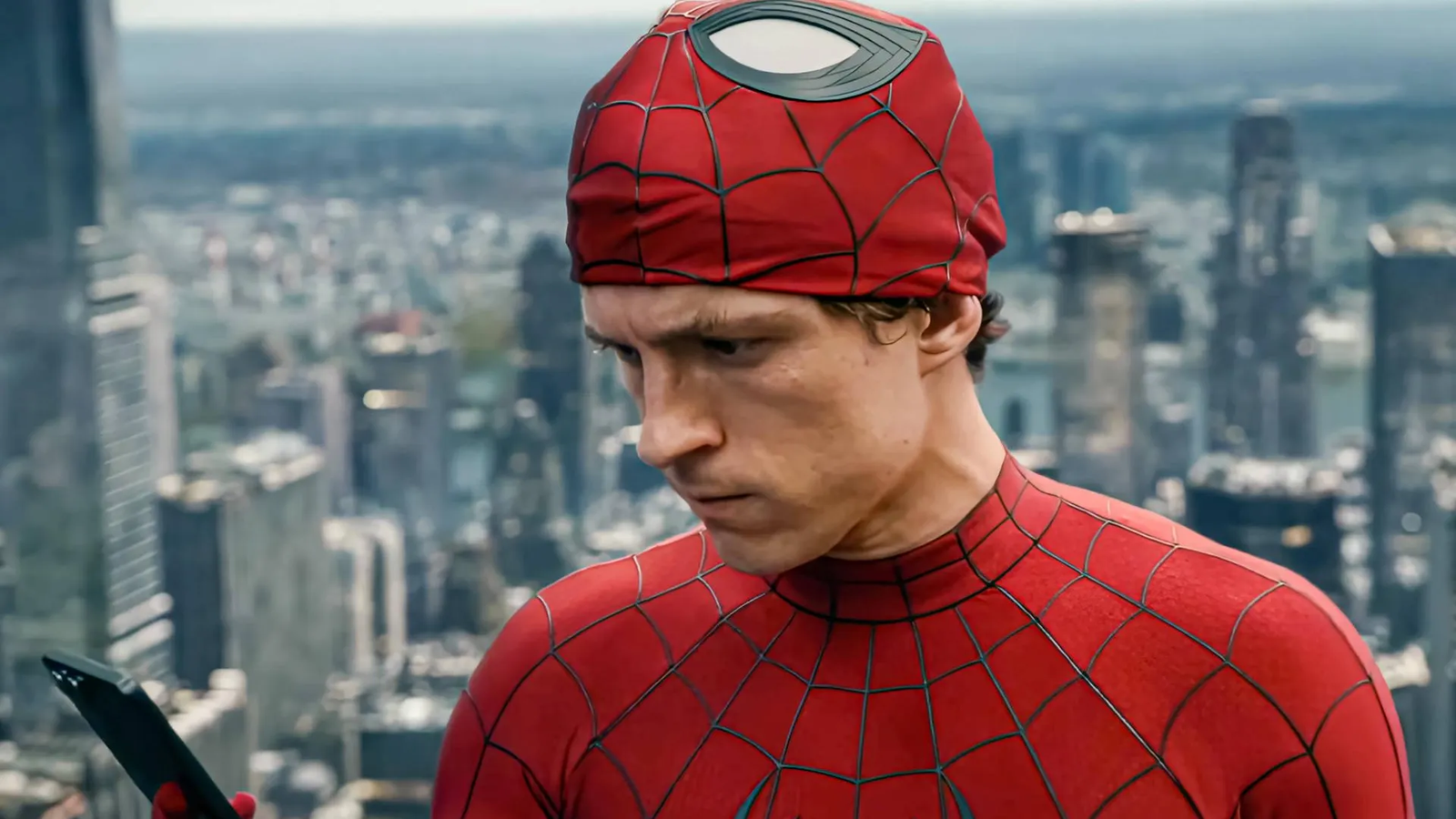
This time, we are not just looking at Spider-Man, but a character who, over three previous solo films and several crossovers, has experienced a lot and is already fit to be a mentor himself. Such experience adds weight to his words, and the film's ending looks logical and alive.
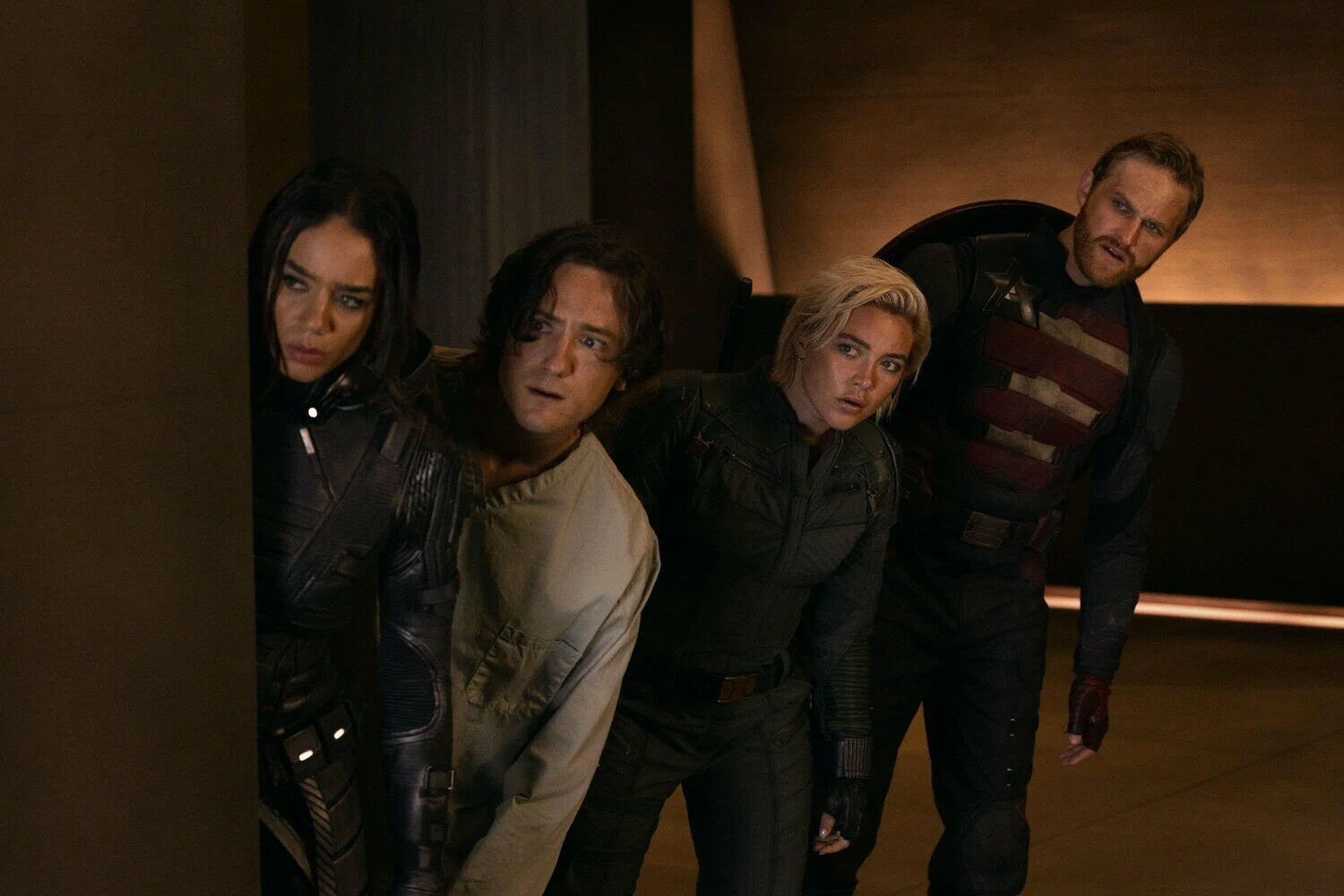
I want to compare the film with last year's "Thunderbolts." There, the villain was also nominal, and the final battle primarily focused on psychology and themes of loneliness and depression.
I would very much like future superhero films to move away from classic brawls and develop in this direction. This would breathe new life into them, because it is not at all necessary to be epic and super-large-scale to attract an audience.
However, it's not worth repeating oneself: new topics for discussion need to be invented, rather than circling around the same questions.
Insomniac's Heir
"A New Day" is very similar to Insomniac Games' Marvel's Spider-Man games. The filmmakers were deliberately inspired by this series, which was confirmed by director Destin Daniel Cretton and lead actor Tom Holland.
The similarity is visible in many moments.
For example, in the superhero's interaction with the police: Peter often calls Officer Jean DeWolff, discussing cases and more with her, and at the right moment, she helps the hero come to his senses. It immediately brings to mind how the Friendly Neighborhood communicated with Yuri Watanabe in the 2018 game — only the signature "Spider-Cop" is missing.
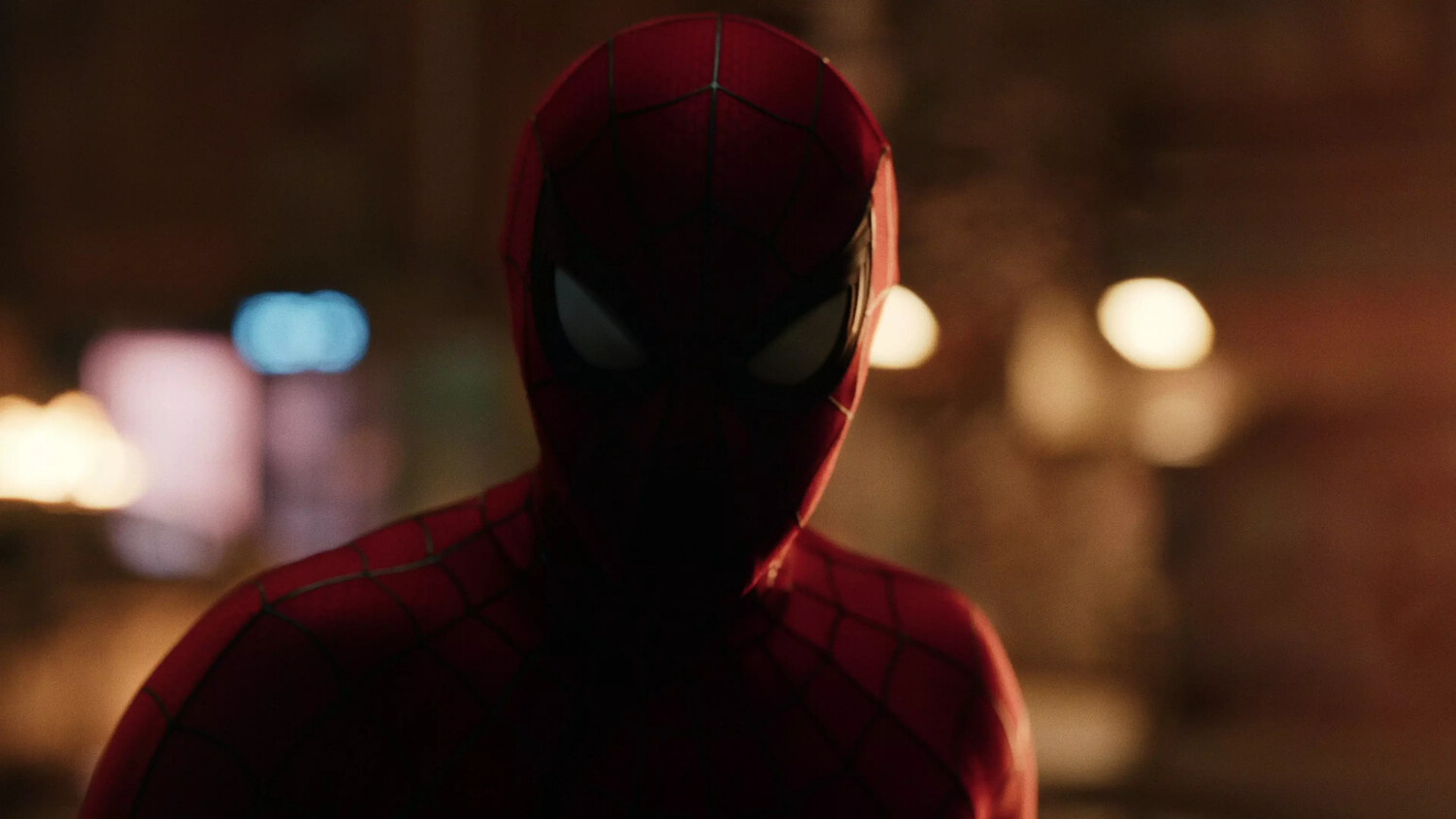
The kinship with Insomniac's projects is evident in the battles: Spider-Man uses simple gadgets, like web grenades, to neutralize opponents, and some techniques and movements are directly inspired by the game. Many finishing moves, choreography, and fighting styles are also borrowed from there, albeit slightly modified.
Destin Daniel Cretton told Polygon in an interview that the team drew inspiration from video games alongside previous adaptations. He himself is not into games, but he "surrounded himself with avid gamers." Many stuntmen took screenshots of gameplay, brought them in, and asked, "Can we replicate this trick?" Cretton called it "a great source of inspiration" for action scenes.
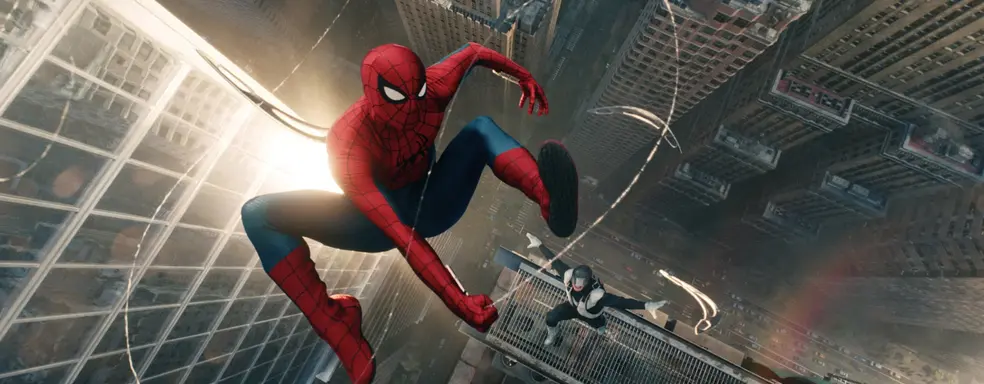
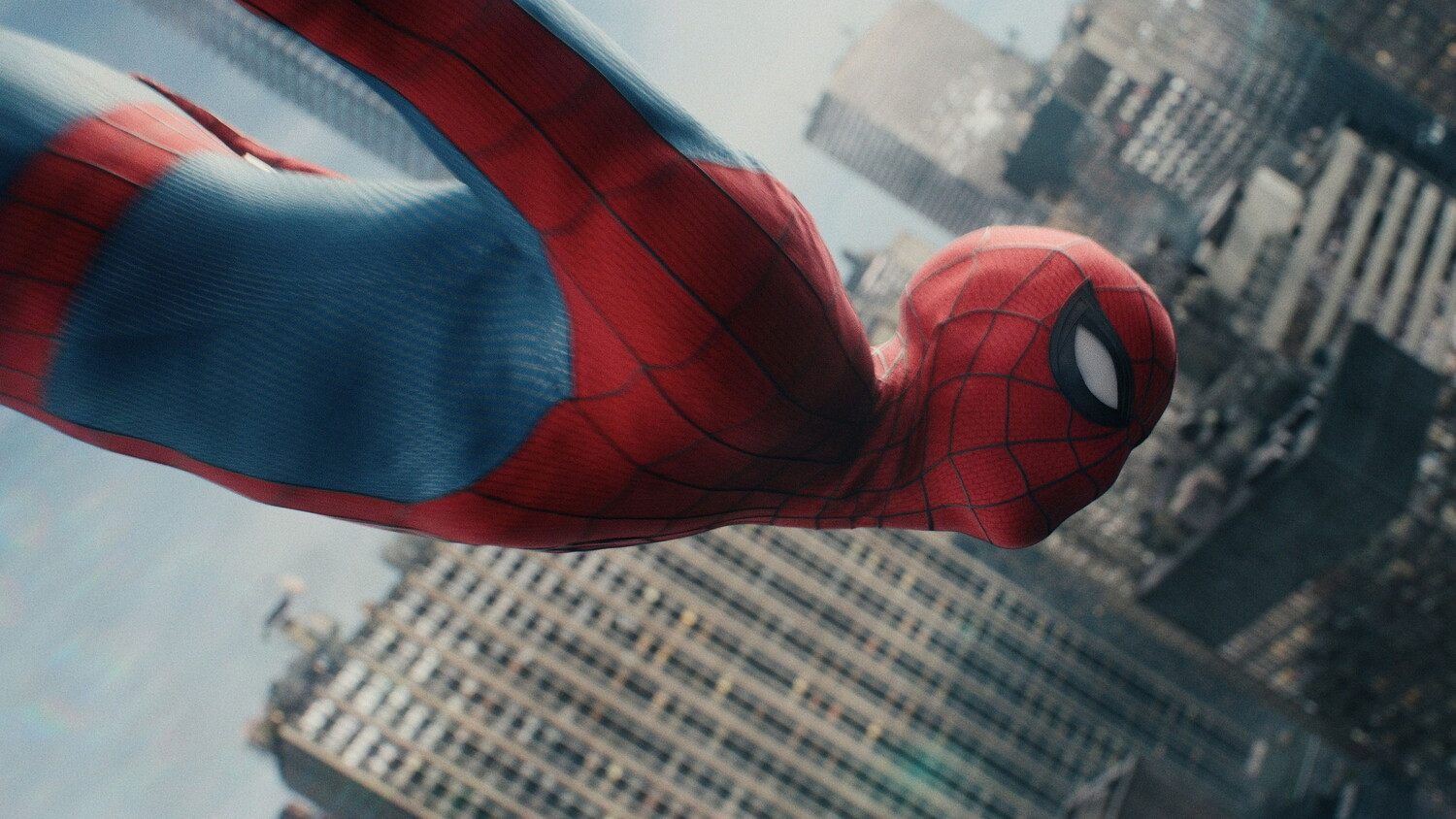
Web-slinging also stands out. Its dynamics are very similar to those in the games. The camera sweeps over the city as Spider-Man moves are breathtaking, and sometimes Peter twitches so comically in flight, as if a player is trying to control him with a controller. The creators tried to maintain the rhythm, fluidity, and spectacularity of the movements.
The film connects with Insomniac's projects and part of the backstory. Before us is an experienced superhero who has been fighting crime for many years. He regularly defeats various background villains, such as Scorpion or the Hand Clan, but has not yet met many personal antagonists — for example, Venom.
While watching, it felt like I was watching the proper "Spider-Man 2" from Insomniac, from which many elements, such as interaction with the police, were cut. And this aligns with Aunt May's death at the end of the first game, as in "No Way Home." The only difference is MJ, with whom Pete reunited in the game but "broke up" in the films.
Proper Fan Service
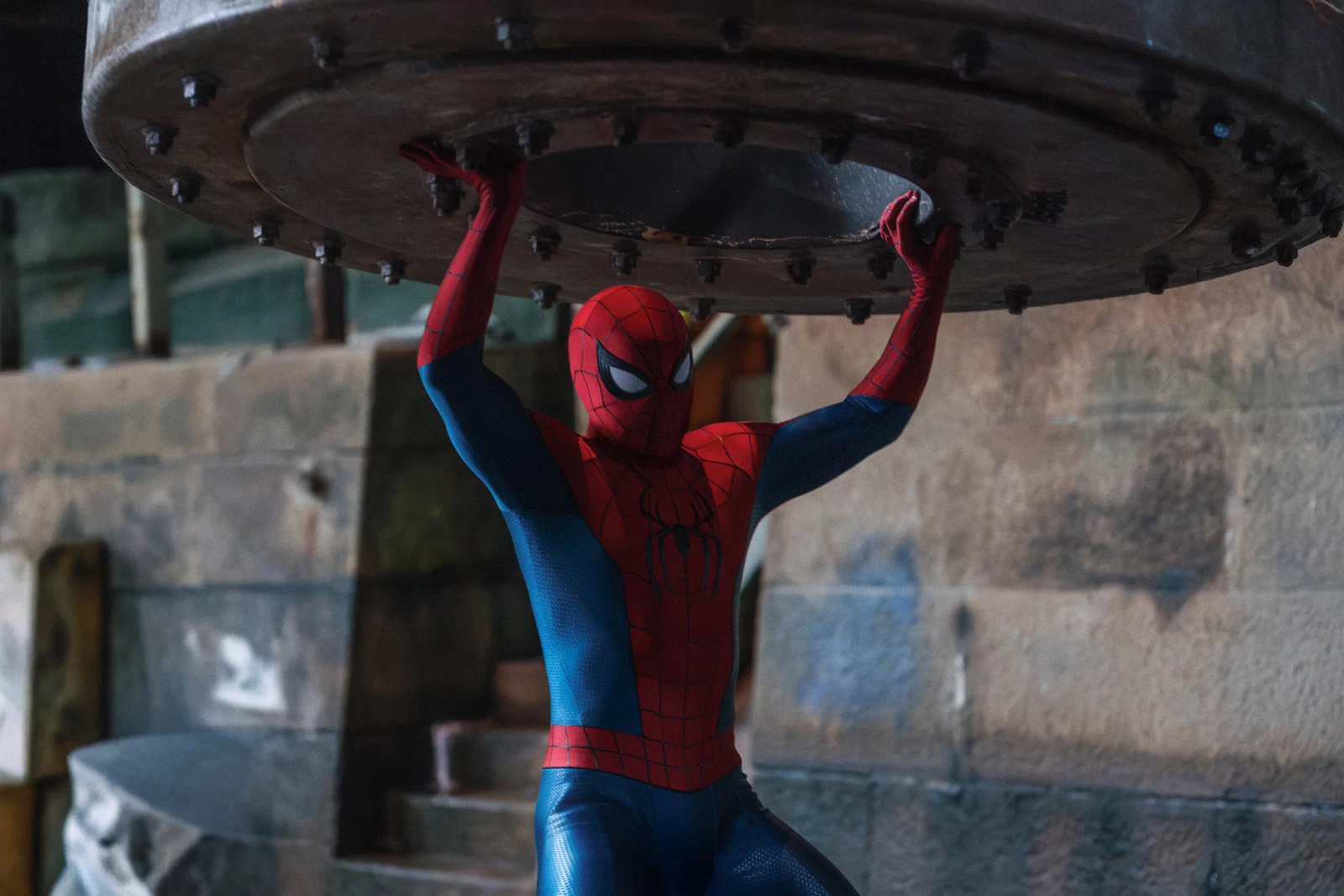
You can often notice homages to scenes from Sam Raimi's Spider-Man films — for example, the elevator moment or the scene where Spidey shielded MJ from a large falling object and then struggled to throw it away.
There are also references to the Garfield films: when Spider-Man catches a falling MJ and remembers that another Peter lost his love in the exact same situation. Although this is a classic Spider-Man scene since Gwen Stacy's death in The Amazing Spider-Man #121 in 1973.
By the way, many moments are directly or indirectly copied from the comics. For example, in one scene, I remembered Peter flying through the city on a web without any disguise — this was in the Marvel Knights Spider-Man series from 2004.
There are also references to the covers of famous issues, such as Amazing Fantasy #15, in which the character first appeared.
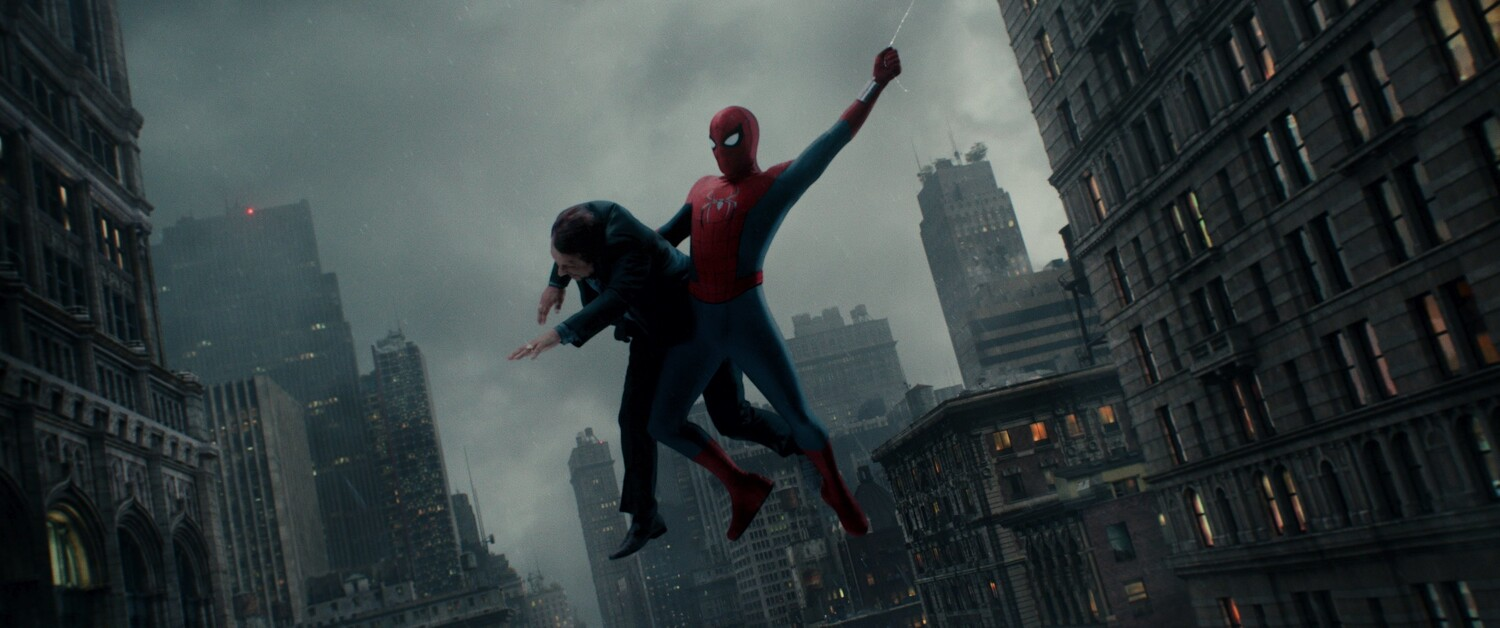
In any case, "Spider-Man: A New Day" is not built solely on fan service, as was the case in "No Way Home" with characters from old films. Here, these moments only complement the picture.
Spoiler Segment
I will highlight some moments from the film — spoilers ahead.
I'm glad that Aunt May wasn't forgotten in the film. Peter doesn't just regularly visit her grave — the character has a cameo in the main character's mind. She helps resolve the main conflict and makes the confrontation personal.
The scenes with Peter and MJ look natural. Despite a little awkwardness, the characters appear mature and perceive everything adequately. It's good that she only remembered everything at the very end, shedding a tear that is easy to miss, even though she revealed Peter's secret earlier.
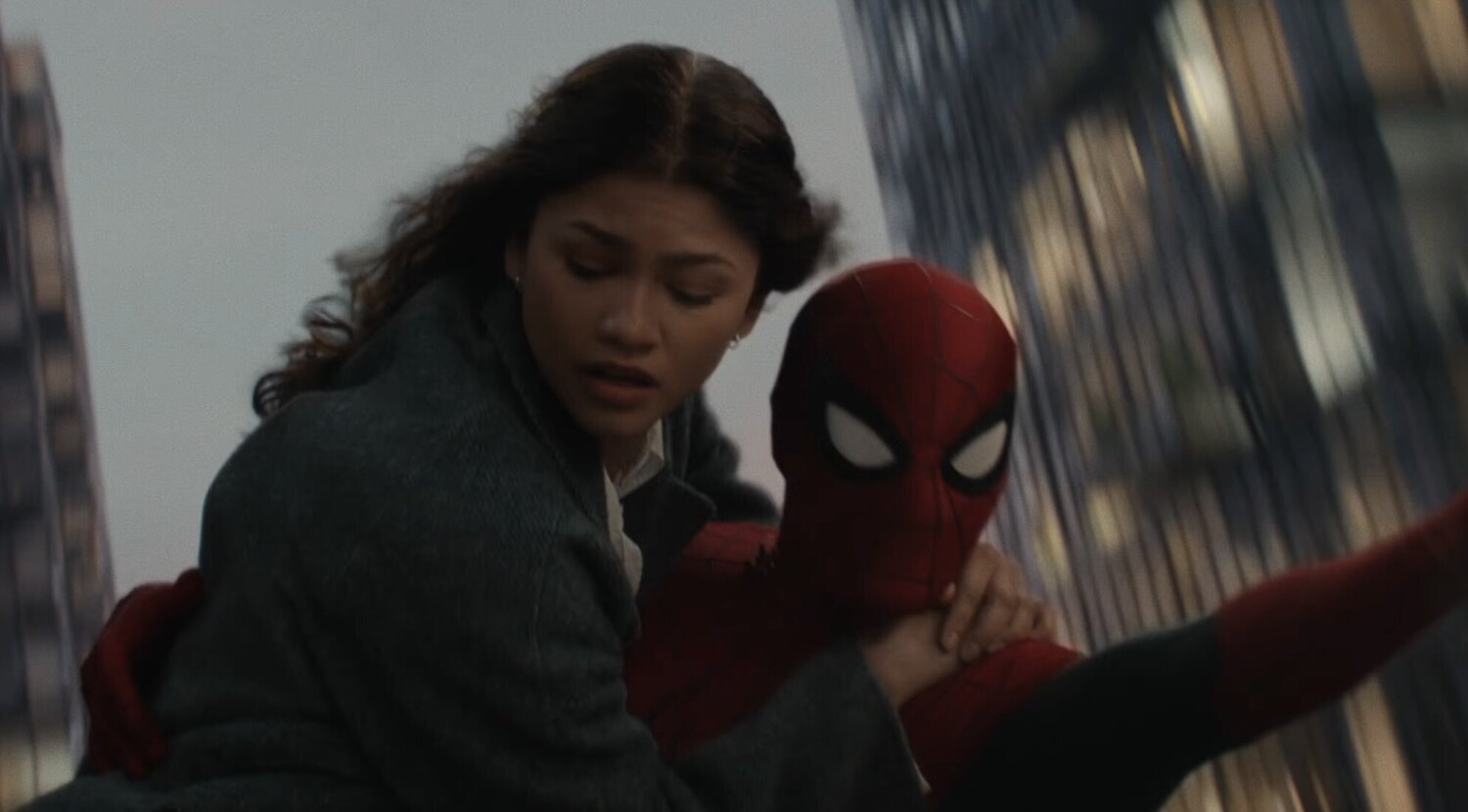
Here, the protagonist's old life is contrasted with his new path in the form of a connection with Jean Grey. I don't think they will have any relationship in the future, but the gesture is beautiful.
The rest of the time, it feels like MJ is no longer a schoolgirl. She's smart, supportive, and not annoying.
Spider-Man's new powers are not shown as I initially thought: these are not changes in the style of the "Neogenic Nightmare," where Peter turned into a monster spider, nor an adaptation of the "Other" arc, where the hero was reborn. This is simply the development of the character's powers — his growth, which is reflected in the theme of the plot.
It's a pity that everything turned out to be so simple. Although such changes would have been superfluous here. And the way Spidey uses his new abilities is shown coolly: his enhanced senses, more maneuverable acrobatics, changing eyes, and so on.
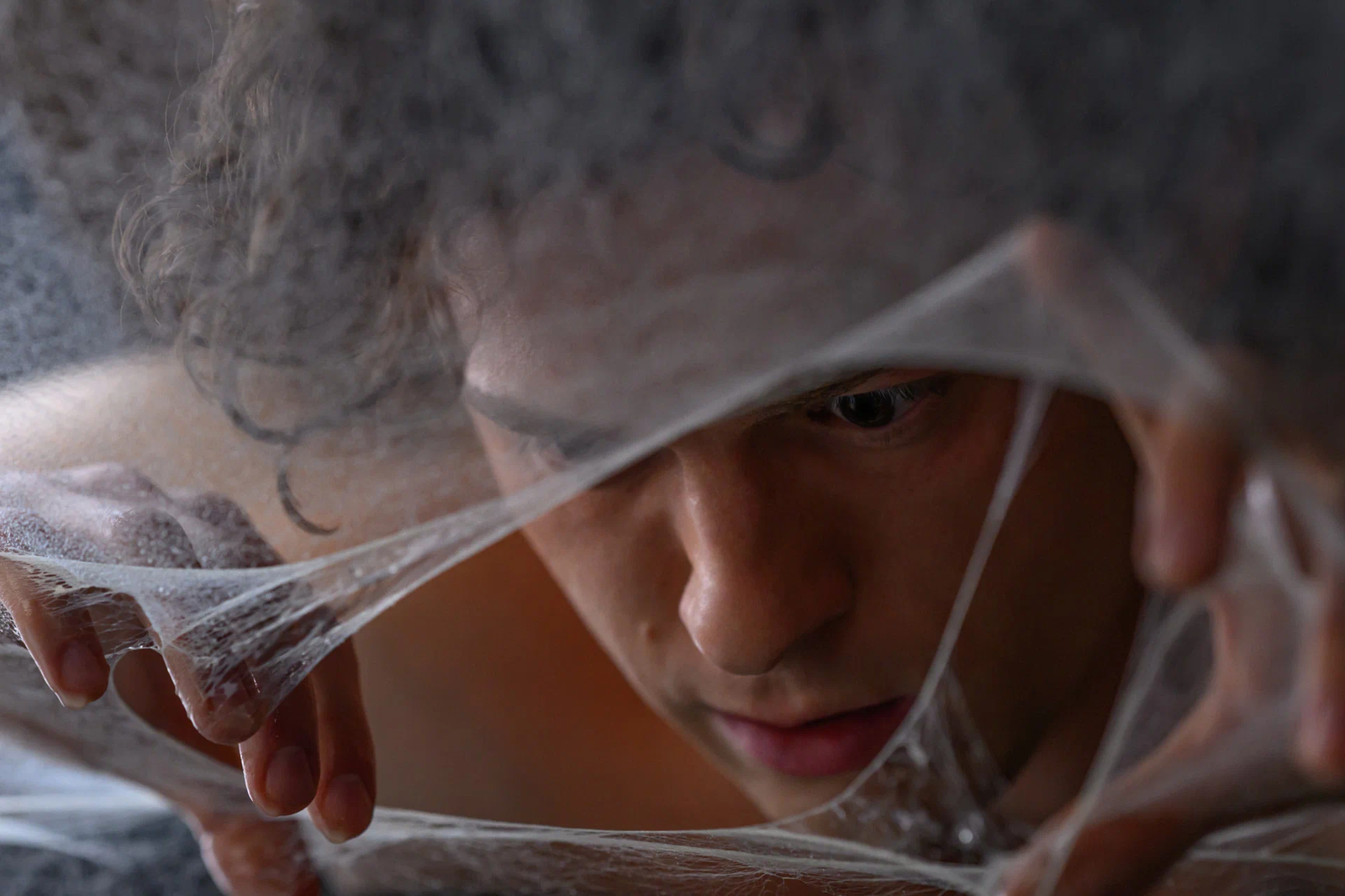
Curiously, in one scene, we are told about the life stages of spiders when Parker watches a documentary. It says that there are only three stages, and the last one is equivalent to rebirth. But before "A New Day," there was nothing, and the changes here can be considered a transition from the first stage to the second. Perhaps in future films, we will see a continuation of this storyline.
The film perfectly introduces us to the world of mutants: they were in the MCU before, but neither the "Ms. Marvel" series nor the post-credits scene in "Captain Marvel 2" delved into this issue.
Here, we are shown Jean Grey and the attitude of ordinary people in power towards people with superpowers: how they want to capture, subjugate, and use them. This is what happened in the X-Men films and comics, which will soon become an integral part of the MCU after two Avengers films.
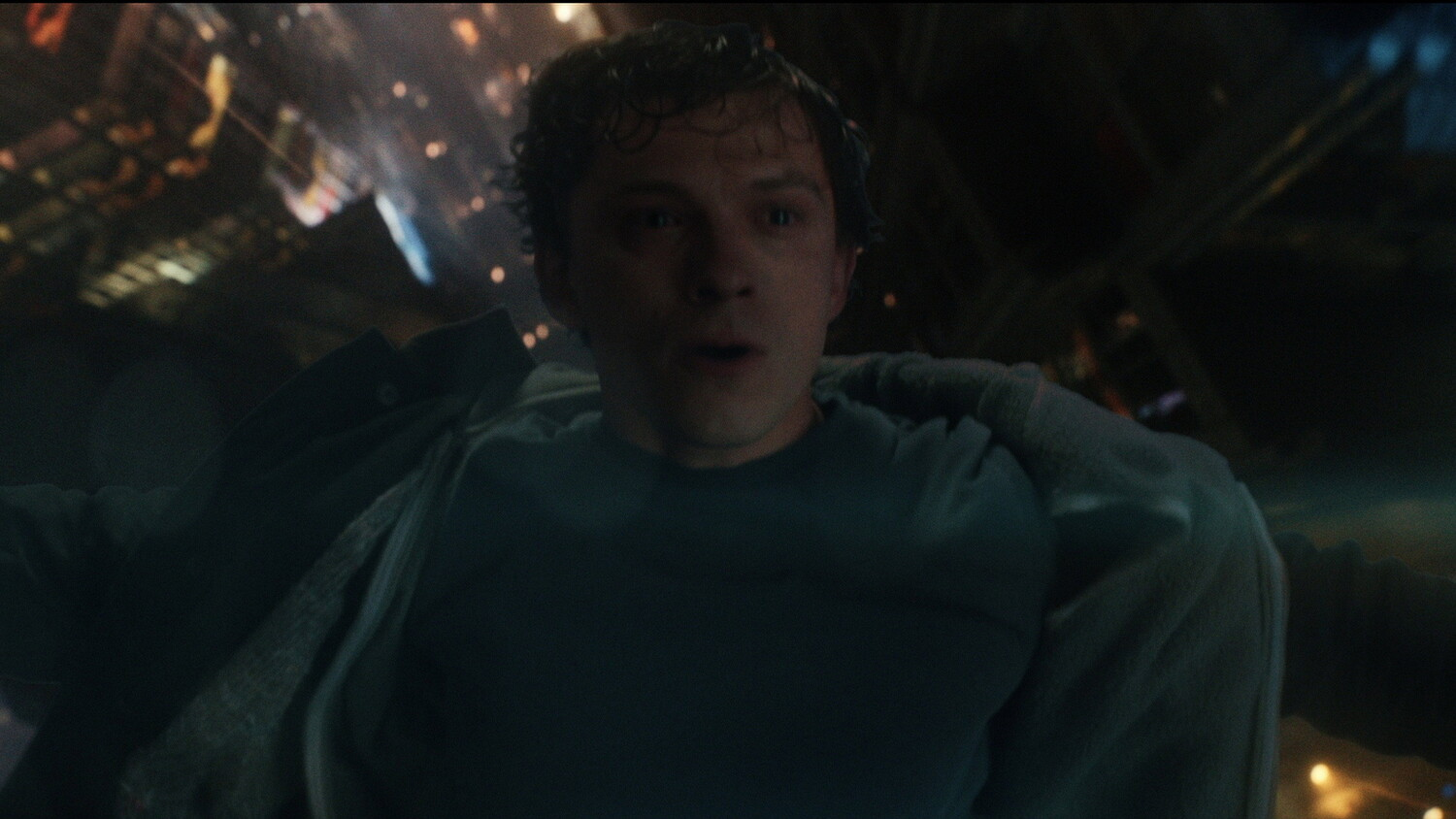
It even seemed to me that Metzger wanted to create a telepathic device "Cerebro" using captured telepaths, but I was wrong. And when Peter assembles a universal inhibitor, the question arises: "Do we have the right to suppress mutations in this way?".
There are also minor inconsistencies. For example, with the Hulk. Since "Avengers: Endgame," Bruce had no problem controlling him, merging with the green giant. But for some reason, here he wanted to become human again, although the Hulk did not bother him at all.
Banner put on an inhibitor and stated that if it were removed, the monster would break free. But what changed? Why did he suddenly become dangerous? We were never explained. The last time we saw the hero was in the "She-Hulk" series, and he felt great there. Moreover, Bruce's second personality was awakened by Jean's influence — he would not have woken up on his own. So why was this device needed?
Or the moment with Spidey's technology. He uses Stark's legacy — artificial intelligence that helps him. But after Strange's spell, Peter should have lost access to it, just as all data about his identity disappeared from all computers.
We also haven't been explained why Jean couldn't get into Peter's head. If it was simply because of superpowers, then why did she easily subdue the Hulk off-screen? Although the green giant has high resistance to mind control!
Fortunately, all such moments are nominal and do not spoil the impression.
Verdict
The film "Spider-Man: A New Day" is one of the best adaptations of the Friendly Neighborhood's stories. The film turned out to be very vital and grounded. Here, the hero became completely independent, despite the presence of Hulk, Black Widow, and Punisher in the plot.
The film is full of fan service, but it is not built on it: references to comics and previous films, flashbacks, and homages complement what is happening, making the picture more canonical.
It's pleasing that the film is very similar to Insomniac Games' Marvel's Spider-Man game — especially the first part. Here, there is a similar atmosphere of the city and Spider-Man's connection with its inhabitants and law enforcement, similar tricks and combat techniques. While watching, it seemed to me that I was watching the correct plot of the second part of the game.
The action, however, focuses not on scale, but on quality: the combat scenes are local, but magnificently staged. The creators often resorted to practical effects, which made the graphics pleasant, and not the "soap" that Marvel had not so long ago.
To all fans of the superhero genre who are tired of the conveyor belt, as well as those who sincerely love Spider-Man — we highly recommend it!
Never miss our newsAdd this site to your preferred sources to see us more oftenAdd on Google