Tenebris Somnia review: a short film at the cost of a soul
Translated with AI from the Russian original.
A visit to the ex
Julia and Ivan were a young couple of passionate cinephiles. For years, they studied cinema history and the subtleties of directing until they finally made their own short film, warmly received by audiences and festival critics. Success only aggravated Ivan’s difficult temper, and Julia decided to break up with him.
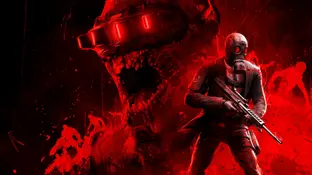
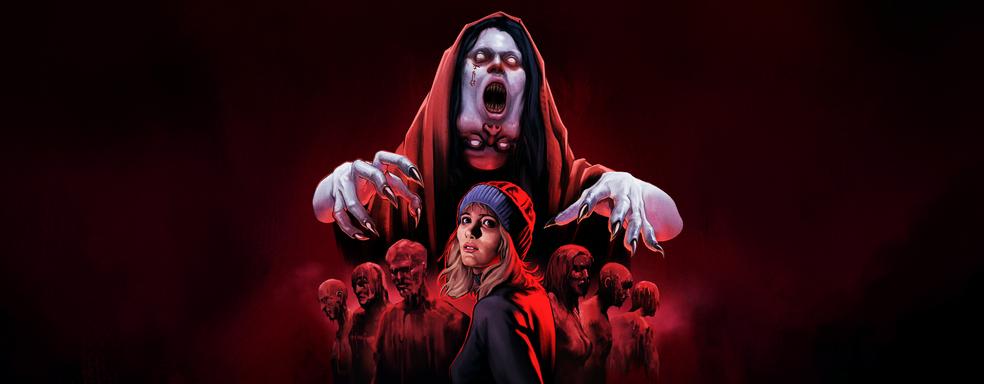
The game begins with the protagonist’s nightmares: in them, monsters literally tear her ex apart. Returning to his apartment, Julia finds only emptiness. It turns out that Ivan made a deal with otherworldly forces: in exchange for a piece of his soul, the entities promised to erase the painful memories of his beloved, without whom he was slowly losing his mind. However, the otherworldly pact proved to be a trap—demons began devouring the unfortunate director’s flesh, seeking to gain a physical vessel.
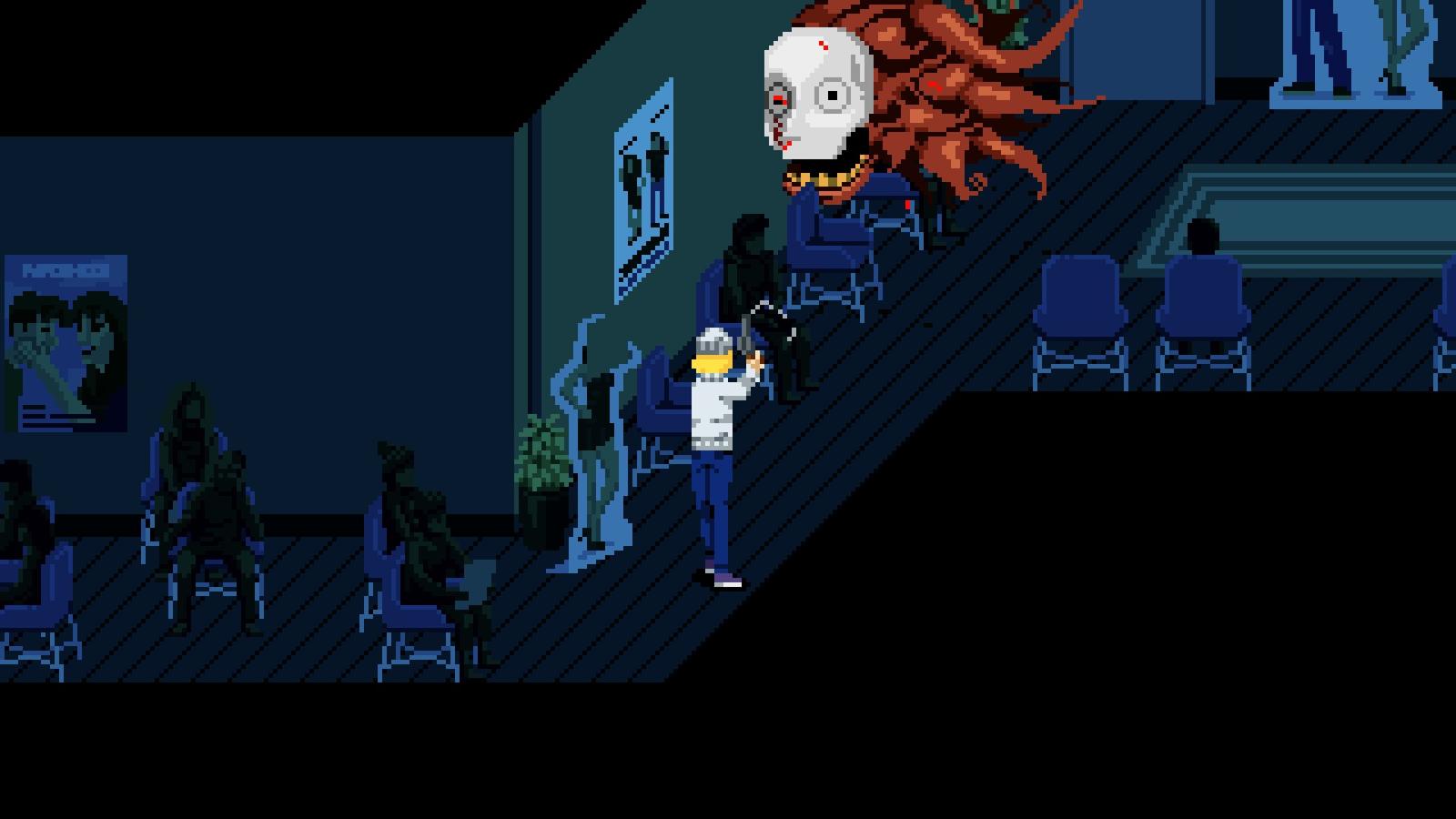
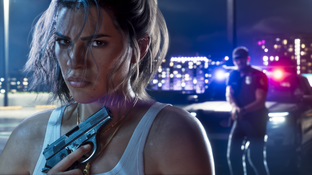
Julia has no objective reasons to intervene—waiting out the storm on the sidelines would be enough to avoid mortal danger. But the girl cannot abandon the person she once loved to be torn apart by monsters. To pull Ivan out, she will have to defy hordes of monsters and their masters.
Julia’s path lies through Desiderium—a surreal world woven from other people’s memories. Exploring the locations, the protagonist comments on episodes from their shared past or stumbles upon scenes of marital infidelity. Spotting professional camera equipment, she breaks down its optics and mechanics in detail. Despite the alien nature of this space, Julia feels quite natural in it: were it not for the bloodthirsty beasts around, the place could pass for relatively cozy.
Cinema pixels
Desiderium is a strange and deliberately chaotic location. Opening another door can lead you into a film studio pavilion, a roadside cafe, or one of the distorted versions of Ivan’s apartment. Navigating the labyrinths of memory requires solving puzzles and basic knowledge of alchemy.
Many riddles are purely functional: find an item and use it for its direct purpose. Others force you to get creative—for example, turning a mop into a makeshift lever or starting an elevator in an unobvious way. At times, you have to reshape reality itself: the game actively uses light sources, projection screens, and mirror reflections as key mechanical elements.
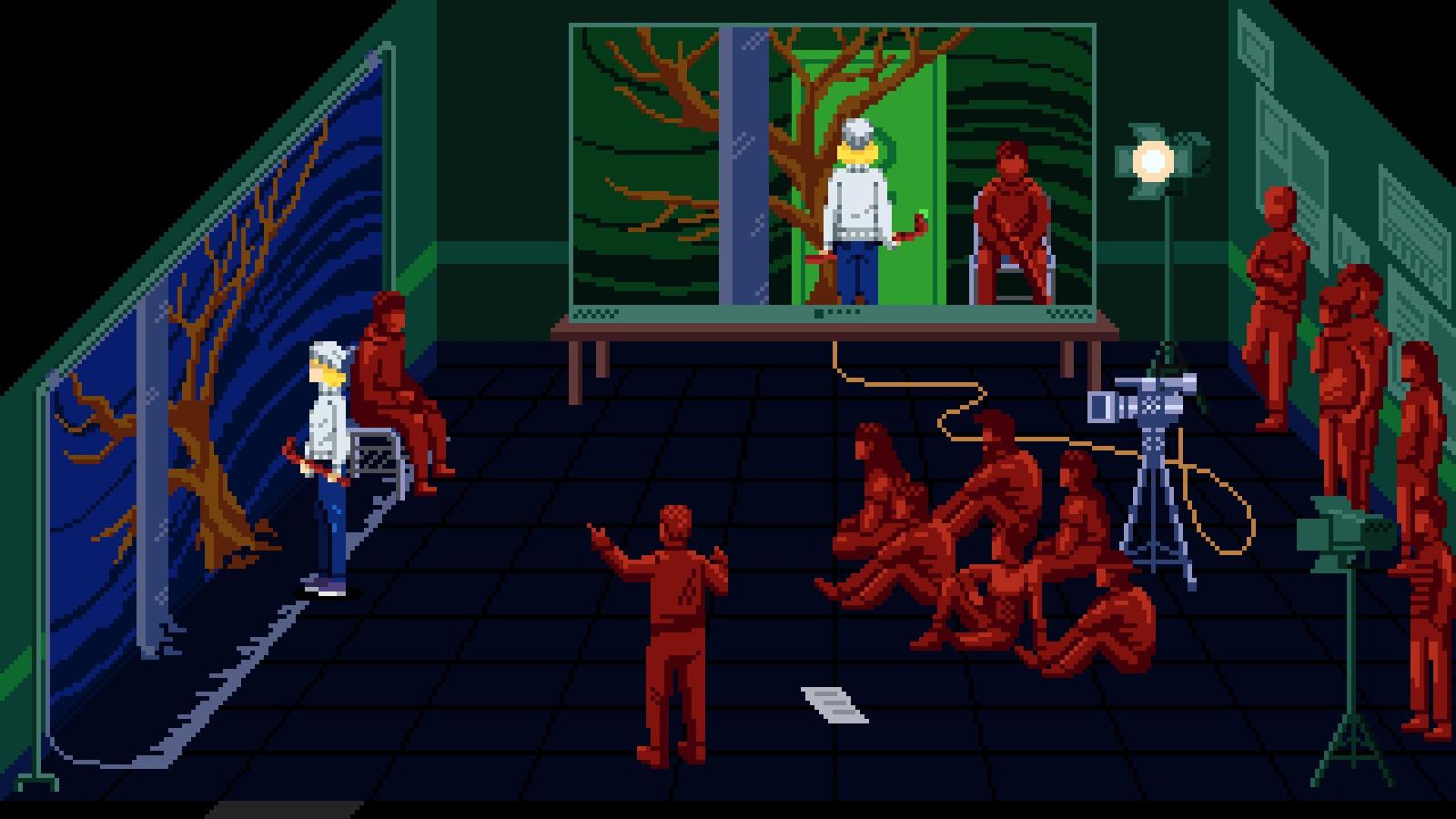
The difficulty of the puzzles lies not in logic, but in the need to keep the whole picture in mind. Unlocking access to a new tier of Desiderium inevitably leaves unfinished tasks on the previous floor. With the next area, the scenario repeats, forcing you to rush between long-explored rooms and fresh locations. And as soon as you clear accumulated debts, the game cleverly changes the rules and forces you to adapt to the changed environment all over again.
Gameplay regularly gives way to live FMV cutscenes. The contrast between minimalist pixel art and realistic footage is striking: after watching a scene, there is no doubt that real actors were on the very sets the player was just exploring with a gamepad in hand. The staging and camerawork in these episodes are so cinematic that you cannot help letting out an admiring cry: “Wow!”
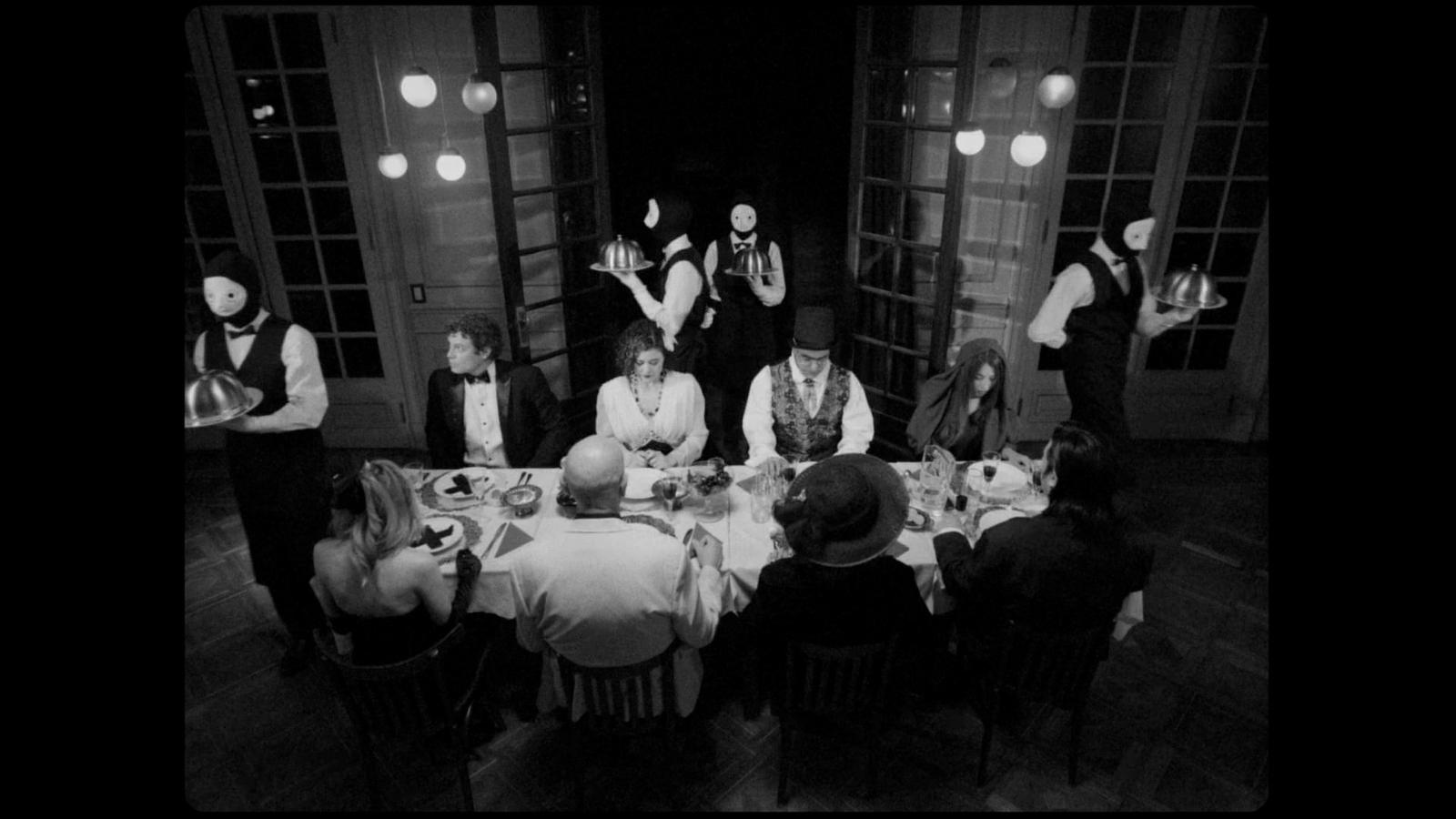
Even Devora—the ill-fated short film made by the protagonists—is organically integrated into the plot. At first, the tape seems like incoherent arthouse, but once all the film fragments are pieced together, you begin to grasp the directorial vision more deeply. This principle holds true for the entire game. There are no cheap twists for shock value here—what we have is a cohesive artistic canvas that reveals itself as you advance toward the denouement.
The cast works without a single line of dialogue, conveying a complex range of emotions solely through glances and facial expressions. The only minor questions might be raised by the actress playing Julia. However, even here the creators prepared a surprise: the girl’s deliberate detachment is firmly justified by the script, and closer to the second half of the runtime, her acting performance unfolds in full.
Not scary, but oppressive
The project is positioned as a survival horror, but it is hardly capable of scaring you to your knees. Most rooms are brightly lit, and the rare dark corners do not trigger bouts of claustrophobia.
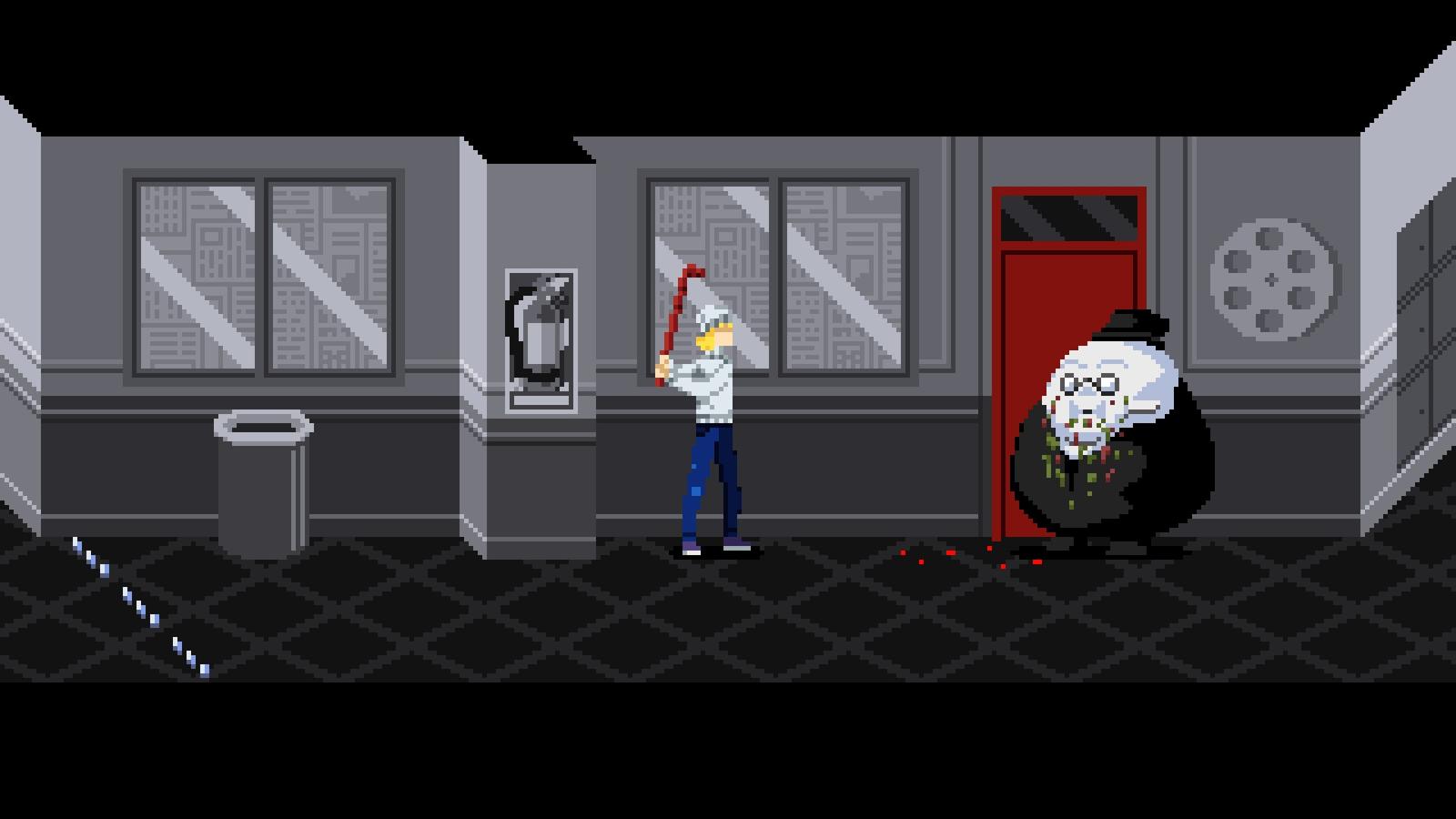
The habits and attacks of regular enemies, as well as bosses, are quickly read. After a couple of skirmishes, you find an individual rhythm for each foe: some are more convenient to stun with a heavy pipe, while into others it is more profitable to unload a revolver cylinder or shotgun buckshot. Ammunition is strictly limited, so the emphasis inevitably shifts toward melee weapons.
Instead of cheap jump scares, the game prefers to methodically wear on the psyche:
- monsters can finish off the heroine in a couple of hits, maintaining a constant sense of danger;
- duel conditions are regularly distorted—the creators may invert controls or trap an enemy on the other side of a mirror;
- the repulsive monster design induces persistent disgust whenever the distance closes;
- the surrounding locations gradually decay, turning into an increasingly hostile environment;
- at key moments, Julia is deliberately stripped of tactical advantage.
Over time, you begin to identify monsters by the sounds of footsteps and breathing, preparing in advance for the next dirty trick. Closer to the finale comes pride in the accumulated arsenal: enough ammo and medicine pile up in the inventory to wipe out half the bestiary. However, in the battle with the final boss, these supplies vanish instantly—forcing you to replay the stage, calculating every move with a cooler head.
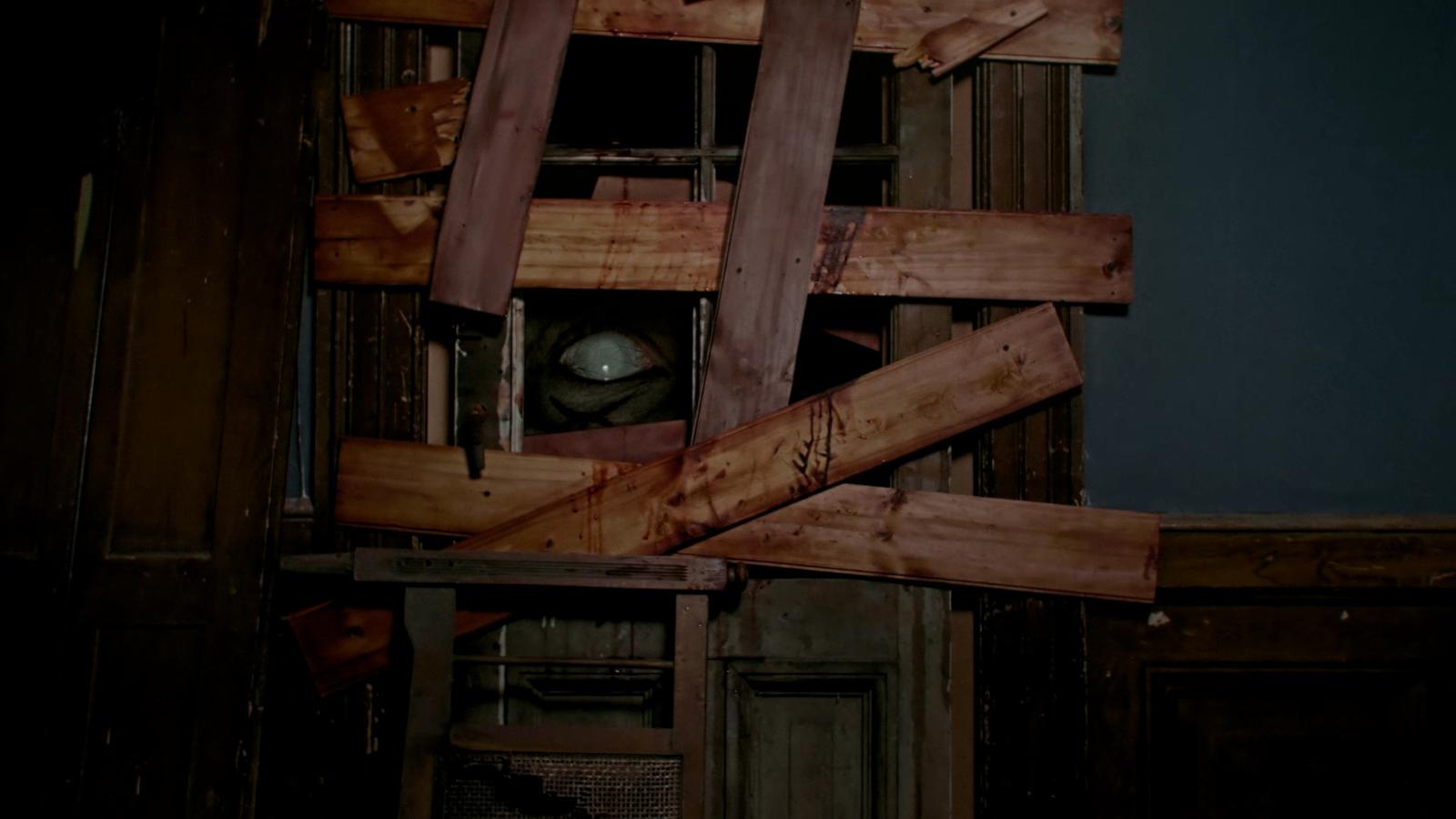
The worst design decision could have been tying the finale to the mandatory extermination of specific enemies, as sometimes happens in classic horror games. Fortunately, in Tenebris Somnia you are allowed to eliminate almost any threat. And those beasts that initially seem invulnerable can be dealt with closer to the finale. Over time, the brazen nightmare spawn even begin cautiously making way once Julia learns to fight back hard. For respecting the player’s time, the developers deserve a separate thank you.
Diagnosis
One could dissect the mechanics of Tenebris Somnia for a long time—they are straightforward, yet full of pleasant nuances. The bottom line is that we have a rare and harmonious symbiosis of auteur cinema and video games, where the boundary between media blurs despite the radical difference in visuals. Here you do not play so much as adjust to the lingering directorial pace.
The project can only be faulted for an uneven puzzle balance: the clues are scattered widely across floors, and a built-in journal or map markers are sorely lacking. Toward the end, pixel hunting becomes tiring to the point that your hand reaches for a walkthrough on its own. And this is despite the game posing no truly unsolvable logical problems.
Never miss our newsAdd this site to your preferred sources to see us more oftenAdd on Google