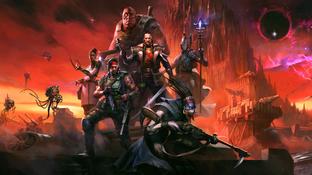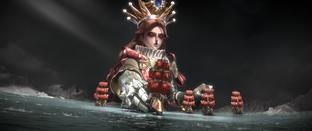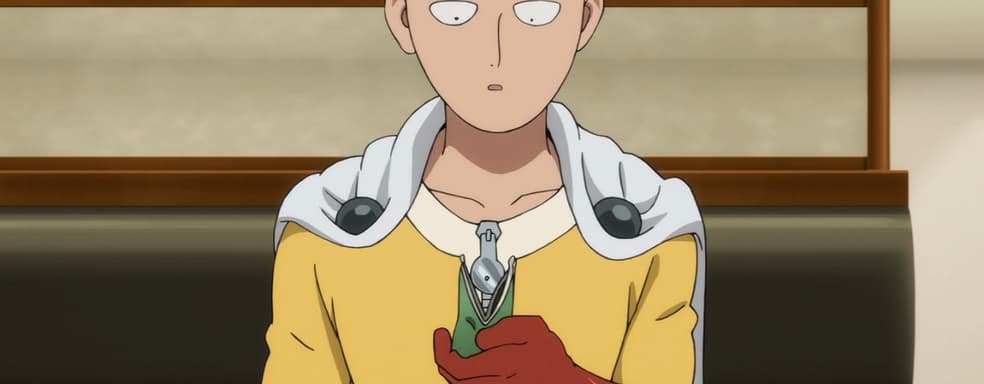
Tough, but doable. How anime and manga portray leveling systems — through the example of three titles
Translated with AI from the Russian original.
Leveling up is a significant part of most games that helps gauge a player's progress. You can find levels in RPGs, action games, and even shooters. And while portraying game mechanics outside interactive entertainment in an engaging way is relatively easy, levels are a completely different story. As an example, we took such titles as Toriko, One-Punch Man, and Soul Land, but not all of them managed to showcase this mechanic in an interesting way.
Impact on games
The familiar leveling mechanic performs tasks that players might not even think about:
- Levels help identify formidable opponents. For instance, rats and slimes occupy the level 1–5 niche, while knights and wyverns are ten or twenty levels above them. And the knight commanders are even stronger;
- High-level enemies can serve as a natural barrier to a new location. In the first Gothic, only madmen would head into the orc lands without proper leveling;
- Leveling up is a clear indicator that the player character has grown stronger.
But the most important thing about levels is that gaining them brings satisfaction. It is a personal achievement for a player who explored a dungeon, defeated a dangerous foe, or completed a long questline. And if the enemy turns out to be ten levels higher than the player, the joy from the experience gained through victory is even sweeter!
Toriko
Someone once said that the world of Toriko holds the most amazing ingredients. An experienced traveler might stumble upon soda waterfalls, lakes of premium alcohol, a desert where all the sand is actually rice, or wild beasts whose scent triggers uncontrollable salivation. Consuming these ingredients strengthens both body and soul, but the hunting process is far from easy — only the toughest and most experienced hunters can savor the gourmet delights they harvest.
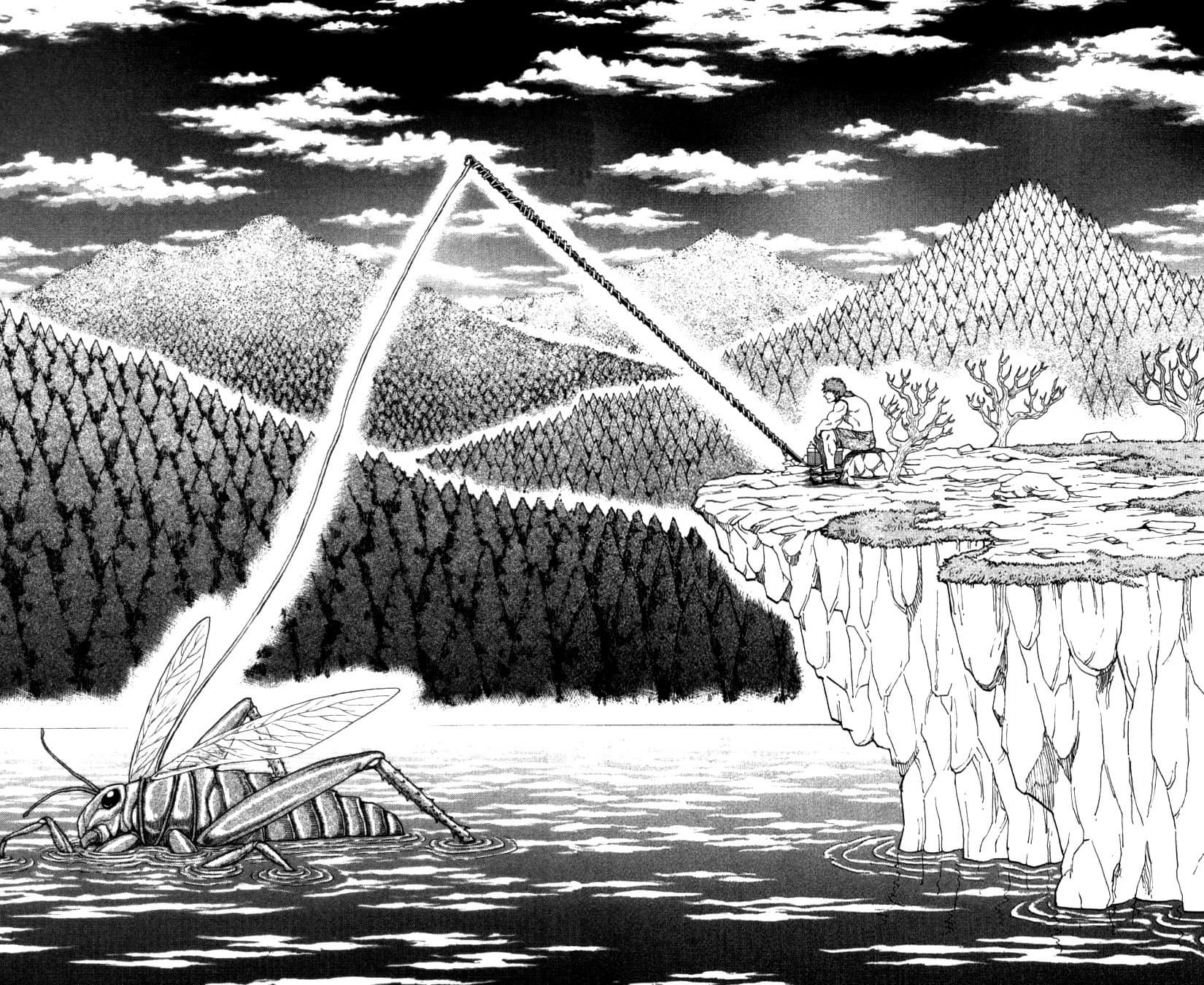
Many ingredients are assigned a difficulty capture level. What makes these levels interesting is the perspective, which allows an ordinary person to feel their true danger. Hunting a level 1 beast requires a team of ten skilled hunters, while level 10 creatures toss 40-ton tanks around like toys. And such enemies appear only at the very beginning – toward the end, their level climbs past a hundred and keeps rising.
However, levels are awarded not just for a creature's ability to stand its ground. What is taken into account: the danger of the habitat; the knowledge required to capture them; the cook's skill in turning the harvest into food, and even the respect with which one treats all ingredients.
Monsters like these require special hunters. They are fast, strong, smart, and possess impressive knowledge of the surrounding world. Such people are called Gourmet Hunters. The protagonist named Toriko is a textbook representative of the trade — this hulking brute can beat up with his bare hands monsters that tanks can only tickle. He is 230 kilograms of pure muscle, shedding up to 15 kilograms after a trip to the restroom. That matters!
The twist is that hunters don't just gain typical character levels, but levels of “Gourmet Cells.” These are cells that activate when the body consumes gourmet foods or during stressful situations. This means that the more high-level ingredients a hunter consumes – the stronger their Gourmet Cells become.
Toriko is a fascinating manga. The anime adapted it well, though while watching it you'll have to put up with the presence of an annoying journalist — she isn't in the manga.
One-Punch Man
The plot of the anime and manga centers around a man named Saitama. He is a hero for fun who saves the world in his spare time when he isn't hunting down store discounts. The protagonist's gimmick is that he is invulnerable, and all his battles end after a single punch. It might seem that this kills any tension, yet the other heroes are nowhere near as strong, and they have to struggle to overcome the odds.
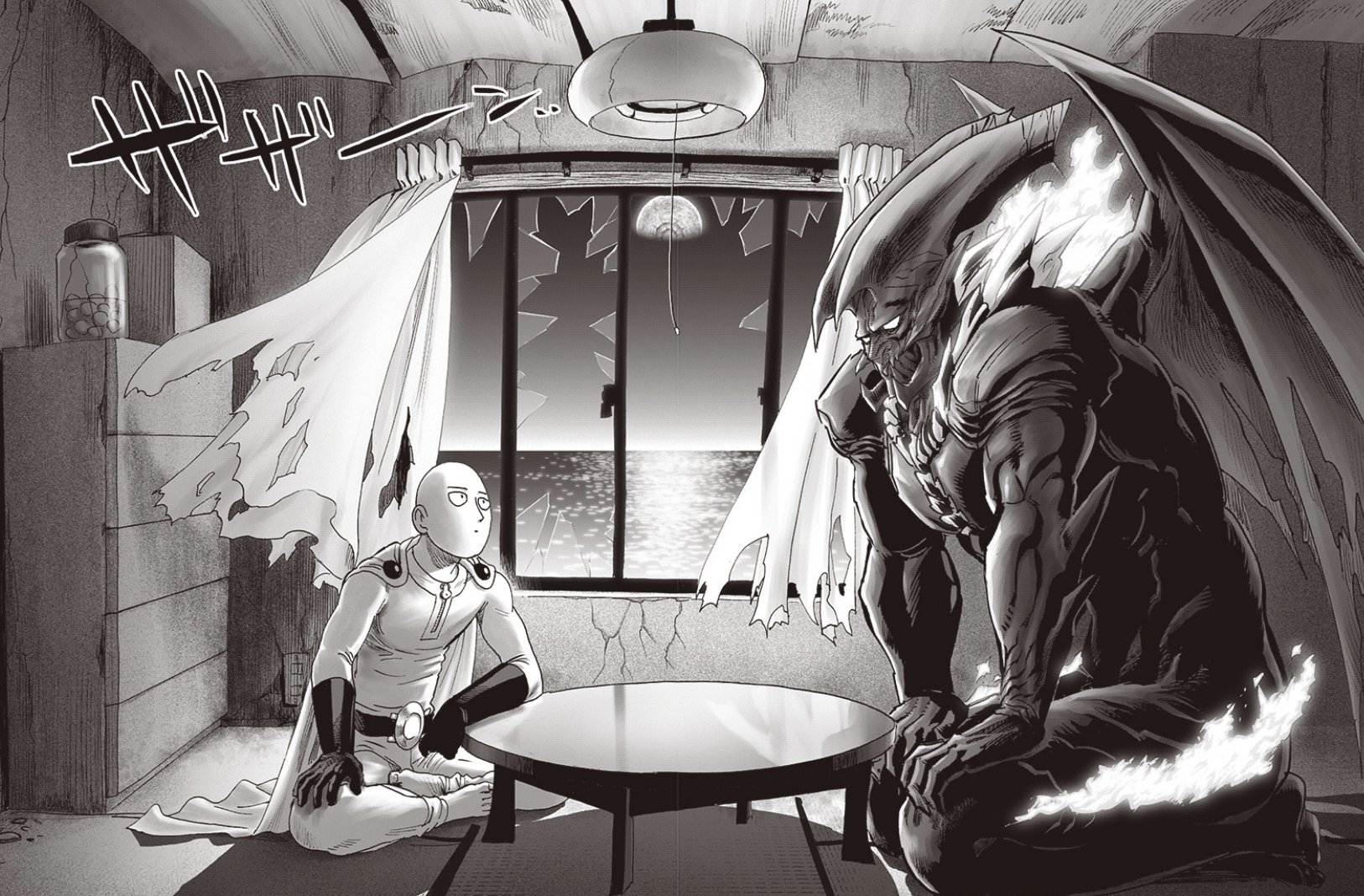
The heroes face off against monsters. Instead of a traditional leveling system – they are classified by Disaster Levels:
- Wolf: an annoyance rather than a monster;
- Tiger: time to call the heroes;
- Demon: need to evacuate the city;
- Dragon: you can start praying;
- God: it's too late to pray.
Any monster can fall into each category. Giant muscleheads often turn out to be weaklings, while a friendly doggy can be a world-ending threat. One of the strongest monsters is even named after a male bodily fluid (if you catch my drift!), and he looks the part.
Watching high-level monsters is hilarious. Among them are: a cat tired of being cuddled; a guy stuck inside a mascot suit; an ugly guy; a man with a showerhead for a head; a woman in a dominatrix outfit. With imagination and humor, the creator of the franchise dismantles the very concept of levels.
The heroes are divided into classes, and in their madness, they don't lag behind the monsters. They fight with giant toys, throw trash, ride a bicycle. One of the strongest heroes is named Pig God. He is just a fat guy who skillfully devours his enemies.
Soul Land
A Chinese anime from Tencent Penguin Pictures. I happened to watch this horror in March, when my mind was clouded by a severe illness. But even in that state, I clearly realized how pathetic this creation was. The anime tries its hardest to convey game mechanics, but it does so terribly. The runtime is 45% boring fights and 45% tedious descriptions of abilities. For the remaining 10%, the characters try to build romantic relationships. And you have to endure all of this over hundreds of episodes!
The anime is set in a world where mages endlessly battle one another. In combat, they use skills that can be found in any Chinese RPG. As they level up, their stats increase. Overall, it is a typical game world, but without the players themselves taking part.
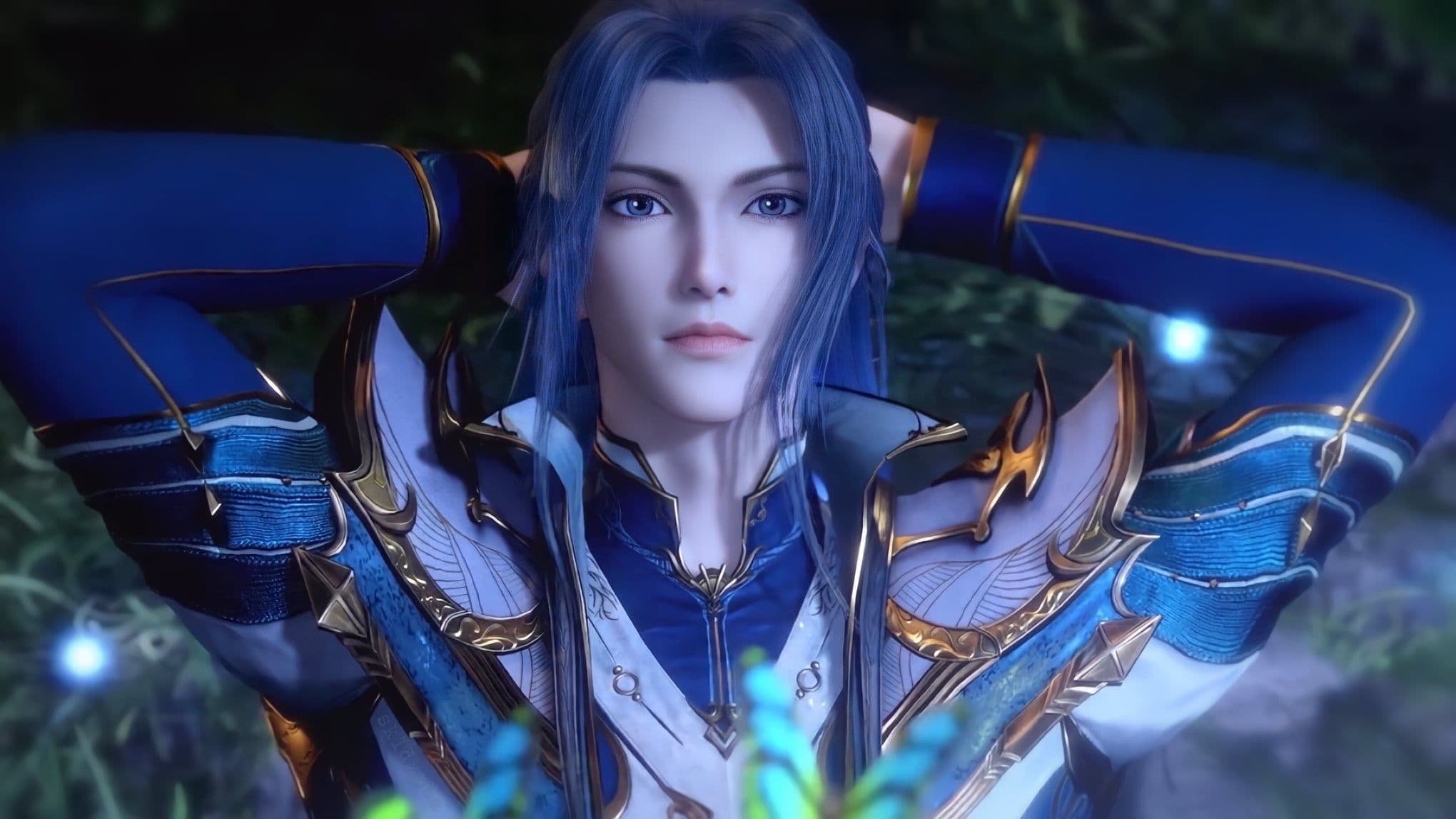
The main protagonist is named Tang San. He is a genius among geniuses who was reincarnated into a new world. After his rebirth, his exceptionalism became even more exceptional:
- Tang San's parents gifted him the genes of a born winner;
- The guy harbors two spirits inside him at once, whereas most other mages have only one;
- One of the spirits is widely considered weak, but Tang San's genius-level genius made it one of the best;
- The protagonist found the absolute best teacher;
- The protagonist went to a school where only winners study;
- Hidden weapons, which only the protagonist can craft, grant him an advantage over nearly everyone;
- On top of everything, he is simply the best at everything.
In childhood, future mages are tested for a spirit, also known as a fursona. Most have cats, dogs, or bears. Tang San got tentacles and a mallet. Upon reaching a certain level, a mage slays a multi-thousand-year-old beast and absorbs its soul. This grants buffs and new abilities. The higher the level — the more long-lived beasts a mage can shove inside themselves.
Before battle, viewers are unsubtly hinted that opponents are higher-level than the heroes. And then one has to behold identical NPCs – some of them don't even differ in appearance. Only a handful among them can actually do anything, but most fights follow the same script: the protagonists smirk and win. If an enemy has a massive level advantage, Tang San either turns out to have an immunity, or dispatches the opponent with a hidden weapon. Often, it's all of the above at once.
Outside of battle, viewers are treated to long, detailed explanations of skill effects and the bonuses they provide. And when one of the characters levels up or shoves a new beast into themselves — there is a lengthy lecture about the associated abilities. The process is so dreary that the ninjas explaining their secrets in Naruto would fall asleep.
The characters' progression to a new location is equally disappointing. Most games present the player with new challenges, puzzles, and quests. In this anime, that doesn't matter, because the protagonists simply defeat everyone.
It is also worth mentioning that the heroes barely ever change their clothes, and even sleep in them. They. Sleep. In their clothes. Including their shoes! Most gamers are willing to pay for good skins and constantly swap their gear. Not to mention — characters from titles like Toriko and One-Punch Man frequently switch up their looks. And those have far less in common with games!
At the same time, you can't say Chinese game mechanics can't be engaging! We have a review of the Chinese game Wondering Sword, which also features a genius protagonist, long and tedious grinding, and an entire school of hidden weapons. But all those elements work because they were executed properly.
Analysis
The main beauty of levels is that they provide players with the satisfaction of character progression. But they can be made interesting outside of games as well, if the audience is allowed to truly feel the difference between levels, just as Toriko did. Or by turning the very concept into a joke and unleashing imagination – following the example of One-Punch Man.
And if you do “everything just like in a game,” the result turns out exceptionally dull. Transferring interactive elements into an anime where one cannot interact with them is a bad idea. And Soul Land is living proof of that.
***
- Thumbnail image taken from ImgHub.ru
- The Toriko manga is published by Shuukan Shounen Jump magazine
- The One-Punch Man manga is published by Tonari no Young Jump and Shuukan Young Jump magazines
- The Soul Land anime belongs to Tencent Penguin Pictures
Never miss our newsAdd this site to your preferred sources to see us more oftenAdd on Google