We've Waited! First Detailed Look at GTA VI: Analyzing Mechanics, Breakthrough Technologies, and Details from the Extended Showcase
After thirteen years of waiting, Rockstar has finally fully showcased Grand Theft Auto VI gameplay, and Western journalists visited the company's offices to share additional details. We break down the open world, the relationship between Jason and Lucia, the new wanted system, and other mechanics of the decade's main game.
Bonnie and Clyde in Modern America
Grand Theft Auto VI brings us back to Vice City — only this time the city has become part of Leonida, a fictional state modeled after modern Florida. In addition to the neon-drenched streets of Vice City, it includes the resort islands of Leonida Keys, the swampy Grassrivers, the struggling Port Gellhorn, industrial Ambrosia, and Mount Calaga National Park. Each district has its own architecture, local culture, and a unique set of local eccentrics.
Rockstar's signature satire and humor, of course, are still present — there's plenty of it in both the story and the game world itself. However, due to the prolonged development cycle, the developers decided not to rely too heavily on specific political themes and memes — they could simply become outdated before release.
Instead, the authors tried to make the dialogues more “timeless” and focus on themes that remain relevant for years. How this caution will affect the “bite” of the signature satire, we will only find out after the release. In the meantime, let's get acquainted with the main characters — Jason Duval and Lucia Caminos, lovers and criminals with an obvious Bonnie and Clyde vibe.

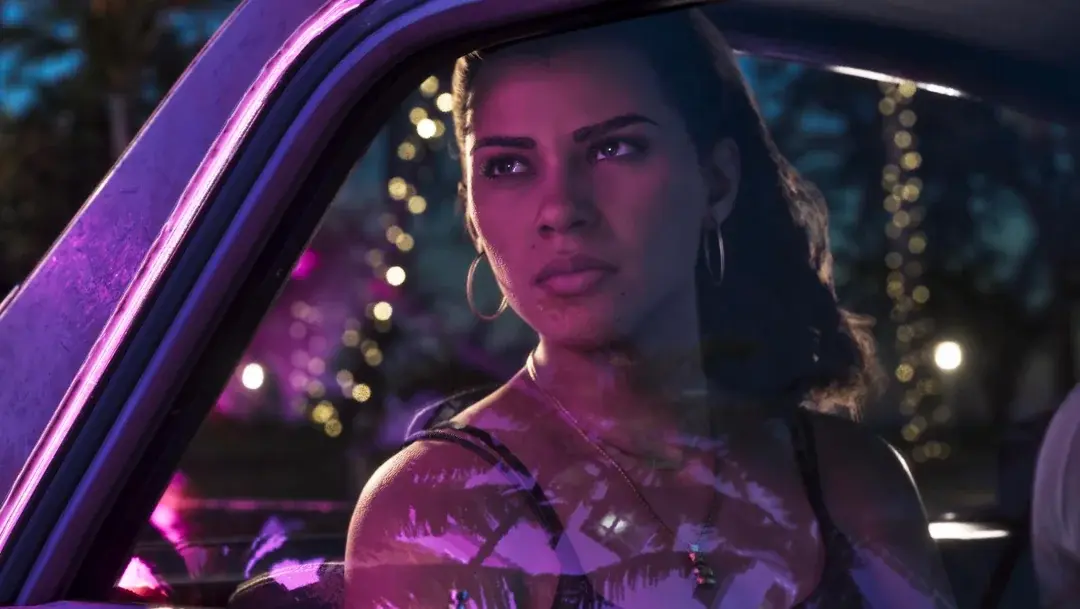
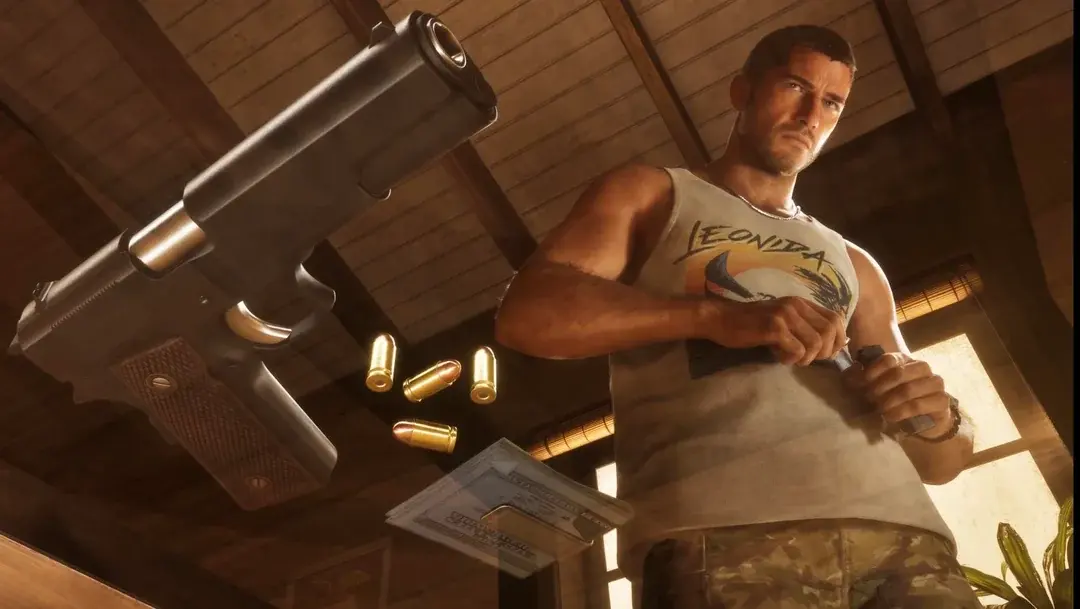
Jason grew up among con artists, served in the army, and then settled on the islands, where he carried out assignments for local dealers. Lucia's father taught her from childhood to stand up for herself, but an attempt to protect her family led her to a Leonida prison. The girl was released early and now hopes not to repeat past mistakes, and together with Jason, to snatch her piece of happiness from life.
However, the plan for quick enrichment instantly goes to hell. A heist that promised the couple easy money draws Jason and Lucia into a large-scale criminal conspiracy that permeates the entire state. To get out of this story alive, they will have to unconditionally rely on each other.
Rockstar abandoned the bloated roster from GTA V and focused all attention on two central characters. The developers endowed them with rich biographies — some events will be shown directly, others will be left as hints and optional dialogues for the most curious players — and built a deep system of relationships around the couple themselves.
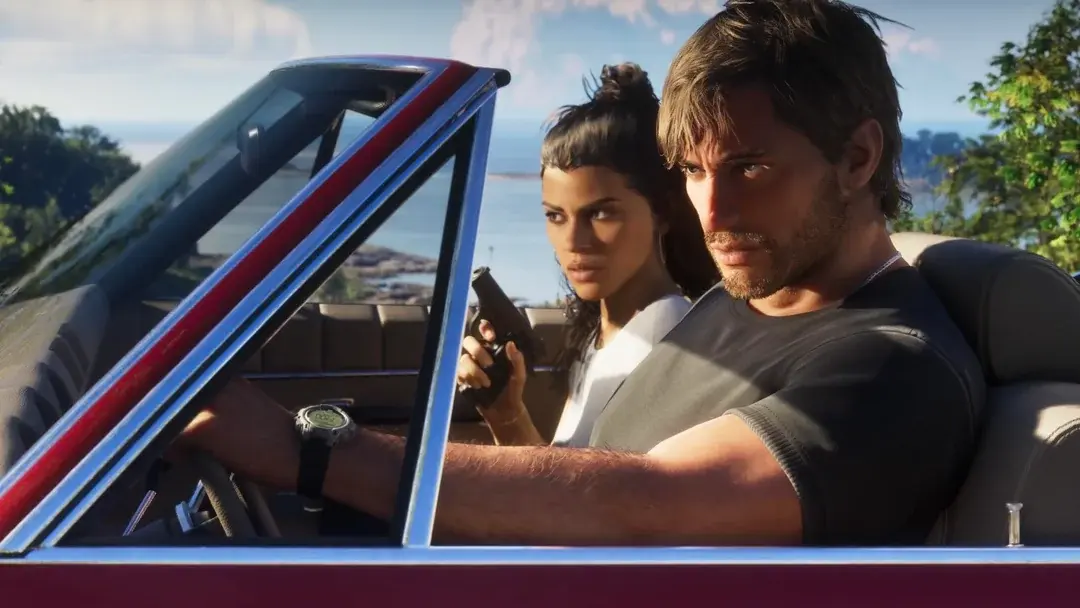
At the beginning of the story, Jason and Lucia are only trying to build a romantic relationship, and its outcome depends on the player: simply completing the mandatory story missions will not be enough to develop the romance. Intimacy can be developed and maintained through joint activities: exploring Leonida, shopping, playing billiards and mini-golf, kayaking, diving, and, of course, robbing banks together. Each such activity strengthens the bond and opens up small everyday opportunities — for example, the characters will be able to hold hands during walks or hold doors for each other.
Some activities directly affect the appearance and characteristics of the characters. In the gym, Jason and Lucia lift weights in QTE-game format: regular workouts make them stronger and more muscular. At the same time, food serves as one of the main ways to restore health, but excessive consumption of fast food eventually leads to weight gain.
However, the characters do not spend all their time together: each has their own schedule, and the player directly influences whether they will fall asleep and wake up together. If one of the characters has gone about their business, the other can send a message, wish goodnight, or remind them to lock the door upon return. Such small details gradually accumulate and also affect the relationship.
However, the romantic storyline remains completely voluntary. Strengthening the relationship does not provide any in-game advantages or bonuses. If the player is indifferent to virtual personal life, Jason and Lucia will still remain partners by the will of the story and will cover each other in the main missions. The lack of a strong bond between them will only affect the emotional subtext and some plot details, but refusing the romance does not have direct negative consequences for the gameplay.
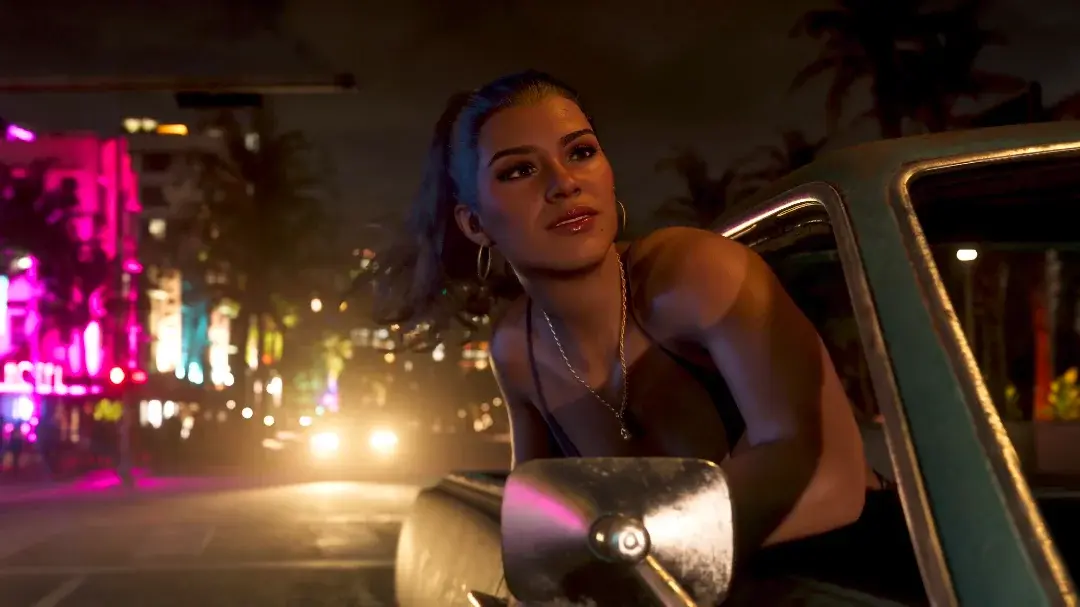
Joint living can be done in hideouts, which in their structure resemble the camp from Red Dead Redemption 2. The hideout lives its own life: various characters come and go, and Jason and Lucia can grab a bite, change clothes, slightly change their hairstyle — for serious changes, they'll have to go to a barbershop — or just chill, getting lost in local absurd TV shows or doomscrolling on social networks — the smartphone has now become a full-fledged part of the game world, not just another menu in the corner of the screen. Each character can also have several personal cars. Their trunks will allow storing spare clothes and weapons — useful both when preparing for another job and when fleeing from the police.
As in GTA V, players can switch between protagonists almost at any time while exploring the open world. Characters can act alone or call each other and arrange a meeting. If they are in the same car, the player can swap roles with their partner: take the wheel or, conversely, give up the driver's seat and focus on shooting — this ability is especially useful during chases. In addition, during a normal drive around the city, a partner might suggest taking a detour for some nearby activity. Agreement or refusal will likely also affect the relationship between the characters.
Overall, the developers tried to blur the line between the main campaign and open-world exploration, maintaining a balance between variability and the signature “all-out” production. Story missions involve both major decisions with immediate consequences and small actions whose effects accumulate and manifest only over time.
How non-linear the story will ultimately be — or at least individual missions — is difficult to say yet. Western press materials note that the developers have left enough room for replayability, but the extent of the campaign's branching has not yet been revealed. Most likely, we are talking about many local changes that gradually form a unique version of the story, rather than several completely independent plot branches.
Variability is also evident directly during missions: a shootout in a cramped apartment building can offer several escape routes; during a robbery, you can use explosives to blow up a safe, risking damage to the loot, or take the time to find the combination for the safe to earn more, but risking encountering the police. In addition, switching between characters can open up different ways to complete the same episode, as Jason and Lucia can perform different tasks within a single mission.
The Most Complex World in Rockstar's History
But all of the above is just a small fraction of what Rockstar has done to make the world around the characters truly alive and reactive. Rockstar officially does not disclose the map size, limiting itself to statements like “very large.” Its scale is indirectly indicated by the fact that the schematic map from previous games has been replaced by detailed satellite images. However, the developers primarily emphasize not the size of the world, but its eventfulness — more precisely, the density of what is happening and the world's reaction to the characters' actions.
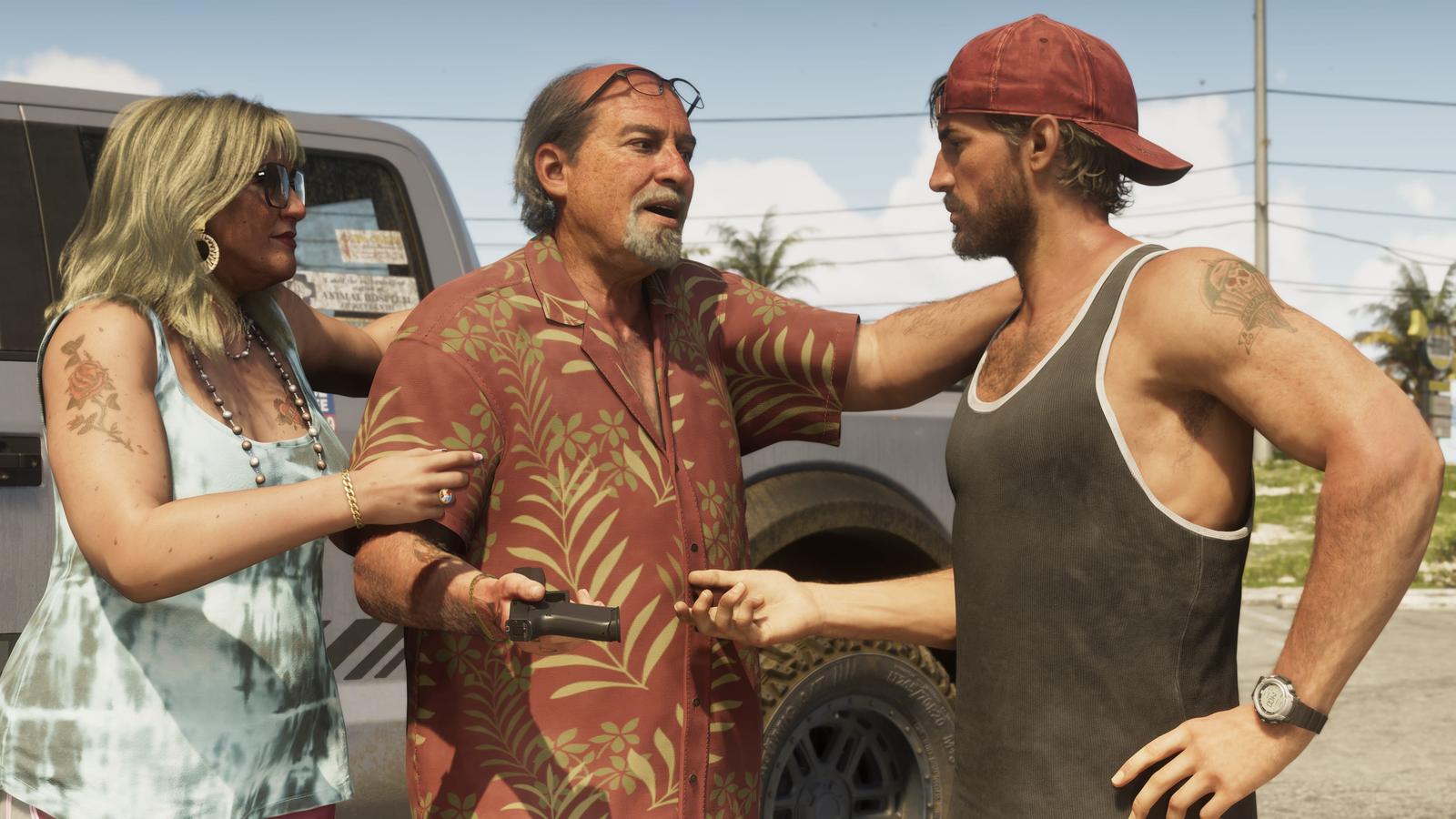
Rockstar tries not to mark every noteworthy event on the map — markers haven't disappeared, but some stories will only begin if the player deviates from the route, listens to a conversation, or lingers longer near a strange character — for example, a lawyer conducting his consultations directly from a dumpster. All these random and optional encounters also work thanks to advanced NPC simulation systems — and the evolution has occurred in several directions at once.

To begin with, the developers based the contextual communication system on Red Dead Redemption 2, allowing Lucia and Jason to call out to a passerby, be rude to them, or calm them down. You can also just stand nearby and eavesdrop on someone else's conversation, but passersby will quickly notice the unwanted attention: they will start looking around unhappily, asking what you want, or showing aggression if they think you are crossing boundaries. And if you follow someone down the street for too long, they might call the police, run away, or pull out a weapon — fortunately, in Florida, every other person has a gun.
For such naturalness, employees from several Rockstar departments had to become researchers of human behavior. Screenwriters studied the rhythm of casual conversations, designers and programmers thought through people's reactions to personal space violations, and animators translated these observations into movements and gestures. In addition, a separate team in Los Angeles was entirely occupied with background NPC dialogues.
From this same desire to increase the world's reactivity grew the new “Criminal Profile” system — an ideological successor to the honor system from RDR 2, which does not divide character actions into unequivocally “bad” and “good.” Instead, the system dynamically tracks player behavior, considers the context of the situation, and determines how much they are exceeding acceptable limits.
For example, self-defense — even during a robbery — will not affect the criminal profile, but thoughtless destruction of civilians in plain sight will shift it negatively, causing the police to react more harshly to the characters, and residents to fear them more often. By the way, even in the most extreme cases, you can show “leniency” and simply neutralize the opponent: knock them out, shoot the weapon out of their hand, or shoot them in the leg.
At the same time, everyday trifles — like feeding animals or disposing of trash — will help “clean up” the profile. However, the player cannot “spoil” their playthrough by earning bad “karma”: the series' games have never tried to raise a model citizen from the player.
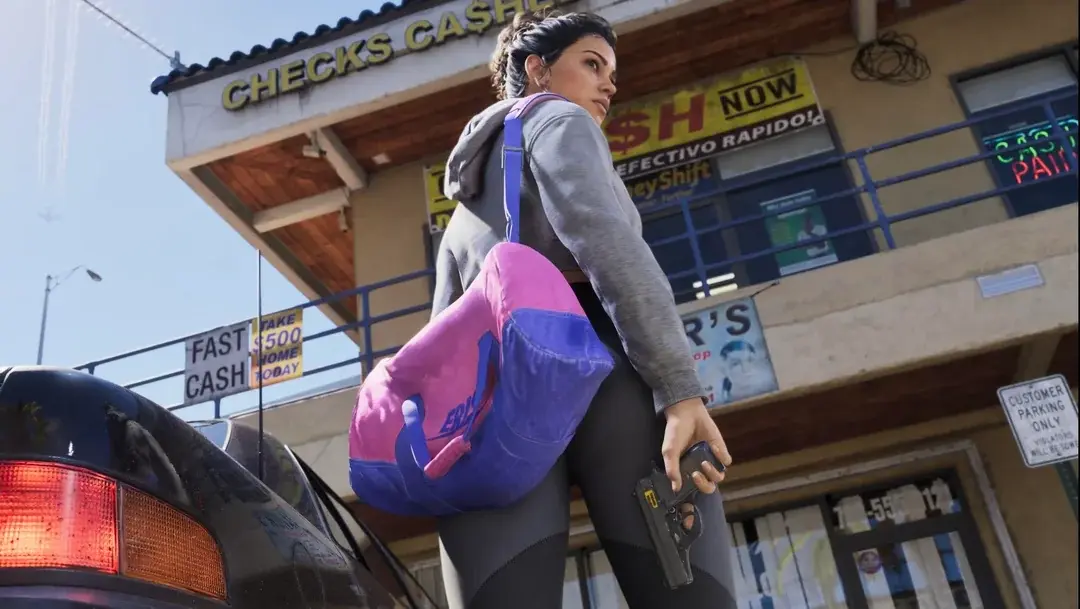
However, earning the title of “grand car thief” is now more difficult. Basic car theft remains unchanged — just throw the driver out and take their place, at worst engaging in a small QTE struggle. However, parked cars are now categorized by security level: simple models can be opened by smashing a window or with a QTE, while expensive ones will require special tools — from a Slim Jim lock pick to an electronic key cloner.
Before stealing, a car can be scanned via the WAINK app: it will show the presence of an alarm and GPS tracker, suggest a hacking method, and estimate potential earnings. The most secure cars can transmit their location to the police if driven too slowly. In such a case, you'll have to floor it or abandon the loot.
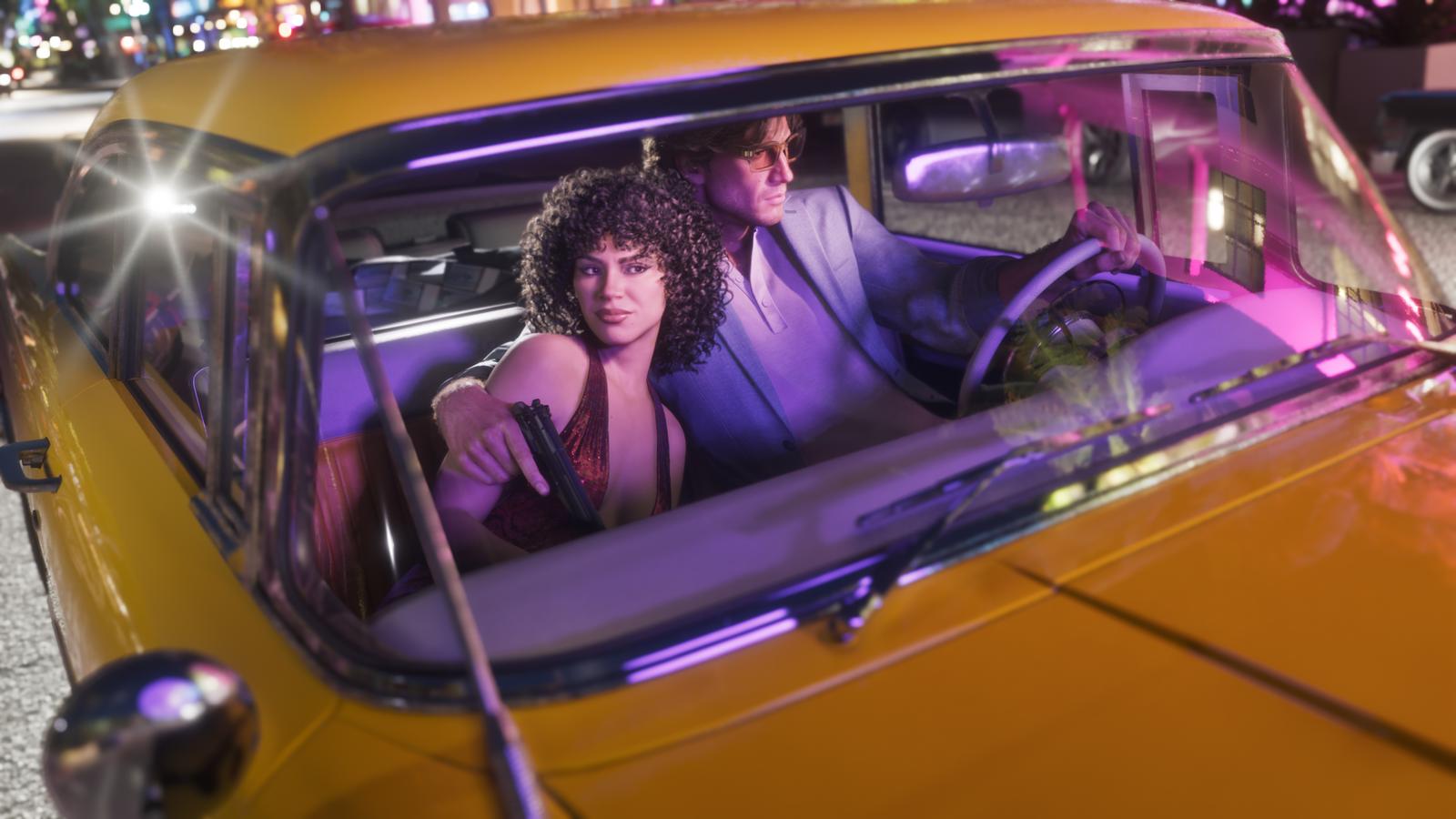
The wanted system has also undergone a separate overhaul. “Six stars” have returned in GTA VI, but now they don't automatically light up after every offense. First, the crime must be noticed by a passerby or an alarm must be triggered. Only then will the dispatcher transmit specific information about the incident to patrols and send a squad to the scene to question witnesses and search the vicinity. If Jason and Lucia manage to escape before their arrival and are not seen by witnesses or leave clear identifying marks, the chase can be avoided.
Specifically, the police can obtain information about the criminals' appearance, their clothing, and their car, and even learn that they are operating as a pair. Therefore, it is advisable to wear a mask before a robbery: then law enforcement will not get a facial description even from surveillance cameras.
If witnesses remember the clothes, you'll have to change completely — one baseball cap won't fool them anymore. This is where the spare clothes in the trunk come in handy. It's also better to abandon a compromised car, and if the police are looking for a pair, Jason and Lucia can split up to throw them off the scent or allow one to distract attention from the other.
After a successful escape, the partner will send a message confirming they got out of trouble, but the opposite scenario is also possible: one of the characters is arrested while the other continues to hide. In this case, the game will show the familiar “Busted” screen and return the detained character to the open world, even if their accomplice is still evading pursuit.
And since we're talking about chases, it's time to move on to the main technical impression from the presentation. As it turned out, the real generational leap didn't happen in graphics — but in movement.
Next Generation — in Motion
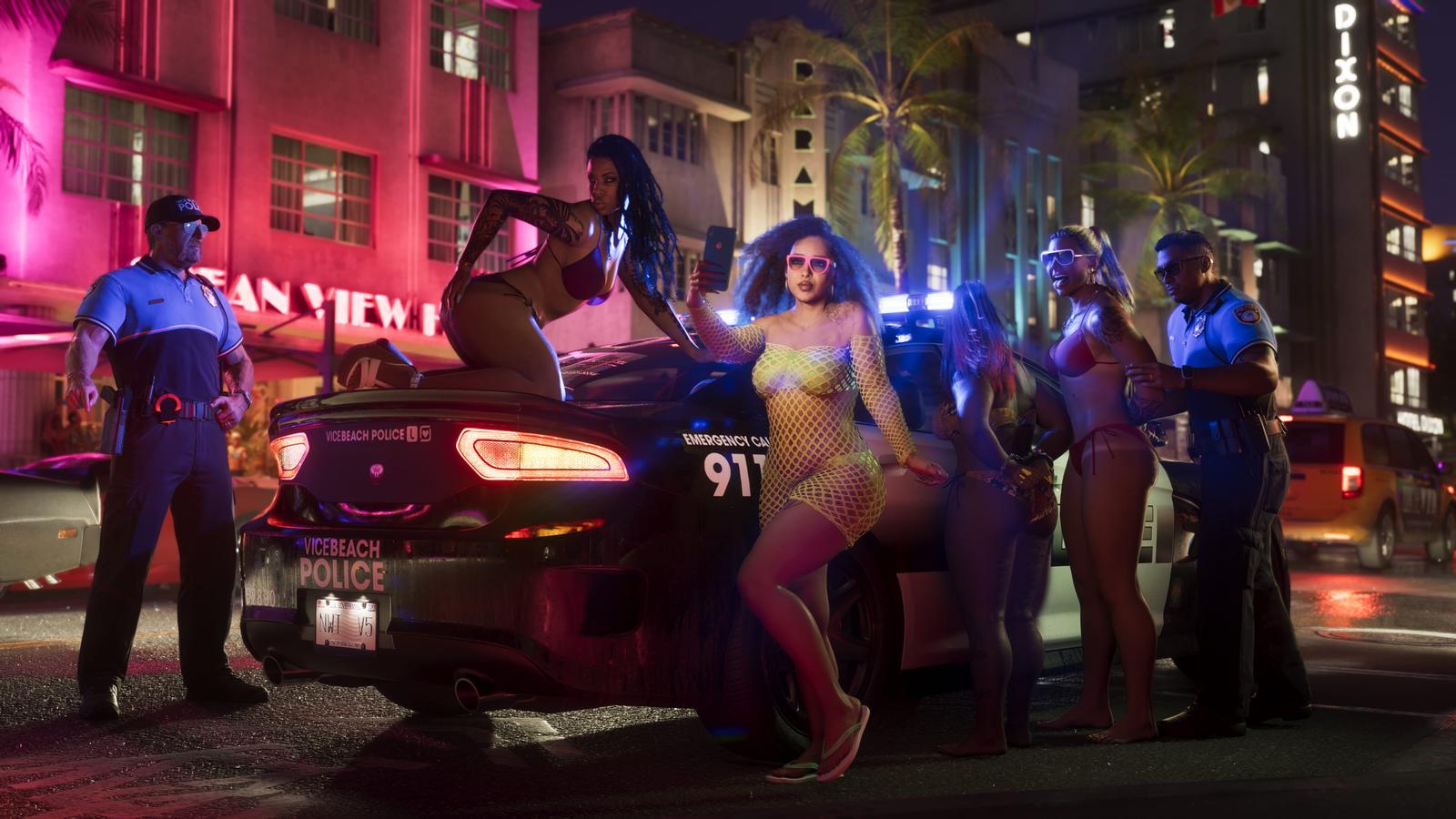
From a single screenshot, GTA VI can easily be mistaken for an extremely expensive version of GTA V: geometry is more complex, materials are more realistic, and lighting is richer. It doesn't drop your jaw. However, once the characters engage in combat, walk down the street, or have a casual conversation over dinner — and it rapidly drops. And this is not surprising: according to The New York Times, GTA VI has over 600,000 animations — compared to 55,000 in GTA V and 300,000 in Red Dead Redemption 2. After such numbers, it becomes clear where Rockstar directed an insane number of specialists and, I suspect, an equally insane amount of money.
In previous games in the series, characters of different builds often used the same basic animations. Therefore, a tall and a short NPC had to get into a car, strike, and grab an opponent using the same scheme, even if their hands were physically at different heights. GTA VI dynamically adjusts movements to the height and physique of a specific person. Larger characters move with greater inertia and change direction more slowly, and in collisions, body weight affects loss of balance and the nature of the fall — this is especially evident in shootouts and close combat.
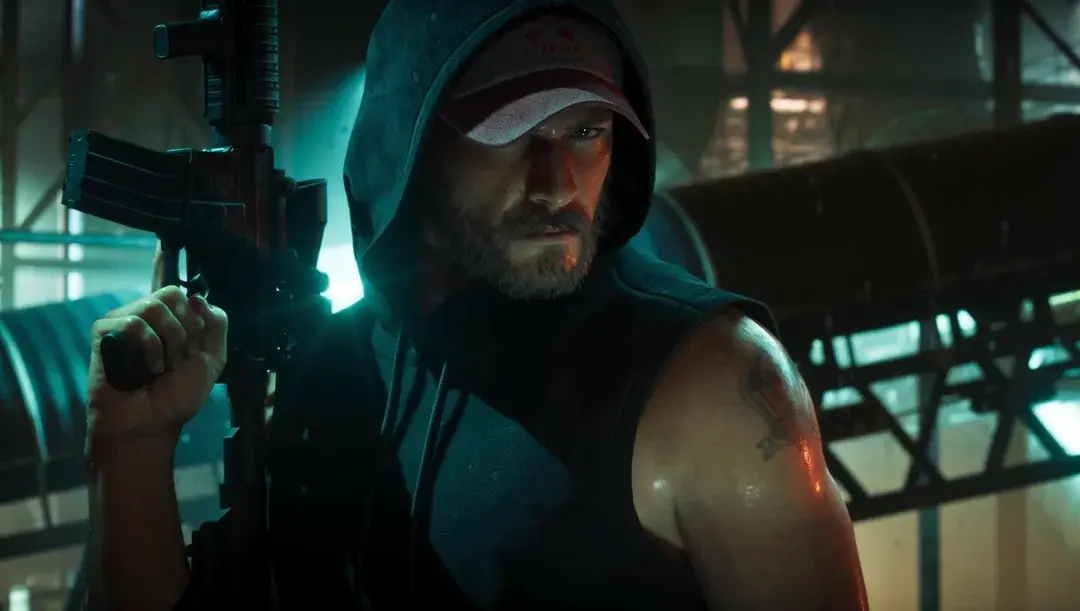
Facial animation combined with acting is a separate delight. Rockstar once again proves that relying solely on original voice acting pays off when first-class specialists are responsible for casting and directing actors. Emotions are read even before the end of a line: characters squint, clench their jaws, lose their breath, and subtly change their facial expressions during a conversation.
No less effort went into material physics and other small details. Clothing no longer looks like a texture glued to a model: fabric gathers in folds, wrinkles, and stretches with muscle movements, and loose edges continue to sway after a sudden stop. Even sweat appears gradually: during physical exertion, the characters' skin becomes increasingly moist, instead of instantly switching between two states.

Car destructibility has also become significantly more complex. Damage occurs directly at the points of impact, pieces of rubber fly off tires, headlights burst, and body elements crumple and fall onto the road. After being hit by a Molotov cocktail, the car gradually deforms as the fire spreads: windows crack, parts fall off, and paint burns away. The flame itself looked weaker than the rest of the physics — too uniform and slightly artificial.
Rockstar specifically emphasizes that the demonstration was recorded on a regular PlayStation 5 — without any Pro. And it feels like it: judging by the smoothness of the image, the game runs at 30 frames per second, although official resolution and frame rate have not yet been revealed. During gameplay, reflections on car bodies, water, and some glossy surfaces look blurry and suffer from artifacts, and distant views quickly lose detail. In cutscenes, light and reflections look much cleaner thanks to a fully controlled camera and pre-arranged composition. This generation's consoles are far from ideal ray tracing — Rockstar couldn't perform miracles.
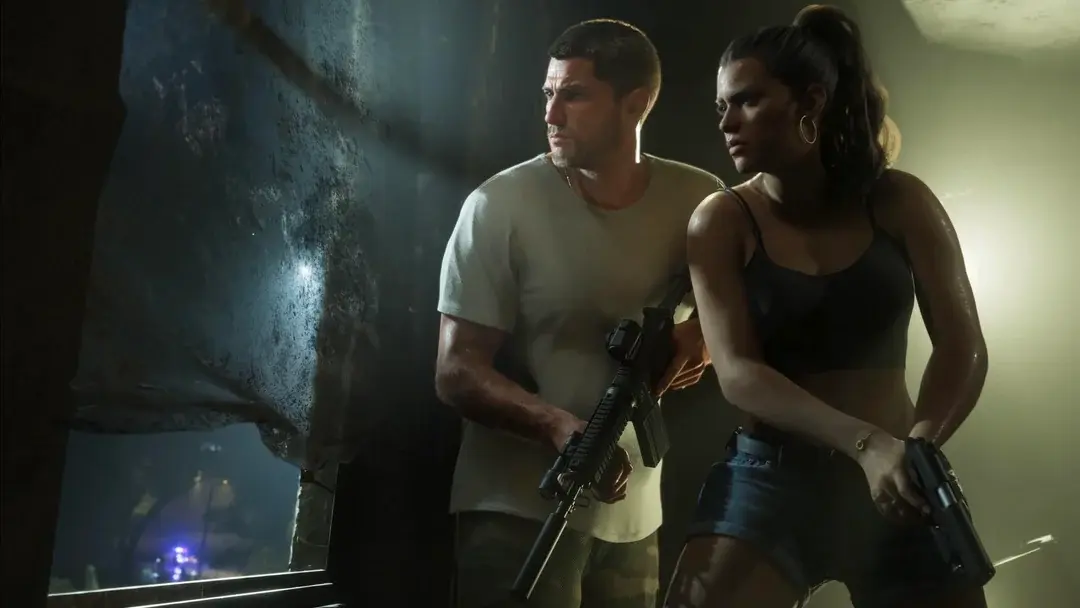
But that's all lyrical. In dynamic episodes, you don't immediately notice a blurry reflection on a car door, but you instantly notice a person who stumbles, grabs a wall, and falls under their own weight with a grimace of pain. After the extended demonstration, Rockstar's statement about “the most complex world” sounds more plausible than ever. The plot, the chemistry between Lucia and Jason, the reactivity and content of the world, and the balance of numerous mechanics can only be fully assessed after release. But it is already clear: the developers have set a technological bar that the rest of the industry still needs to reach.
Never miss our newsAdd this site to your preferred sources to see us more oftenAdd on Google