
NVIDIA Showcases Updated DLSS 5: Technology Becomes More Flexible and Faster
DLSS 5 is expected to launch this autumn. Closer to the release, NVIDIA promises to reveal system requirements and share additional technical details.
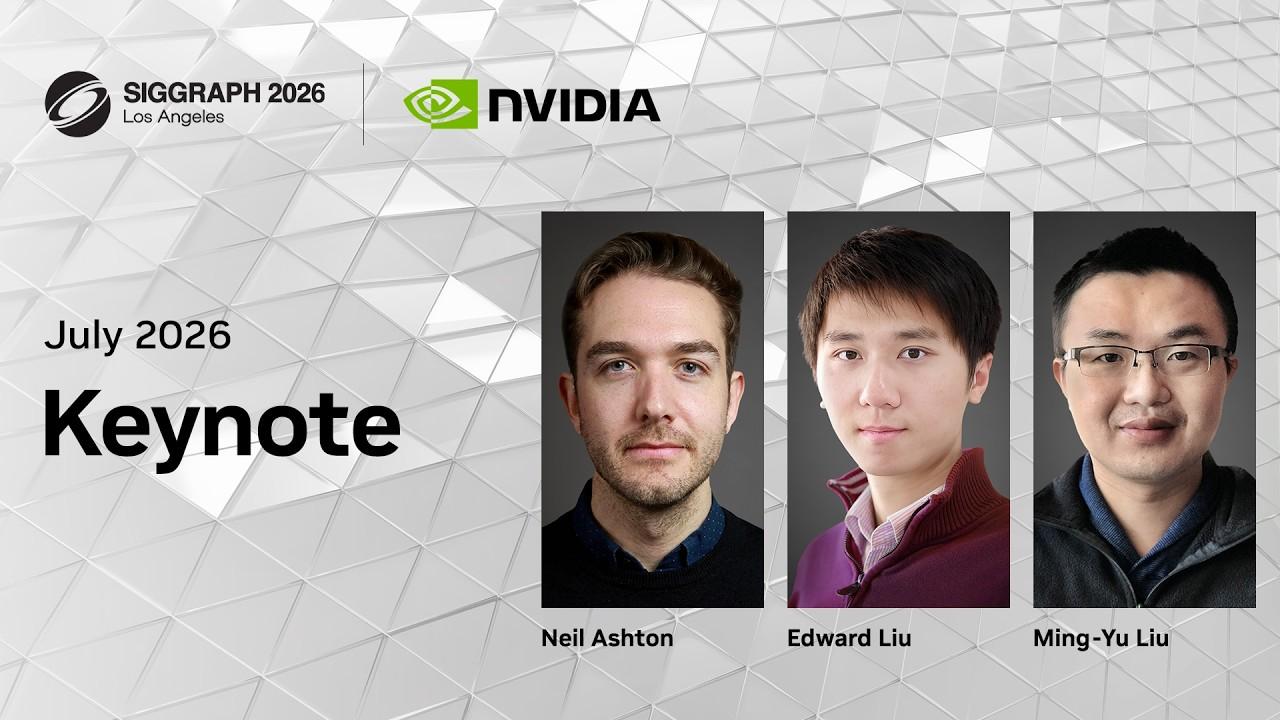
At the SIGGRAPH 2026 conference in Los Angeles, NVIDIA once again demonstrated its neural rendering technology, DLSS 5. Following a mixed reaction to its initial showing, the company continued to refine the system and presented an updated version, focusing on image quality, performance, and preserving the artistic style of games.
One of the key innovations is the ability to choose between three DLSS 5 models — Model A, Model B, and Model C. They differ in the number of parameters and computational load, and also affect global illumination, texture detail, scene structure, and other visual effects differently. Developers will be able to use different models for individual scenes or characters, combining them depending on the tasks at hand. NVIDIA claims that all variants can run on a single GPU without any issues.
The company also tried to address one of the main complaints about the first demonstration — preserving the author's artistic vision. Now, developers can flexibly configure the processing of individual objects, scenes, and game elements, controlling the appearance of characters, lighting, animation, and other aspects of visual design. According to NVIDIA, DLSS 5 adds photorealistic materials without violating the original style of the project.
Another serious challenge was ensuring the technology works in real-time. Unlike conventional generative AI systems that create video in blocks of several frames at once, DLSS 5 generates images frame by frame. This uses motion vectors obtained directly from the game engine, allowing for instant generation of additional details without flickering, artifacts, or delays.
NVIDIA paid special attention to speed. The company states that processing a single frame at 4K resolution (8.3 million pixels) takes less than 16 milliseconds, ensuring a frame rate above 60 frames per second. Most of the time, it is noted, is spent by the game engine itself, not the DLSS 5 model. The technology is also designed for efficient use of video memory, but the VRAM requirements for comfortable 4K gaming have not yet been disclosed.
Never miss our newsAdd this site to your preferred sources to see us more oftenAdd on Google