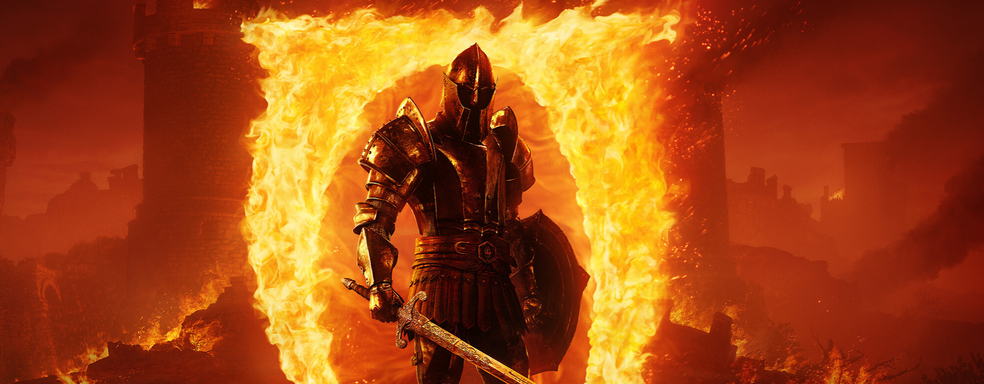
Bethesda Veteran Explained Why TES IV: Oblivion Remastered Is a Remaster, Not a Remake in the Vein of Resident Evil 2
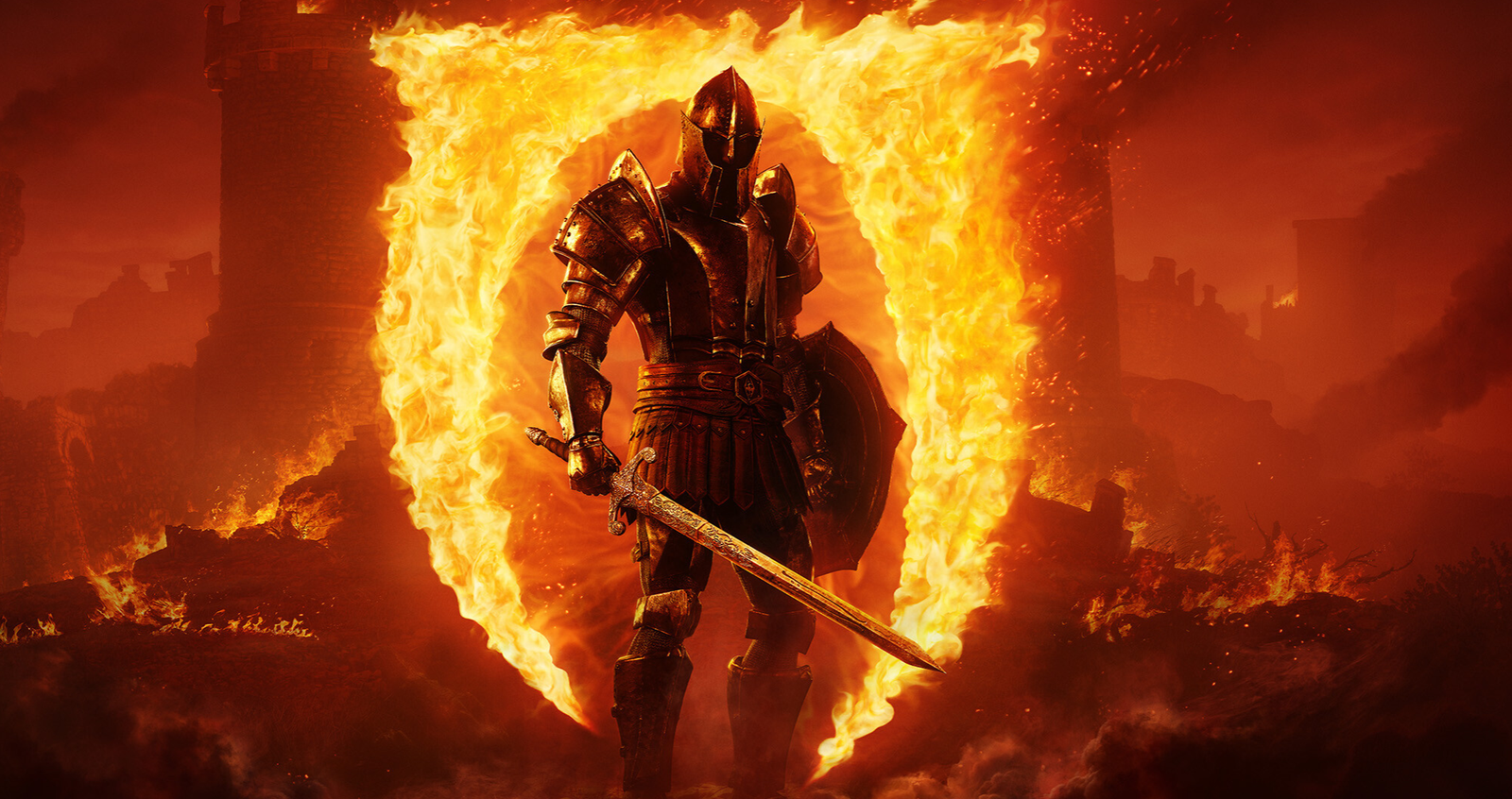
Last year, Bethesda Game Studios and Virtuos studio unveiled The Elder Scrolls IV: Oblivion Remastered. The developers updated the graphics of the famous action-RPG, but in terms of gameplay logic, everything remained the same.
Bethesda's Junior Art Director Dan Lee was asked during an interview with Nintendo Life whether there were disputes among the development team about what to call this project – a “remaster” or a “full-fledged remake.”
Dan explained that if you look at The Elder Scrolls IV: Oblivion Remastered from a graphics perspective, it's definitely a remake; everything was redone from scratch. However, it still cannot be called a “remake” because, in essence, the game remained the same:
But ultimately, it came down to how [Todd Howard] views it: essentially, the foundation is still taken from the original game. So it wouldn't be entirely fair to call it a “remake.” We took the original engine and layered everything else on top of it. Additionally, we made other small changes and improvements. But the core largely remained the same.
As examples of full-fledged remakes, Dan Lee cited Resident Evil 2 and Final Fantasy VII Remake — developers then took the original concept and created entirely new games, rather than just updating the old foundation:
There are different games that can be placed on this scale [remaster — remake]: from projects where the resolution was simply increased, textures were slightly improved, or individual character models were updated, to Resident Evil 2 and Final Fantasy VII Remake, which are clearly remakes. In such cases, the authors take the original concept and create entirely new games based on it. And here [in Oblivion Remastered], many elements of the original game remained practically unchanged.
Never miss our newsAdd this site to your preferred sources to see us more oftenAdd on Google