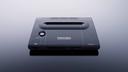
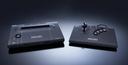
Due to AI boom and chip shortage, gamers could have permanently lost the NEOGEO AES+ console
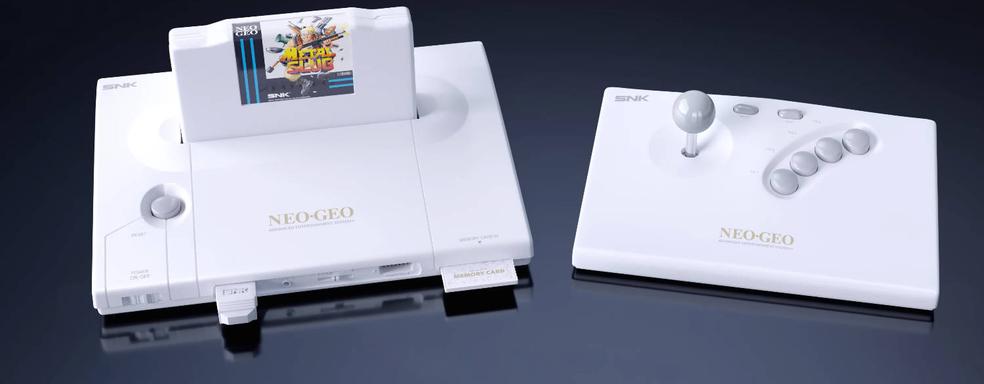
Plaion's Hardware and Software Director Ben Jones told players why the team had to postpone the release of the NEOGEO Advanced Entertainment System+ arcade gaming system to 2027, how a complete cancellation of the console was avoided, and what difficult decisions developers had to make.
Thanks to the Video Games Chronicle portal, gamers learned why the release of the NEOGEO Advanced Entertainment System+ arcade gaming system, which received full compatibility with original NEOGEO cartridges and a number of quality-of-life improvements, was postponed to September 16, 2027.
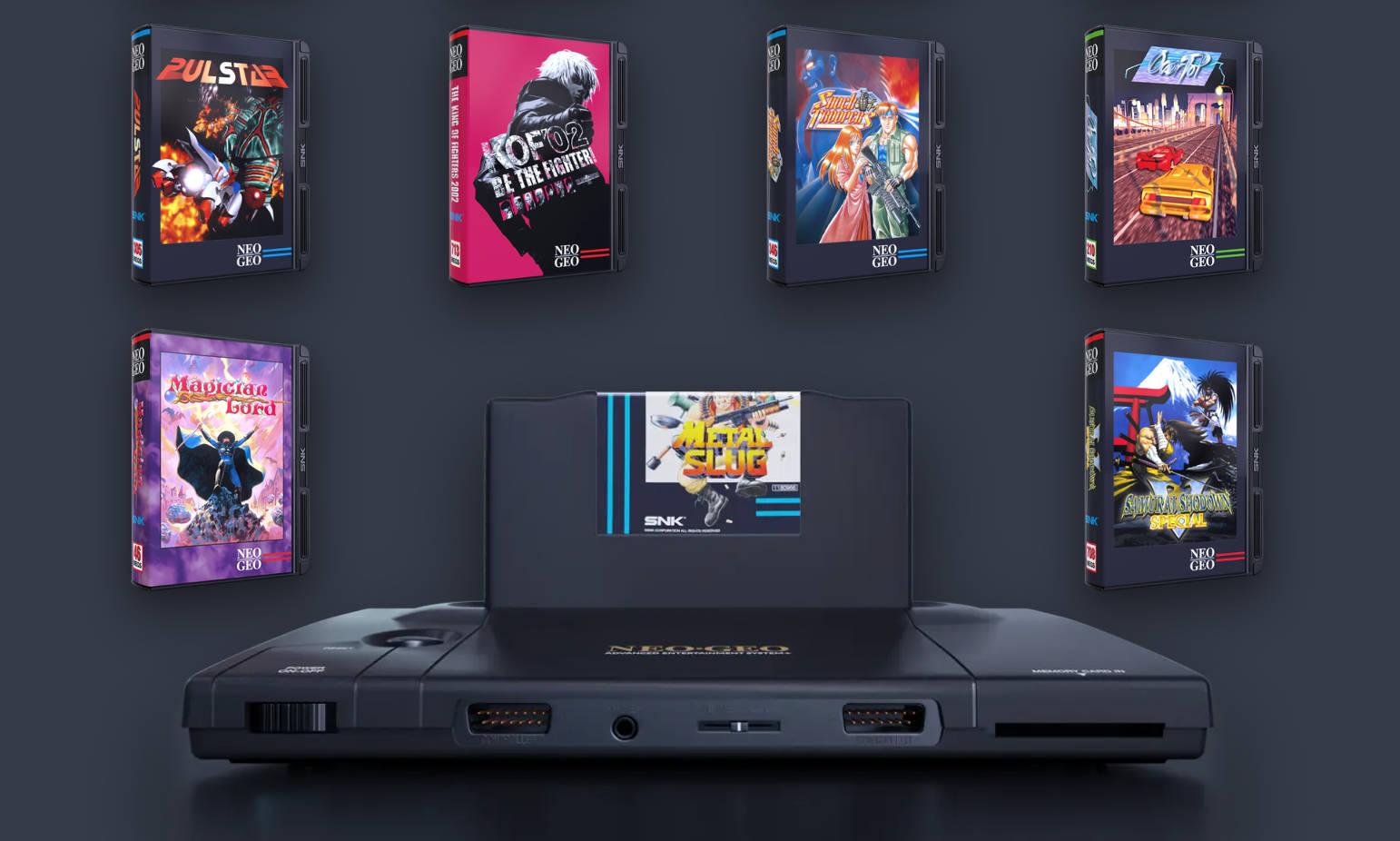
Speaking with VGC at Tokyo Game Show 2026, Plaion's Hardware and Software Director Ben Jones explained that the postponement happened after the company failed to procure the memory chips needed for NEOGEO AES+ production. This forced a rethinking of how the console would work.
“After we announced the AES+, we had an overwhelming response and a very serious level of pre-orders,” Jones said. — “So I immediately moved to the procurement stage and informed our partners in the Far East of our requirements. And this is the first time in my experience that I have been denied an order for chips, even though I have worked with Plaion in this field for almost 20 years. I thought: "What do you mean you can't get these chips? Ah, AI"”.
![NEOGEO AES+ Announce Trailer [ENG-PEGI]](https://media.ixbt.games/fit-in/1280x/https://i.ytimg.com/vi/U7J0whhwi0U/fhddefault.jpg)
Jones is referring to the ongoing global chip shortage, driven by demand from AI data centers. This has led to a significant increase in prices for many types of consumer electronics, as memory supplies become increasingly constrained. The specific type of memory Plaion needed for AES+ — Parallel NOR flash — was, according to Jones, “virtually unavailable.”
“I personally flew to Taiwan to meet with these companies, just to see if there was any way to procure them. But there was a six-month waiting list just to even be considered as a buyer,” he said.
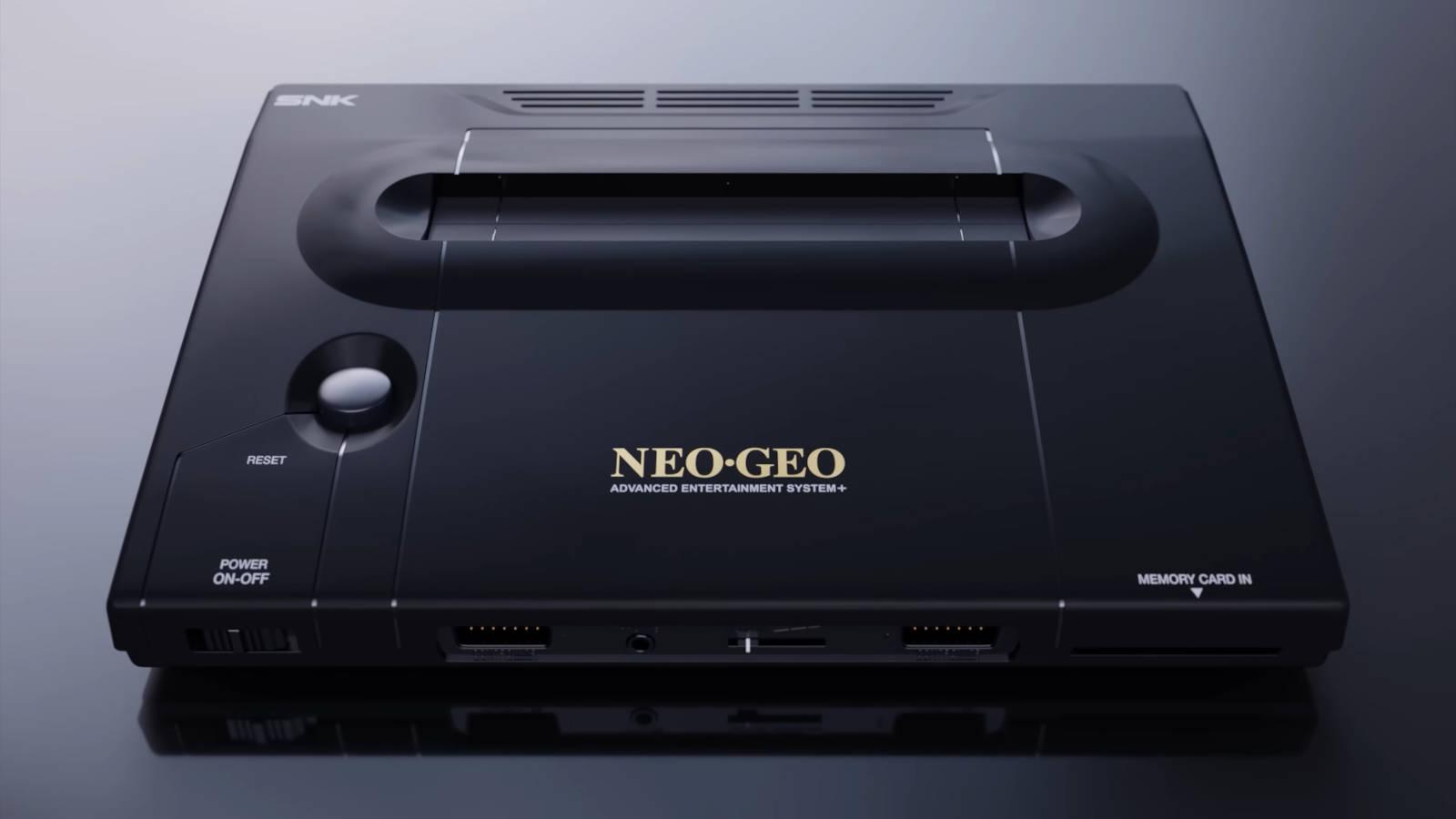
The director told VGC that there was a real risk of the console being completely canceled, but fortunately, engineers found a solution within the game cartridges, for which the AES+ was designed to work.
“We had already manufactured two ASIC chips in the cartridges that are responsible for working with memory chips and then sending a signal to the device itself. We had thousands of such chips ready for cartridges,” Jones explained. — “With this in mind, we set ourselves the task of trying to find a workaround using what is called Serial NOR flash memory. Essentially, it's the same as parallel memory, but since NeoGeo only uses parallel flash memory, you need to do a conversion that allows you to use serial memory. Demand for it is lower, and it's almost always available.”
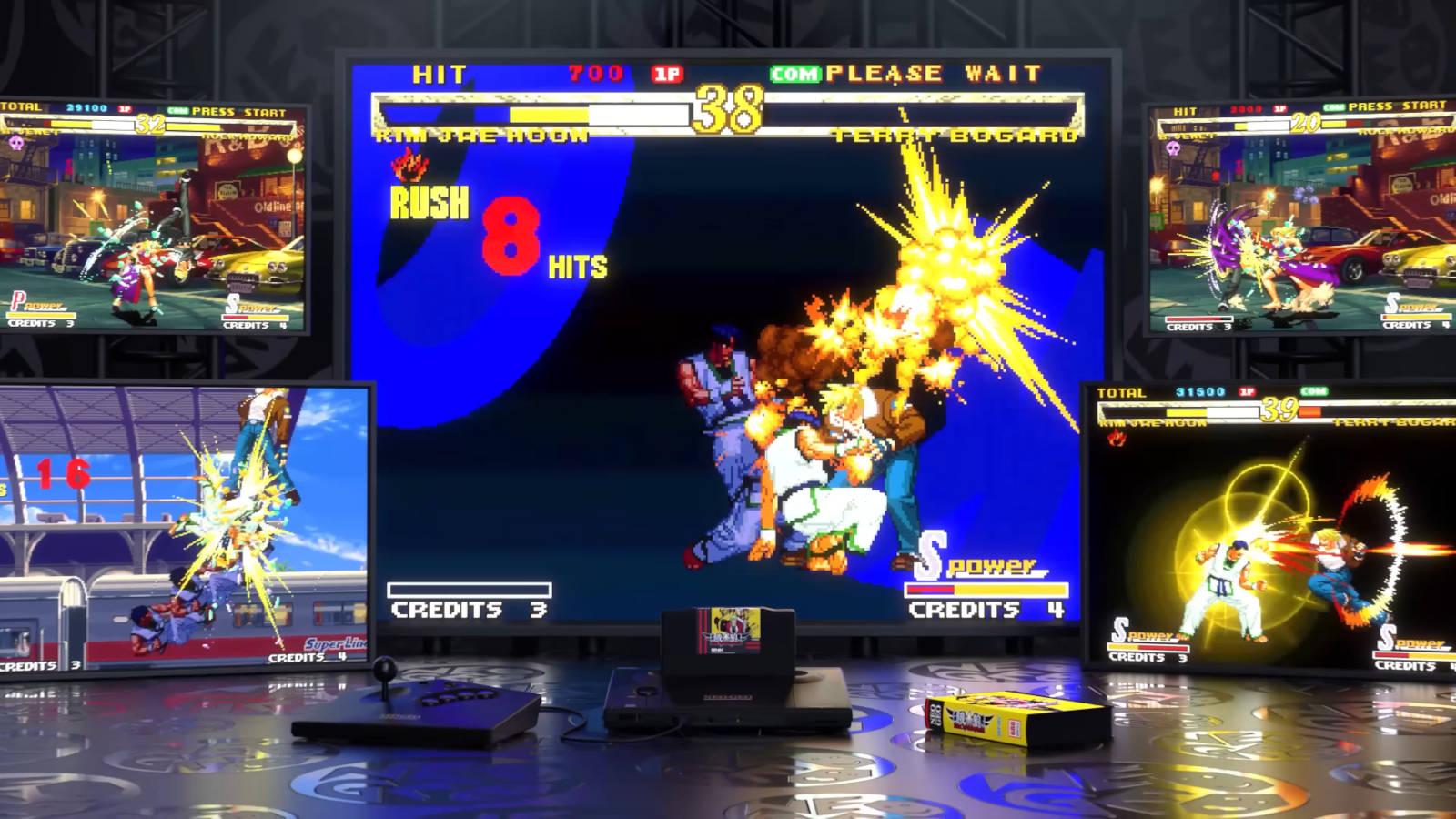
Ultimately, Plaion decided that they needed to redesign the chips in the cartridges, adding technology that converts a serial signal to a parallel one. According to Jones, it was this work, combined with additional testing, that led to the ten-month delay in the release of the NeoGeo AES+.
CTO Bruno Stöckes noted that the decision to re-engineer and postpone the AES+ was difficult, but “we had no choice.” He added: “Otherwise, we would have had to wait too long and probably spend too much money.”
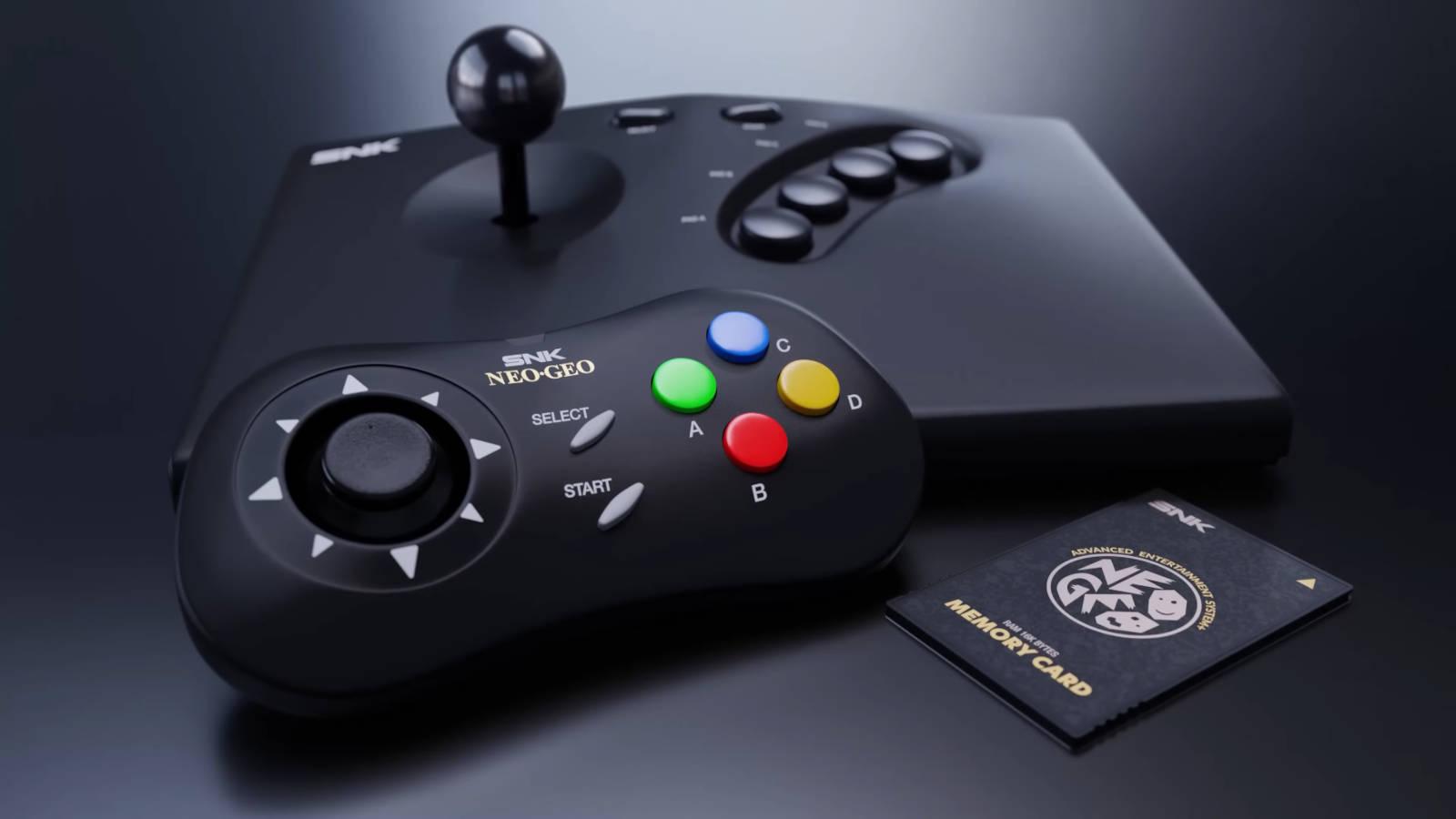
Jones added: “If we didn't have the flash memory solution, I think the project would have been over. But that's the way it is. And remember, we've been working on this for years, so it was a "nothing's going to stop this train" moment. I had to go to Taiwan, I had to talk to everyone, we just had to exhaust all options and be 100% focused. We had to release the product.”
Read more on the topic:
Never miss our newsAdd this site to your preferred sources to see us more oftenAdd on Google

![[STREAM] Dark Souls of the year. Valor Mortis](https://media.ixbt.games/fit-in/312x/ixbt-data/1725581/3ffa004e-044b-4d85-a878-777449753d95.jpg)