“*** and completely soulless”: Guns of Eschaton art director stated that AI will never be able to reproduce the talent of the legendary Viktor Antonov
Translated with AI from the Russian original.
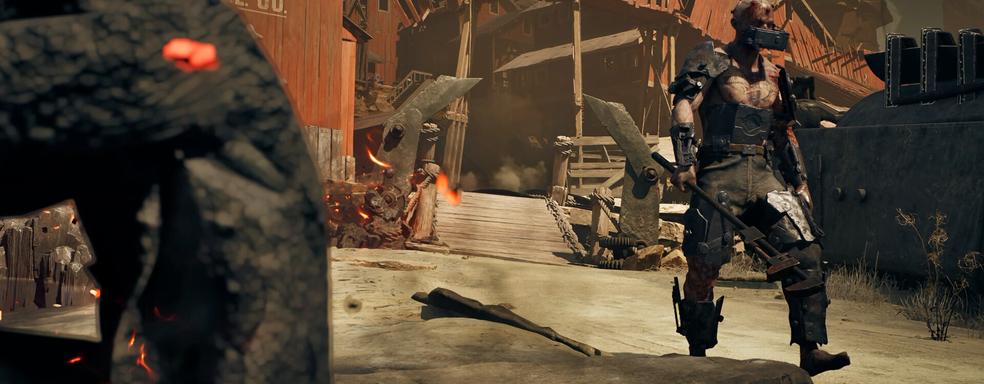
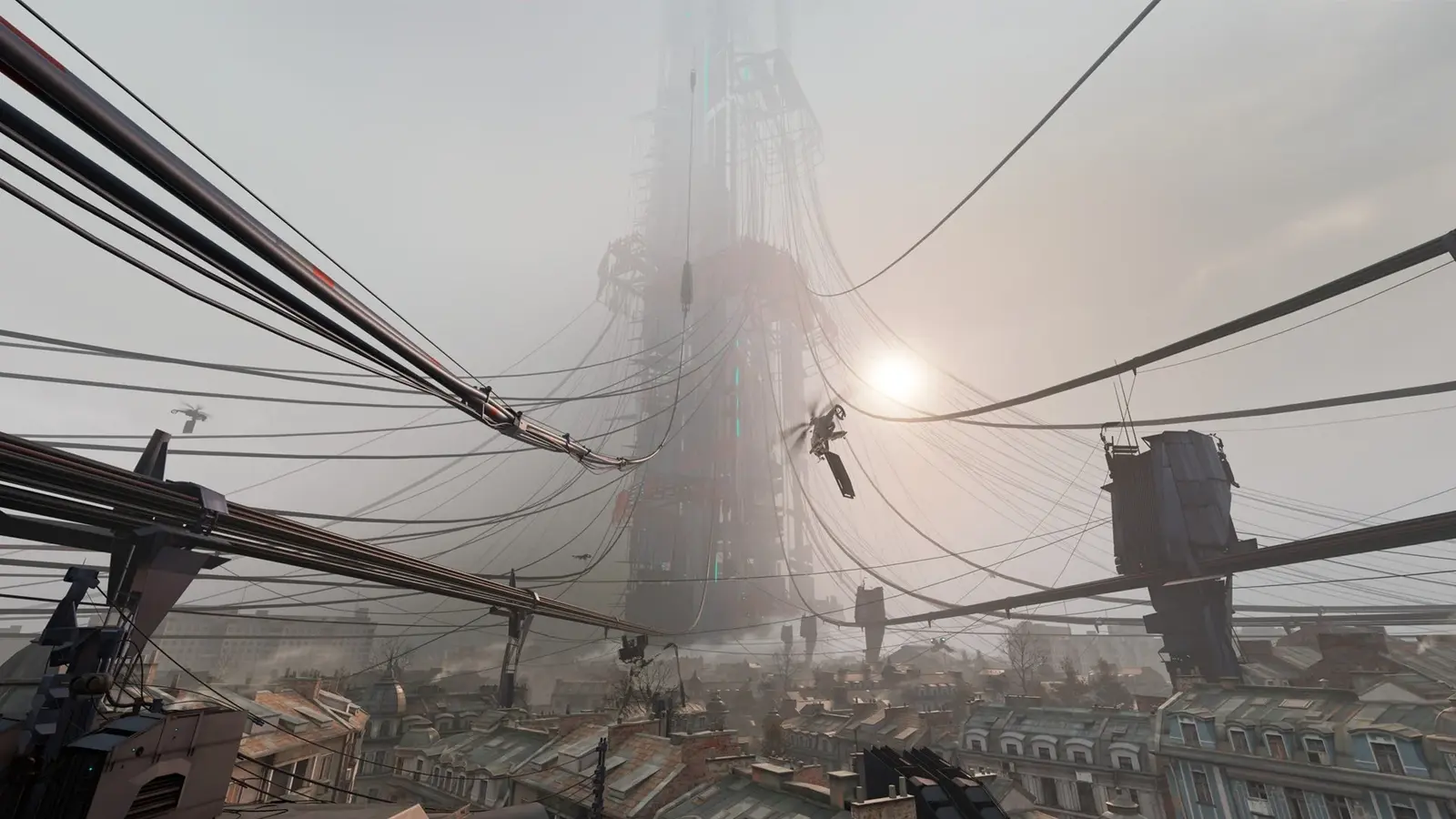
Artist Viktor Antonov, who shaped the visual identity of Half-Life 2 and Dishonored, possessed a unique creative vision that cannot be copied using neural networks. This was shared by Hélène Giraud, art director of Guns of Eschaton and a close friend of Antonov.
Viktor was unique and always will be unique. When someone tries to imitate his work, it's just ***. The result might look like Viktor on the surface, but there is nothing behind it. There will be no soul in that work.
According to Giraud, Antonov paid immense attention to every detail of the environment: every object had to fit organically into the scene and look convincing.
He used to say that everything is a character. Everything you look at must inspire trust.
Neural networks can only reproduce the superficial features of Antonov’s artistic style, but not his creative thinking, Giraud believes. Even if a generated image resembles his work, behind that visual similarity there will be none of the same understanding of composition, atmosphere, and the interconnectedness of details.
Giraud also noted that Antonov himself showed no interest in generative artificial intelligence. According to her, the artist disliked modern gadgets, barely used a phone, and avoided social media. He observed the technological revolution from the sidelines.
While working on Guns of Eschaton, Antonov had no intention of using generative AI. Giraud emphasized that creating art requires not only the right tools, but also prolonged practice, an understanding of artistic principles, and the ability to bring one’s own vision to life.
Many of those who use this technology sometimes don't even know how to hold a pencil. And working with it is a long process necessary to achieve the exact result you want.
Giraud acknowledges that artificial intelligence is increasingly penetrating the art industry. What worries her most is the speed at which the technology is spreading and the fact that it became available to a wide audience with virtually no prior discussion of the consequences.
What shocked me the most was that this technology suddenly became available to everyone—without warning, without control, and without any discussions with governments or industry representatives. Now it is developing so fast that the situation is spiraling out of control.
Never miss our newsAdd this site to your preferred sources to see us more oftenAdd on Google