Crowdfunding campaign for the CG Deck handheld computer raised the required amount in less than 48 hours
Translated with AI from the Russian original.
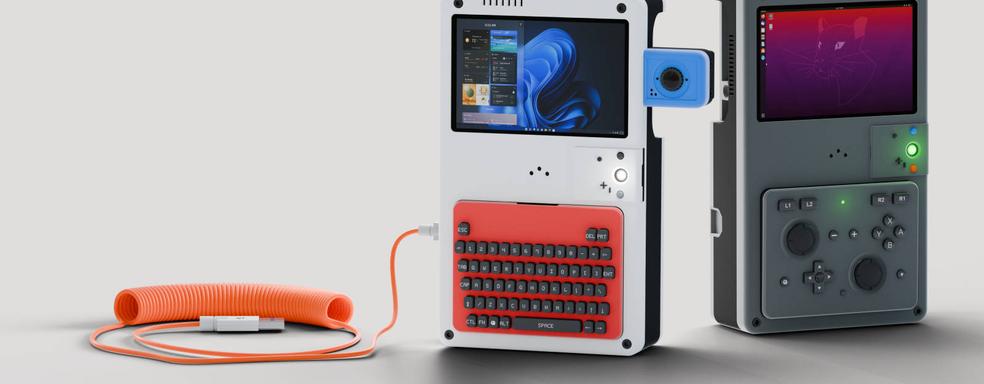
In 2027, users will be able to experience the CG Deck handheld computer firsthand. The device features replaceable parts and solderless swappable modules, and is capable of running Windows or Linux.
On November 17, 2026, the Kickstarter crowdfunding campaign was launched for the CG Deck, an open-source x86 handheld mobile computer.
The Mogozen team needed less than 48 hours to reach their primary goal of raising $20,000 (1,641,333 rubles). Currently, the developers have already accumulated $23,952 (1,965,661 rubles), with 42 days still remaining until the end of the campaign.
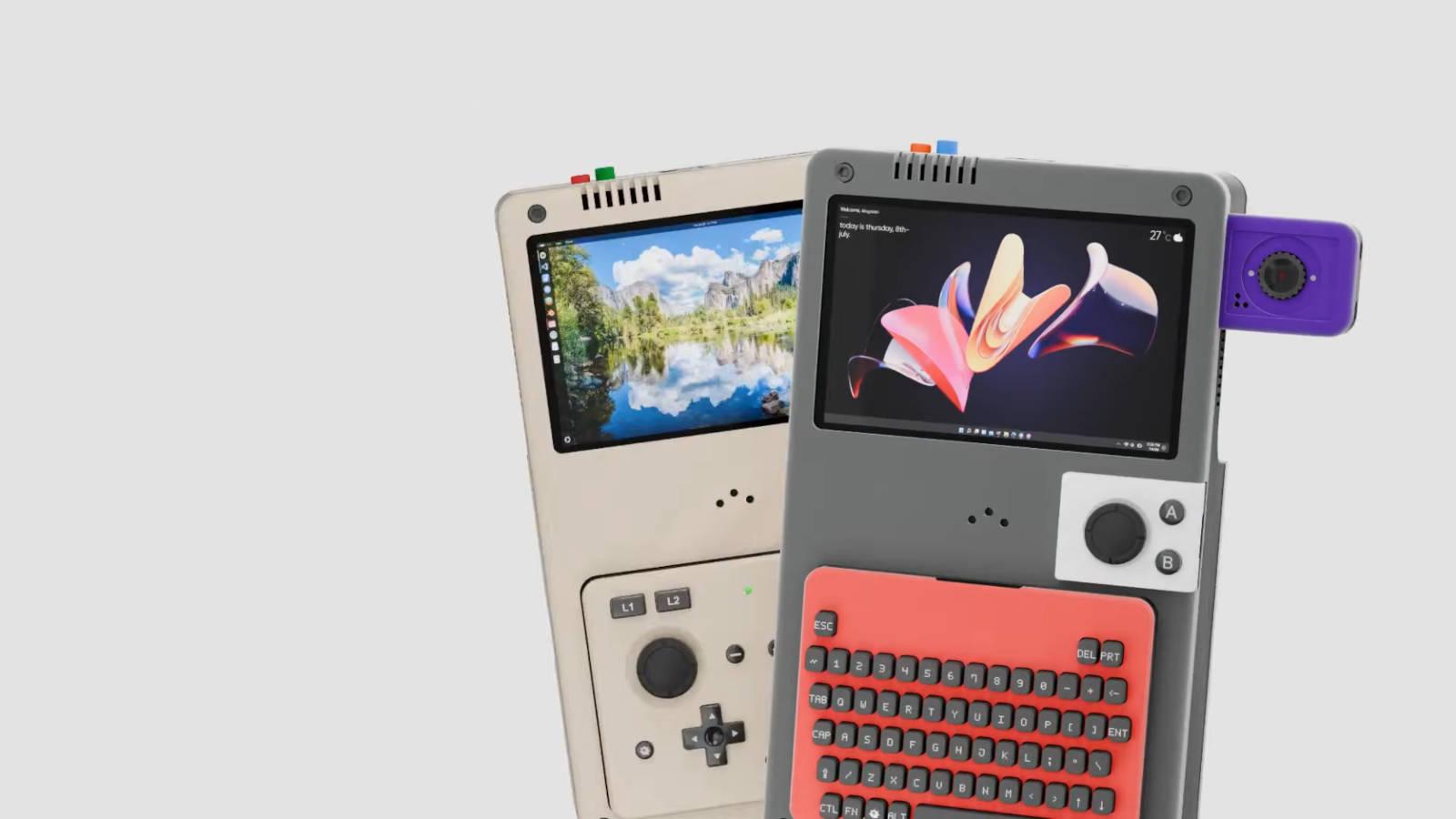
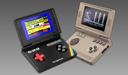
The device is powered by the LattePanda IOTA single-board computer and an Intel N150 processor, featuring a five-inch IPS touchscreen and swappable control modules designed to make it useful far beyond a standard gamepad layout. It is capable of running Windows or Linux.

Replaceable parts and modules can be installed without soldering. The price depends on the chosen bundle. For early birds, the DIY version of the device currently costs $299 (24,537 rubles), and this kit does not include the LattePanda IOTA. The complete configuration with 8 GB of RAM and 64 GB of internal storage is priced at $759 (62,288 rubles).
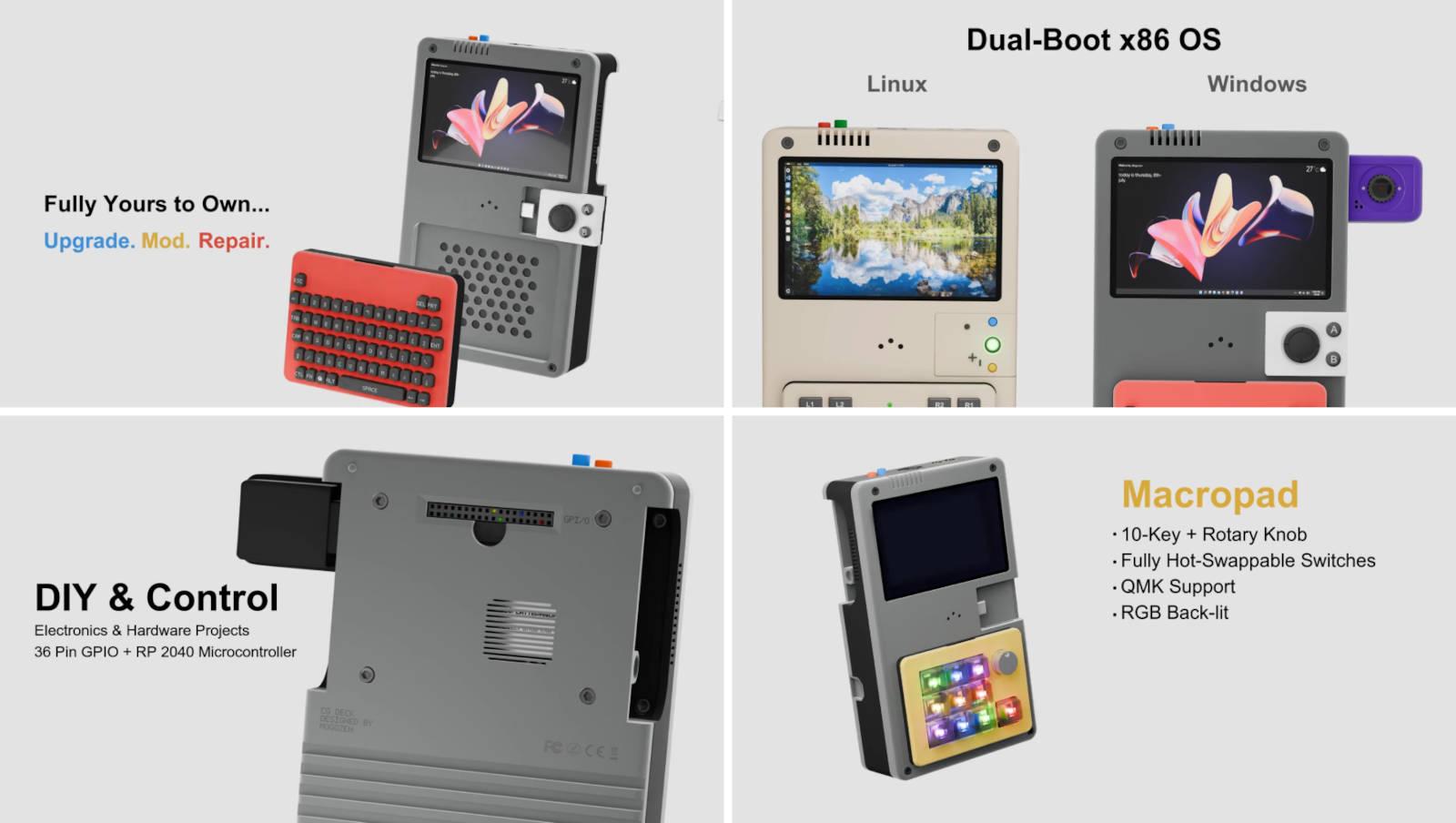
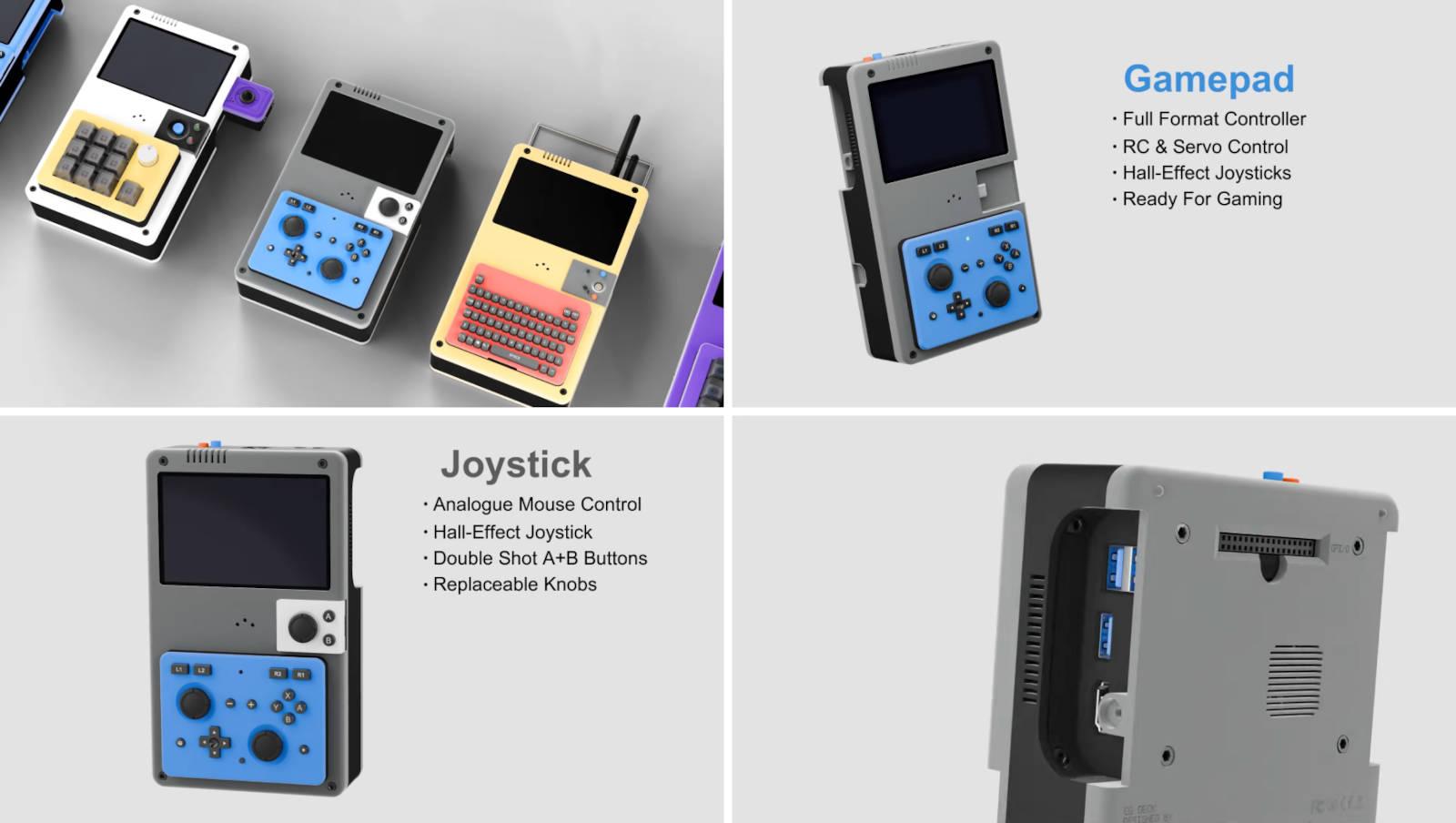
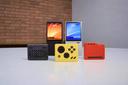
It is in the modules that the flexibility of the CG Deck truly shines. The device features two dedicated slots for control modules, as well as up to two additional slots for USB-A modules. Five options are currently available in the lineup. Three of them are designed for the primary slot:
A compact keyboard module;
A gamepad module with dual analog sticks and L1/L2/R1/R2 bumpers/triggers;
A macropad module with a grid of mechanical keys, a rotary encoder, and an additional standalone key.
A trackball module equipped with two buttons fits into the second slot. The camera module connects via a USB slot. Mogozen states that after the campaign concludes, backers will be able to choose pre-installed Windows 11, Linux Mint, or an OS-free version. The description also mentions the ability to boot the system from a microSD card, USB drive, internal storage, or an optional M.2 NVMe storage module.
The claimed battery life reaches up to eight hours. The expected shipping date for the devices is listed as March 2027.
Read more on the topic:
Never miss our newsAdd this site to your preferred sources to see us more oftenAdd on Google