Valor Mortis review: a devastated France from a first-person perspective
Translated with AI from the Russian original.
Valor Mortis turned out to be an interesting experiment offering a fresh perspective on the familiar soulslike formula. Literally so. After all, you have to play and overcome challenges from the protagonist’s first-person view.
Napoleon and zombies
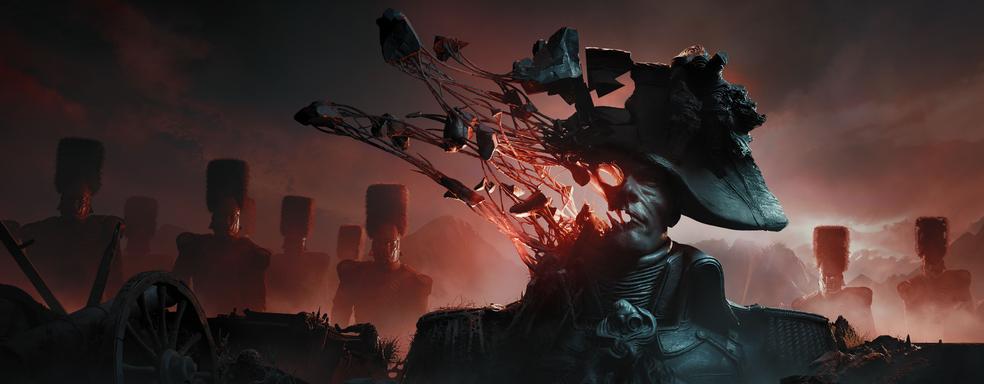
The beginning of the 19th century in this universe got off to a bad start: Napoleon’s army ravaged Europe, and a mysterious plague turned its population into hordes of zombies. We play as William Dowsett, an Englishman who voluntarily joined the ranks of the French Emperor’s soldiers after embracing his ideology.
The story is simple and predictable: the player watches William become disillusioned with his beliefs and begin to see the whole picture of events, aided by other characters. We explore the world and find spots where the protagonist witnesses short vignettes or hears the Emperor’s voice in his head explaining what is happening.
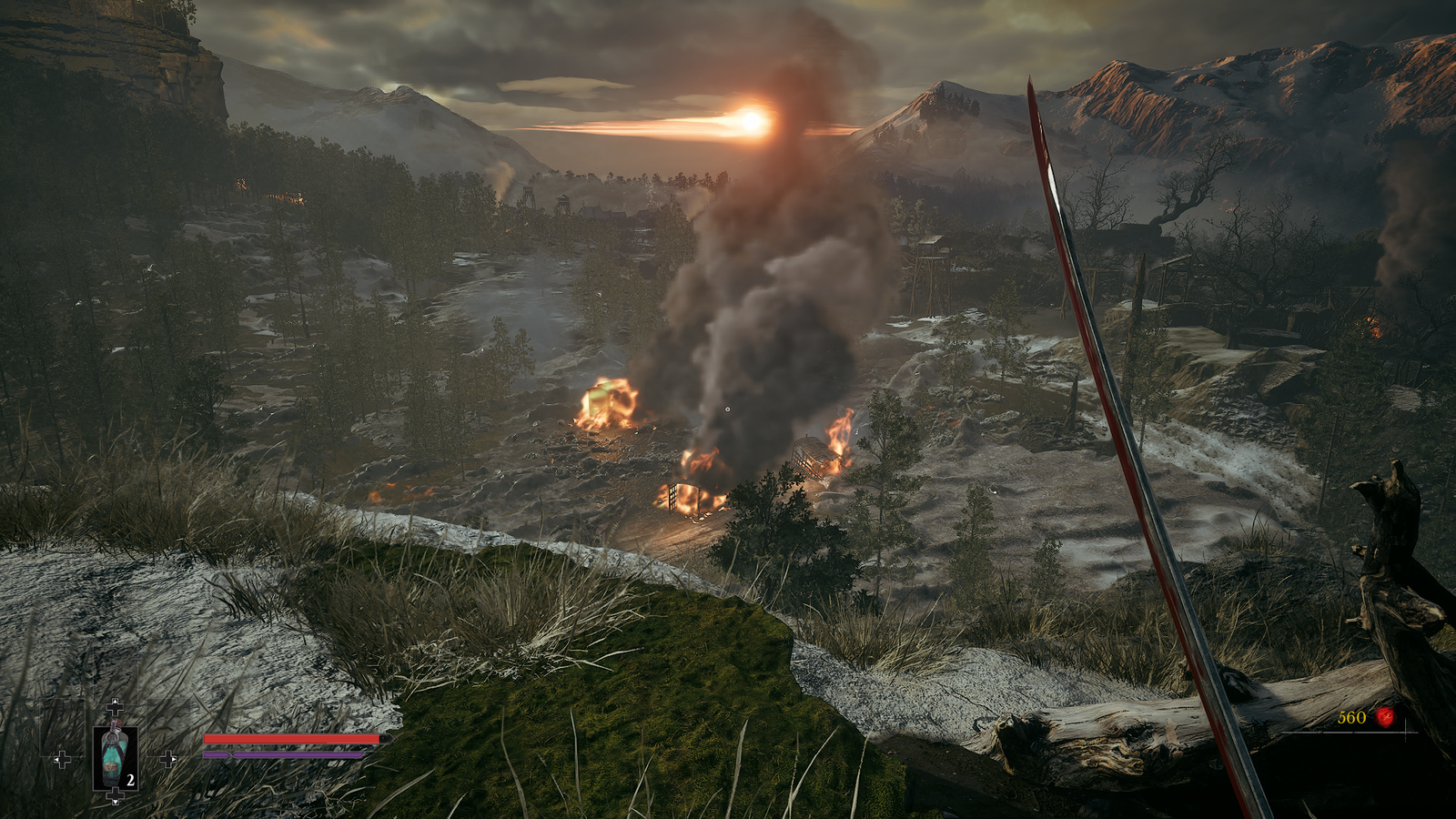
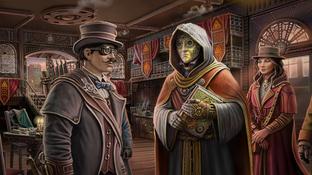
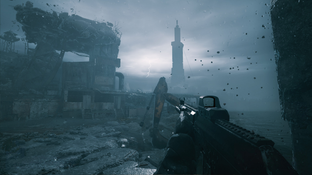
The world here is bleak, but it doesn't feel like it's dying—rather like a patient fighting off an illness. The initial levels are completely sun-drenched, which creates an interesting contrast with the plague-ridden and blood-soaked battlefield. While technically the game's graphics don't stand out, the art design earns a solid five out of five!
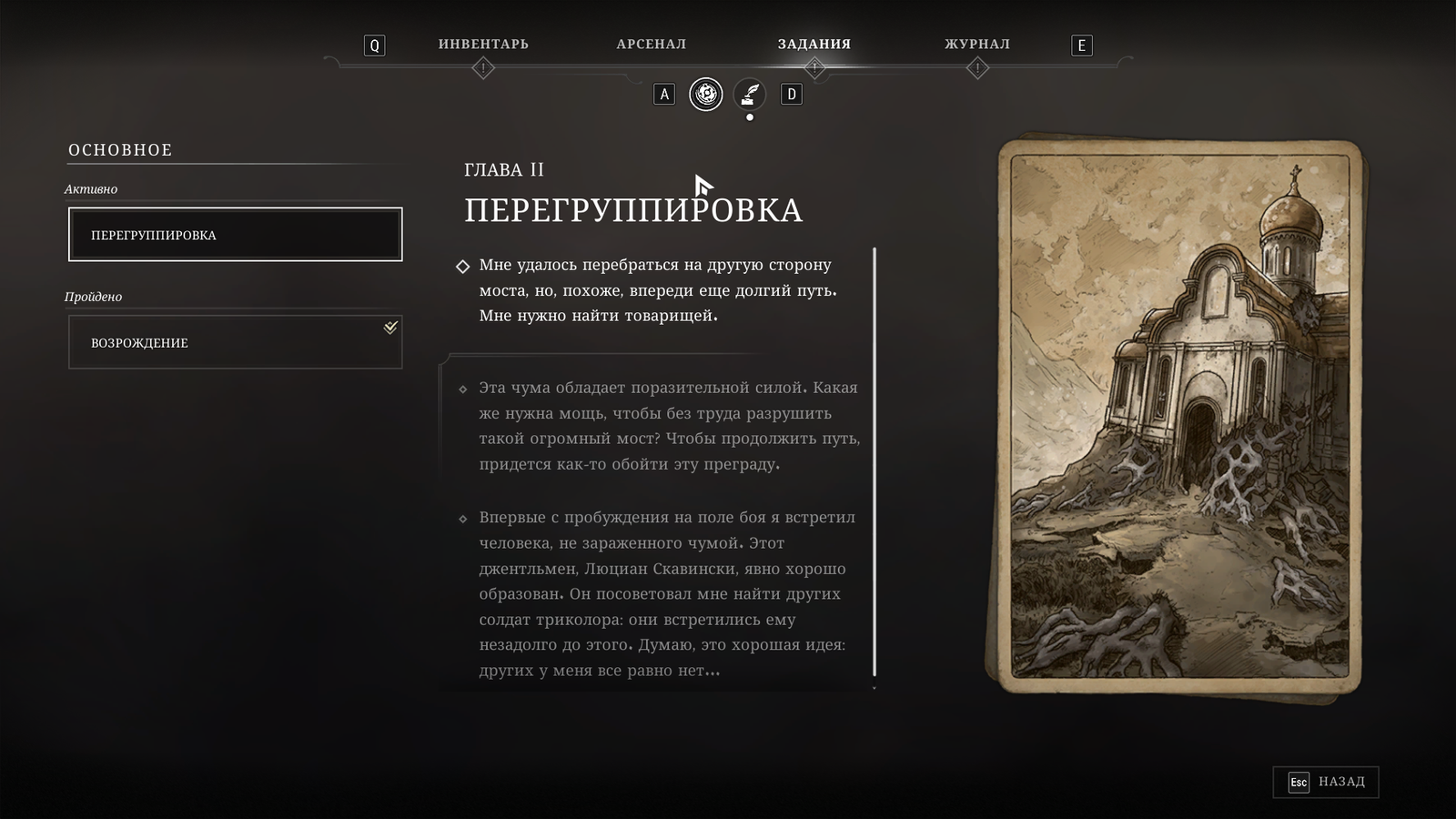
There are decent side quests completed while exploring every nook and cranny of the world. Fortunately, the developers didn't make life difficult for players and provided an accessible quest log with clear descriptions—no need to poke into random corners trying to figure out what you missed and where, or whether you botched a quest.
A new take on the soulslike
The developers took the foundation of soulslike combat and looked at it from a different perspective, which dramatically alters the feel of the gameplay. It was the same with their Ghostrunner duology, where reactive first-person combat and parkour took on a whole new dimension.
Valor Mortis features mechanics classic to souls games: light and heavy attacks, blocking and parrying, dodging, stamina management, lanterns—the local bonfires—and enemies respawning after resting. There are also a few stealth elements: you can crouch and sneak up behind enemies to land a devastating backstab.
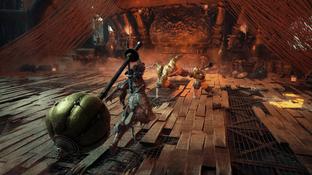
The first-person view breathes new life into the familiar experience, ramping up immersion. It now feels as if you yourself are the hero, not just a protagonist in a story. You fight enemies while watching their attacks unfold right in front of your face, frantically dodging at the very last second, which makes the adrenaline and the thrill of battle skyrocket.
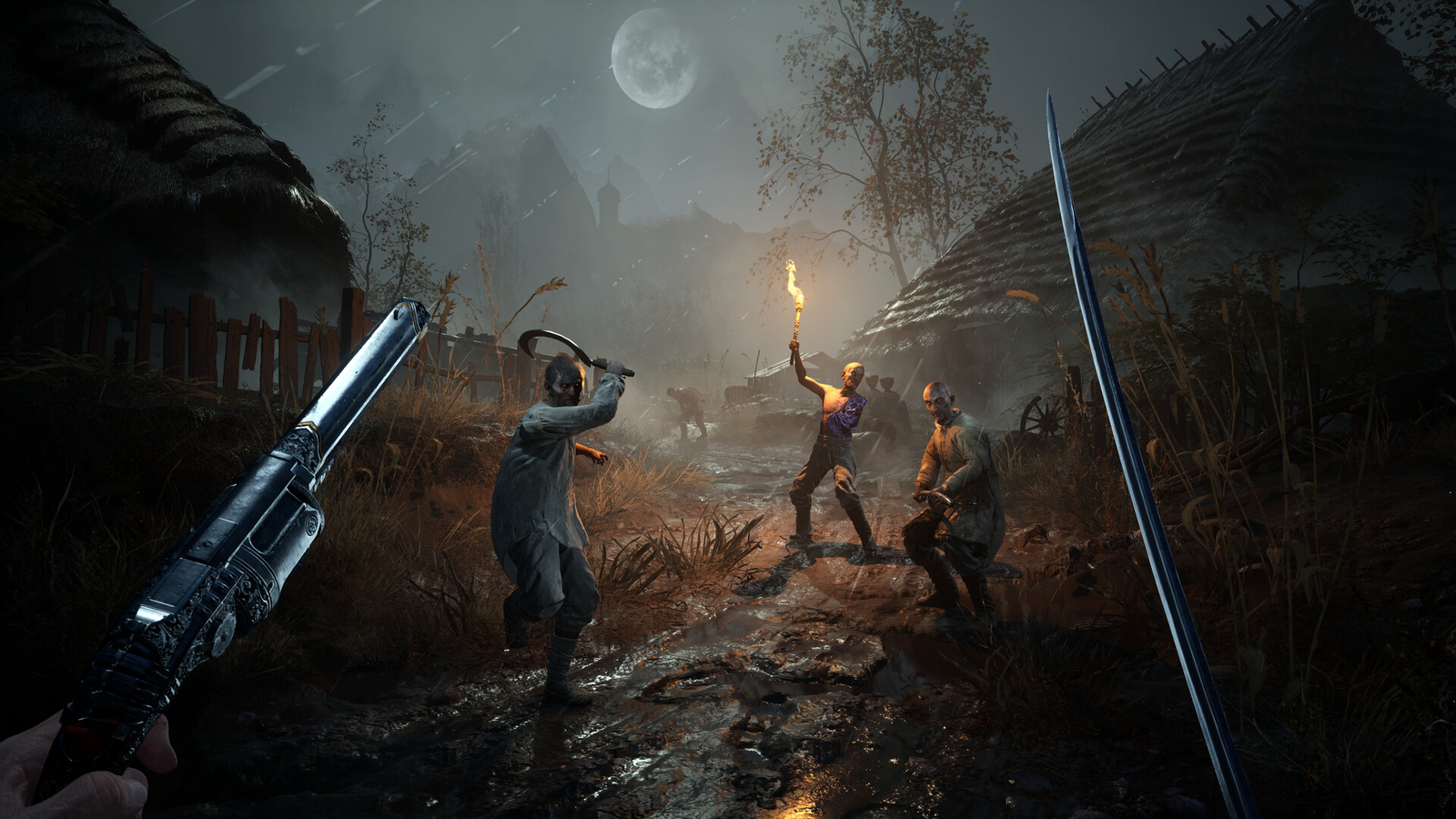
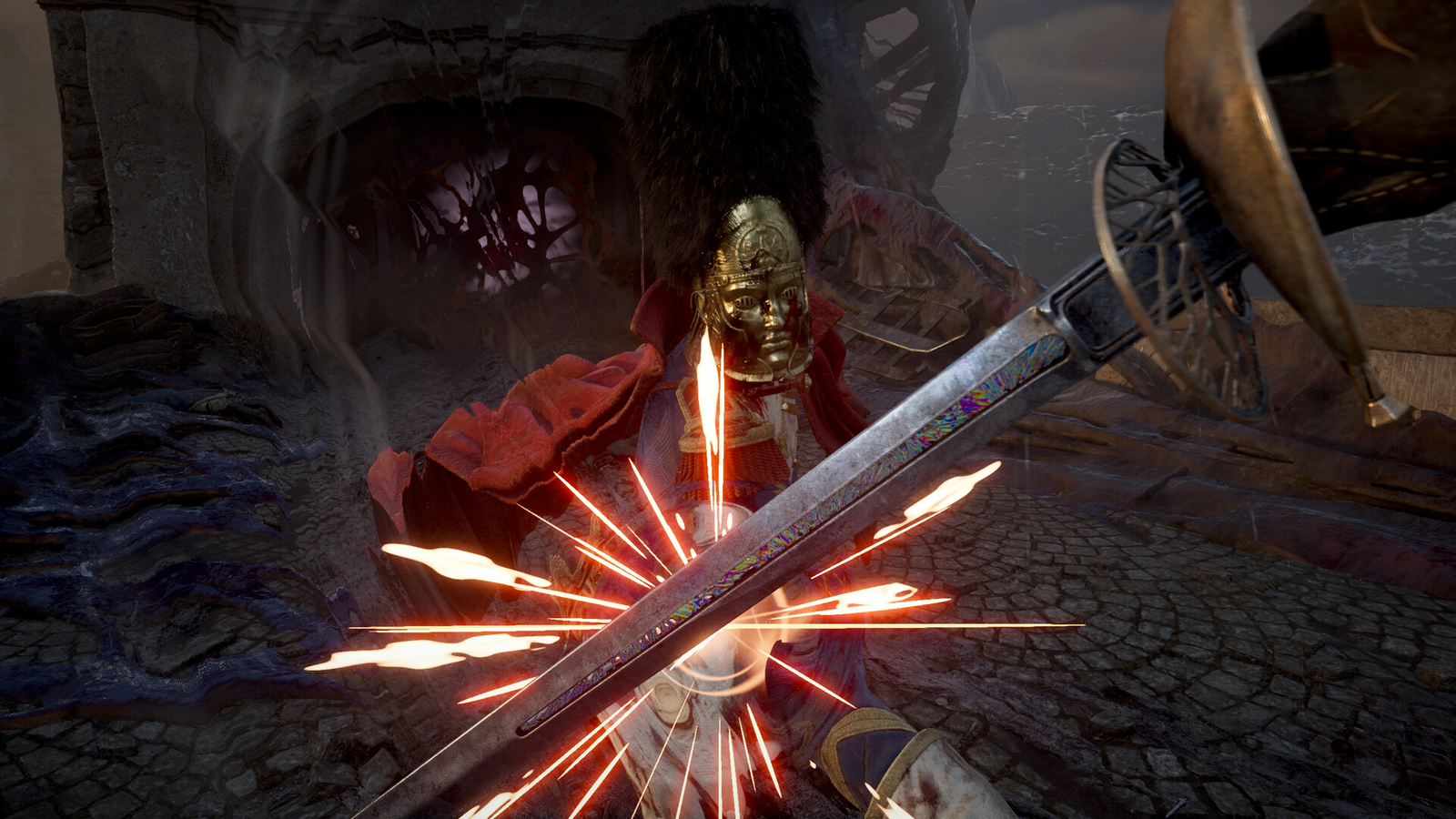
For instance, enemy attacks feel different: they are snappier, and you need to react to them differently—as if anticipating the direction of the blow in advance. That means you’ll have to memorize them more thoroughly, spending more time doing so. I was particularly annoyed by rapier-wielding foes whose attacks were sharp and jerky.
At times, judging distance proved difficult, making it harder to evade strikes: it felt like I had hopped far enough away, yet enemy attacks (especially from bosses) still hit the character. Often, this resulted in a failed attempt to defeat the adversary and the painfully familiar shout: “I totally pressed the button!”
The combat arenas aren't very large, so it's easy to corner yourself while maneuvering backward. Though a couple of times this actually saved me, when I wandered into spots where monsters lost sight of me.
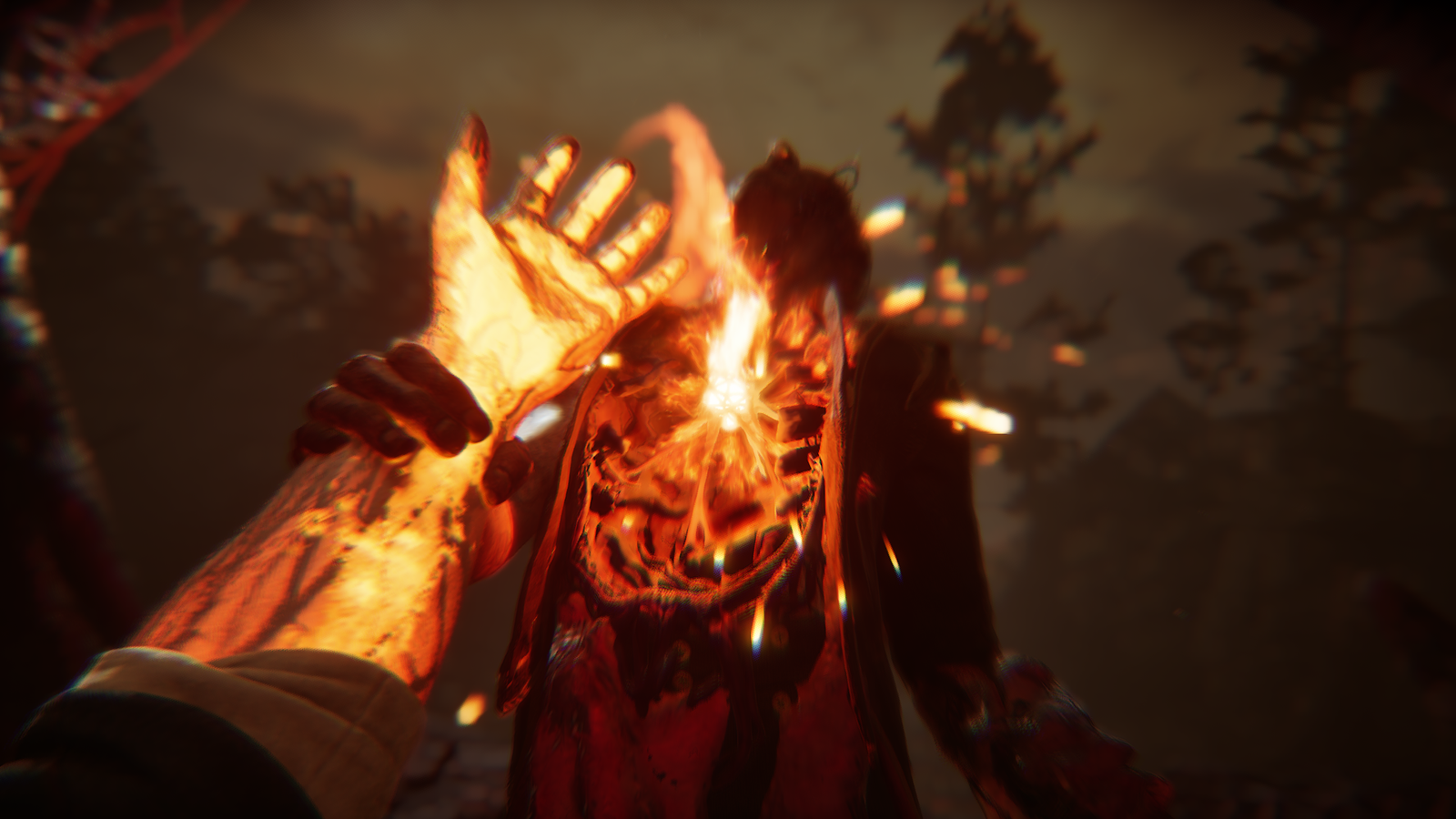
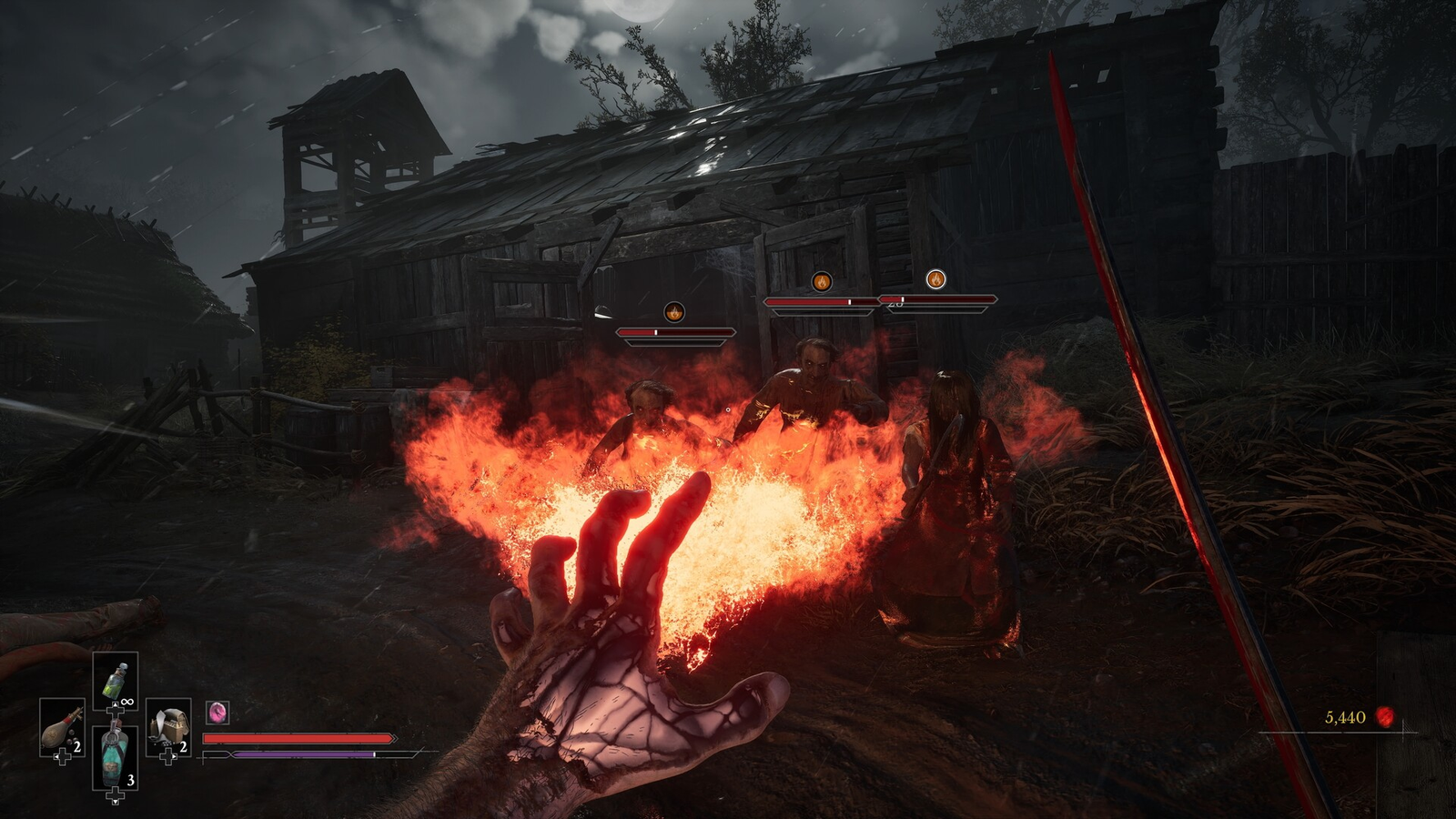
The combat system has been varied with the addition of BioShock-style magic: with his left hand, the protagonist can cast several different spells (fire, stasis, and shield), spending naphthoglobin—the local equivalent of mana. For example, if a crowd of enemies is advancing toward you, you can hit them with a stream of fire and ignite them, dealing solid damage. And if one of them happens to carry a bag of bombs—it'll go boom!
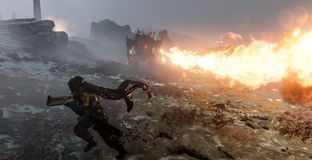
In addition, the game features firearms: you have access to a pistol, a blunderbuss, and a musket. You can attack enemies both at range (pistol and musket) and up close (blunderbuss). And if you hit an enemy’s weak spot, such as a flamethrower enemy’s fuel tank, the damage will be substantial, and the stagger gauge will fill noticeably—which is especially important against bosses.
Mana and ammunition can be replenished at a lantern, by using consumables, found around the locations, or occasionally looted from slain monsters.
The progression system seems standard: it focuses on increasing stats and gaining minor perks. But the cherry on top is the amber system, the local amulets—they can be found in chests, dropped by elite enemies, or received as quest rewards. Some simply grant pleasant perks, like passive mana regeneration or faster healing flask usage. Others, when paired with gear, unlock diverse builds that transform your combat style.
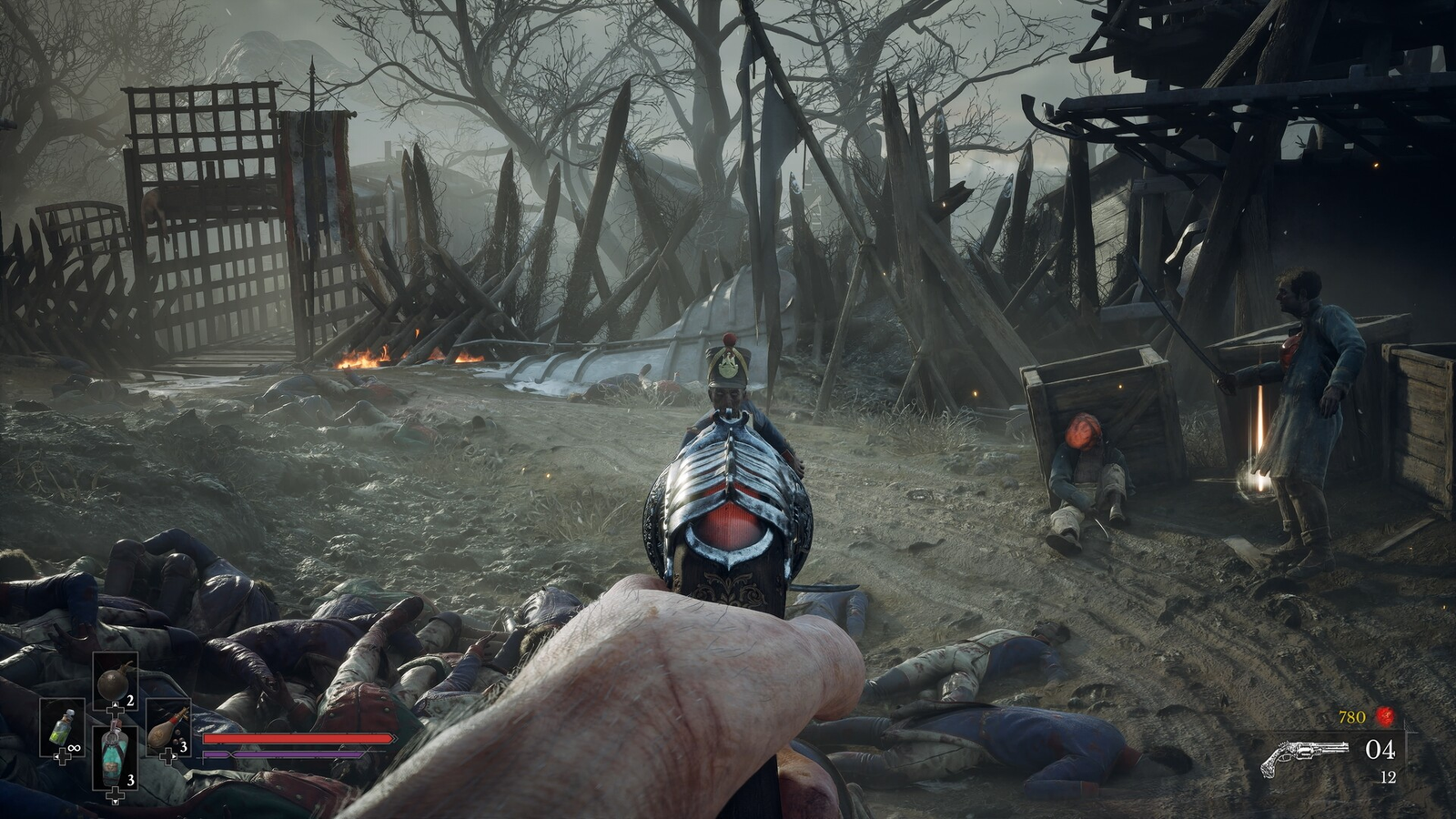
There are three types of weapons in the game: a rapier, a two-handed sword, and a saber. The former excels at parrying but cannot block enemy attacks. The second, on the contrary, blocks well but cannot parry. And the third can both block and deflect, though less effectively.
Equipping a two-handed sword and amber that enables healing when dealing melee damage while disabling healing flasks turns you into a “vampire tank.” The build lets you absorb hefty damage and then retaliate with a devastating strike, restoring health in the process.
Moreover, the game doesn't punish you harshly for defeats. If you struggle against a boss, each time you respawn at a lantern and pick up your lost currency, there will be a little more of it. This gives you a chance to avoid hitting a brick wall, level up, and overcome your foe.
You can also upgrade weapons and spells. You can mount a scope on a musket or attach a bayonet, turning it into a versatile weapon. There is plenty to tinker with.
Parkour and exploration
Another trademark of the Polish developers is parkour reminiscent of Mirror’s Edge, which was a core mechanic in Ghostrunner. Here, platforming across environments receives less focus, but in certain segments, it plays a key role.
At times, however, it is unclear where to go or what to do next. I got stuck in one place several times without noticing where to jump, running in circles around the area as a result. The parkour itself feels bare-bones: the character doesn't magnetize to ledges, so I missed intended platforms several times and plummeted into the abyss—even though it visually looked like contact was made. This doesn't happen everywhere, but it's infuriating when it does!
The game poses as a “metroidvania” at first—you can spot unreachable areas—but since the protagonist quickly acquires the necessary tools, the developers promptly forget about it. And by the time players unlock teleportation between lanterns, they will have already forgotten what they saw and where.
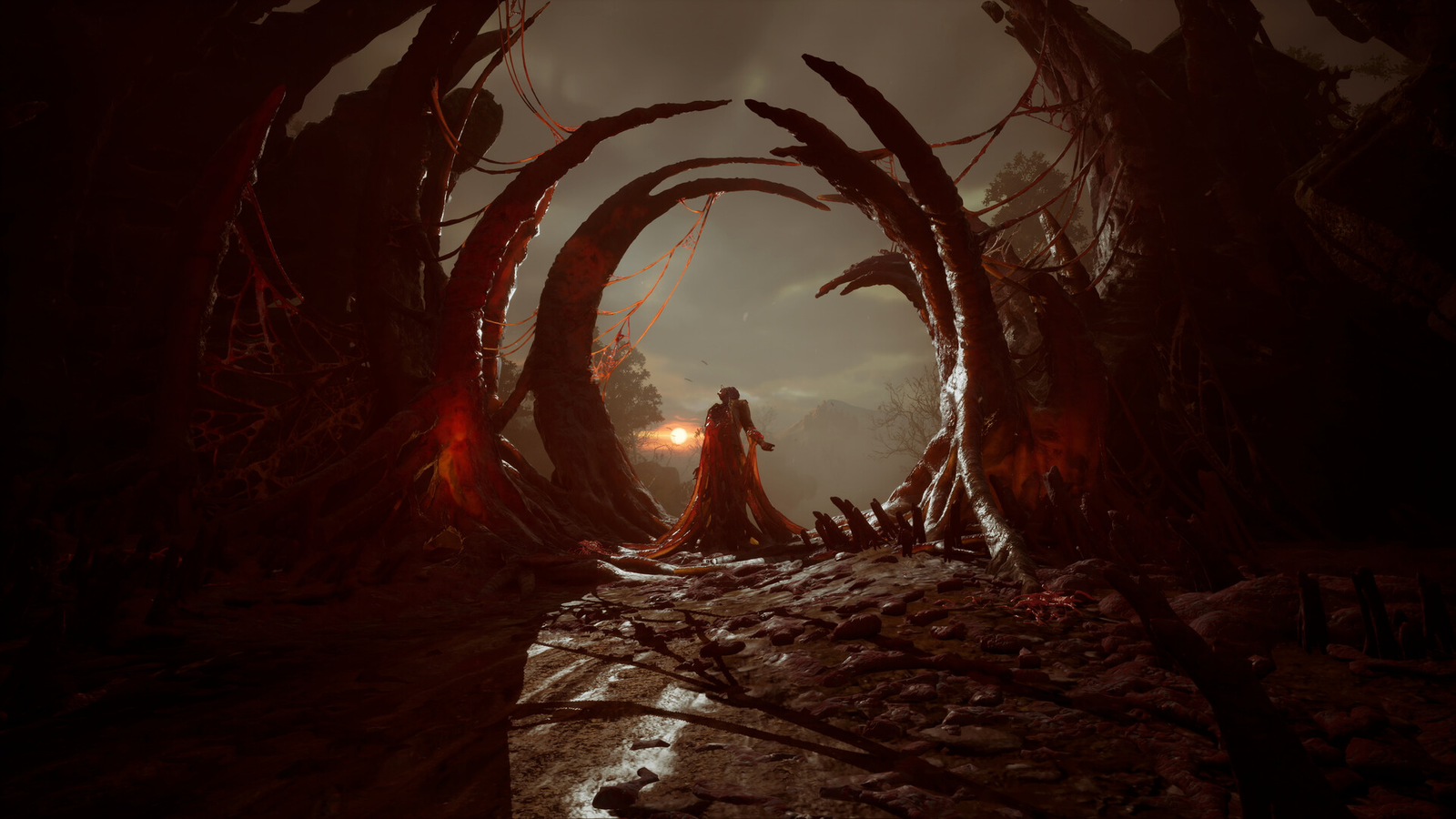
The world in Valor Mortis isn't seamless—it's a collection of areas separated by loading screens. Yet the level design shines, crafted in the finest traditions of FromSoftware. Locations are packed with intriguing branching paths and shortcuts waiting to be discovered—not difficult, but easy to overlook. They hold plenty of surprises: compelling monologues from the protagonist or Napoleon, striking visual set pieces, and chests with rewarding loot.
Some levels are built around a single lantern—the player must advance through the area, gradually unlocking shortcuts that loop back to the starting point. It immediately brings to mind No-Man's Wharf from Dark Souls II, where you had to explore the entire zone before opening a shortcut back to the initial bonfire for a direct path to the boss—I love moments like that.
Strange controls
Playing with a gamepad, I constantly fumbled between the bumpers and triggers—the button mapping feels unintuitive.
For example, attack is mapped to R2/RT, while R1/RB is dodge. Meanwhile, blocking/parrying is inexplicably set diagonally from attack, on L1/LB, making it easy to get confused and dodge instead of striking. It took a long time to get used to. At least pressing L2/LT makes the character aim—the only button that feels reasonably standard.
The game also acts up when switching between controller and keyboard. Several times while playing with a gamepad, I accidentally brushed the keyboard, and when I went back to pressing buttons on the controller, it lost responsiveness and developed input lag. I had to restart the game.
FPS drops occurred occasionally, and every time entering or exiting a location meant waiting for shader compilation. There were bugs as well, though nothing game-breaking worth noting.
Verdict
Although the new perspective takes some getting used to, Valor Mortis makes a solid case for how a first-person soulslike can work.
The developers crafted an engaging combat system and varied it nicely: players can switch builds or stick to familiar playstyles, while parkour adds variety to gameplay sequences, even if it can occasionally be frustrating. The story turns out mediocre, but side quests expand on the lore and encourage deeper exploration of the world—thankfully, there is a clear quest log, making it very hard to get lost.
All this adds up to a solid game capable of keeping you hooked for 20–25 hours, delivering a fresh experience to genre fans. If you enjoy soulslikes that offer a fair challenge without being overly punishing, it comes recommended.
The game's price tag remains a contentious point. Despite regional pricing, you'll have to shell out over two thousand rubles, which, in my view, might not justify the experience. You can try Valor Mortis on Game Pass if you have a subscription; otherwise, it’s best to wait for a sale. Looking back at the Ghostrunner duology and its discount history, those price cuts should be generous and arrive very soon.
Never miss our newsAdd this site to your preferred sources to see us more oftenAdd on Google