Review of the anime “Cyberpunk: Edgerunners 2” — it is hard being a sequel to a masterpiece
Translated with AI from the Russian original.
Studio TRIGGER once again took us on a dazzlingly beautiful and ruthless tour of Night City. The sequel still glues your eyes to the screen, but repeating the success of the first season, as it turns out, takes more than impressive animation, curious ideas, and even four main characters. We explain why the second “Edgerunners” felt cramped within ten episodes and what it lacked to break our hearts all over again.
Welcome back to neon hell
In the original series, the drama of David Martinez, desperately clawing his way up from the very bottom of a predatory metropolis, crystallized the very essence of cyberpunk. The city lured the youth with phantom hope, granted him the illusion of control over his own destiny, and then presented an exorbitant bill that had to be paid in blood.
Before watching the second season, I decided to return to this story for the fourth time. And even now, when I know its tragic outcome by heart, certain scenes still give me goosebumps. Even now, the moment “I Really Want to Stay at Your House” starts playing, you want to step out onto the balcony, flick a lighter, and stay silent for a couple of minutes. The doomed romance between David and Lucy, the betrayals, the cyberpsychosis, and the death of comrades are woven into an emotional knot so tight that remaining indifferent is simply impossible.
The trouble is that with this ritual, I raised the bar of expectations to the heavens myself, and then sat down to watch the continuation try to clear it. And, it must be said, it built up an impressive run-up, launched off spectacularly, but simply fell short of that cherished height. Writers Bartosz Sztybor and Masahiko Otsuka seem to have tried so hard to make the second season unlike the first that at some point they outsmarted themselves.
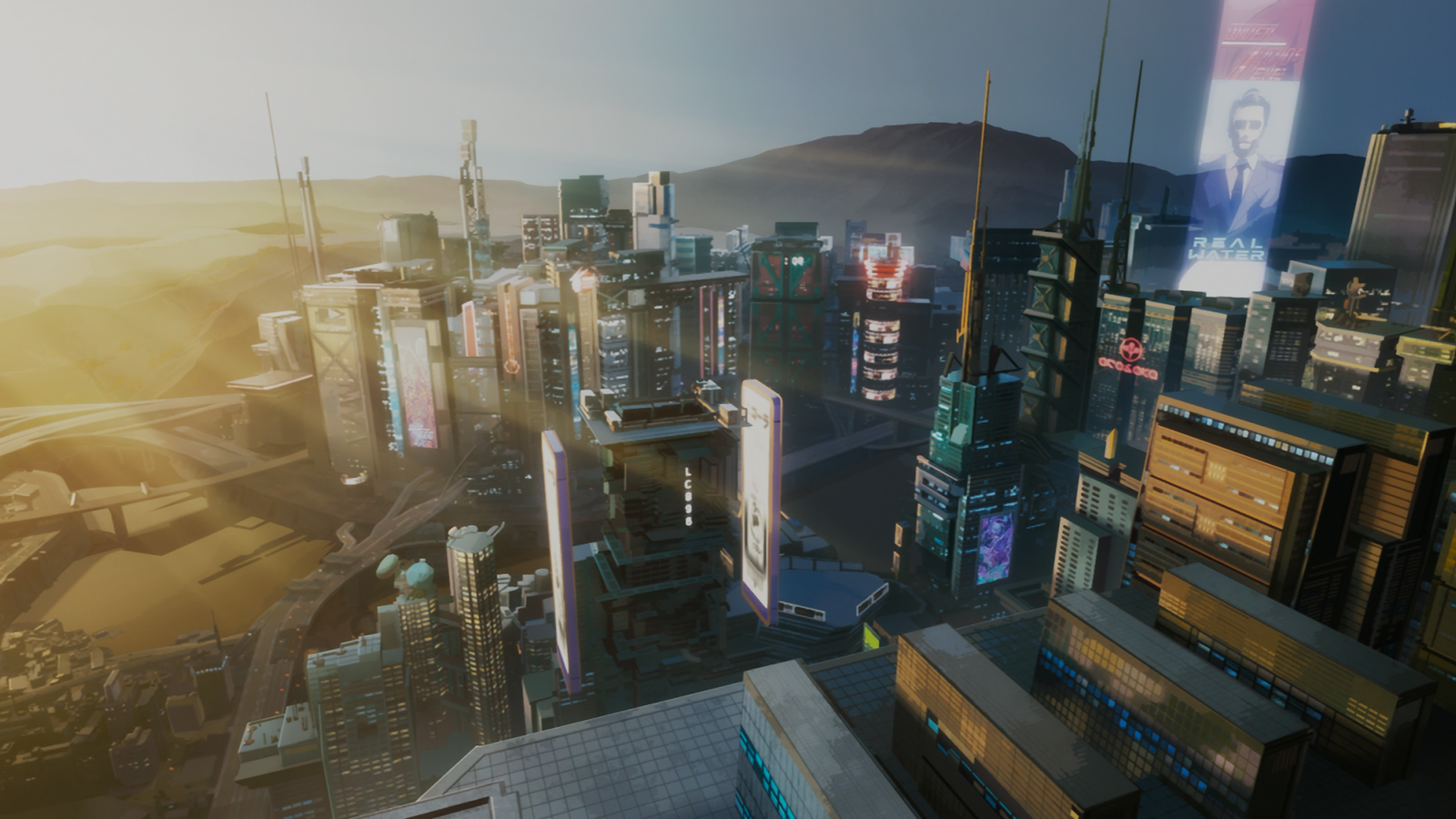
The events of the second season unfold in 2078, set after David's story and the events of Cyberpunk 2077. Familiarity with both stories will help you catch references and thematic parallels, to which I will return later, but it is by no means mandatory for understanding the new plot.
The main difference of the second season lies in its narrative structure. While previously the story revolved primarily around David Martinez, now it branches into several independent storylines that gradually intertwine with each other.
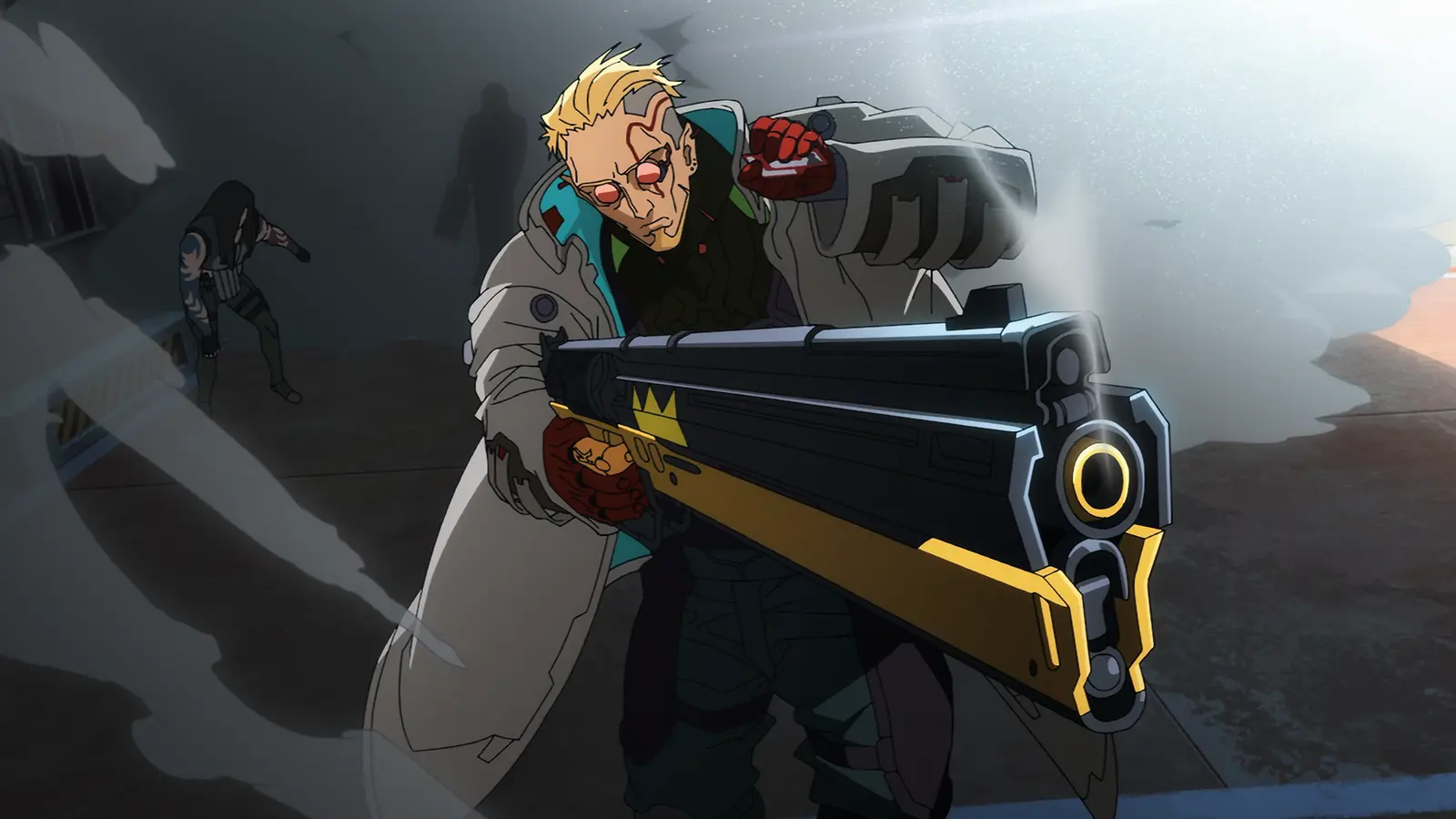
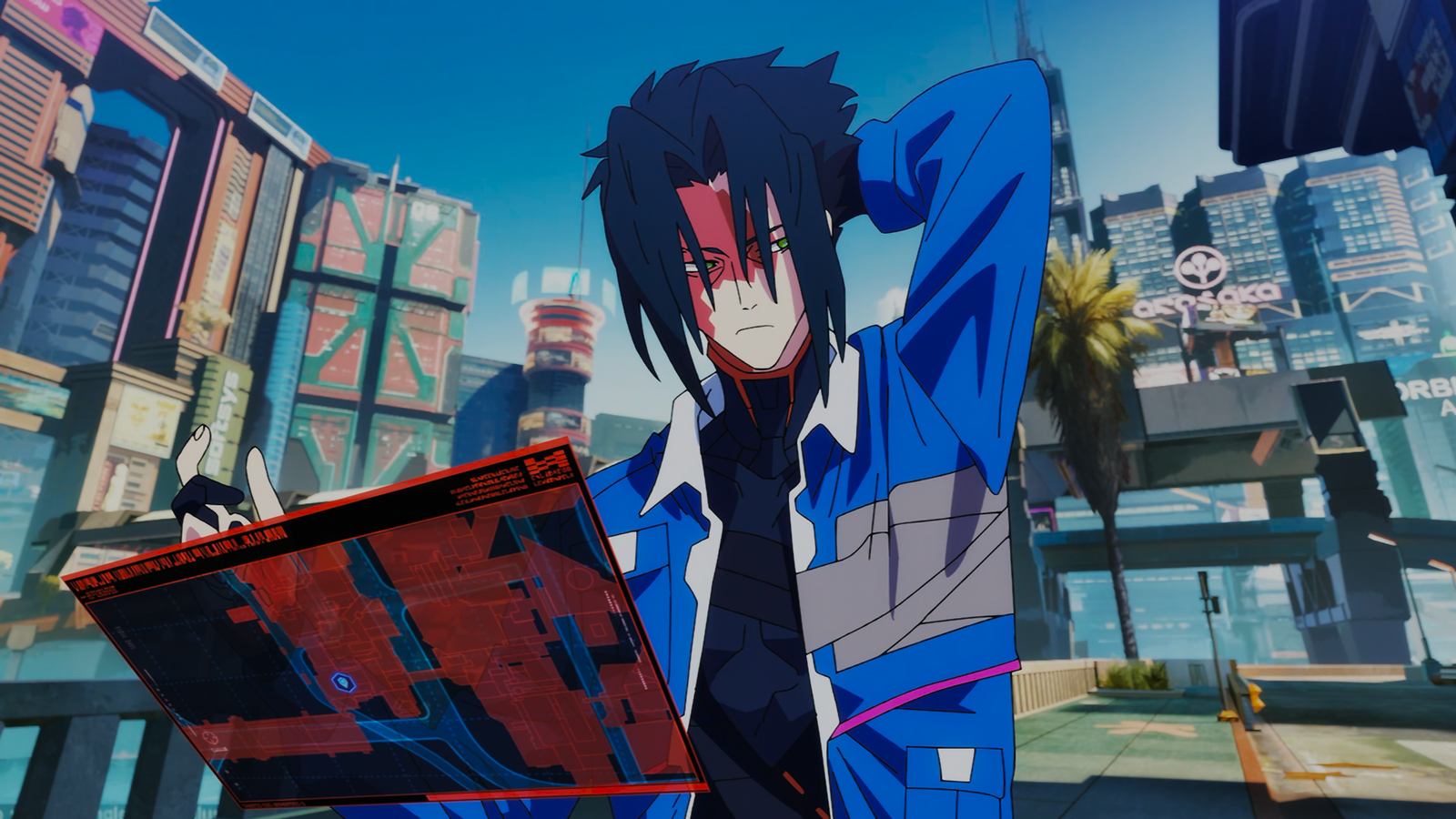
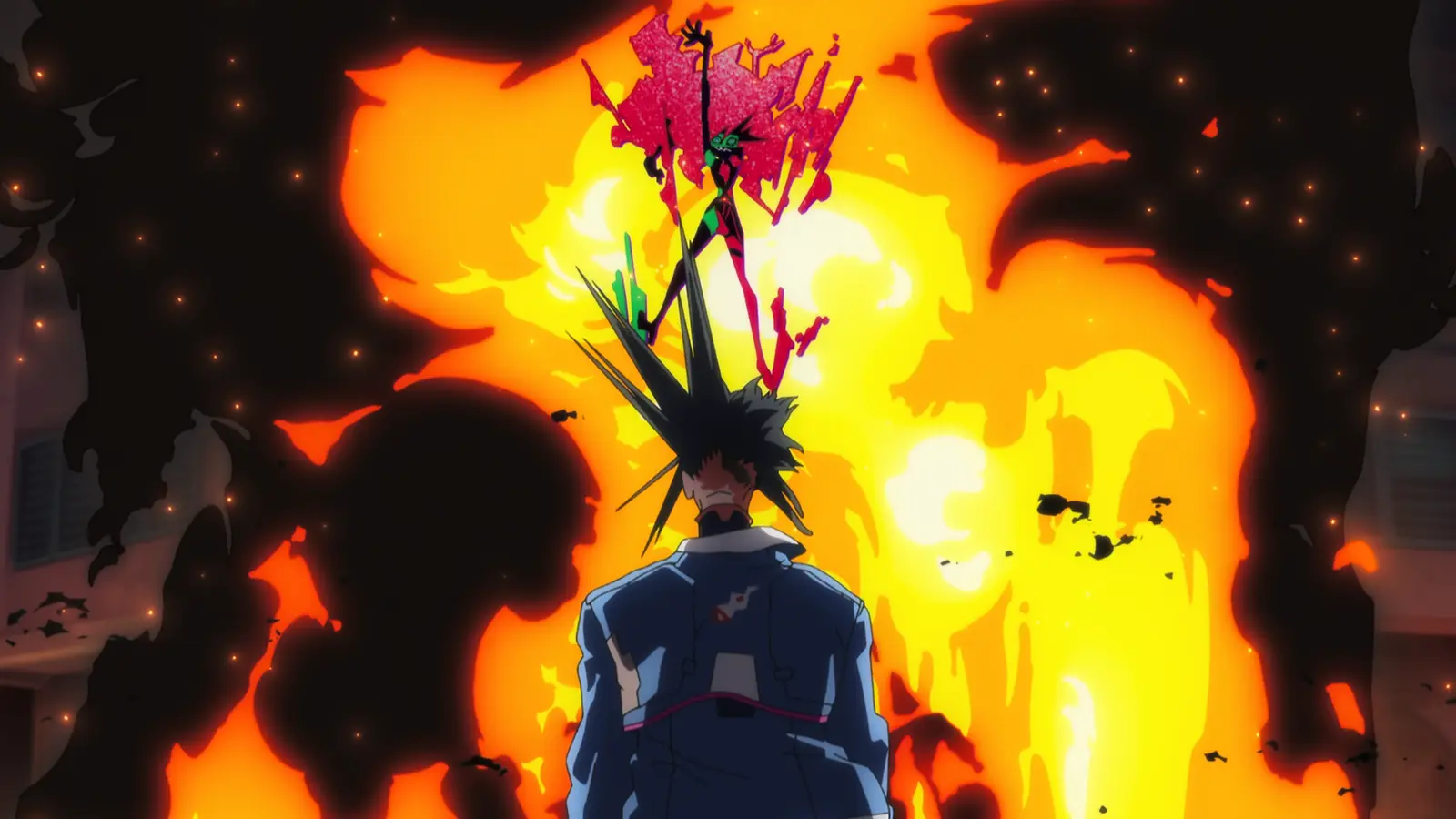
The first to take the stage is Wick Kingsley, a legendary mercenary nicknamed King. We catch him at the moment when this cyberpunk Icarus flies too close to the sun: an excess of cyberware plunges him into the abyss of cyberpsychosis. Losing control of himself, King unleashes a bloody massacre that can only be brought to an end by MaxTac operatives — an elite squad specializing in eliminating cyberpsychos.
Thanks to a platinum insurance policy, Trauma Team literally pieces Kingsley back together, but even Night City's best medics cannot restore his former life. New implants are banned, all his assets were spent to pay for treatment, his comrades turned their backs on him after the death of his friend, and the merc himself cannot even remember what he did. The King is dead, and those around him once again call him by his real name — Wick, homophonic to “weak.”
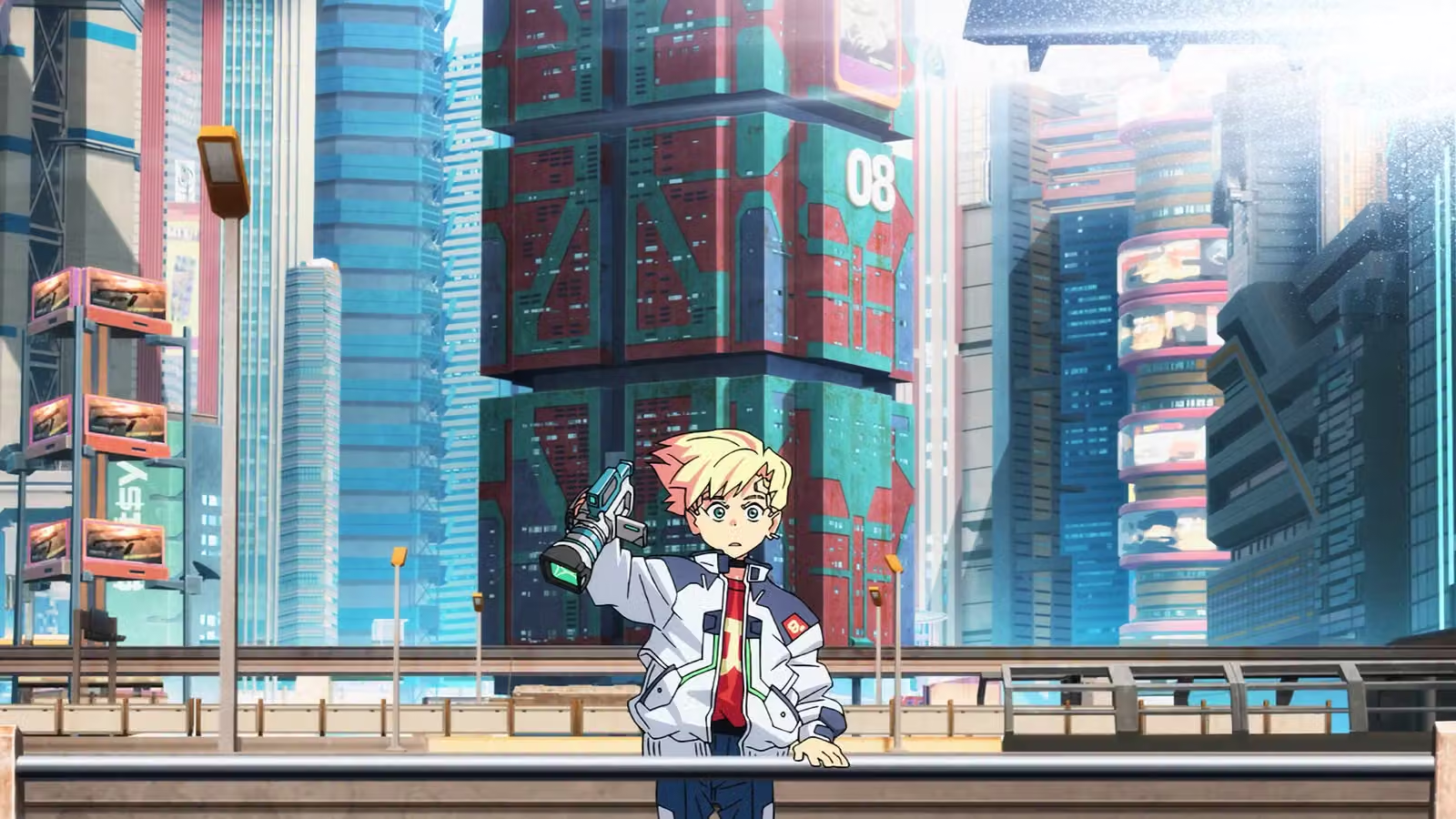
King's downfall is caught through the lens of twelve-year-old Roman Carax — a kid from the poor quarters of Kabuki who is obsessed with cinema. He shoots his own “documentaries” about the everyday life of the neon monster, but in Night City, of course, nobody cares about his talent. Why watch a movie when braindances exist, allowing you to literally live someone else's life?
The chronicle of Wick's fall nets the young filmmaker a measly 200 eurodollars, but the owner of a braindance parlor tosses him an offer that is hard to refuse: pay a visit to the chrome-obsessed Maelstrom gang and capture their gruesome surgeries in exchange for a real 35mm camera.
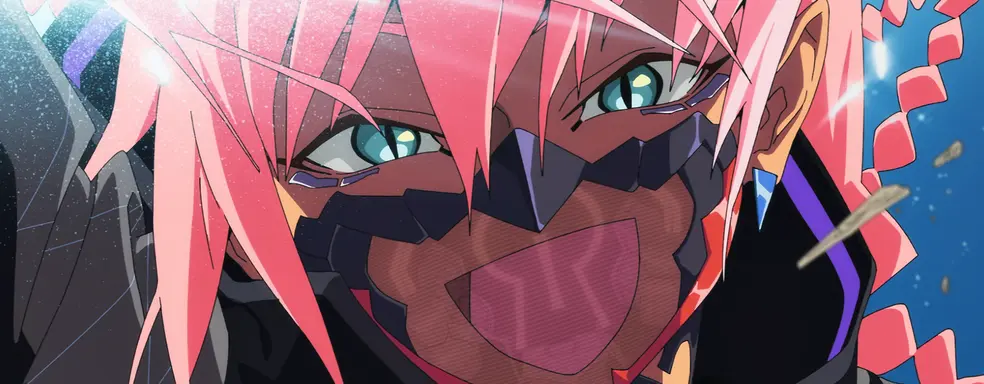
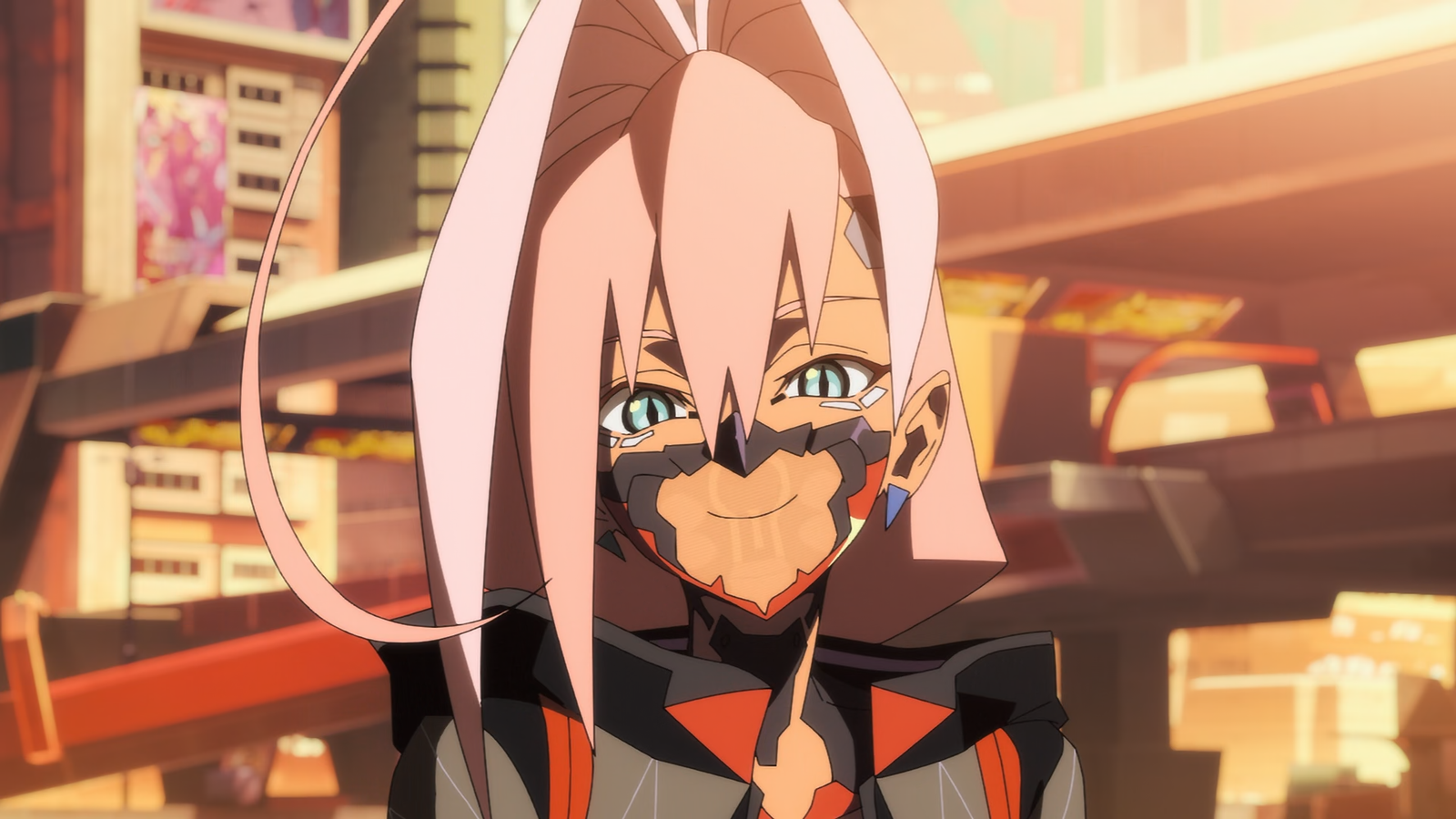
That is how Roman meets Talia, the runaway daughter of Kang Tao corpos, who fell in with cyber-occultists out of what initially appears to be a banal adolescent urge to act out in rebellion. However, his attempt to complete the job ends with him in captivity, from which he is serendipitously rescued by Dee — a grim nomad netrunner from the Snake Nation seeking those responsible for the destruction of his clan.
After this encounter, the characters' fates begin to intertwine relentlessly. Wick runs into his former lover Avida, who asks him to bring Talia back home and drops a bombshell: the girl is his biological daughter. This revelation gives the broken mercenary a reason to live again. Now he has a purpose — to save Talia from the very path that once drove him into cyberpsychosis. Meanwhile, Dee, alongside Roman trailing behind him, catches the trail of corporate experiments linked to the Soulkiller project from Cyberpunk 2077 and, to a lesser extent, David Martinez.
During the investigation, Dee uncovers a shard containing the experimental construct Capri, assembled from multiple digital personalities. Soon, a full-blown manhunt begins for Capri: corporations and the protagonists pursue their own agendas, while Capri herself turns out to have a few plans in store for her pursuers.
From that moment on, the story turns into a blood-soaked thrill ride racing at breakneck speed. Capri's abilities occasionally exceed my understanding of Cyberpunk technology and resemble outright magic, but that is far from the show's biggest issue. Following the events is still damn thrilling: plot twists, intrigue, and spectacular battles keep your eyes glued to the screen. Yet the faster the narrative flywheel spins, the clearer it becomes what this story is desperately missing.
A sprint through Night City
Let us look back for a moment. In the first season, there was only one central protagonist, no matter how many characters circled around him or how important a role Lucy played. We viewed the world through David's eyes, and the other plotlines served as steps along his journey. We saw his life with his mother, her desperate attempts to provide her son with a decent future, and his humiliation at the academy. When David's familiar world collapsed, the viewer understood perfectly what the hero had lost. Then, alongside him, we met the edgerunners, found a new family, and watched him rebuild his life, only to step on the exact same rakes as the people he had considered stronger and more experienced than himself.
Now look: it took me over two thousand characters just to briefly introduce the four main protagonists and outline the setup without spoiling anything beyond the opening episodes. Imagine the puzzle that posed for the screenwriters, who had to squeeze four stories into ten twenty-minute episodes. Each character needs development, relationships need time to mature, a web of corporate intrigue must be untangled, and every plotline has to converge into a grand finale. A tall order, and unfortunately, the authors handled it with a solid “mediocre” grade.
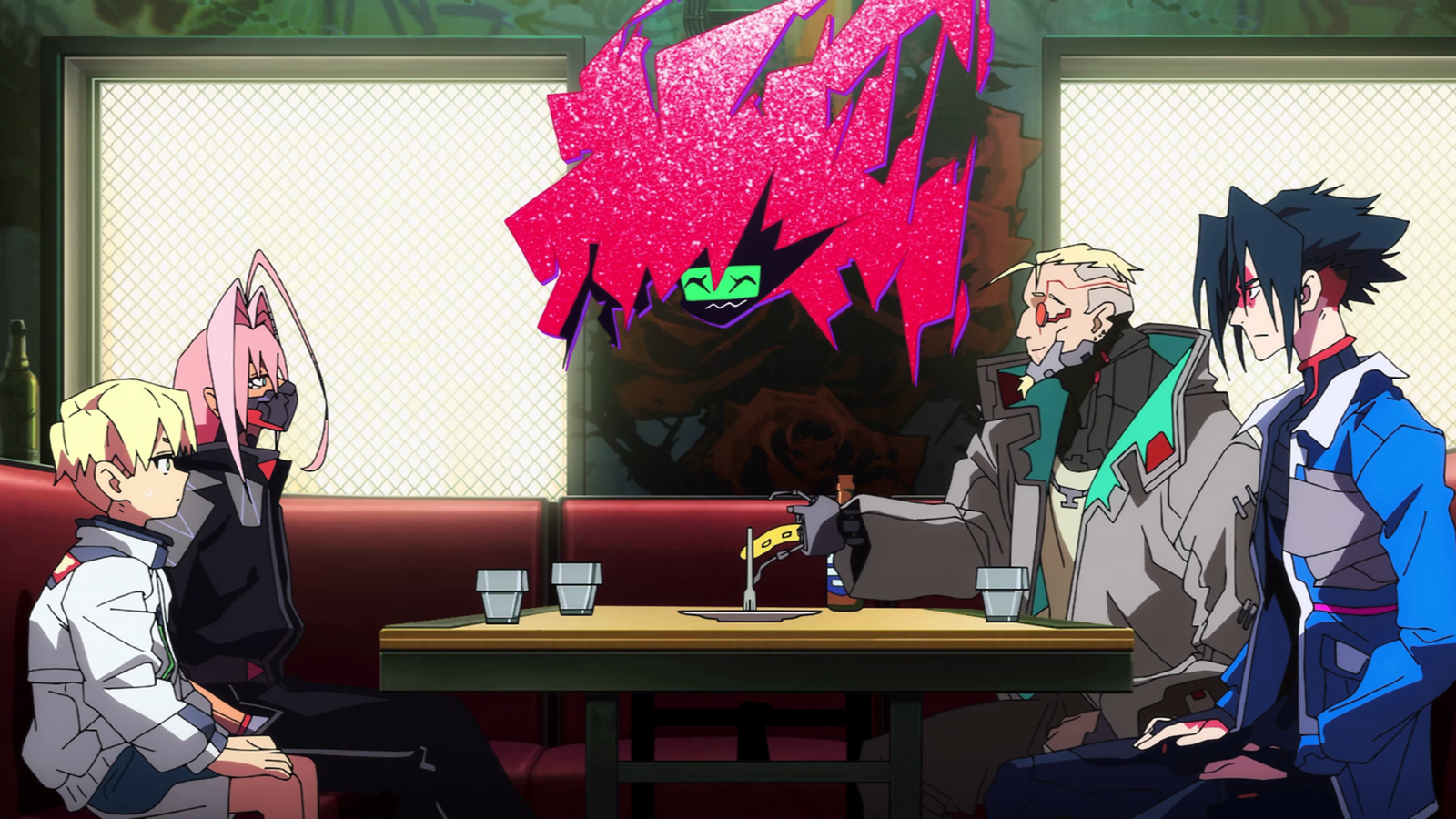
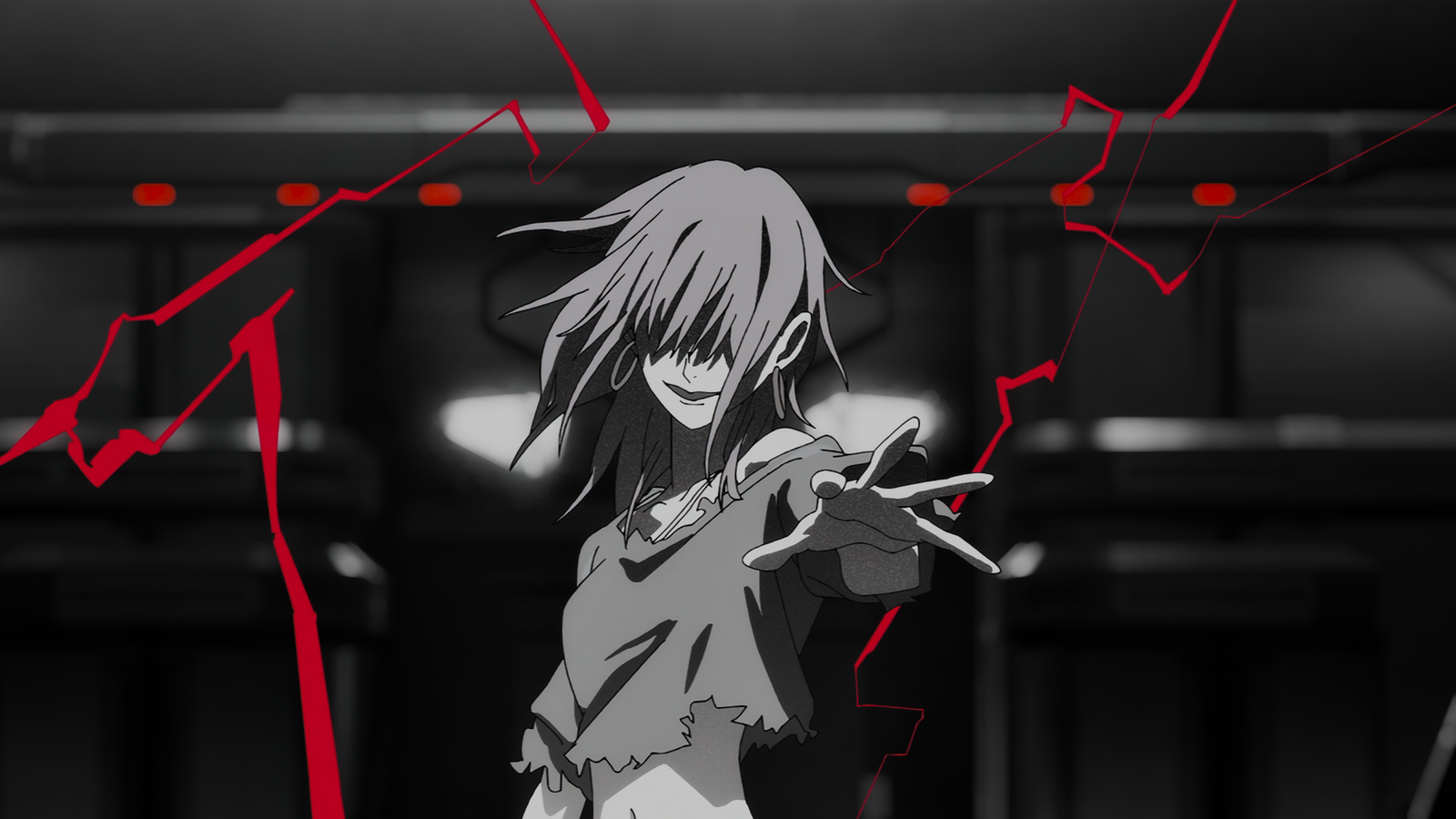
The second season maintains a constant dialogue with the first, as if exploring alternate branches of David's fate. In Wick, you can glimpse a Martinez who survived cyberpsychosis and is forced to find new meaning in life amid the ruins of his old one. In Roman — a kid from a poor neighborhood whose dream helps him forge his own path without turning his body into a warehouse of chrome. The characters are at different stages in their lives, looking back at the past and ahead to the future in different ways, and through their stories, the writers continue and expand the conversation started by David's tragedy.
The trouble is that the audience's attention must now be split four ways, and each character needs sufficient screen time for a living human being to emerge from behind the thematic parallels. Alas, the runtime is catastrophically insufficient for that. As a result, the screenwriters repeatedly violate one of the primary rules of filmmaking — “show, don't tell.” We learn about the characters' pasts and the tragedies they endured mostly through dialogue, while the events capable of giving their losses real emotional weight remain off-screen.
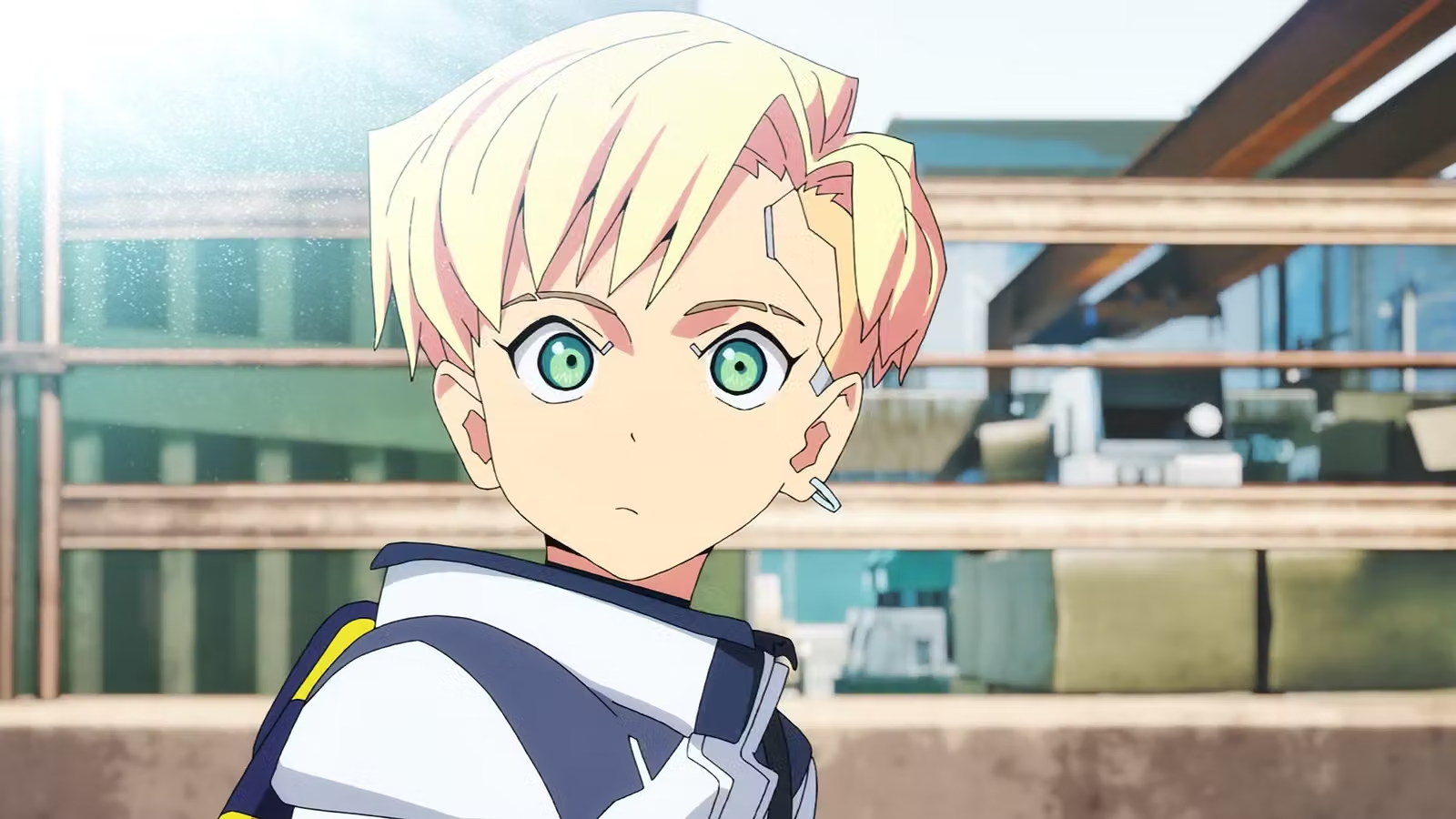
We know that the King lost everything, but we have to imagine the true cost of that “everything” on our own. We learn that Talia's obsession with chrome stems from a severe illness, but we never get to truly feel what it was like for her to live with such a diagnosis and slowly lose faith in her own body. We see Dee plagued by nightmares about the destruction of his clan, but know almost nothing about his former life among the nomads and his relationships with those who died. We understand their pain and motivations, yet we personally have lost nothing alongside them — we are simply presented with facts.
Yet there was enough material here for two standalone seasons: say, an adventure with Wick and Talia in the vein of “Léon,” and Dee's revenge story tightly intertwined with corporate experiments. At the same time, expanding the sequel to twenty episodes would not even have been necessary. Even within the current runtime, a few comprehensive flashbacks and extra scenes could have granted the characters their missing depth, allowing the audience not merely to hear about their tragedies, but to feel them.
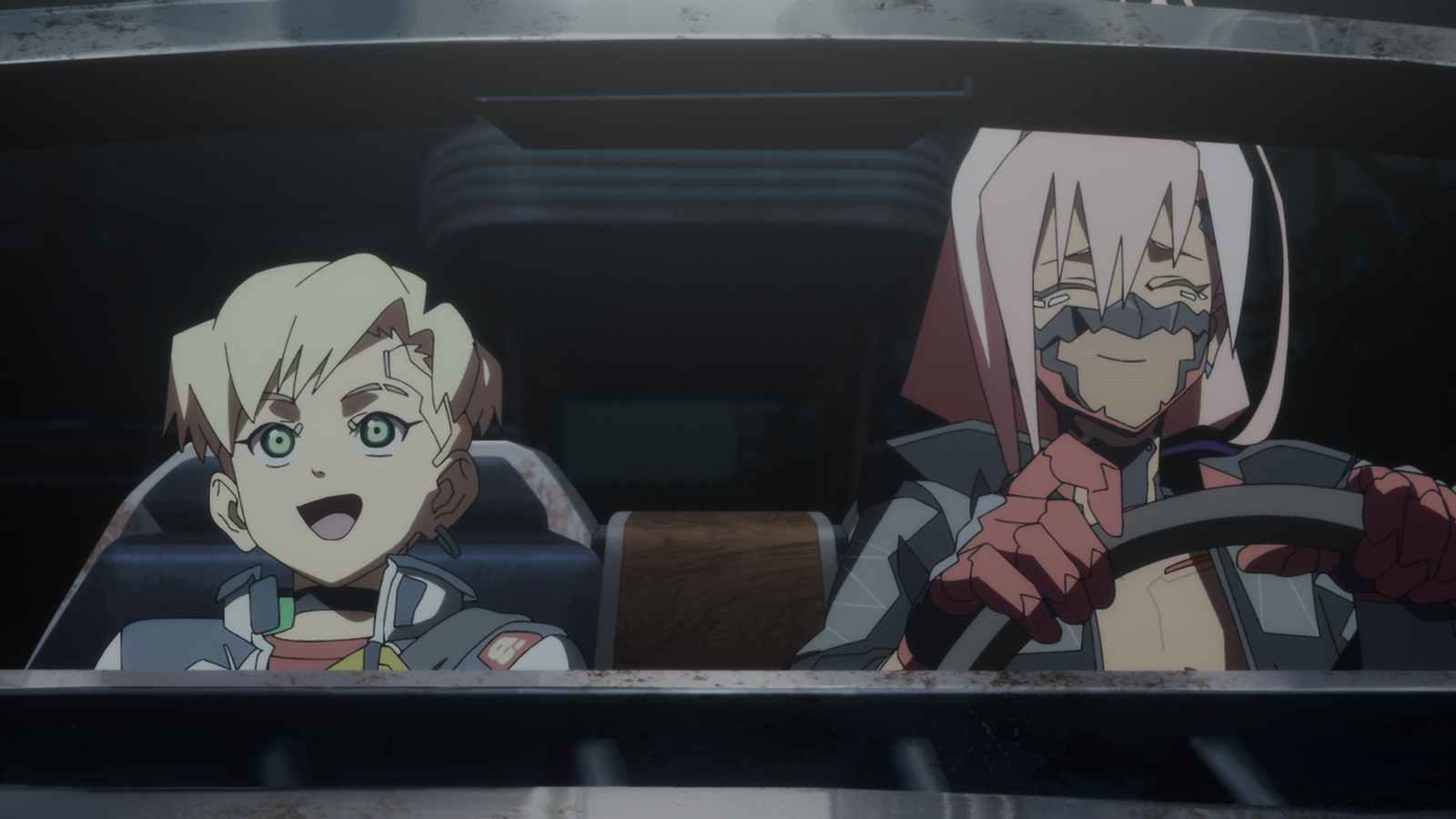
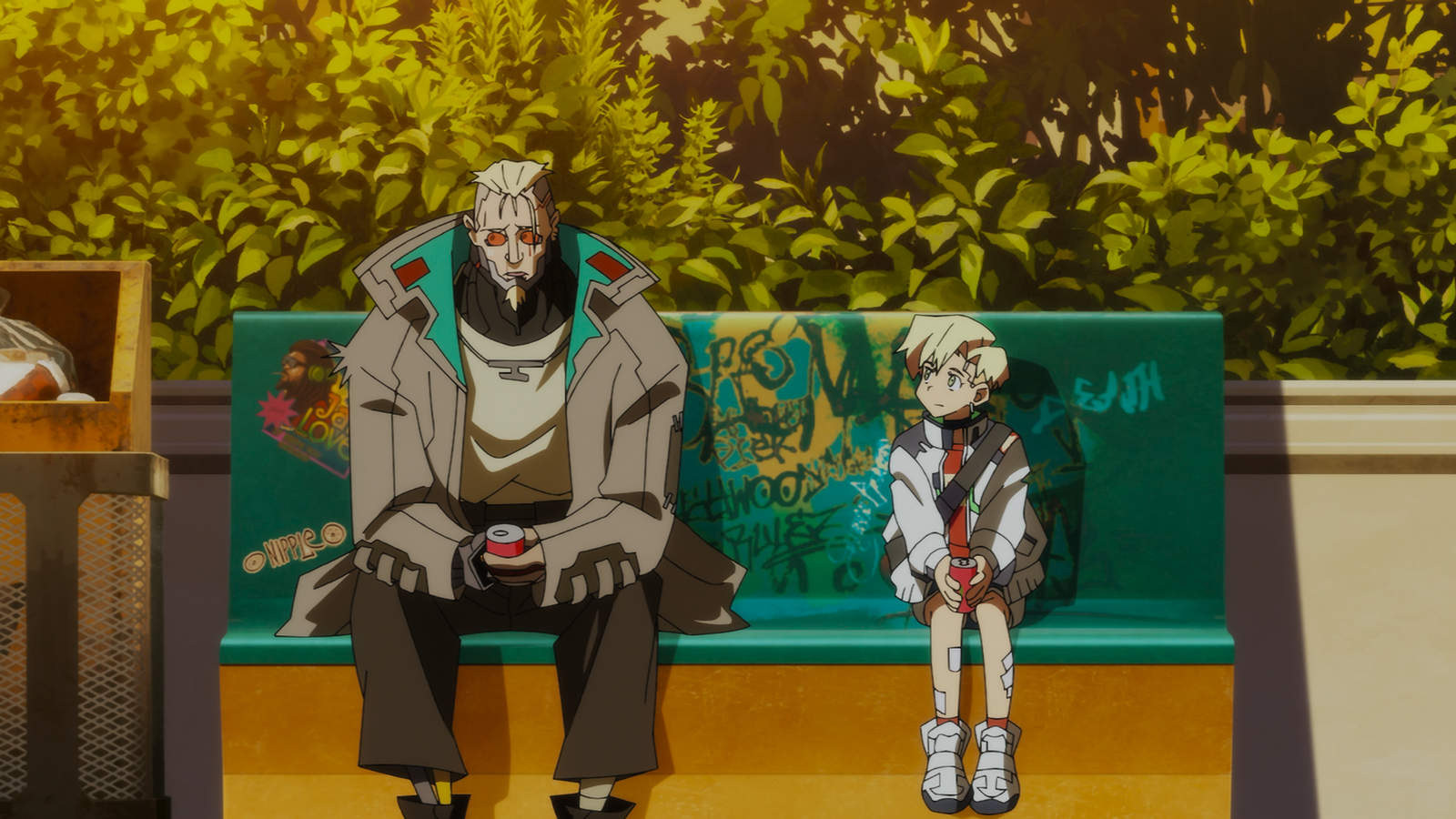
I also felt a lack of simple human relationships that help you bond with the characters and buy into what is happening more readily. In the first season, David and Lucy's relationship served as that emotional anchor. It might sound mundane, but no matter how steadily humanity moves toward cyberpunk, we do not live in the world of “Edgerunners” yet. But falling in love, the fear of losing someone close, and the desire to share a future with another person are universally relatable.
In the end, the only character I genuinely formed an attachment to was Roman Carax — an ordinary kid with no cyberware, looking wide-eyed at the world through a camera lens. And this is quite telling for the narrative's overall design: Roman here is less a full-fledged protagonist and more an outside observer. As Bartosz Sztybor admitted, he was introduced into the script primarily to bridge the other characters' stories and pay homage to 1980s-1990s pop culture. That love for the era, incidentally, also permeates the visual language of the entire season. So while the second “Edgerunners” failed to break our hearts, it certainly managed to feast our eyes.
Beauty requires sacrifices. Lots of sacrifices
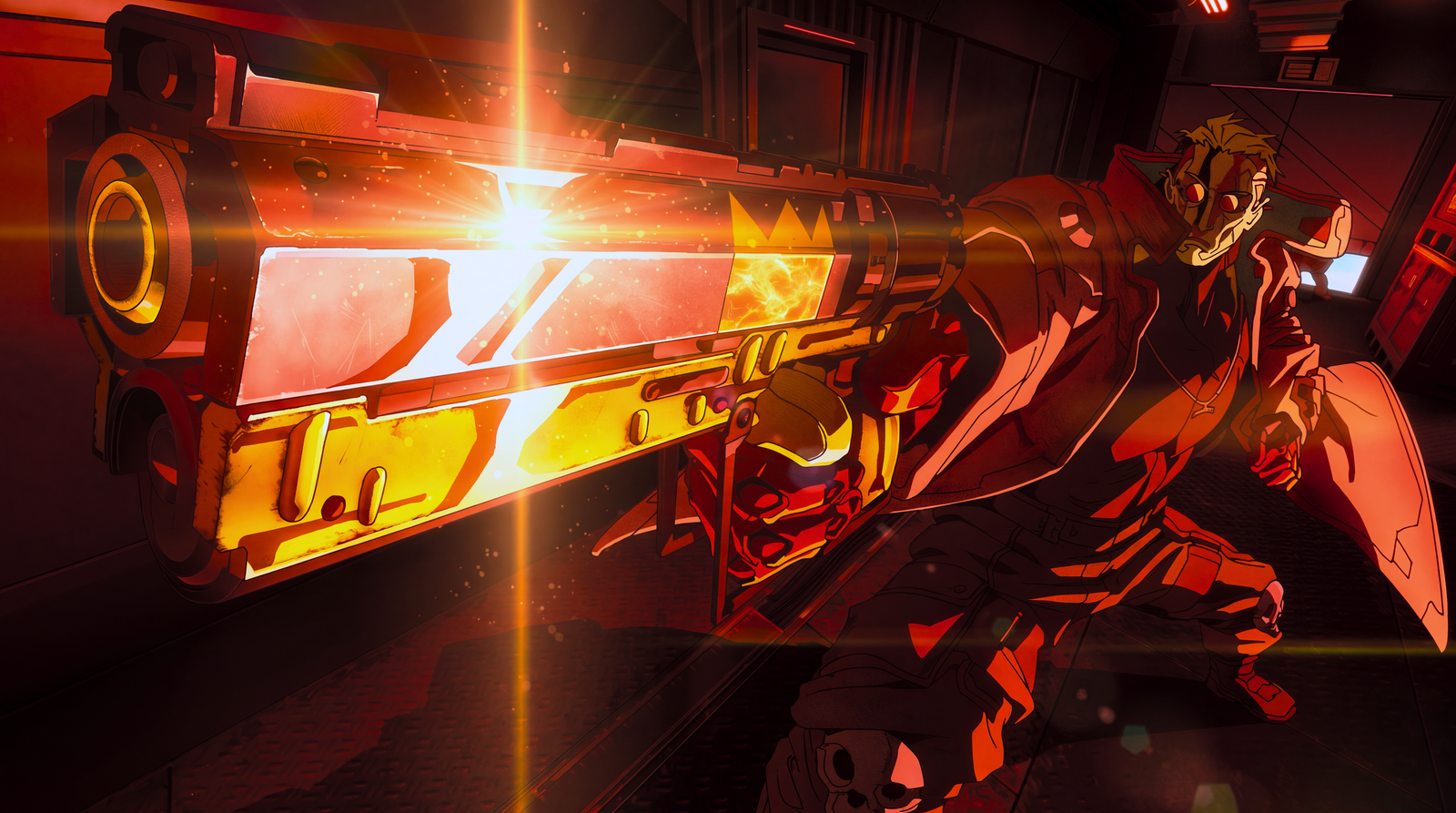
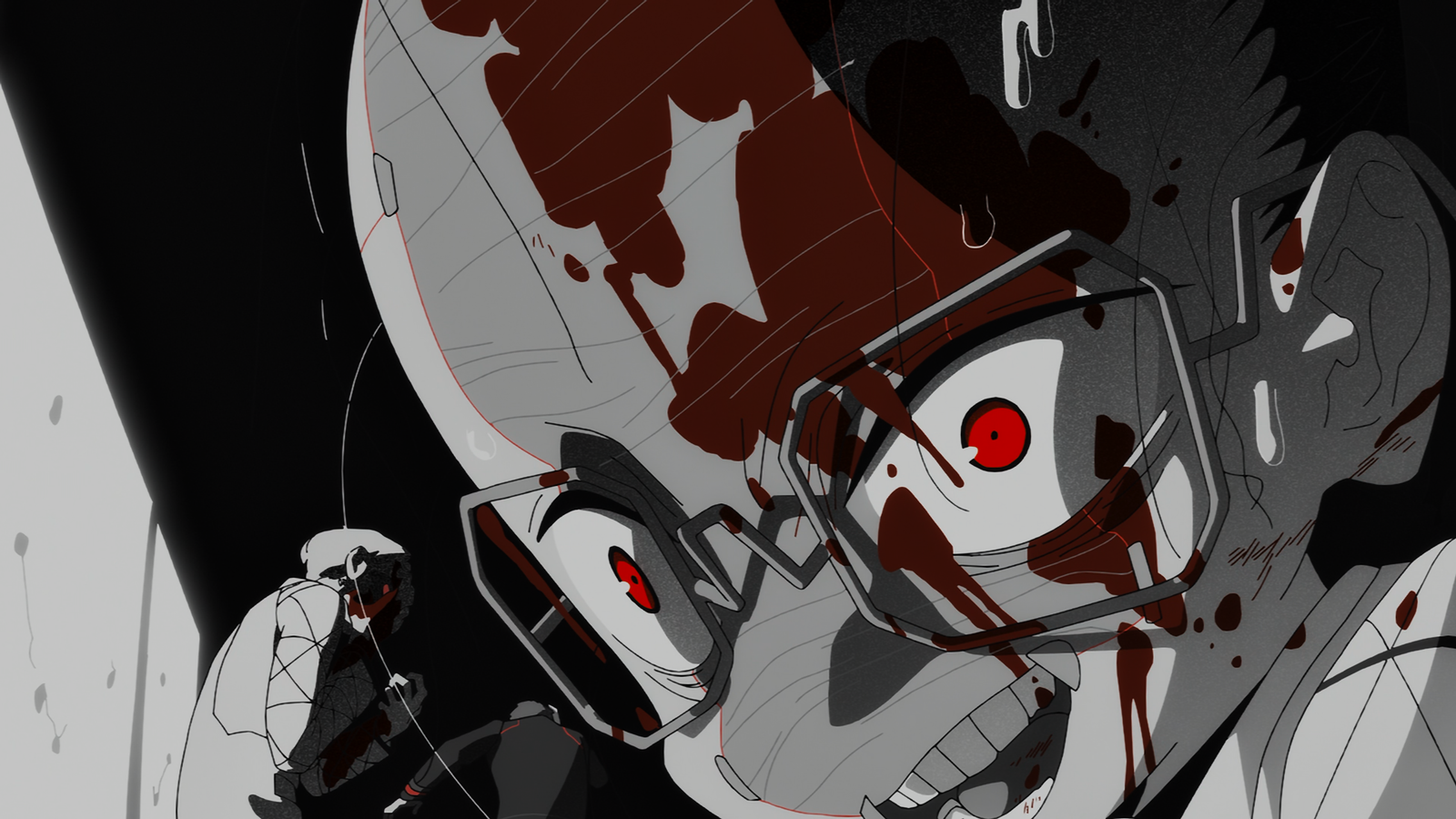
Despite all grievances with the writing, the visual component rightfully ranks among the sequel's biggest strengths. TRIGGER once again treated us to a vivid and ruthless tour of Night City, generously seasoned with hyper-stylized violence, severed limbs, and gallons of blood. Shootouts and chases are staged with the studio's trademark manic energy: rapid cuts, eccentric camera angles, and deliberately exaggerated movements transform every skirmish into a bloody spectacle that is hard to take your eyes off.
At the same time, the creators strove to give the sequel its own distinct visual identity. Most events this time around unfold in broad daylight, and the bright sunlight only emphasizes the brutality of what is occurring. The art style has also changed: compared to season one, linework is thicker, and facial features and silhouettes are sharper and more expressive. The character designs show clear influences of eighties and nineties anime, where a character's appearance can sometimes tell you more about them than a dozen lines of dialogue.
The hulking Wick reminds me of a gorilla — a King Kong who has already tumbled from his peak. Roman's massive eyes give away his innocence and relentless curiosity, while the chrome-laden Talia, sporting an angular haircut and sharp claws on her feet, resembles a predatory vixen. Dee was less fortunate in this regard: he is yet another gloomy loner seemingly pulled off a typical shonen conveyor belt. What little individuality he possesses comes from burn scars spreading across his face and body, giving his design a recognizable texture.
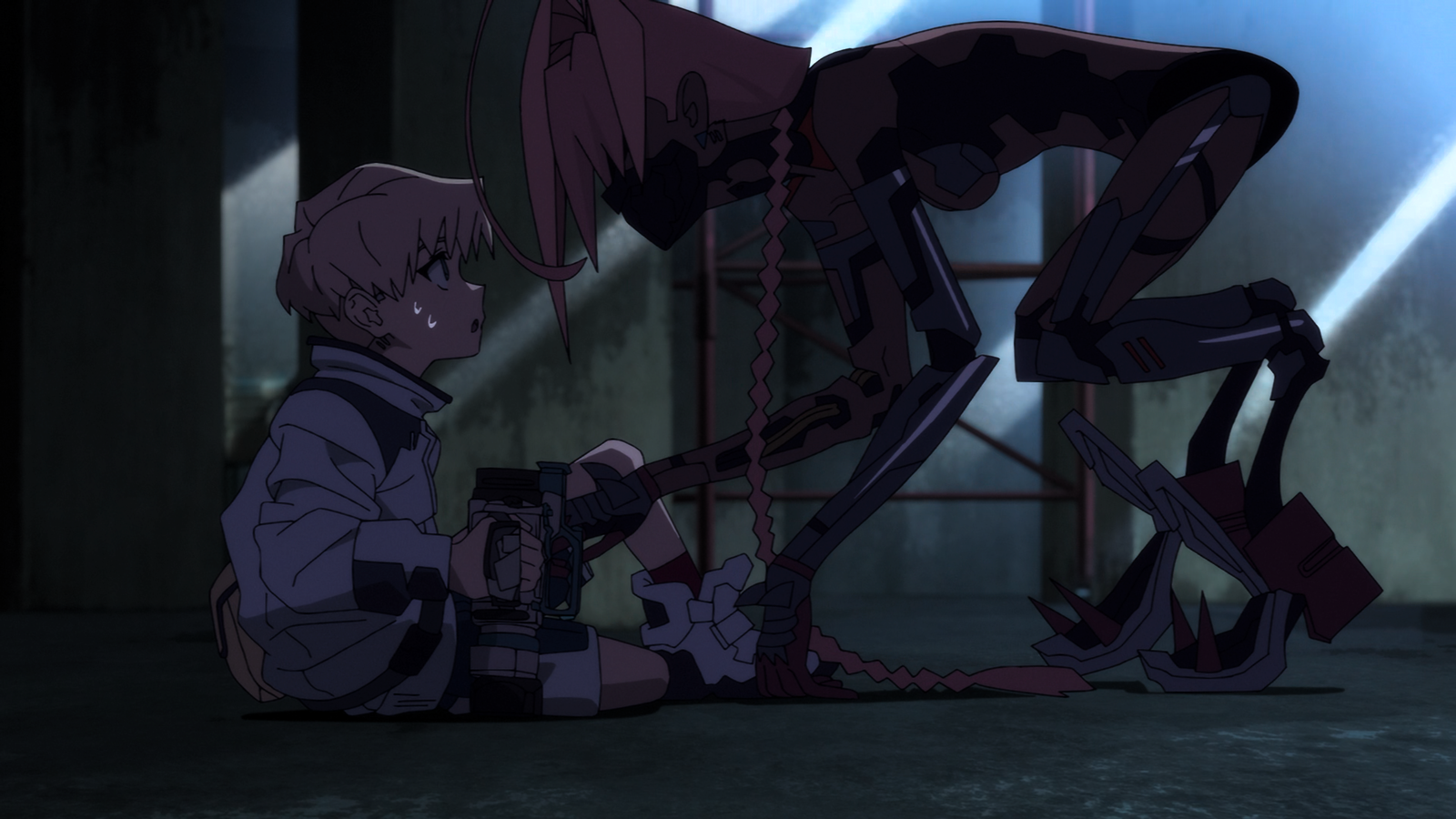
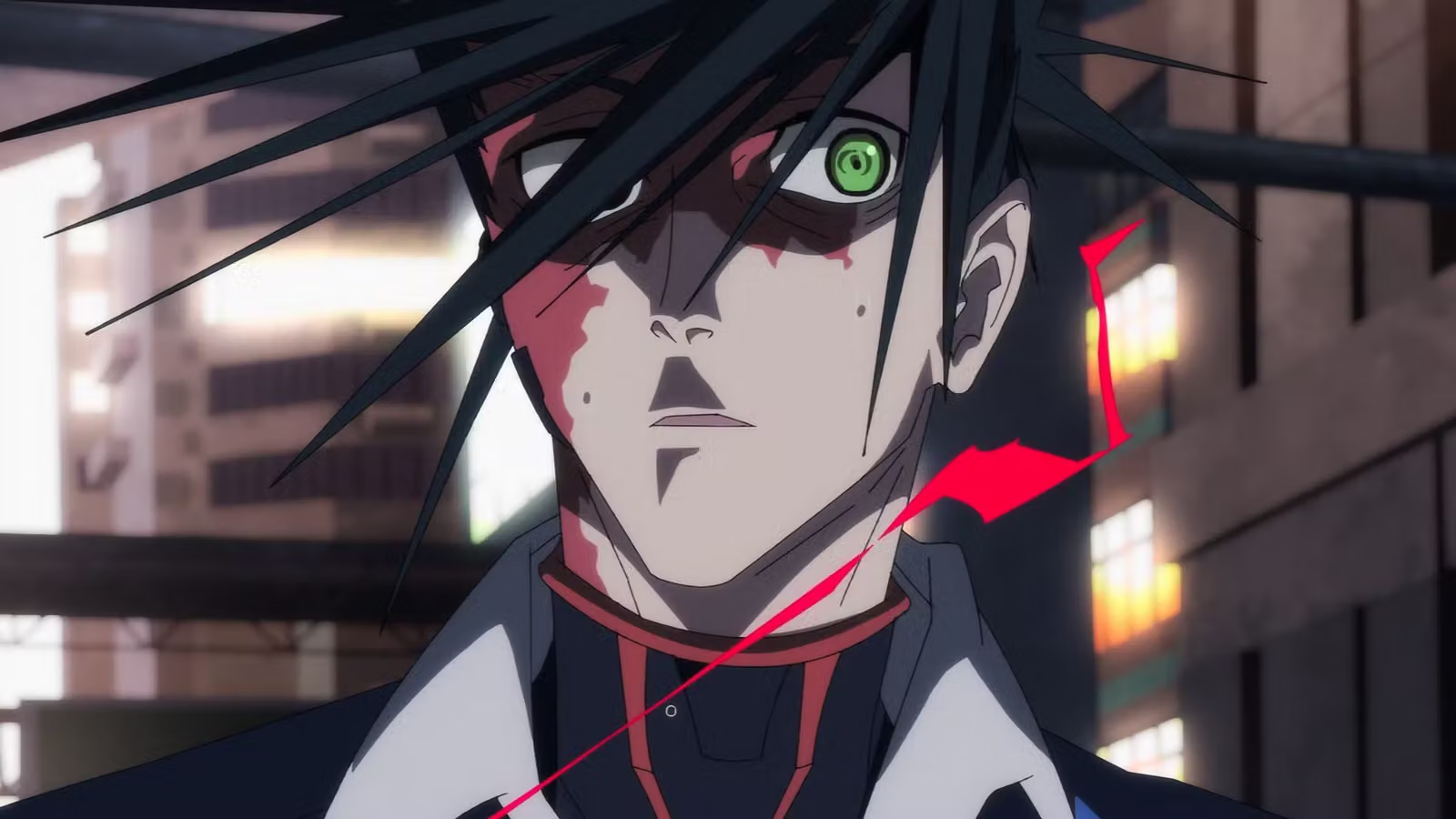
Familiar hallmarks of TRIGGER's creative method are still very much present. In wide shots, characters sometimes noticeably lose detail, and during conversations the studio frequently settles for static scenes. In one episode, I even counted roughly sixteen seconds during which just two looping frames alternated before our eyes while characters talked in the background. Yet calling such corner-cutting a serious flaw feels unwarranted: in anime, such techniques have long been standard practice, and the moment a new bloodbath begins or the camera zooms into a character's face, the animators instantly pull out all the stops.
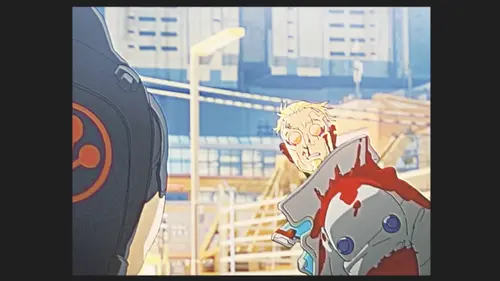
Moreover, this time the studio found more inventive ways to incorporate visual simplification, weaving it organically into the narrative. Roman carries his camera almost everywhere, and when we are shown the footage he recorded, the image shifts to a 4:3 aspect ratio with black bars on the sides. Contours blur, colors fade, and you get the distinct sensation of watching a time-worn recording of some vintage anime. Though frankly, many anime from that era looked even better — here, the image was aged with absolute abandon.
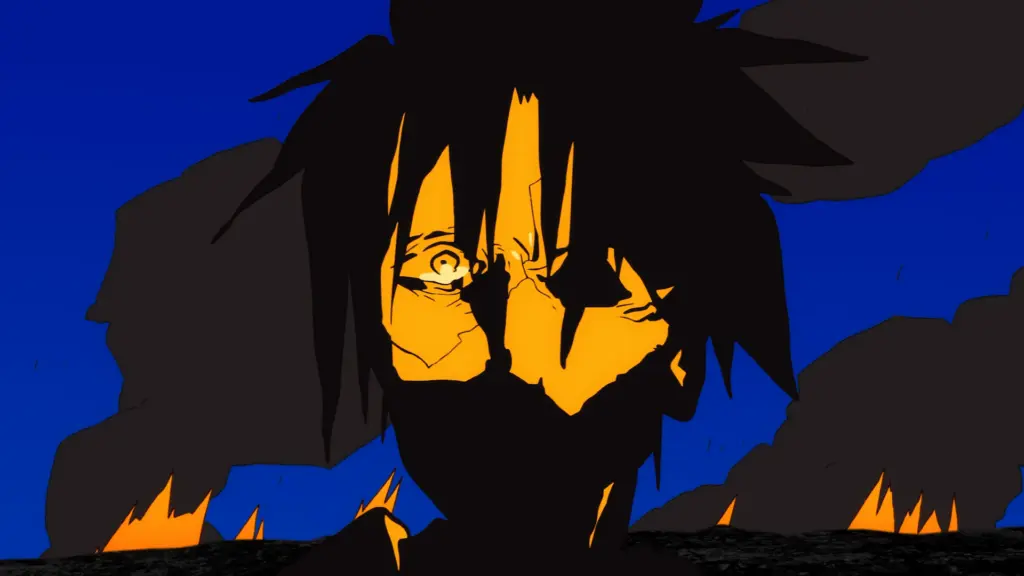
Dee's nightmares are handled with equal creativity. Memories of his clan's demise form an abstract collage: piercing blue skies, orange flares of flame, and black human silhouettes that look cut from colored paper and casually scattered across a canvas. This deliberate stylization conveys the fragmented nature of painful memories, where isolated impressions burn brighter than the whole picture. Simple, stylish, and all the more striking for it.
The soundtrack, however, seems to lack that very expressiveness. For the most part, the tracks complement the on-screen action well enough, but after watching, virtually nothing lingered in memory except for some Polish rap, which I found myself constantly listening to in search of familiar words. Though I suspect it is not just about the music. The entire second season felt like a fleeting fling: we had a vivid evening together, but the morning brought neither a broken heart nor a tune to remember it by.
Verdict
History pulled an intriguing somersault. The first “Edgerunners” was conceived largely as a promotional media product intended to drum up interest in Cyberpunk 2077, and upon release it genuinely helped restore attention to a game that had suffered a painful launch. Yet contrary to its utilitarian purpose, what emerged was something far more valuable — without exaggeration, an outstanding standalone story that easily cleared the “tie-in anime” hurdle and earned an army of devoted fans.
One would think the success of the first season cleared the path for something greater. Yet four years later, I watch “Edgerunners 2” and see a solid, entertaining, and stylish… media product. I devoured the season in one sitting, from the first episode to the last: I enjoyed the new characters, the spectacular action, and the narrative twists. But ten episodes burst at the seams under the weight of so many fates, corporate schemes, and ambitious ideas. Caught in this plot whirlwind, I simply lacked the time to live out the characters' stories alongside them and truly grow attached to them.
And yet, I readily recommend the sequel not only to fans of the game, but to all lovers of cyberpunk. At the end of the day, the second “Edgerunners” is good anime. It's just that the first adventure happened to be far more extraordinary.
Never miss our newsAdd this site to your preferred sources to see us more oftenAdd on Google