Battlefield 1 — Steel on Steel
Translated with AI from the Russian original.
This is primarily a multiplayer game. Superb, well-developed, with a sufficient variety of modes, with excellent “Operations,” and an unobtrusive class progression system. Finally, the setting of World War I is a winning card.
“These soldiers are too clean!”
“It wasn’t like that at all!”
“Where’s the realism?!”
People wrote all sorts of strange things about Battlefield 1. Experts of all stripes, who had fought many a couch war, twisted their avatars, expressing their impressions of DICE’s new creation. To the indignation of many, this game is even incorrectly named: “These Swedes have gone completely mad, releasing the first part after the fourth!”
The answer regarding the strange choice of name is as follows.
Firstly, it’s beautiful. A game about World War I bears the simple and concise subtitle “1.”
Secondly, before this, there were Battlefield 2, Battlefield 3, and Battlefield 4; there were numerous deviations and spin-offs (Bad Company 1-2, Hardline, and others), there were ups and downs. So Battlefield 1, among other things, marks a reboot, a return to its roots. Nothing superfluous, just war.
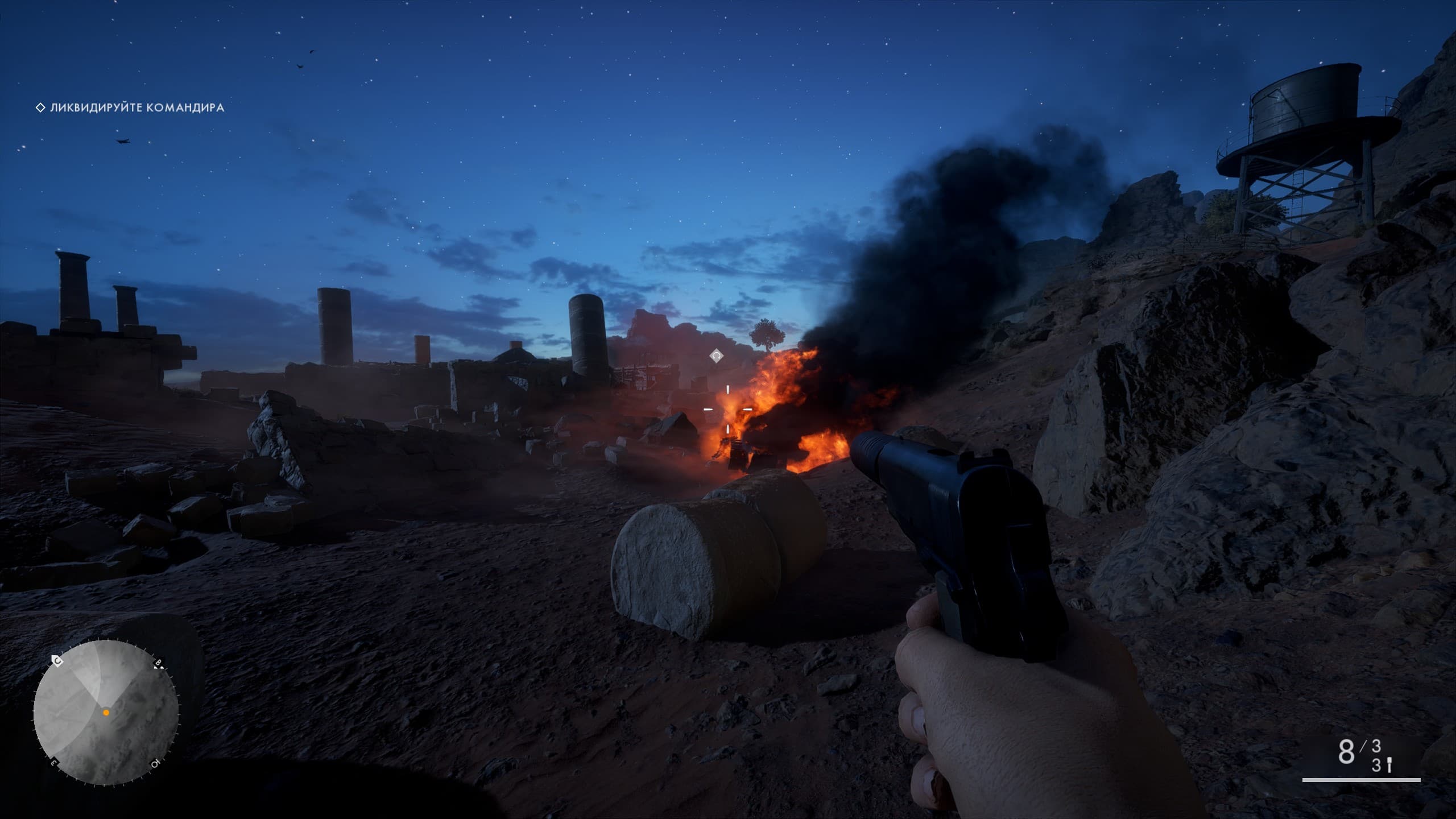
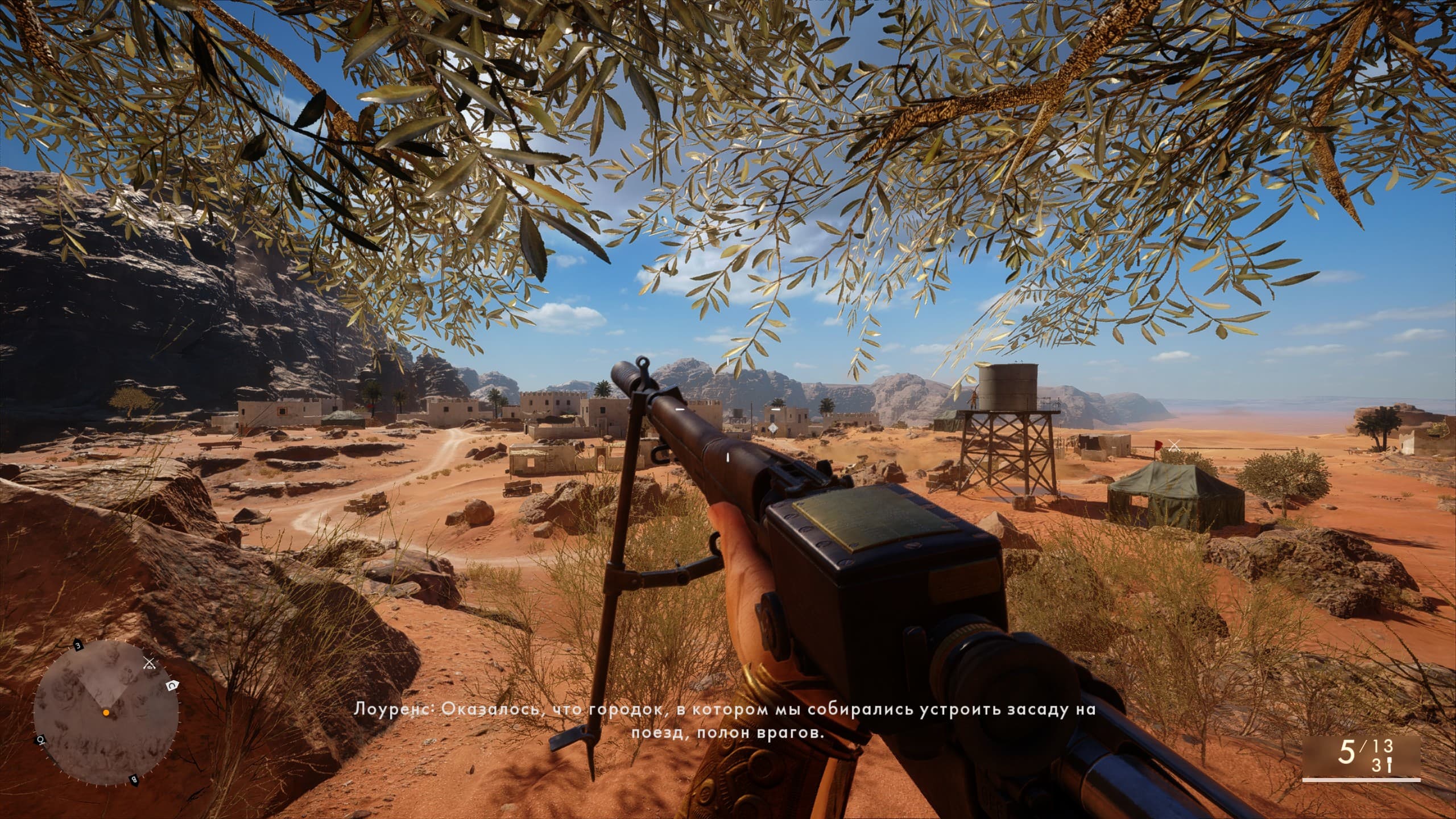
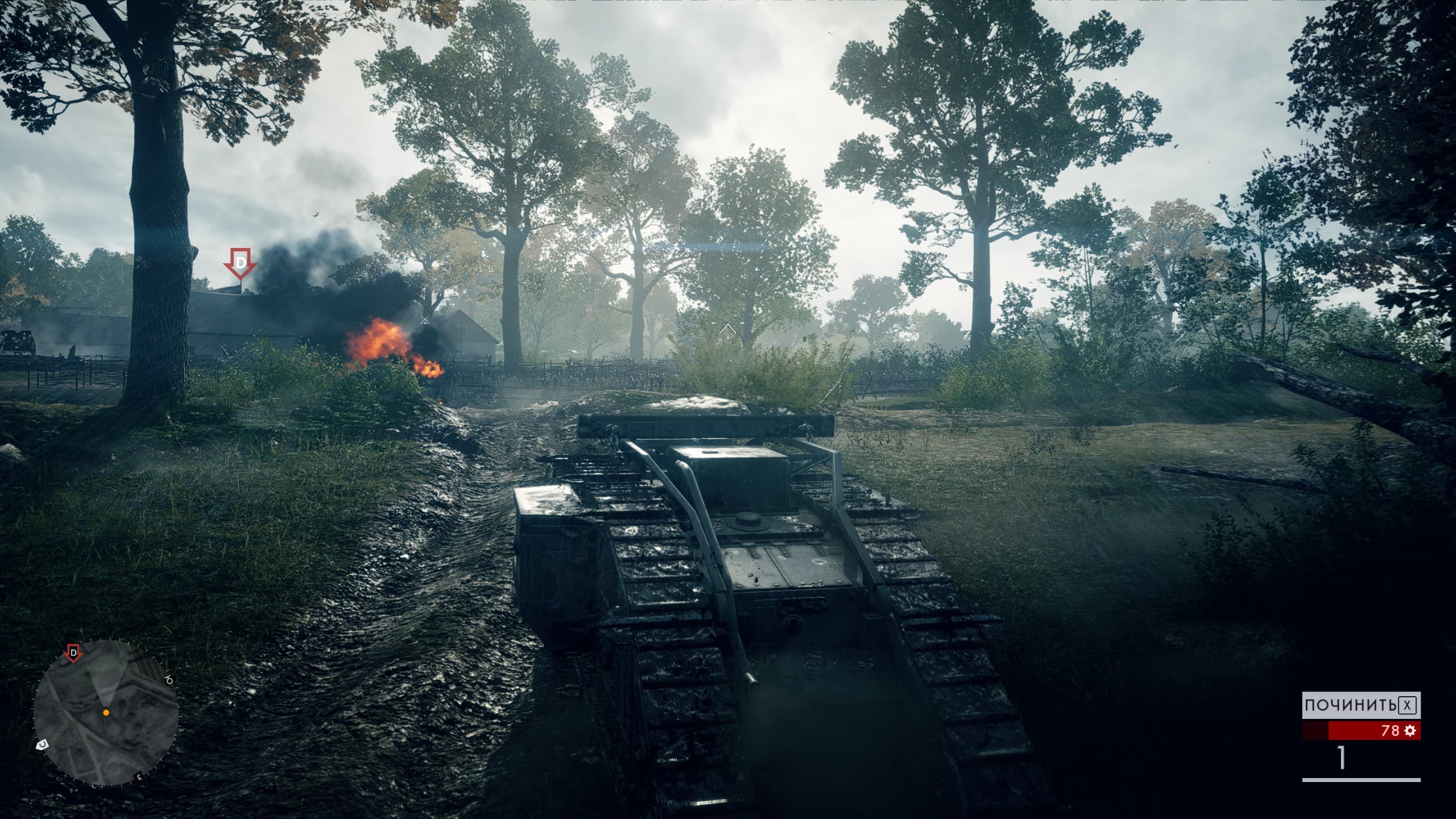
So, Battlefield 1 is a massive multiplayer shooter set in the World War I era. Massive — because dozens of people fight simultaneously on the battlefield. Multiplayer — because the single-player campaign here is merely an appetizer before the main course. It handles its main task well — it presents this war, introduces weapons and equipment. And then “Online Play” completely engrosses you, and there’s no escaping that net.
In World War I, approximately 70 million soldiers participated, 10 million died, and 12 million civilians were killed. Most casualties were from the German, Russian, and Ottoman Empires, Austria-Hungary, France, and Great Britain. Therefore, it is outrageous to see that the “War Stories” included in the Battlefield 1 plot are dedicated to Australians, Americans, Britons, and Italians. Russia is mentioned in the context of “lost the war.”
The developers promise to rectify the situation soon, but… excluding the most important figures from the geopolitical map of World War I is completely wrong. “The Russian Empire and France are promised to be added in the next expansion!” — it would be funny to read this in a news update from the developers of some Civilization, yes. Especially considering the important fact that the bloodiest battles were fought on French territory. And the famous Brusilov Offensive of the Russian army, one would think, is well-known to everyone.
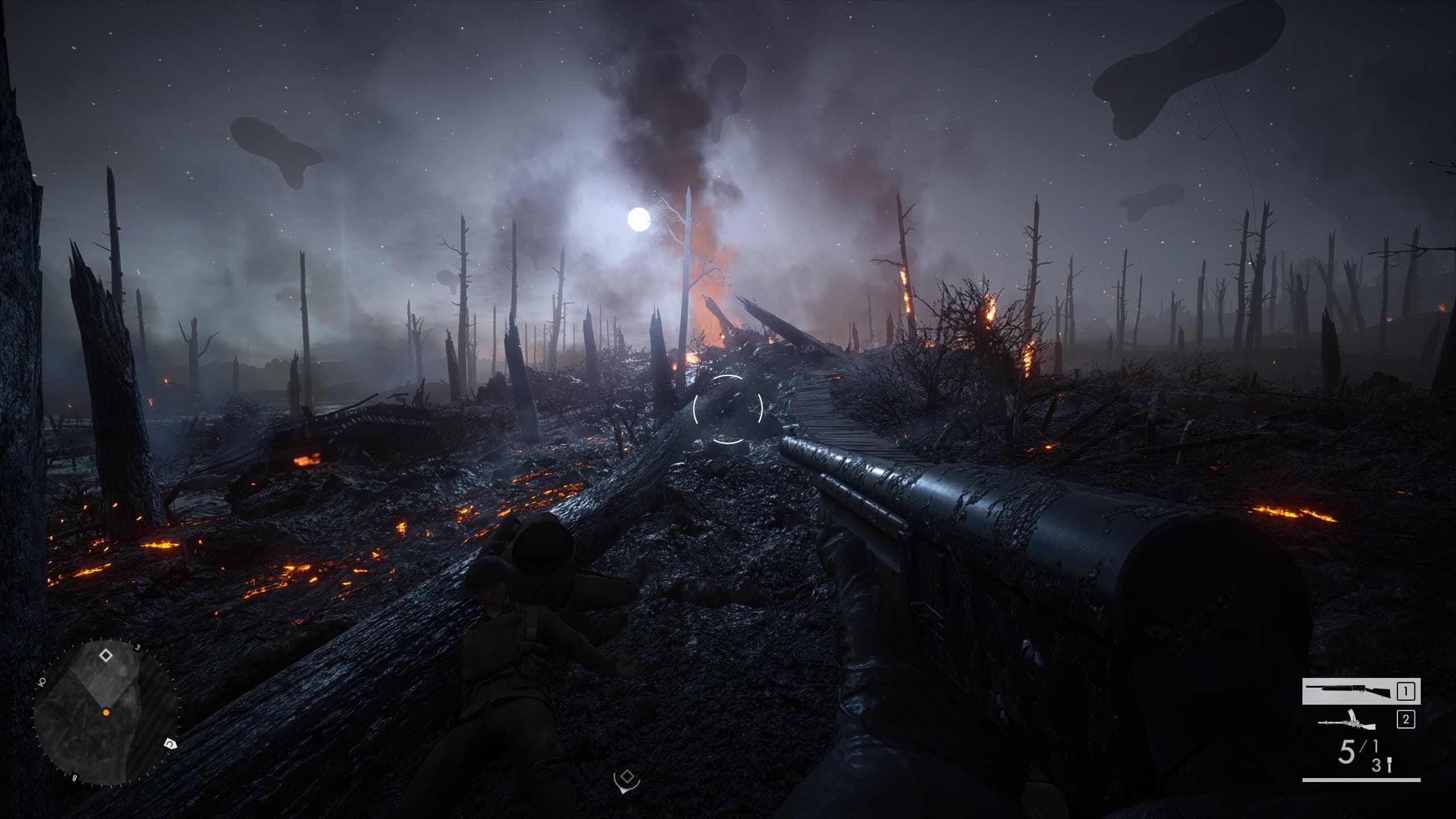
If you ignore “historical justice,” the Battlefield 1 campaign is very good. But it’s good for its emotions, heroes, and short sketches of their biographies. The gameplay is best described as “contemplative.” We watch expensive cutscenes of six “War Stories,” empathize with people’s fates, observe their biting irony, treachery, heroism, and grief. One of the strongest moments of the campaign is when we drag a wounded friend through a bomb-scarred field at night, in the mud, amidst the groans of the wounded, towards our own lines, avoiding the lights of our own machine gunners, who fire to kill without warning. There are many conventions in these stories, and some strained moments, but they leave a pleasant aftertaste. Simple tales about the fates of small people in a big war.
The campaign action unfolds on multiplayer maps. On huge multiplayer maps. Accordingly, we are often not limited in choice; we are given a goal and complete freedom of maneuver. Enemies can be killed quietly with a knife, or in commando style, mowing everyone down with a machine gun, or rushing forward with a shotgun. But it’s best when you are briefly made a god of war: given a tank, an airplane, heavy armor, and sent to destroy everything in your path. It’s fun, especially accompanied by explosions, destruction, and enemy screams.
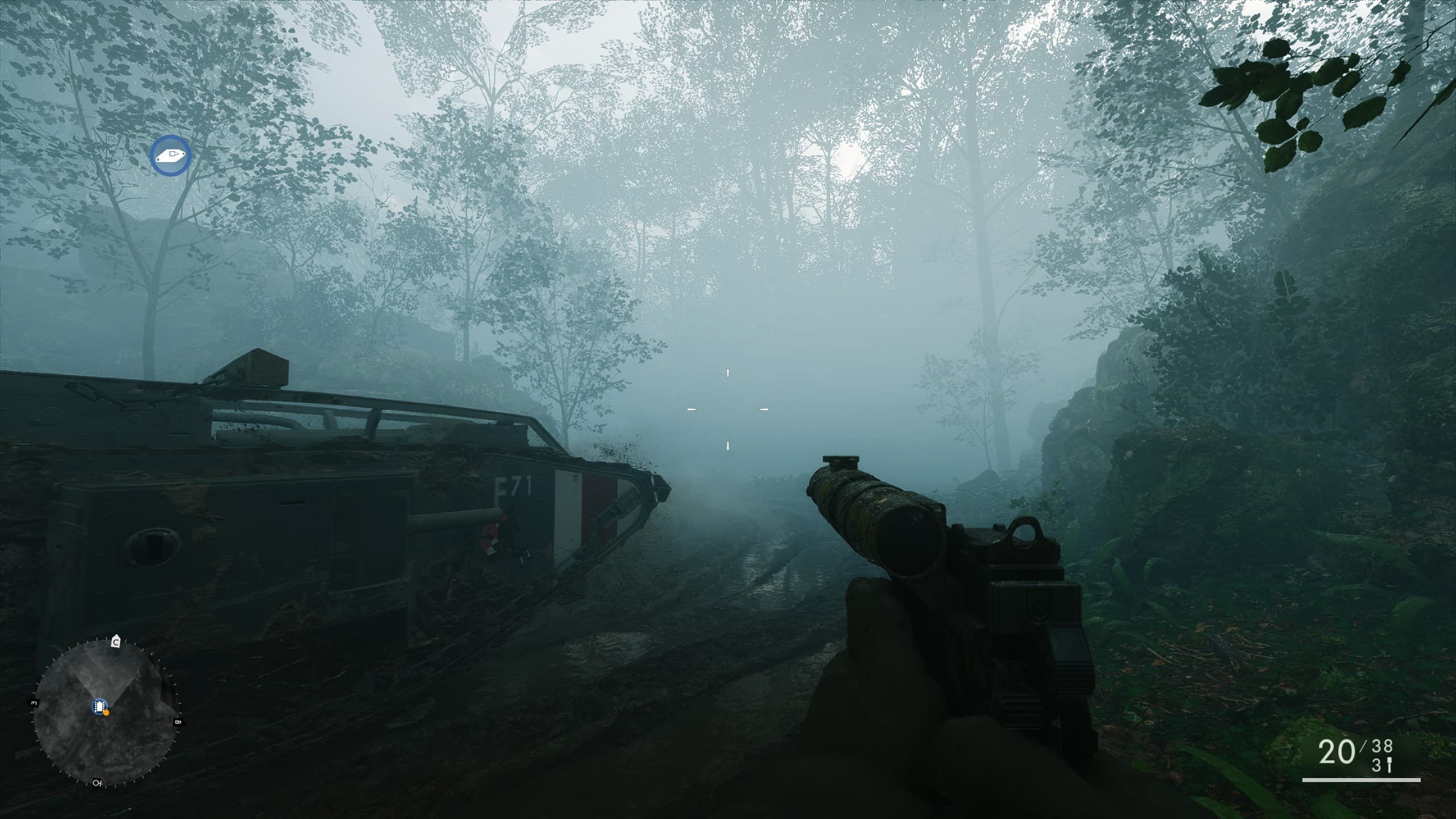
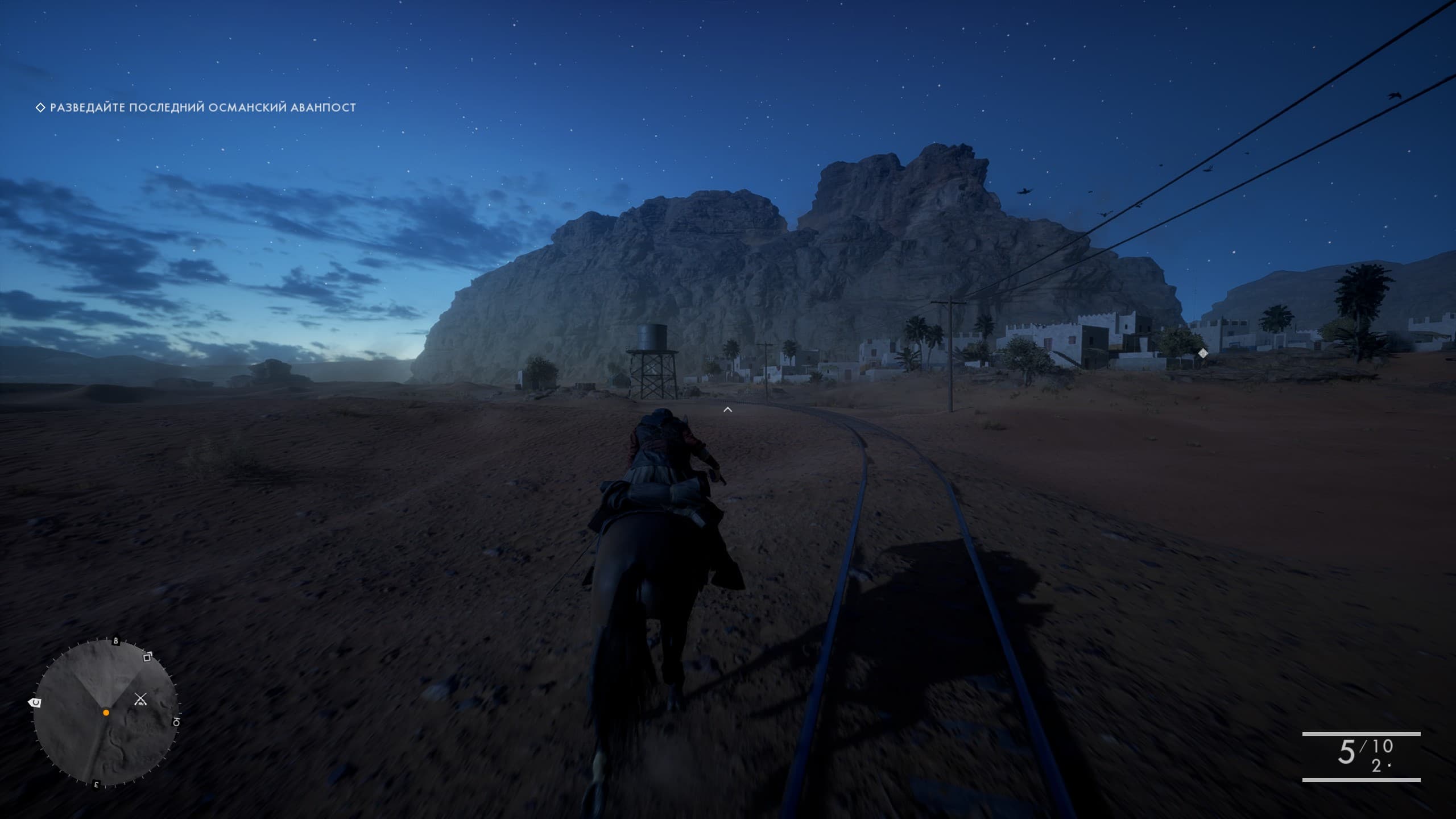
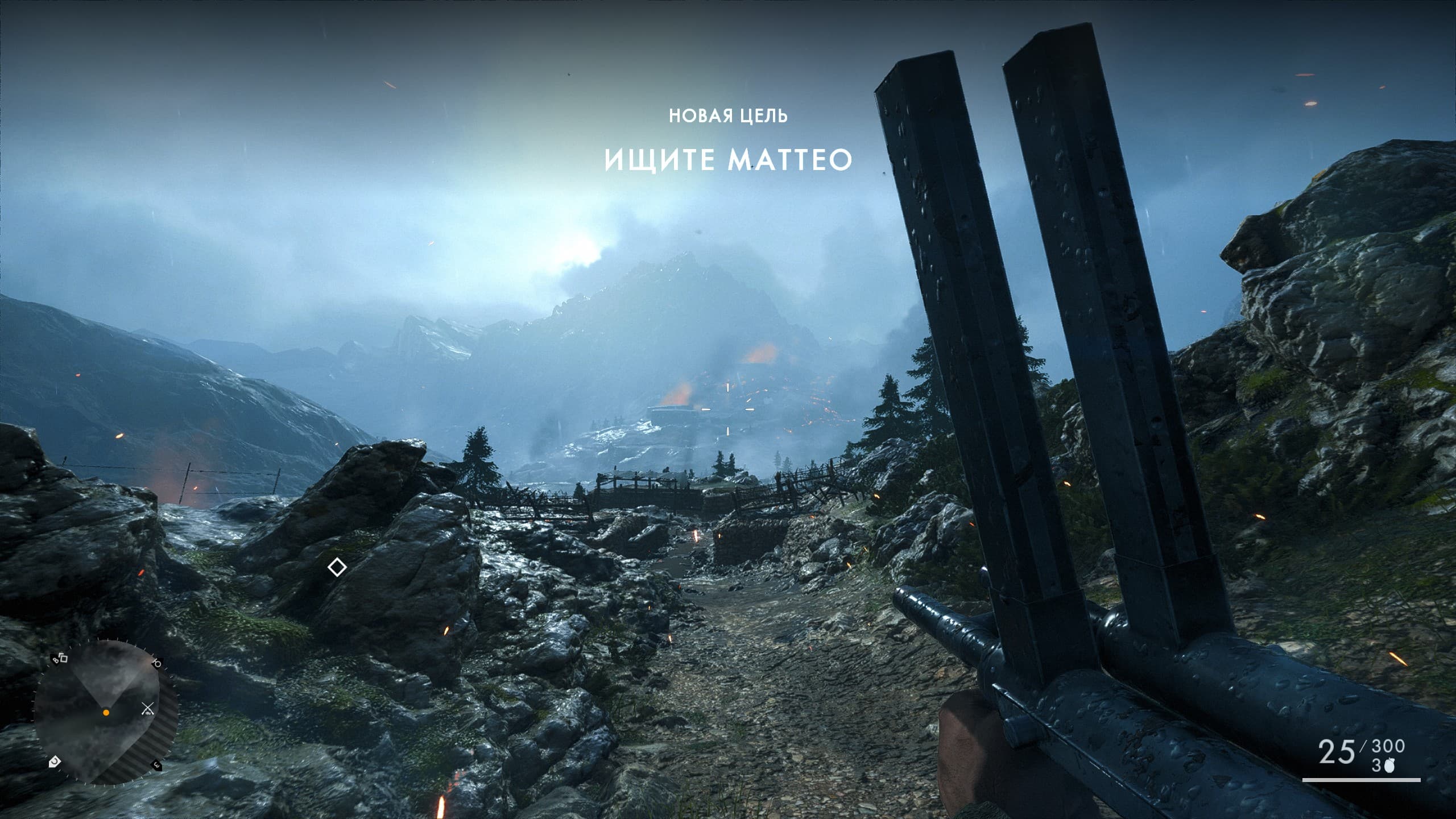
One drawback prevents genuine enjoyment of the campaign — the enemies are impenetrably stupid. They offer no resistance, just flit about. It’s not interesting to kill them. Moreover, “War Stories” can be played in any order, and when the last one opens, instead of the most intriguing part (the final assault, the decisive battle, no retreat), you find only a cutscene at the end with a brief summary of events. The small stories are well thought out, but their plots do not lead to a logical conclusion. Everything just cuts off.
However, the very setting of the war of the early last century is a sufficient incentive to traverse the battlefields far and wide! Pigeon post, clumsy pots as tanks, cannons of insane caliber, automatic weapons with exotic arrangements of familiar elements, and, of course, bayonets! Oh, melee attacks here provide special pleasure. The soldier charges and, with a yell, plunges steel into the enemy’s stomach. When you do it — you rejoice. But when it’s done to you — you feel a treacherous chill a moment before the blow.
In addition to bayonets, a large arsenal of cold weapons is presented here. Various daggers, knives, clubs — you can even beat an enemy to death with a shovel! However, the implementation of firearms still deserves applause. How it is modeled and animated, how it is voiced! You admire it, enjoy reloading, hear the sounds of the working mechanism.
DICE studio, like no other, knows how to work on sensations. When you enter multiplayer and find yourself on the battlefield, you barely have time to grasp the chaos of unfolding events. Tanks creak their tracks, bombs fall from the sky, cannons roar, soldiers run forward with furious shouts. Some are lucky — they manage to dive into a trench under fire. Others are not, and their bodies, riddled with bursts, thrown back by the blast wave, freeze in the mud.
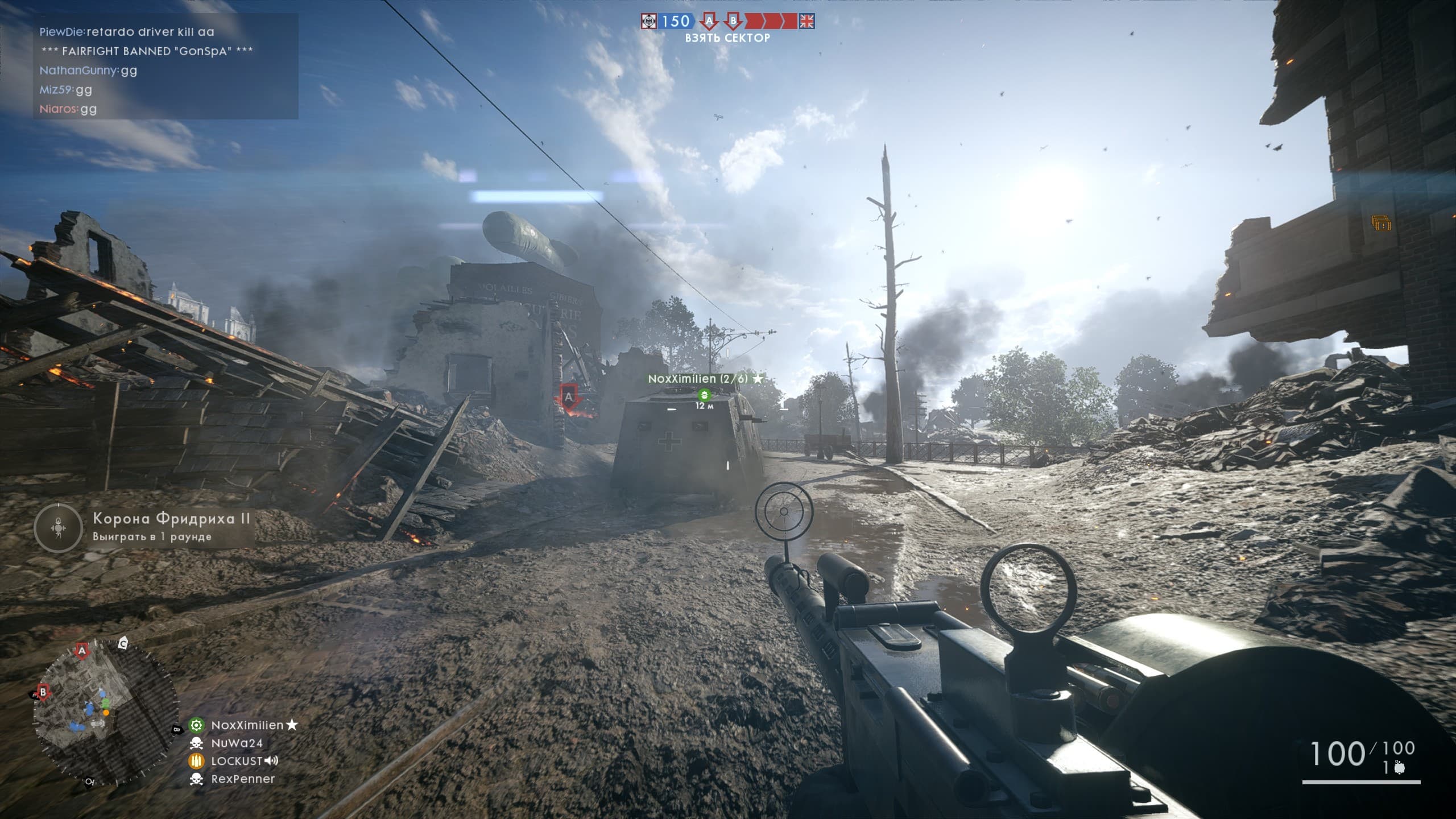
Shells leave deep craters, tanks blast through walls in buildings, discarded clutter is shattered by machine gun fire. Levels transform minutes after the battle begins. Dynamically changing weather conditions complete the picture. Suddenly, it might rain, fog might descend, or a dust storm might begin. Visibility worsens, you fight with shadows. Then everything passes, and the battle continues at its usual pace.
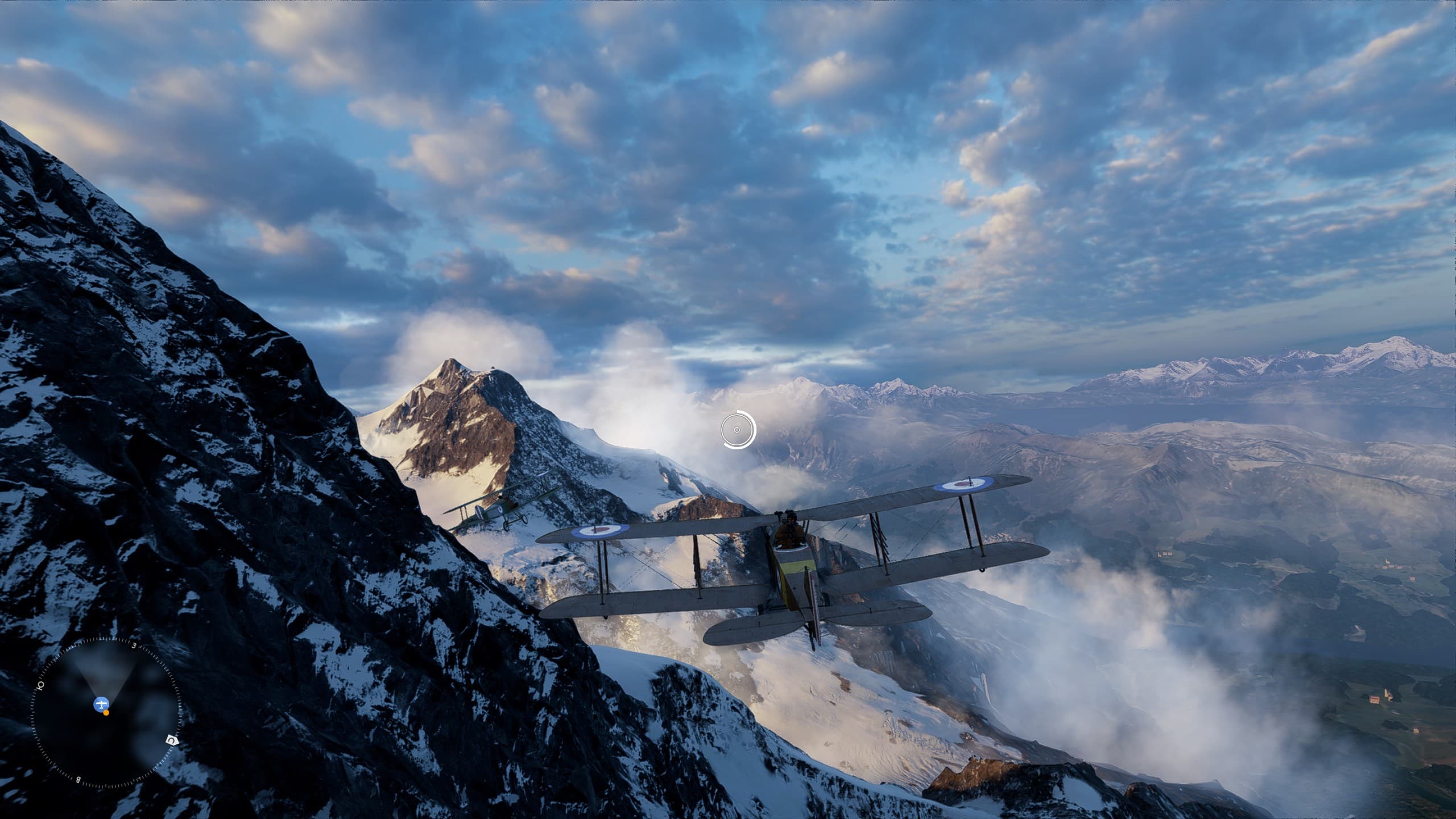
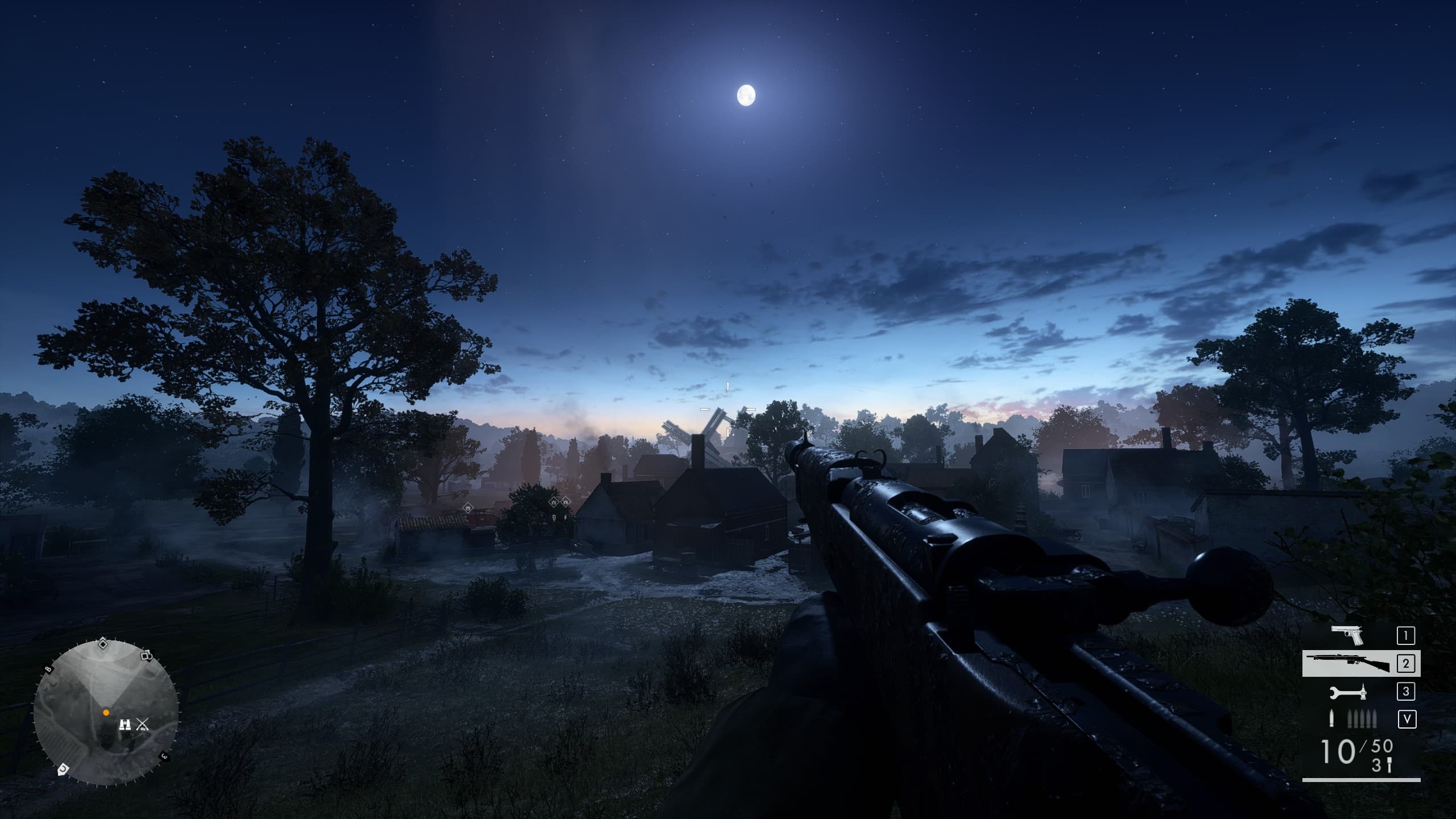
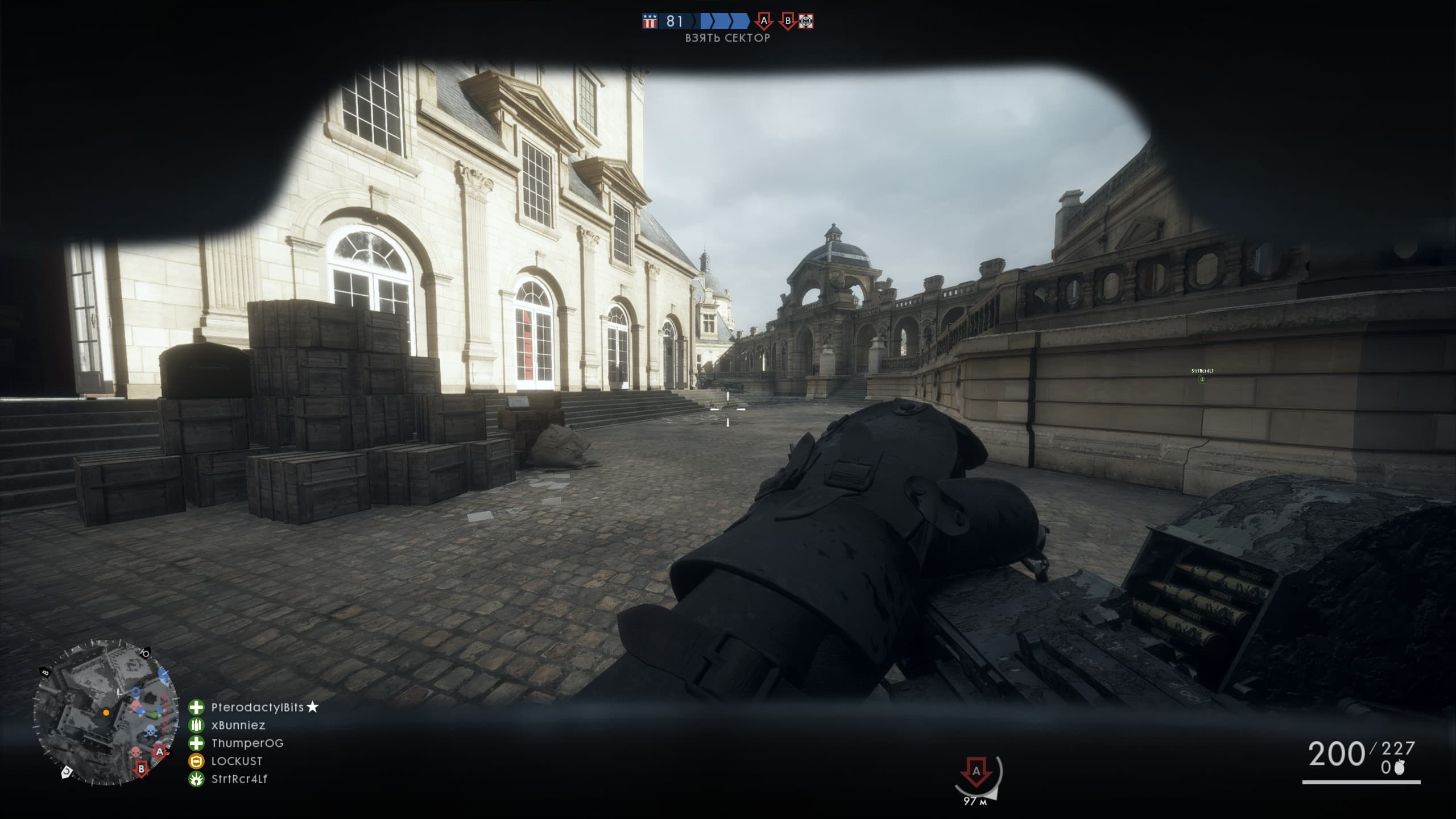
In total, there are five self-sufficient game modes in multiplayer. These include the familiar assault on enemy fortifications and the gradual shifting of the front line towards their main base; battles for control points of various scales (with and without vehicles); team deathmatch; and also a relative novelty — “War Pigeons.” If you want intense confrontation — this is for you. Teams fight to intercept a carrier pigeon from each other to order artillery to open fire on a position. Everyone converges in one place, dies, respawns, and throws grenades at each other. Chaotic and fun.
Over time, the developers promise to add new modes. Soon, the much-anticipated “Hardcore” and the somewhat strange “Fog of War” will appear, in which players will have to fight in conditions of insufficient visibility, without a mini-map and names above their heads.
The most interesting multiplayer mode in Battlefield 1 is “Operations.” Technically, it’s the same “Assault,” just stretched out in time and space. Players are told a small backstory of the upcoming battle, forcing them to attack enemy fortifications again and again. If it doesn’t work out once — a second phase begins, where some military monster like an airship or an armored train comes to the rescue (depends on the map). And so on until a decisive victory (or a crushing defeat). Then the teams move to the next map, connected to the previous one by a common plot, and the final assault begins. One of the presented “Operations” consists of a sequence of three large battles! So for such battles, we recommend sitting down well-rested. They are long and engaging.
Players are divided into 4 classes — the classic Assault, Medic, Support, and Scout. All of them possess sufficient firepower not to feel constrained. The Assault, as usual, rushes to the front line with a shotgun. Support pours machine gun fire on enemy positions. Medics are the most versatile class, armed with semi-automatic rifles. Scouts are dangerous guys with sniper rifles.
All classes are good, but they have to work together to win. This is especially noticeable in unbalanced teams, where, for example, a dozen and a half guys survey enemy positions through sniper scopes. They are useless; there’s no one to attack.
Moreover, there’s nothing easier here than avoiding sniper attention. There’s more than enough cover on the battlefield, and glinting scopes are immediately visible from afar. If you don’t push forward, but act in a “war is war” style, you won’t even notice their annoying attention. For this reason, guys with shotguns feel very comfortable here, especially if enemy fortifications are pre-treated with chemical weapons.
Clouds of green smoke reduce visibility, you can’t aim accurately with a gas mask on, and sounds are muffled by your own heavy breathing. And at that moment, assault troops burst into the position and start a massacre! Horrifying. Players quickly understood the charm of chemical weapons and actively use them, and there’s no convention to stop them!
Tanks, cavalry, airplanes, and local supersoldiers, the so-called “Elite Classes,” help break through defenses. Flamethrower, Sentry, and other kits, which are periodically found at the base, allow you to briefly turn into a demon of war, possessing particularly powerful weapons, strong armor, and increased health. However, gas and incendiary grenades affect them just as well as ordinary infantrymen.
A well-played, balanced team is the key to success in multiplayer. In a war where dozens of people converge, there is no place for loners. They are simply crushed. Even a tank does not provide special advantages, but rather a feeling of increased vulnerability. The steel shell is instantly breached if exposed. The enemy has plenty of armor-piercing rounds, anti-tank rifles, and grenades, plus, cannons and machine guns are installed on the maps, allowing you to deal with any type of vehicle without much trouble, be it tanks, planes, or airships.
Diagnosis
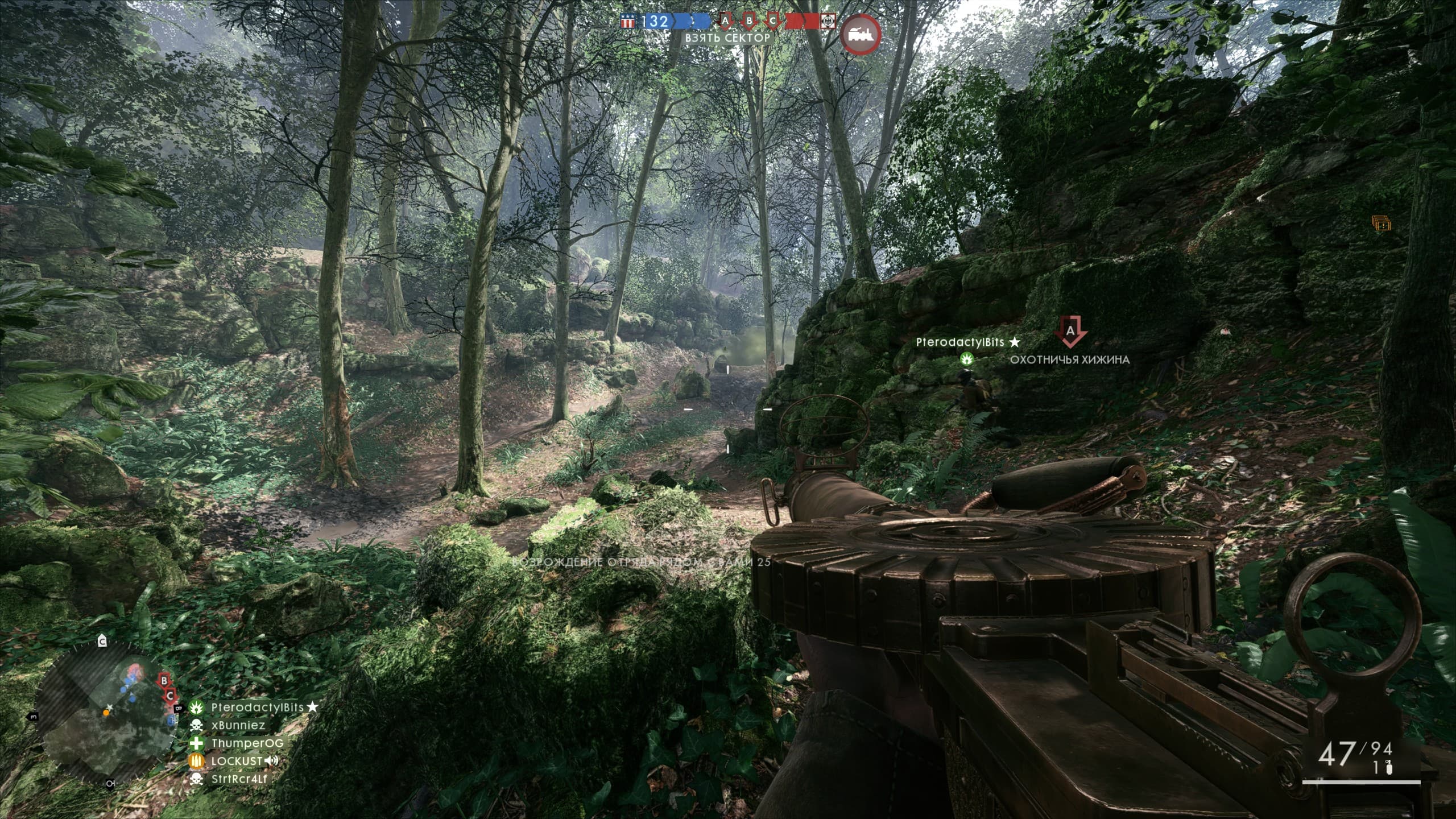
Battlefield 1 is a beautiful game, striking in its scale, destruction, and density of effects. The sound design is magnificent. Even if you close your eyes, you remain on the battlefield, where mud squelches underfoot, tracks creak, and the team that has captured the defense line rushes forward with inspiring shouts to assault the next position. Weapons are implemented at a level unattainable by other games, and shooting them is a pure pleasure.
Yes, the campaign lacks a spectacular finale, but “War Stories” is an excellent idea. One wants to believe that future expansions will not only expand the set of multiplayer maps and weapons but also introduce new “stories” for Russian and French soldiers. Perhaps they will offer a look at the situation from the other side of the front. Not by the Entente alone.
But Battlefield 1 is primarily multiplayer. Superb, well-developed, with a sufficient variety of modes, with excellent “Operations,” and an unobtrusive class progression system. Finally, the setting of World War I is a winning card. Some don’t like it. However, for other players, this almost surreal mix of tanks, cavalry, supersoldiers, mighty airships, and armored trains evokes pure delight.
A definite recommendation.
Pro:
- Interesting single-player campaign structure, heartfelt “War Stories”
- Excellent depiction of World War I
- Variety of multiplayer modes: from large-scale to compact confrontations
- Engaging “Operations” mode in multiplayer
- Unobtrusive but well-developed class progression system
- Magnificent multiplayer map design
- Stunning graphics
- Superb sound design
Contra:
- No spectacular climax in the campaign finale
- Initially no Russian and French armies (promised to be added in the first expansion)
- Not a very comfortable interface
Never miss our newsAdd this site to your preferred sources to see us more oftenAdd on Google