The Last Remnant – Ambitions of a Gray Mouse
Translated with AI from the Russian original.
Players have long understood that neither Sakaguchi's name in the credits nor the Square Enix logo guarantees an interesting and engaging game. Sometimes there's not enough dynamism, sometimes the script is a carbon copy, sometimes the only innovation is the graphics. The Last Remnant turned out to be dull, secondary, and frankly weak. The not-so-worn-out story is spoon-fed. The architecture and dungeon design are borrowed from Final Fantasy XII. Experiments with formations and fighters end before they even properly begin.
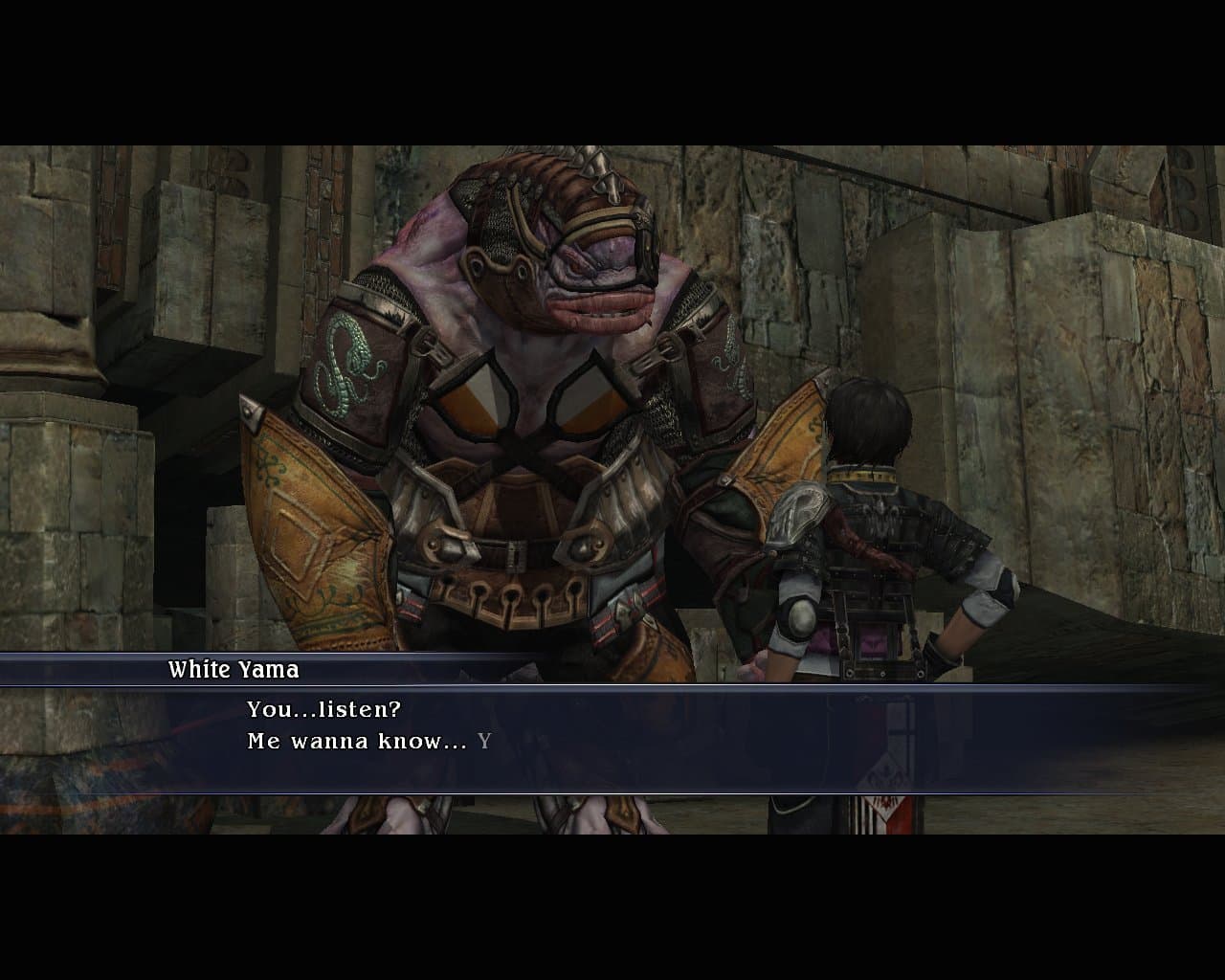
The problem with most new-generation Japanese role-playing games lies in public expectations. It seems that this particular game will explode the genre, revolutionize it, and push the boundaries, but players have forgotten that the hits and masterpieces of past years were always surrounded by an army of mediocre projects. The Last Remnant is precisely one of those ambitious gray mice, filling store shelves and players' time for lack of anything better.Several thousand years ago, ancient beings left the world for young and fierce peoples. Talented Mitras, intelligent Yamas, sentient Qsitis, and calm four-armed Sovanis lived in peace and settled evenly in nine major city-states. Wars occasionally flared up, but the established parity was invariably maintained, as rulers had an iron argument for conquerors – remnants, artifacts of crushing strength and power, the last witnesses of the ancients and local landmarks, frozen in the form of giant statues and swords. One use of this weapon stopped any war, as armies left no trace.
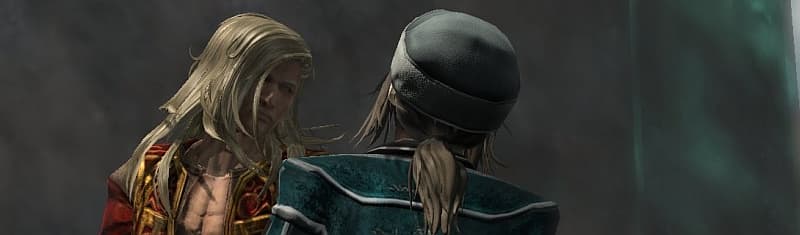
Stationary remnants are not the only source of power. Treasure hunters periodically find smaller artifacts, only slightly inferior in power to their giant counterparts. In addition, some sentient beings can accumulate remnant power and use it at their discretion. Such prodigies are truly hunted, and, realizing their exceptionality, the bearers of the gift try to take their rightful place in the established hierarchy. It is precisely at the time of the game's events that ambitions escalate into a serious military conflict. The Conqueror's army has already set out on a campaign against the city-states to help their lord reach sources of foreign power.The balance of power changes when two more bearers of a unique gift – Rush and his sister Irina – are thrown into the maelstrom of wartime. Unknown bandits kidnap the girl without any ceremony, and the brother has no choice but to go in search of her and join a group that maintains the remnants of balance in a world gone mad. Marquis David Nassau, with a small army, successfully defends his domain – the city of Athlum – from the Conqueror's advance detachments and is ready to help us in every way. In fact, we will spend the entire game with this rapid response brigade, solving both global problems of the whole world and our own family affairs.Alas, after a decent prelude, a narrative follows that is terrible in its predictability and direction. Adventures, claiming to be emotional, epic, and grand, are spread thinly over a couple of weeks. It's impossible to deviate from the beaten path; all intrigues develop so straightforwardly and obviously that the villains don't even bother to hide behind masks. The characters' stories and the introduction of newcomers, moreover, look like a sheer mockery of the viewer-player. One heroine died? There will be another, exactly the same, with a slight spelling correction in the name. Given that the army is already filled with a sufficient number of voiceless extras from the four known races, interest in subordinates and their fates rarely rises above zero.
The hero's squad is not a set of specialists from different professions, but a combat unit acting as a single whole during planned or accidental encounters. As soon as the traditional battle arena opens before the player, it becomes clear that the latter definition is not a metaphor. Orders during battles are given to squads, not individual characters. Whatever is assigned, the five heroes will do during their turn: rush into attack on the strongest monster, surround the last enemy, strike with a magic spell on the enemy flank, or go into the rear to inflict maximum damage and complete demoralization. The characters will choose techniques from their available arsenal themselves, if they have enough action points (AP), and the player has not previously forbidden the use of a particular ability. The order of appearance at the barrier depends on the morale of the entire army, which falls from flank attacks and losses, or rises when the enemy is defeated.The core of the squad is the general, a position for which it is desirable to appoint heroes; the rest can be recruited from ordinary soldiers, mercenaries, or other characters. In total, the player can control up to 5 squads with 18 assistants, and cumulatively with reserves, the army numbers 40 fighters. The combined gang has common “health,” but each character fights personally for themselves.“The Science of Victory” teaches to fight with skill, not numbers. Much depends on the abilities of the personnel. If you recruit hereditary brawlers into one squad, prepare skewers for the flying meat. If you gather a core in the form of a small coven of mages, the enemy will be roasted with lightning and fire rain. Do not underestimate simple luck either. A small mini-game with a single button press or an automatic calculation will bring someone additional damage, and someone else – a clever parry of an enemy blade.
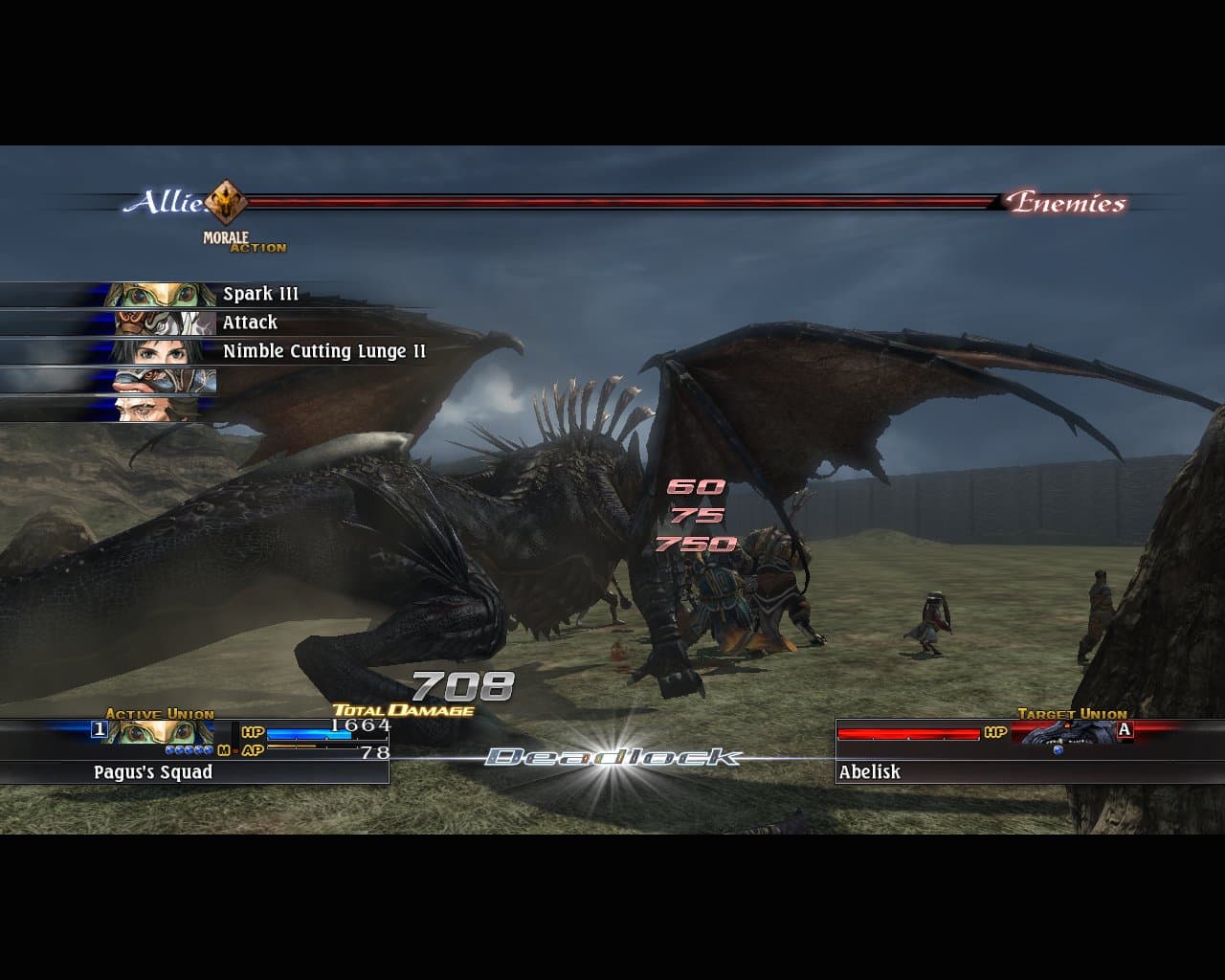
The second important factor for achieving victory is proper battle formation and maneuvering. An attacking “vanguard,” a counterattacking “arrow,” a magic-charged “catapult,” or a sneaky “bait” – think thrice about whom you are going to fight before settling on a favorite formation. Otherwise, the enemy will quickly shred your charges. The chosen battle tactic also depends on the formation. The easiest way is to use bait: expose one squad, let it be surrounded, then strike the jubilant enemy in the back and take revenge. In any case, some have to play the role of a shield, while others are the punishing sword or trident. However, the arrival of reinforcements greatly mixes up the cards, forcing constant preparation for the worst-case scenario.The long, long process of training heroes is more fun if you pay attention to side quests. The usual problems encountered by secondary characters at least stimulate interest in exploring locations. Rescuing hostages, searching for lost items, eliminating particularly dangerous creatures – the resolutions of some small stories are more satisfying than the tiny piece of sugar given after plot encounters. And the reward is more substantial. Among the side quests, there is another small mini-game – mining minerals with the help of a small robot.Collecting resources and subsequent crafting or upgrading of weapons and items generally turns into an abnormal fetish, keeping the player in front of the screen more firmly than the heroes' story and impressive posing during battles. It's all about the trophies and our charges' reaction to the loot.
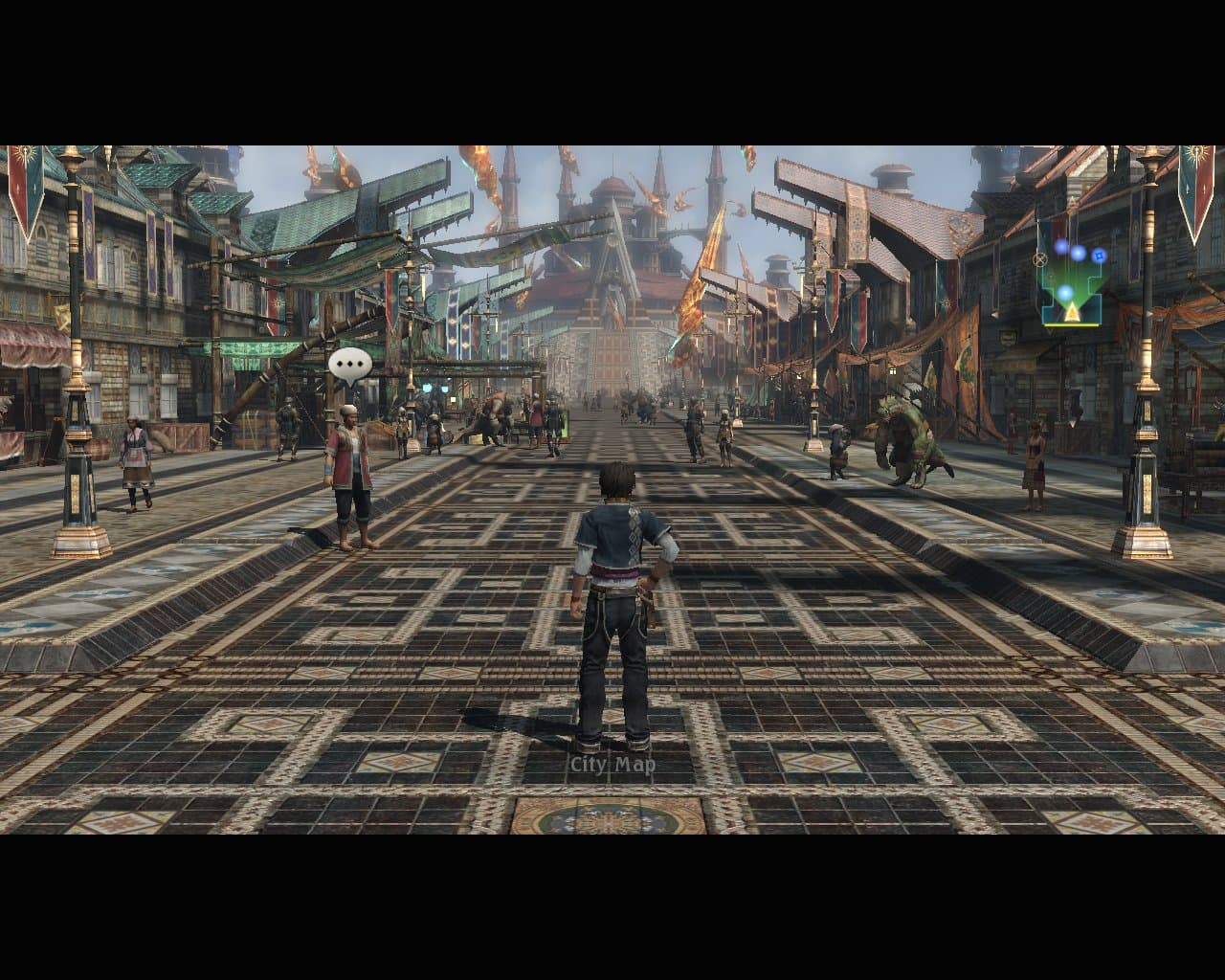
Each race prefers its own weaponry, fighters train their skills independently, but sometimes, noticing something worthwhile among the loot or in the player's backpack, they clamor for a special material or a new weapon. If you have your own mercenary plans for the trophies, you can refuse; our companions are not easily offended.Watching the local blade dances is a separate part of the program, consuming up to half of the total game time. A hero or monster figure engulfed in fury makes two or three convulsive movements and gives way to the next. Until everyone performs their numbers, the player will have to sit sadly in the audience and indulge in the only mini-game. All movements are performed deliberately slowly, spells are recited solemnly, blades parrying blows throw fountains of sparks, and the falls of the dying at the end of the battle claim at least an “Oscar.”If the staging of combat scenes still claims some originality, the design almost completely copies one of Square Enix's previous creations – Final Fantasy XII. Naturally, everything looks better than on PS2, but the same building architecture, similar dungeon structure, and cloned set of monsters are striking. Large room corridors were well suited for real-time battles, but here the gigantism of empty locations with solitary enemies seems utterly meaningless.
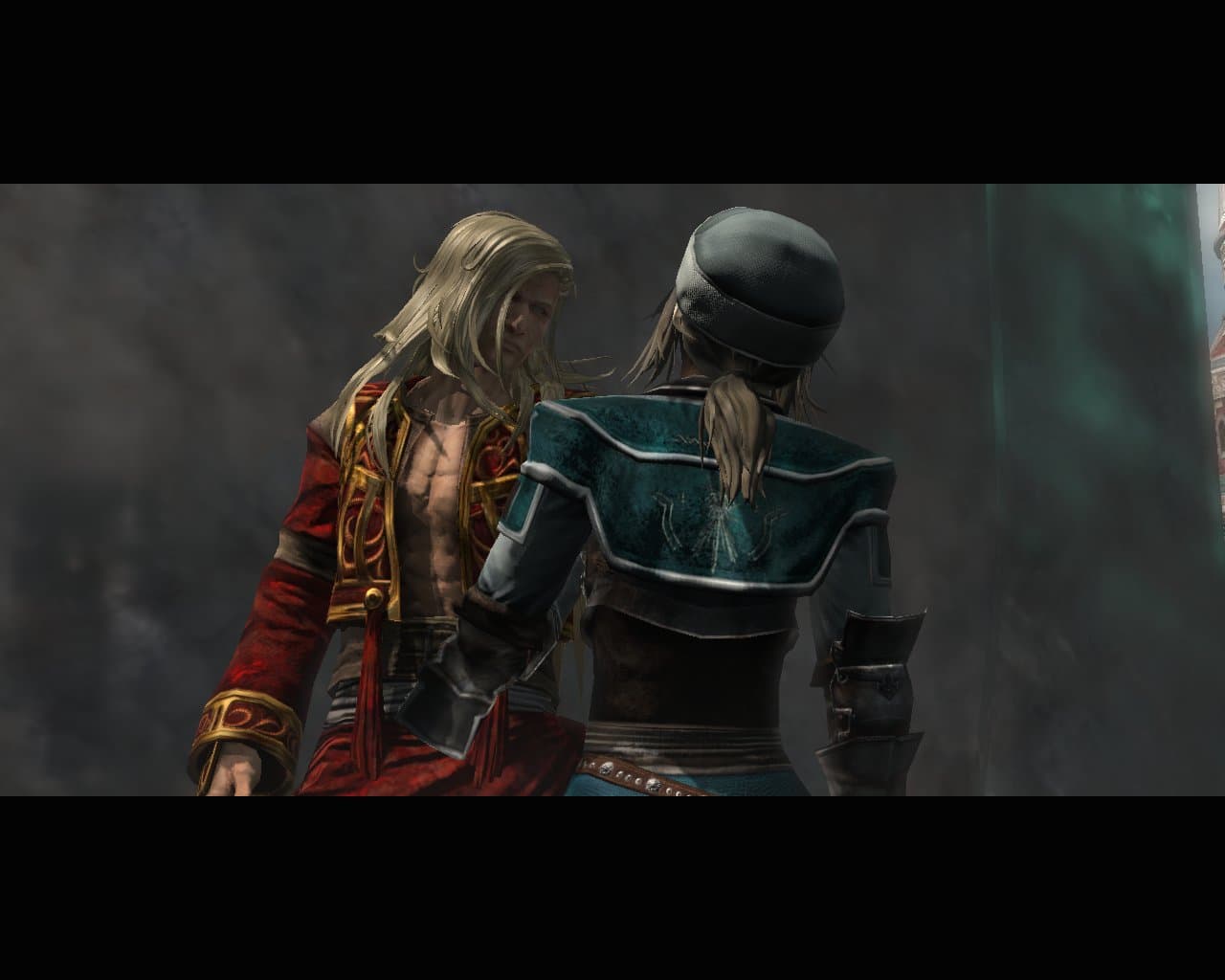
The PC version, which appeared six months after the Xbox 360 release, includes improved graphics and additional content, as well as several pleasant trifles that significantly ease the player's life. Firstly, a special Turbo Mode that increases battle speed, and automatic saving at the end of a fight. Secondly, different color marking for rare and unique items, as well as employer designation on the mini-map. Thirdly, character abilities can be disabled in advance, thereby setting the subordinate's initial action algorithm. Such changes do not alter the overall picture but slightly smooth out the sharpest edges. Did the developers not see their own mistakes immediately?!
Diagnosis
Players have long understood that neither Sakaguchi's name in the credits nor the Square Enix logo guarantees an interesting and engaging game. Sometimes there's not enough dynamism, sometimes the script is a carbon copy, sometimes the only innovation is the graphics. The Last Remnant turned out to be dull, secondary, and frankly weak. The not-so-worn-out story is spoon-fed. The architecture and dungeon design are borrowed from Final Fantasy XII. Experiments with formations and fighters end before they even properly begin. Expeditions for loot are like going to work, and when it comes to battles – heroes pose more than they fight.We ate from hunger, dusted ourselves off, and went for dessert to our favorite masterpieces of the previous generation.Pro:
- Combat mechanics with tactical elements
- Spectacular battles
- Interface improvements in the PC version
Contra:
- Very slow battles
- Periodically dropping frame rate – especially in the Xbox 360 version
- A very thin layer of plot
- Terrible episode direction and character presentation
- Lack of variety in original monsters and characters
- Most design decisions borrowed from Final Fantasy XII
Never miss our newsAdd this site to your preferred sources to see us more oftenAdd on Google