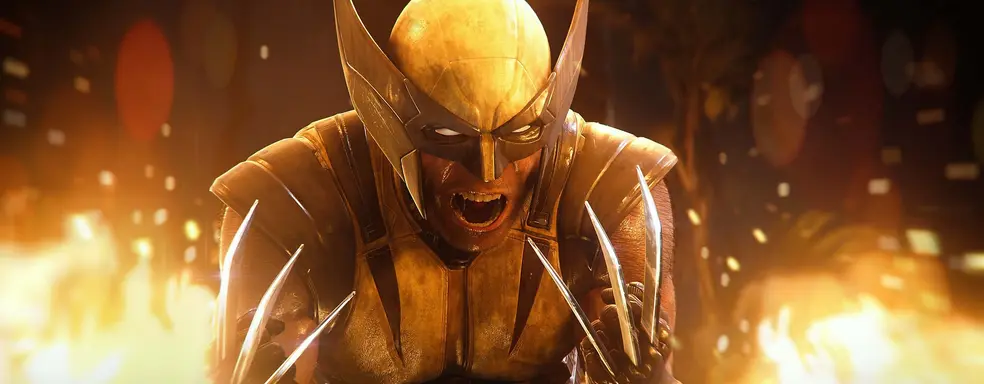
The Same "Spider-Man," Just With Claws: What's Wrong With Marvel's Wolverine
Marvel's Wolverine hasn't been released yet, but a substantial list of complaints has already formed around Insomniac Games' title. And in this case, it's not about the traditional dissatisfaction with Sony: prices, policies promoting certain narratives, and the abandonment of physical discs. Questions arise directly about Wolverine himself - about what the developers chose to show in trailers, promotional videos, and previews.
Sony has long been associated with expensive, spectacular, and extremely safe blockbusters. A third-person camera, linear episodes, lengthy cinematic scenes, a well-thought-out combat system, and the promotion of questionable narratives in the script have come to be perceived as a single production formula.
The failure of Concord, the obsession with Horizon, and controversial service experiments have only reinforced the opinion that the company does not understand the mood of its audience. As a result, Marvel's Wolverine is already suspected of being another standard Sony action game, just with blood and claws.
A Typical Sony Project
The basic structure of Marvel's Wolverine differs little from other modern story-driven action games. Logan moves between arenas, fights groups of enemies, dodges and parries attacks, occasionally acts stealthily, and gradually unlocks new techniques.
Combat currently looks simpler than one might expect from a Wolverine game. Bloggers noted an extremely meager number of special moves, prolonged ability cooldowns, weak aerial combat, and limited environmental interaction. Basic strikes and parries are sufficient for most enemies.
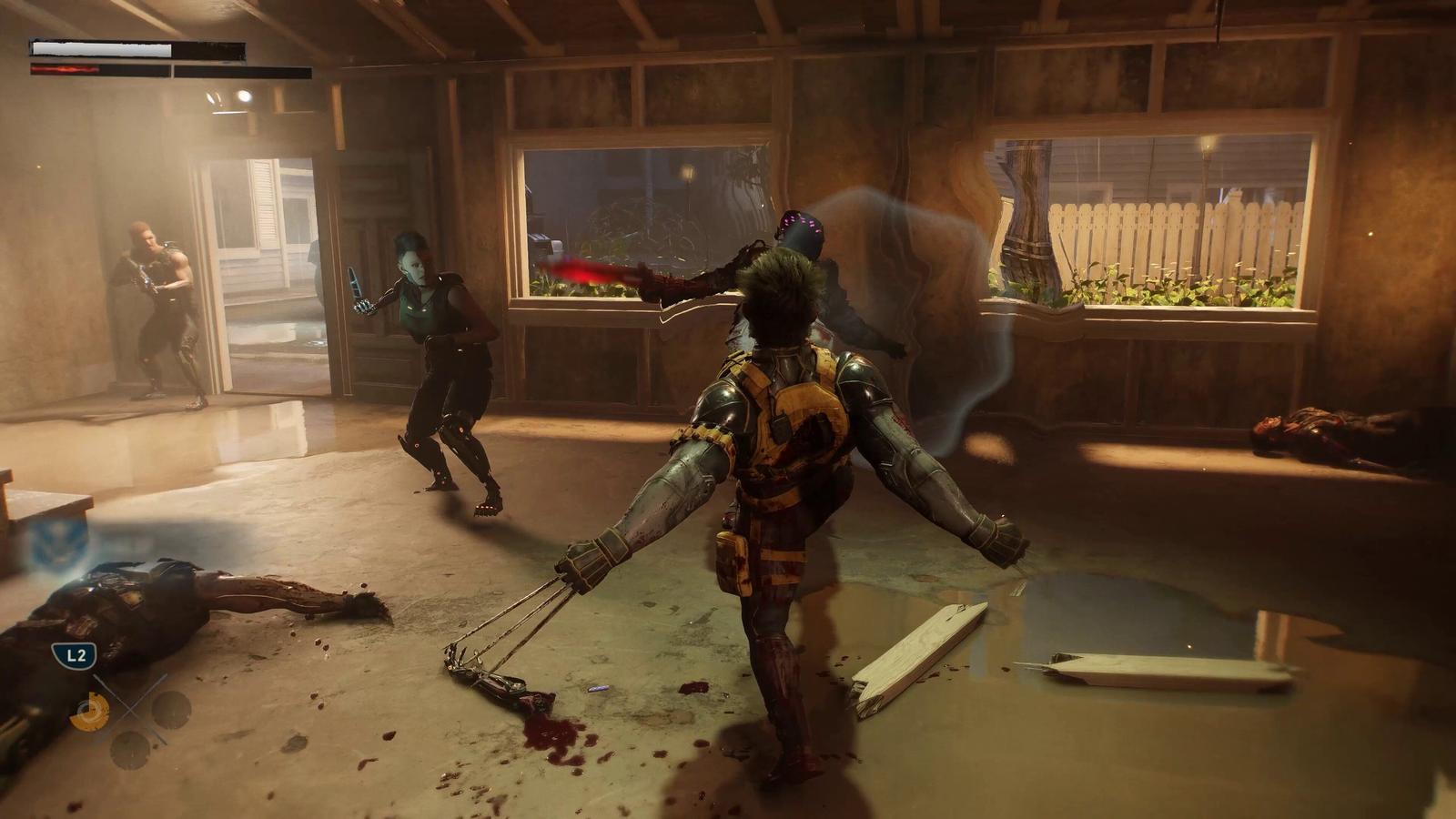
This system is suitable for a typical third-person action game but less effectively conveys the hero's unique characteristics. Wolverine can quickly recover from injuries and traditionally fights aggressively, not paying as much attention to his own safety as most superheroes. But the depicted fights are built around standard exchanges of blows, dodges, and counterattacks.
Questions also arise regarding the enemies. In gameplay videos, there are scenes where several enemies surround Logan but attack one by one. Perhaps in the release version, enemies will be more aggressive and intelligent, but Insomniac chose these episodes to advertise its combat system.
The gameplay is often compared to another Wolverine game, released based on the 2009 movie. It also revolved around linear levels, hordes of enemies, and brutal close-quarters combat. The new game has graphically advanced significantly, but the core of the combat does not yet appear to be as serious an evolution of the formula.
Another Game-Movie
Marvel's Wolverine will be a linear game without an open world. This format suits it: instead of long travels across the map between dozens of side quests, the developers focused on combat and cinematic presentation.
But linearity simultaneously amplifies another familiar element of Insomniac games – a large number of pre-scripted scenes. Logan moves through corridors, participates in chases, experiences environmental destruction, and occasionally performs contextual actions. In such moments, control is limited to a few buttons, without which the scene will not continue.
The problem with such episodes has been noticeable for a long time. Developers try to combine gameplay and cinematic presentation, but for the sake of player reaction, they are forced to pause the action. The hero may be in a dangerous situation, but events slow down or completely wait for the next button press.
Lots of Blood, Little Substance
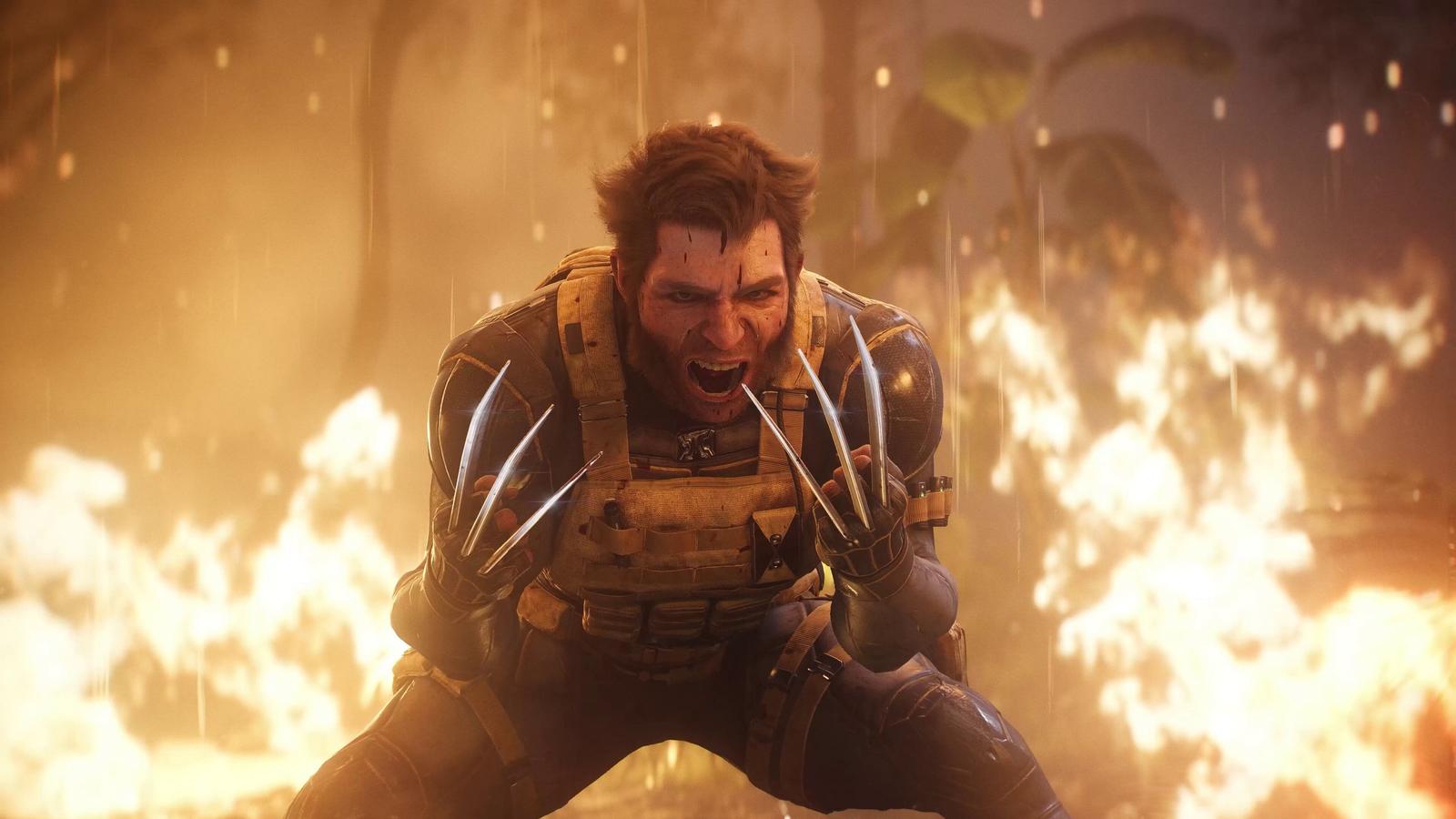
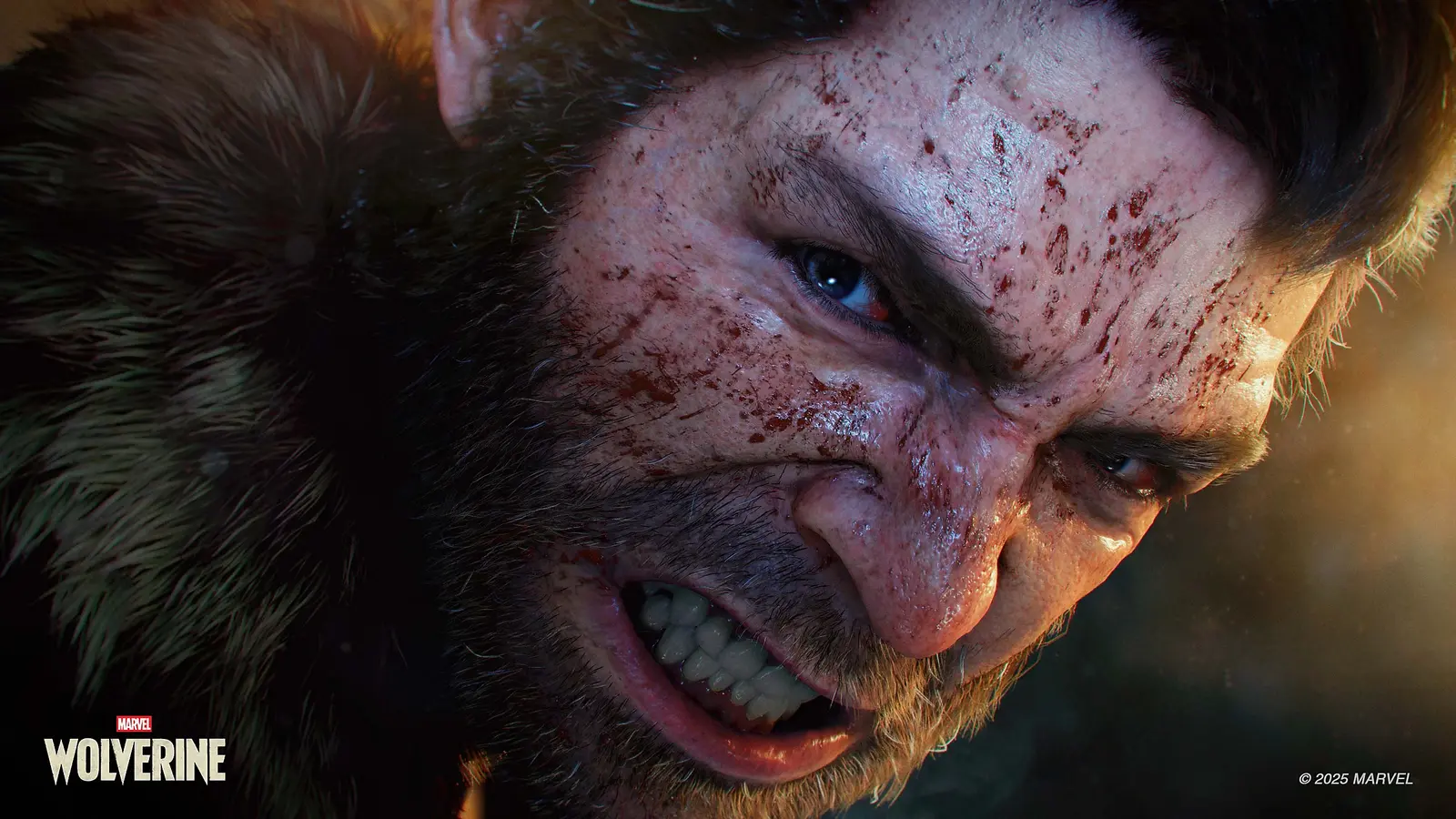
Insomniac emphasizes the mature tone of Marvel's Wolverine. The videos feature a lot of blood, dismemberment, chunks of flesh, and open wounds on Logan himself. The brutality is meant to distinguish the game from the more sterile Spider-Man adventures and prove that the studio understands the character of the new hero.
The amount of blood doesn't always match the quality of the damage. Enemies often resemble cans of red paint: after a hit, the screen and clothes are covered in splashes, while the body reacts to the claws with a set of bloody stains. There is no convincing connection between Logan's weapon and a specific wound.
The dissonance is amplified by mercenaries with cybernetic limbs. Dismemberment is shown on them, but for some reason, a severed implant on a victim is perceived as a living arm or leg. The owner experiences pain and loses liters of blood, but sparkling wiring is visible at the cut. The choice of such enemies simplifies the demonstration of violence but simultaneously makes it less convincing.
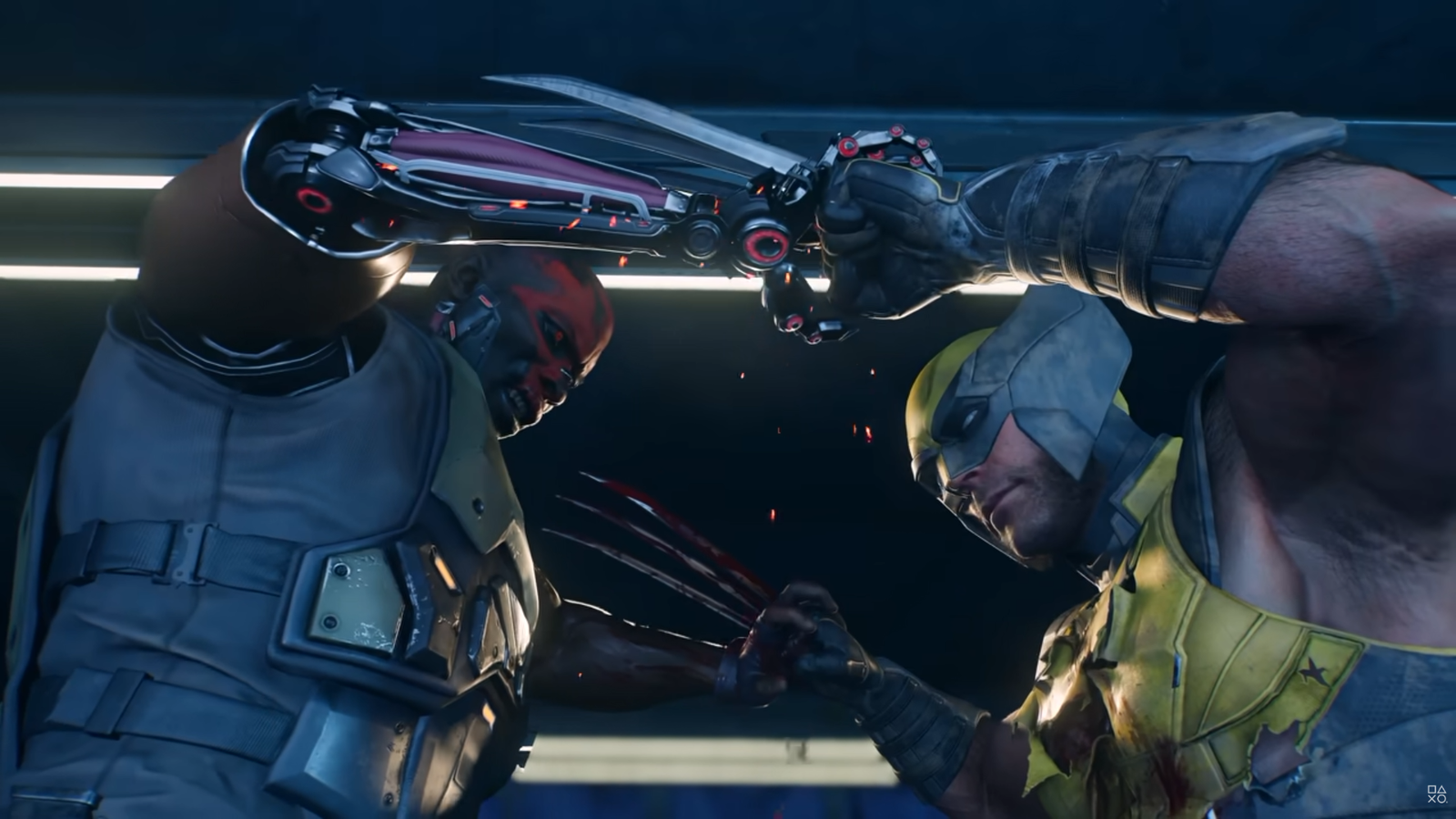
Another convention arose with Logan's injuries. Along with his skin, his clothes regenerate. The suit tears from wounds and then regrows in the same way as the body. The developers explained the decision as practical: otherwise, the hero would spend most of the game in rags. However, this does not explain why we saw footage where Wolverine's classic outfit was completely torn at the end of a mission.
In defense of the videos, a theory emerged about a disabled naturalism mode. Allegedly, a full damage system exists, but it was hidden for promotion on video hosting sites. There is no confirmation of this explanation in the presented materials. However, the same hosting sites could easily have posted such content with an "18+" rating. Trailers for indie projects with much more gruesome aesthetics easily pass censorship.
Insomniac Chose These Scenes Themselves
The main objection to criticism of promotional materials is obvious: a short video cannot show the entire game. But Insomniac itself chose the promotional materials. The studio determined which fights would appear in videos, which scenes journalists would be allowed to show, and which episodes should introduce Marvel's Wolverine to the audience. Therefore, complaints about what was seen cannot be entirely attributed to a lack of context.
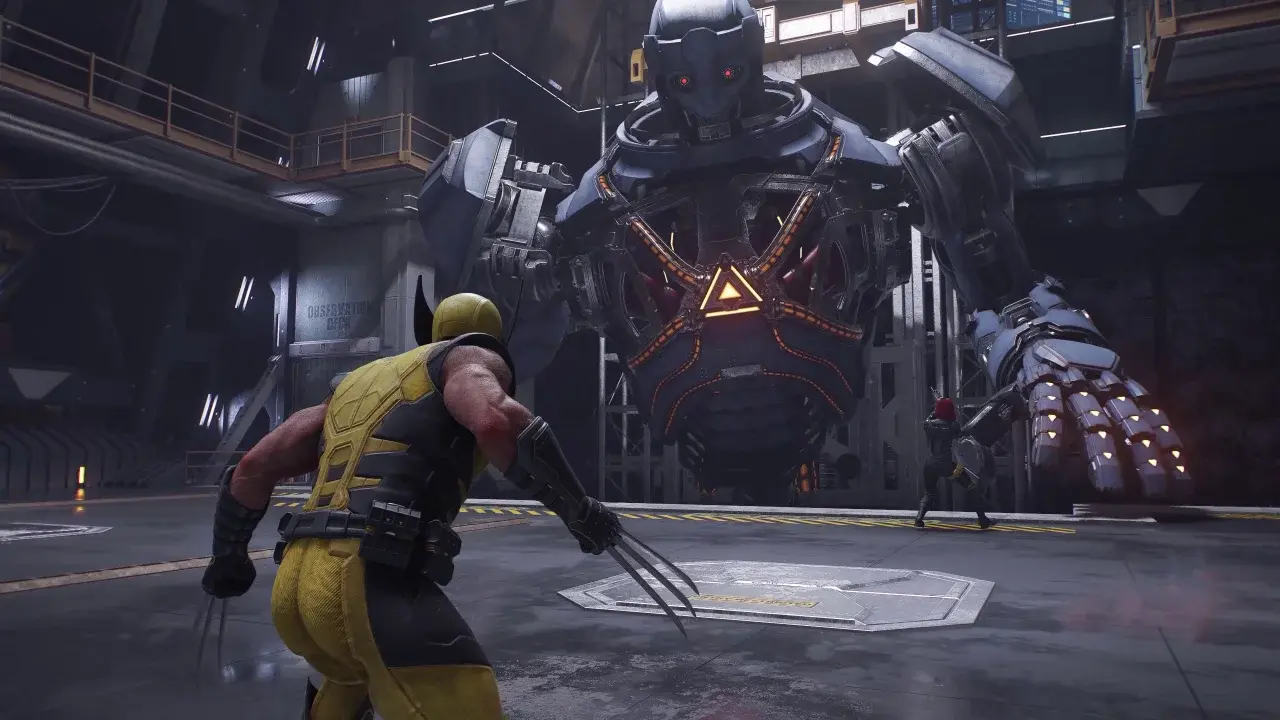
The fight with the Sentinel is indicative. This is a large, immobile enemy with a set of predictable attacks, against whom Logan fights in a large arena. This format of battles was popular in PS2/PS3 games.
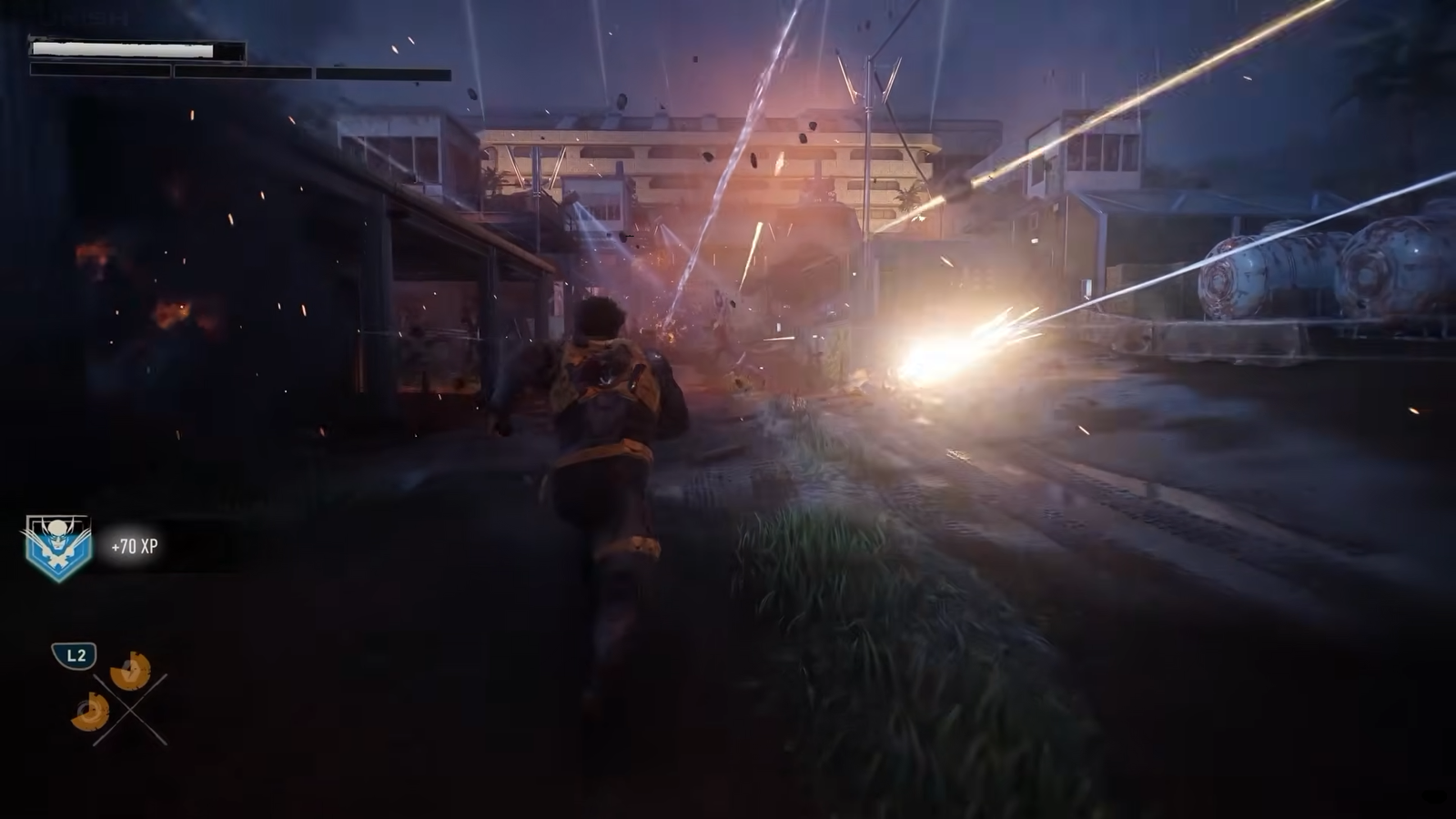
The episode where Logan runs non-stop forward through a linear section of the level also caused a mixed reaction. At this moment, the player does not engage in combat, does not try to dodge bullets, and does not use abilities – they simply move to the next scene. Such an episode in itself can be a normal link between more intense moments, but in a promotional video, it looks out of place.
Echoes of Mary Jane
The appearance of a separate playable character is not a problem in itself. Concerns arise from Insomniac's experience with Mary Jane's levels in Marvel's Spider-Man. After high-speed city traversal and fighting dozens of enemies, the game forced players to slowly go through mandatory stealth episodes as an ordinary human. The player lost mobility, the ability to openly fight, and familiar freedom of action. Instead, they got patrol evasion, waiting for the right moment, and reverting to the last save after being detected.
Such chapters were inserted into the plot and could not be skipped. In Marvel's Spider-Man 2, Mary Jane became more active and gained means to neutralize enemies, but this did not resolve the main complaint.
Therefore, playing as Jean Grey is perceived as another repetition of the same trick. Early version recordings show the heroine with similar basic attacks, but without Logan's regeneration and his set of skills. She lacks her own style and choreography: Jean plays like a cut-down and simplified version of Wolverine. Because of this, the character switch feels like a forced limitation that no one asked for.
However, there is a question here – will Jean Grey remain playable? Or are these early version developments that didn't make it into the final game? We will find the answer to this question after the release.
Unexpressive Female Characters
The artistic direction of Marvel's Wolverine continues Insomniac's grounded approach. The images are as close to human as possible, clothing looks practical, and comic book details are subservient to overall plausibility.
Debates surrounding Mystique, Jean Grey, and Lady Deathstrike often boil down to assessing attractiveness and recognizability. Mystique is criticized for her coarse facial features. Jean looks so ordinary that without context, it's difficult to identify her as a specific heroine. And with Lady Deathstrike, her age, head proportions, and short claws, which weaken her iconic menacing image, are discussed.
The problem with Jean manifested in the very first frames. The purple coloring of her abilities and her long coat led some viewers to mistake the heroine for a female version of Gambit. A character's design should convey their name, power, and role even before the writer's explanations. And Insomniac's presented image does a poor job of this.
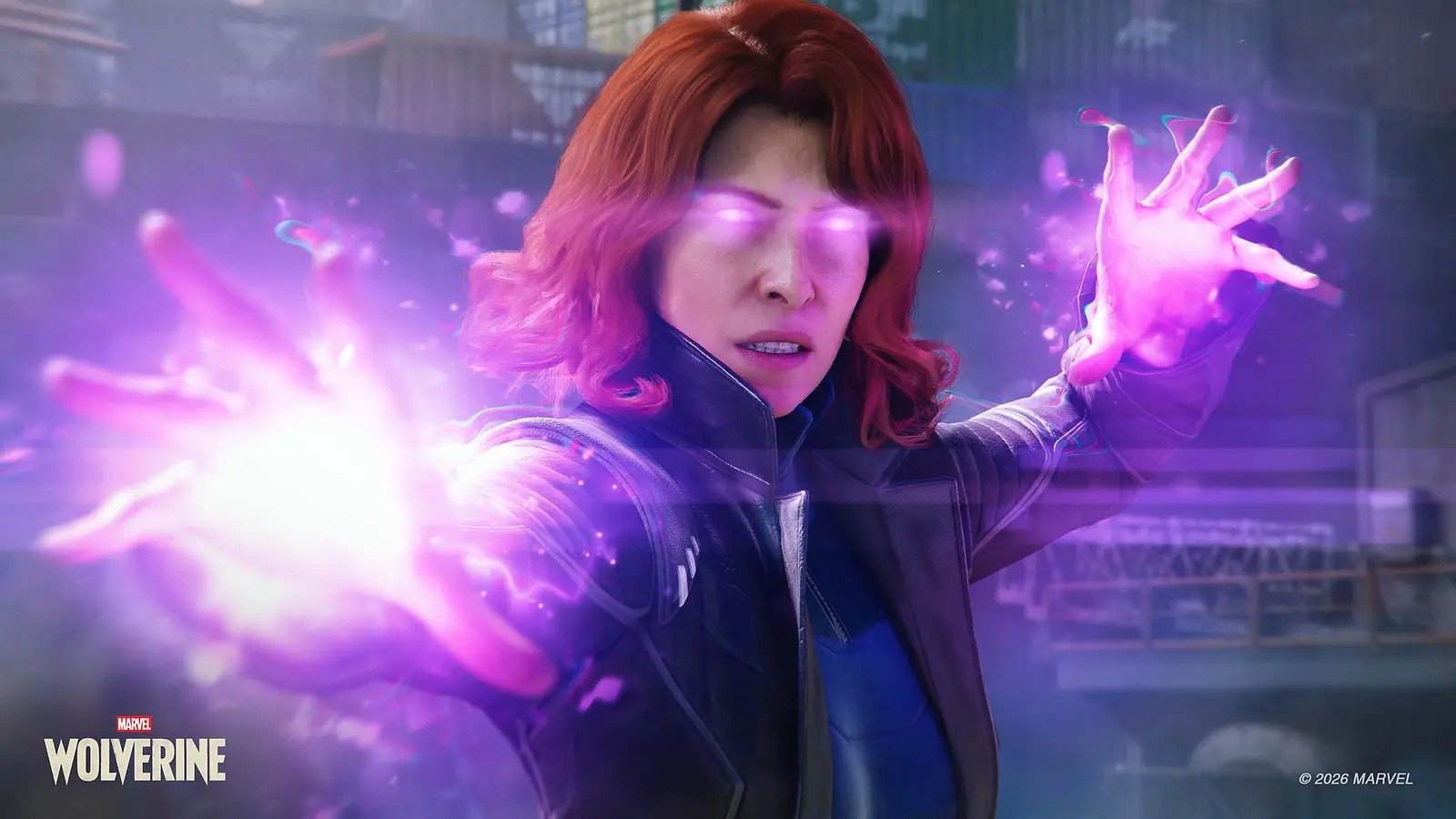
Developers are not obligated to literally replicate comic books. But they need clear forms, colors, and details. When three important characters become the subject of the same dispute, the question no longer concerns a single failed model, but the overall artistic direction.
Heroines Act, Logan Watches
The cinematic scenes added to the debate about appearance a complaint about role distribution. In one episode, Logan kneels before soldiers, smiles, and asks Mystique who will deal with the enemies. After that, she starts the fight. The scene was perceived as a familiar trope where the heroine's competence is emphasized through the male character's helplessness.
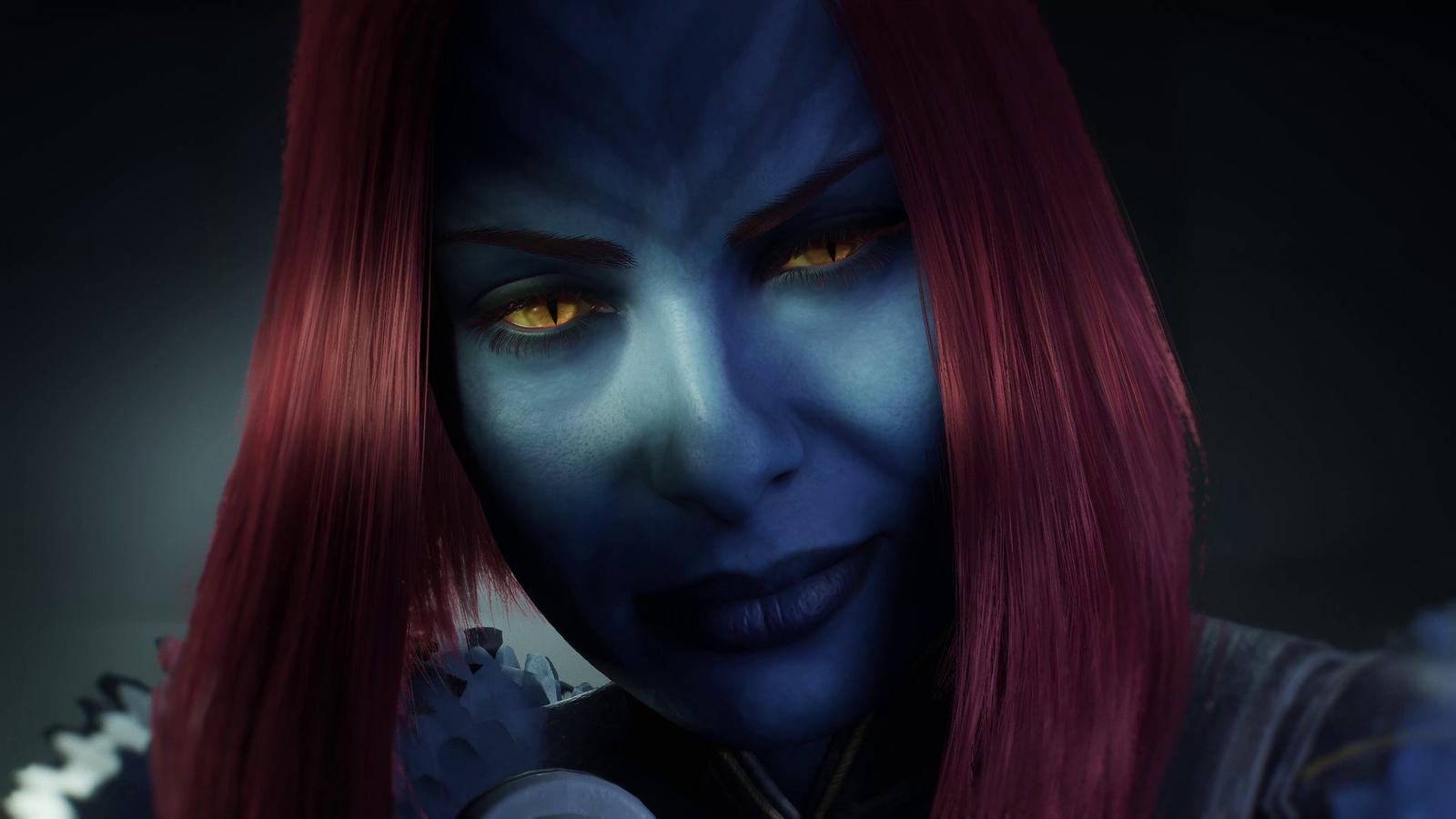
A strong Mystique herself does not contradict either the comics or common sense. The question arises from the staging. To show her abilities, the authors temporarily deprived the hero, who is difficult to kill and usually does not need permission to engage in combat, of initiative. It is the contrast between Logan's capabilities and his behavior that makes the scene an easy target for criticism.
A similar expectation has formed around Jean. An emotional connection quickly develops between her and Logan, and early version recordings suggest that a separate episode will be needed to save him or free him from hypnosis.
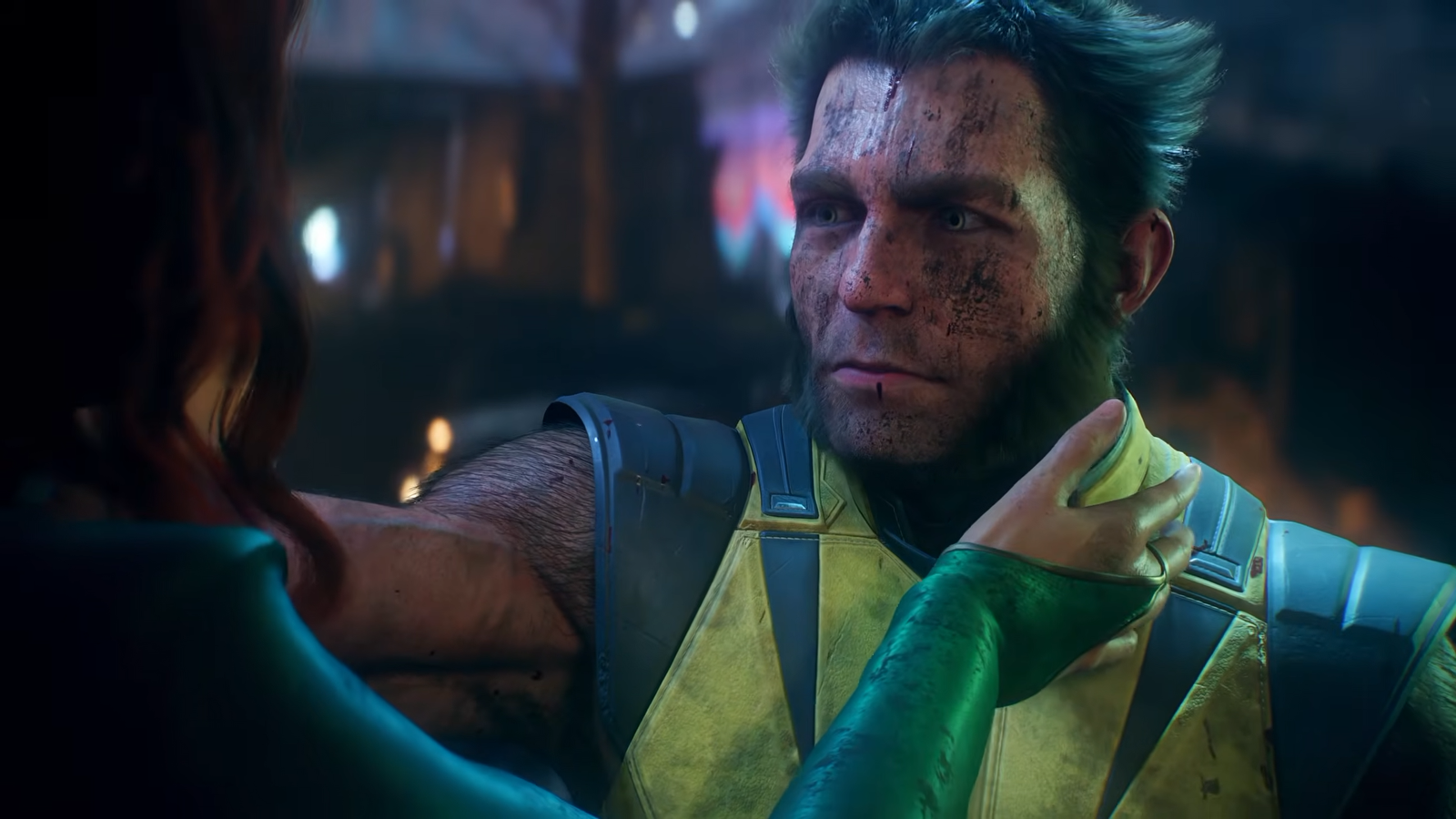
Jean's attitude towards violence also raises questions. In the shown scenes, one of the classic X-Men heroines calmly helps Logan destroy Reavers. For a game that makes dismemberment part of its image, such cooperation requires clear motivation. Without it, the character's personality is subservient to the needs of the combat episode.
We Know How It Ends
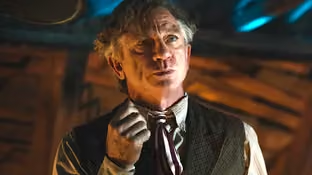
In this version of the world, the X-Men do not yet exist. Logan is associated with Team X, assembled by Nathaniel Essex. And comic book connoisseurs already understand where the plot might go: Essex is known as Mister Sinister, one of the main adversaries of the X-Men.
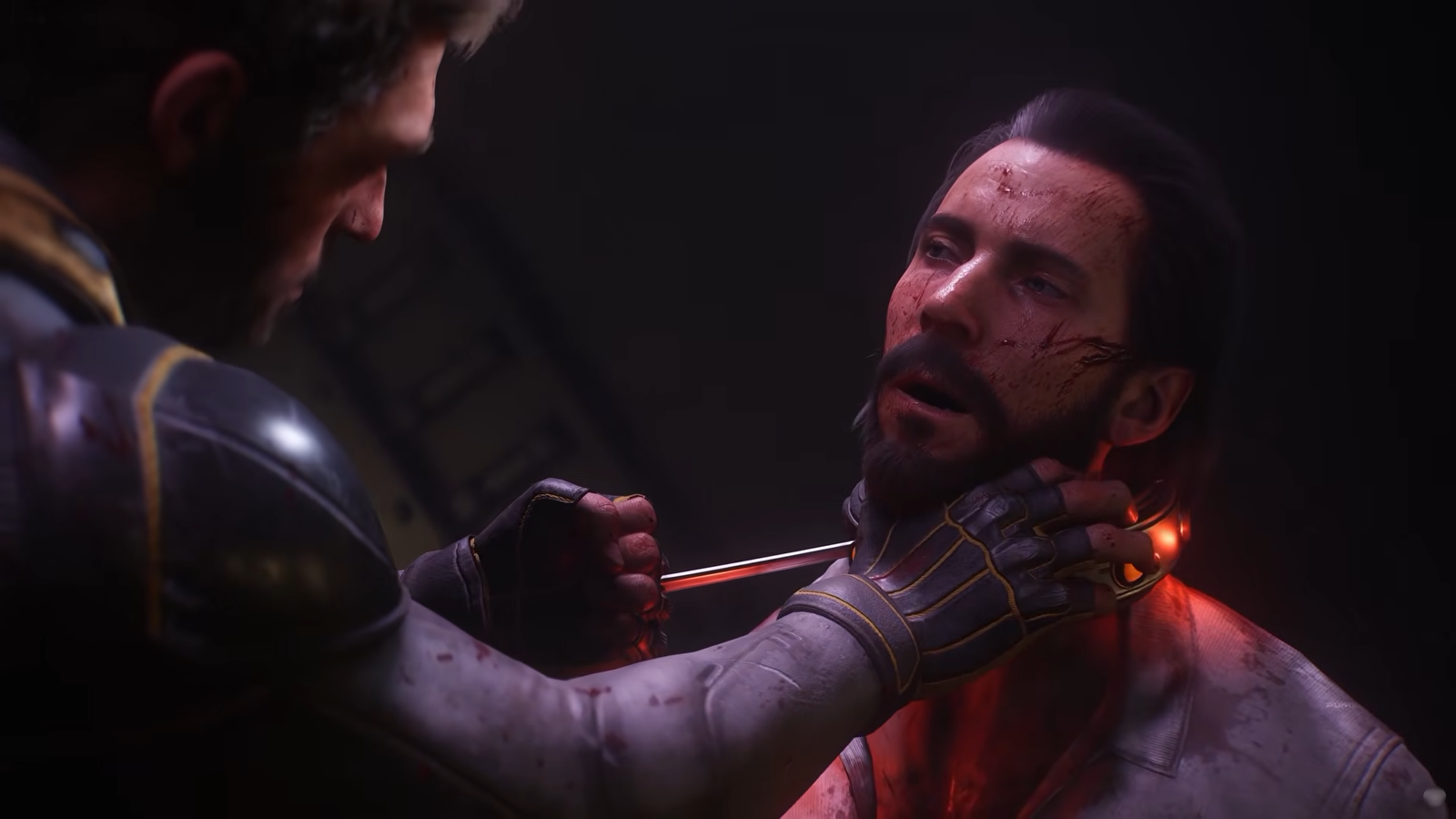
The scene of Essex's rescue from captivity does not hide a possible twist, but rather emphasizes it. It cannot be stated that he will be the final boss until the game is released. But the gameplay videos already make one expect betrayal and a subsequent encounter with him in a boss battle format.
The basis of Logan's personal story is equally familiar. The hero suffers from shattered memory, tries to reconstruct the past, deals with trauma, and restrains his inner beast. For Wolverine, this is a natural set of themes, but Insomniac has shown nothing new. This makes the plot seem like a safe repetition of stories that this character has lived through many times.
Even major enemies so far contribute to the same predictability. Sentinel appears as an obligatory comic book landmark, and Sabretooth preemptively takes the place of a future rival. We've been given a bunch of names of iconic heroes and villains, but their worldview and characters remain unchanged, making it easy to list the characters who will switch to the opposing side of the hero.
Old Fears After Spider-Man 2
After the initial disputes, attention quickly shifted from the footage to the list of authors. Users found character artist Mackenzie Patrick, who previously worked on Concord, on the team and linked her name to Mystique's appearance. Brittney Morris, who was responsible for the script of Marvel's Spider-Man 2 and stated that Miles Morales should take a leading role in the Insomniac universe, was also recalled.
The screenwriter's departure from the studio in February 2025 did not change the attitude towards Marvel's Wolverine. By this point, the script had already been prepared and approved, so viewers evaluate the shown scenes as a continuation of the previous approach. Mystique's solo combat scene only confirms this.
But the most frightening thing gamers remembered was the involvement of Sweet Baby Inc. This is the consulting company whose head compared the implementation of "correct narratives" to "healthy vegetables that children don't want to eat," and also practiced odious methods of partnership with game studios: through threats, blackmail, and scandals.
Analysis
After all the leaks, trailers, and previews, the main question remains: what has Insomniac Games been working on all these years? The presented materials do not contain any mechanics or ideas that would explain the duration, cost, and scale of development. The studio shows ordinary arenas, simple combat with parrying and dodging, unnecessary stealth, QTEs, and long cinematic scenes. And all of this was accompanied by large budgets.
Marvel's Wolverine can hardly even be called a new interpretation of the hero. At the level of the shown structure, it differs little from the game based on Hugh Jackman's solo film. There were also corridors, arenas with enemies, regeneration, and cinematic episodes. Of course, the new project looks more expensive and technologically advanced. Has only the shell changed in over fifteen years?
If you remove the blood, claws, and familiar characters, what remains is another Sony story-driven action game. This is what a new God of War, The Last of Us, or any other publisher's game could look like. Even the brutality doesn't change the formula; it merely helps pass off a familiar trope as a mature drama "about a wounded beast."
Currently, the discussion around Marvel's Wolverine has quieted down. The advertising campaign has stopped providing new reasons for discussion. The scandal is on pause until the release, when the game can be fully evaluated. If the final version retains the shown structure, a familiar scenario can be expected: journalists will praise the production, acting, staging, and accessibility, after which they will give high ratings. Players will again criticize the monotonous game from Sony's internal studio, and their dissatisfaction will be attempted to be explained by undeserved hate.
And all of this will only confirm that what we have before us is a typical PlayStation 5 generation exclusive. Whether this is good or bad is up to you to decide.
Never miss our newsAdd this site to your preferred sources to see us more oftenAdd on Google