Hitman-style Missions and 600 Years After Shepard: Details Emerge About Canceled Mass Effect Universe
Translated with AI from the Russian original.
It is reported that part of the team was constantly diverted to Dragon Age: The Veilguard. A prototype of the new Mass Effect could have appeared earlier.
New details have emerged online about a canceled game in the Mass Effect universe, which, according to Australian blogger Dantics, was titled Mass Effect Universe. The project was supposed to offer a customizable N7 operative, espionage mechanics using experimental technologies, and non-linear missions inspired by the Hitman series.
Dantics spoke about the game in his YouTube video. According to him, during development, he provided BioWare with feedback as a member of the so-called Mass Effect Council. His account allows for a more detailed understanding of what the next installment of the franchise could have been before the studio's closure and the project's cancellation by Electronic Arts.
The events of Mass Effect Universe were supposed to take place more than 600 years after the original trilogy. After the destruction of the mass relays, humanity was cut off from a significant part of the galaxy, and the Citadel was located above Earth. Humans, Batarians, and Krogans formed an alliance, while the other Council races eventually created their own bloc and built new megastructures.
By the start of the game, the mass relay network had already been restored. The developers also planned to account for the three main endings of Mass Effect 3. According to Dantics, this was partly facilitated by the significant time gap: technology had advanced so far that the Reapers no longer represented an insurmountable technological superiority.
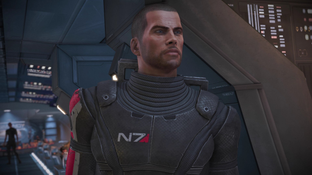
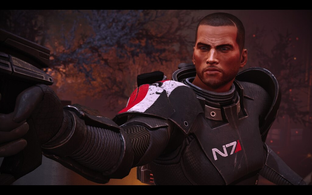
At the same time, Commander Shepard's legacy was to remain an important part of the plot. Players' previous decisions could be mentioned in the new game, although Dantics did not reveal details about the save transfer system or the influence of old choices on events. The ending with the refusal of the proposed choice, he said, would not have a continuation.
The political situation in the galaxy was supposed to resemble a cold war between three factions. Behind the scenes, an unknown enemy manipulated events, gradually drawing the protagonist into a large-scale conspiracy. In addition, the game planned a synthetic faction specializing in building megastructures and creating infrastructure connecting the Milky Way with Andromeda.
One of the main differences of the new game from previous installments would be the protagonist. Instead of another story of Commander Shepard, players were offered to control a customizable male or female N7 operative.
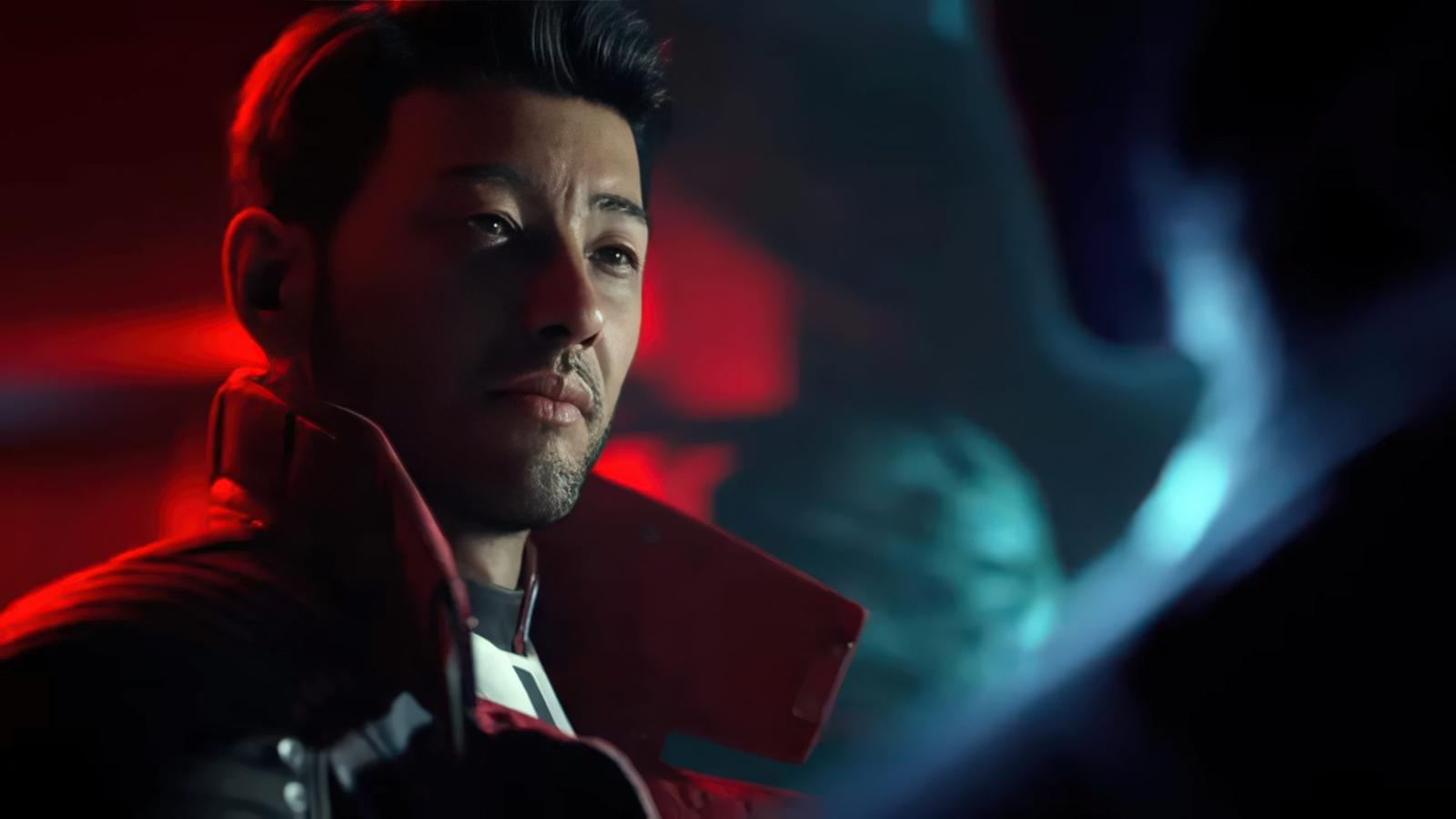
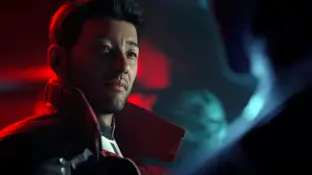
The developers wanted to move away from Shepard's image as a universal fighter capable of dealing with almost any threat by force of arms. The new hero was described by the formula 'James Bond meets John Wick,' emphasizing precision, stealth, and the use of the environment. This also explains the character's line from a previously leaked trailer, in which he states that he no longer serves in the military.
A key feature of the operative was to be experimental technology implanted in his head and interacting unusually with his physiology.
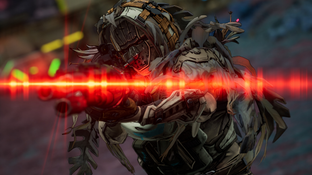
According to Dantics' description, its capabilities resembled hacking from Cyberpunk 2077. The player could see enemies through walls, detect useful environmental elements, and remotely activate objects — for example, cause a pipe behind an enemy to explode.
At the same time, traditional Mass Effect biotic abilities would not disappear. Among them were mentioned a swift biotic dash in the spirit of the 'Vanguard' class and an ability resembling 'Singularity.' The game would combine espionage tools with familiar combat mechanics of the series.
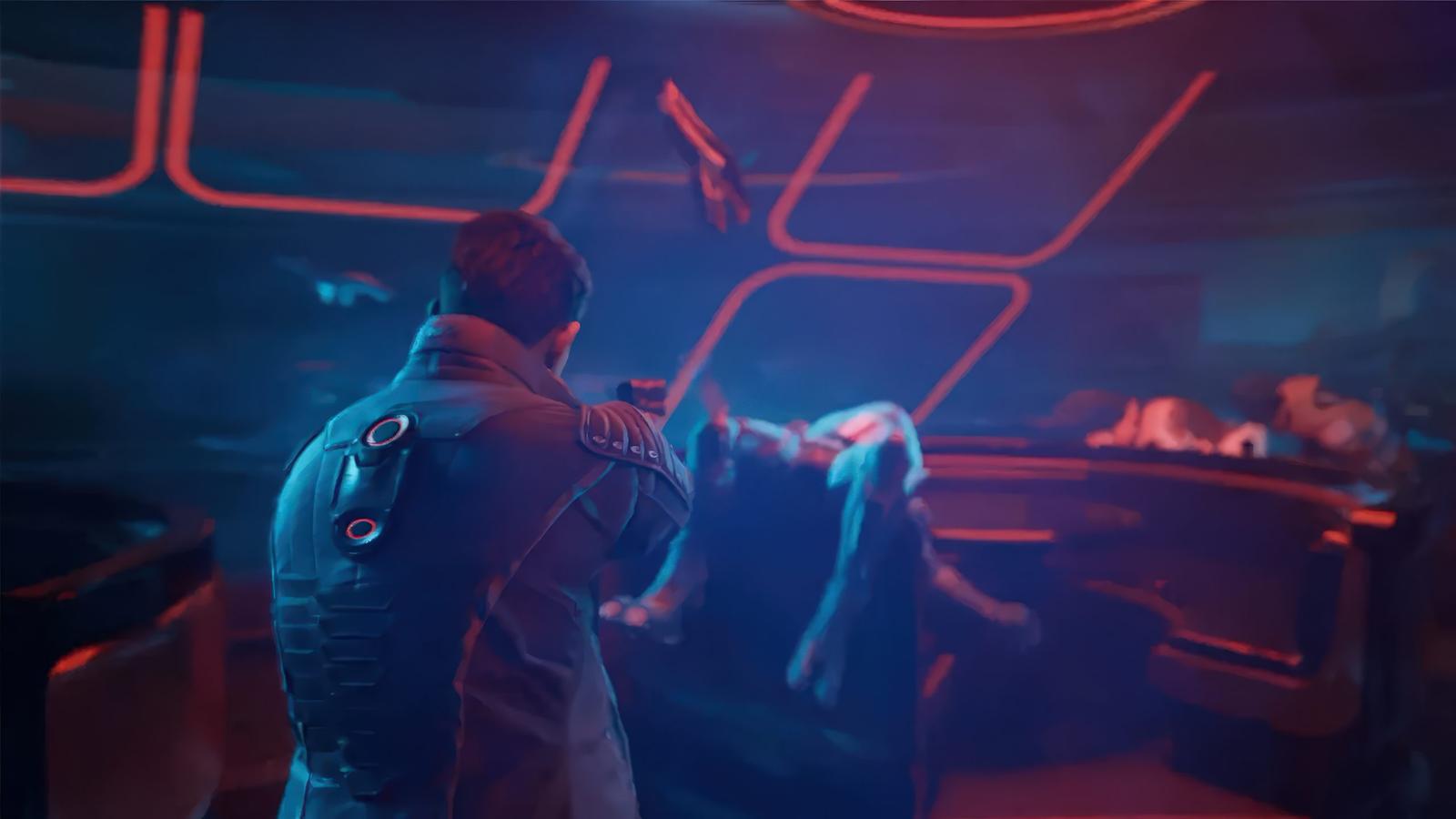
Unlike Mass Effect: Andromeda, the new game, Dantics claims, was not supposed to rely on an open world. Instead, the developers intended to return to handcrafted missions, characteristic of the original trilogy, but provide players with more freedom in completing tasks.
Hitman and the initial part of the Noveria mission from the first Mass Effect were named as benchmarks. The environment was supposed to encourage exploring the surroundings, talking to characters, and finding opportunities before a shootout began. If desired, the player could still prefer a direct confrontation with opponents.
This approach echoes earlier statements by BioWare's cinematic supervisor Tony de Waal. After the studio's closure, he said that the team was inspired by the works of Larian and CD Projekt and aimed to provide players with a new level of autonomy.
Changes also affected interaction with companions. Relationships between them were to include conflicts and rivalry, reminiscent of the dynamics of Jack and Miranda from the original trilogy. The player would have to earn the trust of companions and deal with contradictions between their characters.
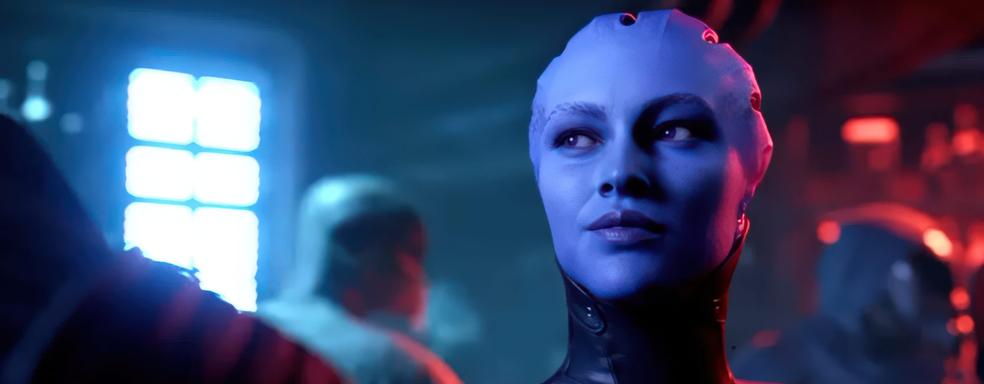
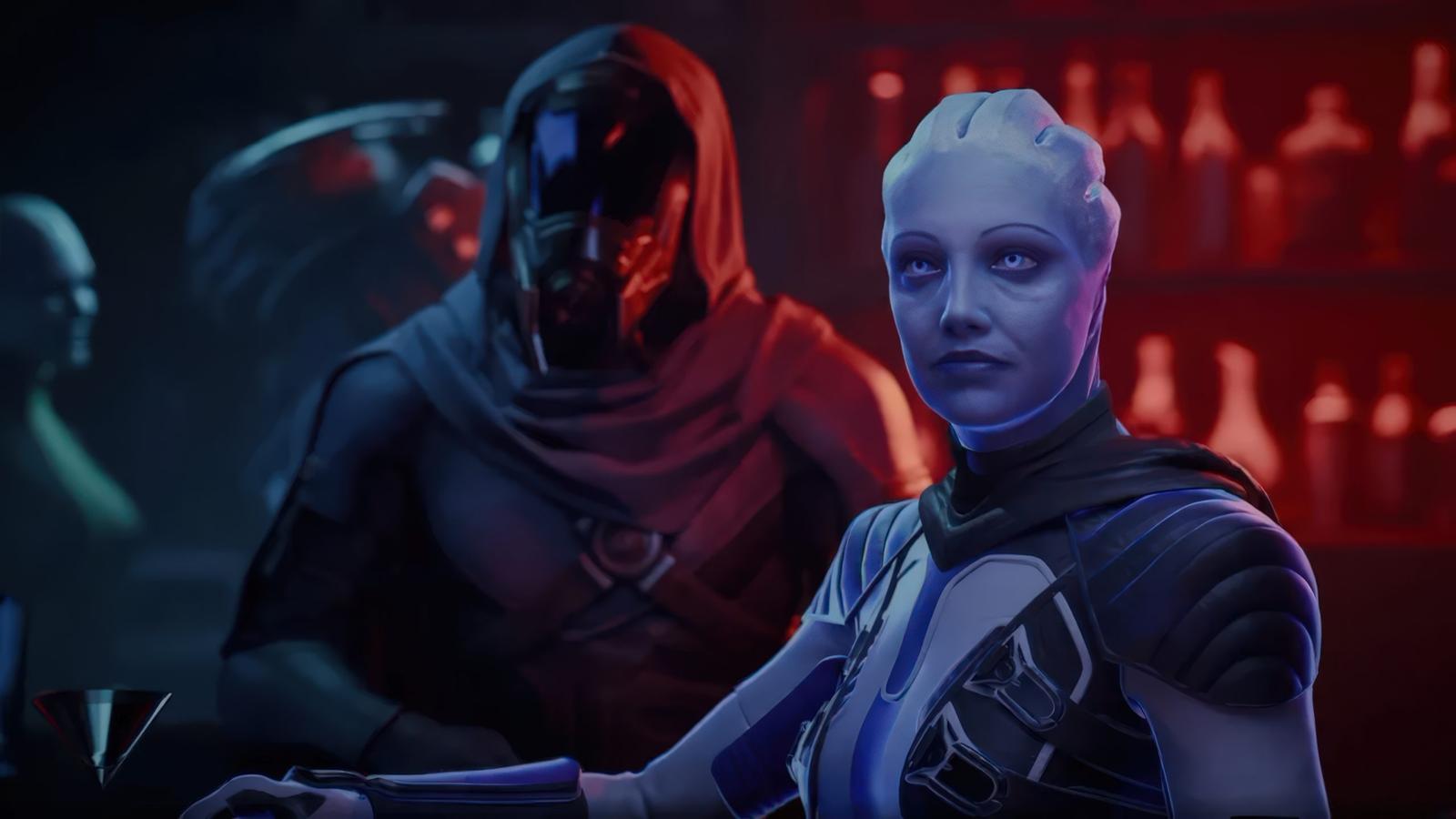
Liara T'Soni was also supposed to return in Universe. She would appear as a matured and significantly more powerful Asari Matriarch. However, it is unknown whether the developers intended to make her a permanent squad member.
According to Dantics, the development of Mass Effect Universe went significantly further than public statements might suggest. He spoke positively about the small team, noting that its members were passionate about the project, which they repeatedly described as a game primarily for fans of the original Mass Effect.
At the same time, some employees of the new Mass Effect team spent significant time helping to complete Dragon Age: The Veilguard. Dantics suggested that without this additional workload, development could have approached completion much earlier, but admitted that he did not have full information about the extent of the team's involvement in Dragon Age's production.
Never miss our newsAdd this site to your preferred sources to see us more oftenAdd on Google