A Galaxy Far, Far Away and Diverse. What is the "Star Wars: Visions" Anthology and is Season 3 Worth Watching?
The final episode of the third season of the animated series "Star Wars: Visions" - a cartoon experiment within the Far, Far Away galaxy - was released on October 29. What is it all about and is it worth watching all three seasons? We delve into the review and tell those who missed it!
I See "Visions"
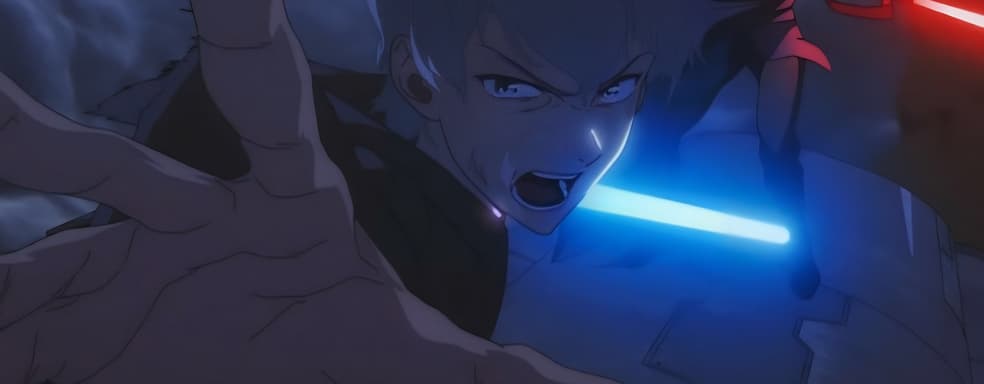
"Star Wars: Visions" is an animated anthology like "Love, Death & Robots" from Netflix: each episode is a separate story, not related to others, and they are created by various studios in different styles. Somewhere we see almost puppet animation, and somewhere - a regular anime episode with the usual drawing style for a particular studio.
Here I want to mention the first episodes of the first and third seasons - "The Duel" and "The Duel: Repayment" - created by Kamikaze Douga studio. These are black and white episodes in the style of classic samurai films, which is perfect for the franchise, given that George Lucas was originally inspired by Japanese culture and Akira Kurosawa's films when creating "Star Wars". Or vice versa, the first episode of the second season - "Sith" from El Guiri Studios - where everything around looks like an artist's canvas and his paints, which symbolize the shades of power.
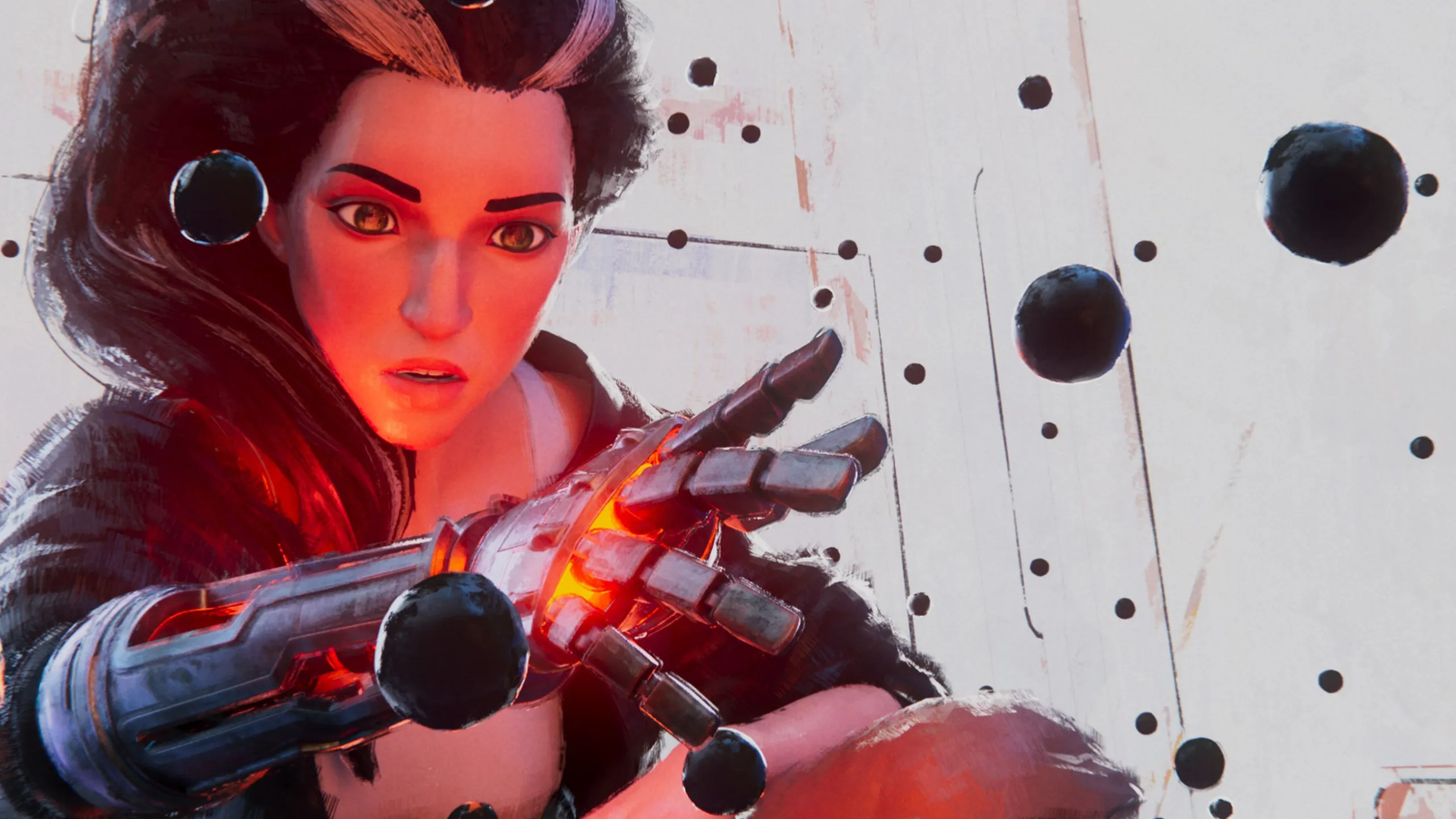
"Visions" is not a canonical work. Disney gave different studios - from small and unknown to famous ones - complete creative freedom, but did not include the events of the series in the official chronology. As a result, we got very different works not only visually, but also in terms of their message. Some episodes do not look like "Star Wars" at all, although they have recognizable attributes, such as the last episode of the second season - "Aau's Song" from Triggerfish studio. You just have to see it, it won't be possible to explain it.
Episodes in "Visions" last on average 15-20 minutes (sometimes a little more, sometimes a little less) and are a small sketch where the authors try to fit their unique idea into a short time frame. There are two problems here:
- the quality of what is shown suffers - due to time constraints, some scenarios lack detail and are very confusing, and sometimes illogical;
- other episodes really lack a sequel - I really want to know what will happen next, but more on that later.
Two Parts
The first two seasons are a pure anthology without repetitions. The episodes here send the viewer to the most different places and time periods of the Far, Far Away galaxy: both in the times of the Old Republic, and in the era of the Empire and even later.
Some episodes, such as the second episode of the first season - "Tatooine Rhapsody" by Studio Colorido - turned out to be very anime-like: here the heroes literally give people on Tatooine hope with their music. Even Jabba the Hutt was inspired and spared the protagonists. Despite the logic of this act - since the main characters can bring Jabba a large profit - it is difficult to imagine that he would have done this in the films!
A lot of episodes - most of them, I would say - are dedicated to the confrontation between the adepts of the Dark and Light sides of the Force: they have unusual weapons, but even stranger principles. Not all of them are Jedi or Sith - and if they are, they do not always look like those we have seen before. It is especially funny to watch how we are shown more and more adepts of one of the sides, acting during the events of the "Original Trilogy" films. It turns out that not all Jedi and Sith were exterminated, despite statements about this - although, I repeat, the events are non-canonical.
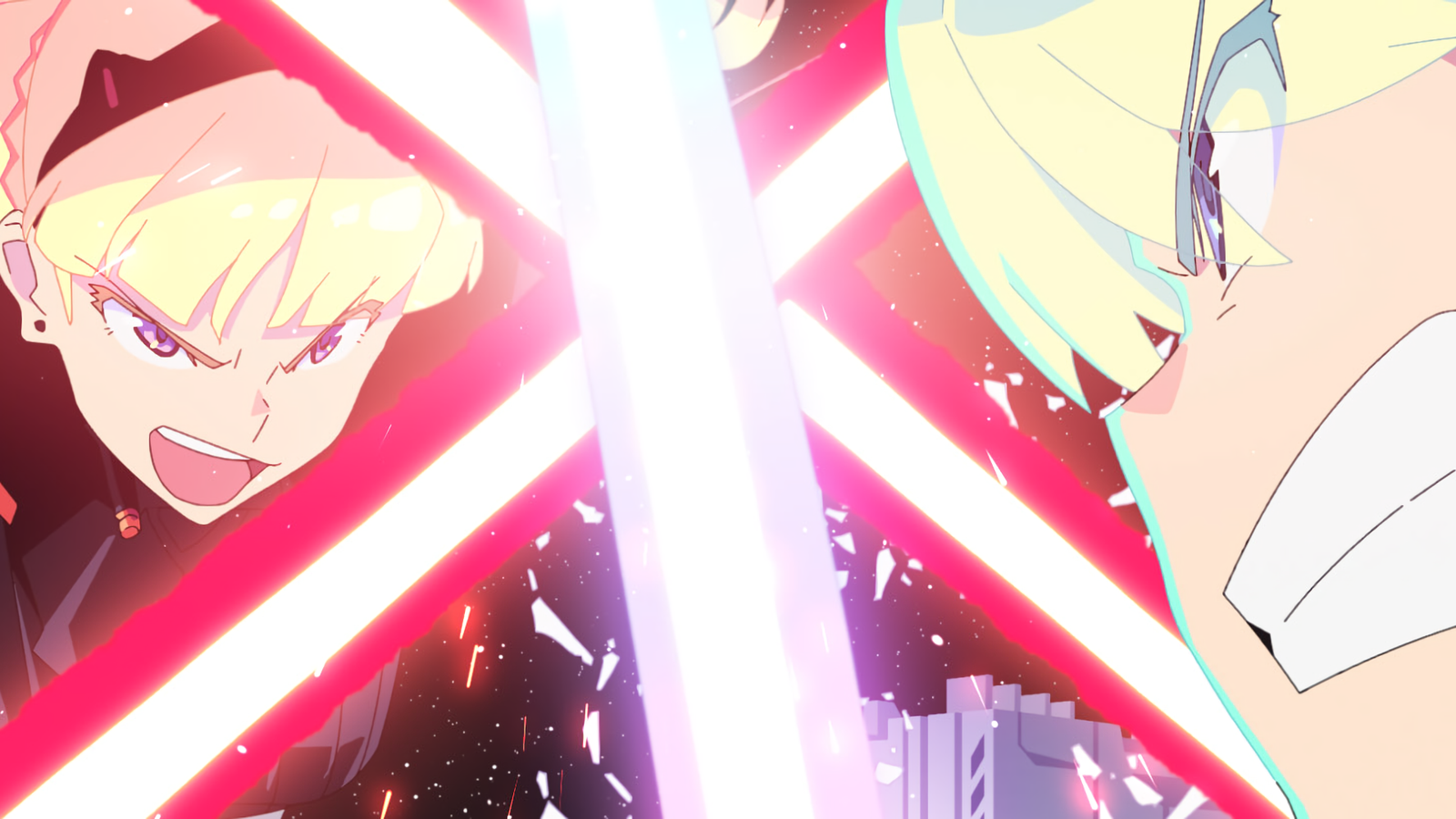
As examples, you can contrast two episodes: the seventh episode of the first season, "The Elder" from Trigger, and the fifth episode of the second season - "Journey to the Dark Head" by Studio Mir. They perfectly demonstrate the difference in the approach of studios and the choice of topics for the battle of Jedi and Sith. In the first case, we got an episode without context - just a clash between adepts of the light and dark sides and their scuffle, while in the second we were shown a small story with well-developed characters.
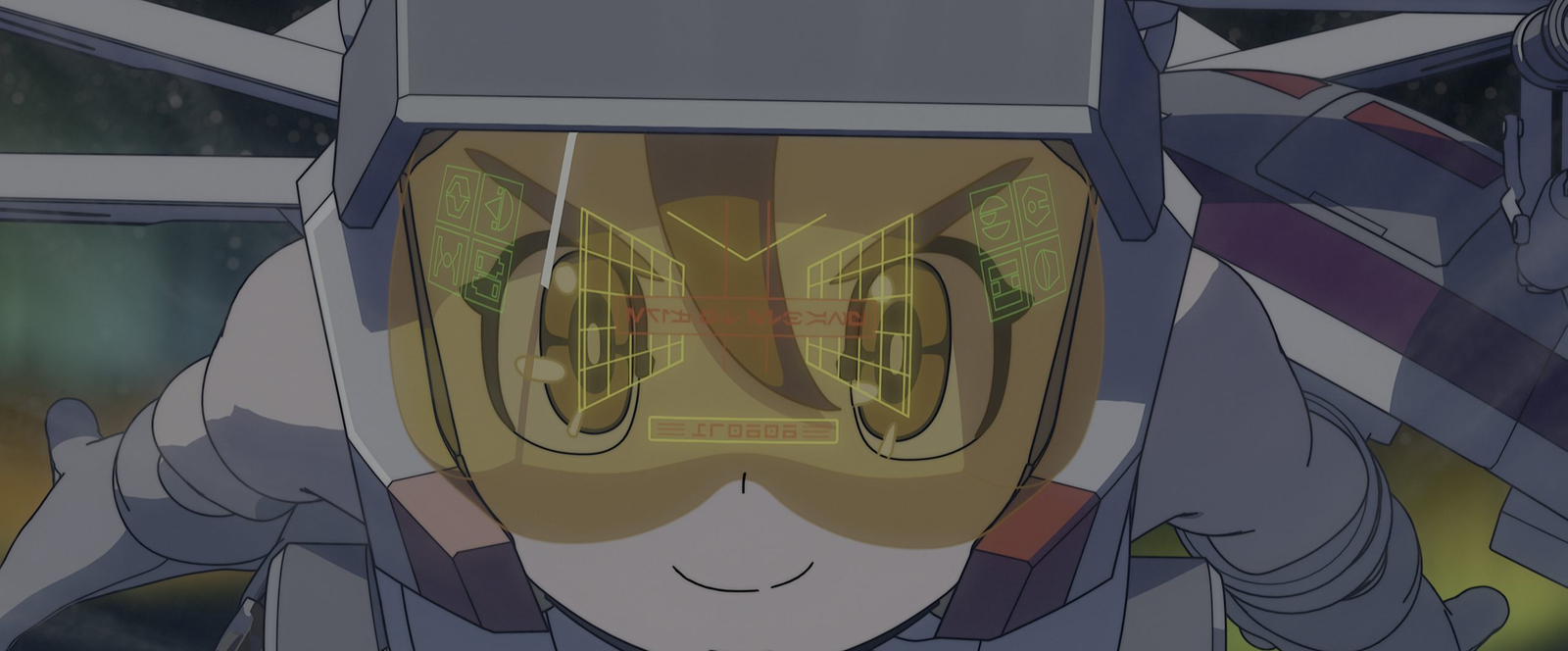
There are also references here. For example, the sixth episode - "T0-B1" again from Science Saru studio - is a big homage to the famous anime "Astro Boy": a Jedi scientist creates a boy-android who is not only able to understand a person, but also masters the Force himself and fights with the dark lord.
The first season turned out to be diverse: there are many stories of various tones here. From those that we have already mentioned to the saga of the fall of the Jedi to the Dark Side, where the protagonist of the episode himself once predicted this - and realized that it is pointless to resist fate.
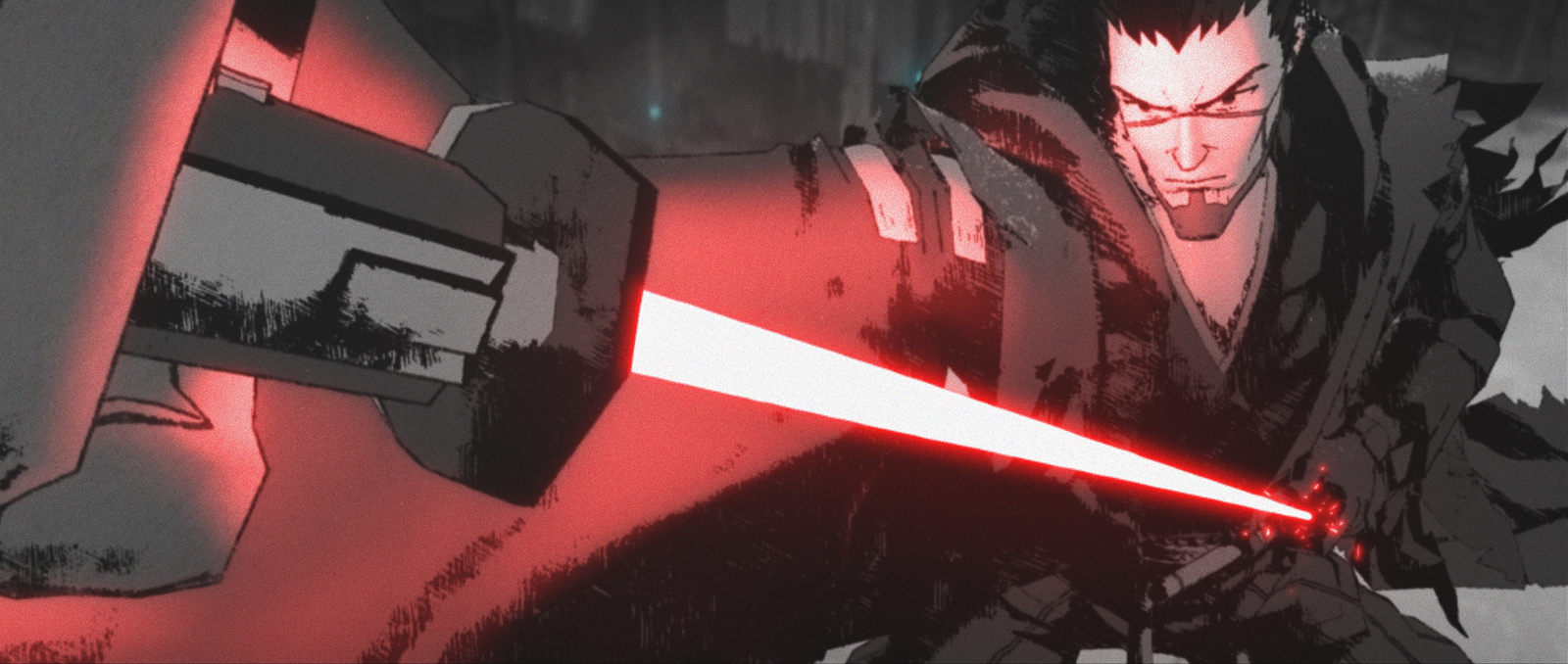
The second season, on the contrary, turned out to be gloomy, which is visible even in its logo. Most of the episodes are either made in dark colors, or show all the cruelty of the world of "Star Wars", where the heroes have to sacrifice themselves to achieve their goal. This is perfectly shown by the third and eighth episodes - "Sith" from Punkrobot Studio and "The Pit" by D'ART Shtajio, respectively. Here we see adult actions of characters who give their lives to fight the Empire, save entire worlds and their inhabitants.
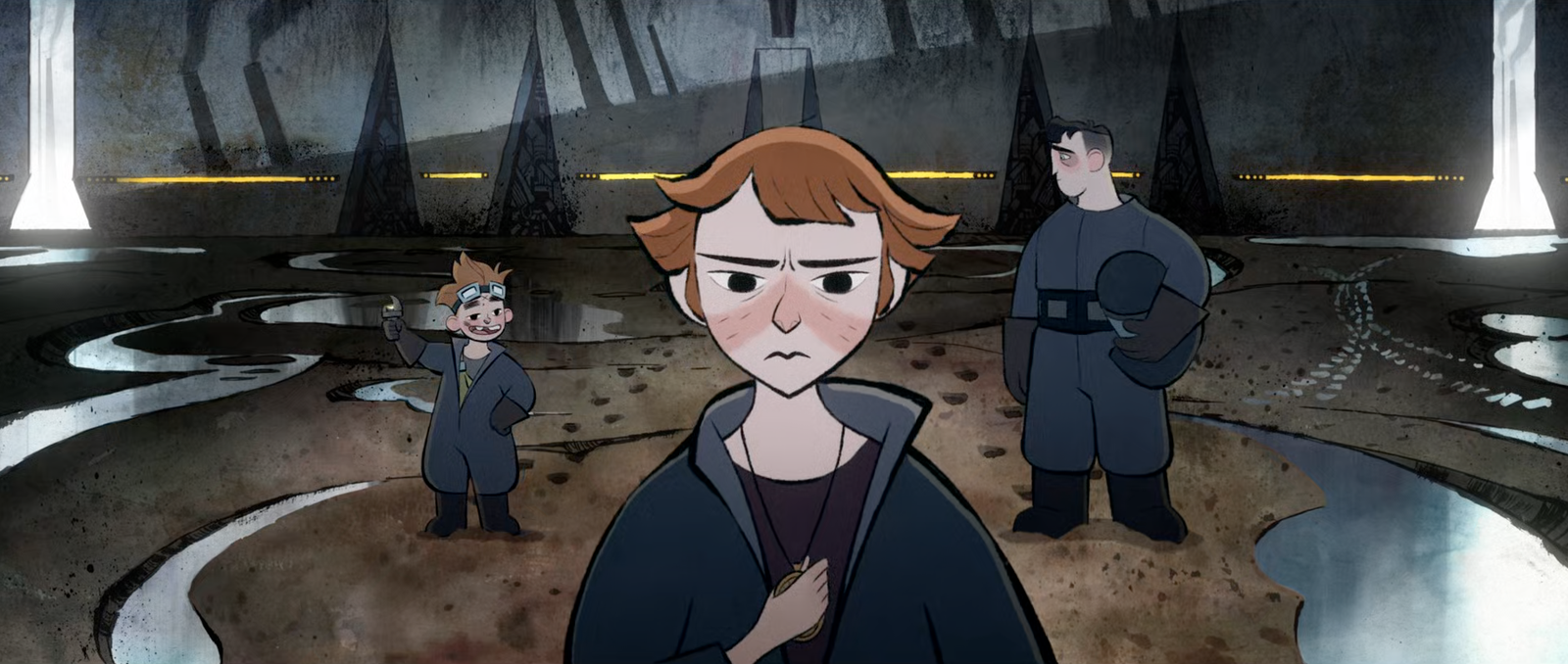
There are a couple of "light" episodes here, but they serve as an interlude to dilute the overall tone: especially the fourth episode called "I Am Your Mother", which was filmed by animators from Aardman. The episode turned out to be simple and slightly silly, but very "cozy" and warm.
The main advantage of Star Wars Vision is that the project gives animators the opportunity to realize their imagination, which goes well with a large galaxy where each world is unique. And therefore the viewer will be satisfied, because such an anthology is an ideal way to reveal the franchise from different sides. We can say that we have official "Legends" - what the old canon became, created by different authors before "Star Wars" was bought by Disney.
Season Three: Not So Unique Anymore?
But the third season is somewhat different from the first two.
It featured continuations of the events of the first season episodes: the first episode continues the events of the first episode, the third - the events of the fifth episode, and the sixth - the fourth.
And these continuations turned out to be controversial. The story of the former Sith, who began hunting other Sith for crystals in their swords, lost some of its atmosphere: here he is not so detached and harsh, but rather a team player, but the most offensive thing is that he is almost not revealed in any way. However, his opponent turned out to be interesting - here the authors decided to arrange a hunt for the hunter, turning their original concept upside down. Even though it turned out predictably.
The continuation of the story from Production I.G studio turned out to be good, but, unfortunately, it is very close to the filler. It turned out to be no more than "a story that happened on the way to the place of the main events", where at the end we see the inscription "to be continued". It's sad, although there are interesting thoughts and even emotional intensity here.
In general, I would like to get a full-fledged project based on this story. It would be interesting to know how the Jedi Order is reborn hundreds or thousands of years after the events of all the films, including the sequel trilogy. After all, the galaxy existed long before the films and will exist much later than them - there is simply endless potential for development here.
The sixth episode - "The Lost" - is an indirect continuation of the fourth episode of the first season: they were created by Kinema Citrus studio, known for example for the anime "Made in Abyss". But besides the common main character, these episodes are almost not connected, although there is enough spirit of "Star Wars" in this episode - almost a classic!
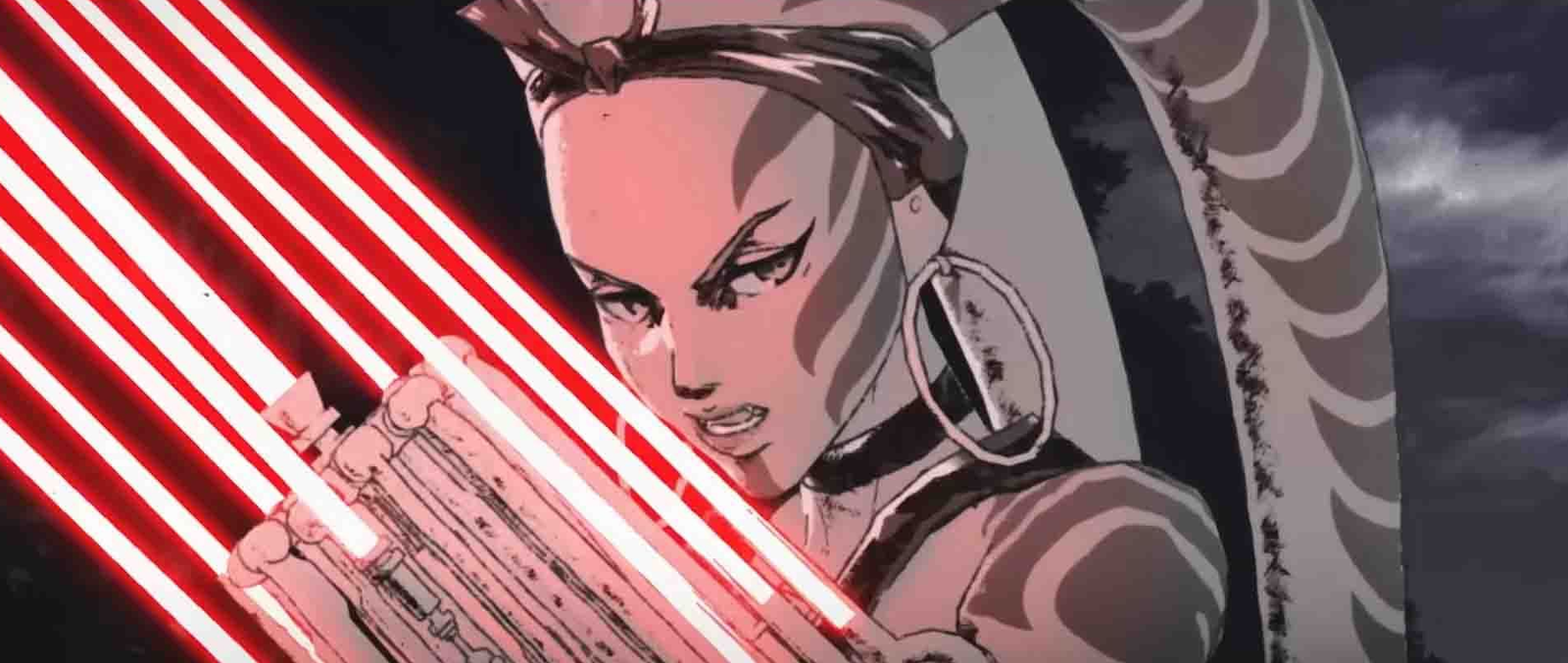
The main complaint about the third season is that the series has become too banal. There are fewer experiments here, all the stories are simple and predictable - especially the fourth and seventh episodes: "The Pit" from Wit Studio and "The Elder" again by Trigger studio, respectively. It is easy to understand what will happen next and who is who here: especially the prince's assistant in "The Elder". But despite the predictability, the episodes are very soulful - they captured and conveyed the spirit of "Star Wars" well.
I will note the eighth episode - "The Village Bride" from Polygon Pictures studio, - which shows the battle and its consequences from the face of a young Jedi. How she fights with the fear inside herself and accepts it, after which she begins to believe in the Force, as her teacher bequeathed. In combination with colorful drawing, it looks exciting and even with a touch of philosophy - although familiar to the franchise.
The exception was the ninth episode - "Akakiri", authored by David Productions studio. This is a real art house: the episode lasts 13 minutes, during which not a single word was said, and the visual range turned out to be so psychedelic that it resembles a story about some Scandinavian spirits or another mythologeme.
The second episode - "Tatooine Rhapsody" from Project Studio Q - reminded me at the same time of both the anime "Sailor Moon" and "Transformers": the scene of the heroine's transformation turned out to be very peculiar. However, there are references to some moments from the original trilogy, so not everything is so clear.
Diagnosis
"Star Wars: Visions" is an entertaining fantasy. And often its episodes are fascinating, expanding the usual idea of what the Far, Far Away galaxy could be like if Disney were not so focused on the confrontation between the Rebels and the Empire.
If you want to take a fresh look at the franchise that has been established over decades, then Star Wars Visions was created for this. But there are two nuances: due to the limited timing of the episodes, many stories do not have time to fully unfold, they lack details and logic suffers. The same continuations that did appear did not particularly impress: they are good, but do not move the overall idea forward.
However, each episode is primarily animation with its own peculiar spirit. There are people who do not like this and if you are one of them - you should be prepared for this.
Never miss our newsAdd this site to your preferred sources to see us more oftenAdd on Google