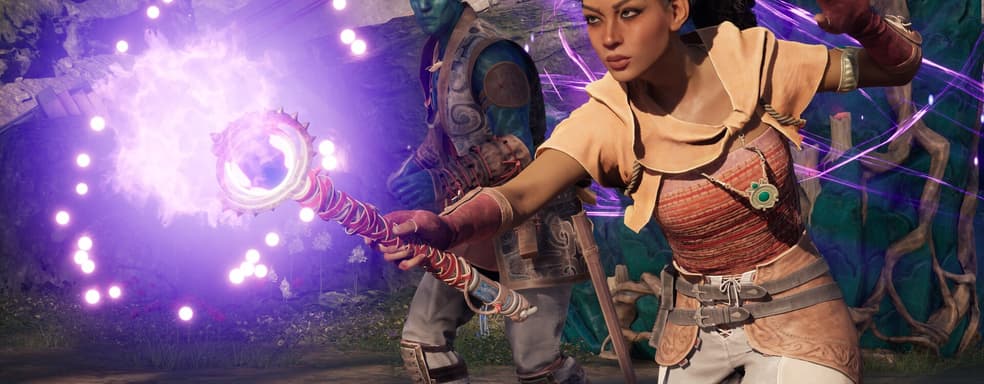
A role-playing game with freedom in everything? Avowed preview
Translated with AI from the Russian original.
Avowed, the new game from Obsidian Entertainment published by Microsoft, is scheduled for release on February 18, 2025. The developers recently provided access to a preview version of the game featuring a substantial portion of the opening zone. This overview gathers all the available information on Avowed.
Plot
The events unfold in the world of Eora — the very same setting where the events of the Pillars of Eternity games take place.
We play as a representative of the Godlike race. Even before birth, the protagonist was touched by one of the gods, which resulted in unique facial markings and special powers. By the time of the events of Avowed, people have begun to lose faith in the gods. Consequently, many characters will meet the protagonist with suspicion or outright hostility.
The plot centers on two objectives: tracking down and identifying the deity that bestowed powers upon the hero, and investigating the origin of the plague corrupting the souls of colonists on the island of the Living Lands.
General overview
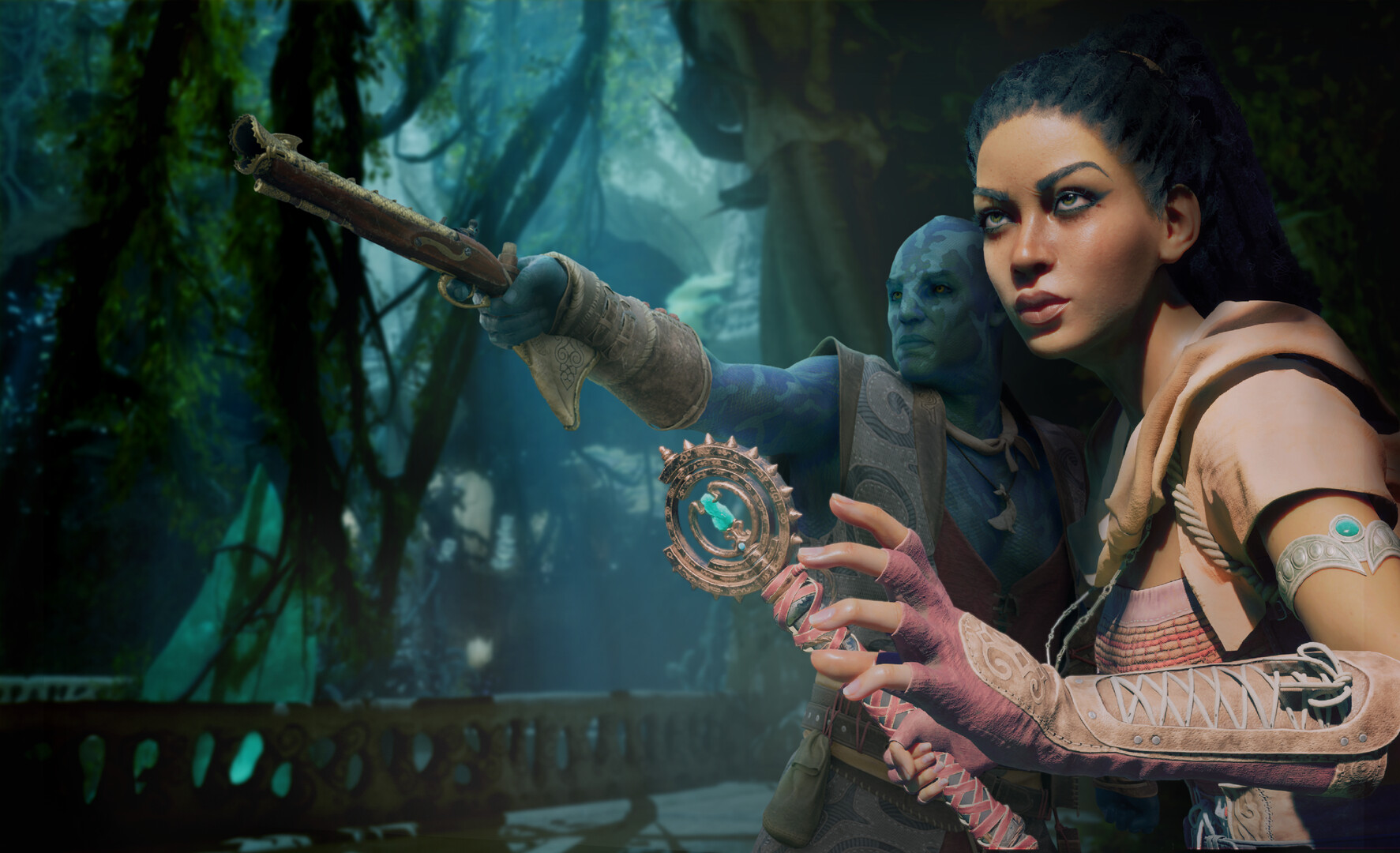
Avowed is a first-person fantasy RPG with the option to switch to a third-person perspective. However, unlike games in The Elder Scrolls series, switching between perspectives is only accessible via the settings menu, which can be cumbersome. It appears the project was originally built for a first-person perspective: visuals look better in this mode, animations are smoother and more realistic, and performance is more consistent.
The game offers ample opportunity for role-playing. You can become a good-natured diplomat or a ruthless villain who executes characters or ignores their requests. Many quests feature multiple outcomes that influence future developments. For instance, during one mission, the protagonist hears a mysterious voice. You can comply with its demands or resist. If you resist, the voice becomes infuriated and promises retribution.
The game places a strong emphasis on characters, dialogues, and dialogue choices. Every NPC has a distinct speaking style that mirrors their personality and social standing. As content creator Skill Up observed: “They are well-voiced and give the impression that you are talking to real people, not just merchants or other NPCs.”
Conversations are well-crafted and feel authentic. Characters swear, make jokes, and react appropriately when the player behaves out of line. Consistent with Obsidian’s heritage, the journey requires making pivotal decisions: choosing factions, resolving character fates, offering aid, or inciting conflict.
Obsidian’s trademark humor is less prevalent in Avowed than in titles like The Outer Worlds, but it feels more grounded. For example, your first companion Kai occasionally chips in with sarcastic remarks:
— Brentis: We have a problem, fine. But I have a solution hidden in my sheath!
— Kai: Unless you’re hearing that from a handsome stranger in a bathhouse — words like that usually lead to trouble.
You are accompanied by four companions throughout the campaign, two of whom can be active in your party at any given time:
- Kai, an Aumaua male;
- Giatta, an Animancer female;
- Yatzli, an Orlan wizard;
- Marius, a dwarf ranger.
There is no approval or romance system. Instead, every companion features a deep personal storyline, the development of which shapes your dynamic with them.
The game world
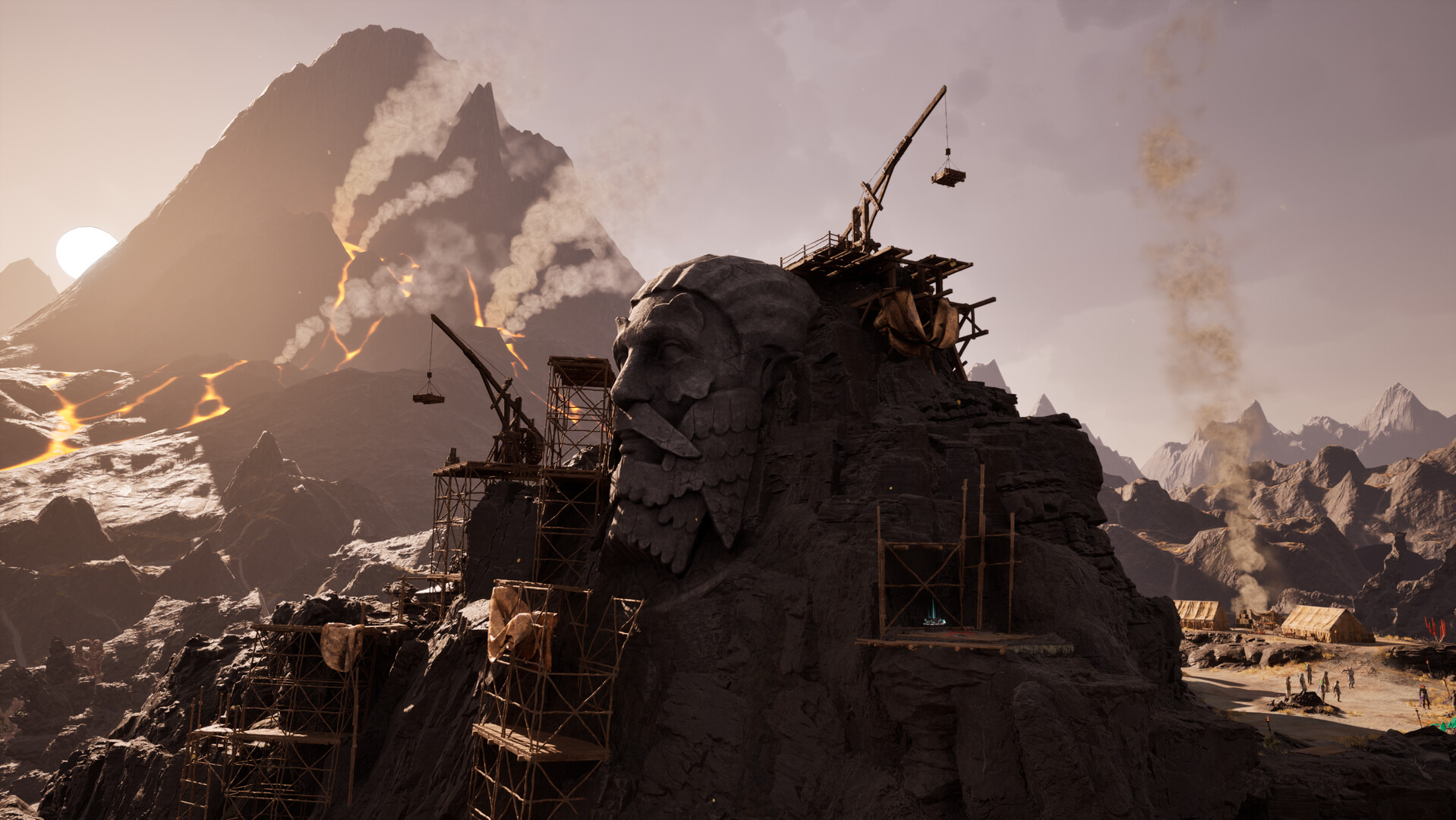
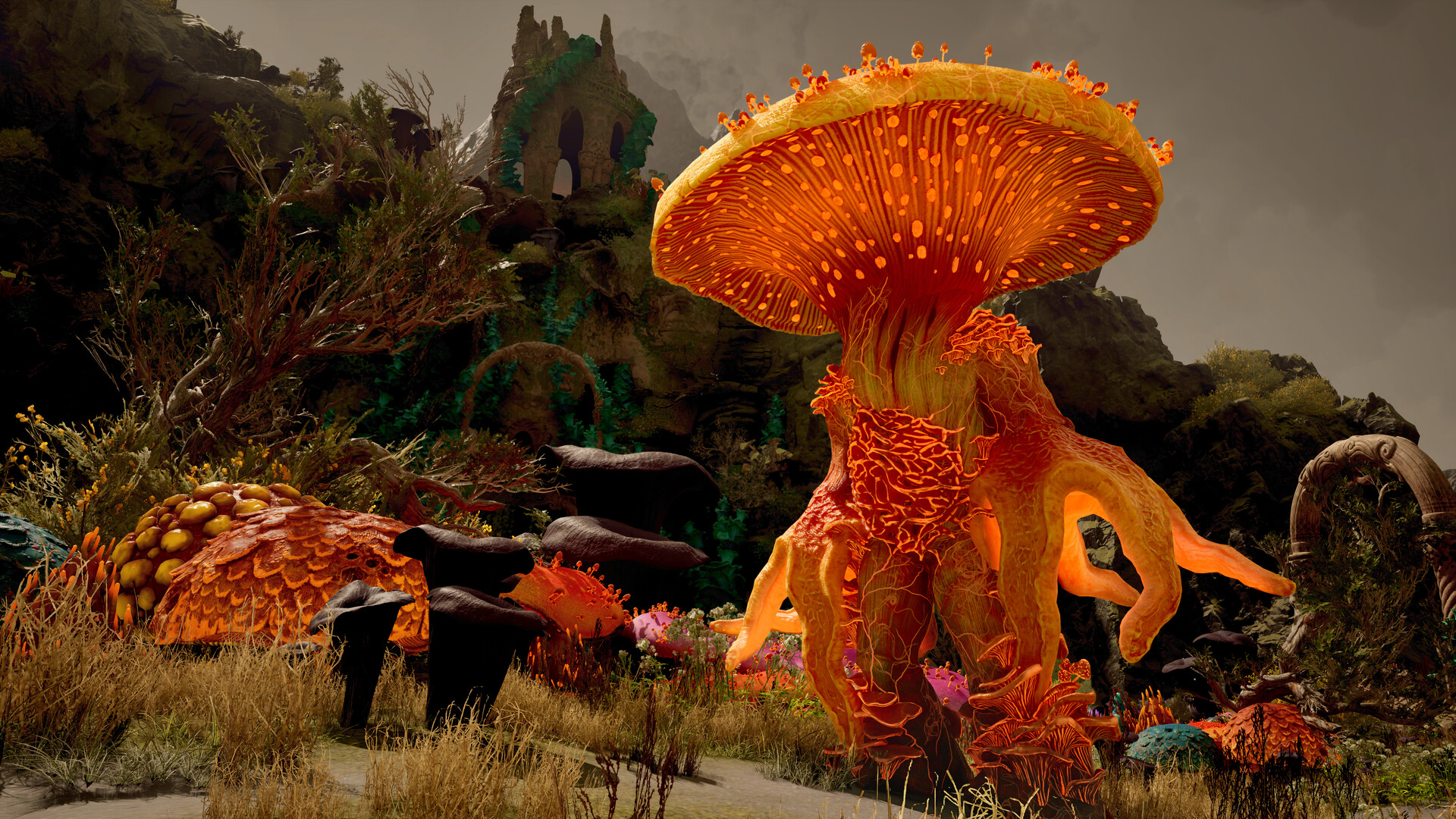
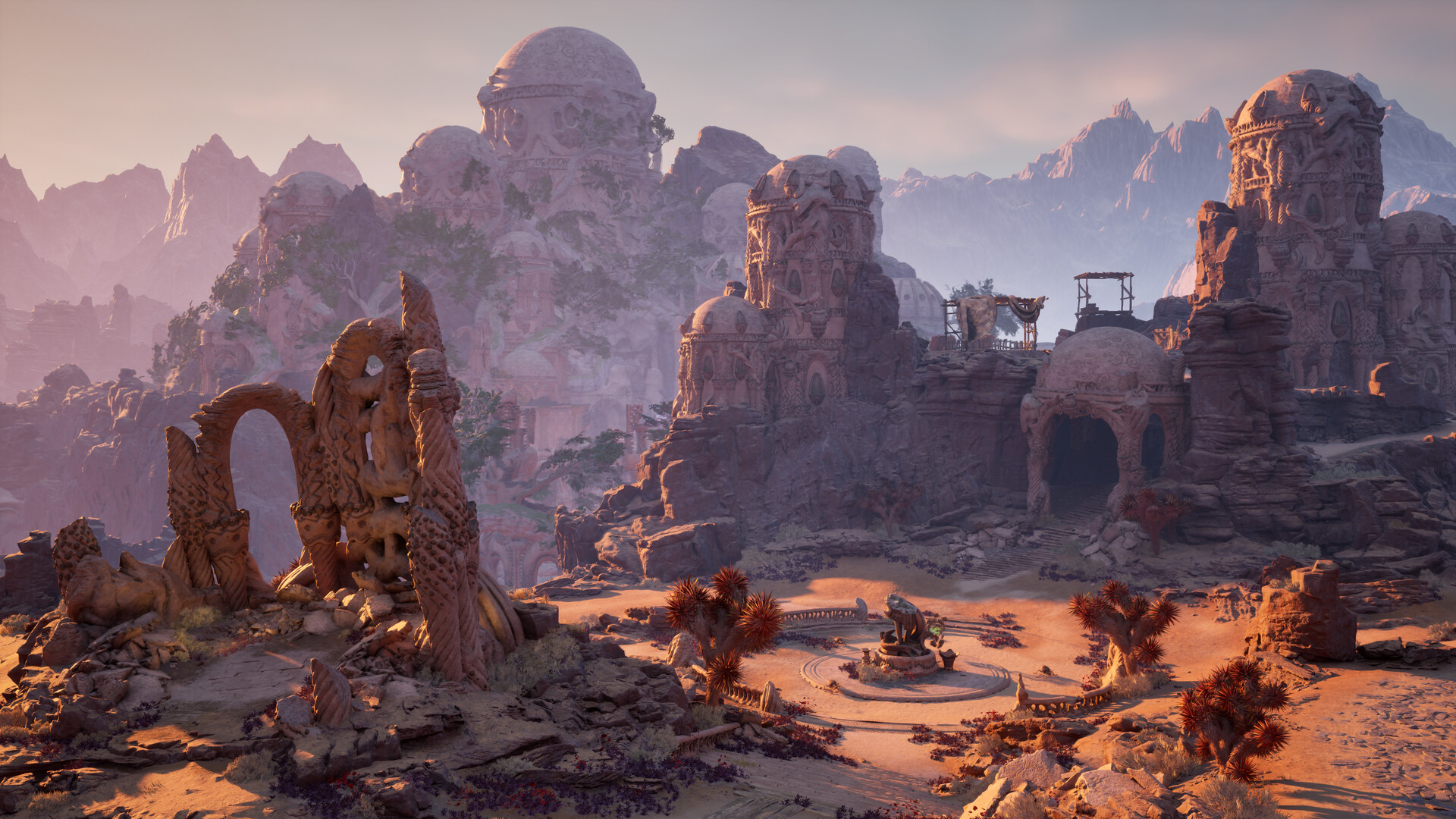
Avowed is not an open-world title, featuring instead several large locations densely packed with content: treasures and treasure maps, lore notes, puzzles, secret passages, dungeons, enemies, and bosses.
The environment persistently prompts exploration by hinting at concealed secrets. Completing a full sweep of the first available region can take 15–20 hours or longer. Furthermore, a substantial section of that zone was locked off in the preview build.
The zones in Avowed exhibit remarkable environmental interactivity. For instance, you can demolish a damaged fortress wall to breach it from a poorly defended flank, or employ special powers to solve problems: freeze a grate to shatter it, incinerate spiderwebs with fire, or freeze water surfaces to establish footings. Platforming features such as jumping, swimming, and basic parkour are supported as well.
However, not every system demonstrates equivalent polish. Interactive items are highlighted visually or produce distinct audio cues, and companions frequently volunteer hints, potentially breaking immersion. Furthermore, stretches of empty terrain lie between major points of interest where little occurs. A systemic living world simulation in the traditional sense is absent.
The game implements a campsite mechanic. At camp, players can converse with party members, upgrade gear, prepare food, manage resources, and attend to other preparatory needs. The setup strongly mirrors camp hubs found in Dragon Age: Origins or Baldur’s Gate 3, with the distinction that these rest spots exist directly on the zone map rather than in separate instances.
Combat system
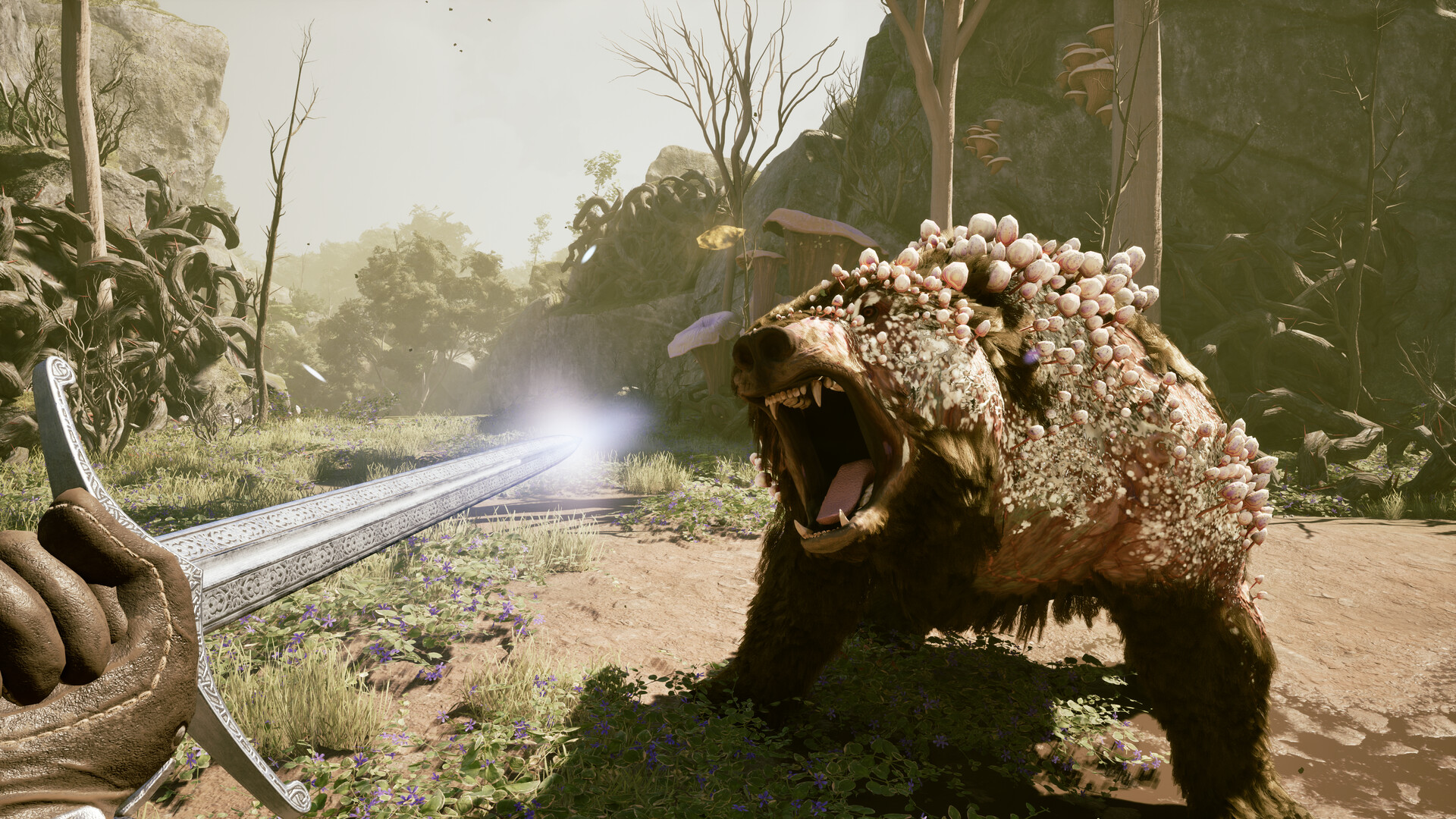
Combat in Avowed is versatile and fast-paced, accommodating an assortment of mixed playstyles. Stamina management demands tactical precision: dodging, parrying, and depleting enemy stagger gauges to trigger devastating blows.
Unique capabilities and spells require building up the “Essence” meter. It can be replenished via potions or gathered from defeated adversaries.
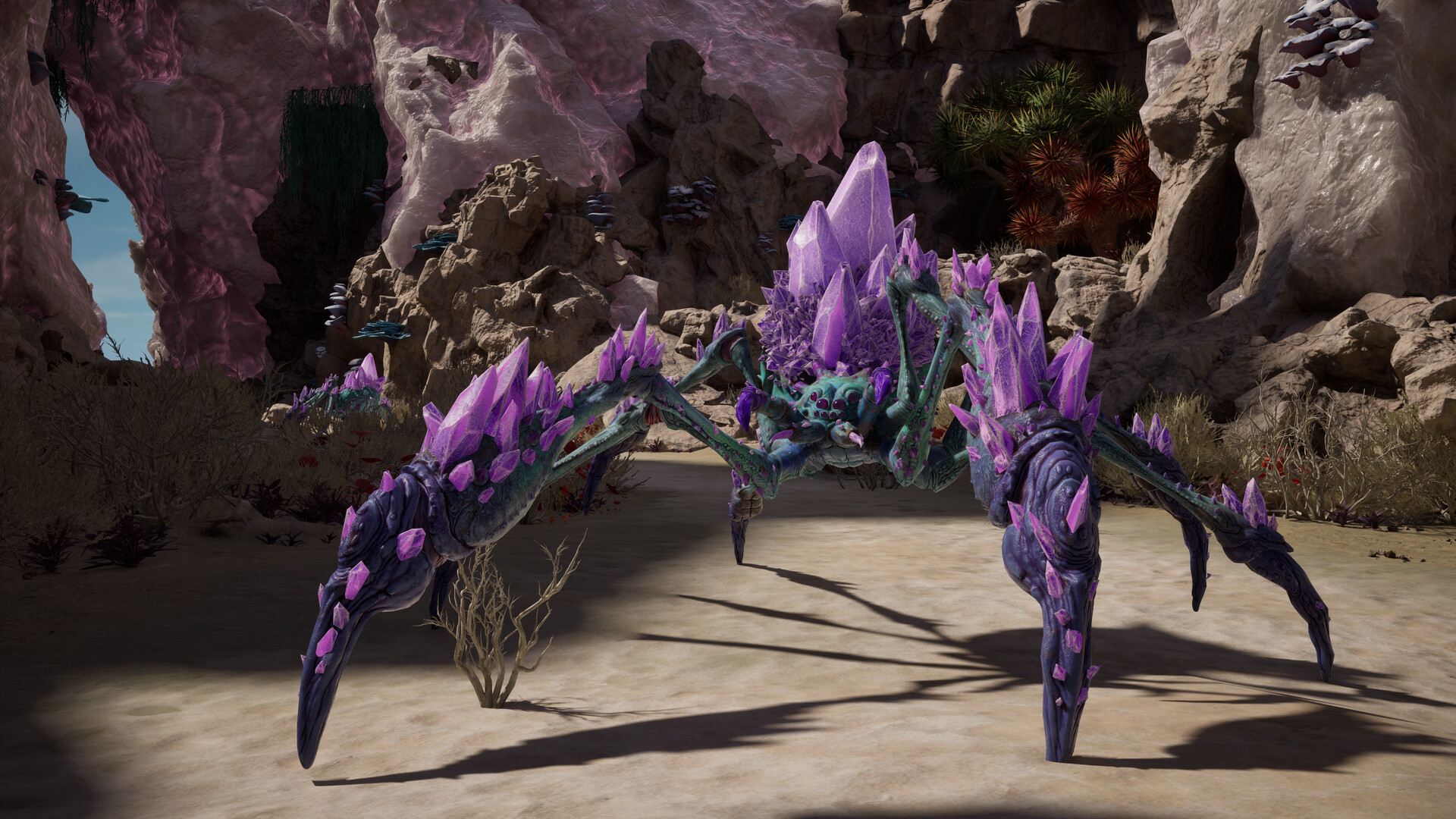
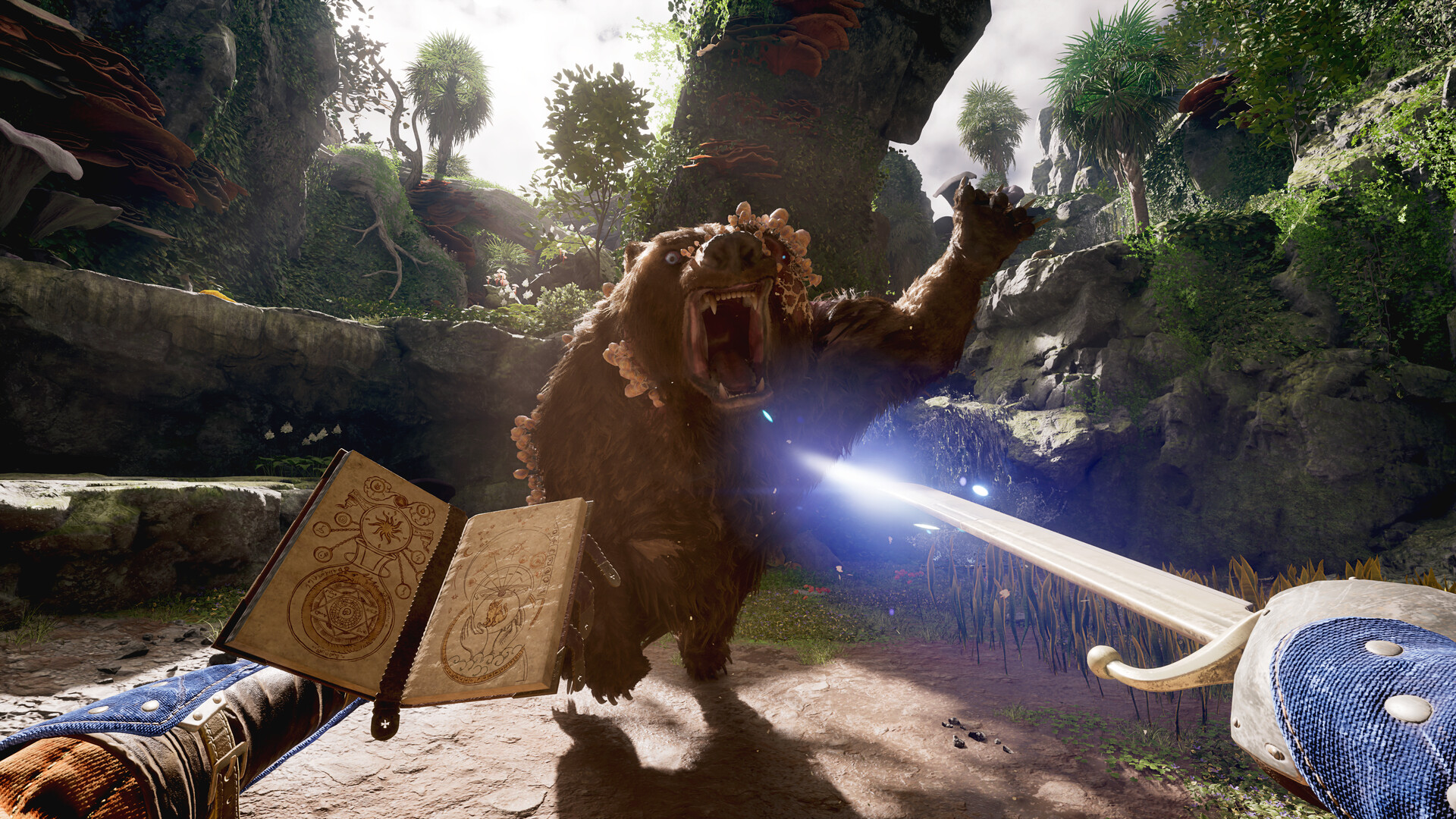
The enemy roster is broad: ranging from bears and spiders to specters, ogres, and skeletons. Prevailing against different foe types requires adapting your tactical approach.
Armaments fall into several classifications:
- Magic: spell grimoires and wands.
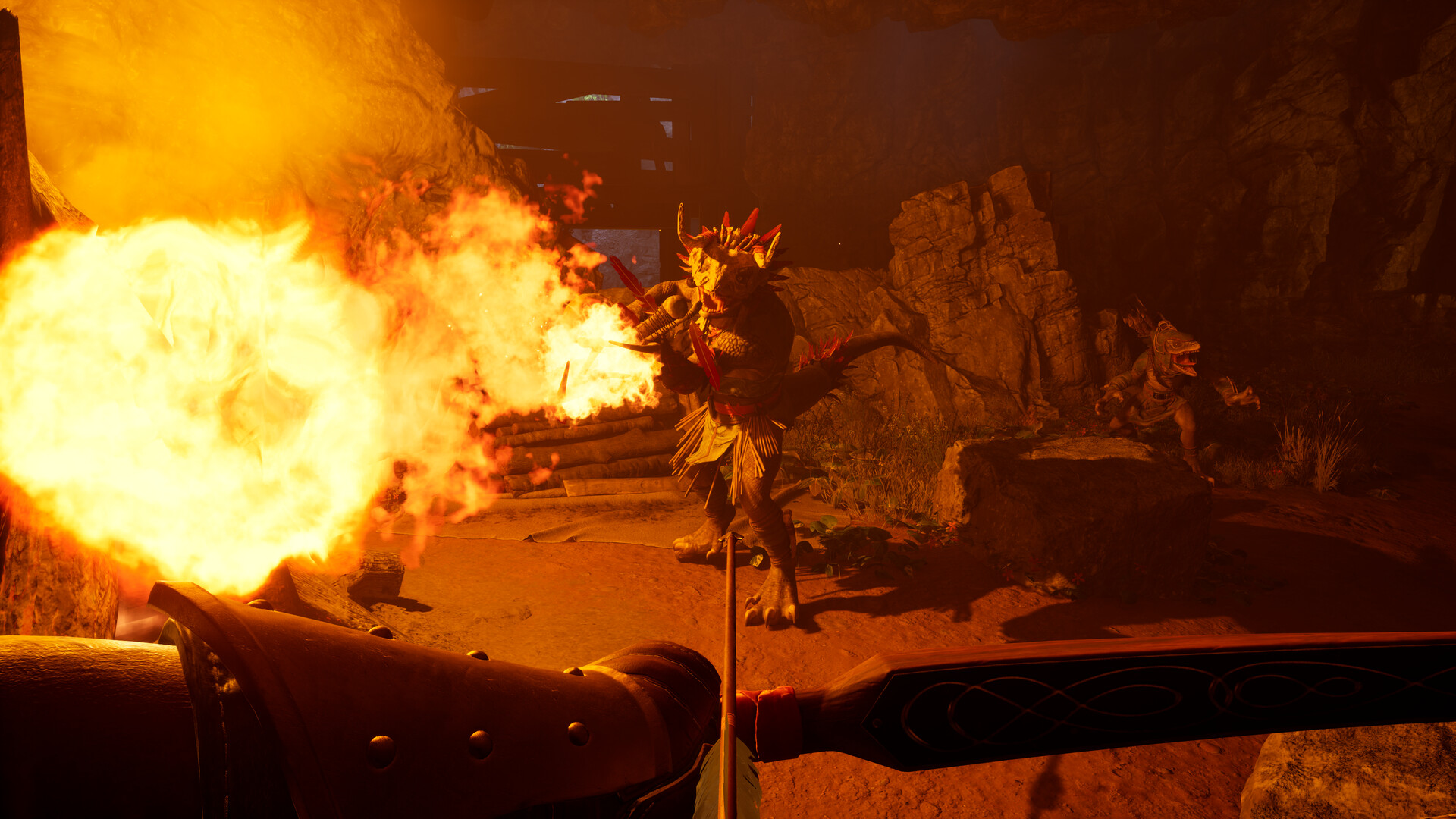
- Ranged: bows, pistols, and muskets.
- Melee: spears, swords, axes, and more.
Any weapon pairing is viable. You can wield a pistol in one hand while wielding a sword or wand in the other. Players can also set up two gear loadouts ahead of time and alternate between them seamlessly mid-skirmish.
The game avoids rigid class selection. Instead, the protagonist selects a background that dictates initial attributes.
Stealth mechanics are included in Avowed, yet they feel basic. Getting meaningful utility out of stealth requires skill investment. Even with upgrades, stealth comes across as an ancillary feature rather than an integrated core system.
Progression system
Progression in Avowed adheres to traditional RPG conventions. Each level-up yields attribute points that can be allocated across six categories:
- Might
- Constitution
- Dexterity
- Perception
- Intellect
- Resolve
Certain equipment items also modify attributes. Gear can be upgraded to enhance rarity tiers and apply enchantments.
Each level awards ability points to spend across five skill trees:
- Fighter — dedicated to close-quarters combat;
- Ranger — handles marksmanship and stealth;
- Wizard — specializes in arcane magic;
- Godlike abilities — unlocked by progressing through the main narrative, functioning independently of other trees;
- Companions — perks boosting allied party members.
Every tree offers active and passive abilities that can be ranked up across multiple tiers. For instance, the “Second Wind” perk allows you to survive a lethal attack and regenerate nearly all health, though balanced by a lengthy cooldown.
Party members do not always perform well in combat, likely due to artificial intelligence limitations. Direct control over them is unavailable, though you can issue basic commands. Even with commands, their battlefield impact remains limited.
Analysis
At this stage, Avowed’s greatest asset is agency: across exploration, fighting, and decision-making. The player enjoys complete liberty to wander, battle, and negotiate at their own discretion — all set within a tight, content-rich map uncluttered by endless map markers.
Multiple critics claim Avowed lacks an inventive hook, dismissing it as a textbook RPG formula. Yet isn’t offering comprehensive freedom across all aspects of play — precisely what Obsidian’s newest title targets — the ultimate goal of any RPG? Very few genre contenders accomplish this comprehensively; constraints typically linger in combat, dialogue, or exploration.
If Avowed can sustain the standard set during its prologue through to the end credits, it will stand out as a near-ideal archetype of the genre — even without introducing drastically novel mechanics.
***
All assets belong to Obsidian Entertainment and Xbox Game Studios, Source: Steam
Never miss our newsAdd this site to your preferred sources to see us more oftenAdd on Google