26 years ago, Gabe Newell spoke about the development of Half-Life and revealed the source of inspiration - an archived interview found
Recently, blogger Tyler McVicker, well-known to many Half-Life fans, published a new video. This time, it's not about new "insights related to Episode Three," but about his discovery. According to Tyler, he accidentally found a book called Game Design: Secrets of the Sages in a store.
This book, Tyler explains, is essentially a collection of interviews with almost all significant figures in the 1999 gaming industry. It also includes a conversation with the head of Valve.
In those years, Gabe Newell spoke about the development approach, as well as the source of inspiration for Half-Life. Before starting work on this game, he read a lot of Stephen King's works. In particular, he was attracted by "The Mist":
The main aspect of the story that really hooked me was the sense of an ordinary world spiraling out of control: for example, a monster in a grocery store. There were elements of science fiction mixed with horror, which I really liked. Overall, the main character struggled with the realization that he had to be the one to act in the situation. And the people who should have been on his side turned against him. Even though terrible things were happening, the outlines of the catastrophe remained unclear for a long time.

Gabe wanted to make players feel that they were not "the deadliest creature in the universe":
Given my feelings about playing DOOM, it seemed possible to immerse the player in a similar intense, frightening action experience. I wanted to move away from the idea of a shooter where the player is the deadliest creature in the universe, who just runs around and kills everything.
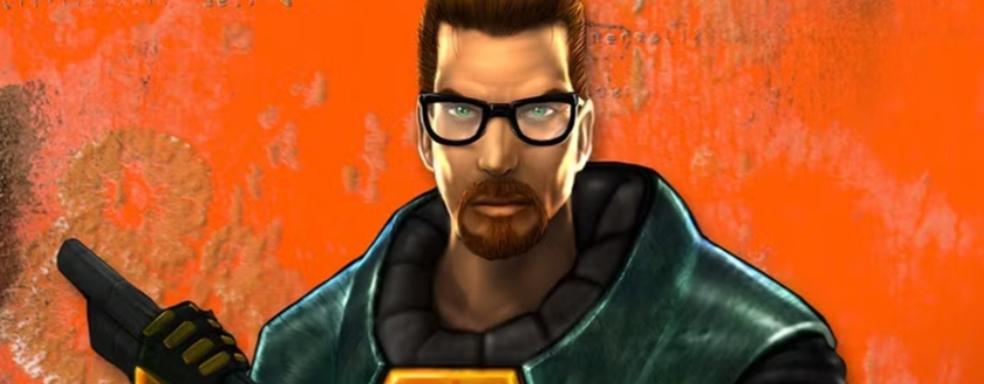
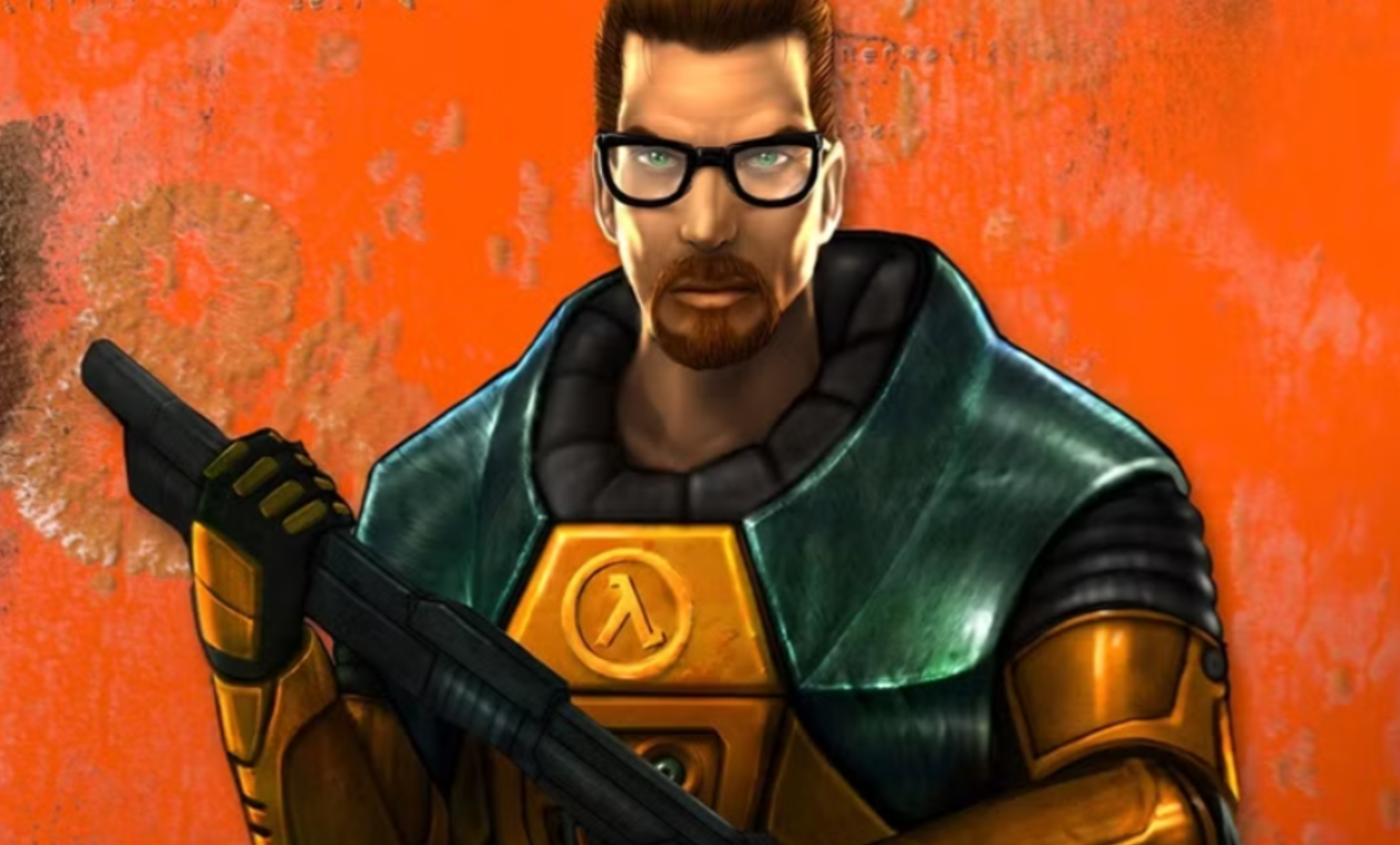
When creating the main character, the Half-Life authors aimed to avoid interrupting the player's immersion, for example, they did not use cutscenes:
The image of Gordon Freeman was made as transparent as possible for the player: no voice-over, third-person camera, or mirrors. We tried never to pull the player out of the game with cutscenes, voice-over text, or even Easter eggs or other overtly authorial techniques.
The other characters, Gabe explained, the developers made "likable and useful," and then "did terrible things to them" — this way they wanted to make the player feel loss and the sense that the world was truly dangerous.
A lot of ambiguity was intentionally left in the Half-Life story so that "the player could 'fill it in' as they wished, based on their own experience."
Never miss our newsAdd this site to your preferred sources to see us more oftenAdd on Google