Where No Man Has Gone Before. A Review of Star Trek: Strange New Worlds
Translated with AI from the Russian original.
The final episode of the third season of Star Trek: Strange New Worlds was released on September 11. The project has been well-received by both old Star Trek fans and newcomers. Why is Strange New Worlds the best Star Trek in the last 20 years, what are its strengths and weaknesses, and is everything really as good as it seems? Let's find out in our review!
The Star Trek franchise can be safely called a classic of science fiction. The original series aired from 1966 to 1969 and laid the foundation for many modern tropes of the genre: interstellar travel, space exploration, moral dilemmas, diversity of cultures, species, and so on. Therefore, you need to look a little into the past to understand the value of the present.
The Contrast of Past Science Fiction
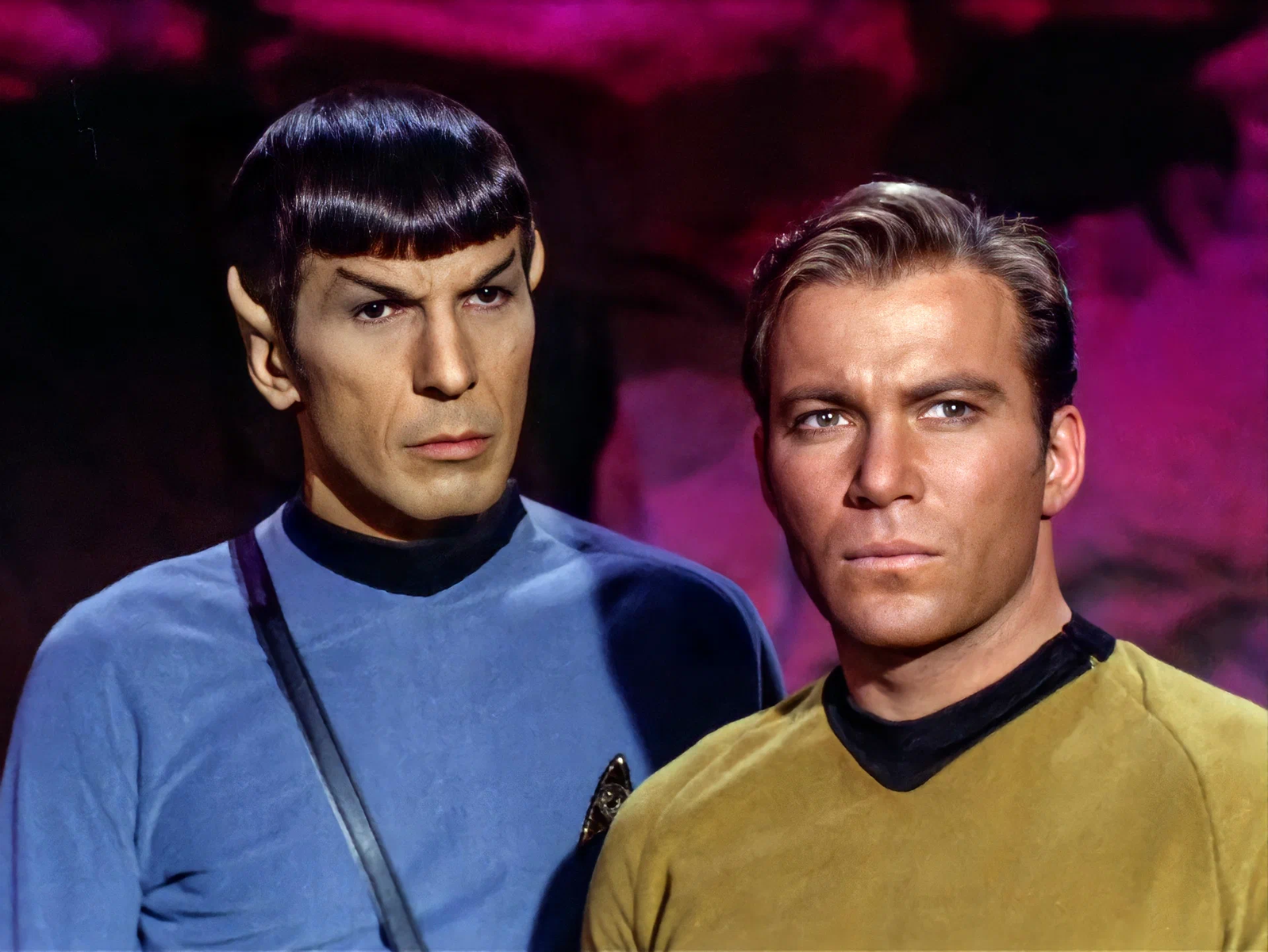
The creator of the project, screenwriter Gene Roddenberry, was a dreamer and in many ways ahead of his time. For the 1960s, the original Star Trek was very progressive: both in terms of relationships between characters and even a certain "agenda" - the series showed one of the first interracial kisses on American television - and in terms of technology - the plot takes place in the 23rd century and the characters constantly use various gadgets that strongly resemble ours in appearance, although their image was invented back in the 60s: a communicator in the form of a clamshell mobile phone, computers and tablets with touch and voice control, and much more. Despite the heavily outdated graphics, Star Trek: The Original Series looks good even today - all thanks to Roddenberry's innovative ideas.
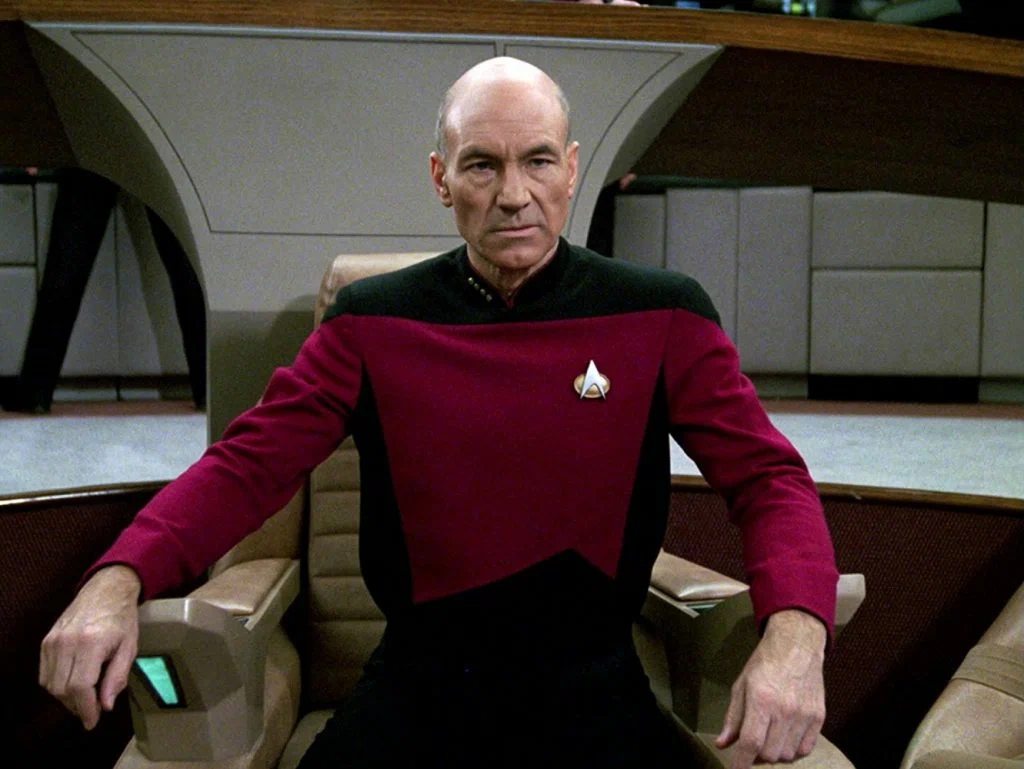
The real heyday of Star Trek happened 20 years later - in the 1980s and 90s. Then many feature films were released, and three large projects were immediately shown on TV, which today are considered cult: the series Star Trek: The Next Generation, Star Trek: Deep Space 9 and Star Trek: Voyager. Their events unfolded a century after the original, and each had its own unique concepts and ideas, which, combined with the increased level of graphic technologies, allowed viewers to immerse themselves in this world of a distant and beautiful - albeit not ideal - future of Roddenberry, demonstrating it from different sides and consolidating the success of the original project.
However, after Deep Space 9 and Voyager, the franchise began to stagnate. The series Star Trek: Enterprise was a prequel, telling about the birth of the United Federation of Planets more than a hundred years before the events of the original. Despite an interesting approach and a great start, it noticeably fizzled out by the end and caused a real split among fans.
After its completion - the last episode was released in 2005 - no new TV projects in the universe were released until 2017, when the series Star Trek: Discovery started. But it quickly became a disappointment - the script was full of retcons and already modern "agenda", its depressive tone did not correspond to the usual canons of the franchise, and the quality of dialogues and plot moves left much to be desired, which greatly displeased the audience.
Star Trek: Picard, which was released next - from 2020 to 2024 - looked much better than Discovery, but turned out to be very uneven: the seasons were too different and jumped from idea to idea, until the project turned into a tribute and closure of the gestalts of The Next Generation, forgetting about something new, about what it was trying to tell initially. It was like two different series in one.
Strange New Worlds
The hope of starving fans was the project Star Trek: Strange New Worlds, the first season of which was released in 2022 - this is a spin-off of Discovery, since the first acquaintance with its characters was there, and at the same time a prequel to the original Star Trek of the 1960s.
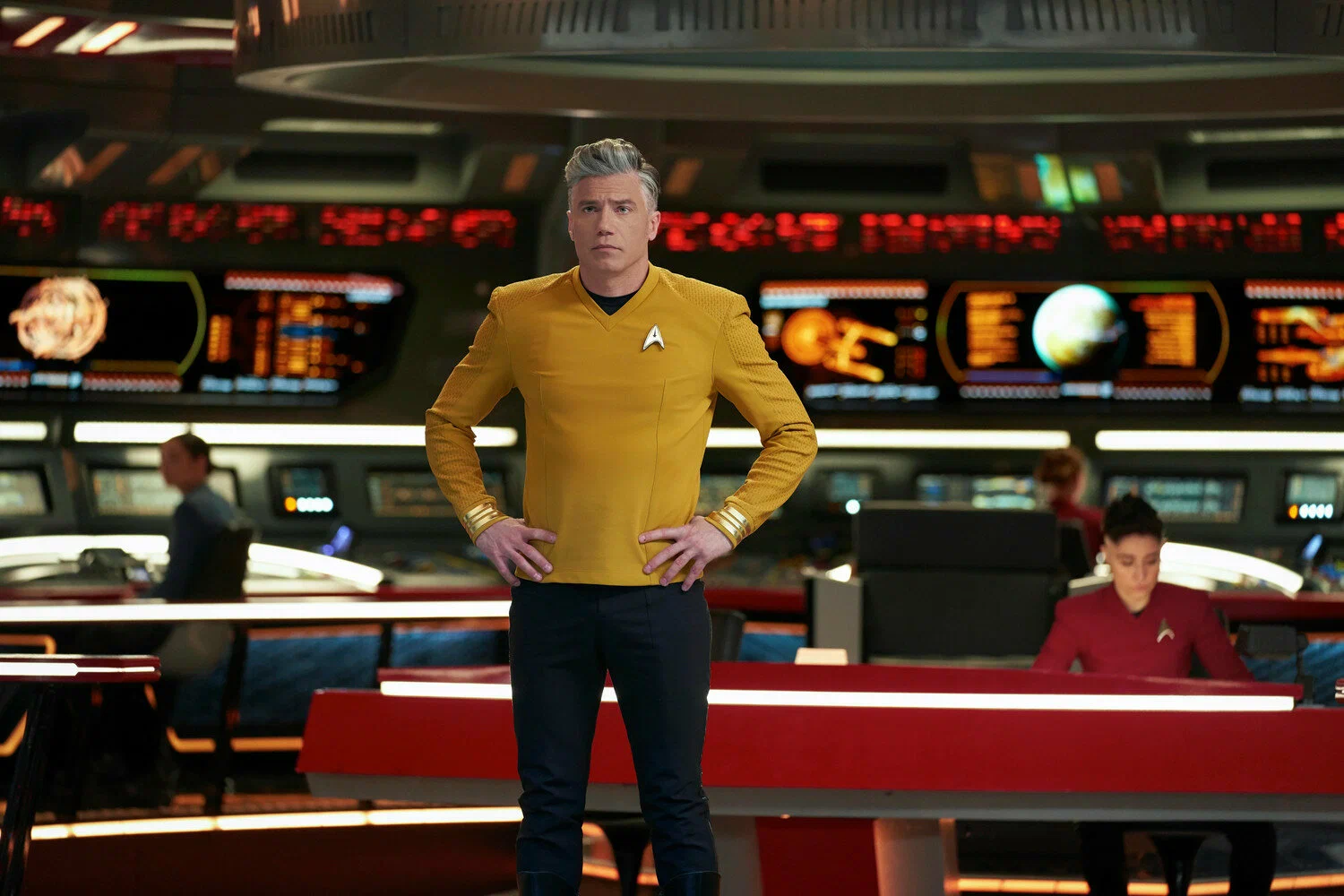
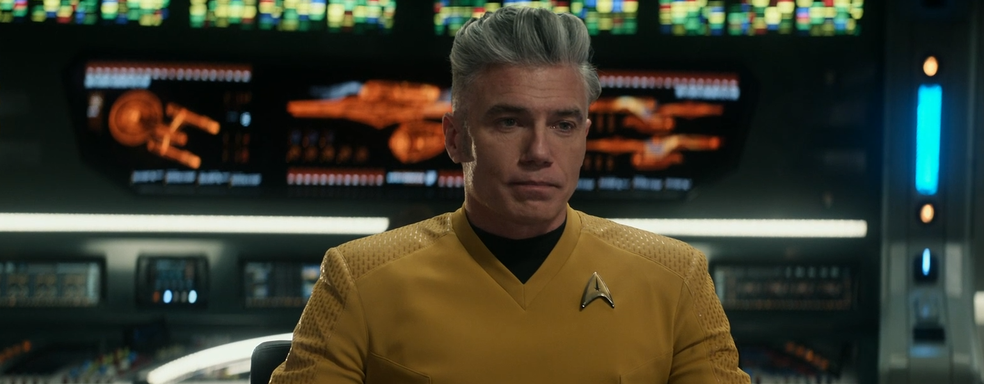
The story of Strange New Worlds tells about Captain Christopher Pike (Anson Mount) - the predecessor of James T. Kirk from the original series as captain of the starship USS Enterprise. And on board he has many other heroes of the classic team: Spock (Ethan Peck), Nyota Uhura (Celia Rose Gooding) and Montgomery Scott (Martin Quinn). Kirk himself (Paul Wesley) will also sometimes drop by, but he has not yet become captain.
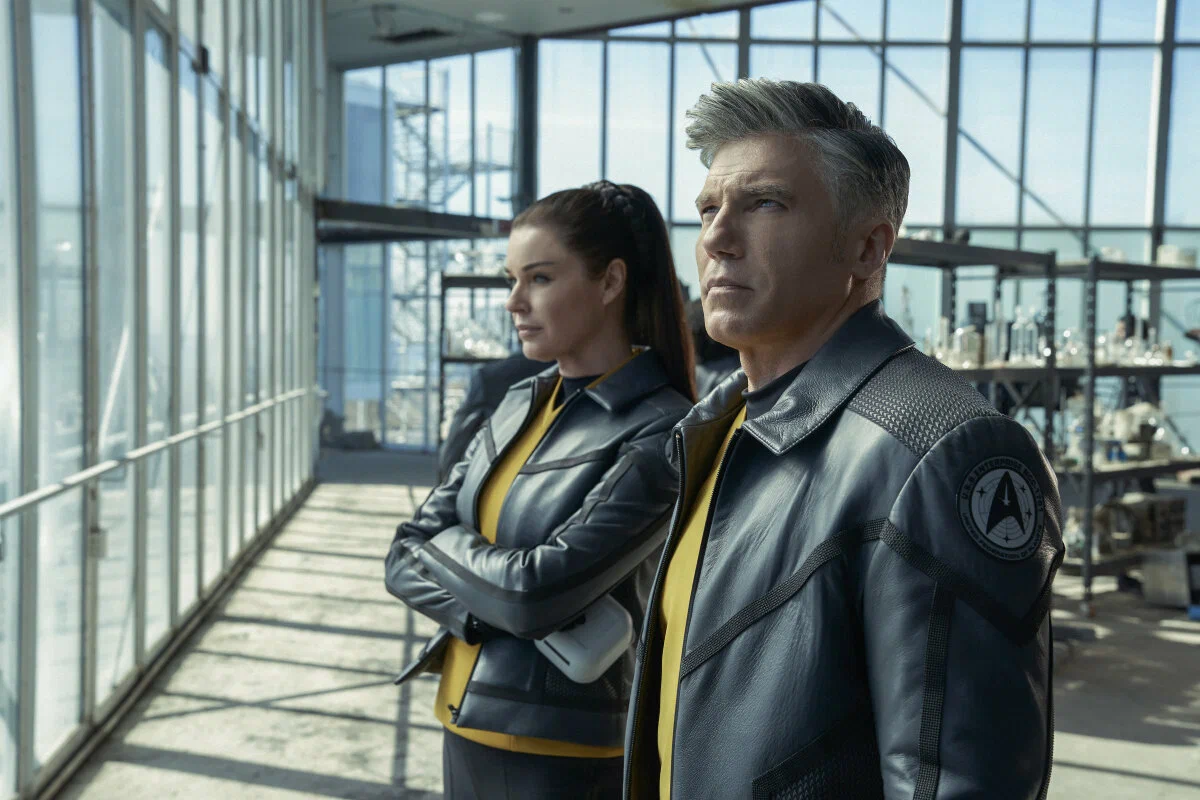
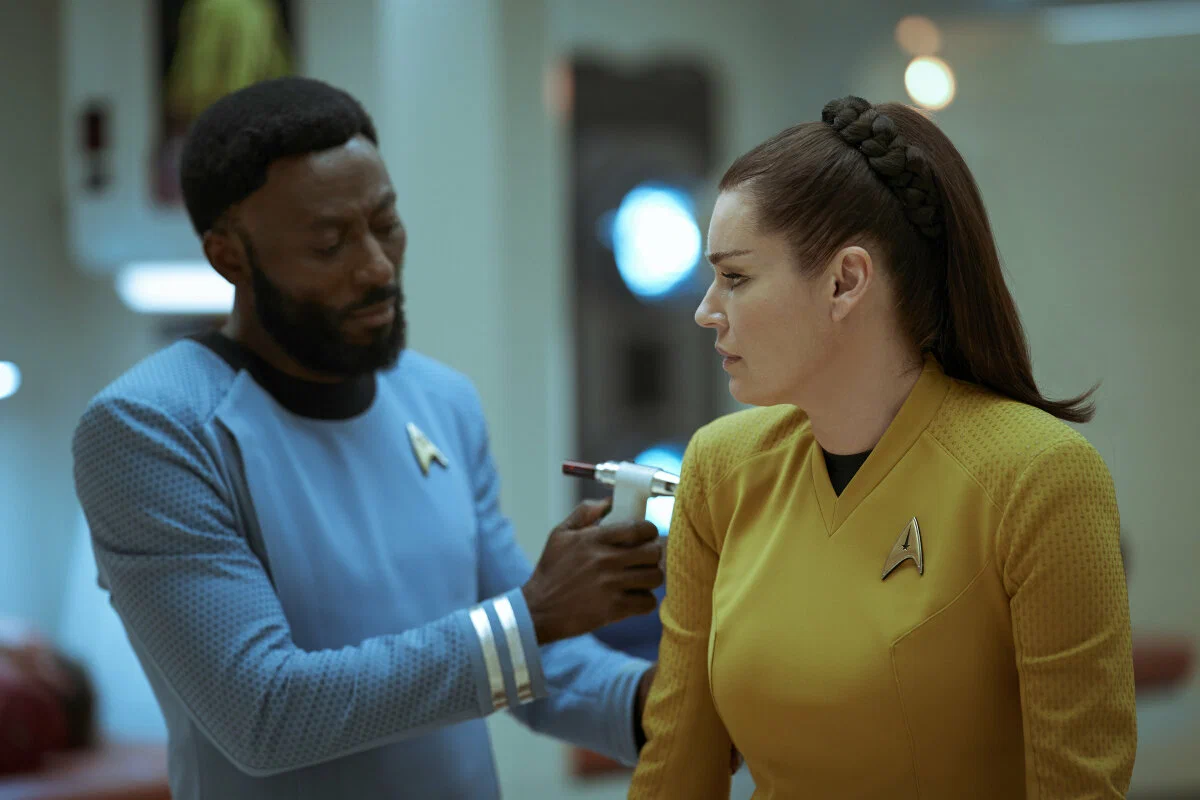
The main backbone of the main characters of Strange New Worlds were characters, some of whom - Nurse Chapel (Jess Bush), First Officer Number One / Una Chin-Riley (Rebecca Romijn) and Dr. Joseph M'Benga (Babs Olusanmokun) - also flashed in the original series, but in the background, remaining without any disclosure, and they were joined by the head of security La'an Noonien-Singh (Christina Chong) and pilot Erica Ortegas (Melissa Navia).
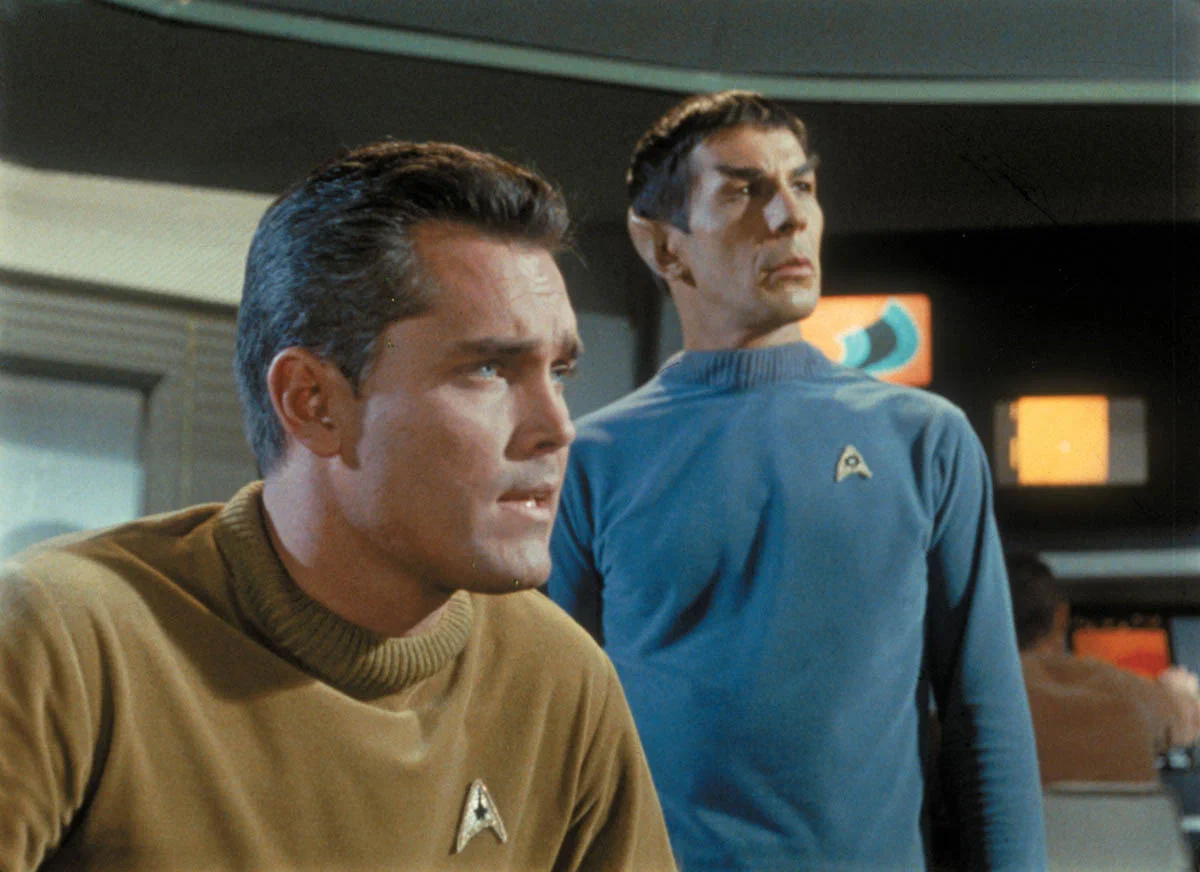
By the way, Christopher Pike was the protagonist of the very first - pilot - episode of the original series called "The Cage", after which he was replaced by James Kirk. After the "pilot", Pike appeared once again in the original - in the double episode "The Menagerie", where the fate of the character was revealed: trying to save cadets, he was exposed to beta particles, after which he lost the ability to speak and move independently and was confined to a wheelchair. This is important because Strange New Worlds begins with Pike's vision of his future - some mysticism and time travel are common for this franchise - with the knowledge of which the character will have to live with throughout the project.
With the release of the first season, fans of the universe immediately dubbed Strange New Worlds the long-awaited return to the origins - albeit with nuances. The screenwriters returned to the classic formula "one episode - one story", and the tone of the narrative became closer to the classic: this is again the same adventure with local moral dilemmas, where the fate of individual characters and planets is decided, and not the feigned gloom of Discovery and Picard, where the fate of the entire galaxy or even the universe is at stake.
The second season was able to maintain the bar set by the first - it became more conceptual: a judicial episode, a series with a journey into the past, an episode with a planet on which people forget who they are, or a series with the consequences of the war for its two participants from different sides.
There was more humor in Strange New Worlds - you can recall episodes with Spock and his bride T'Pring swapping bodies, or how Spock temporarily became human, or the famous musical with Klingons, or... Well, you get the idea! The characters began to be revealed more evenly: each hero is given more or less the same amount of time and the emphasis is on team interaction, and not on the personal heroism of one protagonist, a representative of the "Mary Sue" archetype.
The series still focuses not on action, but on a more complex approach: problems are often solved through dialogues or as a result of some non-standard actions of the characters, and the topics raised in the episodes regularly make the viewer think, analyzing what they have seen.
Nevertheless, no matter how good the project is, it could not avoid problems.
Firstly, the authors clearly tried to please the old audience and made a lot of connections with the original series - there are references or a direct connection in literally every other episode. On the one hand, this is nice: competent and appropriate fan service always goes to the project plus. Especially when it serves to reveal some additional lore or plot aspects, as in the final episode of the first season, which is largely based on the classic series "Balance of Terror" and reinterprets it.
But on the other hand, due to this approach, the project lost a significant share of originality, which is important for Star Trek - the universe provides screenwriters with a large space for imagination, and they do not want to use it, simply repeating what has already been, albeit somewhat differently. There are very few of those strange new worlds that flaunt in the title in the series itself.
Secondly, coming up with interesting concepts and trying to fit them into the given formula of one story per episode, the authors often do not pull it off, which results in confusion - the characters find solutions to problems too quickly, which loses depth. Who prevents you from making double series with a more detailed narrative? The question is open - we will try to give the answer a little lower.
Thirdly, no matter how hard the creators of the project tried to bring it closer to the original, it was not possible to avoid the global trend of reducing the overall quality of the scripts. The authors may be able to come up with interesting concepts, but they do not always manage to reveal them. As a result, you can often find logical holes and poorly written elements of the script, which can significantly reduce the overall impression of the series.
There are also inconsistencies with future events and retcons, which will cause many questions among old fans of the universe - although it is very difficult to avoid them, since Star Trek is very huge and whether you want it or not, there will be mistakes, as in any other such large franchise.
All this led to the fact that Strange New Worlds does not so much correspond to the original as it mimics it - although sometimes quite successfully, and all these problems are more characteristic of individual episodes than of the entire project as a whole.
Third Attempt
The new - third - season as a whole maintained the bar of the first two. The project retained the advantages and disadvantages of previous seasons, but there are several nuances - let's analyze it episode by episode.
The beginning of the third season is the completion of the storyline from the ending of the second. It turned out to be a semi-action semi-horror episode, where the Enterprise team must again deal with the Gorn - lizard-like enemies who have become the main ones for this series.
The series is intense: some of the heroes fight with enemies, some try to come up with a common plan for victory, and some try to save Captain Marie Batel (Melanie Scrofano) - Pike's beloved, who will still play her role. Fortunately, Captain Pike and the others come up with an interesting way to stop the Gorn invasion, without sliding into pure action - all in the spirit of Star Trek, albeit heavily modernized.
But at the same time, another, paradoxical problem arises: due to the division of the episode into two parts and a greater emphasis on action than on something else, the integrity is lost and the narrative is segmented. It turns out that the screenwriters' choice in favor of small, but chaotic stories is the lesser of two evils? It seems that the ideal format would be one and a half episodes per story, and this is either difficult - you would have to make one and a half hour films instead of a series - or impossible - it all depends on the budget and similar nuances.
By the way, the Gorn are the very creatures that Captain Kirk fought in the episode "Arena" of the original series. Perhaps it was one of the most ridiculous fights not only in the universe, but also in the industry - in Strange New Worlds these creatures look much more creepy.
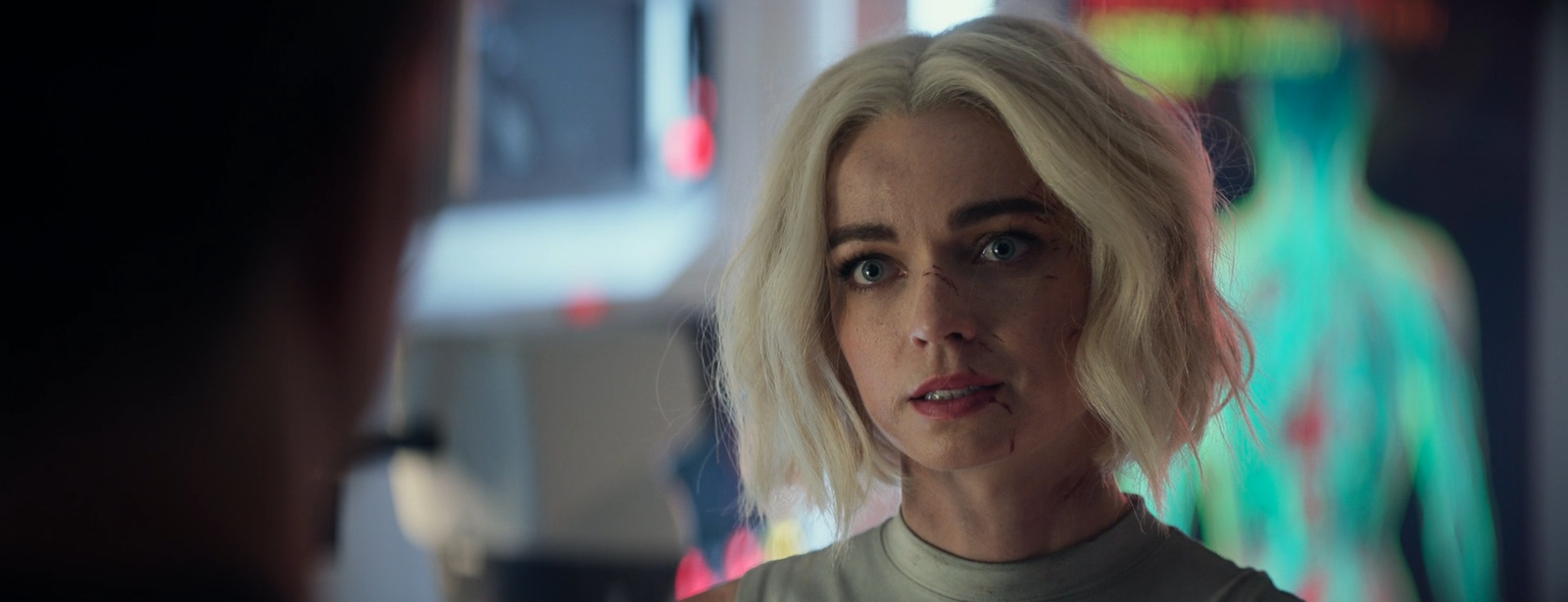
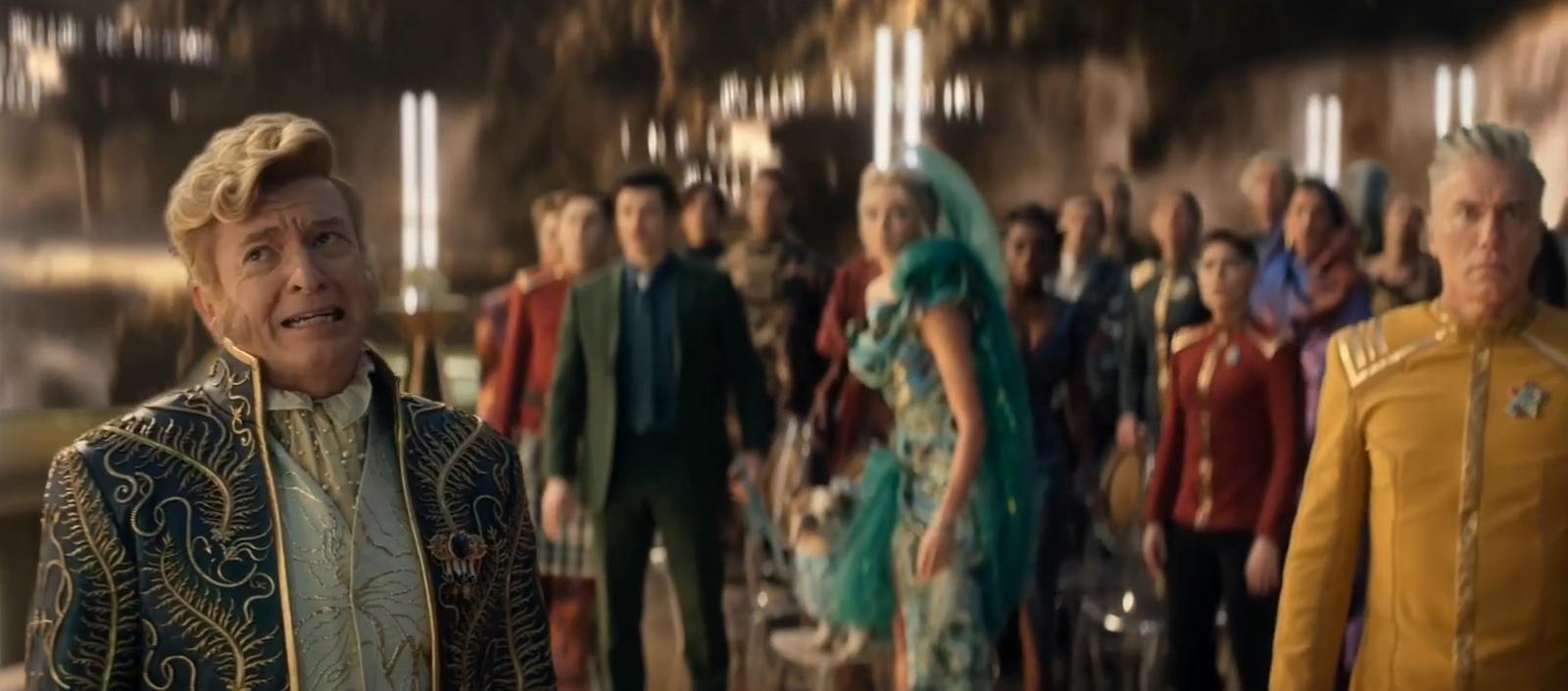
The second episode turned out to be a kind of respite after the previous dilogy. Here, the crew of the ship and a number of guests gather to celebrate an important date - 100 years since the founding of the United Federation of Planets - but another powerful entity intervenes (of which there are many in the universe) and turns what is happening into a farce of an unplanned wedding of Spock and Chapel, as well as brainwashing everyone present on the ship.
This creature turned out to be a certain Trelane - he appeared in the episode "The Squire of Gothos" of the original series and was later recognized as part of the Q Continuum, the theme of which is revealed in The Next Generation and Voyager. And Trelane's father here was voiced by John de Lancie - the actor who played Q earlier in various projects of the universe.
And everything would be fine - a fun series with a reference to creatures that will play an important role in the future, but the question arises: what is the meaning of this episode here and now? Just show a fun showdown with an all-powerful creature? And even with another retcon? Okay.
The third series continues the storyline of Dr. M'Benga, developing the idea of the consequences of the war for one person, set earlier in the second season. It also raises the question of official subordination and whether it is worth taking risks against orders to save comrades. There are no major complaints about the episode - it turned out to be a little darker than usual, but it cannot be called banal either.
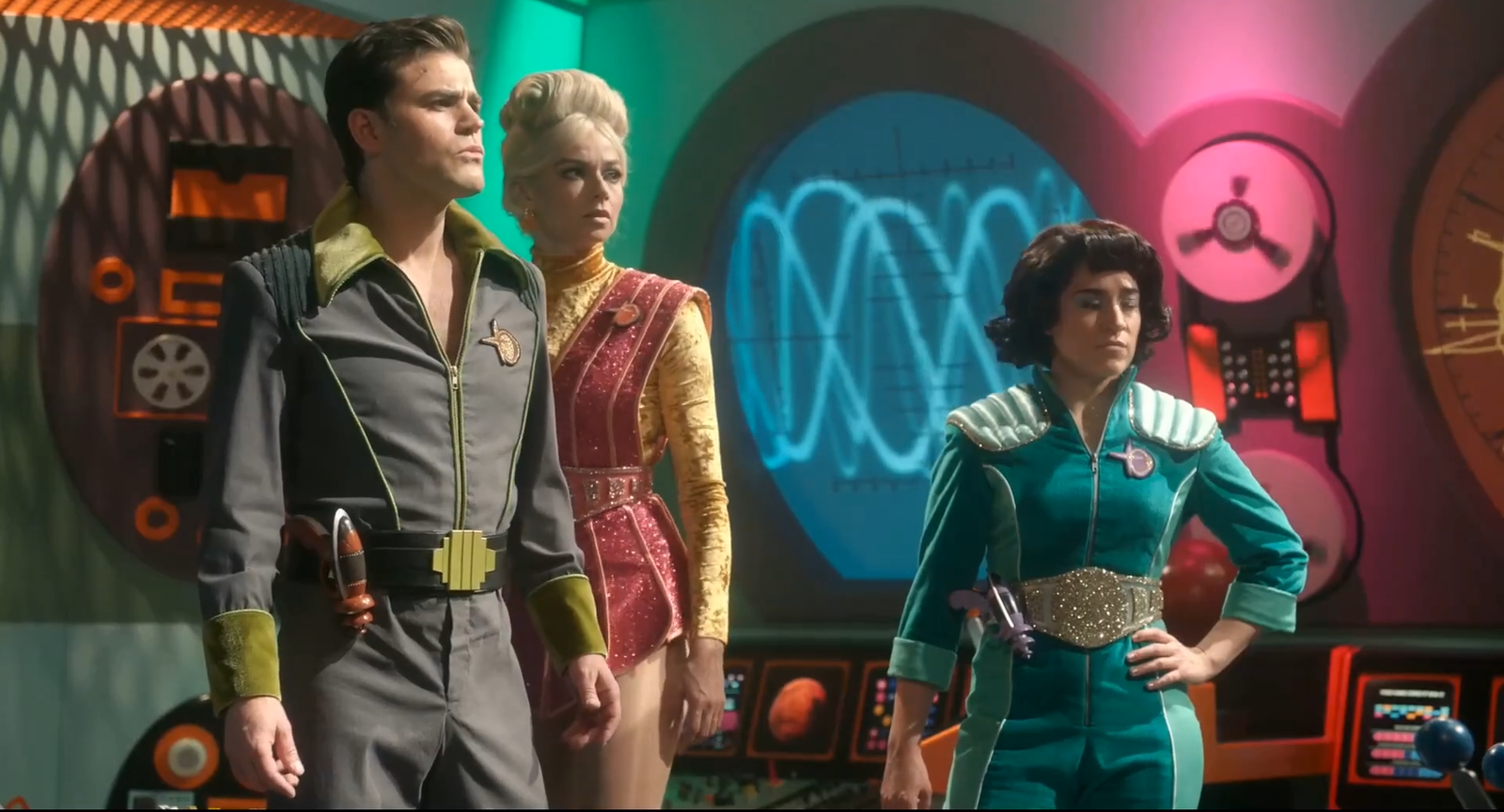
The fourth series created an anachronism: it features a holodeck - a separate place on the ship, equipped with advanced holographic technologies and serving for entertainment and recreation of crew members.
The anachronism lies in the fact that at the time of the events of the series, this technology was not yet used by the federation - it appeared in Enterprise, but as an alien one, and its very distant prototype first appeared only in the animated series Star Trek: The Animated Series, which tells about the last year of Captain Kirk and his team's travels - that is, 10-12 years after Strange New Worlds. The holodeck itself began to be actively used only during the time of The Next Generation.
On the other hand, it is probably here that they answered the question of why this technology was not used in the original series. In any case - another retcon for the sake of retcon.
The fifth episode demonstrates an interesting concept - a space prison located in superposition: in several temporal and spatial dimensions at once. Here, the characters have to solve several puzzles and cope with a new threat, even if they have to make some sacrifices. In a vacuum, the series is good, but it affects further events, so we will return to it a little later.
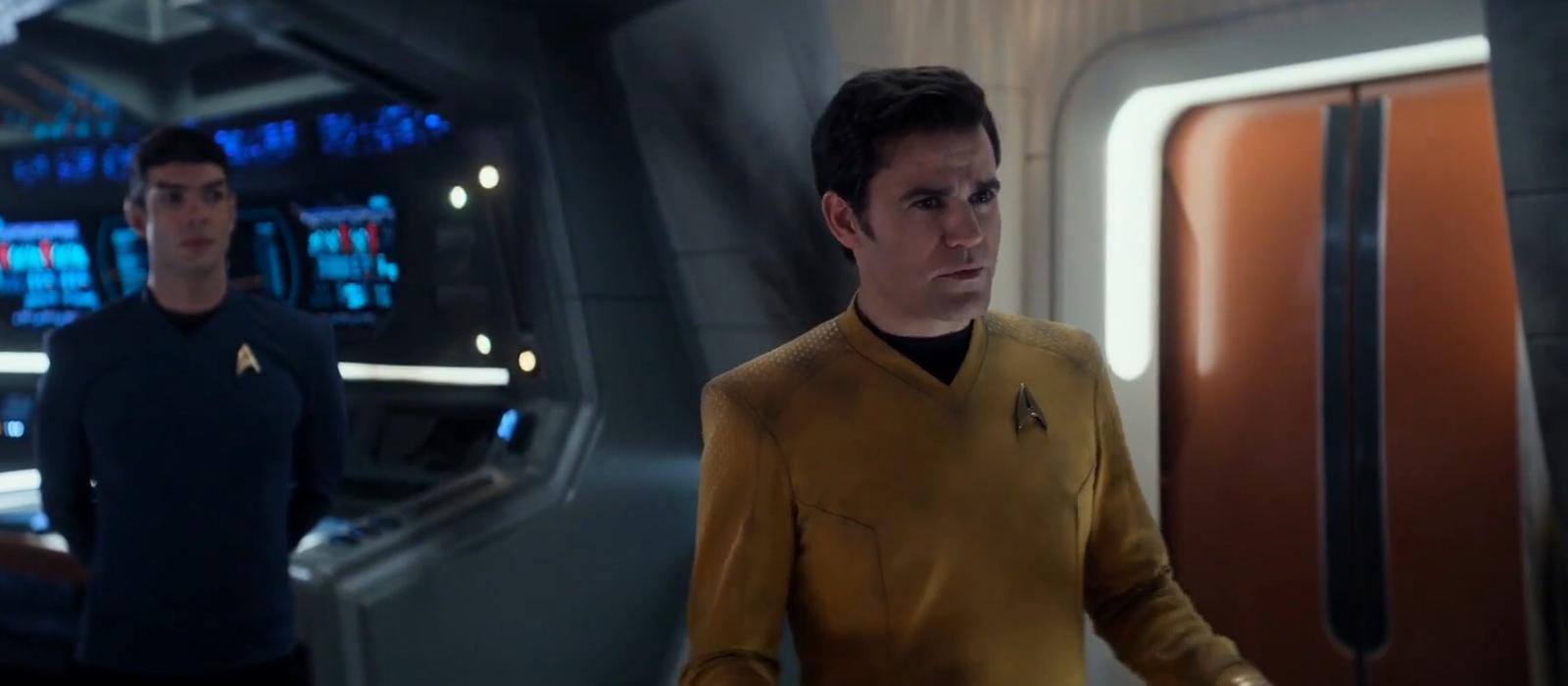
The sixth episode is dedicated not so much to the Enterprise team - although they play a significant role - as to James Kirk. Here he has to prove himself for the first time as a captain in a very difficult situation, where the lives of the crews of two ships and not only are at stake. In addition to this, there is a small expansion of the lore of the universe - we are told what happened to some of the first human space travelers. A trifle, but nice.
On the other hand, how much does the series as a whole need Kirk? The original project and a number of subsequent films have long revealed this hero from all sides, so why give the series's timing about Pike's team to a third-party character at that time, even if the audience loves him?
The seventh series is filmed in the format of a documentary. It shows that Starfleet is not a classic military organization, as some consider it to be, but something more - something to strive for, something that changes people for the better. And in addition to this, there is a philosophy of life, where the main characters take a very unexpected side for many, helping someone they should not have. A very good episode.
The eighth series is pure comedy. Here, several crew members turn into Vulcans and their character changes greatly - against their background, even Spock looks very kind and welcoming. And unlike the second episode, here the screenwriters gave other characters a chance to feel like Spock, which somewhat reduced the degree of tension between some of the heroes.
The ninth series became the best in the season in my opinion. Here, pilot Ortegas alone suffers disaster on the moon of a gas giant and in order to survive, she has to unite with the enemy, with whom she eventually establishes friendly relations, overcoming her psychological trauma, which she received at the beginning of the season - although it all ends unusually. The authors again refer the viewer to the above-mentioned episode of the original series "Arena", but in a slightly different way.
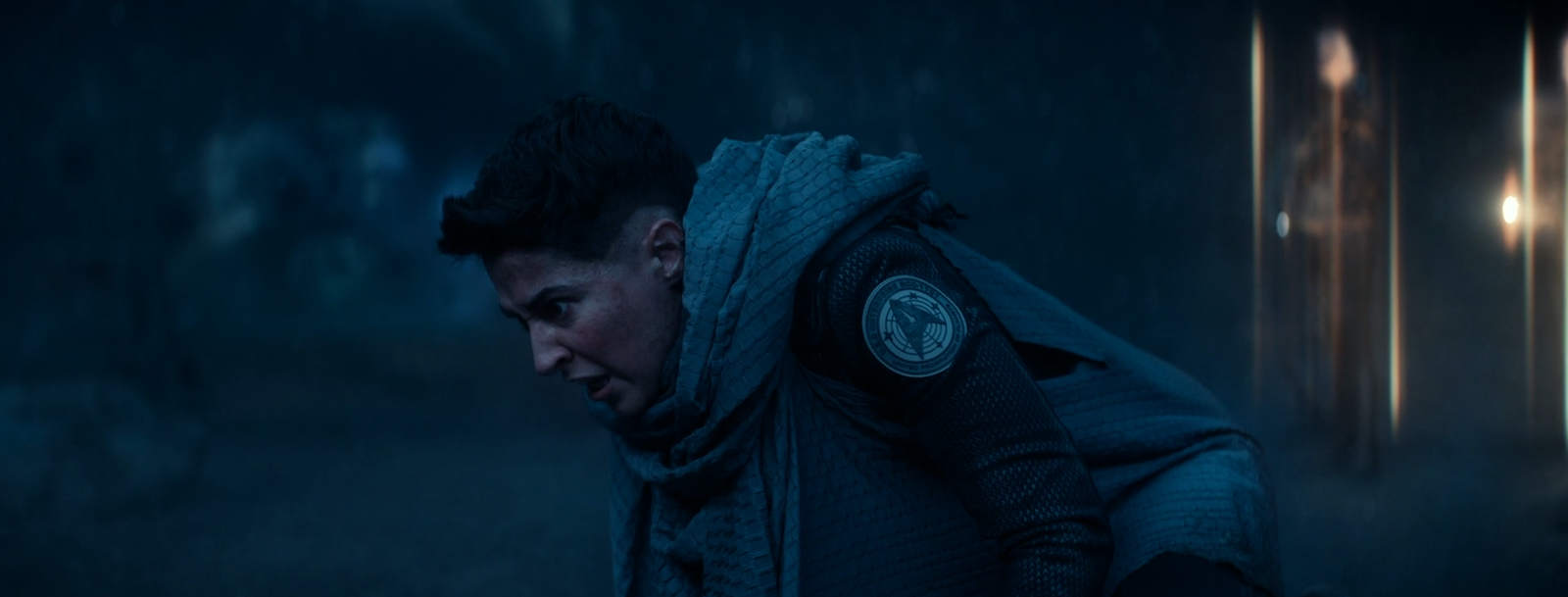
The tenth episode became the most controversial in the entire season. It once again shows the same problem that I talked about in the discussion of the start of the season: one series is too little, two is too much.
Because of this, the ending turned out to be very tedious - the finale continues the plot of the fifth series, but most of the timing of the last episode on the screen almost nothing happens. You can only praise the ending, where Pike again had to face his future and after which he made another - very difficult for him - sacrifice.
Ideally, it would be worth combining the fifth and tenth series into one, cutting out everything superfluous from both - it would turn out to be a dense narrative, and not something smeared with a thin layer.
What is worth fighting for!
However, the third season once again proved that the project can be loved by the viewer, both old and new - especially because of the characters, in which the actors put their soul into their game.
Anson Mount created not the same Pike as the hero was in that very "Cage", but his version looks even better: this is the captain who is a father figure for his subordinates - he even regularly holds dinner parties, where he himself acts as a chef.
Rebecca Romijn's heroine - Number One - appeared in the original, but even her name was not known there. Here we learned the backstory of Una-Chin Riley (that's her name), and the character himself perfectly complements Pike as the head of the ship.
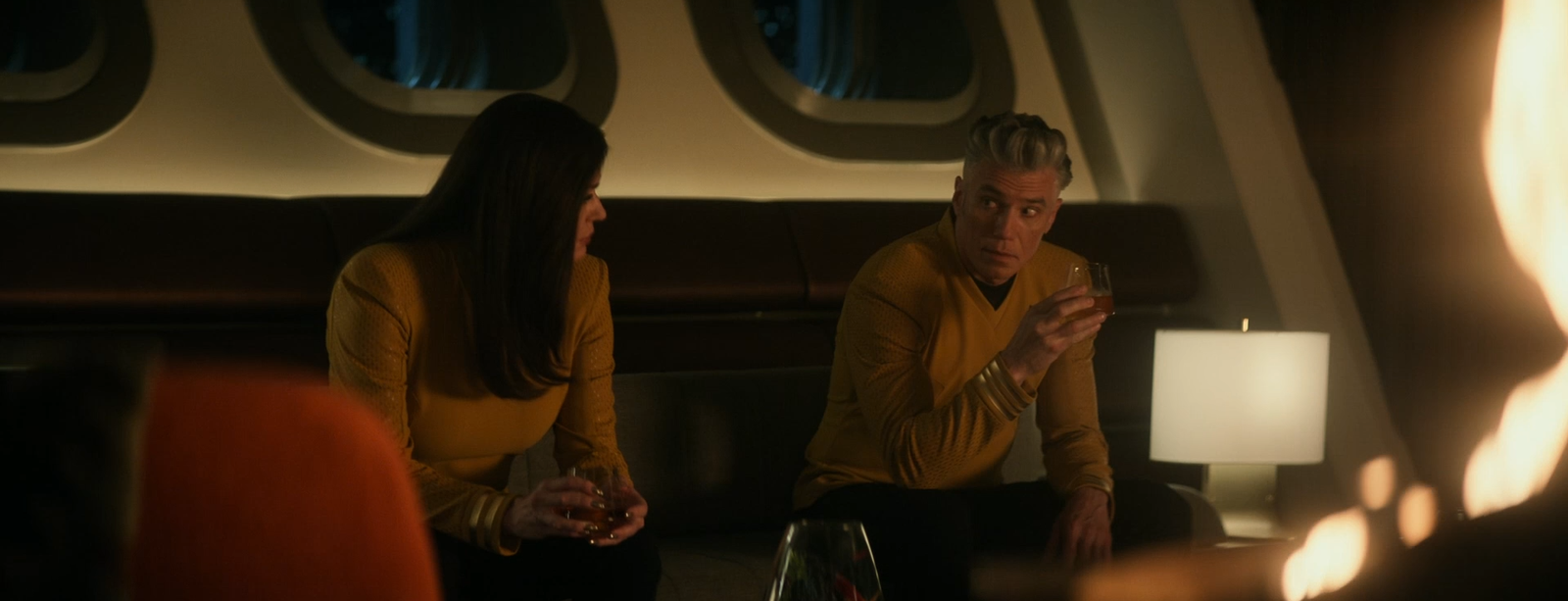
The actors who embodied Spock, Scotty and Kirk do not look like Leonard Nimoy, James Doohan and William Shatner, respectively - the original performers - but they do an excellent job: you can easily recognize the characters by them - all thanks to grimaces, facial expressions and the character shown. By the end of the third season, even chemistry flashes between them - especially between Kirk and Scotty. This applies to Uhura to a lesser extent, but the heroine received a lot of time for disclosure, which she was deprived of in the original.
Erica Ortegas looks like an interesting new character - she is an excellent pilot and is often given the opportunity to demonstrate her qualities, and the brother who appeared later only deepens the heroine.
There are doubts about La'an Noonien-Sing. Her kinship with Khan Noonien-Sing - she is a descendant of the antagonist of one of the episodes of the original series and the film Star Trek 2: The Wrath of Khan - raises many questions: How did her family live all these centuries? Why was she allowed to enter Starfleet, despite the presence of prohibited genetic improvements? And so on. But even so, the actress does a great job with the role, reducing all doubts to a minimum, and her backstory associated with the Gorn only adds approval points to her piggy bank.
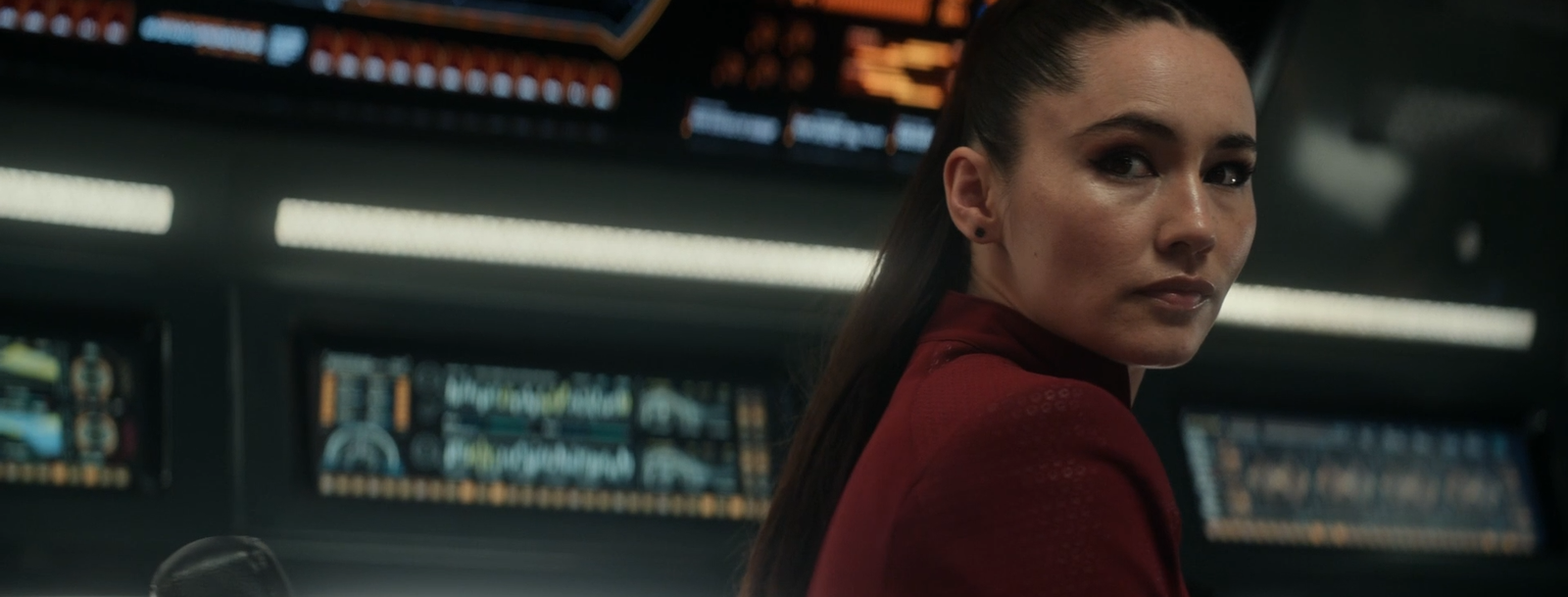
Nurse Chapel is not as revealed as I would like, but her connection with Spock looks quite organic and again refers to the canon.
Dr. M'Benga is one of the best characters in the series. He has two storylines at once: with his daughter Rukia in the first season and with his military past in the second and third. And despite the fact that the story with his daughter ended too quickly and easily, it cannot be said that the hero has lost much - Babs Olusanmokun's acting pulls him to the pedestal in any case.
All of them and not only make up a cohesive team that almost feels like a family and each of its members is equal to the other - albeit not in rank in Starfleet, but in influence on the project.
Diagnosis
Star Trek: Strange New Worlds is a solid science fiction project. Strange New Worlds is closest to the idea of Gene Roddenberry, the creator of the Star Trek franchise, since the completion of the series Star Trek: Voyager and the first seasons of Star Trek: Enterprise - although there were questions about the latter at the beginning.
This is a very atmospheric and in many ways optimistic series, full of the spirit of adventure, hope for a bright future, teamwork and research, to which an element of gloom has been added. The project can be safely recommended: for new viewers it will be an excellent entry point into the universe, and for old ones - a breath of fresh air, even if they will sometimes find fault with what they see.
However, as was said earlier: all the shortcomings are more characteristic of episodes separately, rather than define the project as a whole. It remains to be hoped that the following seasons - and there will be two more - will not disappoint.
Never miss our newsAdd this site to your preferred sources to see us more oftenAdd on Google