It's Not Me Who's Locked in Here With You. Review of the Atmospheric Horror No, I'm Not Human
Translated with AI from the Russian original.
Everyone was once taught not to open the door to strangers. But what if your life depends on them? In No, I'm Not Human, the authors put the player in a situation where each visitor can turn into salvation or a deadly threat. Who will be scarier - the host or the guest behind the door? We evaluate the pros and cons of one of the most controversial indie games from a Russian studio.
At the heart of Trioskaz's concept lies a simple but effective idea - to scare the player with a childhood deep-seated fear by placing them in a post-apocalyptic world where everyone around is going crazy. The plot is simple to the point of being absurd - a catastrophe occurred on the planet due to a solar flare, which caused unbearable heat. It's almost impossible to breathe during the day, and relief comes after sunset when the streets are flooded with people seeking refuge. And among them may be Guests - creatures crawling out of the ground and eager to kill.
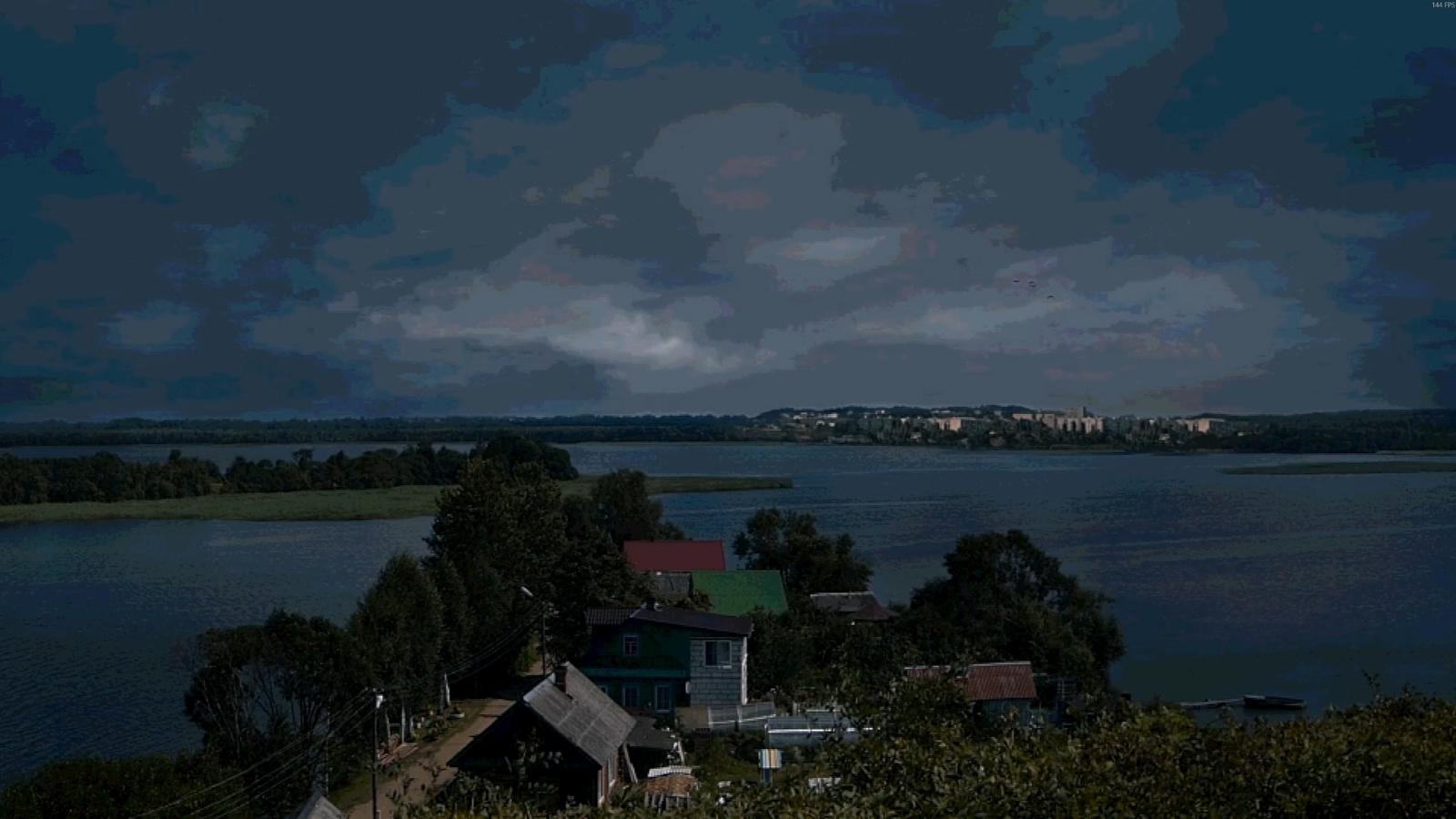
No, I'm Not Human is a psychological horror in the form of a visual novel, where the player tries to identify murderers among the residents of a small private house.
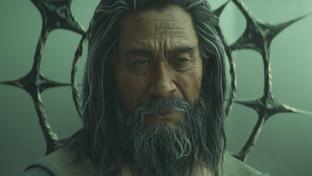
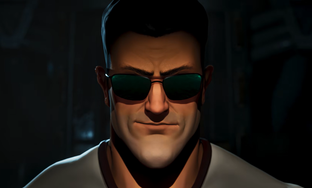
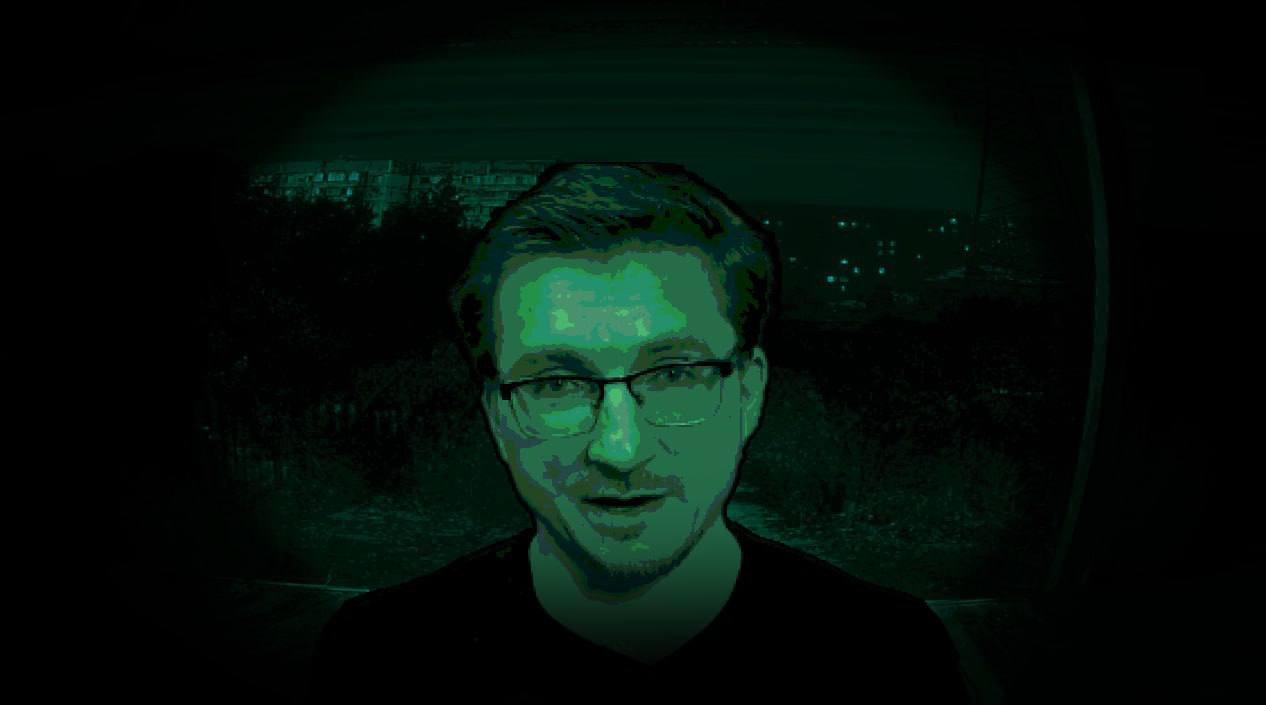
In the introduction, the hero meets a friendly neighbor who looks like the Polish actor Jerzy Stuhr. He explains the situation, warns that it is dangerous to be alone, and brings a crate of beer to make it easier to fall asleep.
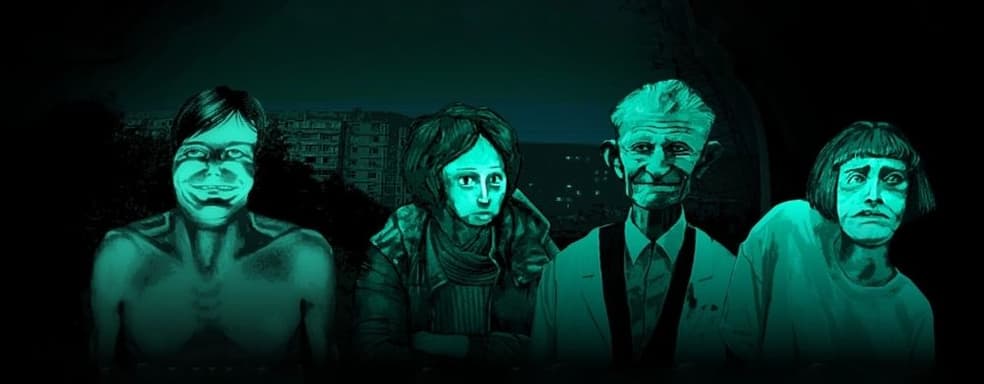
The graphic part combines pixel and photorealistic elements. The environment and objects reveal the post-Soviet reality with crooked furniture, grandma's carpets, and electrical appliances from past decades. The characters seem normal, but at the same time, they look like distorted creatures. All this creates an atmosphere of despondency, decline, and hidden threat, where the familiar turns strange, and every corner of the house causes paranoia.
The gameplay is divided into two large phases: night and day. The night usually starts with a knock, but it's better to inspect the surrounding area through the windows first, as you can't leave the shelter. In the early days, drunks are lying around, strange individuals are wandering, and the emergency committee is engaged in filtering.
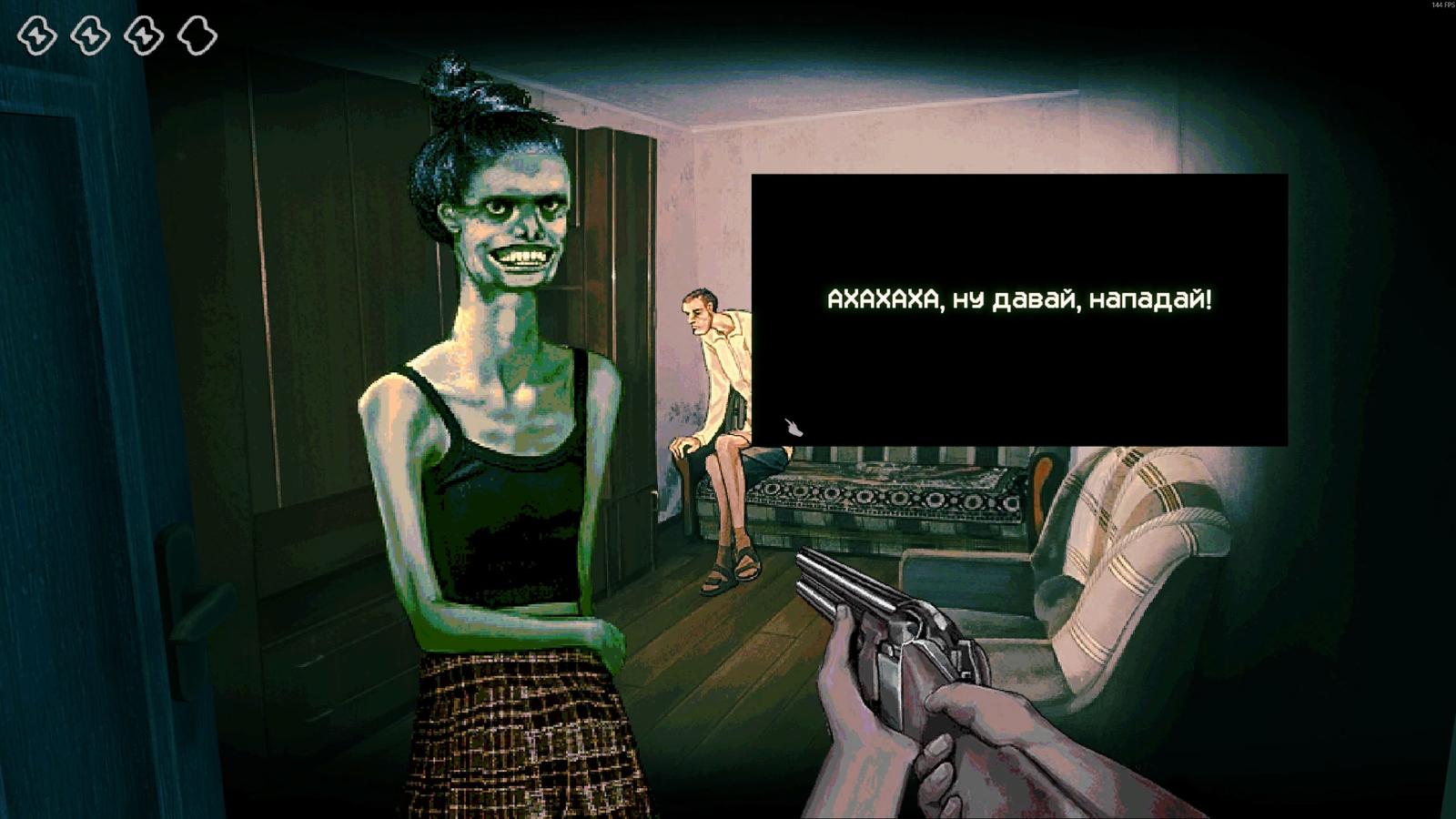
Then it's worth looking through the peephole, getting acquainted with the source of the sound, and listening to a touching story with proof that the visitor deserves an invitation. A gloomy giant, a crooked cashier, a gambling addict in an amogus t-shirt, a female medium, a guy with a sewn-up mouth, a woman in a jacket in unbearable heat, and a host of other wanderers. And in each one, there will be something suspicious - you can't trust anyone here. The game has a sea of references to famous films and events, and the visitors resemble famous personalities. You'll find local Nikolai Valuev, Igor Savochkin, Prophet Sunboy, and even Nikita Dzhigurda.
The morning may begin with the inscription: "It smells of death. Someone was killed." And this means that life in the house has changed. On TV, annoying presenters daily name one sign of the Guest - they have white teeth, red eyes, shaved armpits, and so on. Advertising plays an important role, allowing you to order delivery of coffee, energy drinks, and other useful little things.
The hero has an energy scale that allows you to check one known sign of the Guest at the moment. But even a match does not guarantee irrefutable proof - an ordinary person can also have it. In any case, they will allow you to get a gun and shoot the suspect. If the guess is correct - the game will show a small screamer and leave the Guest's decapitated body in the same place until the next day. If not - you'll have to live with it, and the game will remember the miscalculation and may punish you later.
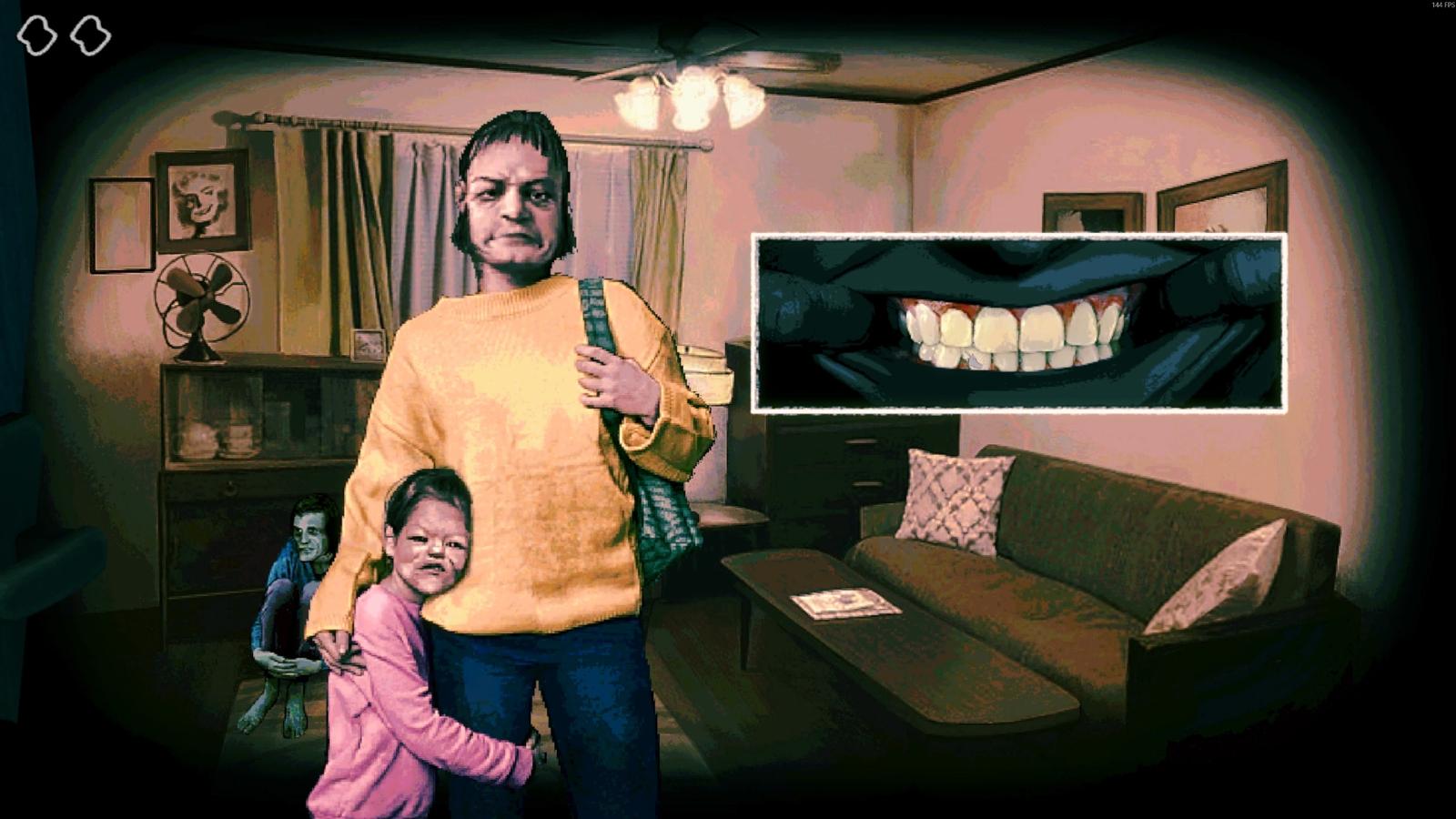
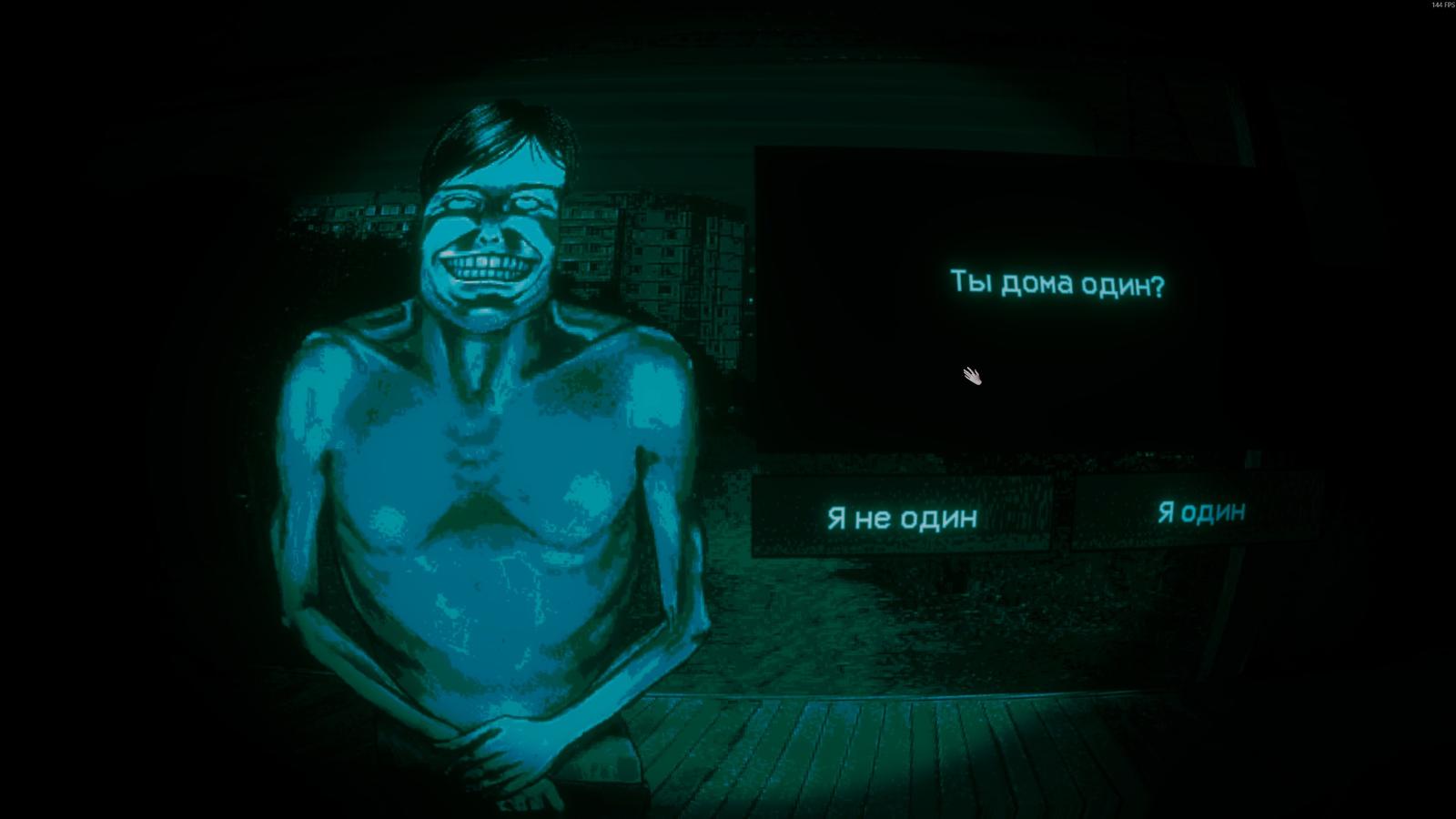
Soon the news will tell about a pale maniac who only wears pants and the skin of another person as clothing. In the coming days, he will appear on the doorstep, scare you with a blood-curdling speech, and ask if there is anyone else at home. He knows the answer in advance, so deception will not work.
Over time, the world will be filled with madness and catch fire. Corpses, severed heads, and strange cultists will appear under the window. The realization will come that anyone can be a Guest, and it is still unknown who is scarier - a monster or a paranoid host who sees evil in everyone.
But people are a source of danger and material for survival, so you have to put up with the fact that there should be living people in the next room, not bags of remains. You can try to calculate the actions, but this is not chess and it will turn out frankly bad - because there are too few tools and you can always make a mistake due to the unobviousness of the signs.
After several playthroughs, the text will start to repeat, so you'll have to click through for speed. The main goal is to reach one of the ten endings, and they all differ sharply: from banal death to philosophical subtext. But even after a good ending, there remains a slight brokenness and emptiness inside. Like riddles, because the developers do not clarify everything to the end, leaving room for the imagination and theories of fans.
Diagnosis
No, I'm Not Human knows how to immerse you in a creepy atmosphere and make you doubt your own normality. The knock on the door creates anxiety every time, as if reality itself is starting to crack. The game does not cause primal horror, but keeps you in suspense and emotional discomfort, hooks you without falling into annoying screamers and leaving room for speculation.
No, I'm Not Human seems fragmented and unfinished, but this reflects its nature - a game about human vulnerability that does not give simple answers.
Pro:
- Interesting and unusual mechanics
- Absence of cheap horror techniques
- Creates emotional discomfort, causing uncertainty in actions
Contra:
- Guessing the Guest is often intuitive
- Starts to repeat quickly
- Poor disclosure of the story
Never miss our newsAdd this site to your preferred sources to see us more oftenAdd on Google