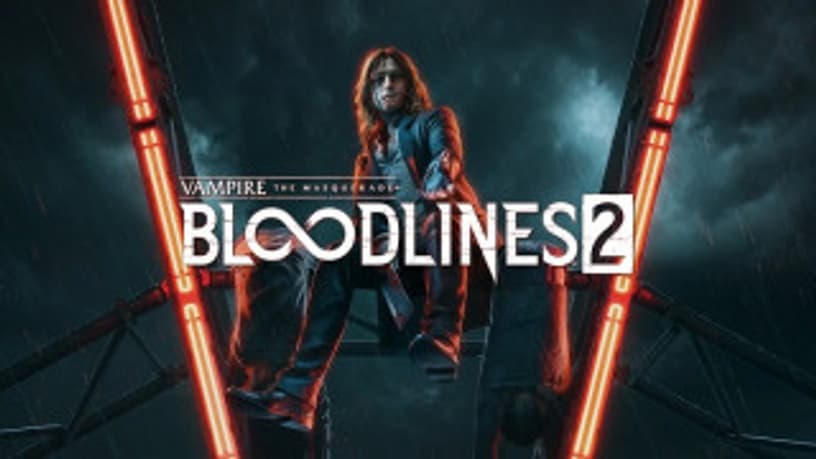
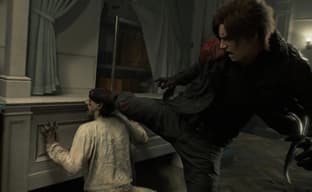
Bloodlines 2 has already turned into a myth and become an unattainable dream for fans of the cult role-playing game from Troika Games. But at Gamescom 2025, the game was finally dragged out of its lethargic torpor, and we learned the release date - October 21, 2025. The joy, however, was short-lived. Previews from "proper" journalists left more questions than answers, and the vampires from the Paradox clan once again bared their fangs and seem intent on sucking every last drop of blood from the fans. So, it's time to figure out what's wrong with Vampire: The Masquerade - Bloodlines 2.
World of Darkness
World of Darkness is a large and dark universe of tabletop role-playing games, created in the 1990s and curated by White Wolf Publishing. In this world, vampires, werewolves, and other evil spirits secretly rule humanity from the shadows. You may have heard of Werewolf: The Apocalypse, but the very first and still the most famous series remains Vampire: The Masquerade.
Vampire: The Masquerade – Bloodlines (2004) from Troika Games, founded by the fathers of Fallout — Tim Cain and Leonard Boyarsky, transferred the World of Darkness universe to the video game format. The player took on the role of a newly turned vampire in Los Angeles and plunged into a tangle of political and personal intrigues, while trying to find a balance between his new essence and the remnants of humanity. Bloodlines stood out from other RPGs with its deep role-playing gameplay, advanced dialogue system, and, rare for those times, variability, depending, among other things, on the chosen clan. The latter seriously influenced the style of gameplay and available story branches.
However, the release turned into a failure. Bloodlines was released on November 16, 2004 — crooked, lopsided, and fatally buggy, and even on the same day as Half-Life 2. Troika Games tried to save the project by releasing patches, but money and support from the publisher, Activision, ran out too quickly. The studio closed just three months after the game's release.
But the story of Bloodlines did not end there. Fans quickly elevated the game to a cult status and brought it to a digestible state on their own: they restored cut content, fixed broken things, and corrected everything they could. Moreover, support for unofficial patches continues to this day — one of the latest versions was released in May 2025 and is available for free to owners of the game in GOG.
All these years, fans have been waiting and hoping that Bloodlines would return. During this time, visual novels, role-playing quest-kinzo like Swansong, and even the Bloodhunt battle royale were released. But the only game that was truly awaited remained Bloodlines 2.
Production Gehenna
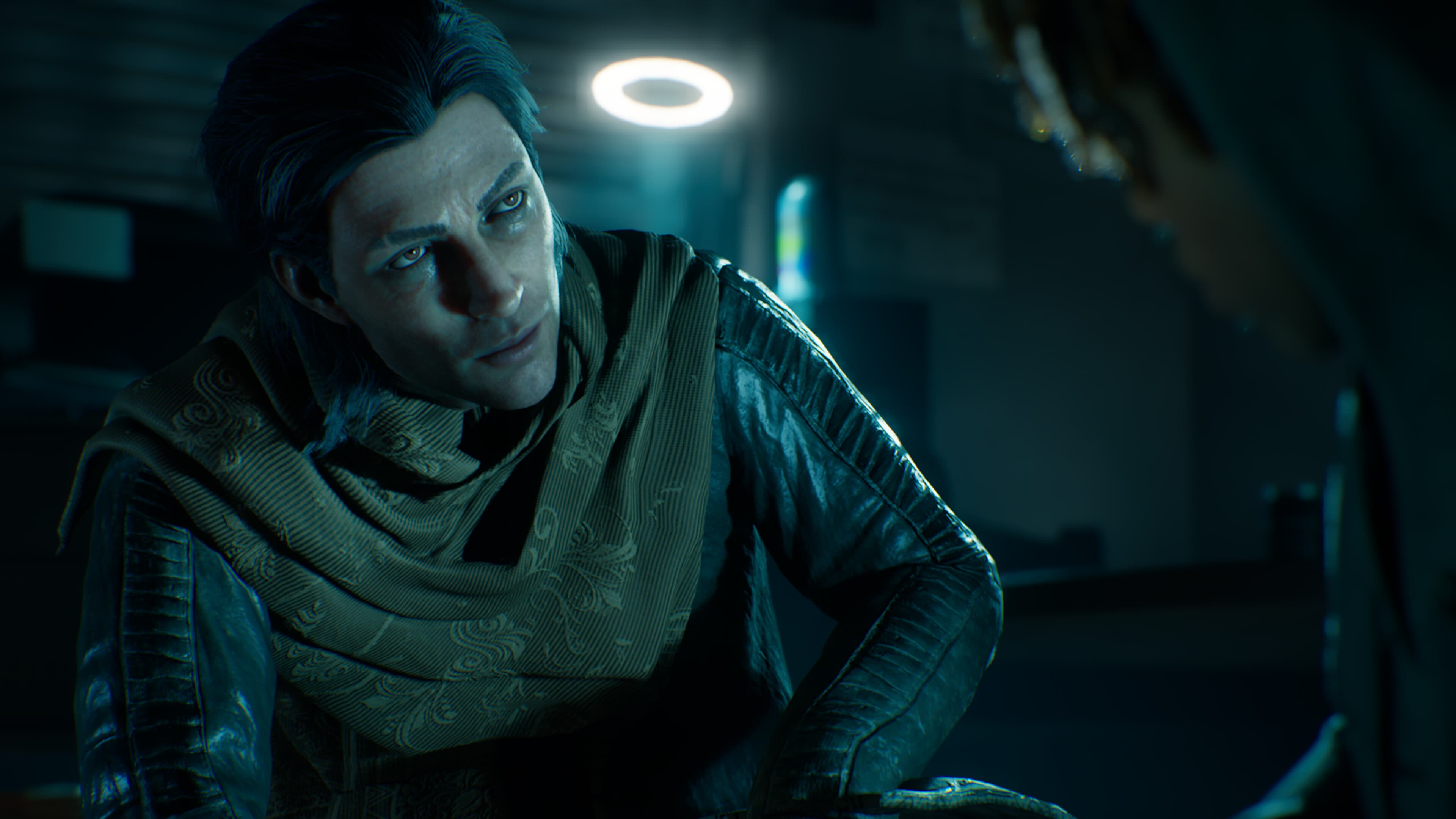
Announced in 2019, Vampire: The Masquerade – Bloodlines 2 was initially positioned as a "true" successor to the original. The development was handled by Hardsuit Labs with the support of Paradox Interactive, which acquired the rights to World of Darkness in 2015. Among the key developers were big names: Brian Mitsoda — the main writer of the first Bloodlines, composer Rick Schaffer (also from there), as well as Chris Avellone — a writer and game designer whose merits in the RPG genre can be listed endlessly, with tears of nostalgia in his eyes and lamentations about the cruelty of this world.
Initially, it was reported that the game would be released in the first quarter of 2020 — almost five years after development. However, just six months after the announcement, the developers announced that they needed additional time and postponed the release from spring to autumn 2020, and then to 2021. But in 2020, the project began to be shaken by scandals. First, Chris Avellone left the team: he was accused of sexual harassment (from which he fought back only in 2023, but, as you know, the "culture of cancellation" does not recognize mistakes). Paradox hastened to distance itself: Avellone's name was promptly removed from press releases and all materials about Bloodlines 2, stating that no scenarios and developments created under the 2016–2018 contract made it into the game.
After two postponements and missed deadlines, there were cuts — the entire narrative team was cut. Even Mitsoda himself was fired, which was a real stab in the back for fans: he was the face of Hardsuit Labs and a living reminder of the first Bloodlines.
As a result, in 2021, Paradox terminated its cooperation with the studio, citing the fact that it could not cope with the ambitious project. Simply put, the development slid into chaos and turned into a real "production Gehenna."
In 2022, rumors spread that the game was transferred to the developers of "walking simulators" from the British studio The Chinese Room. When this information was confirmed in 2023, it became clear that the development was restarted almost from scratch. Instead of a role-playing sandbox with elements of an immersive simulator, we are waiting for a story-oriented role-playing action game with a more linear narrative.
And now, in August 2025, when Paradox finally announced the release date — October 21 — we can take a look at the game and try to understand whether it deserves to bear the subtitle Bloodlines.
Vampire Diaries
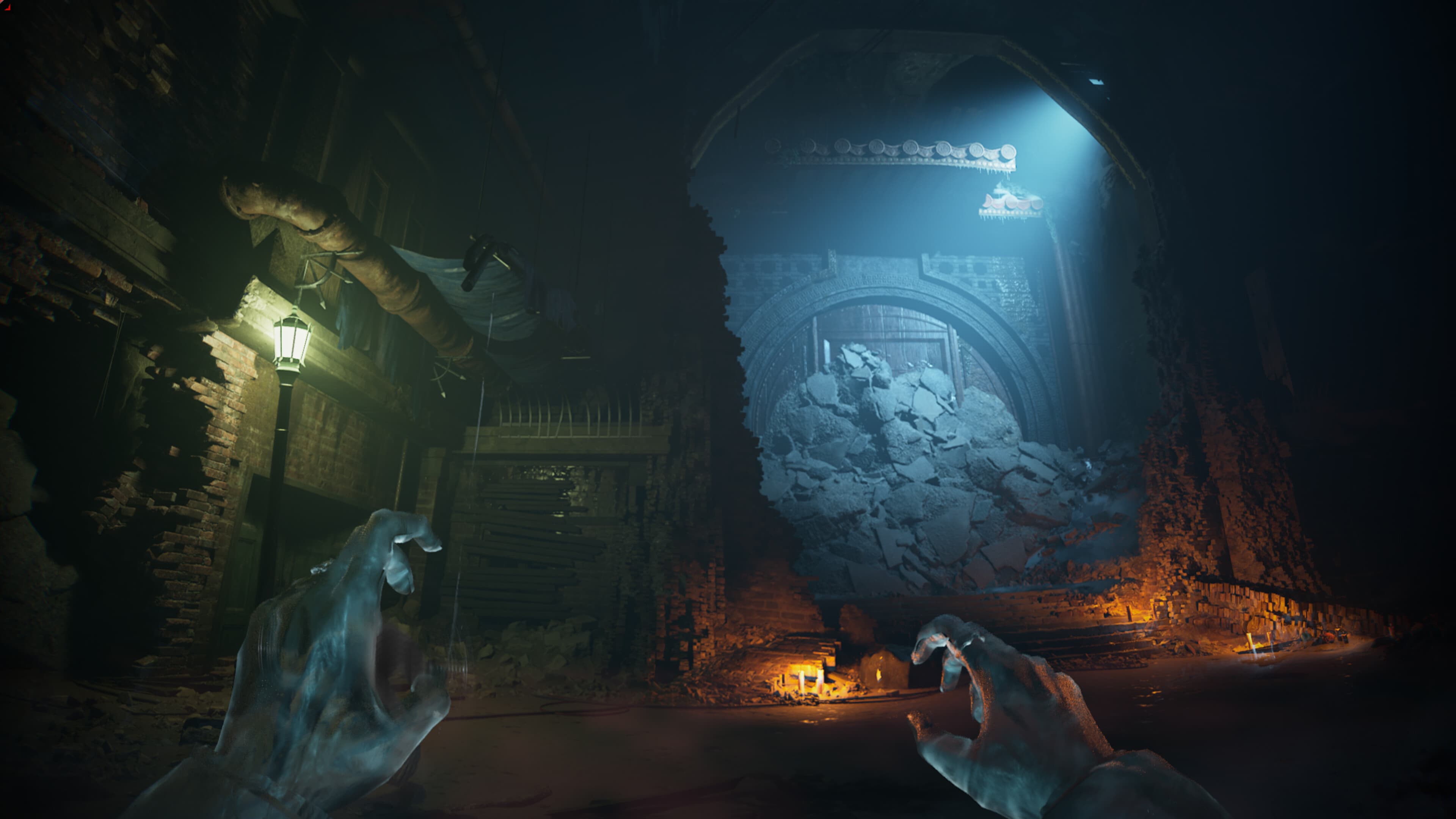
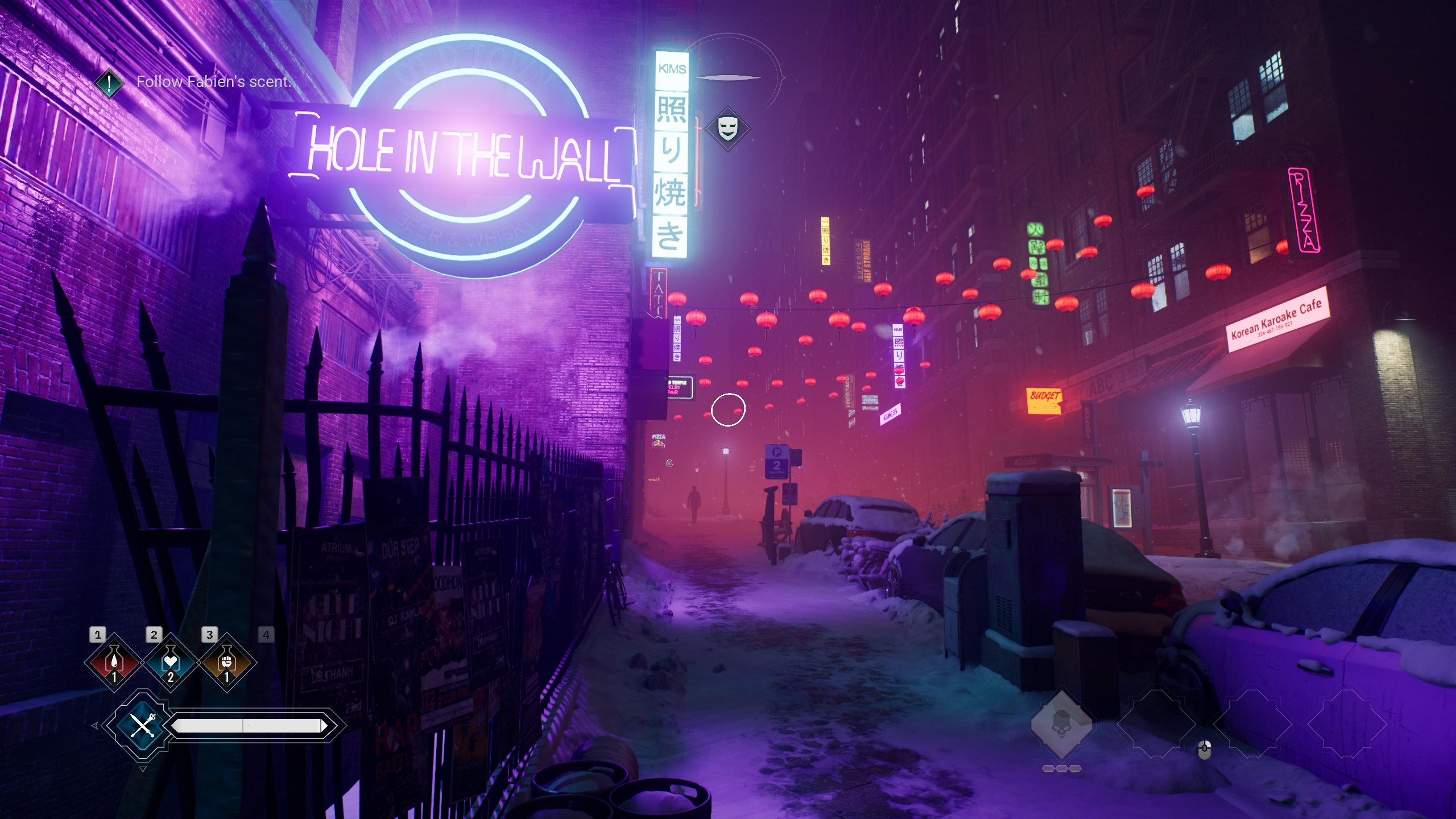
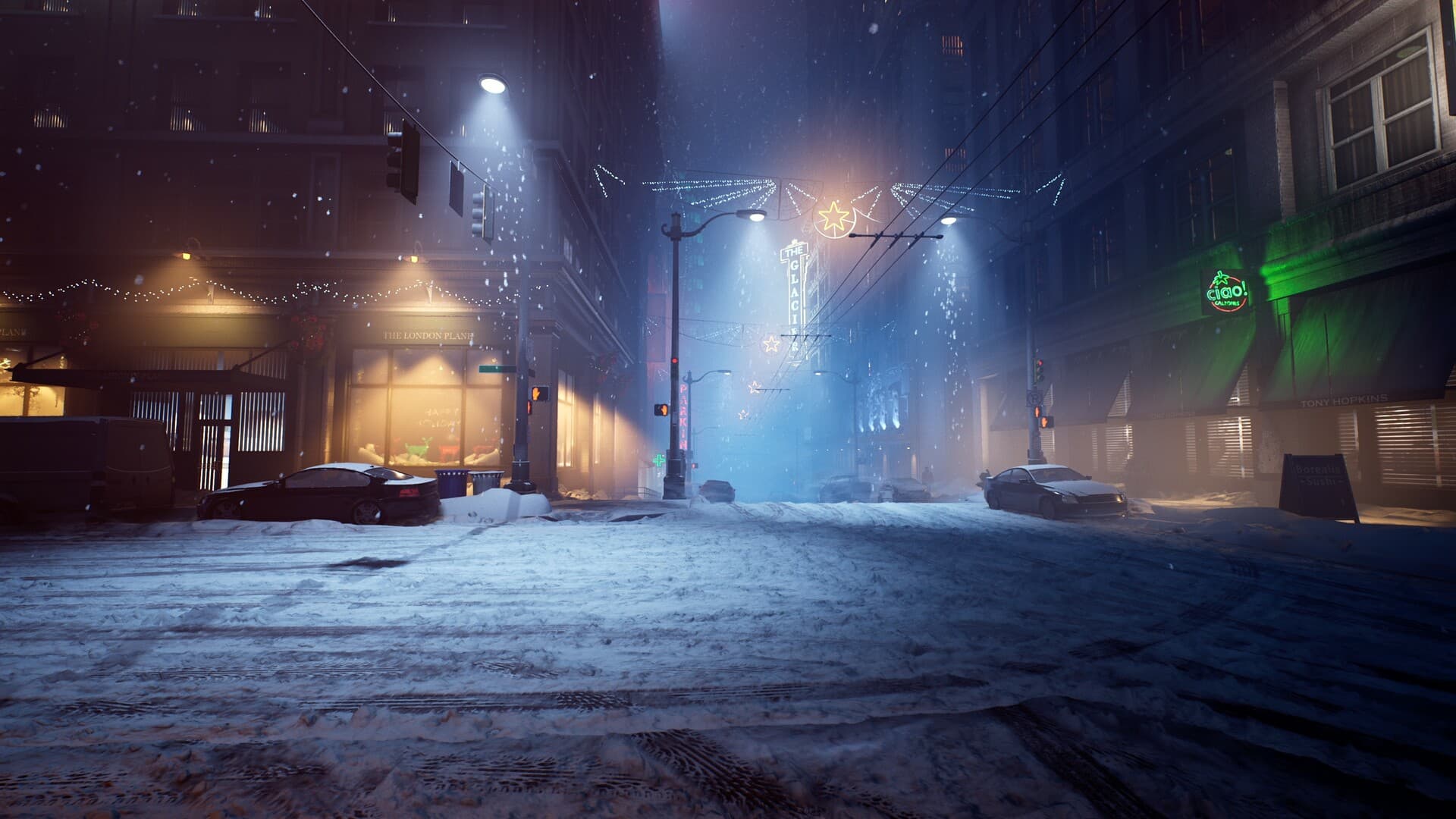
In Bloodlines 2, the action is transferred from Mystic Falls — oh, sorry, Los Angeles — to, according to the idea, a darker, snow-covered Seattle of 2024. The stunning aesthetics, atmosphere, style, and neo-noir "vibes" are noted by everyone — and, frankly, it's hard to disagree with that. The visual environment here seems tangible and enveloping.
But the city itself, despite the rare random passers-by, feels absolutely dead — even by the standards of the night time of day. I will definitely attach a gameplay recording at the bottom of the article: pay attention — there are zero signs of simulation, there is no traffic, everything looks like a dead, scripted decoration. At the same time, the interiors are well-developed: they have many small details, which adds depth to the visuals and a feeling of "living" space.
Moreover, in the "clean" gameplay recording, the picture looks really beautiful — no serious technical problems, except for the inexpressive facial animation. However, it would be naive to expect bugs in the first two hours of the game, deliberately prepared for public demonstration. But let's distract ourselves from the city — and return to our vampires.
Already at the start of the game, we are met by the first "alarm bell": it will not be possible to create your own character from scratch. You will have to play as a pre-written hero, for whom you can choose the gender and clan, but there is no full-fledged editor here — everything is limited to makeup, eye color, hairstyle, and costumes.
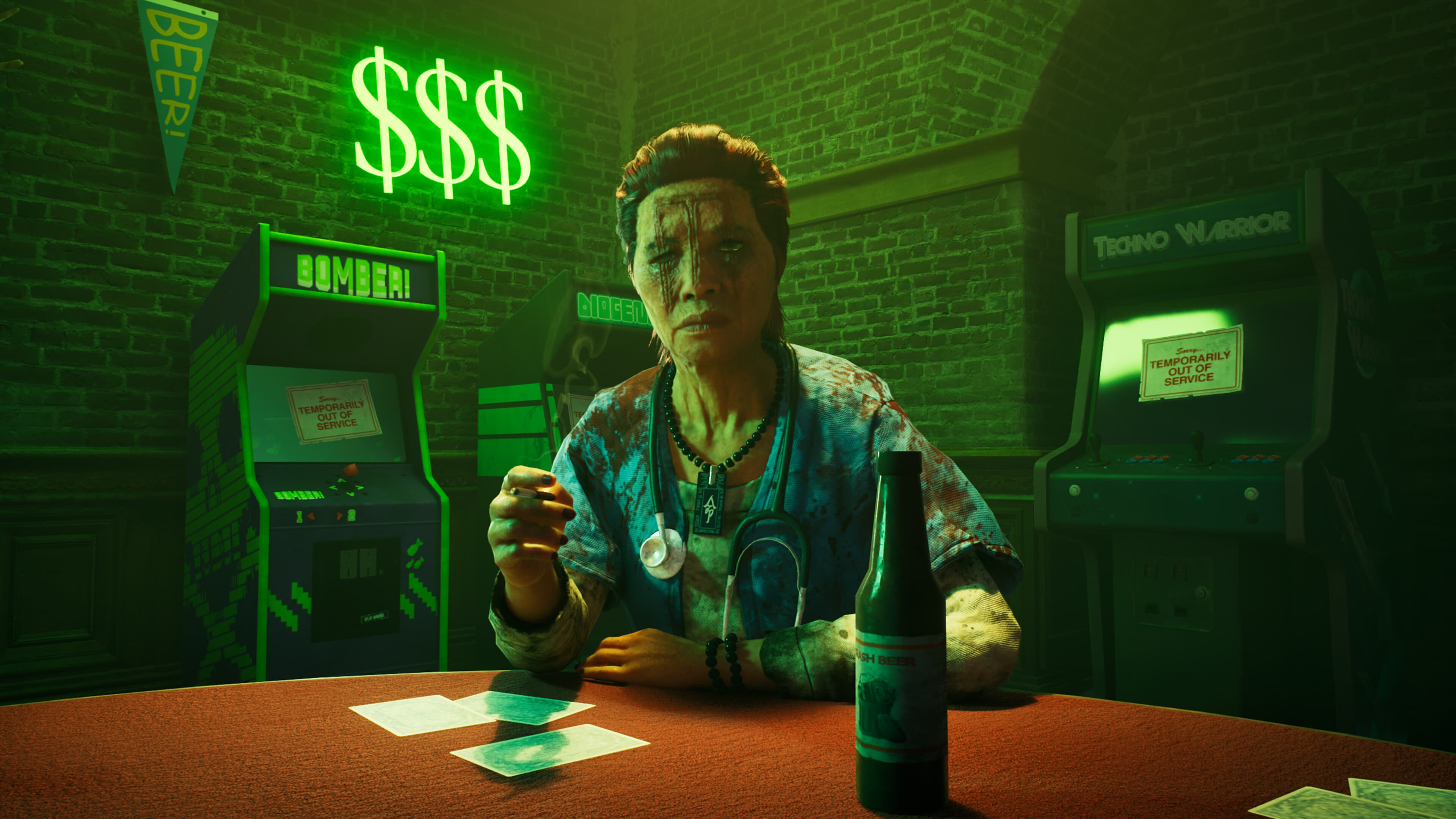
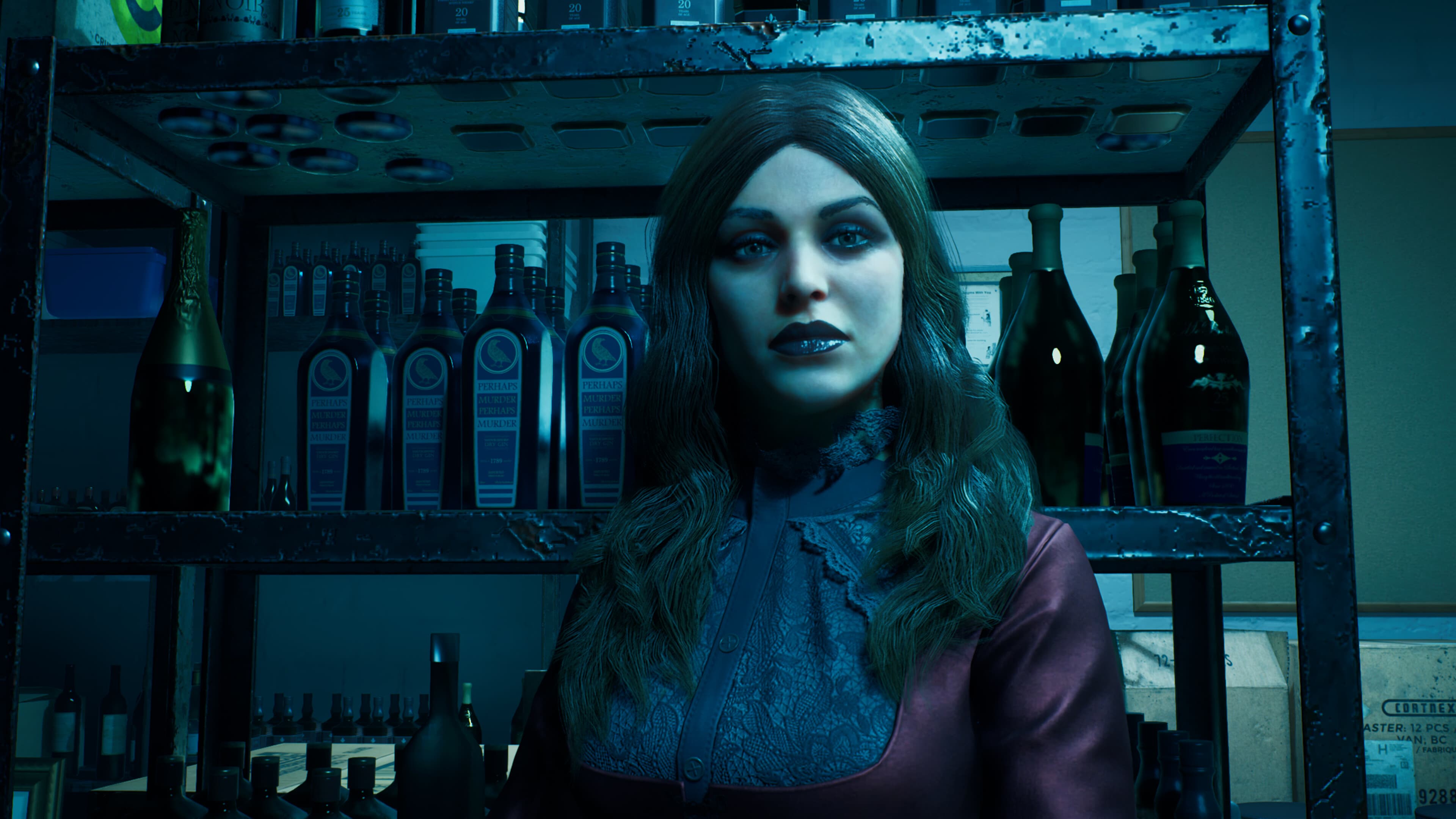
So, our hero (or heroine) is an ancient and powerful 400-year-old vampire named Phyre Kochek. He awakens weakened after a century-long sleep in a magical torpor, with a mysterious mark on his hand (probably the Stranger from Dishonored tried — you'll understand everything soon) and… a foreign voice in his head. This voice belongs to Fabian — a vampire detective from the clan of insane Malkavians, whom Phyre ate for dinner the day before.
However, neither Phyre nor Fabian are on good terms with memory, and the newly minted partners have to figure out what happened here, who put the mark and why — and how they ended up in the epicenter of the conflict, sucking in more and more shadow players in Seattle. The city is shrouded in snow and plunged into chaos: the prince is dead, the Camarilla (the vampire analogue of the UN) is losing its grip, anarchists and independent clans are increasing their influence, and the Second Inquisition is looming on the horizon.
Moreover, Fabian is not just a voice in his head, but a full-fledged game character. While Phyre sleeps off after night adventures, control passes to Fabian in the past: his line is built in the spirit of a noir detective — with investigation, collection of evidence, and interrogation of NPCs. At least, judging by the only episode shown in the demo version. Probably, his story arc will eventually lead to that very meeting with Phyre, but it is not yet clear how often the "switching" will occur.
One thing is for sure: this approach allows developers to reuse large pieces of the environment, creating the illusion of scale at a lower cost. Smart move. But how justified it is, the final version will show.
Running Along the Marker
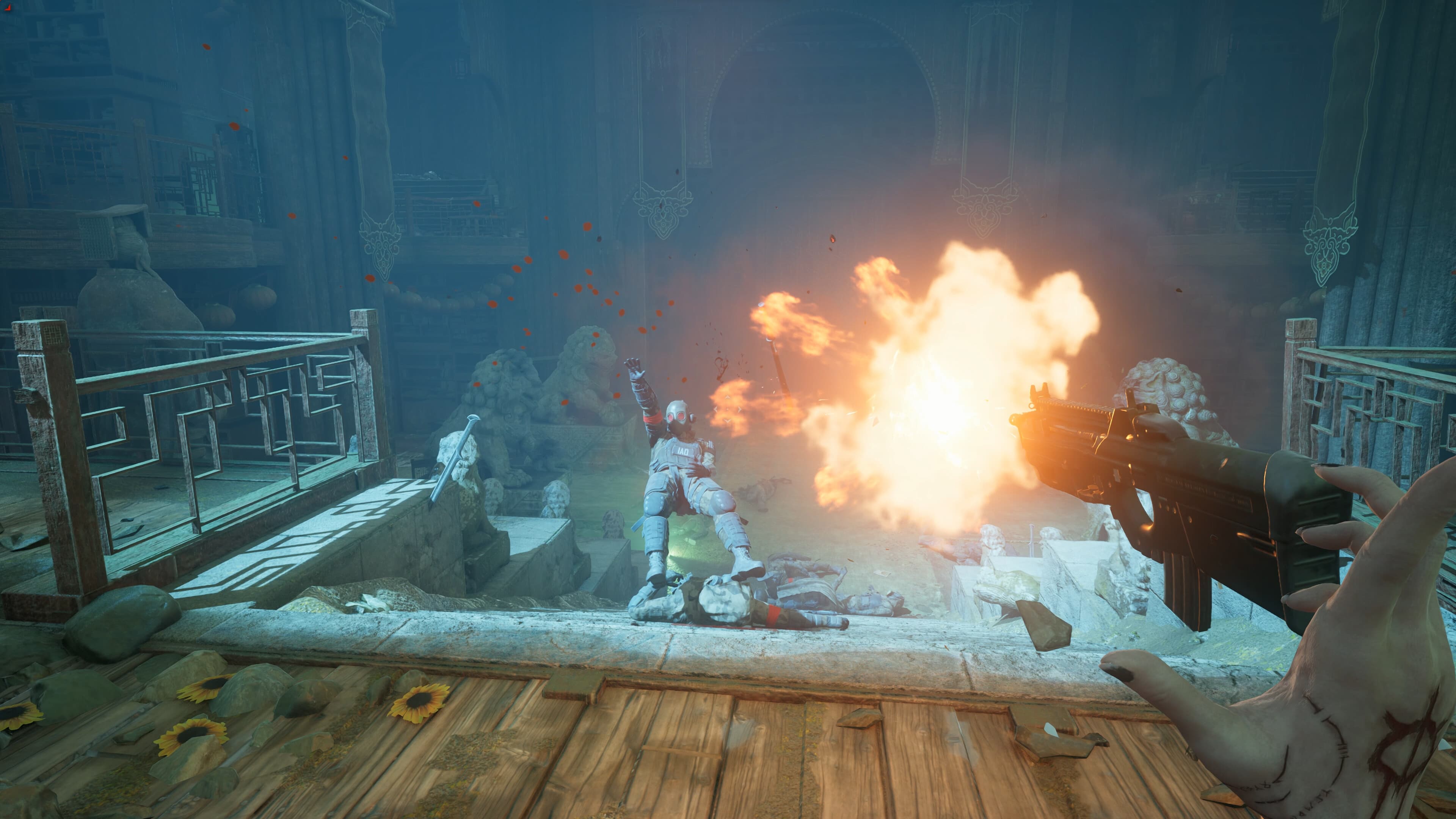
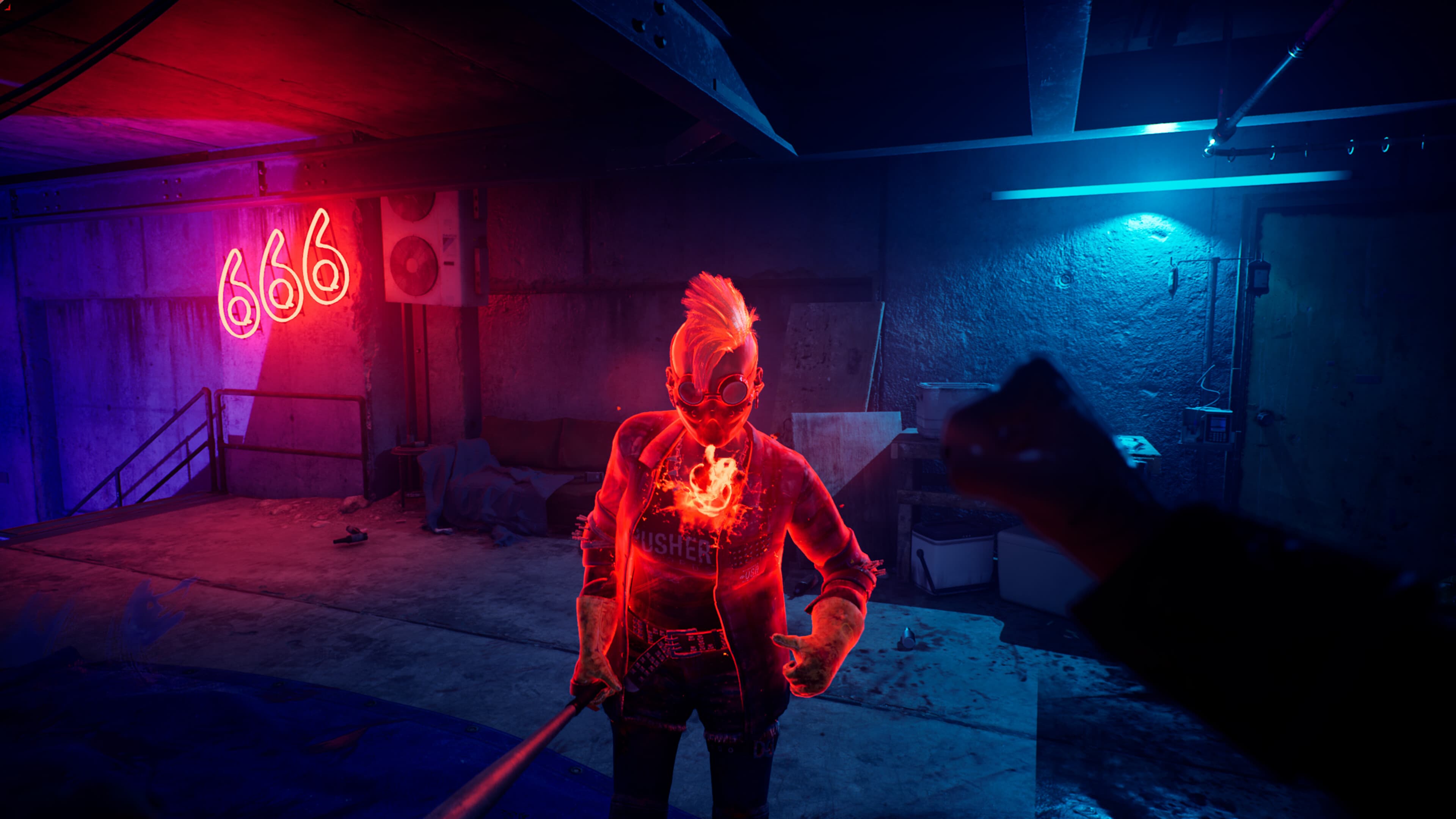
If everything is more or less clear with the gameplay for Fabian — "walking simulators" are familiar territory for The Chinese Room, then Phyre offers us to taste a bit of beat 'em up with supernatural abilities. Despite his weakened state, he remains an ancient and powerful vampire, and therefore smashes ordinary opponents to smithereens in seconds, using his advantages: inhuman strength, speed, and agility.
The basics of the combat system are simple: melee attacks, dodges, finishing moves, and subsequent "drinking" of the victim. Variety is introduced by a set of vampire disciplines — abilities. Already in the basic arsenal, the player has unlimited telekinesis, allowing them to pull opponents, interact with objects, and throw everything that is poorly placed — from bottles and bricks to garbage cans. Moreover, telekinesis allows you to snatch weapons from the hands of enemies and use them against them. But you can't take anything in your hands — a pistol snatched from a bandit can only be discharged into his face and immediately thrown back into the forehead of another enemy.
From all this grows a completely classic stealth: we turn on the "vampire" flair, sneak on our haunches, throw bottles with telekinesis, distract enemies and make our way past. Variety is introduced by vampire abilities, depending on the chosen clan.
Basic skills are available immediately, the rest are unlocked through the clan branch and consume charges received for "feeding" on blood. Among the abilities are the order to the enemy to "roskomnadzor", turning the enemy into a walking bomb, teleport through the shadow, slowing down time, invisibility, as well as various throws and captures. All this can be combined, which adds variability and tactical depth to the combat system. The combat system is already compared to Dishonored and Dying Light — and there is indeed some truth in this: both in terms of pace and approach to improvisation in battle.
But the comparison with Dishonored and Dying Light is also enhanced by mobility: vampire abilities allow you to move quickly around the city, climb walls, perform high jumps and even soar between buildings. All this together turns navigation through the level into a smooth, almost acrobatic flow. How does all this affect the practical part of the gameplay?
Here it is appropriate to recall the meme "how the boys sleep", because the opponents do not seem either dangerous or smart — which removes any need to be inventive in battle. That is, you can, but not necessarily. The reaction of enemies to the detection of the player is often delayed: they often wait until he strikes the first blow. Such a combat system will quickly get bored if it does not develop as you progress through the game. And how tired gamers are of the basic "hide and seek in the grass" — I think there is no need to explain. Here, however, there is no grass at all.
It also remains unclear how large and rich Seattle will be at release. The demo version presents only a small fragment of the city, almost completely devoid of content — with the exception of a couple of main story missions and several quests in the spirit of "bring-serve", necessary to unlock some abilities. At the same time, opinions differ: some say about the complete absence of side activities, others — about the presence of simple "side jobs".
Apparently, these differences are due to the fact that some played the digital version of the demo, while, for example, PC Gamer journalists tested the build at Gamescom — and in their case, the developers manually opened abilities that were not available in the prologue in the usual way.
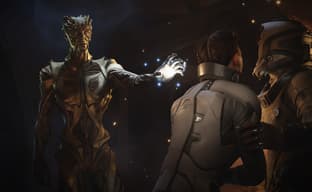
Comparisons with Dishonored concern not only the set of abilities. When reading and listening to the materials, I myself more than once "yokalo" — too often the name of one of my favorite games popped up. But all this, to put it mildly, is the cunning of the Horizon level: Mass Effect 2. I did not notice the wide freedom in solving problems — the very one that was promised — when independently viewing the passage of the demo version.
In story missions, one "correct" route is clearly traced, and any branches in buildings lead to a dead end — at most with a note or some kind of consumable. Therefore, so far there is no question of any creative use of vampire abilities outside of battles with dummies.
At the same time, the combat system is already called "the best" and even "revelation" compared to the first part. I understand that analogies are not the most correct way of argumentation, but let's remember... Not to mention the combat system in Mass Effect: Andromeda was also the best in the series... And where is it now?
In the original Bloodlines, battles were never in the foreground. The game became a cult thanks to the freedom of choice and the script, and not at all because of the combat system, which was rightly considered a weak link. And what about the role-playing component in the second Bloodlines? This is really an important question.
Chatter
As for the more familiar "role-playing" elements, here it is both "everything is clear" and nothing is clear. Firstly, there is no pumping as such — only the study of abilities. The Chinese Room deliberately moved away from digital indicators towards a simplified system with clan skill branches — in the spirit of what we have already become accustomed to in open-world action games from Sony and other similar games.
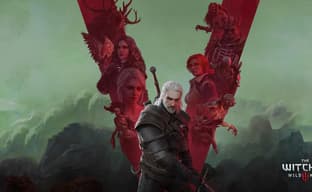
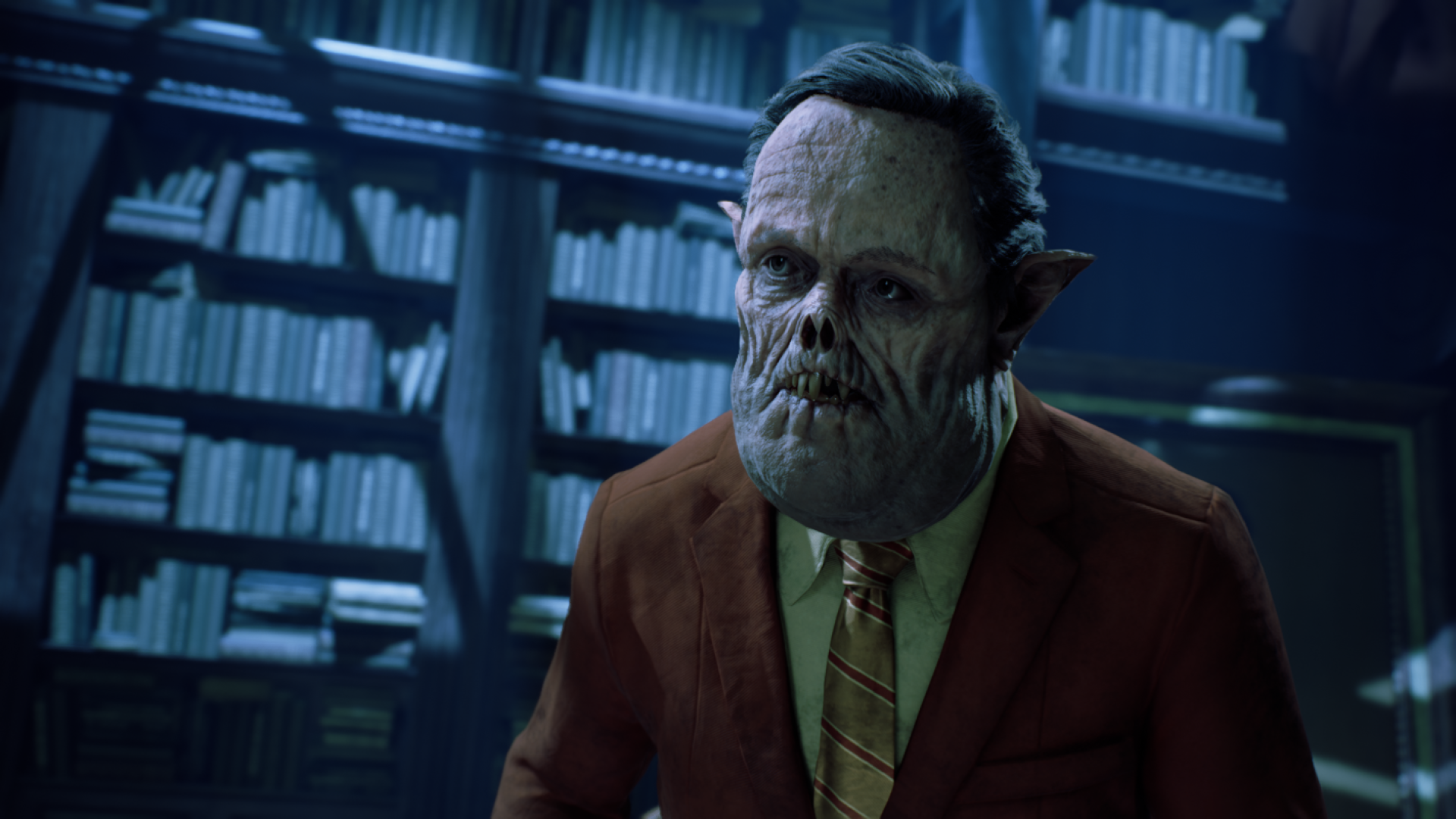
But the dialogue system seems really interesting. But the key word here is "seems". Here, supposedly, you can not "exhaust" all the replicas, as, for example, in The Witcher 3. Even neutral questions, which in other games are usually "clicked through" to the state of "gray" (read), can affect the attitude of the interlocutor — or even those around them, if they witnessed the conversation. The classic formula works in the spirit of "Clementine will remember this", but how far the influence of the answers extends is unclear: the timing of the demo version does not show this, and in practice it may well turn out to be a dummy.
At the same time, judging by everything, the chosen clan really affects the tone of dialogues, the style of communication and individual remarks. But it is not yet possible to confirm whether this has deep and long-term consequences. The demo version is extremely "rail", and it is unclear whether this is due to the fact that we are only seeing the prologue, or whether the whole game will turn out to be a linear action game with routine dialogues, where variability exists only nominally.
So far, we can only say one thing: we have the illusion of influence. The preview mentioned side quests to search for "special blood" to unlock abilities. Supposedly, the player had to interact with characters whose reaction depends on the clan, appearance and manner of speech of the hero. But in fact, according to reviews, everything turned out to be much simpler: the necessary NPC without further ceremony allowed himself to be "sucked in".
As a result, the demo version became for me not so much a demonstration of the game, but rather proof that it exists at all — and that, perhaps, it will really be released.
Vampires from the Paradox Clan
But the fans did not have time to rejoice at the announced release date, as their enthusiasm was instantly cooled by information about the Bloodlines 2 business model. "Parahods" used to be distinguished by their love of unloading DLCs by wagons immediately after the release, but this time, it seems, they surpassed themselves — and managed to turn the community against themselves even before the game itself was released.
Two vampire clans — Toreador and Lasombra — will not be available without purchasing the paid add-on "Shadows and Silk". It is included in the premium edition worth 4979 rubles in the Russian Steam and will be sold separately after the release.
In other words, a third of the six available clans will be closed behind a "paywall" from the very start of the game. A player who bought the standard edition for 3319 rubles will receive only four playable clans. For comparison: the original Bloodlines offered seven clans out of the box.
Moreover, not some minor clans turned out to be "overboard", but some of the most popular — classic, if you will.
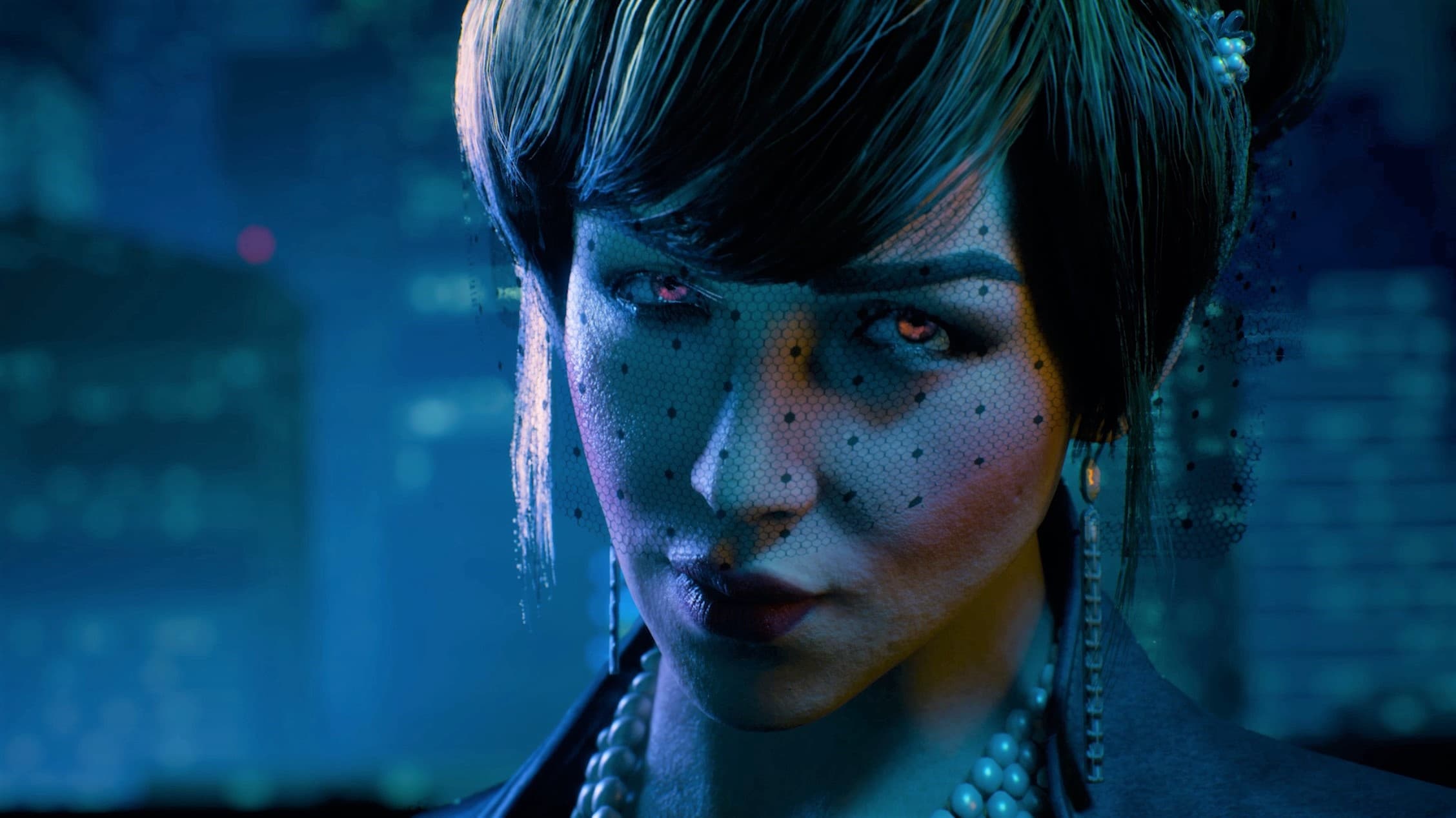
Toreadors are the embodiment of eternal temptation: vampire artists, poets and predators at the same time. They captivate with a glance, disarm with a smile and turn the weakness of the victim into an instrument of power.
Lasombra, in turn, are masters of shadows, intimidation and behind-the-scenes intrigues. These are puppeteers weaving networks of influence in the dark. Their strength lies in the ability to control fear and literally dissolve in the dark, gaining power through intimidation and pressure.
Both clans offer completely different styles of play, directly affecting the atmosphere and interaction with the world and characters. That is why their removal beyond the basic version is legitimately perceived by many as a deliberate reduction of content in order to milk more money from fans.
This is especially acute, given that as the character develops, he will be able to learn and combine the abilities of different clans. And every time, opening the abilities menu, the game will carefully remind you that you are a "poor man" who did not buy the maximum edition.
Probably, "correct" journalists were given the "correct" opinion — because in the previews, formulations like "the game is transformed when playing as Lasombra" are encountered with enviable consistency. And I quite believe it! In addition to spectacular unique abilities, Toreador and Lasombra are the two most "social" clans, while the rest are more focused on the combat part. However, it is worth remembering that this very "transformation" will cost you at least $20.
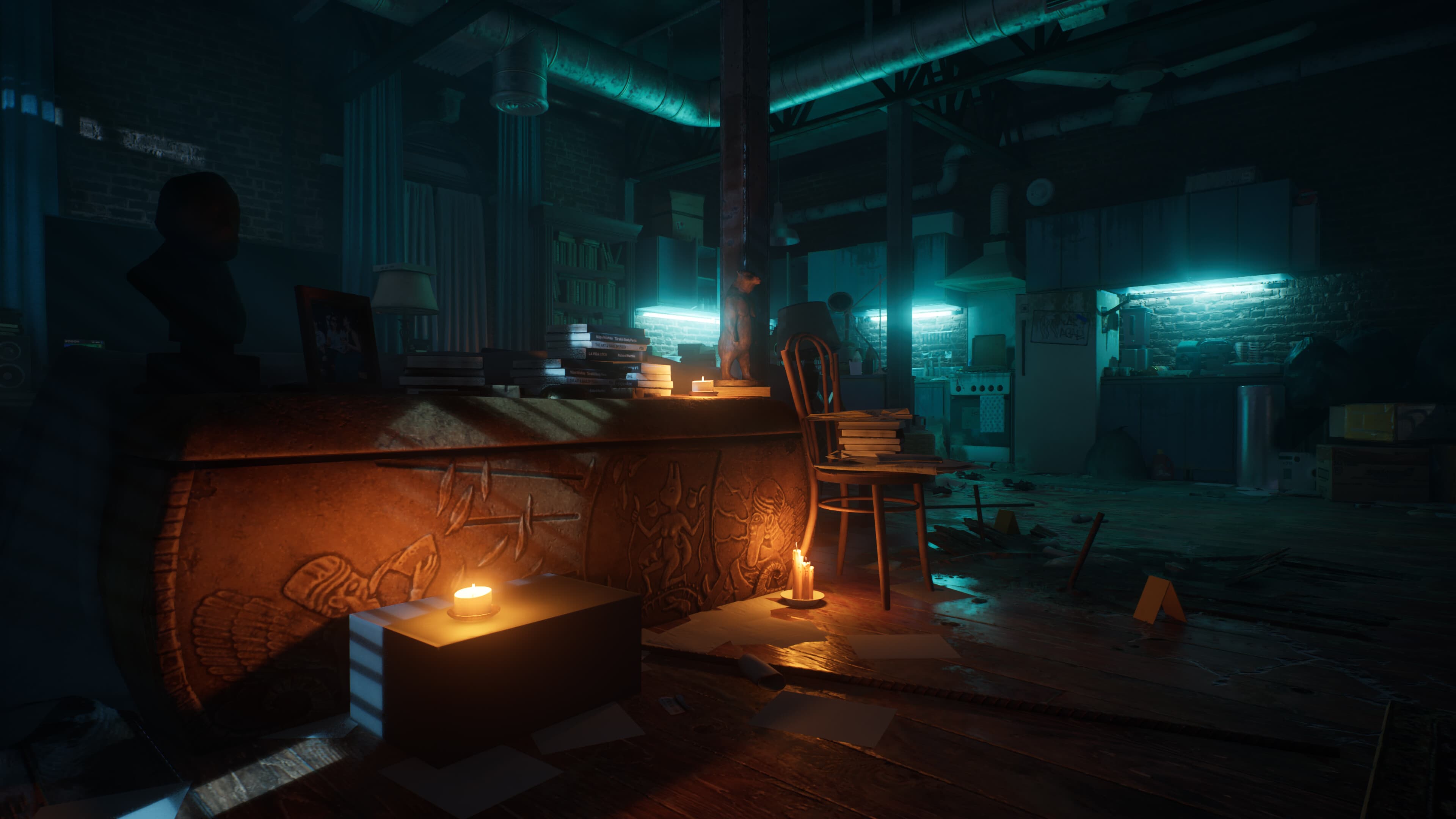
However, Paradox did not stop at paid clans and continued to monetize fan love with other "bonuses." Want a jukebox with tracks from Rick Schaffer — the very ones he wrote back when he worked with Hardsuit Labs? Pre-order. And if you take the Deluxe edition, you can get cosmetics with references to the original Bloodlines: the Ankh sarcophagus, a portrait of the Voerman sisters, the "STOP" sign that Malkavians talked to. It seems that vampires from the Paradox clan suck blood from players no worse than the heroes of Bloodlines — and the community naturally responds to this with fury. Boycotts and direct calls for piracy are used as a sign of protest.
Paradox justifies itself by saying that this content was not originally planned for release, but was added at the request of players! Like, the studio had to work extra hard to fulfill the desires of the community. So, are the fans themselves to blame for wanting to get the full version of the game, and not a stub? Funny.
From Paradox's previous statements, it is clear that the company no longer wants to deal with RPGs and therefore does not care about its reputation among fans of the genre. All it is trying to achieve now is to return at least part of the investment in this ill-fated project, which has been eating away at the budget for ten years. But a logical question arises: if the game fails even before its release due to such decisions, then what kind of return on investment can we talk about at all?
Right now, the cost of the game with two additional clans in some regions reaches — and in some places exceeds — $100. But this game is not called GTA VI or Red Dead Redemption 3.
Moreover, judging by everything that the developers have said, shown, and allowed to be known, it should be called something else entirely. I don't know: Redfall 2, Dying Light: The Masquerade, Yakuza: Like a Vampire — anything, just not Bloodlines 2.
Yes, it's still a game in the World of Darkness and Vampire: The Masquerade universe, but it's clearly of a different kind, scale, and depth. And it will be doubly обиднее to watch its possible failure at release — especially if it happens only because the publisher didn't care about the fans of the original from the very beginning.
Diagnosis
Looking back at all the previews, statements from developers and publishers, as well as the reaction of the community — Vampire: The Masquerade – Bloodlines 2 appears to be an extremely controversial project. On the one hand, the game will actually reach release — in the reality of which, even a year ago, it seemed that no one believed. Moreover, it seems that at least The Chinese Room was honest with the players: the fact that it would be a linear action game with role-playing elements was said two years ago — and that's exactly what it looks like now.
After all the previews, there are things that you want to believe in. I want to believe that Bloodlines 2 will give an atmospheric vampire adventure, perhaps with яркими heroes and an interesting story. The combat system and movement around the city look cheerful, but the role-playing component should pull everything out in the long run. And there are still too many questions about it, as well as about the variability, depth, and volume of content.
And yet it is already clear: hand on heart, we can say with confidence that fans were not waiting for this. And against this background, the mocking attitude towards the audience and parasitizing on the cult status of the original Bloodlines, which cannot be justified by anything — except, perhaps, the greed of the publisher — look especially sad.
Apparently, even under pressure from the community, Paradox will not change its policy: they are used to it. But that is why there is a serious risk that on October 21, 2025, Bloodlines 2 will actually be released, but "no one will come to the meeting." And after 21 years of waiting, the "Masquerade" will finally turn into a "Circus."
***
The rights to all images in the material belong to Paradox Interactive. IXBT Games uses them exclusively for informational and analytical purposes and does not claim to own them.