In recent years, the superhero blockbuster genre, which peaked in the last decade, has begun to stagnate. Box office revenues have noticeably declined, criticism has increased, and studios seem unsure of what to do. In today's article, we will analyze these problems using the Marvel Cinematic Universe as an example and try to answer the question: Is the era of superhero films truly over?
The Toxic Marvel Brand
After the release of "Avengers: Endgame" in 2019, Marvel fans worldwide held their breath: what could the studio offer after such an epic conclusion? Some eagerly awaited the fourth phase, while others were skeptical, as surpassing the "Infinity Saga" would be incredibly difficult. The topic of "agenda" was just beginning to gain traction and hadn't yet become tiresome for the mass audience, although it did raise concerns.
However, six years later, the answer is clear: they haven't come up with anything worthwhile, and even worse, they've lost not only a significant portion of their fan base but also a large part of their own potential.
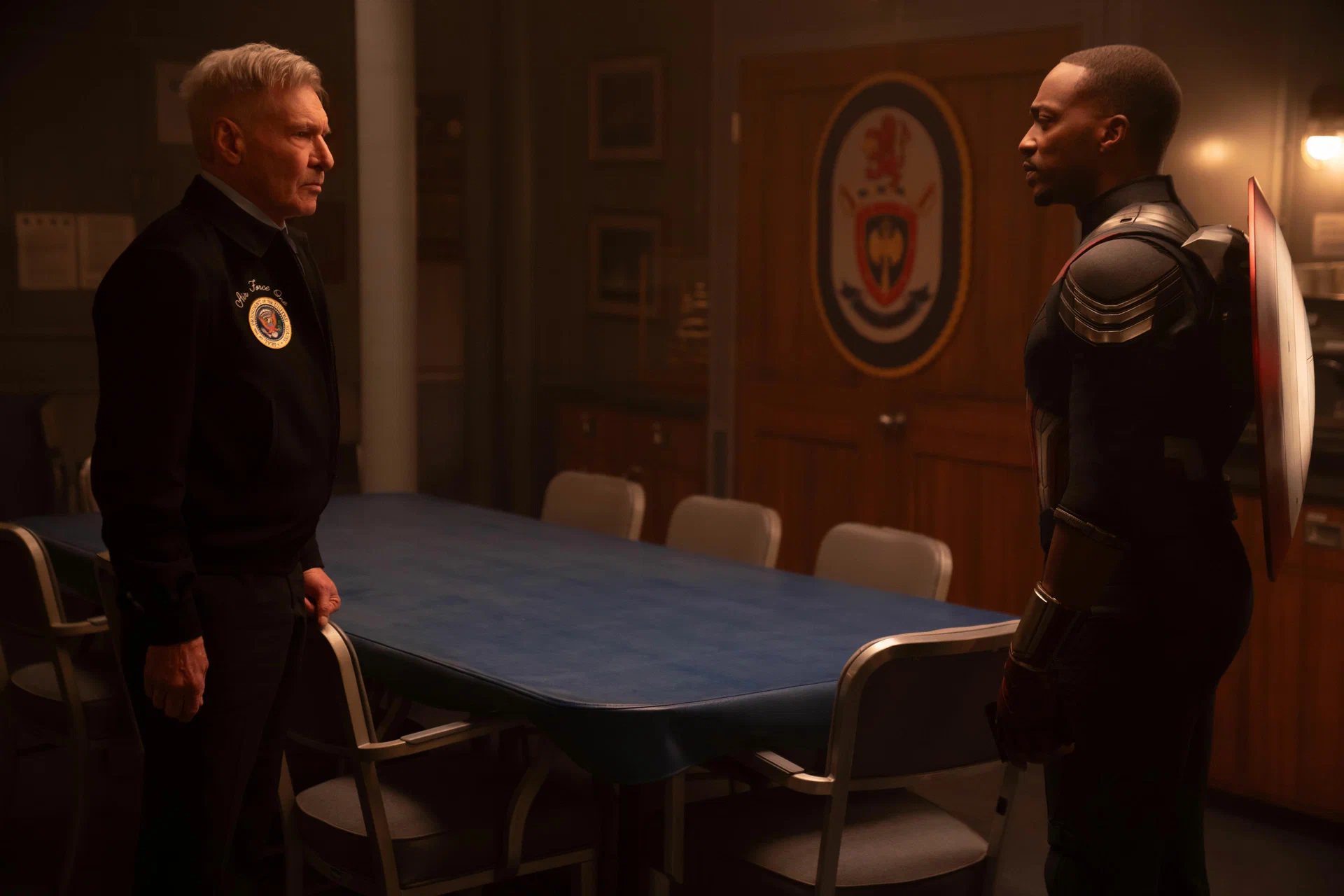
Moreover, things are so bad that the Marvel brand itself has become toxic, almost as much as Ubisoft in the gaming industry. Take this year, for example. In 2025, three MCU films were released: "Captain America: Brave New World", "Thunderbolts*", and "Fantastic Four: First Steps". All of them turned out relatively decent, even "Cap 4", which is easy to understand if you accept that it's not about Captain America himself but about Thaddeus Ross. Although this is debatable.
"Thunderbolts*" and "Fantastic Four" even brought something new to the MCU: the first film reflected on depression and psychology, moving away from the usual superhero brawls, while the second returned the audience to the "Silver Age" of comics, which can also be considered a breath of fresh air.
So, "Captain America" and "Thunderbolts*" have already flopped, and "Fantastic Four" has very little chance of recouping its costs. Box office revenues have dropped by almost 70% after the first week. People are simply tired of what Marvel is feeding them and don't believe in their projects, even when they turn out to be good.
Origins of the Crisis
Reason One: It Got Worse
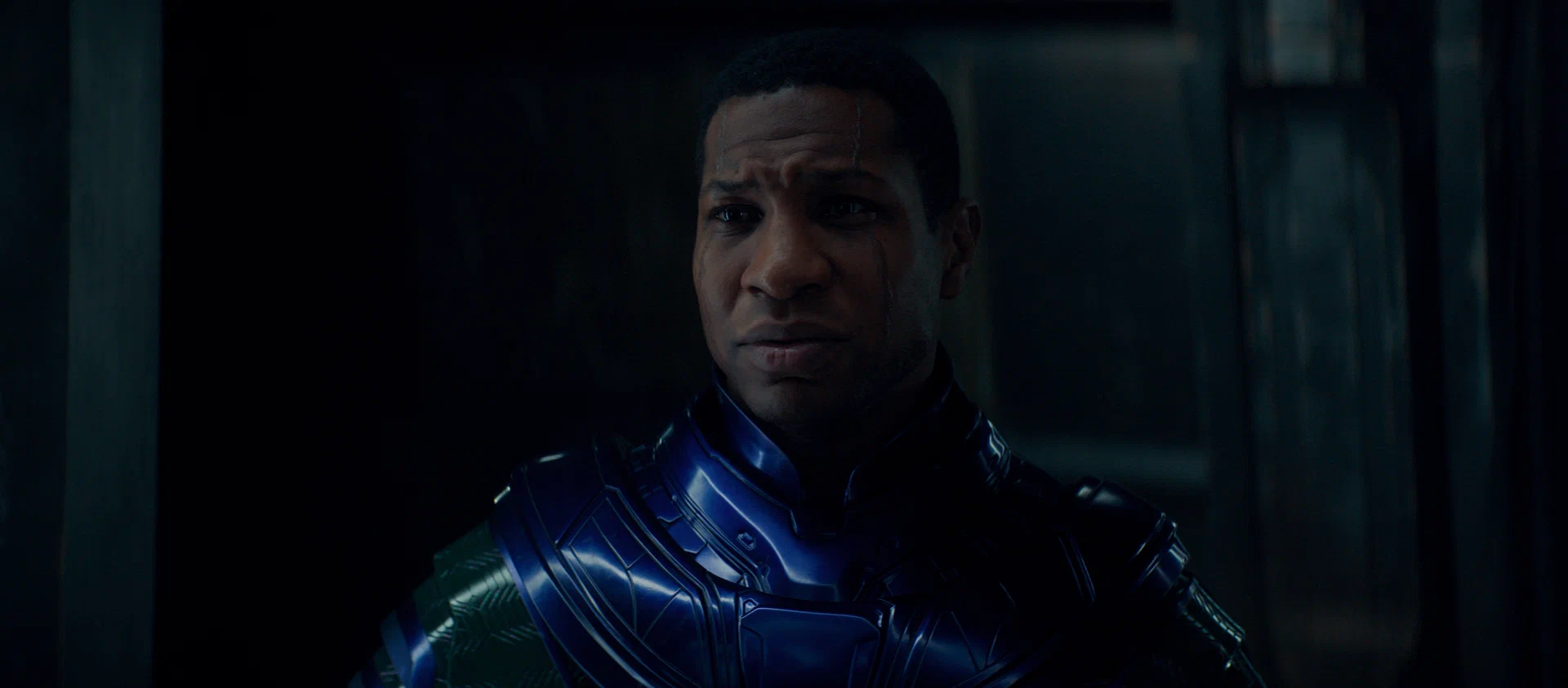
Here you have the influence of the notorious "agenda", which only grew over several years, and the problems with the visual aspects of the projects in 2022-2023 reached their peak. This also includes the consequences of the pandemic and the scandal with Jonathan Majors, who was found guilty in the case of assaulting his former girlfriend, Grace Jabbari. He played the role of Kang the Conqueror, who was supposed to replace Thanos as the main villain of the new saga.
All of this led to a significant weakening of interest from the audience, and the studio's films lost what they were known for before: stability.
Some, of course, made money, but they did it by some miracle, especially "Black Panther: Wakanda Forever" (860 million in revenue) and "Thor: Love and Thunder" (760 million), the quality of which is highly debated among fans. Otherwise, the only big hits were "Spider-Man: No Way Home" (1.95 billion), "Doctor Strange in the Multiverse of Madness" (955 million), and "Deadpool & Wolverine" (1.33 billion). And all these films are characterized by an abundance of fan service. Only "Guardians of the Galaxy Vol. 3" turned out to be good in terms of both quality and box office (845 million), but this is an exception to the rule named James Gunn, who now heads the DC universe.
Seven films completely failed during this time, some of which didn't even break even. After all, to recoup costs and generate profit, a film must earn 2-3 times its budget:
- "Black Widow" – 380 million in revenue with a 200 million budget;
- "Shang-Chi and the Legend of the Ten Rings" – 432 million in revenue with a 200 million budget;
- "Eternals" – 402 million in revenue with a 200 million budget;
- "Ant-Man and the Wasp: Quantumania" – 476 million in revenue with a 200 million budget;
- "The Marvels" – 206 million in revenue with a 374 million budget;
- "Captain America: Brave New World" – 415 million in revenue with a 180 million budget;
- "Thunderbolts*" – 382 million in revenue with a 180 million budget.
Reason Two: No Connection
If before each film brought something new to the overall picture of the world—characters, events, objects, and so on—now all the heroes have gone their separate ways and started their own storylines, which, in the end, led to nothing.
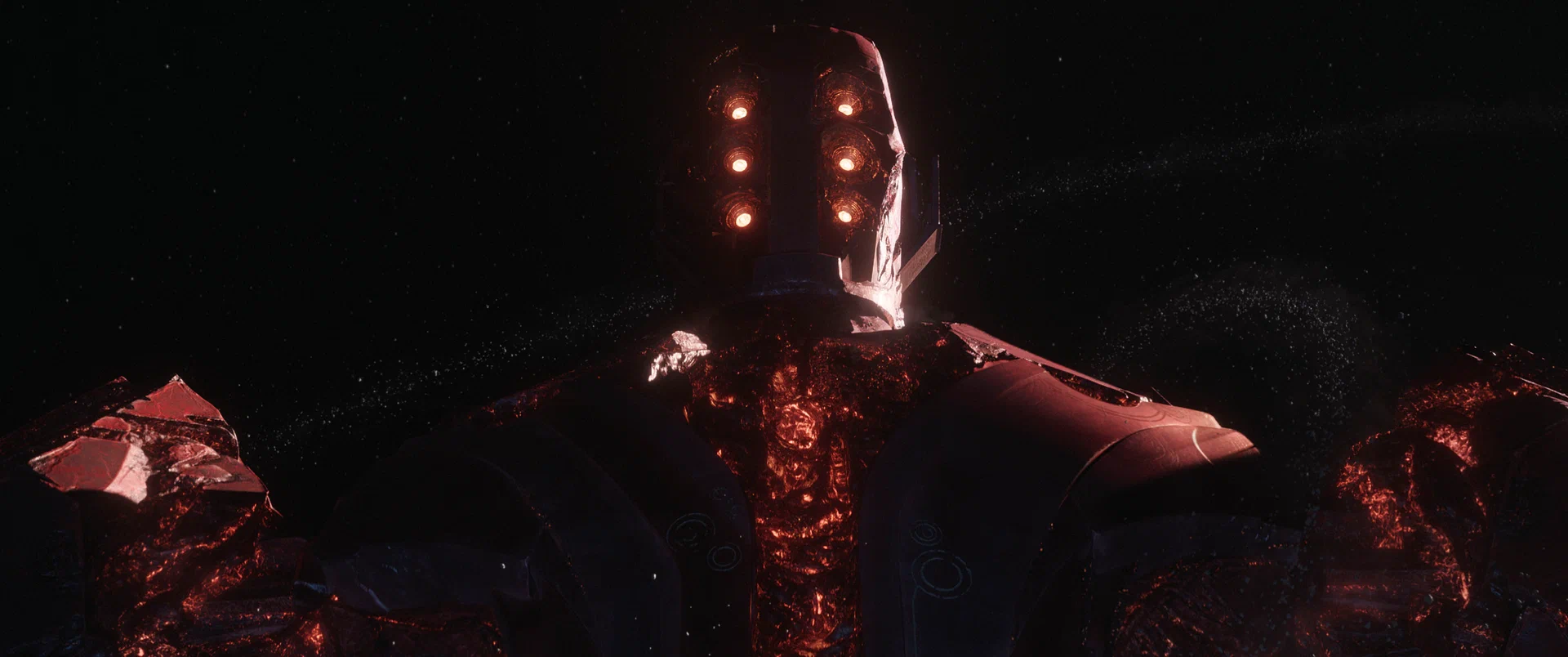
Over the years, we have been given many hints about the future plot, which remained without continuation. Just look at the post-credit scenes in "Eternals", which teased two storylines at once: the appearance of the Black Knight, which leads viewers to the mystical side of the MCU, and Thanos's brother, which was supposed to expand the cosmic part of the universe.
Previously, the audience's interest was growing because one film pulled another along, covering each other's shortcomings with common storylines. That's why even the first "Captain Marvel" grossed over a billion simply because it was released between "Infinity War" and "Endgame", and the audience was curious: what part of the story would be important for the next "Avengers"? It was roughly the same with "Star Wars", where individual parts—for example, "Episode II: Attack of the Clones"—may not be very popular among viewers, but the overall picture is interesting.
But now we have a bunch of disjointed projects that don't cover each other in any way, and all their flaws become even more noticeable as a result.
Reason Three: A Saga Without a Saga
Continuing the theme of the lack of connection between films, we come to the fact that the declared "Multiverse Saga" is simply not revealed in any way. After the completion of the third phase, exactly 30 projects were released: 14 films, 14 series, and 2 special episodes. And how many of them somehow relate to the theme of the multiverse?
Only eight projects do this directly, and even then, some of them are fan-service potboilers, and some are on the list simply because their events unfold in alternative universes and are not connected to the main one, at least not yet:
- films: "Spider-Man: No Way Home", "Doctor Strange in the Multiverse of Madness", "Deadpool & Wolverine", "Ant-Man and the Wasp: Quantumania", and "Fantastic Four: First Steps";
- the "Loki" series;
- animated series: "What If...?" and "Your Friendly Neighborhood Spider-Man".
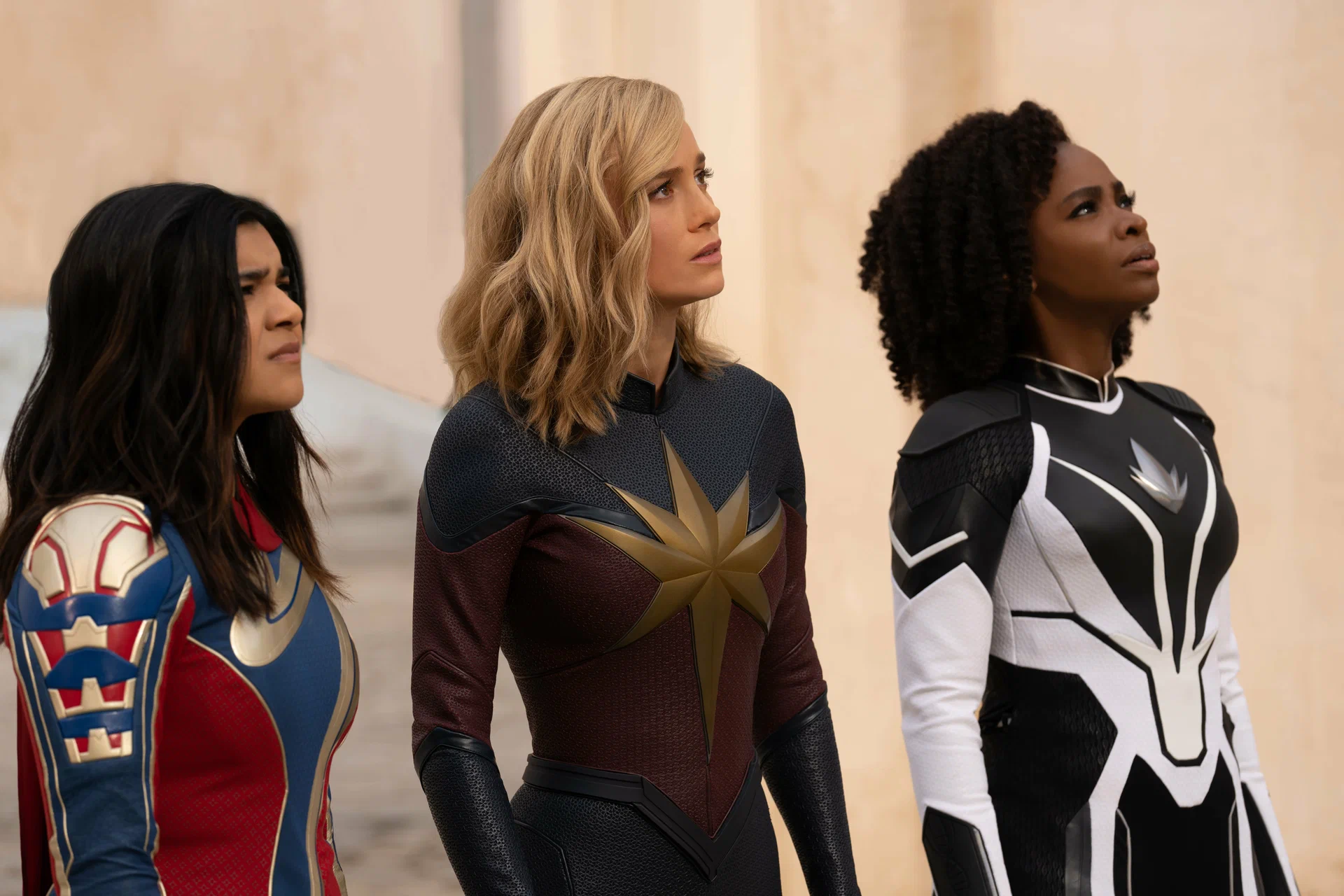
You can also recall "The Marvels", "Captain America 4", and "Thunderbolts"—they have post-credit scenes that are related to the multiverse, but nothing more. And the series "Agatha All Along", where Wiccan appeared, although this is debatable.
Reason Four: Series
Starting with the fourth phase, series began to appear in the MCU. They existed before, but then their action took place somewhere in the background, not connecting with the events of the films in any way, and at most referring to them. Now, the projects have a direct relationship with the main films, and the old series were declared non-canon. It's especially обидно for "Agents of S.H.I.E.L.D."—however, considering what happened in the last season, it's easy to imagine that the events of this project were another separate universe, as in "Fantastic Four".
Now, although the series have a direct connection with the films, the latter did not need them. Each film itself explains its events, without requiring much knowledge of what happened in the series: Wanda and Strange themselves will explain what was in "WandaVision", and the fact that Falcon became Captain America is so obvious after Steve gave him the shield at the end of "Endgame"—even the appearance of "U.S. Agent" is not such a big omission, because they will tell about him in a couple of words in "Thunderbolts*".
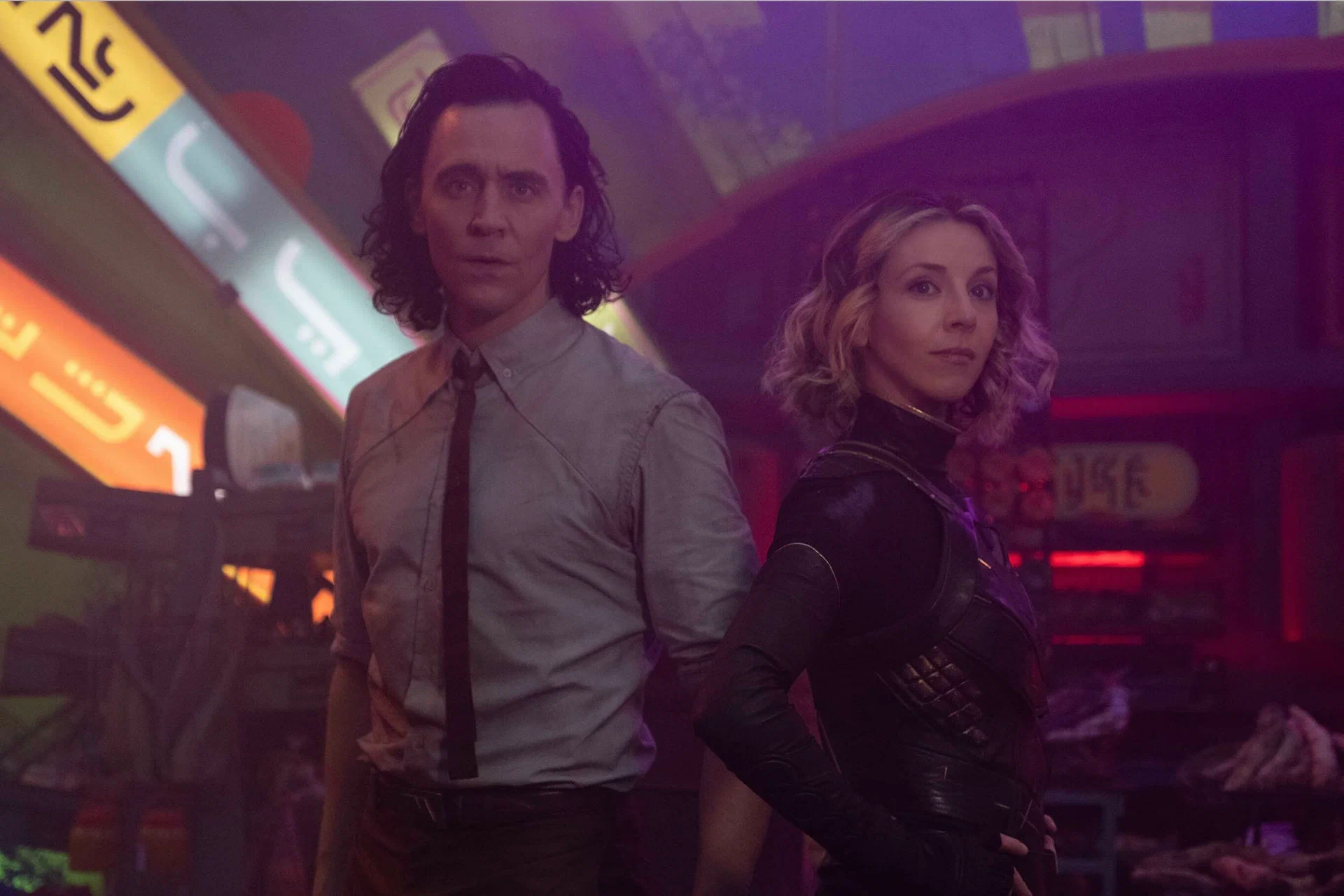
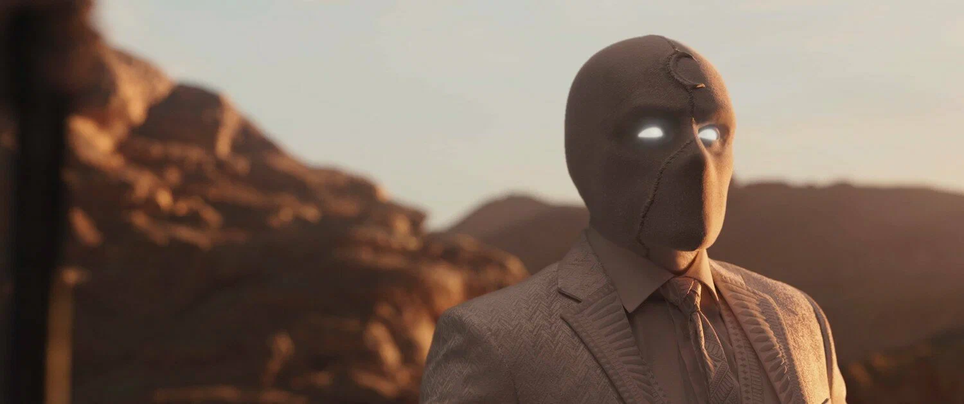
Yes, not all series are bad: "Hawkeye" and "Moon Knight" are good, "Ms. Marvel" is worth watching once, and "Daredevil: Born Again" excellently continues the project from Netflix. But everything else is either just bad, or leads nowhere, or is simply unnecessary. The only exception was "Loki," which single-handedly pulled the entire idea of the multiverse — literally explaining how everything works here and what is needed for.
The emphasis on series is explained by several factors. At the end of 2019, Disney launched its analogue to Netflix — the Disney+ streaming service, where all MCU projects, both series and films, began to be released. And although the experiment with simultaneous premieres in cinemas and on streaming failed — the COVID-19 pandemic also contributed to this — the service became a partial justification for the decline in the quality of Marvel products and more. They say, if the film doesn't pay off at the box office, it will make up for it on streaming, no big deal, and the abundance of series was needed to fill the service with content — no one thought about quality!
Also, the studio decided to turn the perfectly calibrated universe into an analogue of comics, where there are a huge number of different series, most of which lead nowhere and are not connected to each other in any way. The series were also supposed to be a small extension, not obligating the viewer to anything — the so-called "tie-ins."
But it's one thing to draw a comic — it takes at most 5-10 people, or even less, and several weeks/months to create. It's quite another to shoot a film/series, which costs hundreds of millions of dollars and months/years of production. Here, even if you see that your strategy isn't working, you can't just cancel everything — it takes years. And if you have to change something, the money and plot hooks simply go down the drain — which is what happened.
Причина пятая: усталость
One should also not forget about the banal overdose of attention for viewers and the studios themselves: people are tired of watching unnecessary projects, and the corporation's production capacities turned out to be overloaded — before, when only 2-3 films were released per year, it suited everyone. Changes after the "Infinity Saga" were needed, but Kevin Feige and the others clearly didn't think through all their possible consequences — fortunately, they understood this and changed their approach.
The problem is similar with phases. Previously, each phase meant some kind of common arc:
- Первая — сбор Мстителей;
- Вторая — последствия битвы в Нью-Йорке и изменения мировоззрения персонажей, что в будущем приводит к распаду команды героев и акцент на камнях бесконечности;
- Третья — конфликт внутри команды, итоговое противостояние с Таносом и завершение сюжетных линий Железного Человека, Капитана Америка и Чёрной Вдовы.
But what distinguishes the fourth, fifth, and sixth phases from each other? Why are they needed after "The Finale"? The question is open.
Because of all this, we got the main irony of the cinema of the 2020s: if the previous DC cinematic universe tried to repeat the path of Marvel, but failed, then Marvel turned into DC, which had exactly the same problems, very successfully.
Now Disney has had to radically change its plans, removing Kang and immediately delivering a double trump card in the form of Doctor Doom, who will be played by Robert Downey Jr. His return cost the "mouse house" a very large sum: the amounts range from 70-80 to 220 million, depending on the source. You can shoot a whole film for that money!
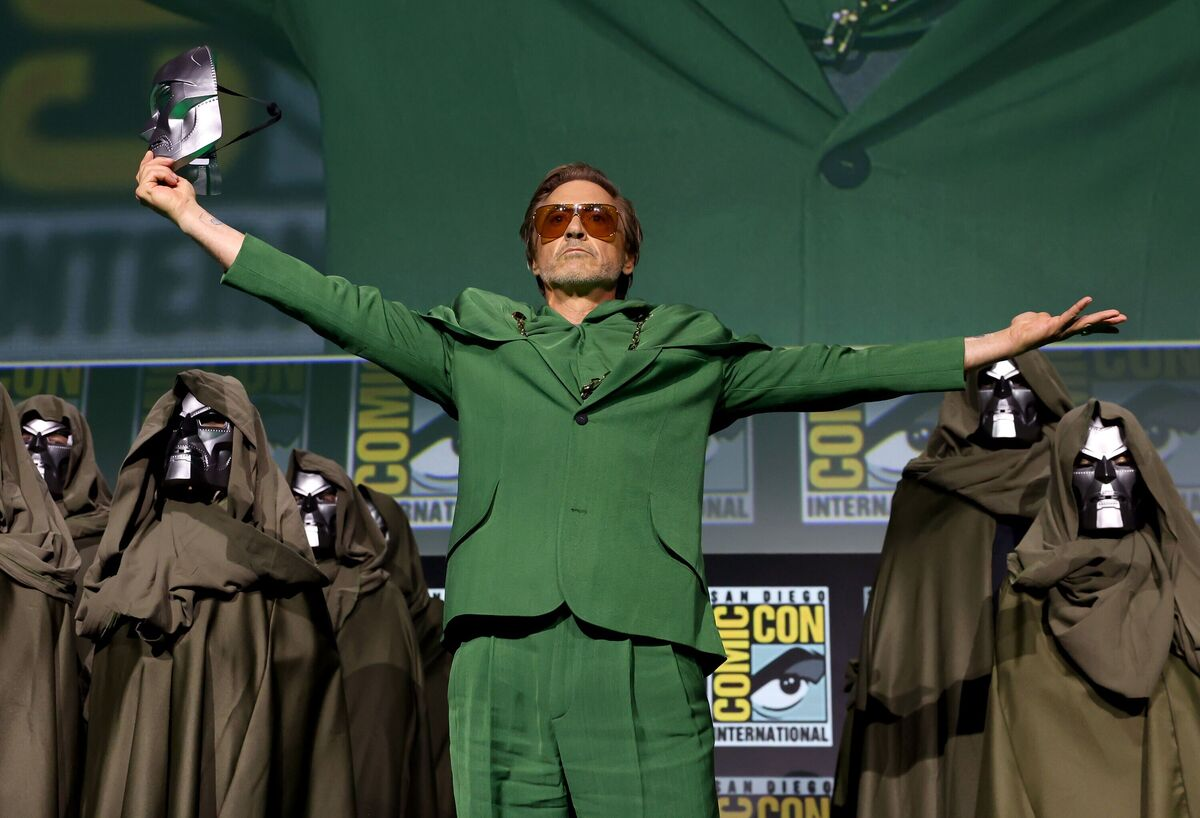
By the way, I have a theory why Kang was replaced by Doom — besides the fact that he is one of the most famous villains in Marvel and a chance to bring back Downey Jr. Perhaps the point is that both Kang and Doom are closely associated with the Fantastic Four, and the studio made such a swap in order not to change the final plans too much.
Стагнация супергероики
After the reasons described above, the question arises: "has superheroism really gone out of trend?". Many believe that, yes, because films are failing more and more often. And there is some truth here, because many projects are sterile and built according to the same formula, which most people are tired of. And game adaptations are now attracting more and more attention, outlining a new trend.
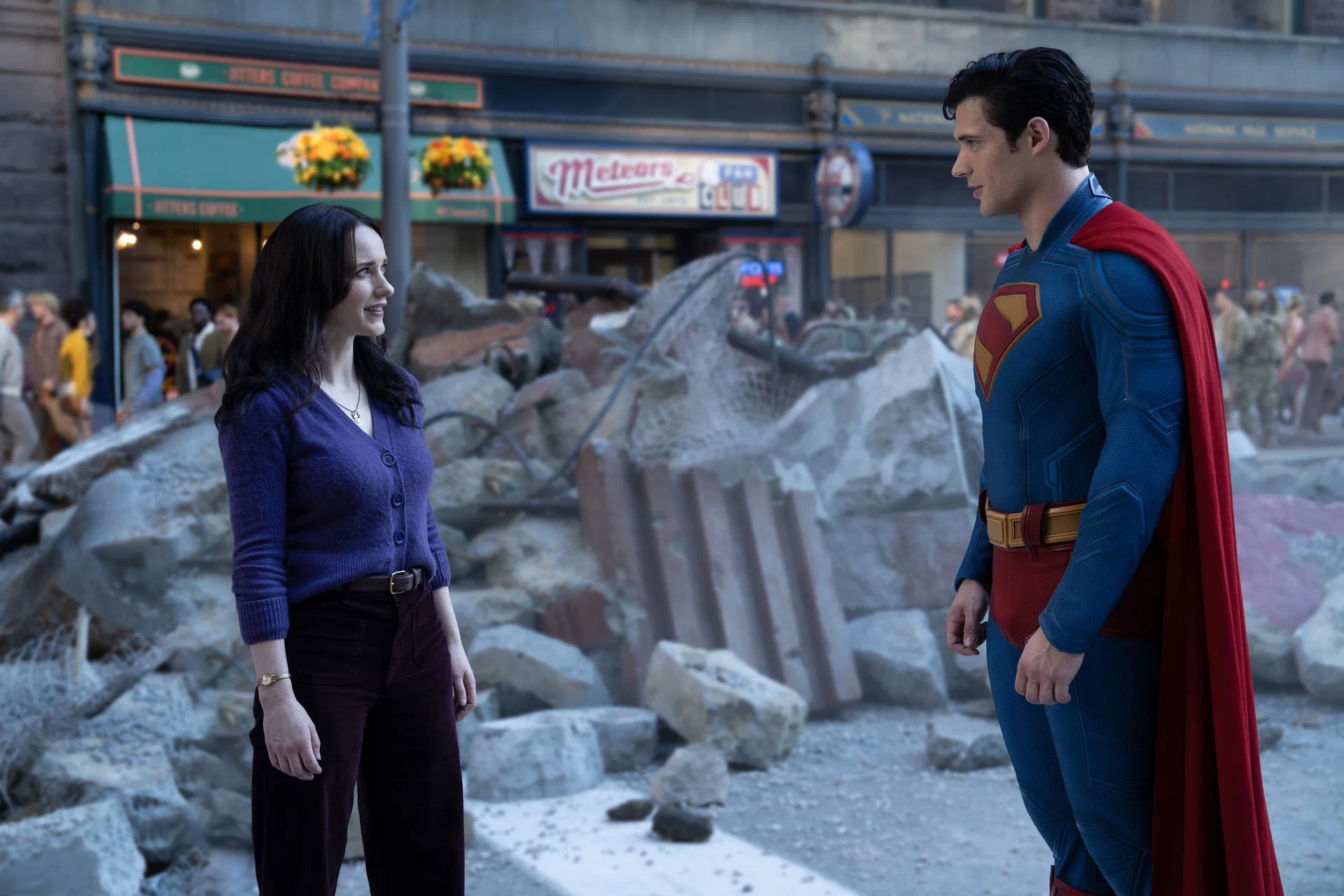
Remember when Marvel was at its peak, DC films earned about as much as Marvel does today — which demonstrates people's attitude to the quality of the product. And the excellent "Superman" by James Gunn also showed, according to the director himself, good numbers at the box office — it grossed $594 million.
Next, the MCU plans the fourth "Spider-Man" and a new dilogy of "Avengers": "Judgment Day" and "Secret Wars". "Spider-Man" will most likely pay off, since it is the most popular Marvel character in principle — although most of the profit will go to Sony, since they own the rights.
But things are more complicated with the "Avengers". Even if they collect 1-1.5 billion each, which is already very difficult in the current realities, these fees will hardly be able to recoup the costs — the cast will be huge, and the marketing will be exorbitant.
Analysis
A significant share of the problems of superhero blockbusters in recent years is a consequence of erroneous creative decisions of studios, an emphasis on the "agenda" and an overabundance of low-quality and monotonous content, which people eventually got tired of.
All this allowed a new trend — video game adaptations — to occupy the vacated niche and push superheroism. But this does not mean that the genre itself has outlived its usefulness — competent studio decisions are needed. Although, it seems, it is unlikely that superhero cinema will be able to return to its previous level of popularity.
After the release of the film "Avengers: Secret Wars", the Marvel cinematic universe will undergo a large-scale reboot — many characters will be played by new actors, and the structure of the universe itself should change again. It remains to be hoped that new genres will be integrated into the cinematic universe with these changes, and the cost of filming will be reduced to adequate values — so that the quality does not suffer, and you do not have to bite your elbows after another failure.

![[Video] Blizzard learned a lesson](https://media.ixbt.site/312x192/smart/ixbt-data/1117102/01KH22DVGQDJJAPVXA4YPA0ZMZ.jpg)


![[Video] PS5 Doesn't Sink. Horizon Hunters Gathering Announcement](https://media.ixbt.site/312x192/smart/ixbt-data/1117097/01KH206849AQN6AV9MKJ8YC0Z6.jpg)
![[Video] Morrowind - Bethesda's Last Role-Playing Game](https://media.ixbt.site/312x192/smart/ixbt-data/1117095/01KH1ZEDGSWXT0H5XNABHJ0906.jpg)