Great and Beloved: A Selection of Key PlayStation 2 Era Games That Still Impress
Translated with AI from the Russian original.
In 2025, Sony PlayStation 2 will be 25 years old - it is the best-selling game console in history with a total circulation of 160 million units. PS2 earned its status primarily due to its legendary game library. In connection with the anniversary, we have compiled projects that are still loved today and deserve the attention of players even today.
God of War Dilogy
The adventures of the Spartan warrior Kratos, who set out to avenge the Greek god of war, and subsequently the entire pantheon, started in 2005 with the release of the first God of War. On PlayStation 2, the game sold 4.6 million copies, becoming one of the most successful projects of that time - the franchise has established itself as one of the main ones for Sony.
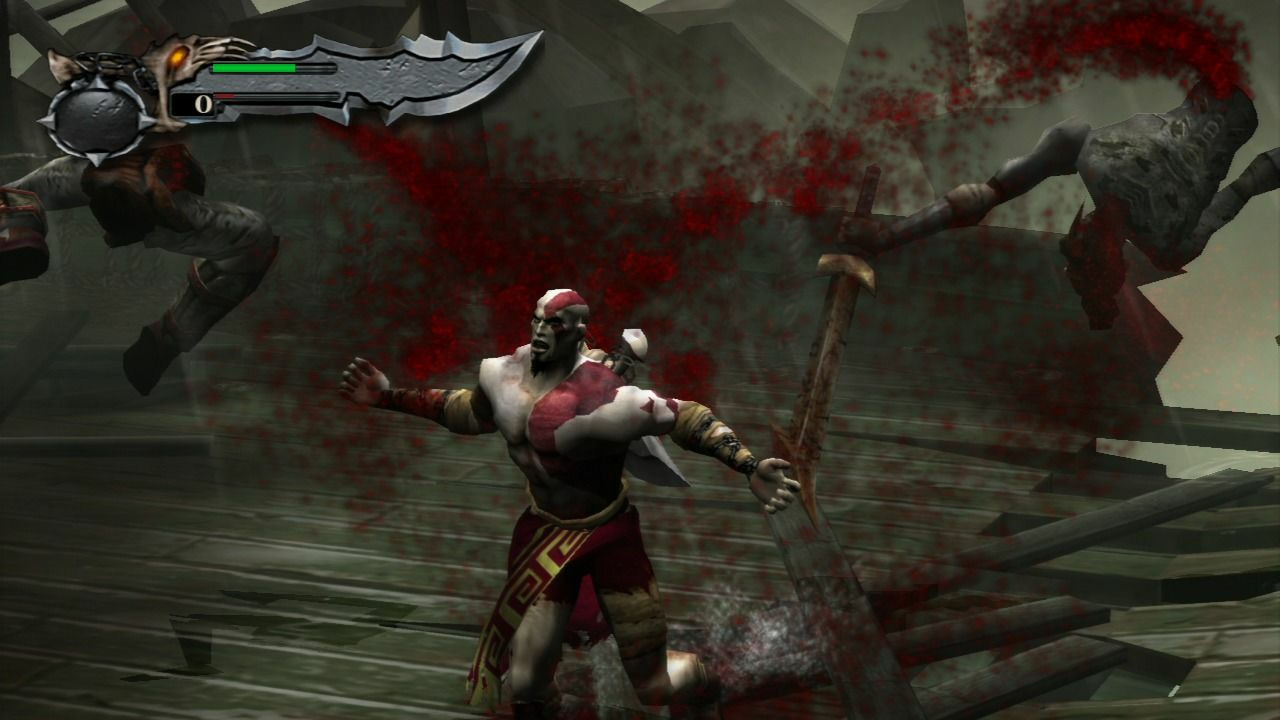
The gameplay of "God of War" was based on the fact that the player had to fight hordes of enemies. The bestiary of enemies consisted of mythological monsters: centaurs, cyclops, harpies, sirens, and the final boss was Ares himself - the god of war.
To fight enemies, Kratos had a good set of weapons and abilities, led by the Blades of Chaos. These were powerful swords on chains, given to Kratos by Ares - they are attached to the arms and used for combo attacks at close and medium range. They became an integral attribute of the character, and moved with him to the updated Scandinavian series, as a reminder of what Kratos used to be.
The combat system in God of War is well-built - the brutal process of battles built on combinations of strikes and spectacular finishing moves gave players pleasure. Even some problems with the controls, which made passing a number of locations somewhat tedious, did not spoil the impression much, and the breakthrough staging of combat scenes immersed you in what was happening on the screen without a trace.
In the second part, all the gods of Olympus became the enemies of the Spartan, while the main theme of the story was the change in the timeline - for this, Kratos had to challenge the Sisters of Fate in order to rewrite his fate. There were more plot twists and lore here, and the ending turned out to be a cliffhanger to the third part, which completed the war against the Greek pantheon - however, it was released already in the PlayStation 3 era.
These projects were immediately liked for many parameters: excellent characters, interesting mythological component and atmosphere, vigorous gameplay and adult style. There was a lot of cruelty in the games, a pinch of bed scenes, and the main character became a legend thanks to his harsh charisma and difficult fate, which could easily be sympathized with.
Grand Theft Auto: Vice City and San Andreas
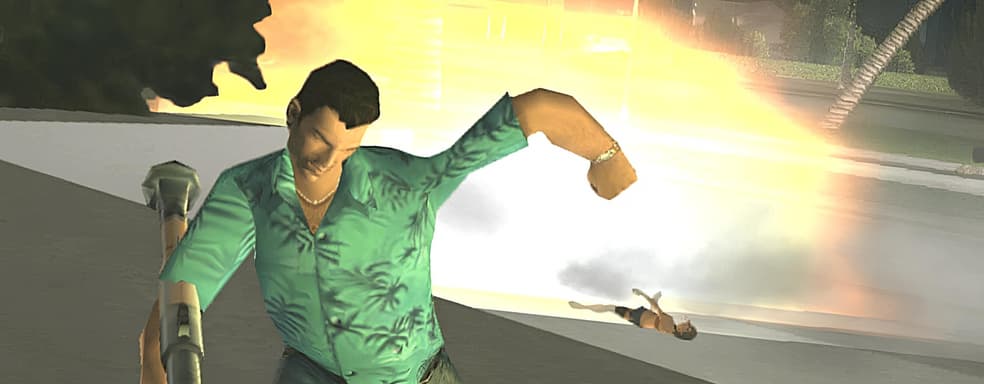
After the colossal success of GTA 3 in 2001 - the game literally changed the approach to developing projects in the open world, dividing the gaming industry into "before" and "after" - players wondered: what's next? The developers from Rockstar answered convincingly, releasing Vice City and San Andreas in 2002 and 2004, respectively, and developed the concepts laid down in the "troika". And they did it in such a way that GTA 3 today is more often remembered as a project that changed the industry, and not as a great game in itself. Unlike the two "sequels."
In Vice City, the developers laid down the narrative concept of the series, which is perceived as the main one for GTA to this day. Vice City is a deep satire on modern society and its elite, in the scenery of the neon 1980s and Miami as a prototype for the city of Vice City. This only enhanced the atmosphere of the project.
Game mechanics have expanded significantly: the world has become richer and more alive, the physics of cars and the behavior of weapons have taken a step forward. And Vice City added various additional activities, such as building your own business, which complemented the overall theme of the story.
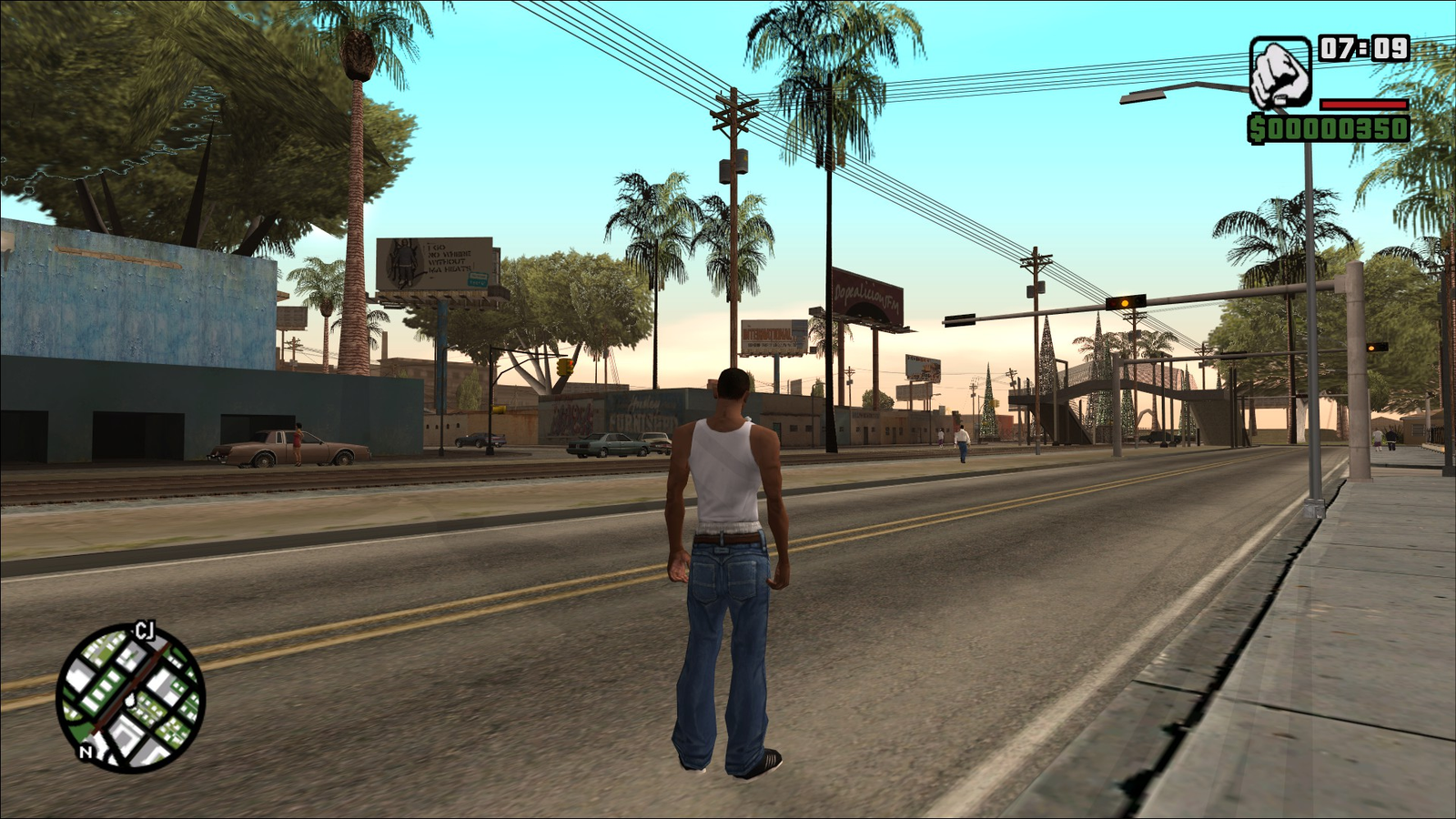
San Andreas went even further, becoming a full-fledged sandbox: extensive customization appeared - from hairstyles, clothes and physical form of the protagonist, to cars; role-playing elements were added to the game - you could even build romantic relationships and decide where you want to live, buying houses all over the map. In San Andreas, players could spend hundreds of hours of real time and the project did not bother them at all - precisely because of the variety of mechanics (the protagonist even learned to swim) and the rich world.
The plot of San Andreas focused on the confrontation of street gangs: it had many deep elements, and the general theme of racism, crime, gangsta culture and street life was demonstrated in the most satirical manner, which players liked very much.
In technical terms, San Andreas was the peak for its time: the game had a huge open world, consisting of the entire state of San Andreas, which contained three cities and many small settlements. Although by today's standards all this does not look too impressive, but in its time the project squeezed all the juices out of the console!
Prince of Persia: The Sands of Time and Warrior Within
In the 2000s, Ubisoft was at its peak - they released one hit after another, which the Prince of Persia trilogy became. And if the third part - The Two Thrones - turned out to be weak, then the first two - The Sands of Time and Warrior Within - deserve the status of legends of the gaming industry.
In The Sands of Time, the player received a story full of intrigue, drama, catastrophe and tragic losses: the betrayal of the Vizier, the death of his father and time travel in an attempt to return everything as it was. This gave hope for a good ending.
All this was decorated with an amazing atmosphere of an oriental fairy tale, inspired by "A Thousand and One Nights": ancient Persia, mystical artifacts, acrobatics through ruins and time manipulation. These elements created a sense of magical, but dangerous adventure with notes of oriental mythology and corresponding music, locations and character design - even the monsters looked authentic.
The combat system in the game was a typical hack and slash with running along the walls, puzzles, hordes of enemies and battles with bosses. The ability to control time gave uniqueness to the gameplay. It was possible to: rewind time if you lost a fight or failed parkour segments, slow down and manage to overcome obstacles or traps, or freeze opponents in place. And no, you won't be able to use this constantly: the number of attempts was limited by the presence of sand in your dagger, which had to be constantly replenished.
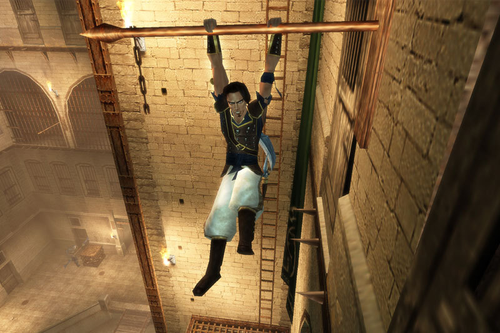
"The Sands of Time" is still considered the best game of the entire franchise, which is not limited to the above trilogy. Ubisoft even announced a remake, which, unfortunately, ended up in production hell: after a terrible presentation in 2020, its development was completely restarted. Whether it will be released in 2026 as stated is an open question. Although the latest news is very positive.
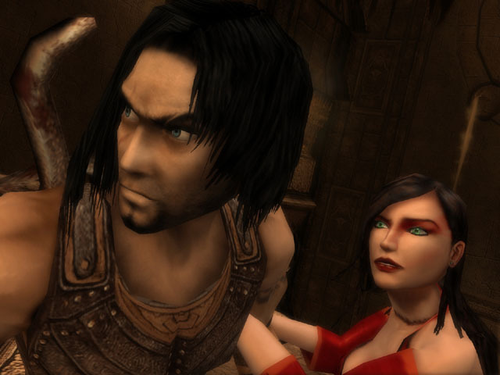
Warrior Within turned out to be the complete opposite of The Sands of Time: instead of a warm story full of hope, the plot of the game became dark and full of fear. After the events of the first part, the prince was hunted by the guardian of the flow of time named Dahaka, who intended to punish the protagonist for interfering in the chronology - by destroying the violator.
Fleeing from him, the prince ends up on the island of time, where with the help of special portals he can move between two times - the past and the present - overcoming obstacles and fighting enemies. His goal is to find the empress of time Kailina in order to prevent the creation of the hourglass, and thereby destroy Dahaka. But everything turns out not so simple.
The second part was received as well as the first: the parkour and combat system in the game became wider, and the dark tone made a big contrast with the original game. The musical accompaniment became the hallmark of Warrior Within - the most powerful metal riffs and songs by the Godsmack group helped to erect the project on the pantheon of legends of the gaming industry. Although it caused some controversy among fans who were waiting for another portion of oriental fairy tales.
Resident Evil 4 and Code: Veronica
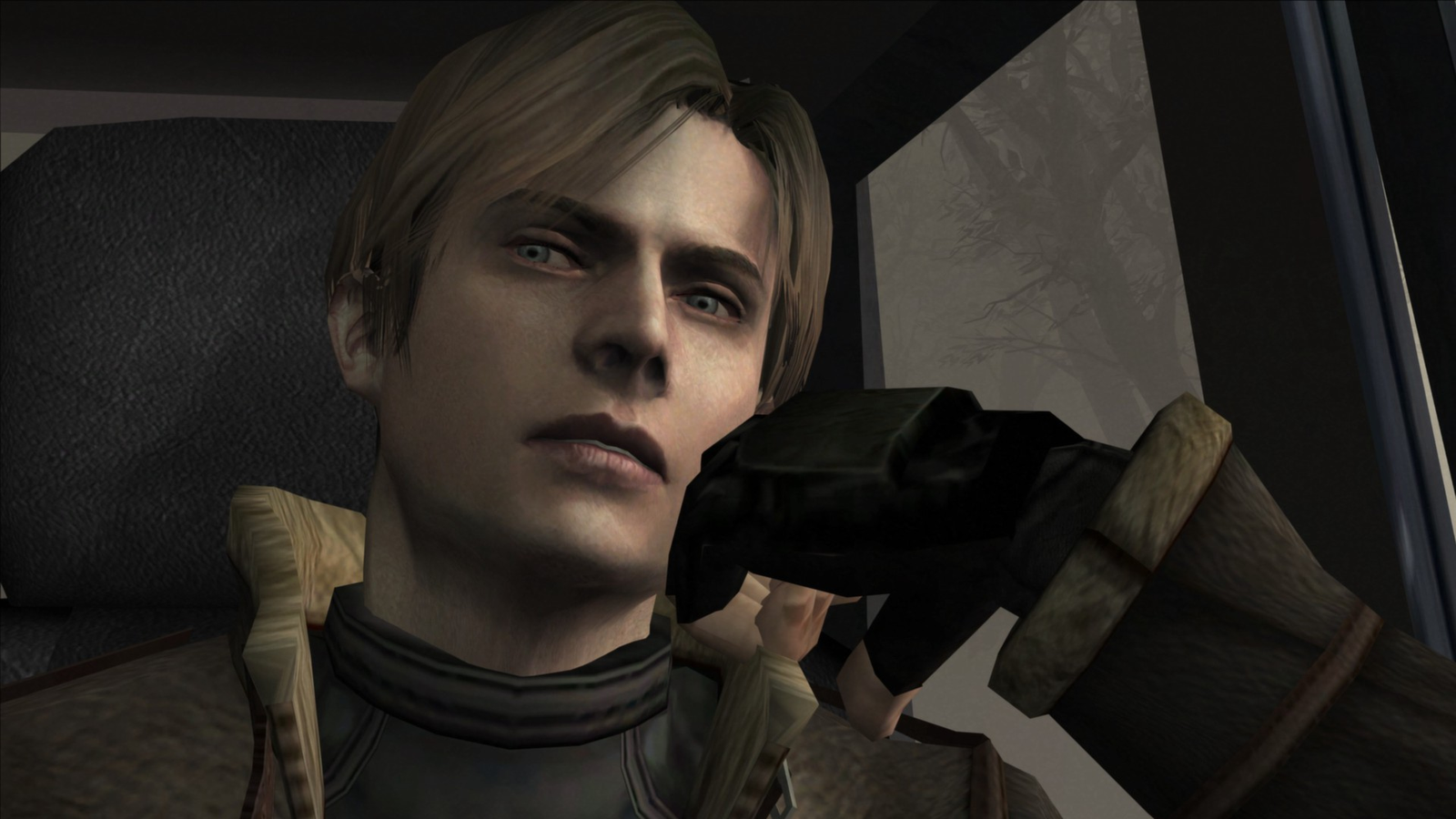
The fourth part of Resident Evil made a big step forward not only for the franchise itself, but also for the entire Survival-horror genre as a whole. The game became much closer to an action movie with elements of horror than before: the camera was moved behind the protagonist's back, and the pace of battles increased significantly - this is no longer a viscous shooting of monsters, but dynamic shootouts with elements of melee combat and QTE segments.
The main character of the game was again Leon Kennedy - one of the protagonists of the second part. This time he went to Spain, where he had to save the kidnapped daughter of President Ashley Graham. The Los Illuminados cult was involved in her abduction, turning peaceful residents into aggressive zombie-like monsters with the help of the Las Plagas parasite.
The version for PlayStation 2 was far from the best in the generation: the frame rate was lower, the graphics were worse, the sound design left much to be desired, as did the controls. But this did not prevent the project from earning cult status and becoming successful: the original was released on GameCube, where it sold 1.6 million copies, while on PS2 sales amounted to 2.3 million.
Code: Veronica, on the contrary, was closer to the classic trilogy - albeit with innovations in the form of an updated camera. It was still fixed at a special angle, with pre-rendered backgrounds and specific controls, but the transitions became more dynamic and smooth, and the animations and lighting took a step forward. Code: Veronica is often called "the best game with a fixed camera in the series": it is praised for its balance of horror and dynamics.
The story in Code: Veronica is loved for its emotional depth, family themes and epic twists that fit perfectly into the lore of the Umbrella corporation. Fans appreciate the game as a masterpiece of the survival-horror genre, where the plot is not just a background for battles with zombies, but is a real drama about survival.
As in the case of the "fourth", "Code: Veronica" was originally released on another console - SEGA Dreamcast - but it was the version for PlayStation 2 that became more successful: 1.14 million copies were sold on Dreamcast against 1.4 million on PS2.
Silent Hill 2 and 3
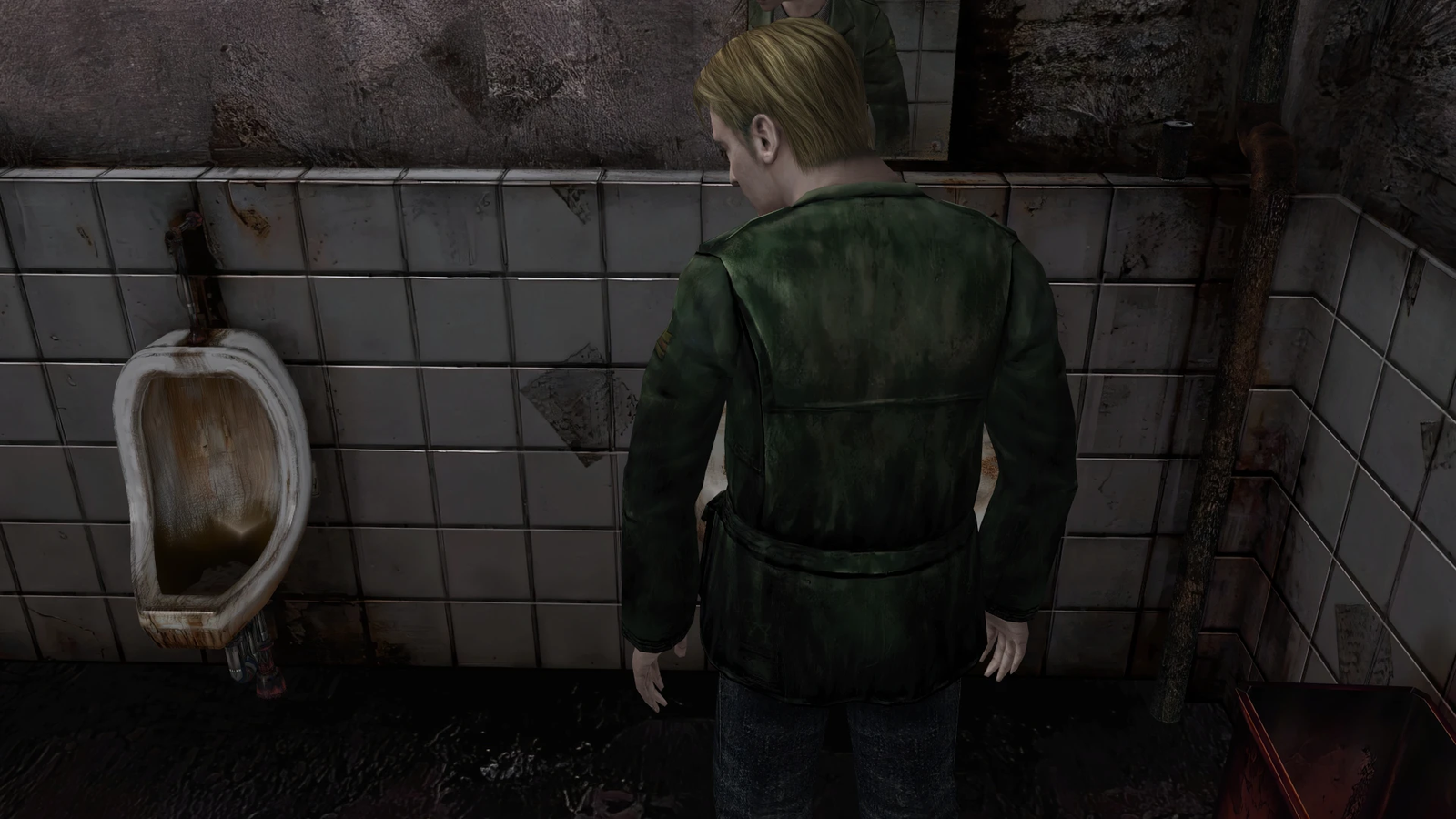
Another cult horror series is Silent Hill from KONAMI. Unlike its competitor - the Resident Evil franchise - it focuses on psychology. Several parts were released on PS2, but the second and third, which were released in 2001 and 2003, became the best.
The main character of the second part - James Sunderland - received a mysterious letter from his wife Mary, who died three years ago. In it, she called James to the foggy and abandoned city called Silent Hill - the place of their last vacation. Upon arrival, strange things begin to happen to James, plunging him into a real hell. There he also meets other unfortunate people with their skeletons in the closet - for each of them this city has prepared its own, unique, punishment.
In total, the game has five endings, including a joke one with a UFO. The story is called a masterpiece of psychology, which is relevant and interesting even today - the remake released in 2024 received recognition from players and critics.
Silent Hill 3 did not become as popular as the second part, but many fans consider it an underrated gem of the series. The project is praised for its balance of horror, beauty and emotional depth, calling it "the most beautiful and atmospheric game on PS2".
The main character of the triquel is Heather Mason - a 17-year-old student from Shelby. She gets into an alternative and distorted world - Silent Hill, where the environment is covered with rust, the walls turn into metal bars, faulty pipes with high pressure stick out from everywhere, and the floor is covered with blood. There she is haunted by monsters, cultists and hallucinations, and the main theme of the game is the struggle with imposed identity, false faith and personal traumas.
The gameplay of both projects is based on passing linear and corridor locations with fixed camera angles and "tank" control, when the character turns with the weapon forward. The focus here is on exploring the foggy and "rusty" variations of Silent Hill, collecting items, solving puzzles and clashes with monsters.
The third part became slightly more advanced in technical terms: smoother controls and transitions, a wide arsenal of weapons and a variety of puzzles - all this developed the mechanics laid down in the foundation of the series. Although there was slightly less "soul" in the triquel, this does not make the project bad.
Final Fantasy X
The tenth part of the famous JRPG franchise Final Fantasy was the first of three released on PlayStation 2 - players remembered it the most!
The action of the "ten" takes place in the fictional world of Spira, inspired by the South Pacific, Thailand and Japan. It is an oceanic archipelago where people live in fear of a giant monster named Sin, which periodically destroys civilizations as "punishment for sins."
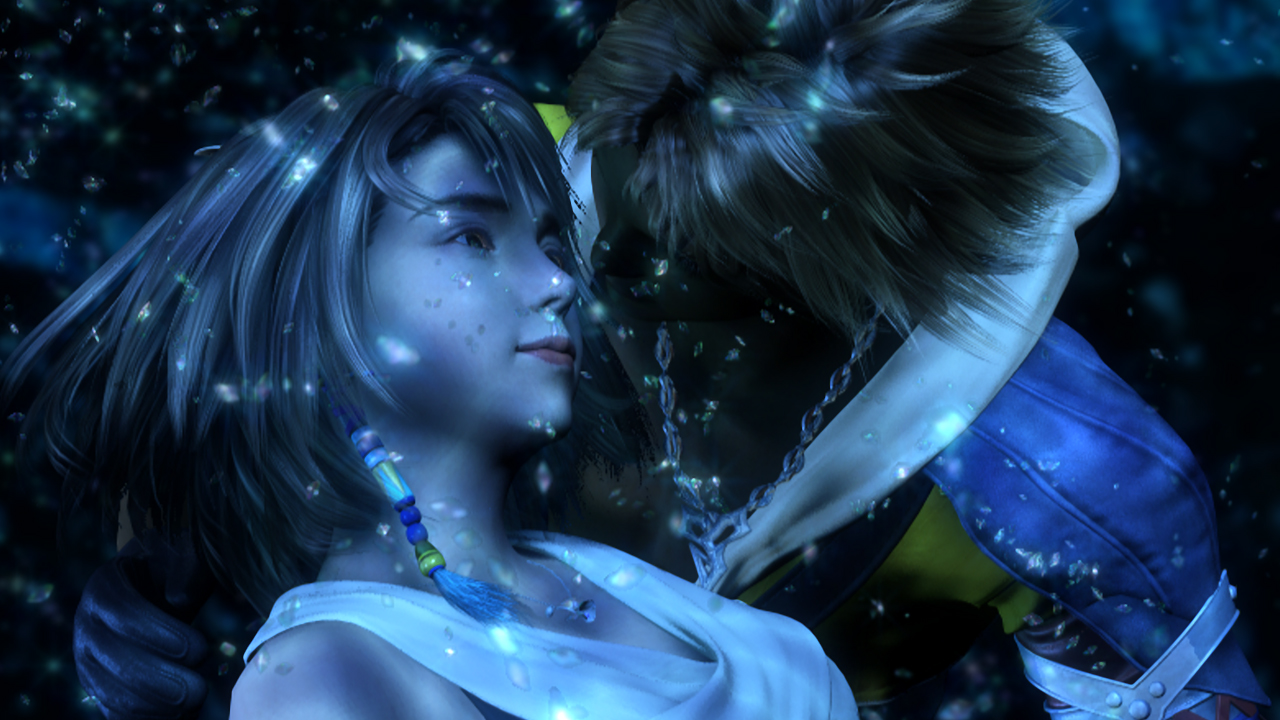
The protagonist is a young man named Tidus - a star player in the underwater sport "blitzball" from the utopian metropolis of Zanarkand. After encountering Sin's attack and finding himself in an unknown place, Tidus meets a young priestess Yuna, who goes on a pilgrimage to defeat the monster. Tidus joins her team and helps to defeat the ancient evil, which turned out to be much more deeply rooted than expected.
This story was loved for its high emotional intensity. The game raises such topics as self-sacrifice, religion and its manipulations, family and loss of loved ones, identity and dreams, as well as, of course, love and hope for a bright future.
The gameplay remained classic for the games of the series, but with a number of significant changes. For example, the usual Active Time Battle (ATB) system, which calculated the order of moves in battle, was replaced by the Conditional Turn-Based Battle (CTB) system. It combined elements of ATB and traditional turn-based combat, but with an emphasis on strategic planning and visibility of the turn order. It was an evolution of ATB, adapted for 3D graphics and team gameplay.
The leveling system in Final Fantasy X is very different from the classic set of "levels" in previous parts of the series. Instead of gaining experience and leveling up, a unique spherical grid mechanic is used here. It was like a web of nodes, where characters "move" in different directions and develop characteristics, abilities and roles, making the progress of leveling more free: you can turn a warrior into a mage or vice versa. It was introduced for more control over builds, although it could seem complicated.
Need for Speed Series: Underground Dilogy, Most Wanted and Carbon
The cult racing series from Electronic Arts - "Need for Speed" - is not going through the best of times today. But in the PlayStation 2 era, everything was different - then the best games of the franchise were released!
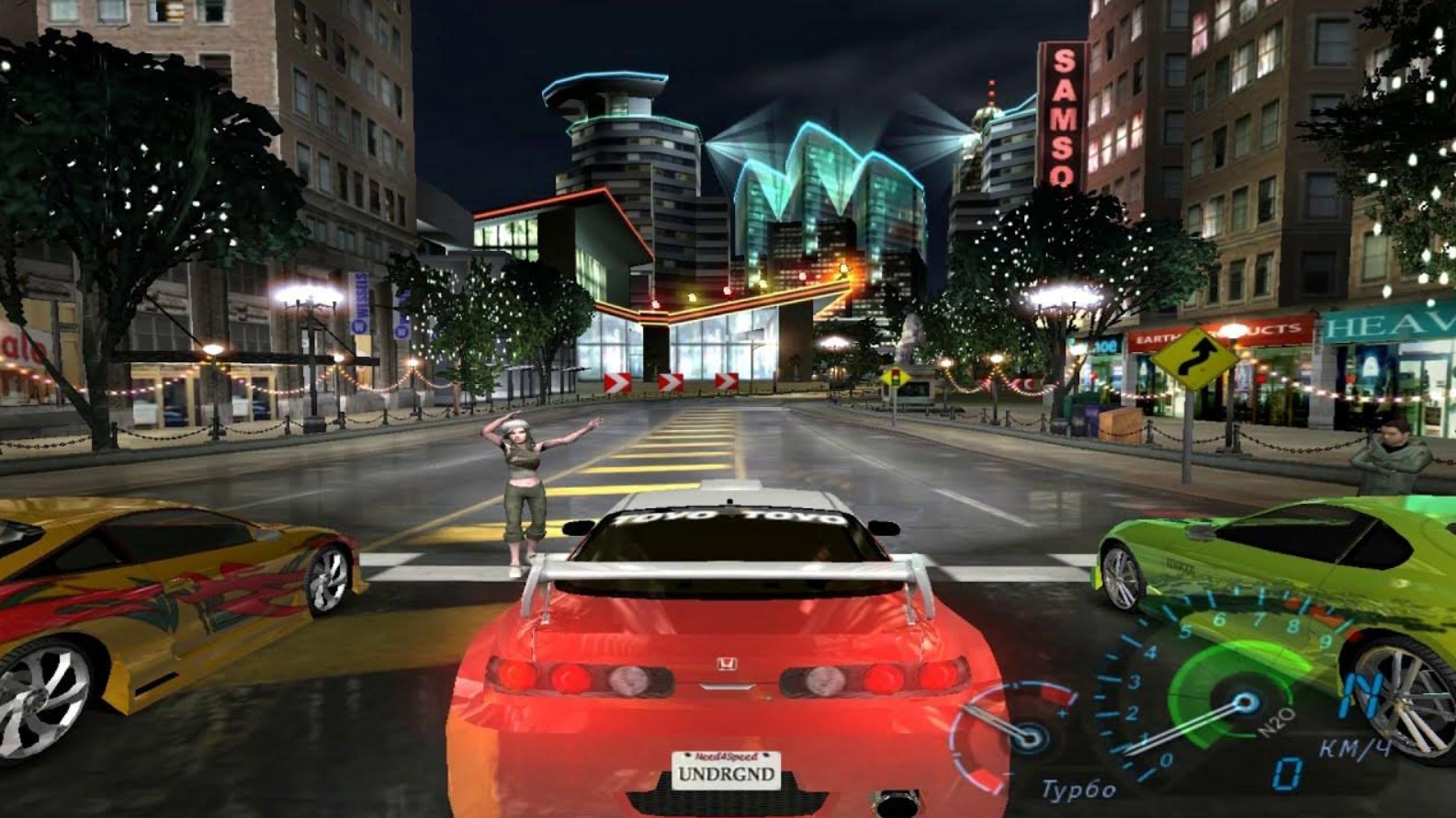
The Underground dilogy focused on car tuning and night racing. Most Wanted focused on the police, diluting the racing process, adding an element of adrenaline and raising the stakes. And in Carbon, players were waiting for team races, canyon racing with dangerous serpentines, a war for territories and clan showdowns.
The world in these games also developed greatly - if in the first part of Underground players had access only to linear tracks, then with each subsequent game the scale increased. In the second Underground, a large city was already available for driving, searching for events and collecting. In Most Wanted, the world expanded and there was more freedom, and in Carbon the city was divided into several districts, for control over which battles took place.
The plot in these projects also developed: from a linear narrative through cut-scenes in Underground, where the player had to go from an unknown racer to the king of the streets, to the theme of revenge and salvation from the police in Most Wanted. In Carbon, they took a narrative similar to the previous part of the series, but diluted it with an abundance of characters and plot twists - it turned out so-so, but for racing of that time it was a breakthrough.
Players loved these Need For Speed for the atmosphere of street racing, cool arcade gameplay, free car tuning, cool visual style and great music, which many still listen to today, nostalgic for the PS2 era.
Spider-Man 2 and Spider-Man Ultimate
Superhero action games about Spider-Man were a frequent guest on PlayStation 2 - the best of them were Spider-Man 2 and Spider-Man Ultimate.
The game Spider-Man 2 from 2004 was a game adaptation of the film of the same name by Sam Raimi - the development of the project was handled by the Treyarch studio. The plot followed the script of the film: we played as Peter Parker and tried to balance between studying, working, relationships with Mary Jane and superhero activities, and the main antagonist was Doctor Octopus, who was causing chaos in New York. The game had several endings that greatly diversify the familiar story.
This is complemented by various side quests and moments that significantly expand the story: here you can find such villains as Shocker, Mysterio, Rhino and even the returned Green Goblin.
Fans loved the project for the perfectly balanced balance of free gameplay and story content, cool combat from combo attacks, dodges and captures with the use of QTE, excellent movement on the web around the city and a cool system of leveling the "hero" rank, giving various perks. Before the release of the Batman Arkham series, Spider-Man 2 was considered the standard of superhero action in the open world.
However, there is a nuance - everything said above applies specifically to the console versions of the game. The PC version, which was handled by The Fizz Factor studio, turned out to be very bad: it was a linear action platformer without an open world, designed for a younger audience, which greatly disappointed players.
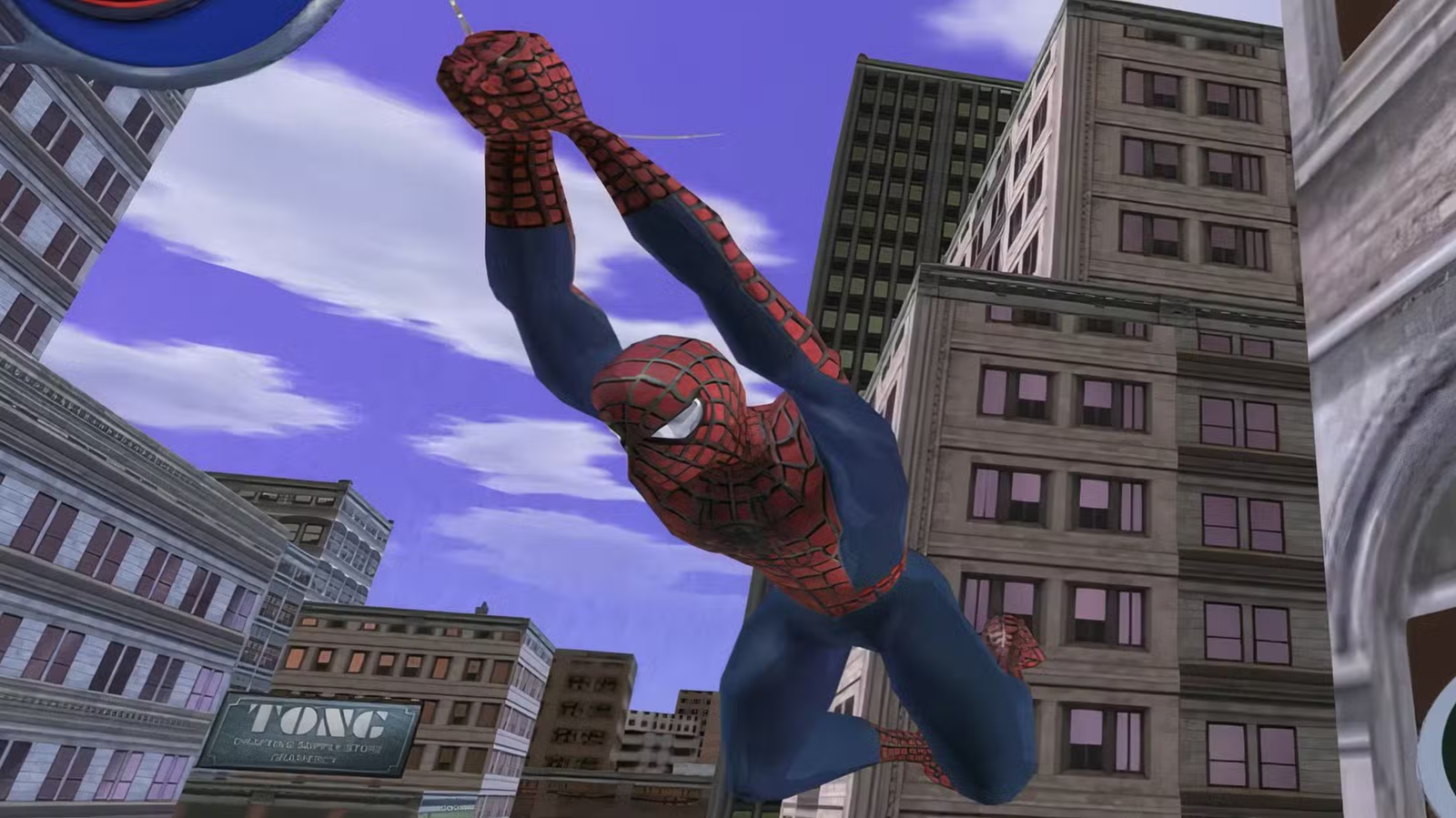
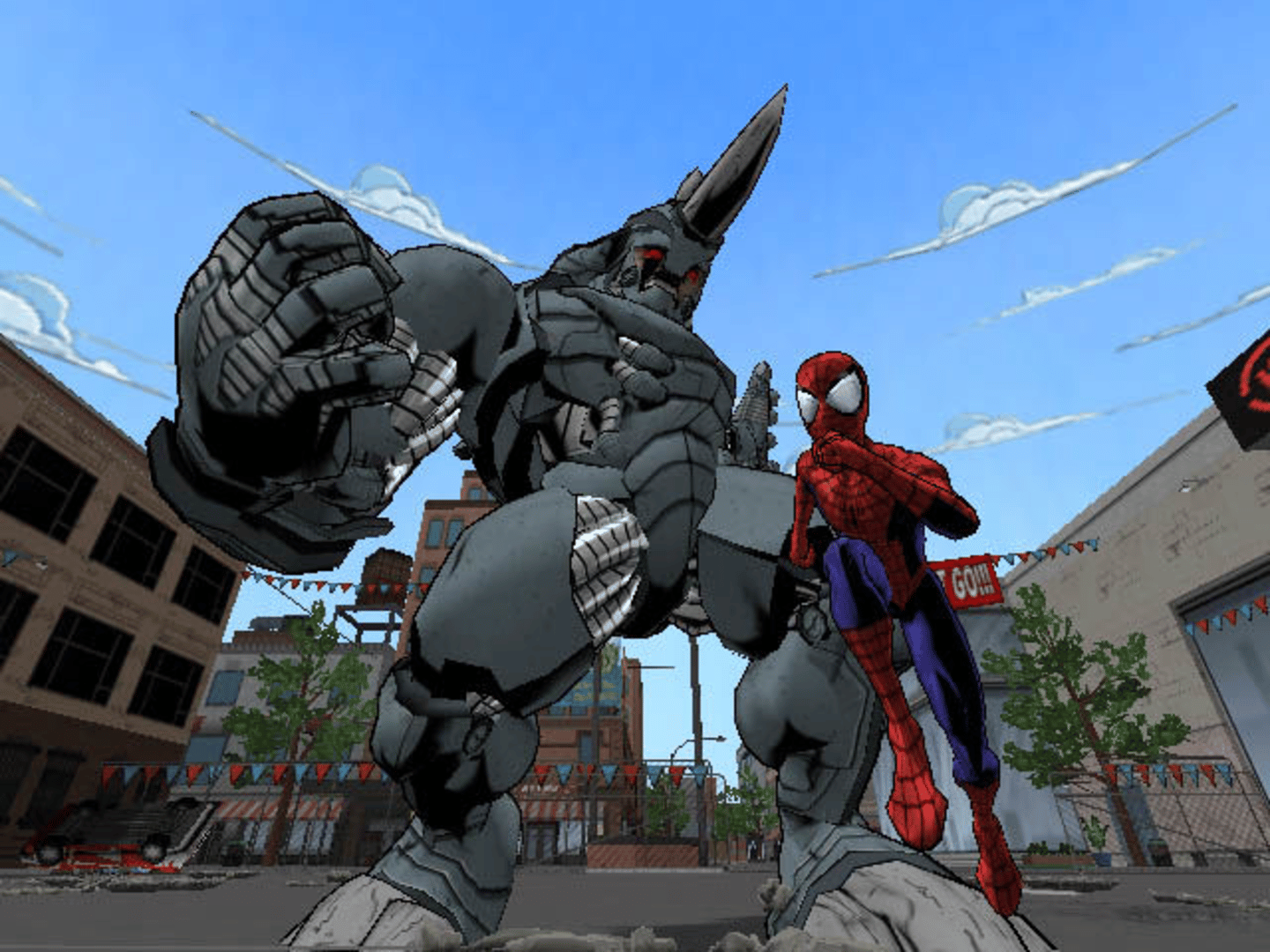
The development of Spider-Man Ultimate was also handled by the Treyarch studio - this is a game adaptation of the comic book series of the same name, authored by screenwriter Brian Michael Bendis. The plot for the game was also written by him and was an alternative version of the development of the history of comics. It was a creative adaptation that took key elements of the lore of the Ultimate universe, but added original elements of the story to it, thereby rewriting the original canon.
The graphics of the project are made using cell-shading technology, which allowed it to preserve the comic style and drawing of the artist Mark Bagley. In cut-scenes, the breakdown into frames was used, which only enhanced the feeling of a comic book.
The project is unique in that it allowed us to be not only in the usual skin of Spider-Man, but also to become one of his main antagonists - a symbiote named Venom. And this is almost 20 years before the release of Marvel's Spider-Man 2!
The gameplay alternates between segments for "Spider" and Venom: each has its own missions, its own enemies and its own goals. If for Peter Parker we, as always, try to save everyone we can, then for Venom, on the contrary - he needs to constantly feed, absorbing people, in order to maintain his health level.
The game had a full-fledged open world with all the usual content: collectible items, districts and gangs, random events, and so on. For exploration, players have access to the island of Manhattan and some of its surroundings - for example, the Queens area, where Spider himself comes from. As bosses, the characters will have to fight such enemies as: Green Goblin, Rhino, Beetle, Carnage and even Wolverine.
Splinter Cell: Chaos Theory
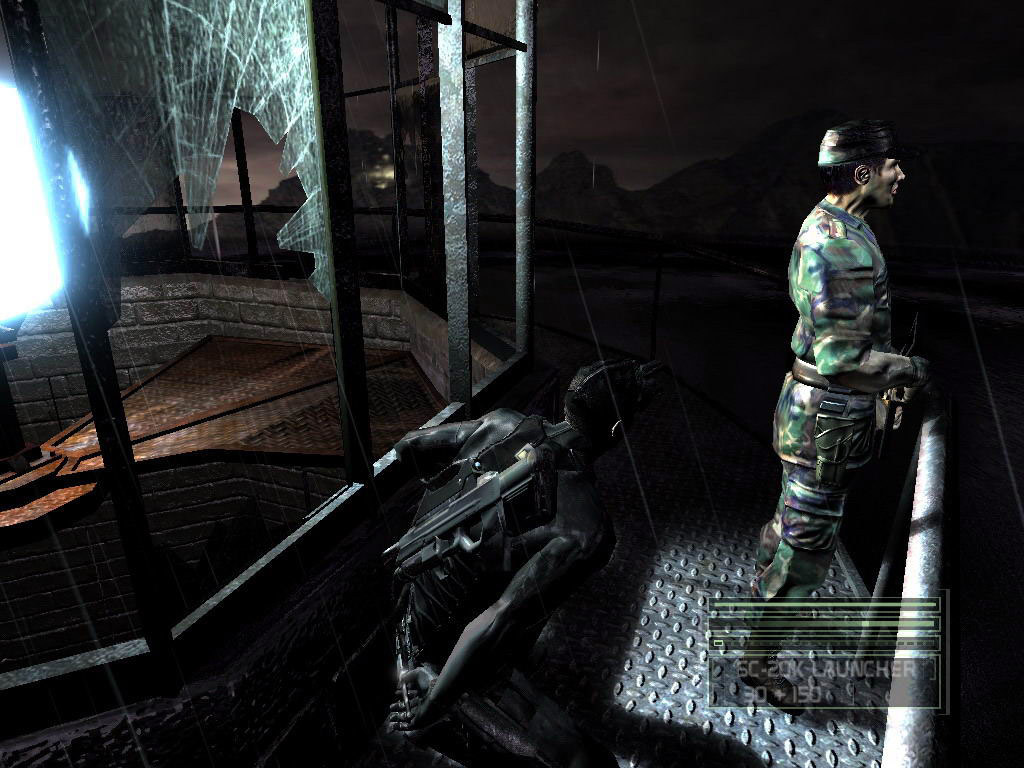
Another famous franchise from Ubisoft - the stealth series Splinter Cell - was also a frequent guest on the console from Sony. As many as four parts were released on PS2, but it is "Chaos Theory" that is considered the peak of the series and one of the best stealth games of its time.
The plot of the game unfolded in 2007. This time, elite agent Sam Fisher had to investigate a conspiracy involving a North Korean general, Peruvian rebels and corrupt corporations. The story is full of tragic twists: betrayals, sacrifices and moral dilemmas, and the ending shows how high the price of victory over opponents can be.
Unlike previous parts, which focused on strict conventions and punishments for mistakes, Chaos Theory focuses on flexibility, simulation and interactivity of the gameplay. This made stealth more realistic and replayable.
Among the other parts, the project stands out:
- improved AI of enemies - opponents began to move furniture to create shelters, noticed changes in locations made by the player and used various tactical tricks: made ambushes, used flares, and so on;
- improved detection system - the alarm did not rise immediately after the bodies of enemies fell into the light, the enemies had to discover them themselves during patrol or see through cameras;
- ragdoll physics for realistic behavior of enemy bodies.
The levels turned out to be non-linear and it was possible to experiment with the use of various environmental objects to complete the task. This is helped by a system of permanent quick saves, reducing the frustration of players from failures and encouraging ingenuity.
Metal Gear Solid 2 and 3
Another famous stealth series, authored by the famous Japanese game designer Hideo Kojima - Metal Gear Solid - has won the hearts of many players around the world, including Russia! The second and third parts of the franchise are comfortably located on PlayStation 2, where they surprised players with their stories and gameplay.
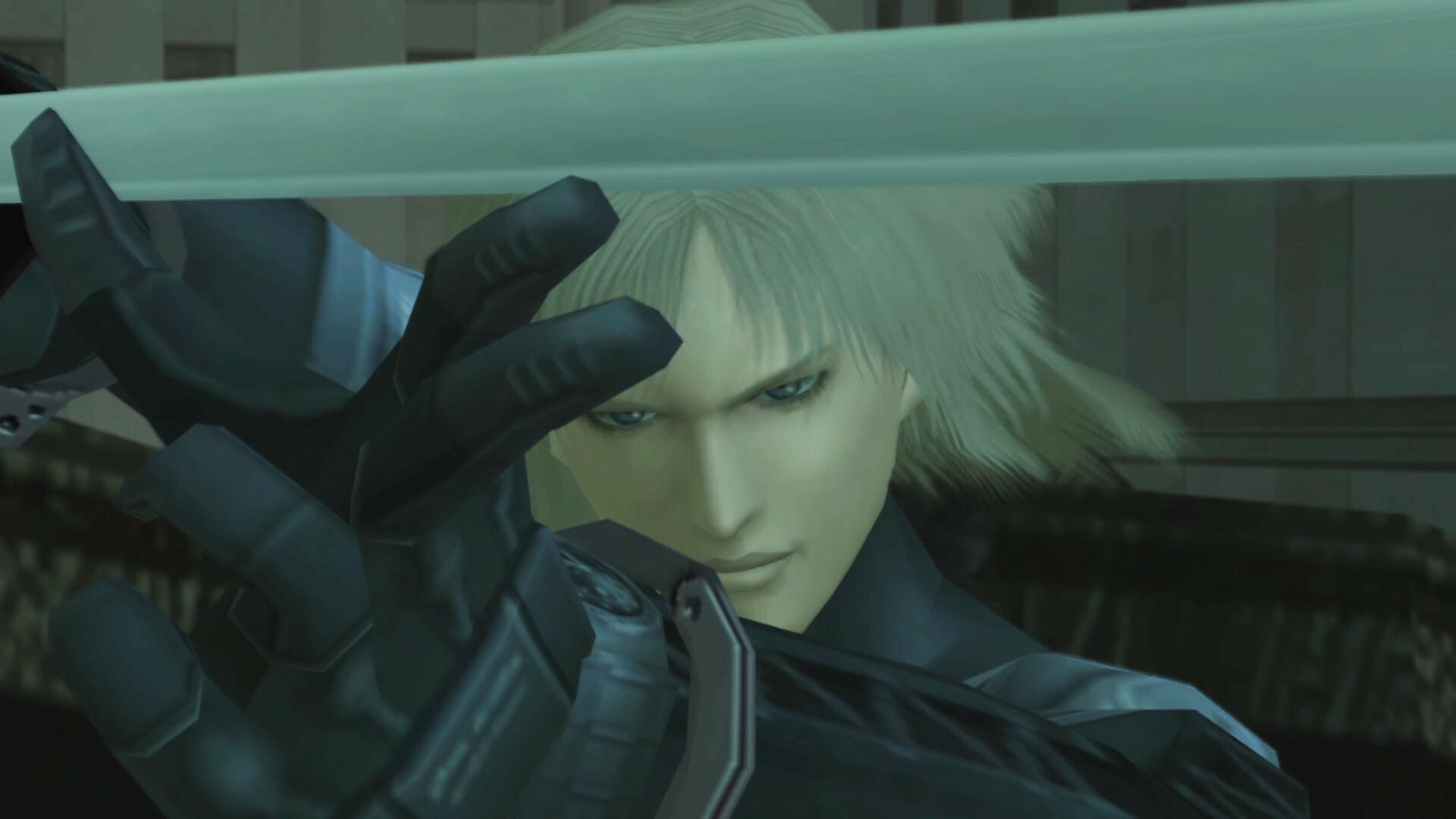
in MGS2, a major plot twist awaited us, completely turning the original idea of the game upside down. The main character of the story, despite all the commercials, was not Solid Snake at all, but his comrade Raiden, who came under the control of the player immediately after the prologue.
The story revolved around the fact that Raiden must save the US President from the terrorist group "Sons of Freedom". But in the course of the mission, oddities arose that changed the perception of the situation. The game raised such topics as: fake news, surveillance and loss of identity, and the ending still raises questions - was everything that happened real?
MGS3 became a prequel to the entire franchise: the action took place in the 1960s, and you had to play as Naked Snake, who would later become known as Big Boss - the main antagonist of the franchise. The project told the story of how a devoted soldier - an ideological patriot - changed his views during the mission, which subsequently led him to the opposite side of the barricades.
The series stands out for Hideo Kojima's unique approach to developing both the plot and the gameplay, which surprises players and disposes them to themselves. Even despite the high degree of absurdity in various elements of the story and the development of characters.
As an example, you can recall the boss named End from MGS3 - a legendary sniper, the competition with whom will make the player give his all. But instead of an honest fight, you could do otherwise: just postpone the passage of the game for a couple of weeks, and then go in and find that your opponent has died of old age on his own. Or you could move the time on the console forward - the result was the same.
Devil May Cry 3
During the PlayStation 2 era, another cult game franchise was born - Devil May Cry from Capcom. Three parts of the series were released on this console, but the third is considered the best among them.
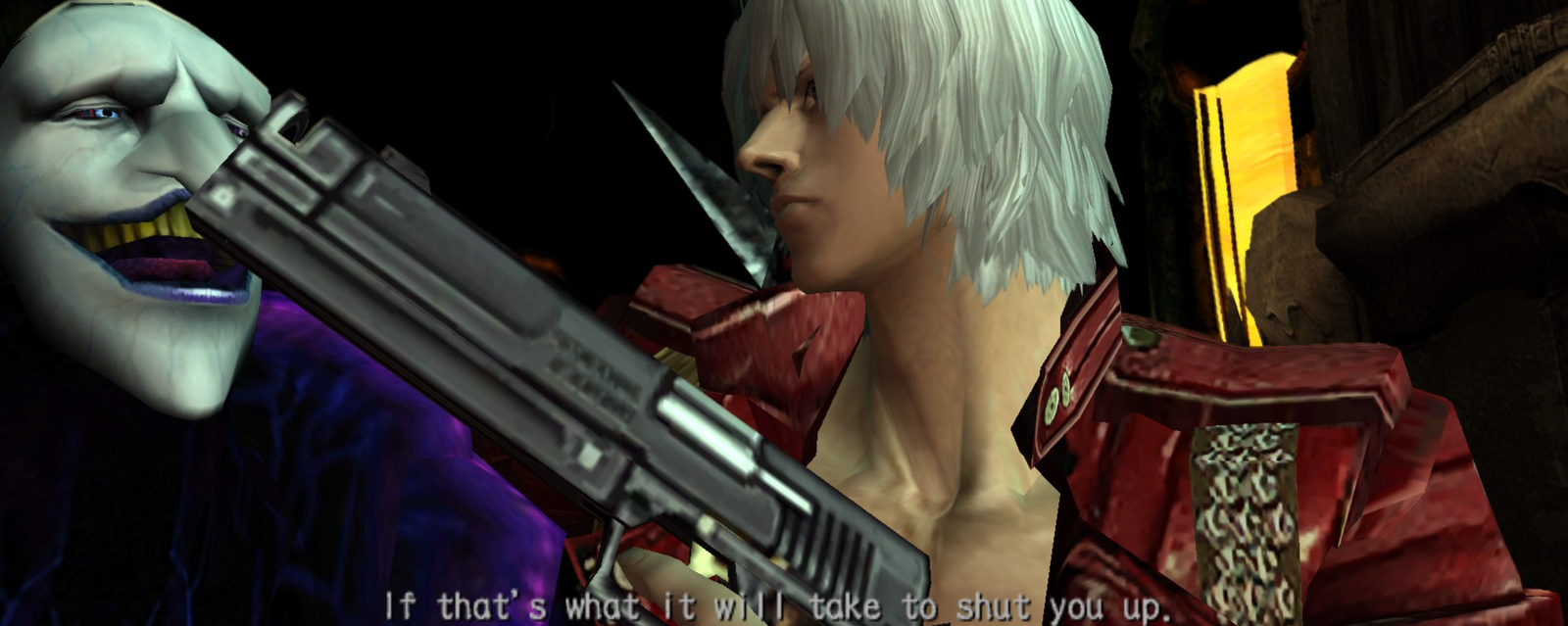
DMC 3 is in fact a prequel: the game took place 10 years before the events of the first part and showed the young Dante, his first clashes with demons, the conflict with his brother Vergil and the founding of his agency for hunting demons. The plot was simple, but catchy - the story focused on two characters:
- Dante - an icon of the series: a sarcastic and cool protagonist with a signature humor that makes the game light and fun;
- Vergil - the perfect antagonist with a tragic backstory and an interesting philosophy that spawned many memes.
DMC 3 is a hack and slash that focuses on large and spectacular combos, for which there is a special ranking system here: D, C, B, A, S. It was calculated based on five indicators: completion time, damage received, number of healing items used, completion of hidden tasks in the mission and collection of currency - red orb. For the S-rank, it was necessary to complete at least four out of five elements to "excellent" or all to "good". This motivated the player to develop their own skills and replay the game, improving performance.
Boss fights are another element that distinguished the game from the entire trilogy of the PS2 era. Many players consider battles with Vergil, Arkham and Beowulf not just fights, but an emotional and narrative culmination, immersing the player in the world of the project and its atmosphere with his head.
The gothic aesthetics, contrasting with the gameplay, were also praised, when dark, gloomy locations were opposed to bright battles. And of course, the soundtrack, which made the gameplay and battles as incendiary as possible. Both became an important component of the style of the universe, which made it cult.
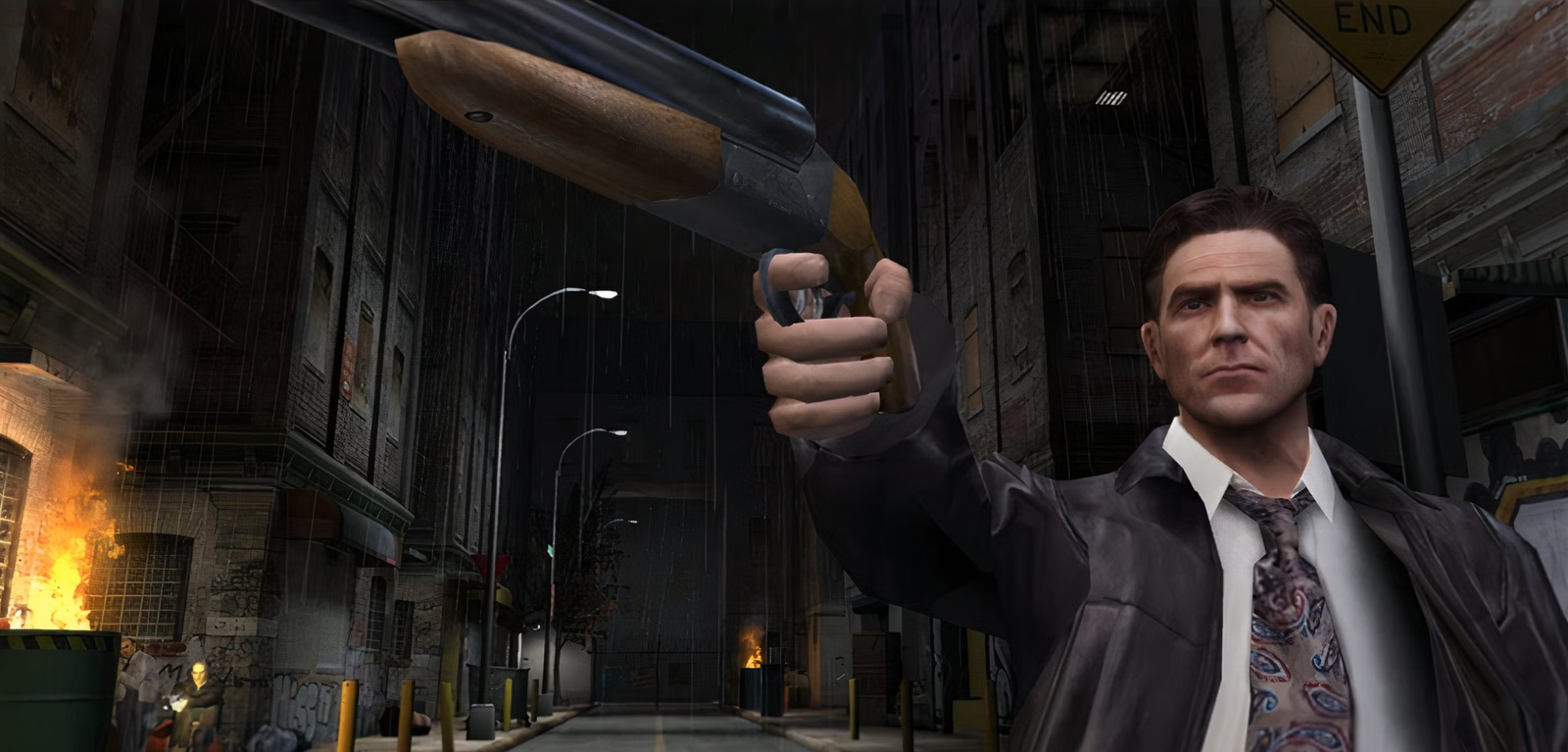
Max Payne and Max Payne 2
The dilogy, telling about a former police officer from New York named Max Payne, from the Finnish developers from Remedy Entertainment, quickly acquired cult status.
The first part told the story of a man who lost the most important thing - his family. After that, heartbroken Max goes underground and begins to take revenge: he penetrates the ranks of the Punchetti mafia in order to reach the customers of the murder. Along the way, he uncovers a conspiracy related to a government project to create super-soldiers, corrupt officials, pharmaceutical companies and even the media. All this turned out to be partially related to his personal tragedy.
Cut-scenes in the game were made in the form of a noir comic, which made the plot even more gloomy and atmospheric - as in Frank Miller's "Sin City". These were not animated videos, but static illustrations with a first-person narrative, where Max himself was the narrator. Almost an interactive graphic novel!
The combat system was also unique - the ability to turn on bullet-time mode, slowing down time and allowing you to effectively and spectacularly deal with enemies, became outstanding. For PS2, this mode became a salvation - it compensated for the problematic optimization of the project, allowing you to pass even those segments of the game where the frame rate counter fell to the bottom from the abundance of opponents on the screen.
The second game continued the plot of the first. Max returned to the New York police and continued the investigation related to the experimental drug around which the story of the first part revolved. He met a hired killer named Mona Sax, who helped Max. A romance began between them, full of betrayals, passion and inevitable tragedy - a classic of noir.
The sequel developed the ideas laid down in the gameplay of the first part, making it more dynamic and diverse: Remedy improved the physics, AI of enemies and added new elements. The levels became more vertical, the shootouts became more dynamic, combos appeared in bullet time mode, the missions turned out to be more diverse, the comics in the cut-scenes were now animated, and the level of graphics in the game increased.
Never miss our newsAdd this site to your preferred sources to see us more oftenAdd on Google