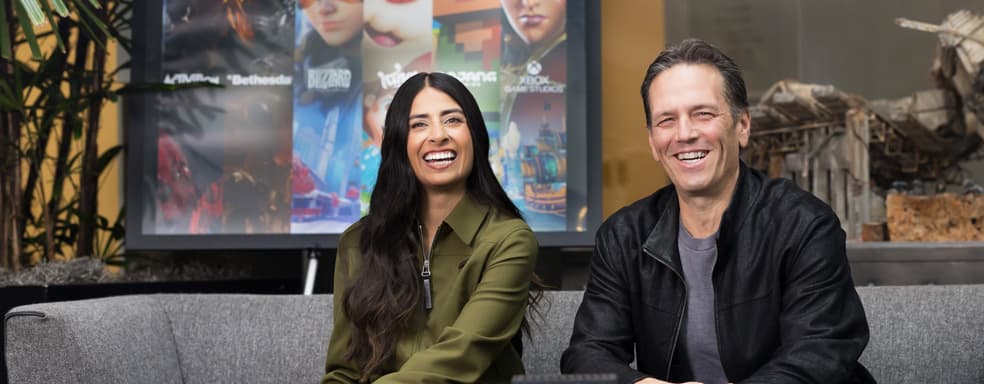
Phil Spencer is gone. Xbox is focusing on money, not players
The End of the "Big Phil" Era
Thirty-eight years. Think about it.
Can you even imagine what it means to dedicate almost your entire conscious life to one company? I can't really. I haven't even lived that long. But Phil Spencer has been with Microsoft since 1988: intern, programmer, manager, and then head of the gaming division.
In 2014, Spencer took over Xbox, which was then in a state of systemic crisis. He was the one who had the dubious honor of cleaning up the Augean stables left behind by Don Mattrick. He turned the Xbox One into a TV set-top box with a mandatory internet connection even to launch games from a disc, and also equipped the console with the "revolutionary" Kinect, which many fans still feel phantom pains from somewhere in their lower back.
If we put aside emotions, panic, and memes, we will see that the Spencer era is marked by decisions that allowed the platform to survive to this day. Without them, we wouldn't be discussing the potential "death of Xbox" now—we would have buried the brand ten years ago.
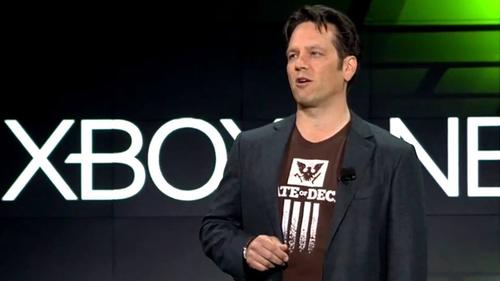
Let's Recall the Key Achievements of This Period:
- Change in brand philosophy. After the era of "TV, TV, TV," Xbox started talking about games again. Today this seems obvious, but back then the question was fundamental. They tried to sell the console as a universal multimedia center—the audience didn't accept it. Spencer brought the focus back to where it belongs: to games and gamers.
- Launch of Xbox Game Pass. A subscription with hundreds of games and releases from internal studios on day one looked almost provocatively generous. It really changed the rules of the game. Yes, today you can argue about the growth rate of the audience and the fact that the price is gradually creeping up. Yes, you can wonder how sustainable the model is in the long term. But the fact remains: Game Pass became the main symbol of the Spencer era.
- Large-scale acquisitions. Under Spencer, legendary studios and publishers joined the Xbox fold. The purchase of Bethesda in 2020 and the long-awaited acquisition of Activision Blizzard in 2023 expanded the portfolio and strengthened the Game Pass ecosystem. Now Microsoft has The Elder Scrolls, Fallout, Diablo, Call of Duty, and more in its arsenal. Questions about the validity of the deals have not gone away, but corporations of Microsoft's scale think in terms of perspective, not immediate results.
- Backward compatibility and respect for legacy. The Xbox team launched a backward compatibility program, giving new life to hundreds of games from the Xbox 360 and the original Xbox. This strengthened the brand's reputation as a platform that doesn't throw its history in the trash.
- Play Anywhere. One of the fundamental steps was recognizing the PC audience as part of the overall user base. The Play Anywhere concept linked Windows and Xbox into a single environment: buy once, play on different devices. This shifted the focus from the "box under the TV" to the ecosystem and at the same time provided the service with "added value" in the eyes of players.
- Cloud and xCloud. Cloud gaming became a logical continuation of the transformation into an ecosystem. Xbox ended up on phones, tablets, and TVs. This is critical for part of the audience (even if its share is small).
- Successful launch of Xbox Series X|S—in terms of "hardware." It's not about "who beat whom" in sales, but about positioning: players had a choice between the powerful Series X and the "budget" Series S. In conjunction with Game Pass, this turned into a video game combine for a relatively small amount of money.
- There are games after all. And a lot of them. You can argue about sales outside of Game Pass, the "payback" of releases, and the cultural significance of individual projects. But if you open the list of games from recent years, we will see a wide range—from Doom: The Dark Ages and The Outer Worlds 2 to Starfield, Indiana Jones and the Great Circle, and Pentiment. These are projects of different genres, budgets, and tonalities—from chamber author's works to blockbusters with Hollywood scale. Even without being a fan of "green," it's hard to deny: the lineup has become wider and in some places stronger. But whose success this is and whose failure is a separate conversation.
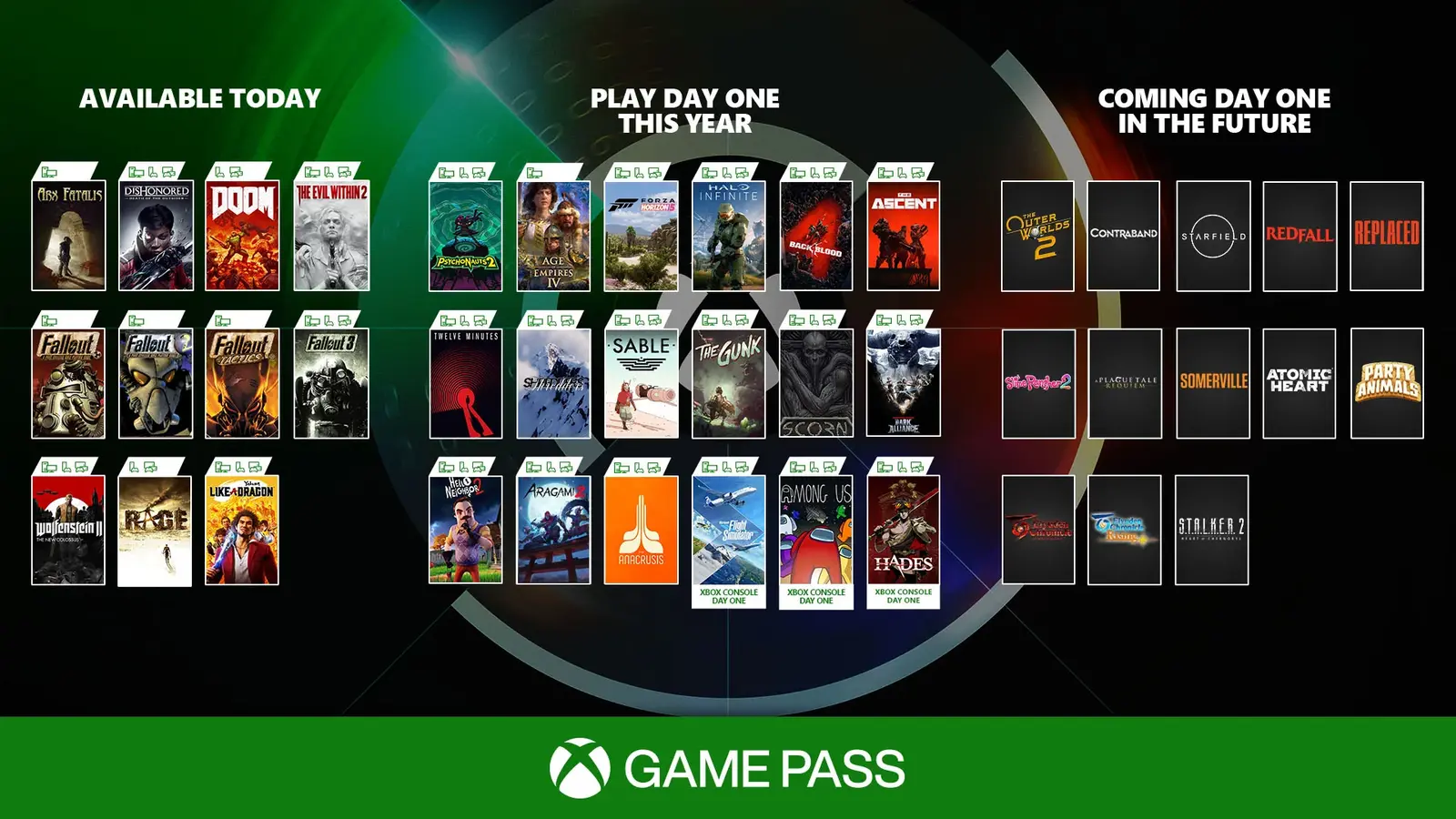
But There Were Also Failures—and They Can't Be Ignored Either:
- Difficult Xbox One cycle. The Xbox One generation never emerged from the shadow of PlayStation 4. The start was failed even before Spencer's arrival, and it proved impossible to fully recover. There were fewer exclusives, the positioning remained vague for a long time, and the audience left. This is not so much Spencer's personal mistake as the effect of a heavy legacy and the inertia of a large corporation.
- Dependence on the service model. Game Pass became Xbox's main trump card, but also a source of new risks. The subscription requires constant feeding: large releases, stable interest, engagement. Growth was not as explosive as dreamed of at the start. Prices are creeping up, and disputes about whether the subscription is "eating" sales of its own games have not gone away.
- Growth of management complexity. Mess. Layoffs. After major acquisitions, Xbox turned into a conglomerate of studios with different cultures and production processes. The integration of such structures is inevitably accompanied by internal crises, team restructuring, and personnel changes. The scale grew faster than management mechanisms could adapt. This led to excessive autonomy of individual studios, blurring of responsibility, and weak control over the timing and quality of projects, which led to...
- Stalling with content. Having dozens of studios under its control, Xbox could not build a stable stream of releases for a long time. Some projects were released with delays and problems (Halo Infinite), others failed at the concept level (Redfall), and still others were canceled (Blackbird, Perfect Dark). At some point, a natural question arose: if you have so many teams—where are the games? In recent years, the situation has improved, but the waiting period is an important part of the legacy of the Spencer era.
- Paid "early access" as a new release date. You didn't pay to read this item earlier, so it's fifth on the list of failures. Yes, the focus on Game Pass prompted Microsoft to sell early access to exclusives a few days before the official release. From a business point of view—understandable. From the player's point of view—cynical, because the start of paid early access actually becomes the real release date of the game.
- Blurring of console identity. The course towards multiplatforming strengthened the Microsoft ecosystem, but weakened the argument in favor of the console itself. When internal projects are released on PC and then on competing platforms, the driver of hardware sales—the uniqueness of content—disappears. This is a strategic choice, but it objectively reduces the value of "hardware" as the center of the ecosystem. Hence the next point.
- Low sales of Xbox Series X|S. The basic truth of the industry is simple and unpleasant: no exclusives—no sales. Sony and Nintendo have been building strength on this for decades. It's not a question of power or interface—it's a question of content. The "games everywhere" strategy objectively reduces the need to buy a console.
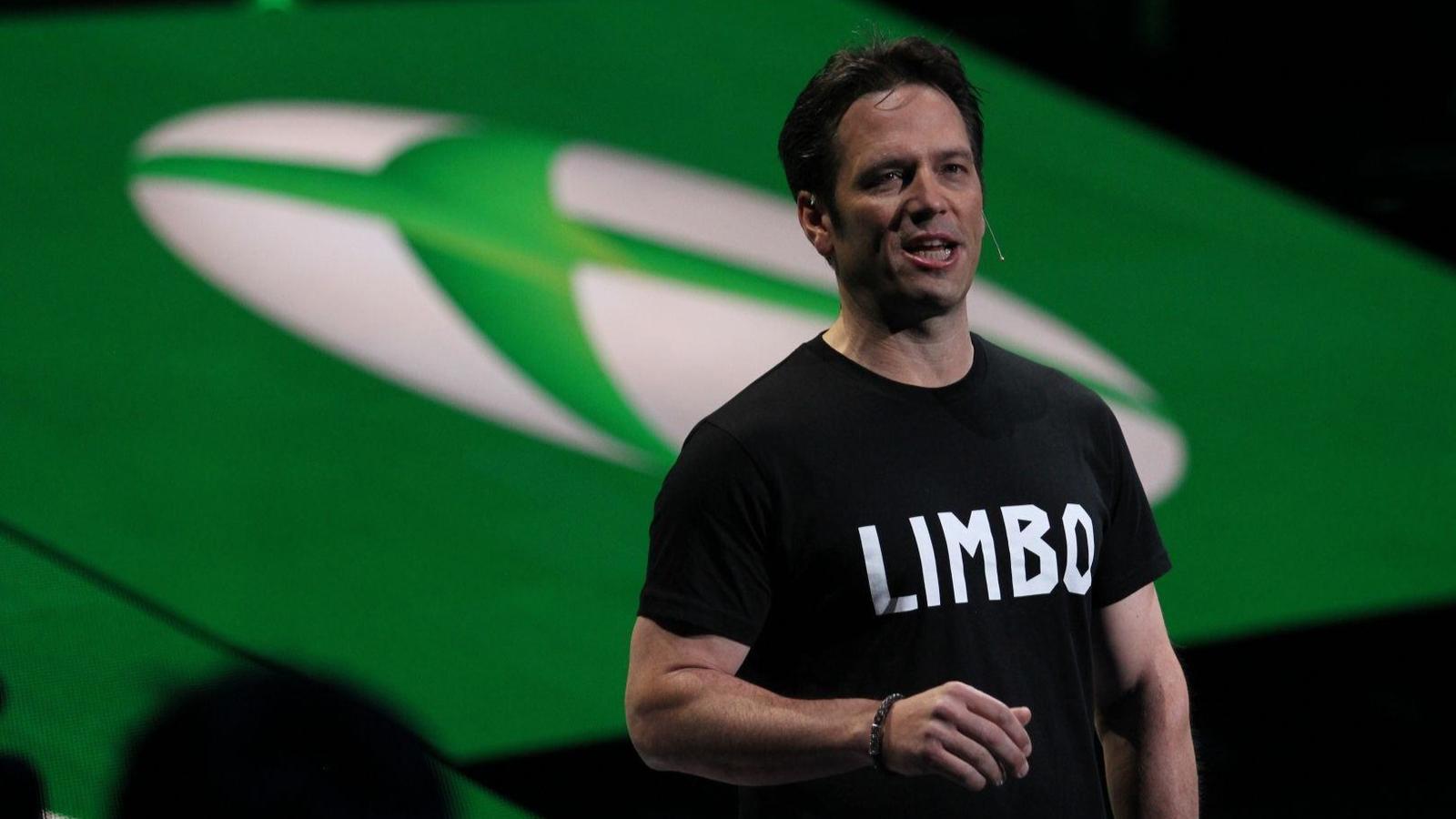
The Phil Spencer era was neither an unconditional triumph nor a disaster. Whatever they write in the comments, he didn't "kill Xbox"—the formula is convenient and sonorous, but too primitive for a serious conversation. Under him, the platform did not become the leader of the generation and actually dropped out of the direct console race. But it was he who pulled the brand out of the crisis, rethought the strategy, and turned Xbox from a box under the TV into a full-fledged ecosystem.
You may disagree with this course—criticize Game Pass, reject multiplatforming, regret console sales. But one thing is impossible to deny: Xbox under Spencer became different—more flexible, technological, and much less dependent on one device.
The scale of the figure is already indicated by the fact that his name measures the era—not only within the corporation, but also in the minds of players. He was the face of Xbox—with all the contradictions, promises, victories, and miscalculations. He went on stage, promised that "next year will be the best for Xbox," argued, made mistakes, became the hero of memes... But still remained "one of us," even if in recent years it was more of an image.
Phil—it was legendary! Over the years, enough reasons have accumulated for both gratitude and criticism. But now you can exhale, drop the burden from your broad shoulders, and finally rest.
And we should look ahead with a cool head. Because the appointment of a new leader caused a reaction that Xbox hasn't seen in a long time: a manager of a completely different type replaced the gamer. And this is a completely different story—a story that may have started with betrayal.
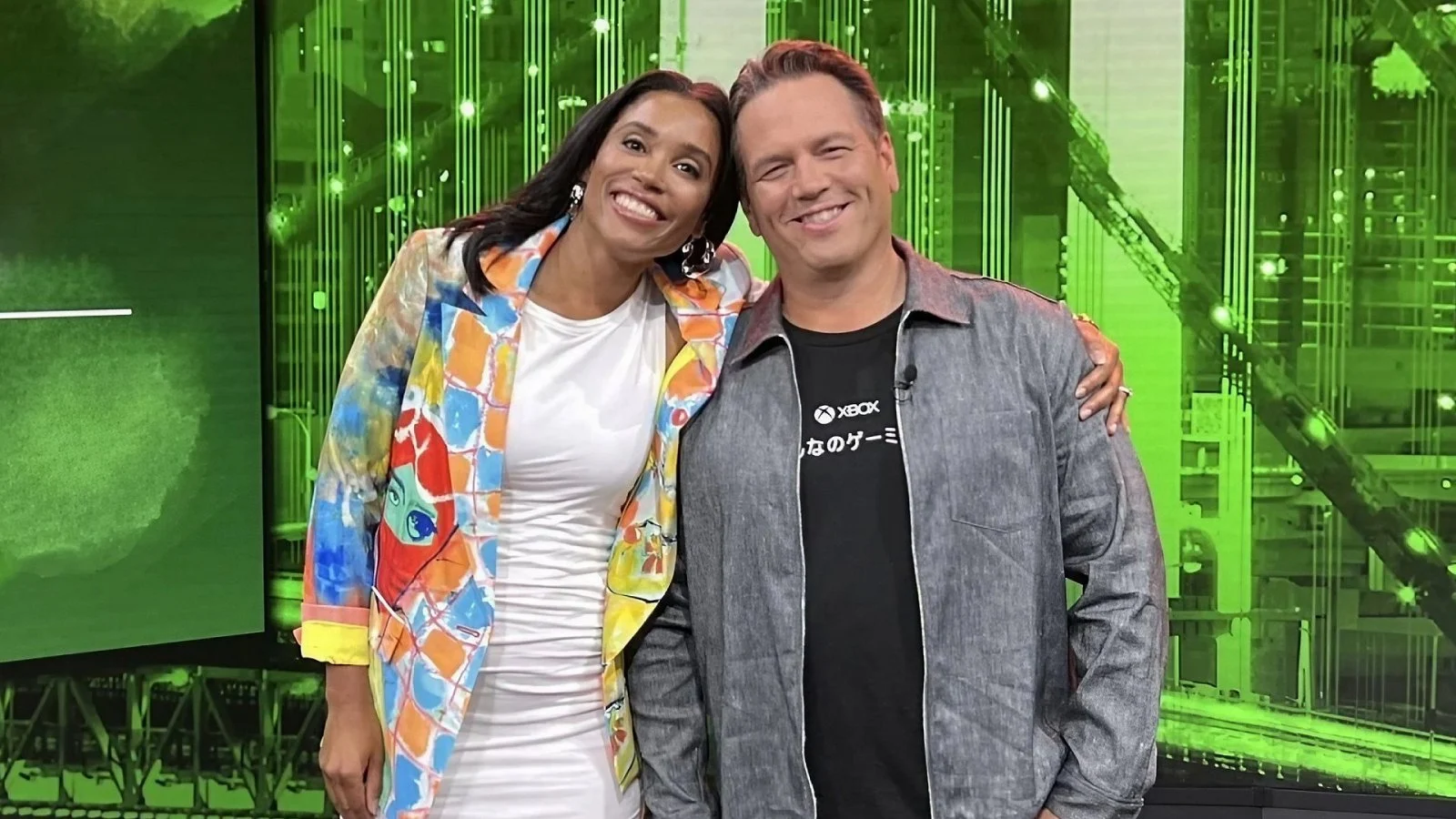
Bond. Sarah Bond. The Failed Heiress
Phil Spencer's departure was expected—the moment was unexpected. Almost immediately after the official announcements, versions began to appear according to which the decision might not have been as voluntary as it was presented publicly. According to rumors, Spencer was planning to hand over management after the launch of the next generation of consoles, but plans changed. There was also talk of Satya Nadella's dissatisfaction with the results of the gaming division—allegedly this led to a conflict. There is no confirmation of these versions and, most likely, there will not be. But let's see what we have in the dry residue.
Asha Sharma, a top manager with an impressive resume but practically unfamiliar to players, has become the new head of Xbox. Hearing her name, gamers only look at each other in bewilderment, remembering their favorite shawarma place or some unprintable expressions.
However, let me hold the intrigue a little before moving on to Sharma herself. There is another important figure in this story—Sarah Bond.
Since 2023, she has held the post of president of Xbox and objectively looked like a natural successor to Spencer. Within the structure, she oversaw key areas, so her departure at the same time as Phil could not but raise questions.
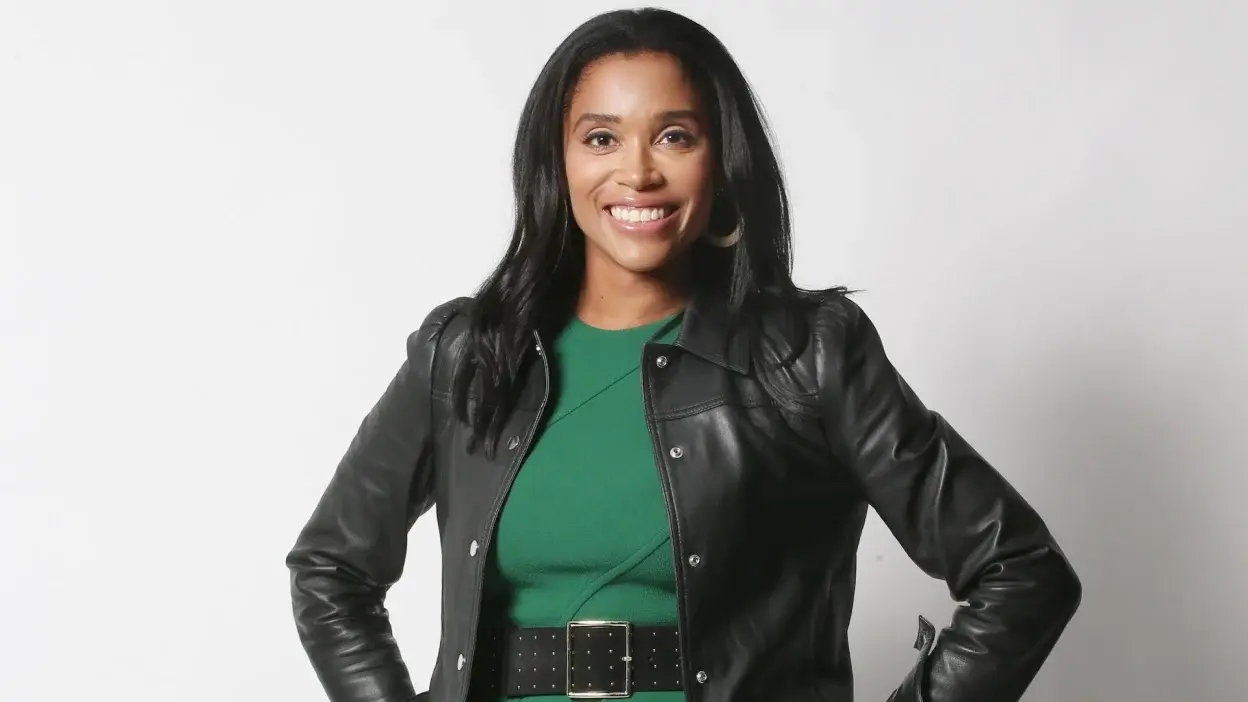
In her address, Bond did everything according to the textbook: she noted the deal with Activision, designated the departure as a logical next stage in her career, thanked Spencer, and supported Asha Sharma. She emphasized that she participated in the planning of the transition and saw in the new chapter a "deep commitment to players and the brand." Moreover, she remains a special advisor to ensure a "smooth transformation."
No scandal, no slamming the door, no public disagreement. But let's be honest: when a person who looked like a logical successor leaves at the same time as the current head—this is always a signal. And when this person publishes an address on LinkedIn noticeably later than the others—this is already the second signal.
According to an unofficial version, Bond could leave the company shortly after Spencer's departure, and the reason could be a conflict between him and Satya Nadella. According to this version, she preferred to leave with her leader. There is also a more prosaic explanation: a person who was being prepared for the role of head of Xbox was bypassed at the last moment by a candidate from the outside—and even from a completely different field. Staying in a system where the career ceiling suddenly hit the top of your head means voluntarily accepting the role of second fiddle for an ambitious manager.
Let's not put on foil hats, which some media are already flaunting, discussing "compatriots" and other ethnography. It is enough to recognize the obvious: there was not just a change of leader, but a fixation of a new course. And, what is especially important, signs of a reversal appeared long before Spencer's official departure. As one popular essayist and blogger says: "Watch your hands."
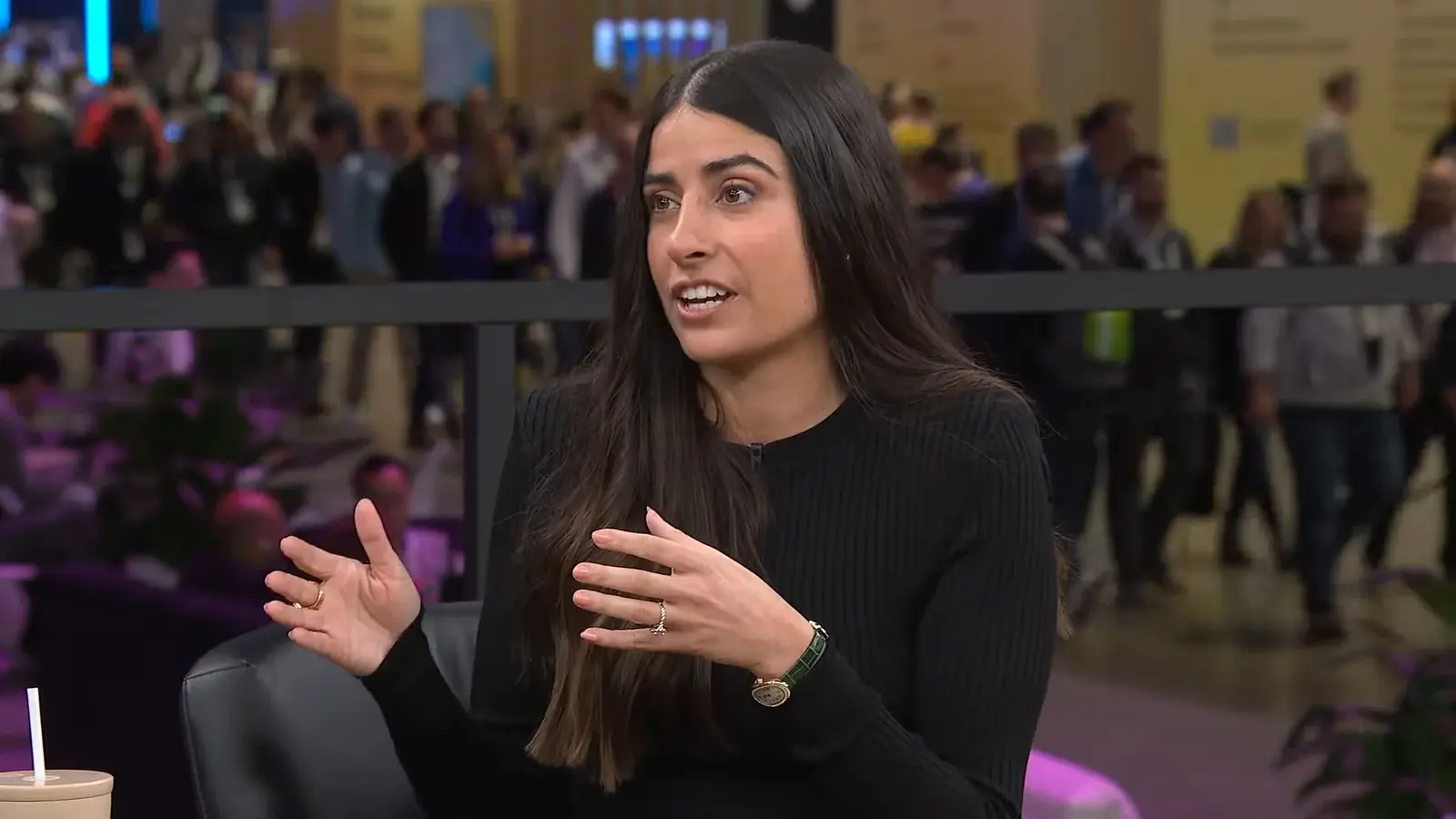
Who is Asha Sharma
Ashi Sharma's professional career developed in a completely different plane than Spencer's. She is a "shark" of big IT business: she held leading positions in a company banned in the Russian Federation and was a top manager at the Instacart delivery service. In these structures, the focus is on user base growth, audience retention, and monetization - dry metrics such as ARPU (average revenue per user), LTV (customer lifetime value), and conversion. Simply put, her world is maximizing profits from online services, advertising, and managing consumer habits.
Among her achievements is the development and management of the infrastructure through which billions of users of one "extremist" company starting with the letter M interacted from 2017 to 2021. It was during this period that unified messaging systems were built and the commercial component of messengers was strengthened: business accounts, advertising experiments, and reduced organic reach for those who do not pay. The logic is simple: if you have billions of users, they should generate comparable revenue.
From 2021 to 2024, Sharma served as Chief Operating Officer of Instacart. She oversaw product, design, data science, logistics, and marketing - virtually the entire operational circuit. Under her leadership, Instacart went public (stock trading) and became profitable. The company ceased to be "just a delivery service" and became a platform for monetizing retailers: advertising tools, software solutions for stores, and process automation.
At the same time, Sharma is no stranger to Microsoft. She worked at the company in 2011-2013 in marketing positions, and in 2024 she returned as Corporate Vice President and Head of Microsoft CoreAI, responsible for the implementation of AI in consumer services. Perhaps it was there that she proved herself to senior management.
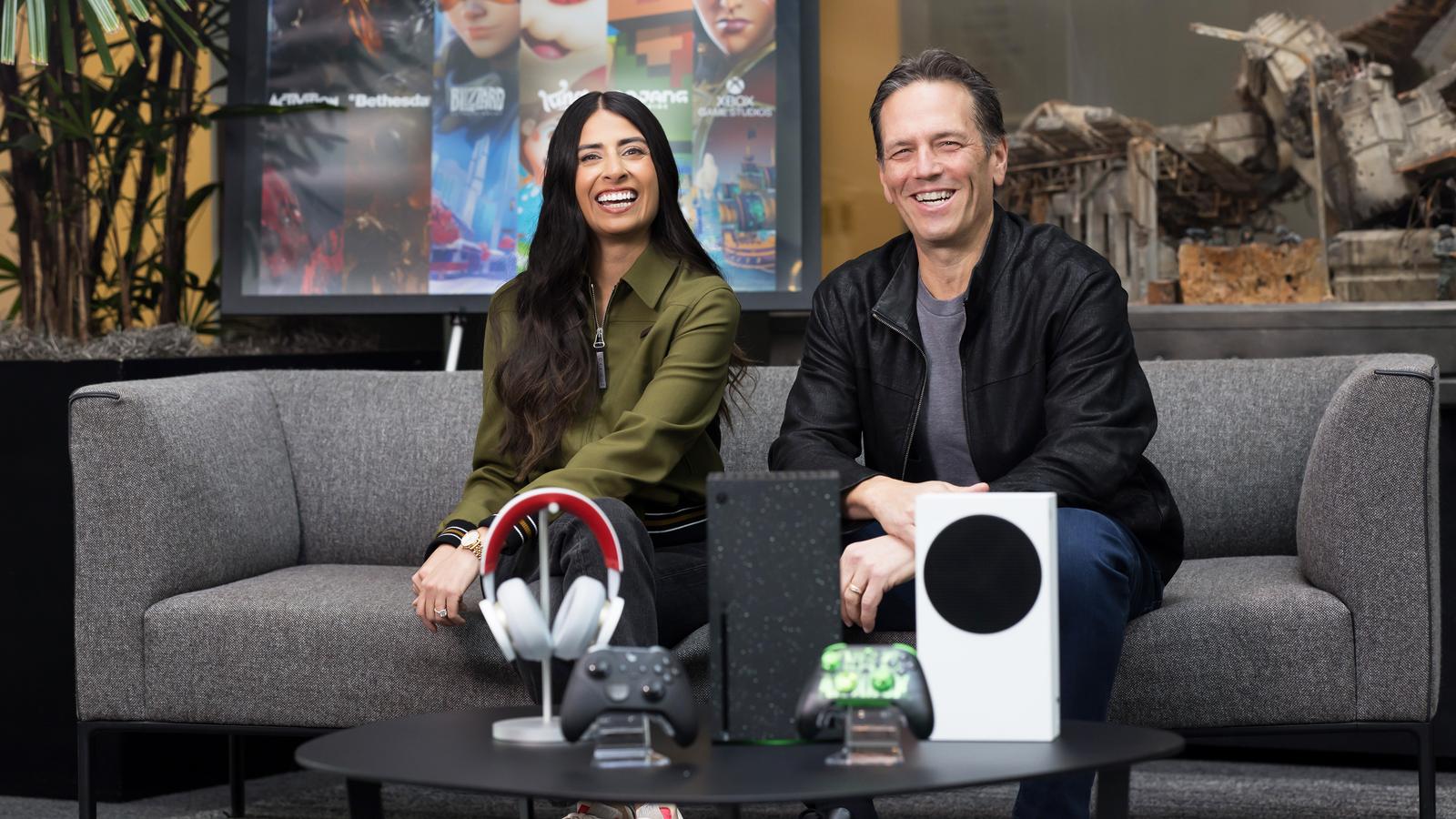
It is not surprising that, looking at this track record, some gamers panic and rush to announce the funeral of Xbox. Because the list answers not only the question "who is she", but also the question "why is she here". If Spencer turned the platform into an ecosystem for players, then Sharma, it seems, will have to make this ecosystem a predictable financial model.
Faced with skepticism, Microsoft rushed to build her image as "one of us" for the community. Sharma began to talk about the return of the Xbox spirit, about "great games created by people", and assured that the platform would not be overwhelmed by "soulless neuroslop" and that the values of players would remain in the spotlight. The wording sounds correct - so correct that there is a feeling of a pre-rehearsed set of theses.
Sharma even has a personal Xbox account, which players immediately disassembled under a microscope. The results were, to put it mildly, ambiguous. The account looks fresh: the first achievements in Halo: The Master Chief Collection date back to mid-January - about a month before the appointment. At the same time, in such a short period, dozens of launched games appeared in the profile, one hundred percent completion of Ball x Pitt and rare achievements in Minecraft, which usually take dozens of hours, while Sharma, judging by the statistics, spent about twelve hours in the game. This does not prove anything directly, but it creates a feeling of a carefully assembled image.
However, the main question is not whether the new leader plays Halo or Minecraft - or who plays for her. What is much more important is what management principles she will bring to Xbox and what players should prepare for.
Spoiler: "horror stories" began long before her
The first thing they started talking about after Sharma's appointment was the increase in the subscription price. But Game Pass has been getting more expensive for several years: levels are changing, promotions are disappearing, and tariff content is being redistributed. All this started long before February 2026.
Initially, the service was conceived as a tool for aggressively returning the audience after the failure of Xbox One - as beneficial as possible for the player and strategically justified for the company. When the period of rapid growth ends, the next stage begins - leveling the economy. It seems that Sharma was invited for this: she will simply bring to a logical conclusion what was already gradually happening.
A similar story with advertising and microtransactions. Users fear that under the new leadership, the service will be cluttered with banners and turned into a "loot box delivery service". However, talk about advertising tariffs in cloud gaming and access to Game Pass for watching ads has been going on for several years.
Last fall, Microsoft tested a free level of Xbox Cloud Gaming with a limited set of games and advertising instead of payment. This is a direct signal: the company is looking for ways to monetize the audience that is not ready to pay. It is this audience that will replace us - today's children and teenagers. And here Sharma will again act as a systematizer, not an initiator.
The same applies to Day One releases. It was a "killer feature", but even under the previous leadership, reservations appeared: paid early access, special editions with bonuses, user segmentation. Suffice it to say that Forza Horizon 6 for $120 allows you to start playing four days earlier. And if you already have a Game Pass subscription, you can pay "only 60 bucks" for the same four days of early access. Honestly, it's hard for me to imagine someone coming up with an even more stupid monetization scheme. It's already hitting the bottom.
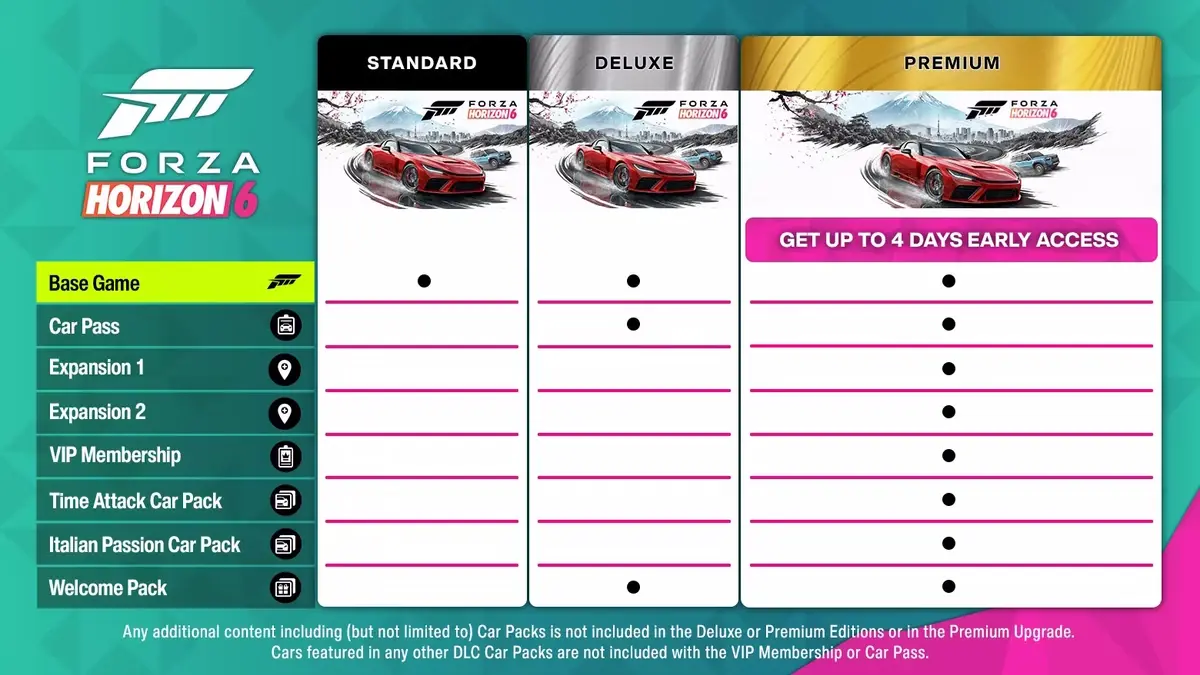
For the games themselves, however, it is too early to worry. Under Phil Spencer, production processes were built, and in recent years Xbox has really demonstrated a stable flow of releases. In public statements, after the change of leadership, content is put at the forefront, and now Matt Booty is responsible for it, who actually received a promotion and became the director of content. In his address, he made it clear that no reductions in studios are planned and no organizational "purges" are expected. The restructuring affected the management structure, not the development teams.
Although it cannot be ruled out that in the process, some of the least efficient assets will still be cut, and others will be controlled more tightly. And the current statements may well be an attempt to stabilize user confidence, undermined by a series of failures and the change of leadership itself.
It is too early to guess about Booty's future prospects. It is possible that he will continue Spencer's course. I have a theory that "mommy" Sharma will now put things in order in finance and let Booty continue to play with toys, going to do "serious" things.
The main thing to remember is that it is not about a sharp turn, but about the transition from the growth phase to the monetization phase. Most of the changes that players fear have already happened - they will simply become more systematic and noticeable. Therefore, if you have already mentally buried Xbox, you should not count on a sudden "bright future". The corporation will return the funds invested in the brand reboot and in pushing "popular" solutions. And in this logic, customers are more important to it than gamers. Phil Spencer will not let you lie - there is a difference between these words.

What's next?
Changing the sign on the top floor should not be confused with the immediate demolition of the building. Large corporations move by inertia: key decisions are prepared for years and rarely depend on one person. The processes that fans fear today did not begin at the end of February 2026 at all. Subscription segmentation, price increases, advertising experiments, hybrid release models - all this was formed under the previous leadership. And even if Spencer had stayed, the course towards increased monetization would not have gone away: the economics of the service model dictate their own rules regardless of the CEO's name.
Yes, the era symbolized by Phil Spencer is coming to an end. Xbox will never be the same. Perhaps it will become even less "homely" and more commercial. Or perhaps it will be able to combine the best of both worlds - who knows. Be that as it may, the gaming community will always find something to play and something to root for.
Today we thank Phil Spencer for his contribution and say goodbye to him as the captain of the Xbox ship. And tomorrow we will see where the new captain will lead this ship. The main thing is not to drown the service in monetization so much that players start massively voting with their wallets towards the exit. I want to believe that Matt Booty, in the role of the lookout, will notice the icebergs in time and the course, whatever it may be, will lead to new games and experiences. After all, that's what the industry exists for.
Never miss our newsAdd this site to your preferred sources to see us more oftenAdd on Google