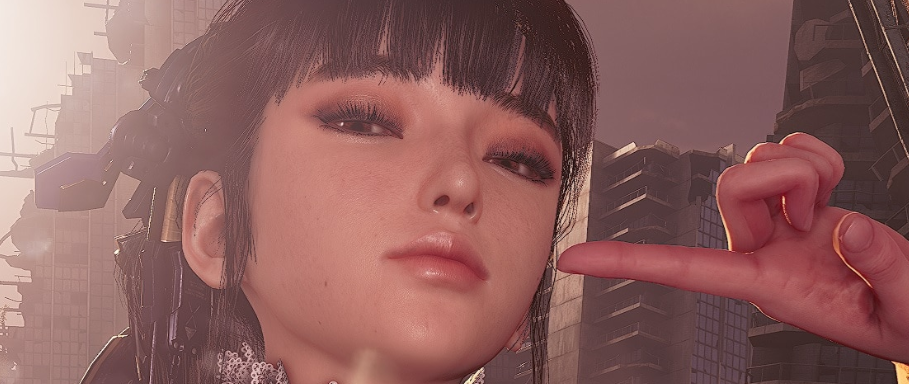
Many American Teens Avoid Games With "Degrading" Depictions of Women
Not everyone is attracted to explicit images.
Recently, the Center for Scholars & Storytellers at the University of California, Los Angeles presented the results of a survey of 1,500 "teenagers" in the United States (people aged 10-24) about their experiences in games.
Researchers found that "42.1% of women and girls avoid games where women are depicted in a degrading light, as do 36.8% of boys and men."
It is noted that one of the biggest problems among respondents was the fear of harassment (inappropriate behavior that causes discomfort).
More than half of the women and girl gamers surveyed believe that they have to "behave in a certain way" while playing because of "gender, race."
And in general, teenagers noted that they experience pressure associated "with social conformity, expectations regarding results or skills, as well as the need to act in accordance with stereotypes or resist them."
Social features that make video games a place for communication can also cause social pressure
About 41.6% of respondents take into account "racial diversity of characters and storylines" when choosing games. And almost 47.8% found it difficult to find games with characters that would represent them - the problem is especially acute for gamers of Asian (55.9%) and Hispanic or Latino origin (56.3%).
There are also positive aspects: about 88% of respondents were able to find a "small community" for themselves through games, and about 70% of them "felt a greater connection with friends."
More than 52% of respondents believe that games help them regulate emotions.
Less than a third of respondents said that games made them feel more aggressive (32.9%) or "stressed" (27.8).
Never miss our newsAdd this site to your preferred sources to see us more oftenAdd on Google