NVIDIA Releases Bonsai Diorama Demo: A Glimpse into the Future of Graphics
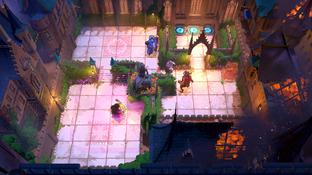
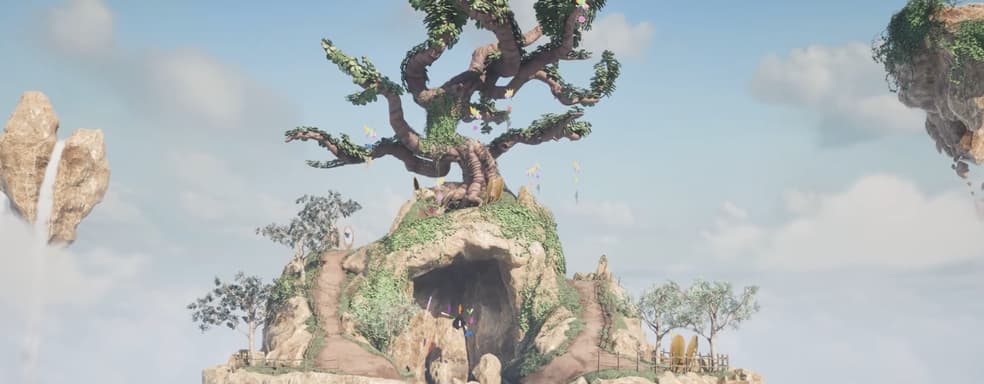
NVIDIA has unveiled the "Bonsai Diorama" tech demo, showcasing the capabilities of the RTX suite, from DLSS 4 to Path-Tracing and the latest RTX Mega Geometry technology. The project coincides with the release of the Unreal Engine 5.6.1 update and is available for download to anyone who wants to test the latest developments in rendering.
The demo utilizes DLSS Super Resolution, DLSS Ray Reconstruction, DLSS Frame Generation, and an improved ReSTIR PT, which is responsible for accurate lighting and high image quality in path tracing.
A GeForce RTX 2080 Ti is the minimum requirement to run the demo, with an RTX 5060 being the recommended card. GeForce driver 581.29 or newer is required. The menu allows you to select the resolution and window mode: owners of cards with 8 GB of VRAM are recommended to use 1080p or 1440p, while those with 11 GB or more can experience the demo in 4K.
After launching, the interface can be toggled with the H key. There you will find settings for RTX Mega Geometry, Ray Reconstruction, DLSS Super Resolution modes (Off, DLAA, Auto, Quality, Balance, Performance, Ultra), and Frame Generator (Off, Auto, 2x, 3x, 4x).
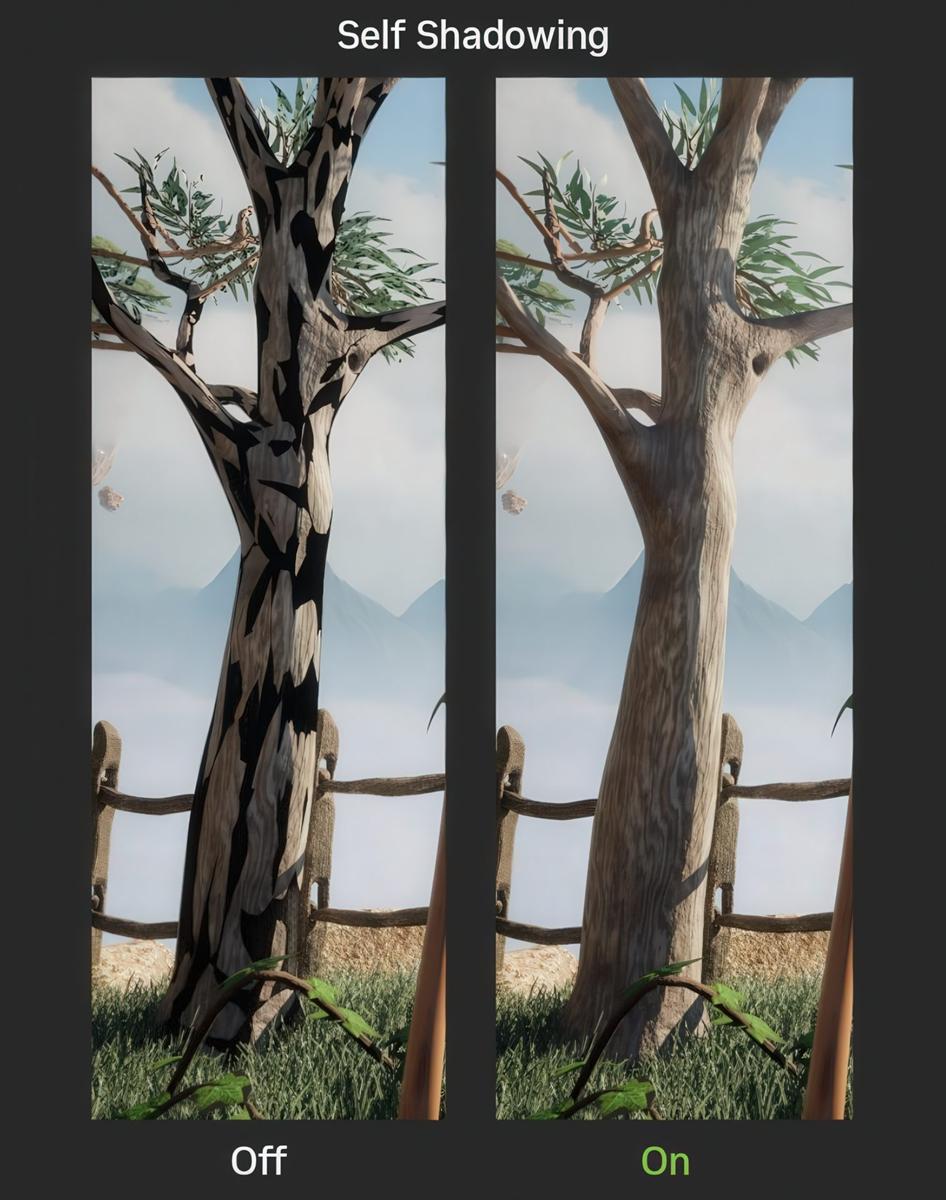
The main focus of the demo is RTX Mega Geometry, which was first used in Alan Wake 2. The technology combines Nanite geometry directly with BVH, improving shadows, reflections, and lighting without Unreal Engine 5 artifacts.
NVIDIA has also updated ACE (Avatar Cloud Engine), which now supports the open-source AI model Qwen3-8B as a plugin for the In-Game Inferencing SDK, allowing for the integration of artificial intelligence into gameplay.
New SDK features include:
- MultiLORA support for rapid model training;
- CUDA optimization for Vulkan, accelerating graphics and AI.

Never miss our newsAdd this site to your preferred sources to see us more oftenAdd on Google